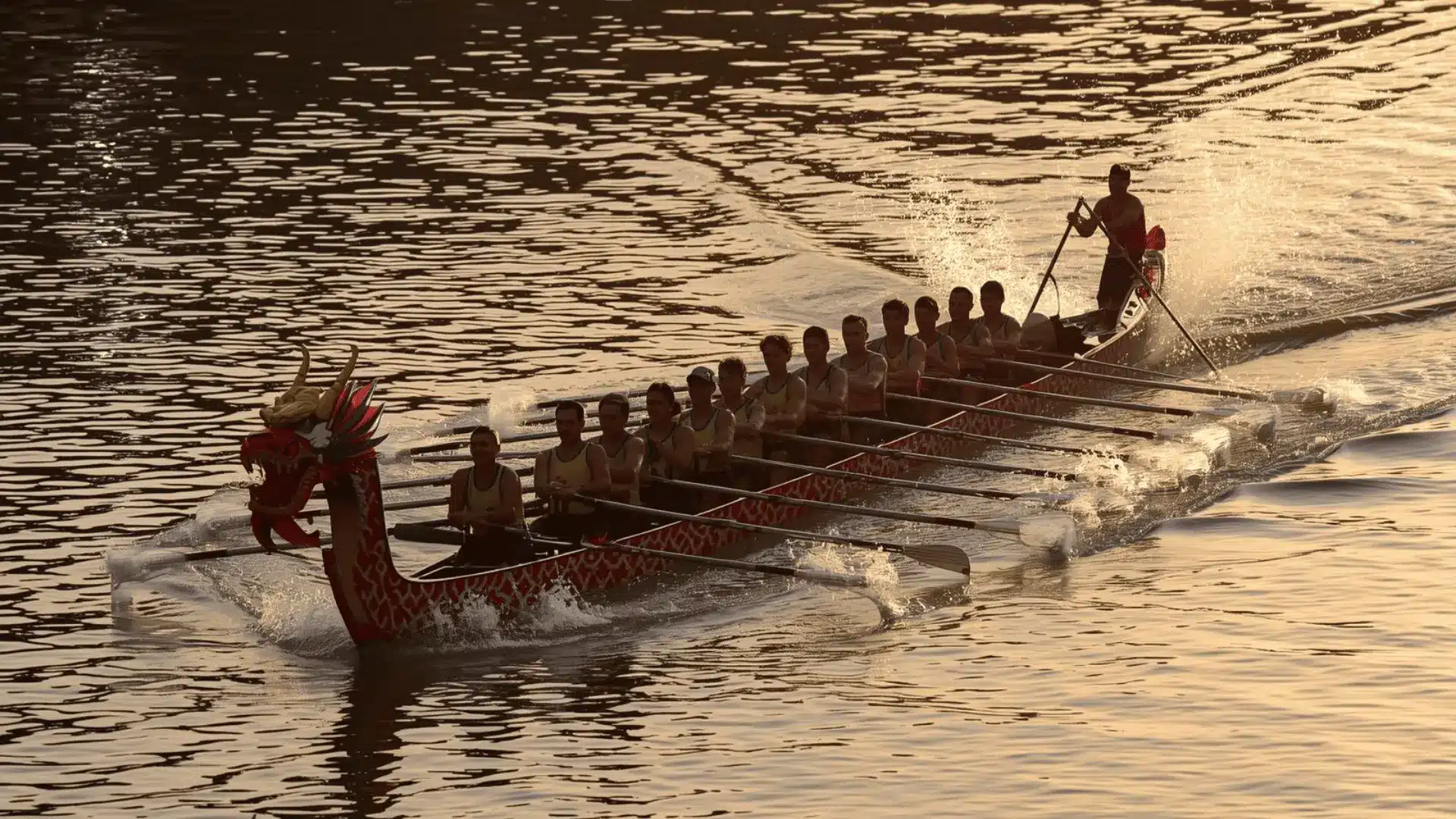
Have you ever seen a long, colorful boat with a dragon head gliding across the water? That’s dragon boating in action. This ancient sport brings teams together in ways few activities can match.
Dragon boating started in China over 2,000 years ago. What began as a cultural ceremony has turned into a worldwide team sport.
Twenty paddlers, one drummer, and one steerer work as a single unit. Their goal is simple: move the boat faster through perfect timing and teamwork.
The sport welcomes everyone. Fitness level doesn’t matter as much as the willingness to paddle in sync with the crew. Dragon boating teaches valuable lessons about cooperation, rhythm, and trust.
This overview covers everything needed to understand the sport. From its legendary origins to modern racing techniques, the following sections explore what makes dragon boating special.
What Is Dragon Boating?
Dragon boating is a team water sport with roots stretching back over 2,000 years to ancient China. Teams of paddlers work together to propel a long, decorated boat through the water.
While the 20-paddler “Standard Boat” is the traditional icon, the 10-paddler “Small Boat” is now an official, highly popular competitive category used globally in major championships.
A drummer keeps the rhythm at the front while a steerer guides from the back. The boats feature carved dragon heads and tails, honoring the sport’s cultural origins.
The sport began as a ritual to honor a Chinese poet and patriot. Today, dragon boating has grown into a global activity that brings together people of all ages and skill levels.
Races can be short sprints or longer distances. Success depends on synchronized paddling and teamwork. Many communities form dragon boat clubs that compete in local and international festivals.
Dragon boats have unique features that make them perfect for team racing. The design combines traditional Chinese culture with practical elements built for speed and stability on the water.
Features of a Dragon Boat
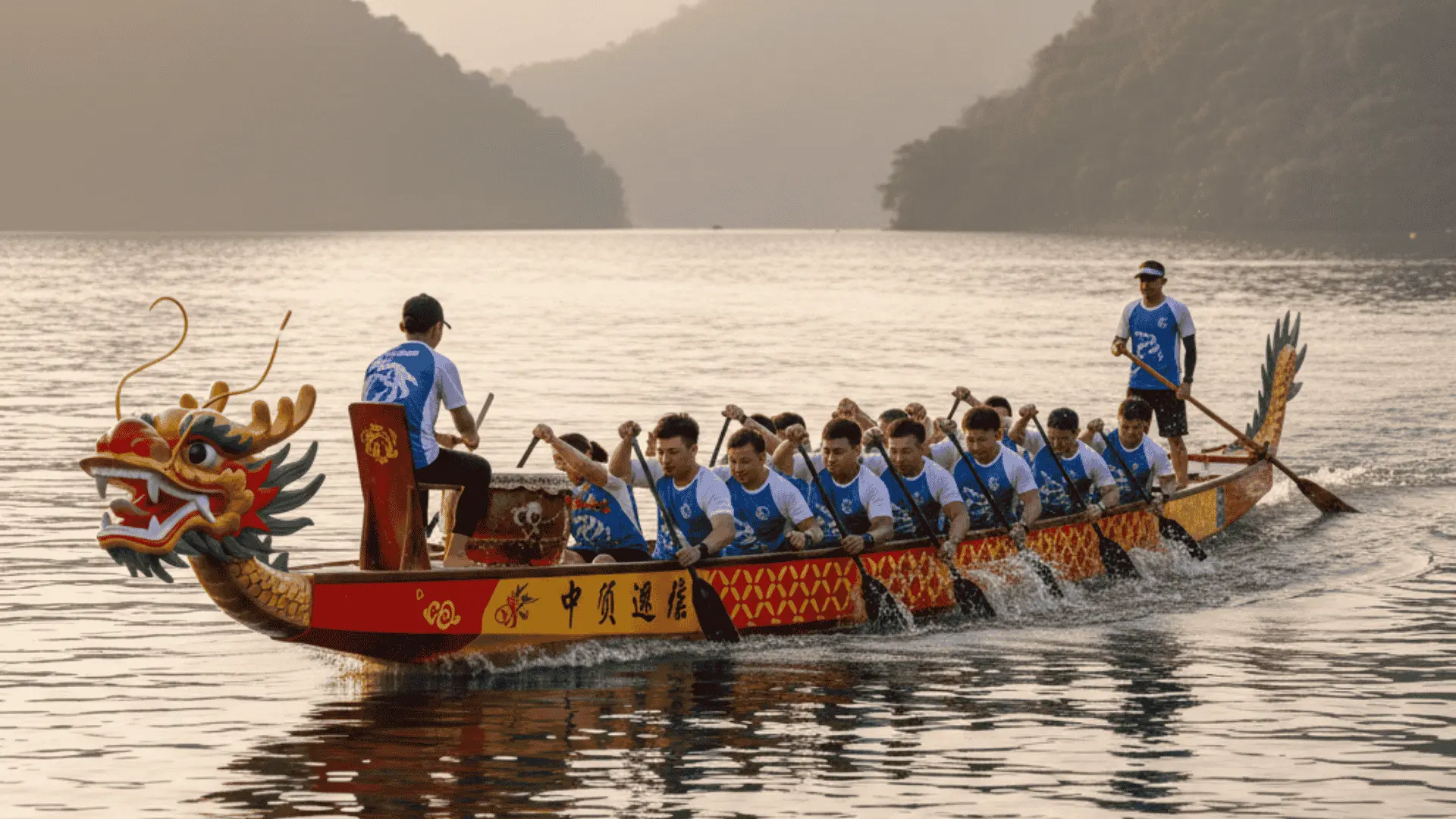
Dragon boats have unique features that make them perfect for team racing. The design combines traditional Chinese culture with practical elements built for speed and stability on the water.
- Long and Narrow Hull: The boat measures 40 feet long yet remains narrow. This sleek shape cuts through the water efficiently and helps build speed during races.
- Ornamental Dragon Features: A carved dragon head sits on the front, while a tail decorates the back. These elements honor the ancient Chinese traditions tied to dragon boating.
- Side-by-Side Seating: Paddlers sit in pairs facing forward along both sides. This arrangement balances the boat’s weight and allows coordinated paddling from each side.
- Stable Platform: Despite the narrow design, dragon boats remain stable in the water. The wide base and low center of gravity prevent tipping during intense paddling.
- Bright Colors and Decorations: Teams often paint their boats in bold colors like red, yellow, or green. Traditional patterns and team logos add personal touches to each vessel.
- Heavy-Duty Construction: Modern dragon boats are made of fiberglass or carbon fiber. These strong materials withstand years of training and competition while staying relatively lightweight.
Dragon Boat Equipment Essentials
Below are essential equipment items every dragon boat paddler needs for safe, comfortable, and effective training and racing, including paddles, safety gear, protective clothing, and waterproof accessories.
| Equipment | What It Does |
|---|---|
| Dragon Boat Paddle | Propels the boat forward and helps you match the crew’s timing and rhythm. |
| PFD (Life Jacket) | Keeps you afloat if you fall in; required in many clubs or conditions. |
| Quick-Dry Clothing | Dries fast, stays comfortable when wet, and helps prevent chafing. |
| Water Shoes Or Grippy Sandals | Protects your feet and prevents slipping on wet docks or muddy launches. |
| Seat Pad | Adds comfort on the bench and reduces numbness during longer paddling sessions. |
| Gloves | Improves grip and helps prevent blisters, especially during new or long practices. |
| Sun Protection (Hat, Sunscreen, Sunglasses) | Protects skin and eyes from sun exposure during outdoor training and races. |
| Dry Bag | Keeps valuables like phone, keys, and snacks dry near the water. |
| Hydration Bottle | Helps you stay hydrated before, during, and after practice or racing. |
| Towel And Spare Clothes | Lets you dry off and change comfortably after getting wet. |
How Dragon Boat Racing Works
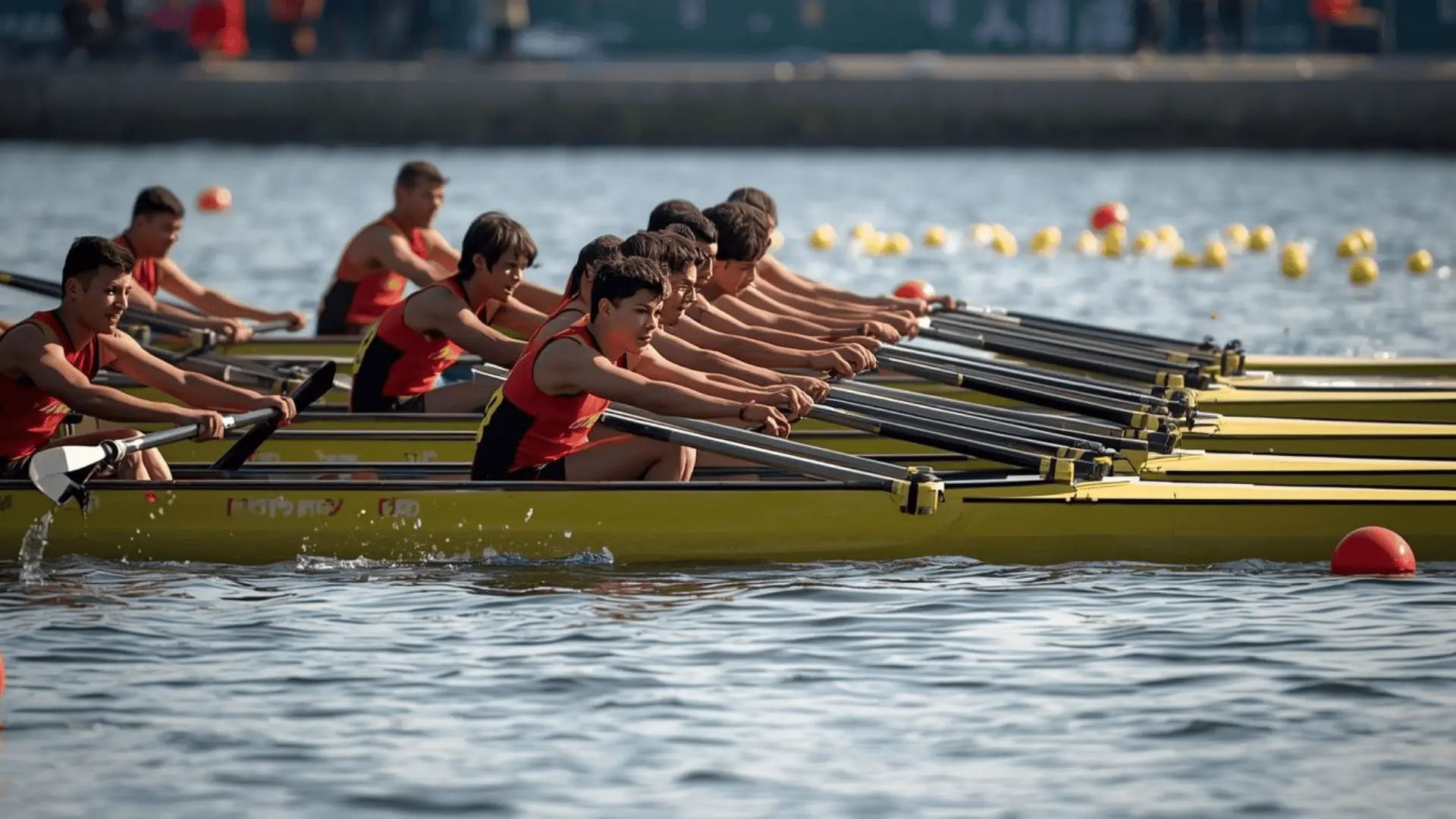
Dragon boat racing has a simple goal. Teams race to cross the finish line in the shortest time while following official rules.
Most races cover either 200 meters or 500 meters. These distances work well for beginners and experienced paddlers alike. Some festivals offer longer courses or shorter sprint races, depending on the event.
A typical race follows a clear pattern. Teams line up at the starting area and wait for positioning. The starter makes calls to prepare crews. At the signal, paddlers explode with power to quickly build speed. The team settles into a strong, steady pace through the middle section. A final sprint pushes toward the finish line.
Races feature different team categories. Mixed crews include both men and women paddlers. Other divisions separate teams by age, experience level, or gender. This structure lets everyone compete fairly in dragon boating.
Team Positions and Roles
Below are essential team positions in dragon boat racing, including paddlers who generate power, the drummer who sets rhythm, the steerer who controls direction, and specialized pairs that optimize performance throughout the race.
| Team Position | Role In The Boat |
|---|---|
| Paddlers | Provide power and speed. They follow timing cues, keep strokes clean, and stay in sync with the crew. |
| Drummer (Caller) | Sets the rhythm and pace for the team, calls timing changes, and keeps energy high during starts and finishes. |
| Steerer (Helm) | Controls direction and keeps the boat in its lane using a long steering oar, while making quick decisions based on water and race conditions. |
| Stroke Pair (Lead Paddlers) | Sits at the front and sets the stroke rate and technique that the rest of the boat matches. |
| Engine Room (Middle Paddlers) | Produces steady power through the mid-race section, helping the boat maintain speed and control. |
| Rocket Pair (Back Paddlers) | Helps drive the boat forward late in the race and supports strong finishes while keeping timing tight. |
While the steerer (helm) often stands in traditional or festival settings, in standard IDBF competitive racing, the steerer typically sits on a high seat to lower the center of gravity and provide better leverage for the steering oar.
Benefits of Dragon Boating
Dragon boating offers physical fitness, teamwork building, cultural connection, and mental wellness benefits while providing an inclusive water sport experience accessible to people of all ages and abilities.
- Full Body Workout: Dragon boating works your arms, core, back, and legs together. Each paddle stroke builds strength and improves your cardiovascular fitness over time.
- Teamwork and Connection: You paddle in sync with other people. This creates strong bonds and teaches you to work together toward a shared goal.
- Cultural Experience: Dragon boating connects you to over 2,000 years of Chinese tradition. You learn about festivals, customs, and the sport’s rich history through participation.
- Mental Health Benefits: Being on the water reduces stress and clears your mind. The rhythmic paddling and team energy boost your mood and overall mental wellness.
- Low Impact Exercise: Dragon boating is easier on your joints than running. The water-based activity provides effective exercise while minimizing the risk of injury.
- Social Community: Teams often become close friends outside of practice. You meet diverse people who share your interest in paddling and being active together.
Dragon Boating History and CulturalRoots
Dragon boating has a rich history spanning more than two millennia. The sport blends ancient Chinese ceremonies with a powerful legend that continues to inspire paddlers worldwide.
Ancient Chinese Beginnings
Dragon boating started in southern China over 2,000 years ago. It originated as a fertility rite to ensure a good harvest and was tied to the veneration of the Dragon deity (the controller of rain/water) during the summer solstice.
The boats featured dragon decorations because dragons were associated with water in Chinese culture. Racing became part of religious festivals that brought villages together and were passed down through generations.
The Story Behind the Tradition
The legend of Qu Yuan shaped dragon boating traditions. This beloved poet drowned himself in the Miluo River around 278 BCE after his kingdom fell.
Villagers rushed out in boats, beating drums to scare fish away while searching for his body. They threw rice into the water.
Dragon Boating Around the Globe
While 1976 is widely recognized as the birth of modern international sport in Hong Kong, the first participants were not strictly “global” in the modern sense. It was the Hong Kong Tourism Board that invited foreign crews, effectively transitioning it from a folk ritual to an international invitational sport.
The sport reached North America, Europe, and Australia through the 1980s and 1990s. Today, dragon boating exists on every continent with standardized competitions. Teams train year-round and compete at festivals worldwide while honoring the sport’s ancient Chinese roots.
Dragon Boating Technique Basics
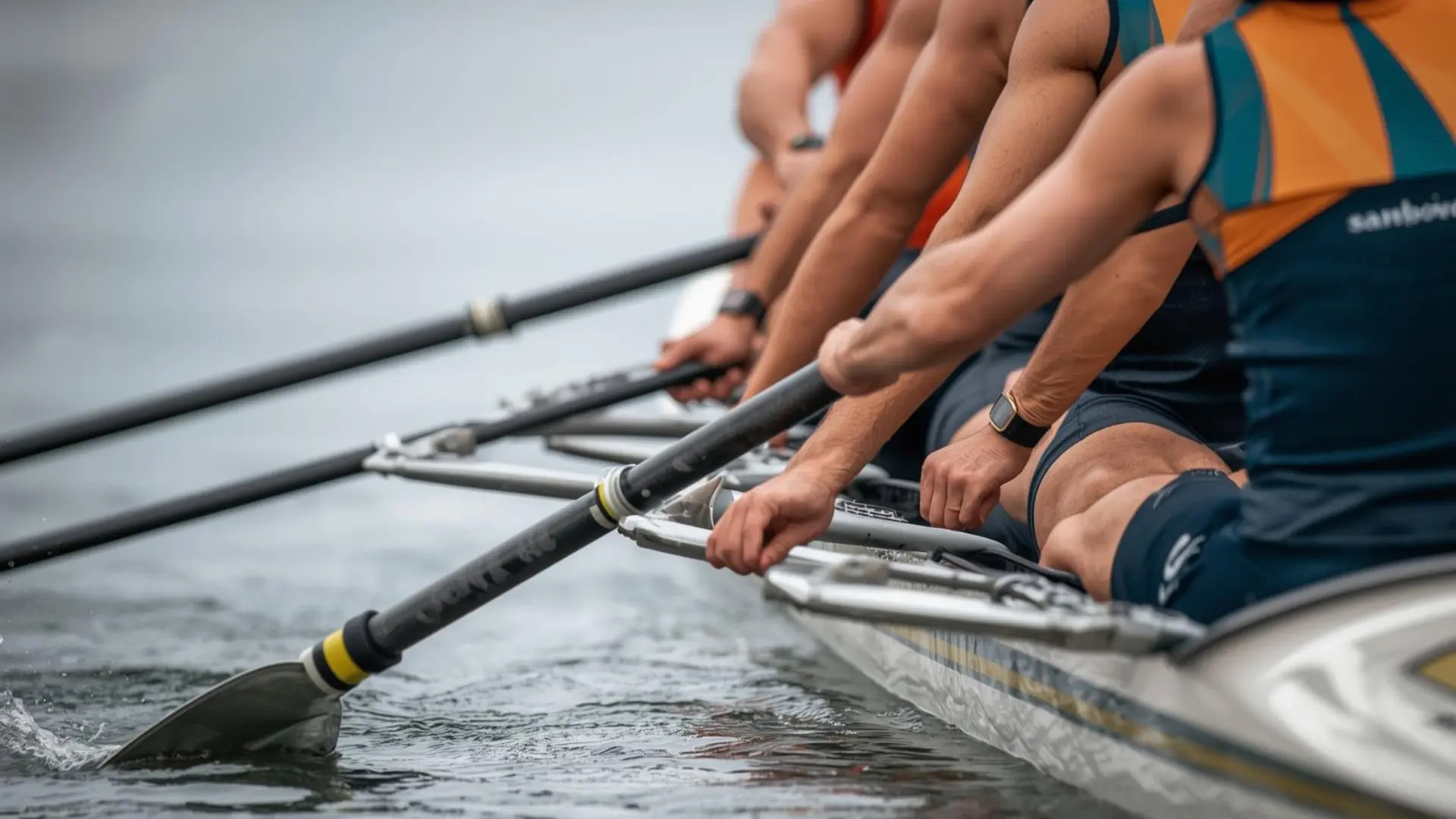
Dragon boating technique relies on proper paddle strokes and synchronized timing. Learning the basic movements and working together as a team creates speed and efficiency on the water.
- The Catch: Plant the paddle blade fully into the water at the front of your reach. Keep your top arm straight and rotate your torso forward for maximum extension.
- The Pull/Drive: Pull the paddle back through the water using your core and leg muscles. Rotate your torso backward while keeping the blade deep and close to the boat for power.
- The Exit: Lift the paddle cleanly out of the water when it reaches your hip. A quick, smooth exit prevents drag and prepares you for the next stroke cycle.
- The Recovery: Swing the paddle forward above the water back to the starting position. Relax your arms during this phase and prepare your body for the next catch.
- Synchronized Timing Wins Races: Twenty paddlers stroking together move the boat faster than twenty paddlers stroking hard but out of sync. The drummer’s beat keeps everyone perfectly in time.
- Power Through Unity: When all blades enter and exit the water at the same moment, the boat surges forward smoothly. Individual strength matters less than the team’s ability to move as one unit.
Dragon Boat Festival: Meaning, Timing, And Traditions
The Dragon Boat Festival celebrates Chinese culture through racing, food, and community gatherings. This ancient holiday connects dragon boating to its cultural roots while bringing people together for festive celebrations.
When the Festival Happens
The Dragon Boat Festival falls on the fifth day of the fifth lunar month, usually in late May or early June. This timing honors Qu Yuan’s death and the original rescue attempts.
The festival holds deep cultural meaning in Chinese communities worldwide. Families gather to remember traditions and celebrate heritage through dragon boating events.
Celebrating with Food and Racing
Dragon boat races form the centerpiece of festival celebrations. Families also prepare zongzi, sticky rice wrapped in bamboo leaves, remembering the rice thrown for Qu Yuan. Communities organize waterfront events with music, vendors, and cultural performances.
The festival atmosphere stays relaxed and welcoming. People of all ages participate in activities that blend ancient customs with modern fun.
Festival Racing
Festival racing welcomes everyone regardless of skill level. Crews often mix experienced paddlers with first-timers. Some festivals use shorter boats or adjust distances to include more participants.
Safety Guidelines for Dragon Boating
The focus stays on cultural celebration and community rather than pure competition. This inclusive approach differs from serious sport racing, where teams train extensively and follow strict competitive standards.
- Wear Your Life Jacket: Always put on a properly fitted PFD before getting in the boat. This keeps you safe if you fall into the water during practice or competition.
- Check Weather Before Paddling: Look at weather forecasts before heading out. Lightning, strong winds, and storms make paddling dangerous and require immediate return to shore.
- Listen to Your Steerer and Coach: Follow instructions from team leaders at all times. They make quick decisions about safety based on water conditions and boat positioning.
- Warm Up Your Muscles: Stretch your arms, shoulders, back, and core before paddling. Proper warm-ups prevent muscle strains and reduce the risk of injury during intense training sessions.
- Stay Hydrated: Drink water before, during, and after practice. Being on the water does not mean you are protected from dehydration and heat-related issues.
- Know Emergency Procedures: Learn what to do if someone falls overboard or the boat capsizes. Your team should practice these procedures during regular training sessions.
The Bottom Line
Dragon boating combines rich cultural history with exciting team competition. The sport traces back to ancient China and the legend of Qu Yuan.
Today, it thrives on every continent, with clubs and festivals that bring communities together. Understanding the basics makes the sport more accessible.
The four stroke phases create efficient movement. Synchronized timing beats individual power every time. Race formats vary from short sprints to festival celebrations that welcome beginners.
The decorated boats, the steady drum beat, and the unified paddling create something memorable. Dragon boating offers physical activity, cultural connection, and genuine teamwork all at once.
Ready to experience dragon boating for yourself? Look for local clubs or upcoming festivals in your area. Share this page with anyone curious about trying a sport rooted in tradition but alive with modern energy.
Frequently Asked Questions
Is Dragon Boating in The Olympics?
Dragon boating is not currently an Olympic sport. It has been proposed for inclusion but has not yet been added to the Olympic Games program.
Why Is It Called a Dragonboat?
The boats feature carved dragon heads at the front and dragon tails at the back. These decorations honor Chinese culture, where dragons symbolize water and power.
What Is the Hardest Position in The Dragon Boat?
The steerer position is often considered the hardest. They control direction, read water conditions, and make strategic decisions while standing and using a long steering oar throughout the race.