Imagine diving underwater and breathing as naturally as you do on land. No mouthpiece.
No jaw fatigue. Just pure, comfortable exploration. That’s exactly what a full face scuba mask offers.
If someone is new to diving or has years of experience, the right mask can completely change how diving feels.
A full-face scuba mask covers the entire face, combines the mask and regulator into one unit, and provides a wider, clearer view of the underwater world.
But with so many options out there, picking the right one isn’t easy. Price, fit, features, and dive type all matter.
What Is a Full Face Scuba Mask?
A full-face scuba mask is a diving mask that covers your entire face and combines the mask and regulator into a single sealed unit.
Unlike a traditional scuba setup, where you wear a separate mask over your eyes and nose and hold a regulator in your mouth, a full face scuba mask lets you breathe naturally through both your nose and mouth.
This makes diving feel more comfortable and less tiring, especially on longer dives. Many models also allow for built-in communication systems, which is why they’re popular among commercial, rescue, and technical divers.
Recreational divers are starting to explore them too, particularly those who want extra comfort or dive in cold water. While they’re typically more expensive than standard masks, they offer better warmth, improved safety features, and a wider field of vision.
A full face scuba mask provides a more integrated and comfortable diving experience.
Advantages of Full Face Scuba Masks
Full face scuba masks have become a popular choice among divers for good reason. Here’s why many divers prefer them over traditional masks:
- 360° Panoramic Vision: Full-face masks offer a dramatically wider field of view, making it easier to spot marine life and navigate underwater with confidence.
- Breathe Naturally Through Your Nose and Mouth: Divers can breathe through both nose and mouth, eliminating the need for a mouthpiece and significantly reducing jaw fatigue on longer dives.
- Enhanced Safety: With no separate mouthpiece to lose, full-face masks reduce the risk of water ingestion if a diver panics or loses consciousness underwater.
- Communication Ready: Compatible with integrated communication systems, allowing divers to speak with teammates or surface crews, an impossible feat with traditional regulator setups.
- Cold-Water Comfort: Full coverage protects the entire face from cold water exposure, reducing facial numbness and keeping divers comfortable in low-temperature dive environments.
- Ideal for New Divers: Natural breathing without clenching a mouthpiece lowers the learning curve, making the underwater experience feel more relaxed and approachable for beginners.
If comfort, warmth, and a wider view matter most, a full-face mask can make underwater time feel easier and more controlled, especially on longer or colder sessions.
Drawbacks of Full Face Scuba Masks
While full face masks offer impressive benefits, they’re not without limitations. Here’s what to consider before making the switch:
- Higher Cost: Full-face masks range from $130 to $1,500+, and adding compatible regulators or communication systems can push the total investment considerably higher.
- Increased Air Consumption: The larger internal volume requires more air to purge and equalize, leading to faster tank depletion, especially noticeable for less experienced divers.
- Equalization Challenges: Pinching the nose freely isn’t possible with a full-face mask, making equalization of ear pressure trickier and requiring divers to learn alternative techniques.
- Bulkier and Heavier: Noticeably larger than standard masks, full face designs are less convenient to travel with and take up considerably more space in a dive bag.
- Requires a Backup Mask: Most safety guidelines recommend carrying a traditional mask as a backup, adding extra gear and increasing costs to every dive outing.
- Limited Compatibility: Not all full-face masks are compatible with every regulator or communication system, requiring divers to carefully match components when building their dive setup.
Full-face masks add cost, bulk, and a learning curve for equalization and emergencies. Make sure you’re trained, carry a backup mask, and confirm gear compatibility.
Full Face Scuba Mask vs. Traditional Scuba Mask
Still deciding between the two? Both masks serve different needs and budgets.
Here’s a quick side-by-side breakdown of the five most important differences to help you choose the right option before investing.
| Feature | Full Face Scuba Mask | Traditional Scuba Mask |
|---|---|---|
| Breathing | Breathe naturally through the nose and mouth | Mouthpiece regulator required |
| Field of View | Wide panoramic view | Limited to lens area |
| Communication | Compatible with integrated systems | Not possible |
| Cold-Water Protection | Full facial protection from cold water | Face exposed to cold water |
| Price Range | $250 – $4,000+ | $30 – $200 |
For most recreational divers, a traditional mask is a practical starting point. However, if comfort, communication, or cold-water performance is a priority, a full face mask is well worth the upgrade.
Best Full Face Scuba Masks
If you’re a recreational diver or a seasoned pro, a full face scuba mask offers unmatched visibility and comfort.
Here are the top 7 picks based on expert reviews and real-world performance in 2026.
1. OTS Spectrum
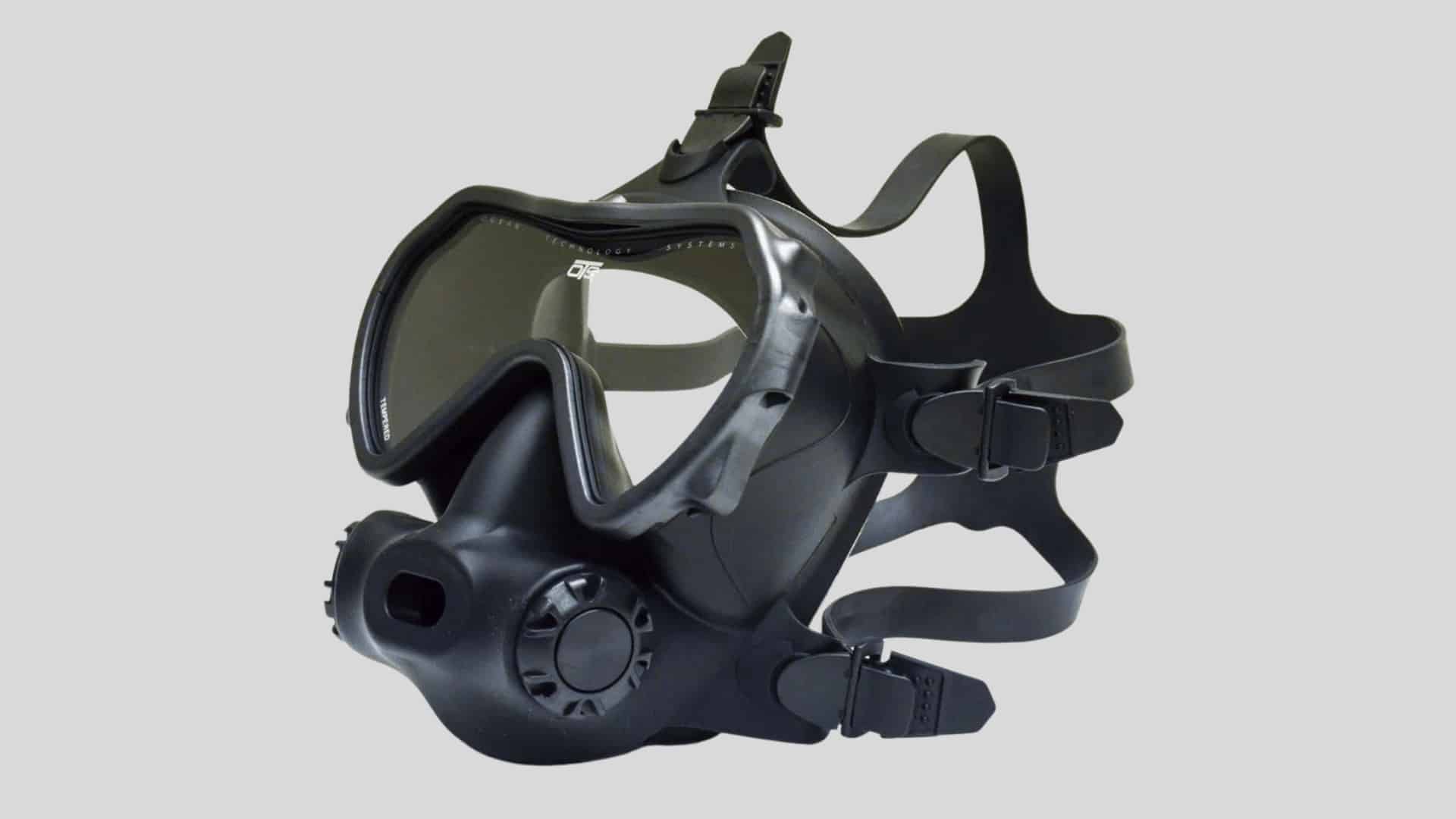
OTS Spectrum is a top-rated full-face mask featuring a coated tempered-glass lens and a hypoallergenic silicone skirt, built for superior visibility and a secure fit at depth.
- Key specifications: Depth-rated to 164 feet with a hypoallergenic silicone skirt. Compatible with most standard regulators and available in multiple sizing options for a customized fit.
- Best for: Divers prioritizing crystal-clear visibility and a reliable, allergy-friendly seal.
- Pros: Superior underwater visibility, secure hypoallergenic fit, and wide regulator compatibility.
- Cons: Higher price point than entry-level options, can feel bulky on smaller face profiles.
- Price Range: $400–$600
2. Ocean Reef Neptune III
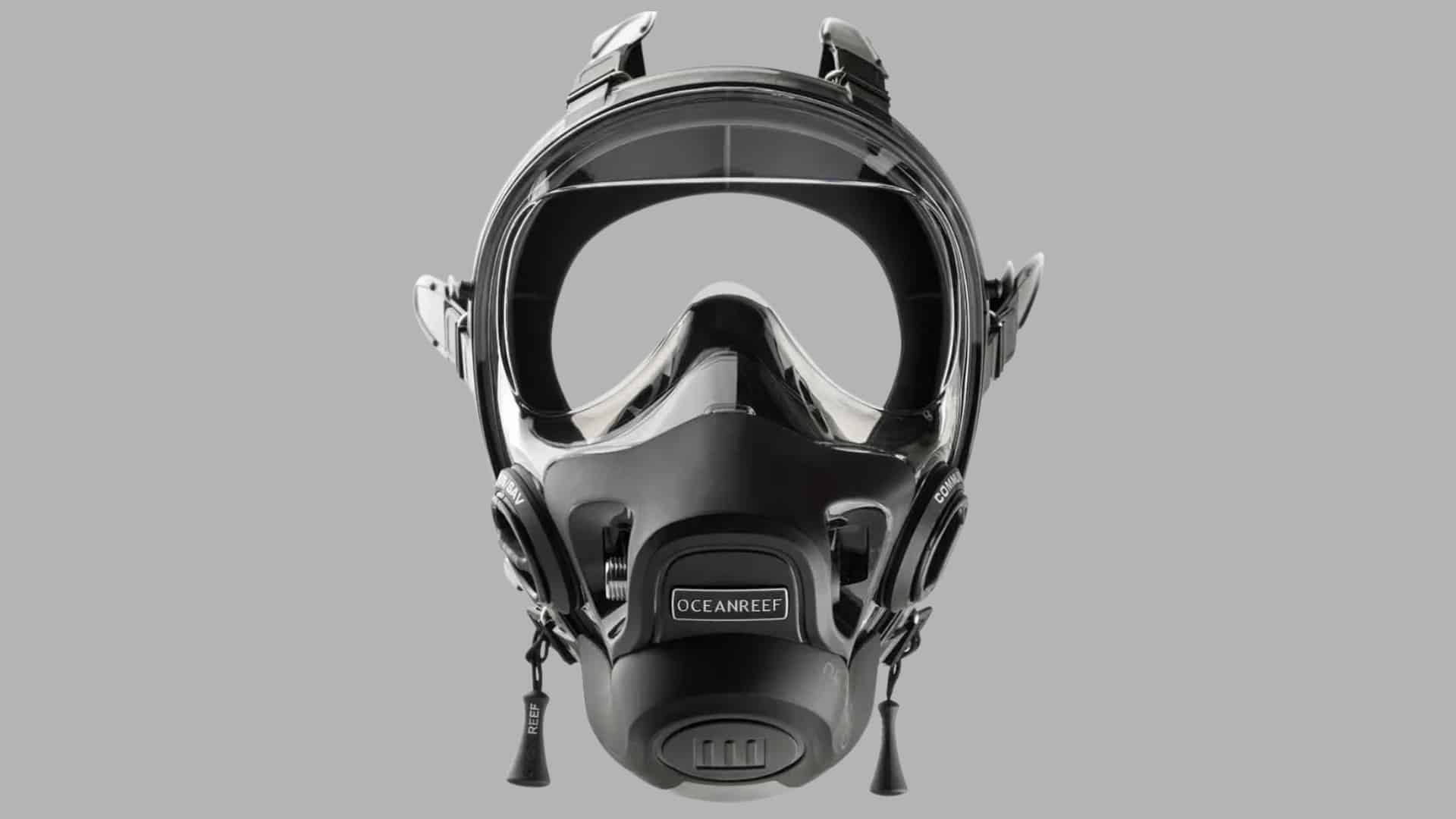
Ocean Reef Neptune III is a versatile full-face mask with a panoramic polycarbonate visor and an integrated second-stage regulator, available in basic and full-system packages for all dive levels.
- Key specifications: Features a wide panoramic polycarbonate visor with an integrated second-stage regulator. The surface air valve allows easy equalization, with package options ranging from basic to full communication systems.
- Best for: Divers who want flexibility in setup and easy surface equalization.
- Pros: Excellent panoramic field of view, easy equalization, flexible package options.
- Cons: Full system package is costly, polycarbonate visor is more prone to scratching than glass.
- Price Range: $600–$1700
3. OTS Guardian
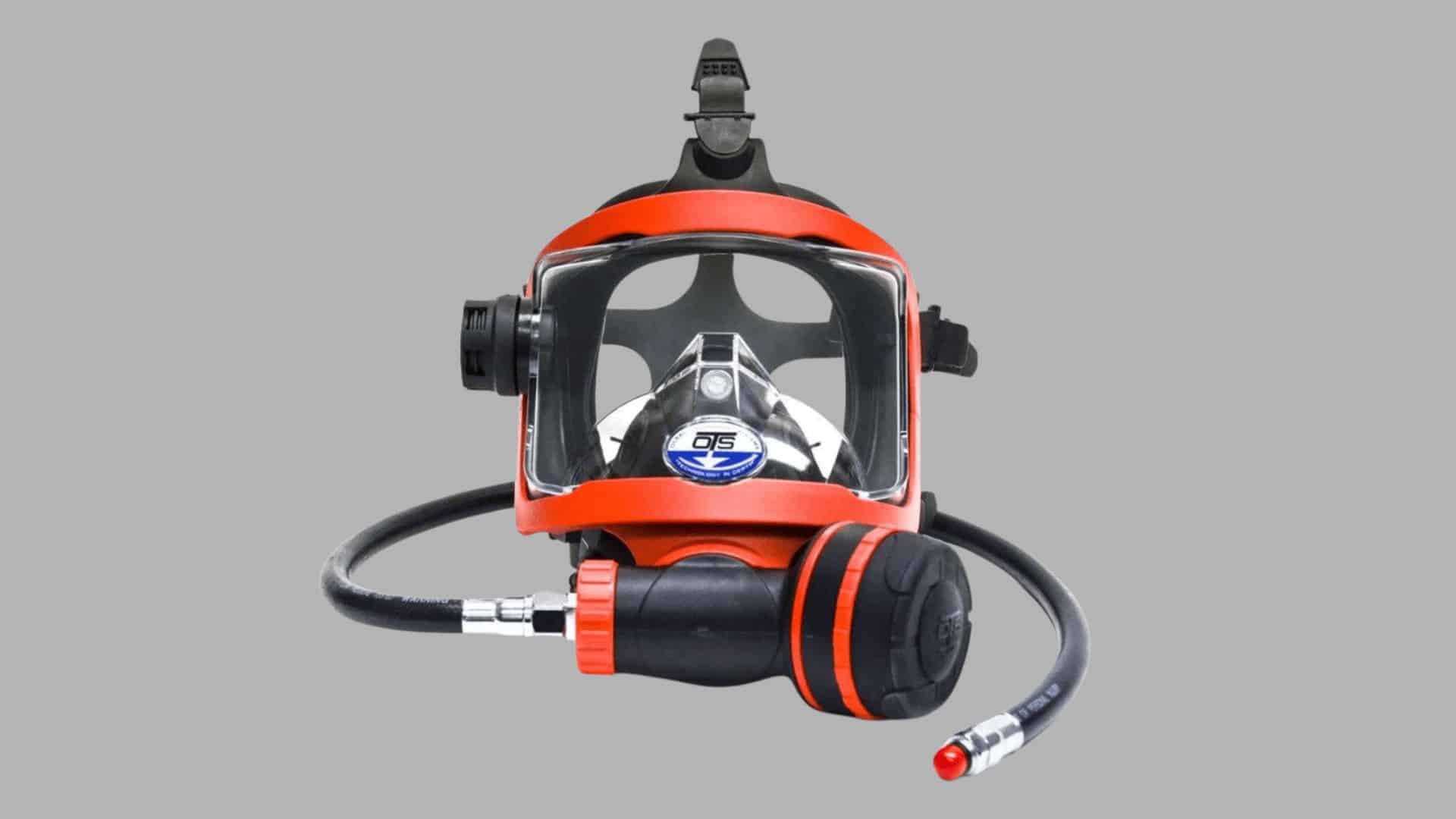
OTS Guardian is a durable, dependable full-face mask built for cold-water performance, offering optional communication system compatibility and a consistently comfortable seal.
- Key specifications: Cold-water optimized design with a robust construction and communication-ready ports. Fits a wide range of face shapes with an adjustable sealing skirt.
- Best for: Cold-water divers and professionals needing communication upgrade capability.
- Pros: Excellent cold-water performance, communication system ready, long-lasting build quality.
- Cons: Communication system sold separately, heavier than some competitors.
- Price Range: $800-$1200
4. Ocean Reef Neptune Space G.Divers
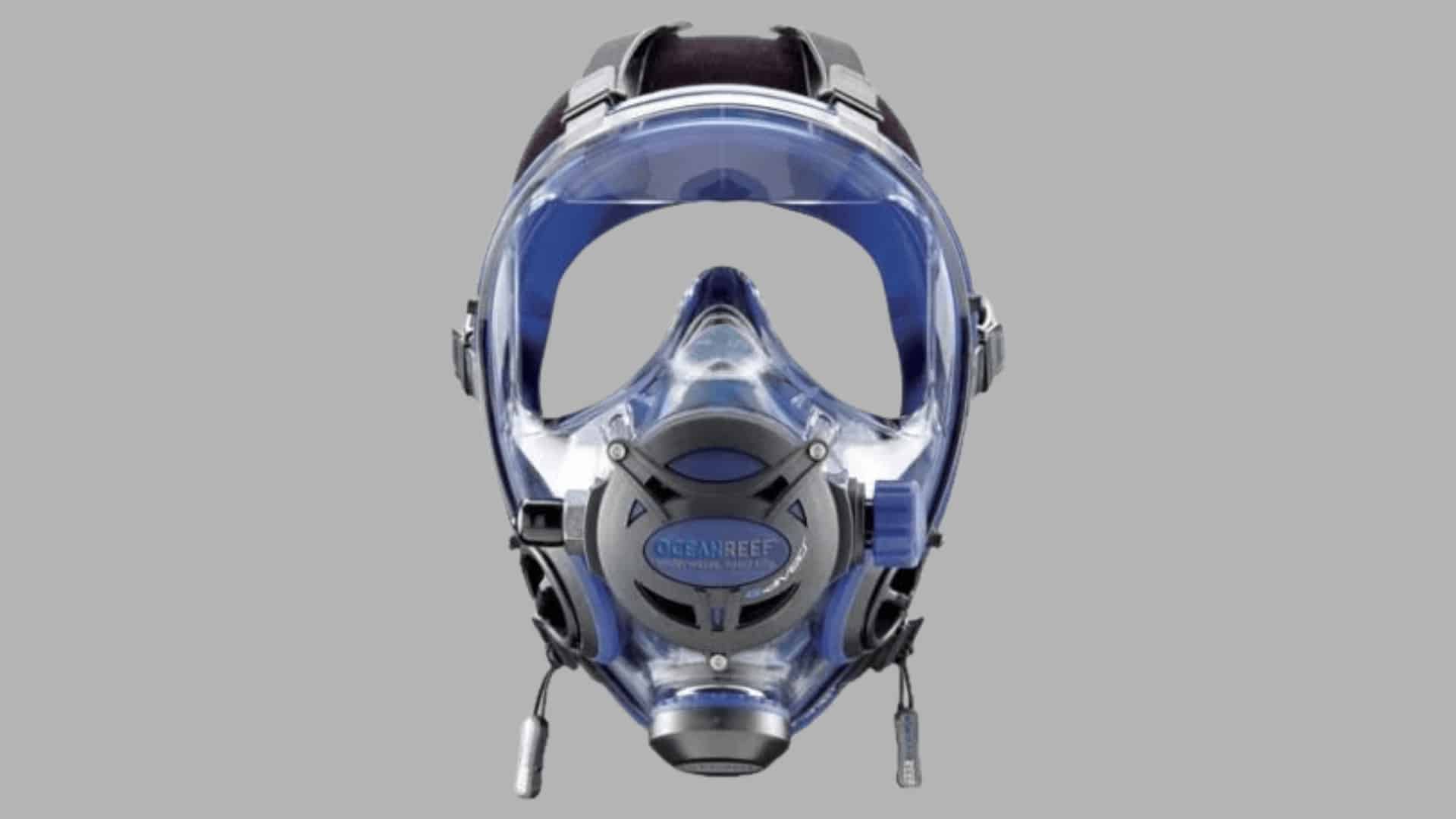
Ocean Reef Neptune Space G.Diversis is a user-friendly full-face mask designed for cold-water diving, offering an accessible entry point into full-face mask diving for recreational divers.
- Key specifications: Lightweight frame with a panoramic field of view and cold-water optimized construction. Designed with a simplified entry-level interface for ease of use.
- Best for: Beginner to intermediate divers exploring cold-water environments.
- Pros: Great for cold-water use, easy to use for beginners, comfortable for long dives.
- Cons: May increase air consumption, requires a backup mask, limited advanced dive compatibility.
- Price Range: $900–$1200
5. Poseidon Atmosphere
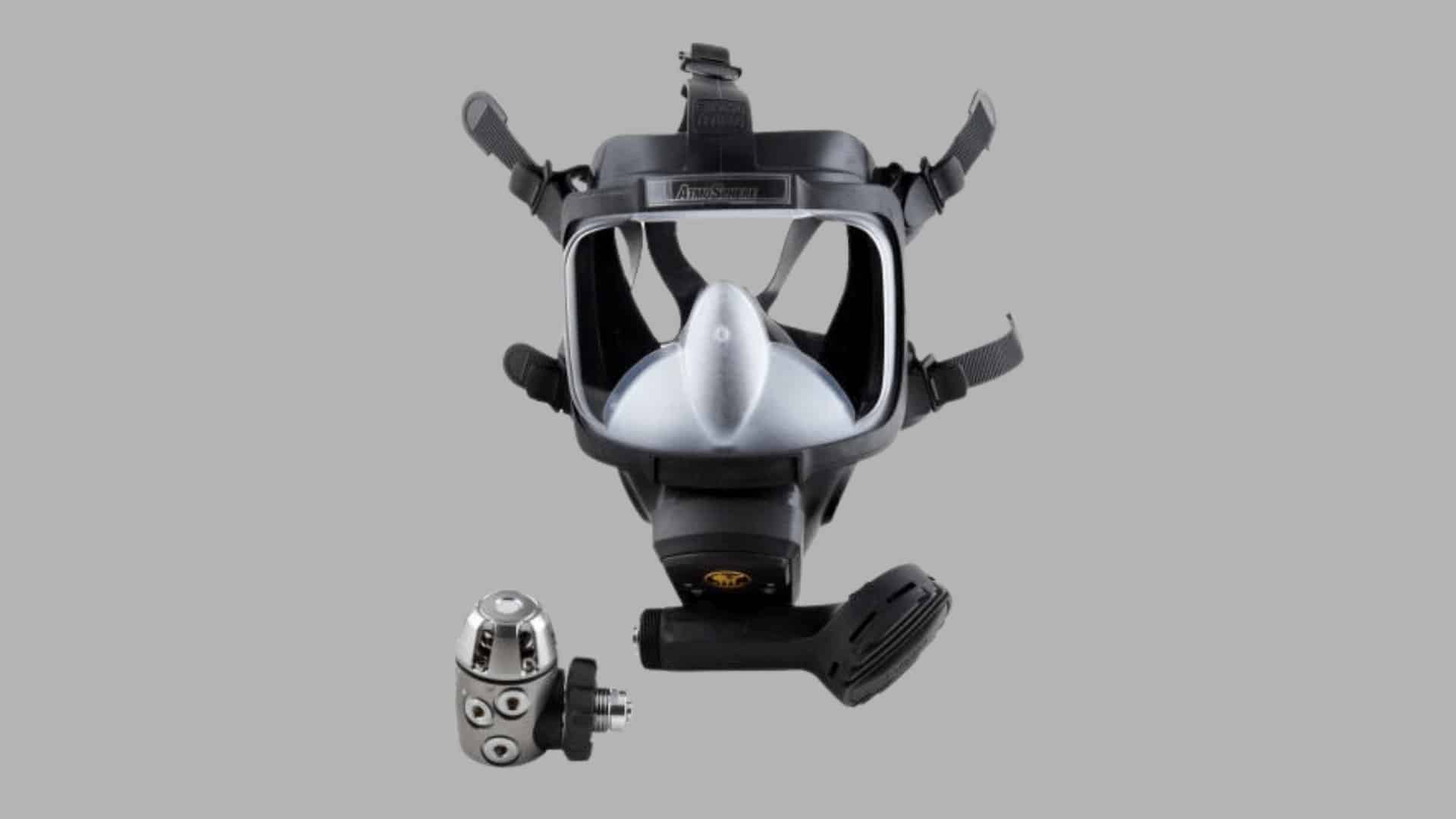
Poseidon Atmosphere is an ultra-reliable professional-grade mask renowned for its unbreakable build, anti-fog performance, and consistent reliability in freezing temperatures.
- Key specifications: Built with an unbreakable frame and an anti-fog lens rated for freezing conditions. Includes a strong integrated regulator designed for long-term, consistent performance.
- Best for: Technical and cold-water divers who need professional-grade reliability.
- Pros: Exceptional cold-weather performance, consistent long-term reliability, and an anti-fog design reduce prep time.
- Cons: Premium price reflects professional-grade build, bulkier design may not suit all face shapes.
- Price Range: $2000–$2500
6. Scubapro Full Face Mask
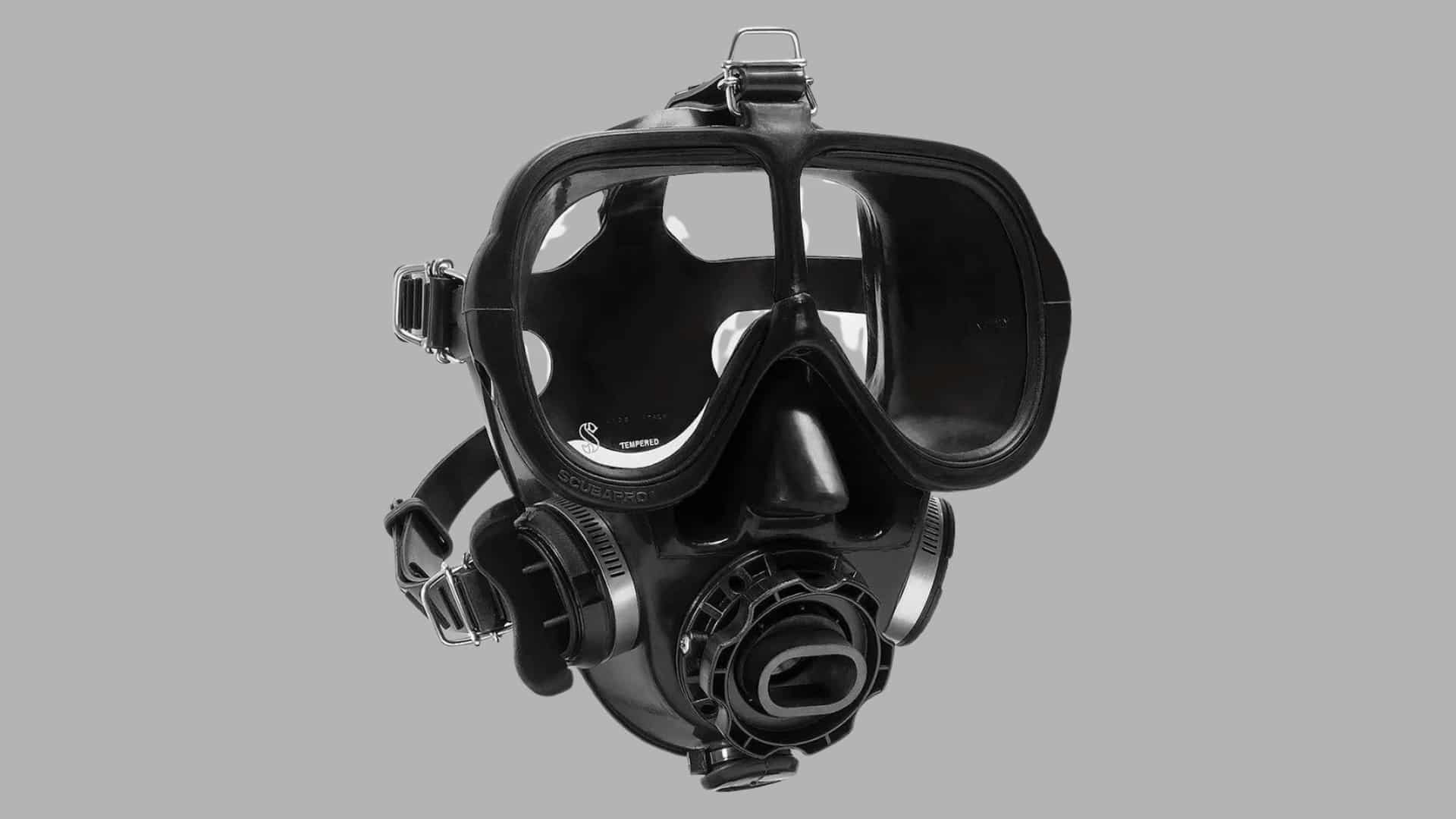
Scubapro Full Face Mask is a lab- and field-tested performer that delivers effortless breathing via the Venturi effect, a wide field of view, and a secure four-point strap system.
- Key specifications: Venturi effect breathing system with a wide panoramic field of view. Secured by an adjustable four-point strap and tested extensively in both lab and real-world dive conditions.
- Best for: Divers seeking proven, independently tested breathing performance and comfort.
- Pros: Effortless breathing performance, secure adjustable fit, high scores in independent testing.
- Cons: Fewer customization options, sits in the mid-to-high price range.
- Price Range: $600–$900
7. SuperMask (Kirby Morgan)
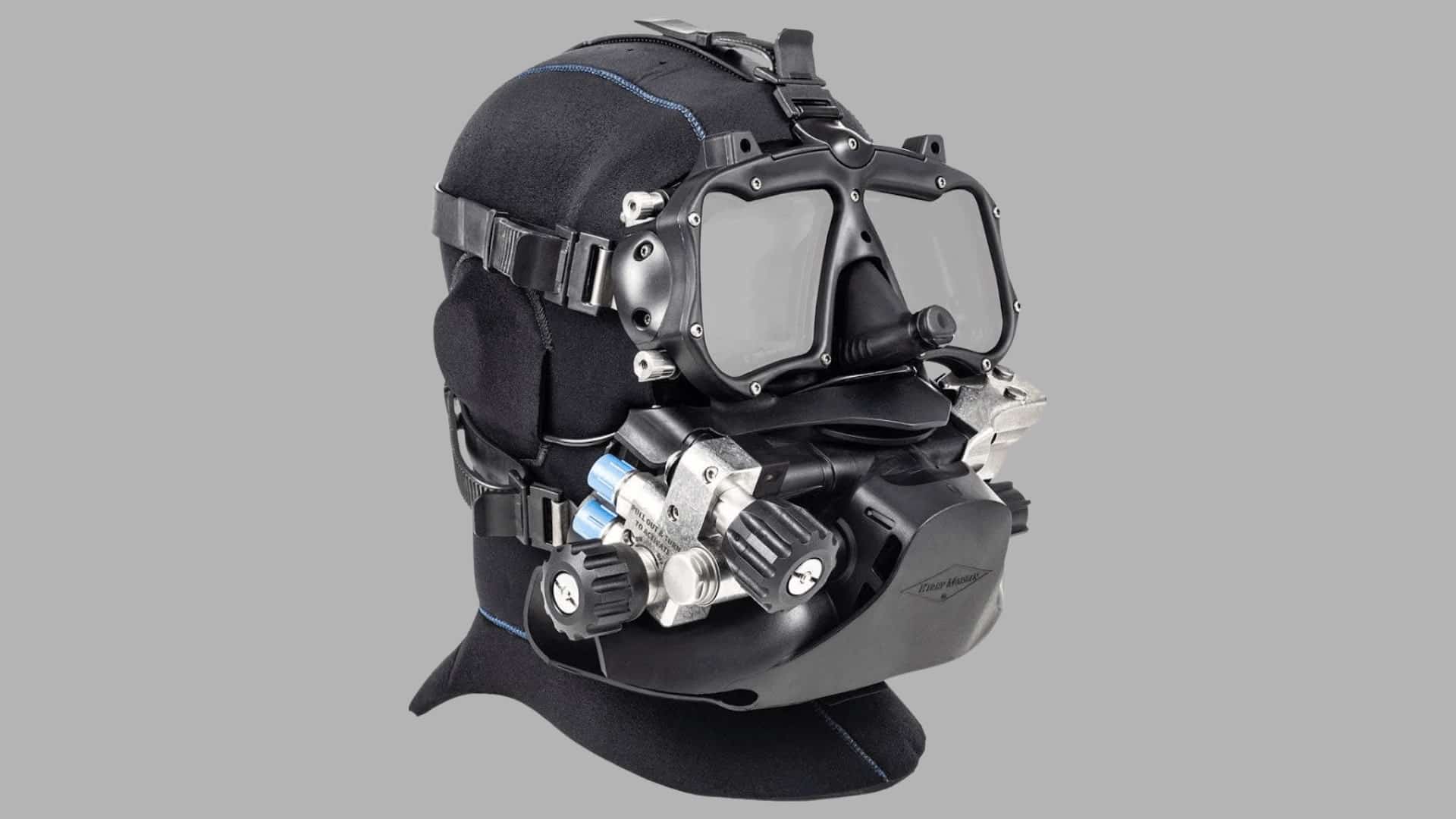
SuperMask by Kirby Morgan is a comprehensive, all-around performer that excels in adjustability and comfort, featuring a soft nose pocket, though equalization requires some practice to master.
- Key specifications: Features a soft nose pocket for enhanced comfort and easy on-the-fly adjustability. Scored highly across comprehensive performance tests for overall dive usability.
- Best for: Experienced divers who prioritize all-around performance and quick adjustability.
- Pros: Excellent all-around performance, easy to adjust on the fly, and a soft nose pocket that enhances comfort.
- Cons: Equalization can be tricky for beginners, higher learning curve.
- Price Range: $3500–$4000
How to Choose the Right Full Face Scuba Mask for You
With so many options across different price points and use cases, finding the right full-face scuba mask can feel overwhelming. These seven factors will help you narrow down the best choice for your diving needs.
- Determine Your Dive Type:Cold-water divers need insulated, full-coverage masks like the OTS Guardian, while warm-water recreational divers can comfortably go with more affordable, beginner-friendly options.
- Consider Your Experience Level: Beginners should prioritize easy equalization and simple strap adjustments, while technical divers can invest in professional-grade models such as the Poseidon Atmosphere or the Kirby Morgan SuperMask.
- Check Regulator Compatibility: Always confirm whether a mask includes an integrated regulator or requires a separate one, as incompatible setups can add unexpected cost and complexity to your dive gear.
- Assess Communication Needs:Professional and team divers should look for communication-ready ports or full system packages, like the OTS Guardian or Ocean Reef Neptune III, that support integrated underwater communication systems.
- Set a Realistic Budget:Prices range from $250 for entry-level models to $4,000+ for professional options. Defining your budget upfront helps you prioritize the right features without overspending on unnecessary upgrades.
- Prioritize Fit and Comfort:Look for adjustable silicone skirts and multiple sizing options to ensure a leak-proof seal. A poor fit underwater can quickly turn a comfortable dive into a frustrating experience.
- Factor In Maintenance Requirements: Ensure replacement parts such as visors, skirts, and regulators are readily available for your chosen model, as professional-grade masks typically offer better long-term availability and durability.
Choosing the right full face scuba mask comes down to matching your dive environment, experience level, and budget. Take your time evaluating each factor to invest in a mask that truly fits your needs.
Are Full Face Scuba Masks Safe?
Full face scuba masks are safe when used correctly and with proper training. In fact, they offer several safety advantages over traditional setups.
Since the mask and regulator are integrated into a single sealed unit, there is no risk of accidentally losing your mouthpiece underwater, a common concern in panic situations. The full facial seal also prevents water ingestion, which adds an extra layer of protection for less experienced divers.
That said, full face masks do come with specific safety considerations. Equalization is more challenging, and emergency removal requires practiced technique.
This is why most dive training agencies recommend completing a dedicated full face mask course before diving with one independently. Carrying a backup traditional mask is also strongly advised.
When paired with the right training and equipment, full-face scuba masks are a reliable and safe choice for a wide range of divers.
Wrap Up
Choosing the right full-face scuba mask can genuinely transform your diving experience, from improved visibility and natural breathing to better cold-water comfort and enhanced safety.
If you’re a beginner exploring your first full-face option or a technical diver investing in professional-grade gear, there’s a mask on this list that’s built for your needs and budget.
The key is to match your mask to your dive environment, experience level, and long-term goals, rather than simply choosing the most expensive option.
Have you dived with a full face scuba mask before? Drop your experience in the comments below. We’d love to hear which mask made your dives better.
Frequently Asked Questions
Are Full-Face Scuba Masks Good for Beginners?
Yes, they can be beginner-friendly because they allow natural breathing without a mouthpiece. However, proper training and practice with equalization and emergency removal are strongly recommended.
Do Full-Face Scuba Masks Use More Air?
They can increase air consumption slightly due to a larger internal volume. Divers may notice faster tank depletion, especially if they are inexperienced or not yet comfortable with buoyancy control.
Can You Use Any Regulator with A Full Face Mask?
Not always. Some models include integrated regulators, while others require compatible systems. Always check manufacturer specifications to ensure proper fit, safety, and performance.