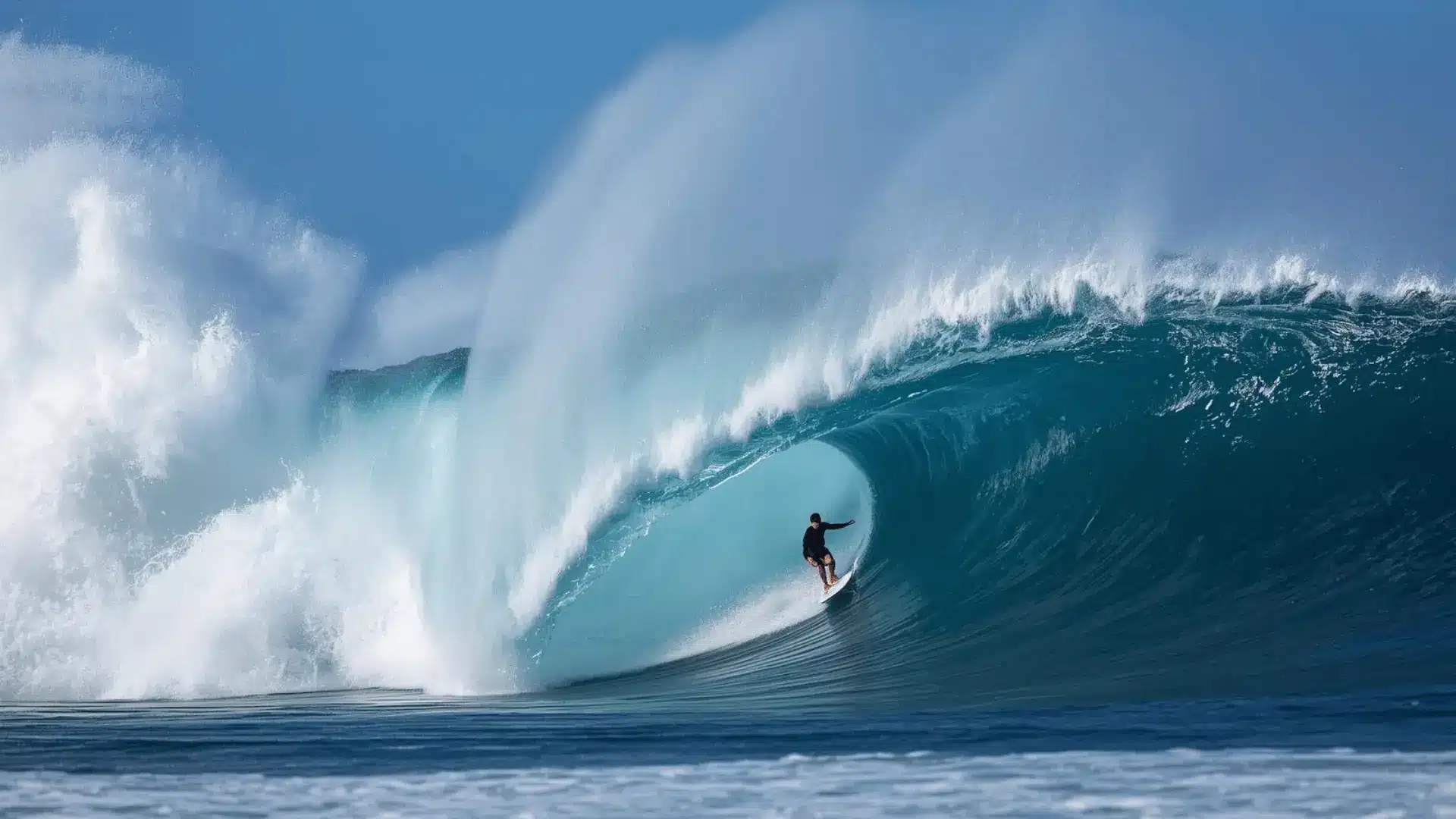
Most Olympic sports happen in a controlled setting. A track. A pool. A gym. Surfing Olympics? Totally different. The ocean decides the rules. The waves pick up the pace.
No two heats ever look the same. That’s what makes it so exciting to watch. Surfers don’t just compete against each other – they compete against nature itself.
It takes skill, quick thinking, and a whole lot of patience. Whether someone is brand new to the sport or just curious about how it all works, this guide has something for everyone.
From the basics of how scoring works to the highlights of Paris 2024, here’s everything worth knowing about surfing at the Olympics.
What Is Surfing In The Olympics?
Surfing made its Olympic debut at the 2020 Tokyo Games, with both men and women competing in separate events.
Athletes ride a shortboard: a small, narrow board built for sharp turns and big aerial tricks on real ocean waves. Judges score each ride based on six key things: speed, power, flow, variety, risk, and clean execution.
A top-scoring ride means the surfer moves fast, hits the wave with force, links moves smoothly, tries different tricks, takes bold chances, and lands everything without falling.
The surfer with the highest total score from their best two waves wins the heat.
History Of Surfing Overall
Surfing originated in Polynesia and took deep root in Hawaiʻi, where wave riding, known as heʻe nalu, was part of culture, skill, and daily ocean life.
- Ancient Polynesian Roots: Coastal communities rode waves long before modern boards existed, using ocean knowledge passed down through generations as part of everyday life.
- 1769, The First Written Record: Lt. James King from Captain Cook’s expedition wrote about Hawaiians riding waves, making it the earliest known Western written account of surfing.
- Early 1900s, Surfing Goes Global: Hawaiian waterman Duke Kahanamoku introduced surfing to the world through public exhibitions, helping shape modern surf culture and sparking interest in organized competition.
- Mid to Late 1900s, The Modern Surf Era: Improved board designs and growing surf media turned surfing into a worldwide sport and lifestyle, setting the stage for professional competition.
From ancient ocean traditions to packed Olympic stadiums, surfing has come a long way. Its rich history is a big part of what makes it such a beloved sport today.
When Did Surfing Become An Olympic Sport?
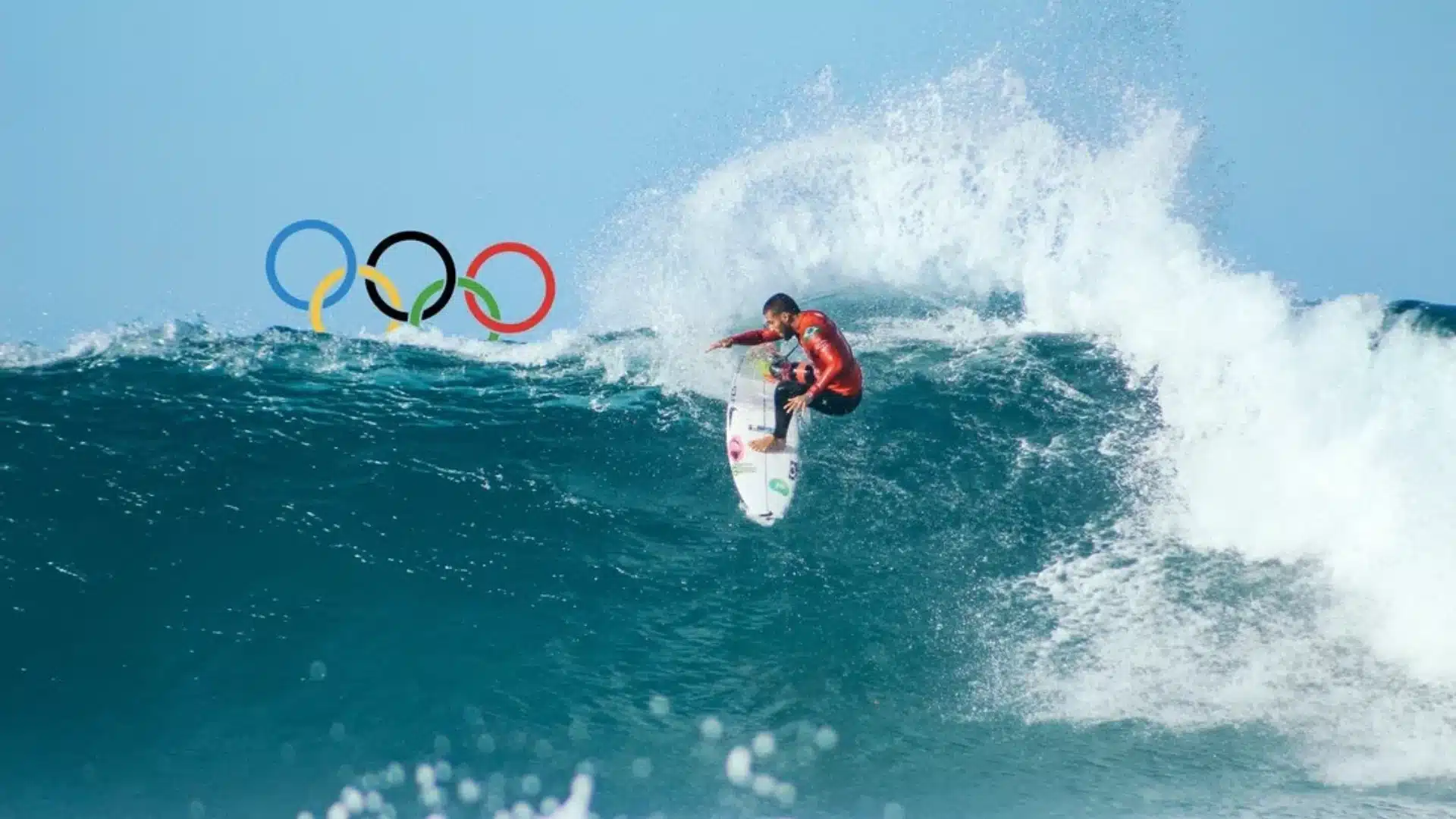
Surfing officially became an Olympic sport at the Tokyo 2020 Games, which were held in 2021 due to the pandemic. It was a historic moment for surfers worldwide.
The International Olympic Committee added surfing to attract younger audiences, reflect the sport’s massive global following, and bring in events with a strong competitive structure.
With millions of surfers across the world and a well-established contest format, surfing was a natural fit for the Olympic stage.
How Does Olympic Surfing Work?
Olympic surfing has a unique format compared to most other sports. Here’s a simple breakdown of how heats, scoring, and scheduling all come together:
- A heat is a set time window where two or three surfers compete in the ocean at once, trying to catch and ride the best waves they can.
- Surfers who score highest in their heat move to the next round, while lower scorers are eliminated, making each heat a high-pressure, head-to-head battle.
- Judges score each wave on a scale of 0 to 10, using decimals. A surfer’s two highest-scoring waves are added together for their total heat score.
- If a surfer cuts off another rider on a wave, it’s called interference and results in a score penalty, making wave selection and priority rules very important.
- Unlike most Olympic sports, surfing has no fixed daily schedule. Organizers monitor wave conditions and only run heats when the ocean is good enough to compete in.
Understanding the format makes Olympic surfing much more exciting to watch. Once you know how heats and scoring work, every wave ride means a lot more.
Surfing At The Paris 2024 Olympics
The Paris 2024 Olympics brought some of the most talked-about surfing action in Olympic history. Here’s everything you need to know at a glance:
| Category | Details |
|---|---|
| Venue | Teahupoʻo reef pass, Tahiti, French Polynesia, thousands of miles from Paris |
| Event Window | July 27 – August 5, 2024 |
| Total Surfers | 48 athletes – 24 men and 24 women |
| Events | Men’s shortboard and Women’s shortboard |
| Qualification Path 1 | Top-ranked surfers from the WSL Championship Tour earned automatic spots |
| Qualification Path 2 | Additional spots were awarded through the ISA World Surfing Games results |
| Remaining Spots | Host nation picks and continental representation rounds filled the rest of the field |
Teahupoʻo is known for its heavy, powerful waves, making it one of the most thrilling and demanding venues in Olympic surfing history. Paris 2024 set a high bar for what Olympic surfing can look like.
What Happened In Surfing At Paris 2024?
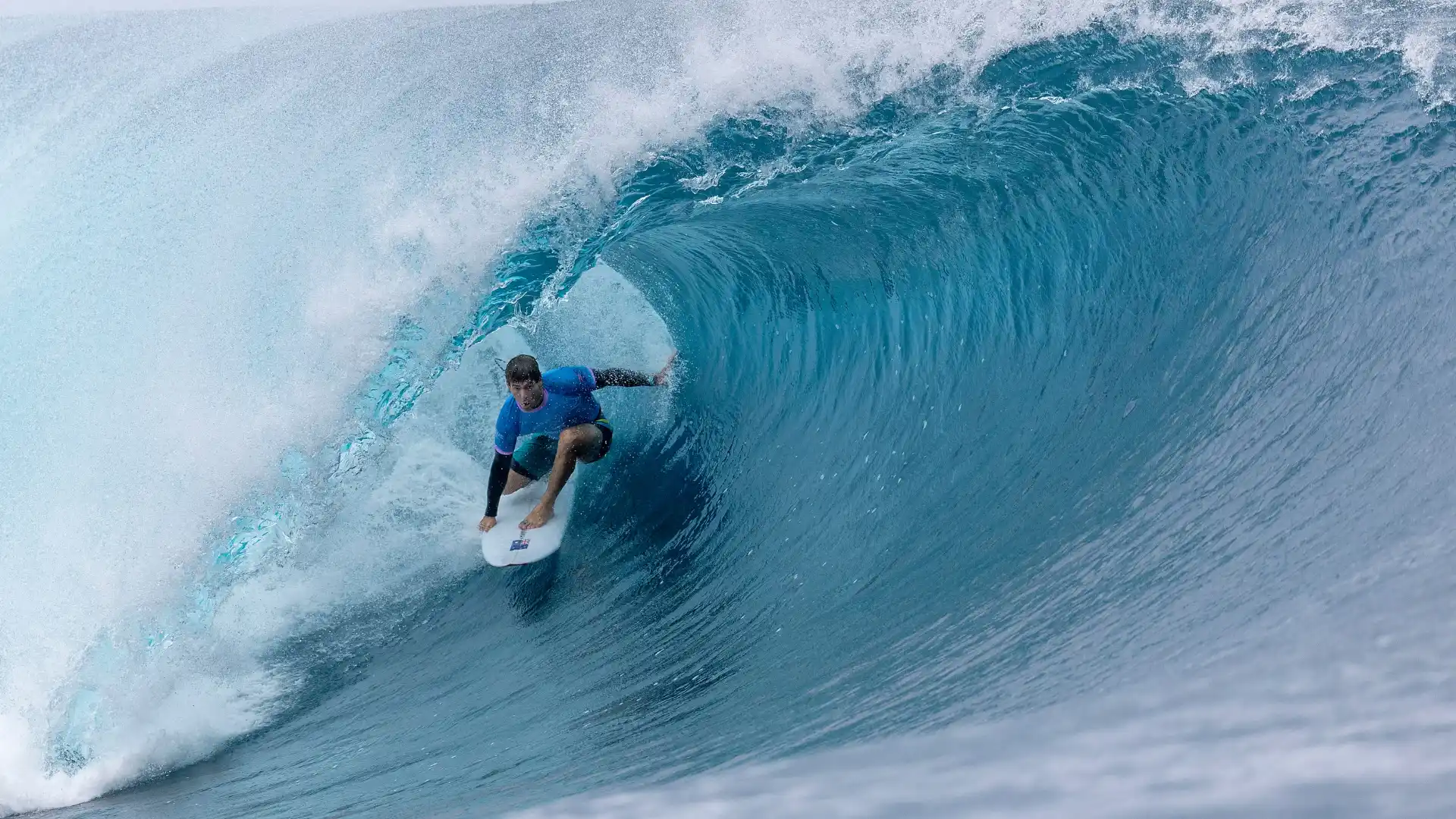
Paris 2024 delivered some of the most intense and memorable surfing ever seen at an Olympics. With massive waves at Teahupoʻo and high-stakes heats, every ride carried serious weight.
Here is a full breakdown of strategy, results, and standout moments from the event.
What The Conditions Meant For Strategy?
At Teahupoʻo, the waves were big, fast, and unpredictable. Surfers had to be smart about which waves they chose to ride.
Sitting too long waiting for a perfect wave could mean missing out, while going for the wrong one could cost a heat.
A single powerful wave, executed cleanly, could flip an entire heat in seconds, making wave selection one of the most important skills on display.
Paris 2024 Medal Winners And Final Results
Both finals took place on August 5, 2024, and delivered thrilling finishes. Here are the official medal results:
| Event | Gold | Silver | Bronze |
|---|---|---|---|
| Men’s Shortboard | Kauli Vaast (France) | Jack Robinson (Australia) | Gabriel Medina (Brazil) |
| Women’s Shortboard | Caroline Marks (USA) | Tatiana Weston-Webb (Brazil) | Johanne Defay (France) |
For the complete official results, visit the Olympics’ official results page.
Best Moments That Defined The Event
Paris 2024 was full of jaw-dropping rides, last-second swings, and moments that will be talked about for years. Here are the highlights that stood out most from the event.
- Kauli Vaast, a native of Teahupoʻo, won men’s gold on his home reef with a score of 17.67, riding just two waves in the final.
- Caroline Marks won women’s gold by the narrowest possible margin, finishing just 0.17 points ahead of silver medalist Tatiana Weston-Webb.
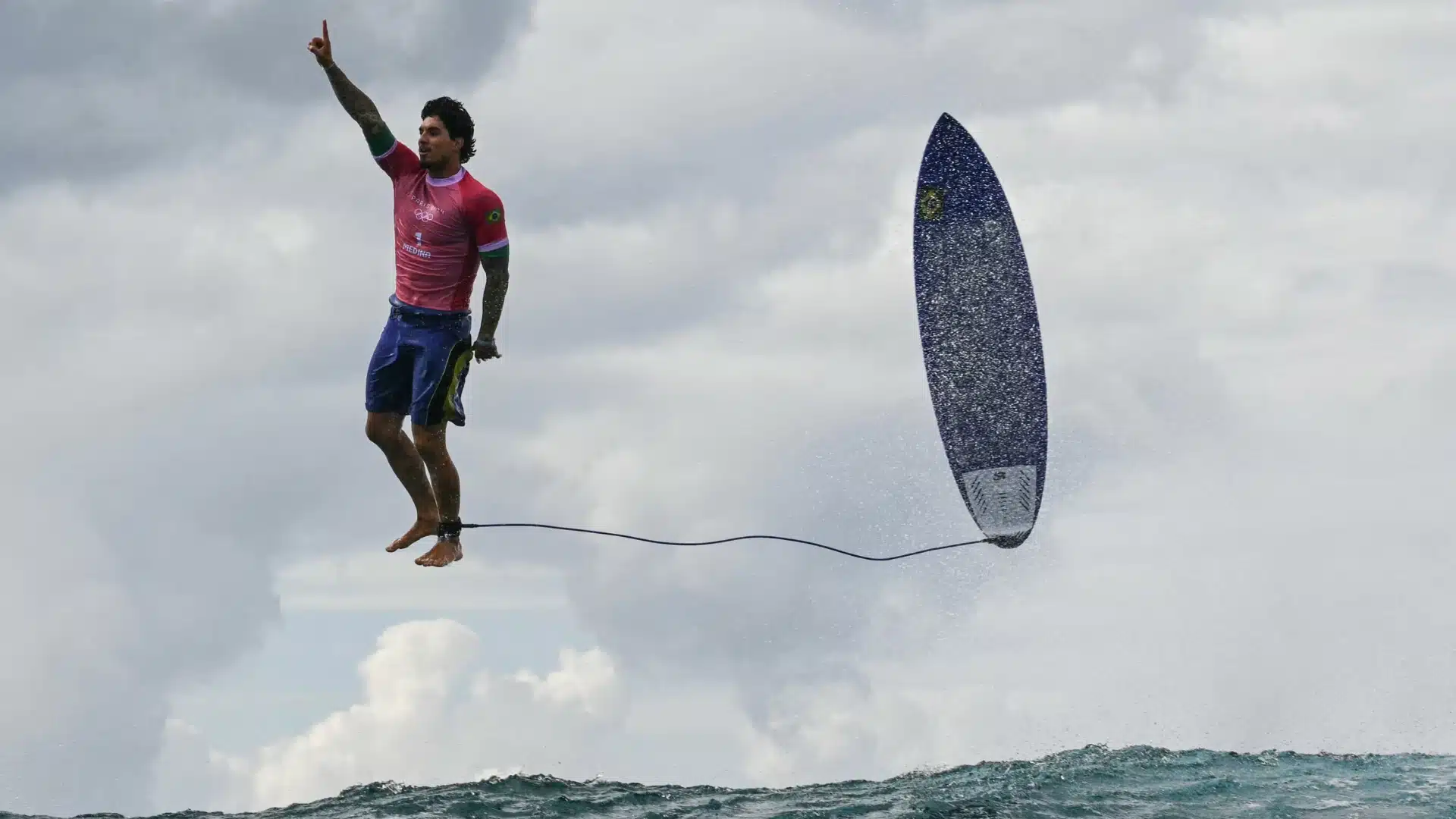
- Gabriel Medina made a strong comeback after a fourth-place finish at Tokyo 2020, claiming the men’s bronze medal with a 15.54.
- The U.S. men started strong, with both American surfers winning their Round 1, only to be eliminated in Round 3.
- France had a historic double podium day, with Vaast winning men’s gold and Defay taking women’s bronze on the same afternoon.
Paris 2024 proved that Olympic surfing is only getting bigger and better. From local heroes to last-second finishes, this event had everything a surf fan could ask for.
Conclusion
Olympic surfing is unlike any other sport on the planet. It mixes raw ocean power with skill, strategy, and split-second decisions that can change everything in one wave.
The surfing Olympics at Paris 2024 made that crystal clear, with historic performances at Teahupoʻo that fans won’t forget anytime soon.
From Kauli Vaast winning gold on his home reef to Caroline Marks taking the narrowest victory possible, the event showed just how far the sport has come.
With the next surfing Olympics on the horizon, the sport is only going to get bigger. Which moment from Paris 2024 stood out most to you? Drop it in the comments below!