Swimming alongside manta rays ranks among the most memorable wildlife encounters you can have in the ocean.
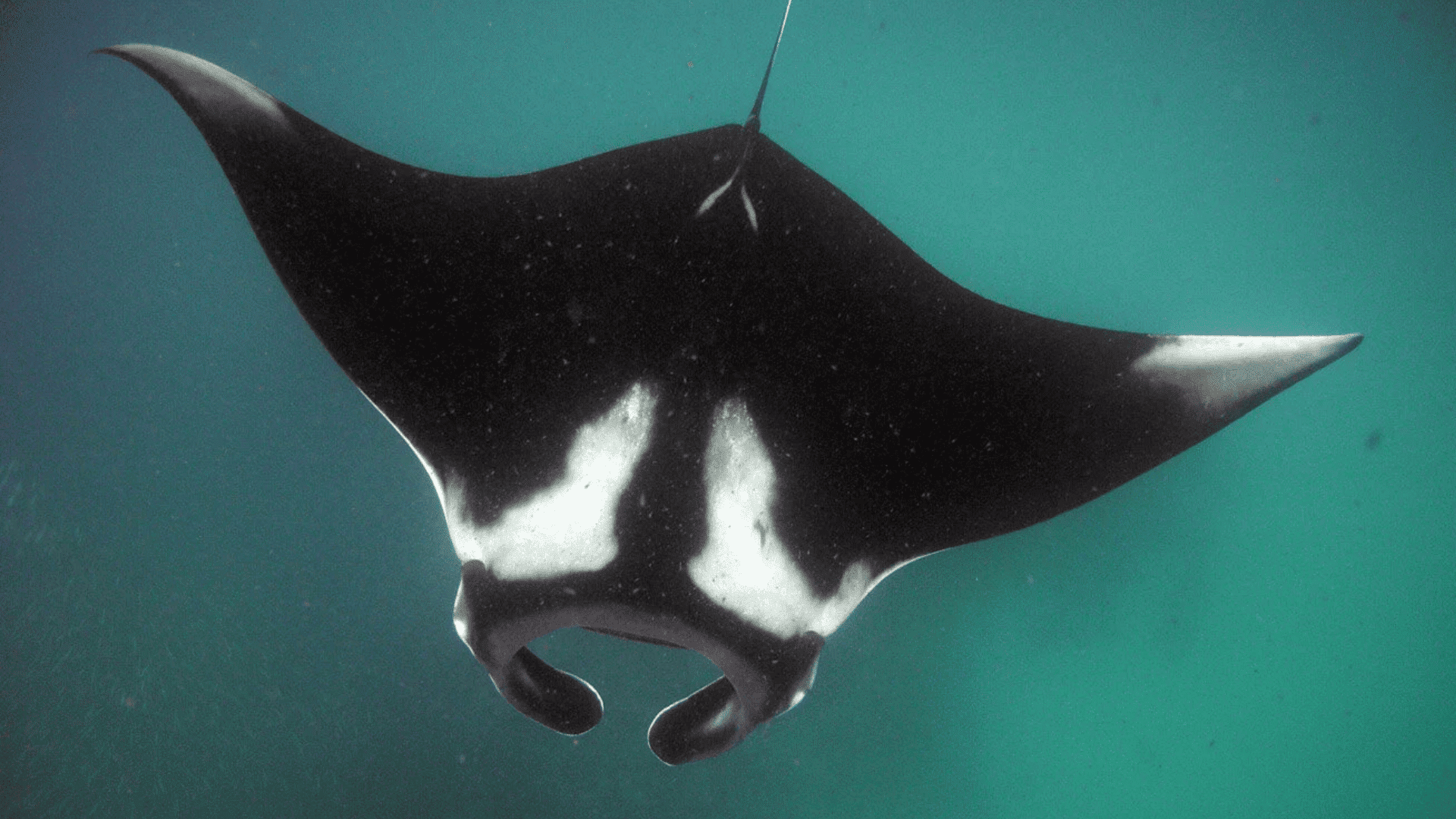
These gentle giants can span around 10–12 feet across for reef mantas (sometimes up to ~14 feet) and up to ~22–23 feet across for oceanic mantas.
If you’re picturing a glowing night swim off Hawaii or drifting over a sunlit reef somewhere far from home, sharing the water with mantas feels calm and electrifying at the same time.
It’s peaceful, thrilling, and strangely soothing, the kind of experience that turns a simple snorkel into a story you’ll tell for many years and maybe the spark for many future ocean adventures.
What Makes Manta Ray Snorkeling Special
Manta rays belong to the family Mobulidae and share distant genetic ties with sharks, but there’s no need to worry when you swim with manta rays.
Unlike stingrays, they have no barbs, stingers, or sharp teeth.
These gentle giants are filter feeders, gliding through the water with mouths open to scoop up plankton and tiny organisms, making them harmless to humans.
Their large, complex brains suggest curiosity and problem-solving ability, which you’ll notice on a manta ray snorkel.
Many swimmers say the rays seem to study them back, looping past in slow barrel rolls and smooth, acrobatic turns during feeding. The whole moment feels intimate, surreal, and gently, truly unforgettable.
Is Snorkeling with Manta Rays Safe?
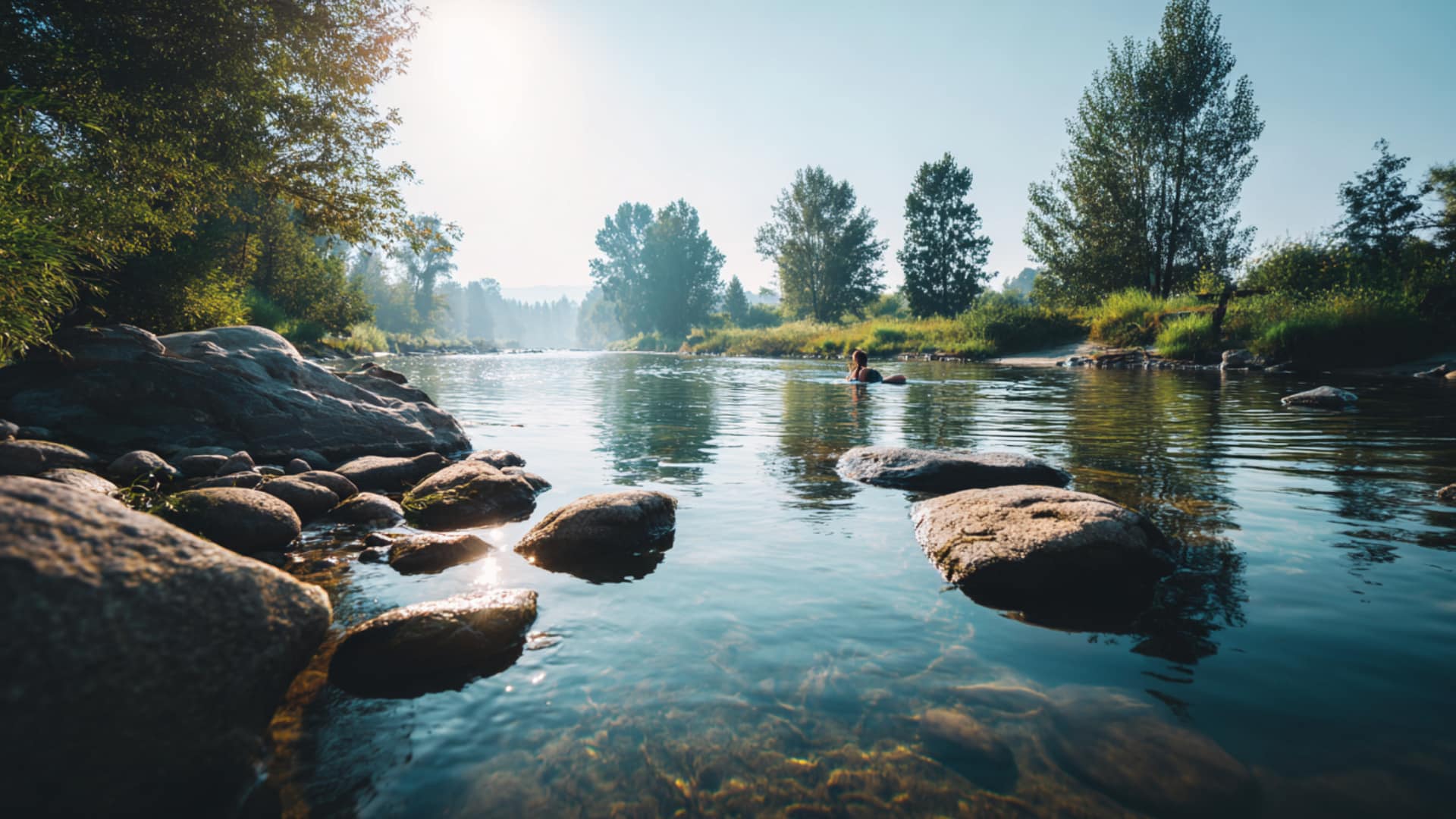
Snorkeling with manta rays is widely considered a safe and calm experience when done with proper guidance and preparation.
Why Manta Rays Pose No Threat
Manta rays are gentle filter feeders with no natural behaviors or physical traits that make them dangerous to humans.
- No sharp teeth or ability to bite
- No venomous barbs or stingers on their tails
- No territorial or aggressive behavior toward swimmers
- Filter-feeding mouths are designed only for plankton
Mantas are harmless, and most risks come from ocean conditions, not the animals themselves.
Safety Measures Tour Operators Implement
Professional operators use established safety practices to ensure a secure and enjoyable manta ray snorkeling experience.
- Pre-Activity Briefing: Every tour begins with detailed instructions about equipment use, ocean conditions, and proper behavior around manta rays.
- Professional Supervision: USCG-licensed captains and certified crew members stay in the water with participants at all times, monitoring conditions and providing assistance.
- Flotation Devices: Most tours provide pool noodles, ankle floats, or specialized rafts with handles to help guests maintain a horizontal position at the surface.
- Weather Monitoring: Tours operate only when ocean conditions meet safety standards. Poor visibility or strong currents result in rescheduling.
- Emergency Equipment: Boats carry medical oxygen, AEDs, first aid kits, and communication devices for emergencies.
- Medical Personnel: Many operators have medical first responders on site or direct access to emergency services.
With these measures in place, you can focus on enjoying an unforgettable and comfortable encounter with manta rays.
Essential Prerequisites for Participants
Most tour operators require participants to meet specific abilities to ensure a safe manta ray snorkeling experience.
You should be able to swim 25–50 yards in open water and comfortably tread water for several minutes. Non-swimmers should not participate.
Basic snorkeling skills, breathing through a snorkel, clearing a mask, and using fins are also necessary.
Many operators set a minimum age between 7 and 12, depending on stamina and comfort in the dark ocean.
Good overall health is essential, especially for those with heart, respiratory, or mobility concerns.
Clear language comprehension is also critical so that guides can communicate instructions quickly and effectively.
What to Expect During Your Manta Ray Snorkel
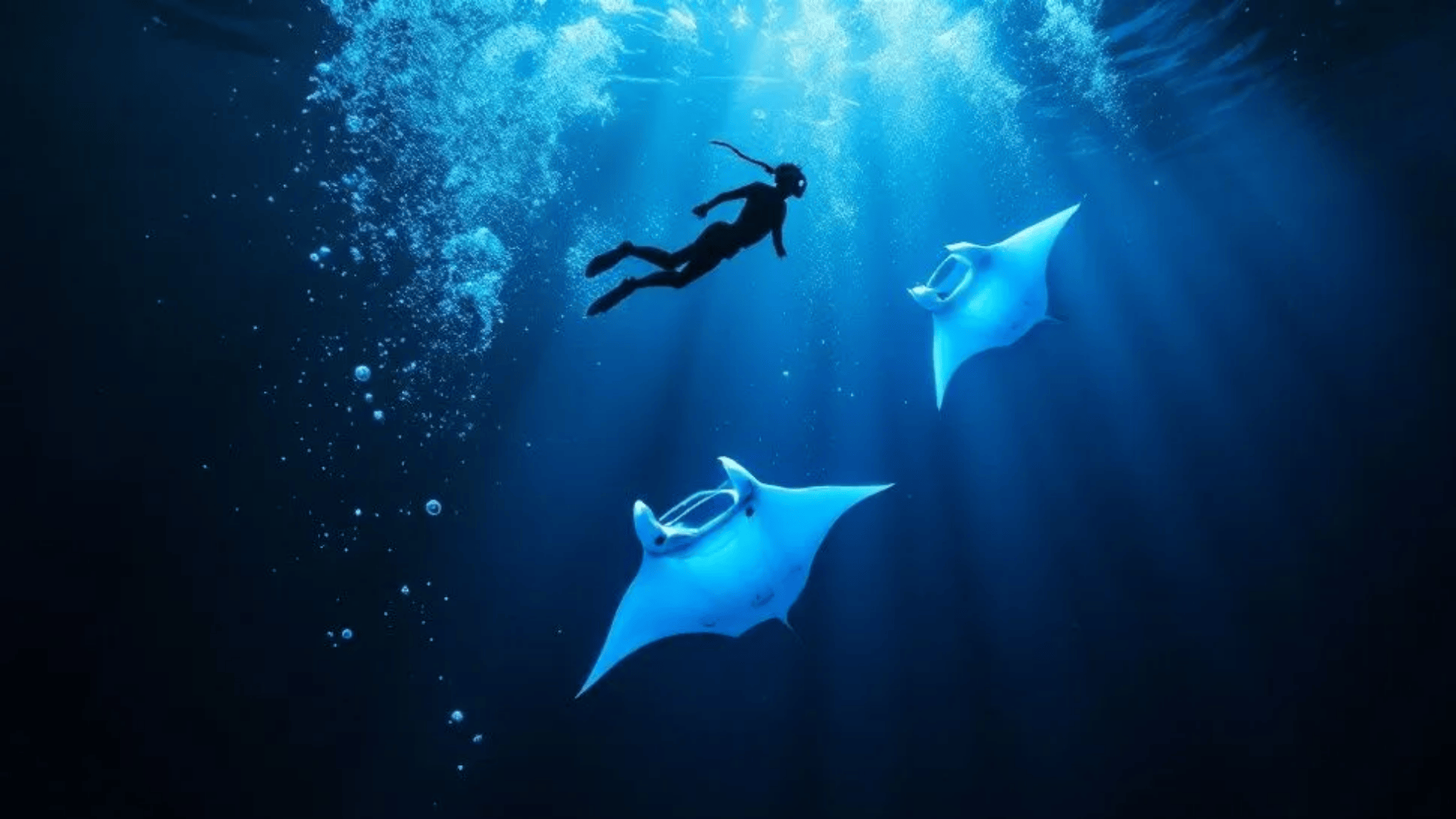
Understanding the flow of your manta ray snorkel helps you feel prepared, calm, and ready for an unforgettable experience in the water.
1. The Tour Structure
This part explains the overall steps of your manta ray tour, helping you understand what happens from arrival through the end of your adventure.
- Check-In: Arrive 30 minutes early to sign waivers and receive your equipment.
- Boat Departure: Boats leave after sunset, taking 5–40 minutes to reach the site.
- Gear Distribution: Crew provides wetsuits, masks, snorkels, fins, and flotation devices with proper fitting.
- Safety Briefing: Guides explain equipment use, conditions, and how to interact respectfully with manta rays.
- Water Entry: Swim a short distance to a floating light board or raft with handles.
- Viewing Time: Float 30–45 minutes while manta rays feed and glide beneath you.
- Return: After viewing, climb back aboard for the ride to shore. The whole tour usually lasts between 1.5 and 3 hours.
This organized structure ensures your manta ray snorkel feels safe, smooth, and enjoyable throughout, creating a stress-free experience even for complete beginners.
2. How the Light System Works
This section explains how the lighting setup attracts plankton and manta rays, creating the magical nighttime encounter experienced during guided manta ray snorkeling tours.
- Lights shine downward from floating boards, illuminating the water column.
- The bright glow gathers plankton beneath the light source.
- Manta rays arrive to feed on the concentrated plankton.
- They perform loops, rolls, and graceful acrobatics while feeding.
- Snorkelers float in a horizontal “Superman” position above the lights.
Because of this effective lighting method, manta rays gather naturally, allowing snorkelers to watch their movements closely without disrupting their natural behavior.
3. The Sensory Experience
This section helps you anticipate the emotional and physical sensations you’ll feel while watching manta rays glide, loop, and pass gracefully beneath your body.
- Visual: Underwater lights illuminate the mantas’ glowing bellies as they swoop and roll.
- Emotional: Most guests feel excitement, awe, and calm as manta rays begin to appear.
- Physical: Wetsuits help maintain warmth in water temperatures of 75–82°F.
- Duration: The 30–45 minutes feel shorter because the experience is so amazing.
From glowing mantas to peaceful floating, the sensory experience feels magical, immersive, and unforgettable, leaving guests with lasting memories of this breathtaking encounter.
What to Wear and Bring
Knowing what to bring helps you stay comfortable, prepared, and focused so you can fully enjoy your manta ray snorkeling experience.
| Provided | Essential | Optional | Avoid |
|---|---|---|---|
| Mask & snorkel | Swimsuit | Waterproof bag | Large bags |
| Fins | Towel | GoPro/camera | Full-face masks |
| Wetsuit/top | Warm clothes | Motion sickness meds | Alcohol |
| Flotation aids | Reef-safe sunscreen | Extra dry clothes | Harmful sunscreen |
| Safety lights/vests | — | Personal gear | — |
| Water & snacks | — | — | — |
Preparing smartly ensures a smoother, safer, and more enjoyable manta snorkel, allowing you to focus entirely on the unforgettable moments ahead.
Top Locations for Manta Ray Snorkeling Worldwide
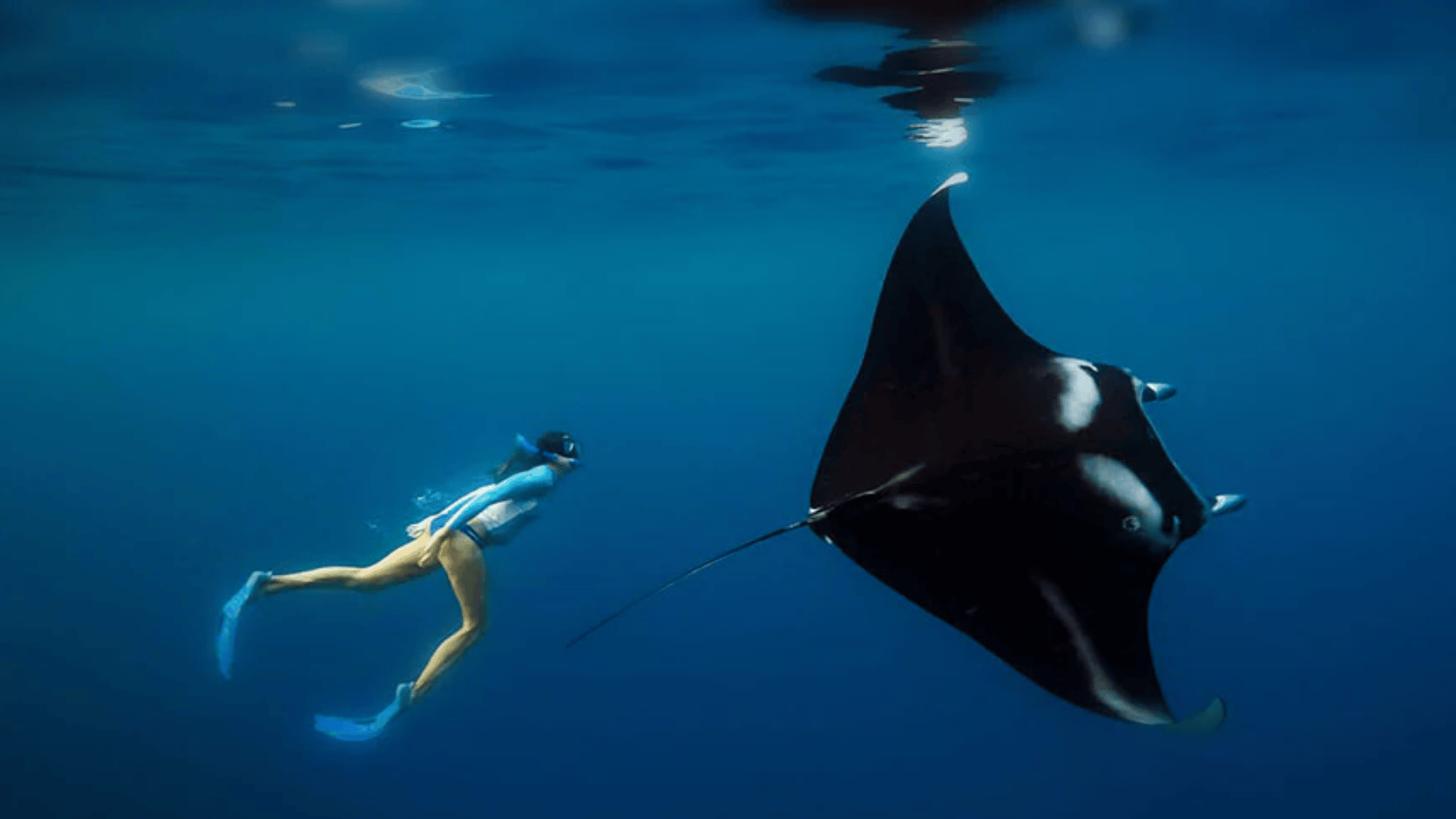
These top global locations offer exceptional manta ray snorkeling experiences with reliable sightings, expert operators, ideal conditions, and unforgettable moments.
1. Hawaii (Kona, Big Island)
Kona is one of the few places in the world where manta rays are reliably seen year-round.
Hawaii’s resident reef mantas stay close to shore and do not migrate, providing remarkably consistent encounters.
Best Tour Operators:
- Kona Snorkel Trips – Highly rated night manta tours
- Sea Paradise– Long-running operator from Keauhou Bay
- My Kona Adventures– Small-group, personalized tour
When to Visit: Year-round, with peak manta activity from April to October.
Tour Options: Night snorkel tours depart from Honokohau Harbor and Keauhou Bay; boat rides range from 5 to 45 minutes, depending on the operator and site.
2. Maldives
The Maldives hosts one of the world’s largest manta ray populations, including the famous Hanifaru Bay, where hundreds gather during peak plankton season.
Best Tour Operators:
- Manta Trust Partner Resorts (various islands) – Science-guided manta excursions
- Soneva Fushi Excursions – Premium manta experiences in Baa Atoll
- Liquid Salt Divers– Highly respected, manta-focused snorkel and dive trip
When to Visit: May–November for Hanifaru Bay (peak July–September), though other atolls offer year-round manta sightings.
Tour Options: Tours arranged through resorts or liveaboards; Hanifaru Bay allows snorkeling only, with strict time limits to protect the environment.
3. Indonesia
Indonesia offers diverse manta ray habitats with both reef and oceanic mantas appearing in Bali, Komodo, and Raja Ampat.
Best Tour Operators:
- Blue Corner Dive (Nusa Lembongan)– Reliable trips to Manta Point
- Wunderpus Liveaboard (Komodo)– Multi-day manta expeditions
- Papua Explorers Resort (Raja Ampat)– Eco-friendly manta-focused trips
When to Visit: Nusa Penida: Best August–October; Raja Ampat: Best October–April
Tour Options: Daily snorkel trips from Bali and Labuan Bajo, plus premium liveaboard options for Komodo and Raja Ampat.
4. Other Notable Locations
Beyond the major hotspots, several other destinations offer impressive manta encounters, supported by reputable operators who provide reliable, well-guided snorkeling experiences.
- Mexico (Socorro Islands): Giant oceanic mantas; best November–May
- Costa Rica (Cocos Island & Bat Islands): Pacific mantas; November–May
- Ecuador (Galápagos): Year-round sightings of oceanic mantas
- Fiji: Seasonal gatherings; best June–October
- Japan (Ishigaki Island): Peak manta season in October
These additional destinations offer remarkable manta sightings and trusted operators, providing travelers with even more opportunities to experience unforgettable underwater encounters worldwide.
Safety Tips and Etiquette
These essential safety and etiquette guidelines help protect you and the manta rays, ensuring a smooth, respectful, and unforgettable snorkeling experience every time.
- Never touch manta rays – human skin oils damage their protective coating, and any attempts to grab or ride them are dangerous and illegal.
- Maintain at least 3 meters (10 feet) distance – Allow mantas to approach you naturally without interfering with their movement.
- Stay out of their path – Mantas cannot swim backward, so position yourself to the side to avoid blocking them.
- Control your movements – Enter slowly, avoid splashing, and keep your fins underwater to prevent startling the animals.
- Remain horizontal at the surface – The “Superman pose” keeps your body clear of feeding mantas below you.
- No midwater swimming – Snorkelers stay on the surface; divers remain low to avoid interrupting feeding behavior.
- Prepare physically and mentally – Stay calm, breathe slowly, and practice with your gear beforehand to stay confident and comfortable.
- Avoid alcohol and prevent seasickness – Skip drinks entirely and take motion sickness medication 2–3 hours before boarding.
Following these eight essential guidelines ensures safe, respectful interactions, allowing you to enjoy manta rays responsibly while protecting their natural behavior and environment.
Sustainable Practices for Manta Ray Encounters
Choosing responsible practices helps protect manta rays and their habitats.
Note: Hawaii Ocean Watch’s “Green List of Activity Providers” was suspended in 2023, so instead of relying on one list, choose operators that clearly follow best-practice wildlife guidelines (no touching, no chasing/crowding, and responsible light use) and ask providers directly about their manta-interaction and safety policies.
Respect all rules of marine protected areas, including limits on visitor numbers.
Avoid tours using hull-mounted lights; reputable operators use floating light boards instead.
Support research by sharing your manta photos with groups like the Manta Trust.
Reduce environmental impact by using reef-safe sunscreen, avoiding contact with marine life, and ensuring nothing enters or remains in the ocean.
Making The Decision
Snorkeling with manta rays offers an unforgettable blend of serenity, excitement, and awe.
Few wildlife encounters allow you to float peacefully at the surface while enormous, graceful creatures glide inches beneath you.
By learning what to expect, understanding safety tips, choosing certified and eco-minded operators, and respecting the natural environment, you set yourself up for a responsible and rewarding adventure.
Your experience ultimately becomes richer when approached with preparation, respect, and an open mind.
Manta rays are gentle giants, and meeting them in the wild is a privilege worth treating with care.
When you feel ready, begin searching your options, pick a place, find a trusted operator, and take the first step toward your own manta encounter, a moment the ocean will help you remember forever.
Frequently Asked Questions
Can You Wear Contact Lenses During A Manta Ray Snorkel?
Yes, contact lenses are generally safe to use if your mask fits well and remains properly sealed throughout.
Do Manta Ray Tours Operate During Rainy Weather?
Tours usually operate in light rain, but strong winds or rough ocean conditions cause immediate cancellations for safety.
Are GoPros Allowed On Manta Ray Snorkel Tours?
Yes, most operators allow GoPros, but cameras must be handled carefully to avoid disturbing feeding mantas.
Can Children Participate In Manta Snorkeling Tours Safely?
Children can join with parental supervision, but must meet minimum age requirements and demonstrate confident swimming skills.