

No heavy tanks. No complicated gear. Just you, the water, and the quiet world beneath the surface. That feeling is exactly why so many people fall in love with skin diving.
Skin diving is one of the most freeing ways to see what lives underwater.
It sits somewhere between snorkeling and scuba diving – more depth than snorkeling, but without all the equipment of scuba. All it takes is a mask, fins, and a breath of air.
Whether someone is completely new to the water or already comfortable snorkeling, there is something useful here for everyone.
What skin diving actually is, how it differs from other water activities, and the safety basics every beginner needs, are all covered ahead. Getting started is easier than most people think.
What Is Skin Diving?
Skin diving is swimming underwater using just a mask, snorkel, and fins. The diver takes a deep breath at the surface, dives briefly, then returns to the surface for air. There are no oxygen tanks involved.
What sets it apart from regular snorkeling is the diving part. Snorkelers mostly float on the surface, looking down. Skin divers actually go under the water, again and again.
It is usually done in calm, shallow waters such as coral reefs, coves, and lakes. These locations offer clear water and plenty to see, making them perfect for this style of diving.
What Makes Skin Diving Different From Snorkeling, Free Diving, And Scuba?
Skin diving is often mixed up with other water activities. While they share some similarities, each one has its own style and purpose. Here is a clear breakdown of how they compare.
Skin Diving vs Snorkeling
Both activities use a mask, snorkel, and fins, but the main difference is the amount of time you spend underwater. For beginners, it helps to understand how snorkeling works before you go.
| Feature | Skin Diving | Snorkeling |
|---|---|---|
| Main focus | Repeated breath-hold dives below the surface | Floating on the surface and looking down |
| Depth | Dives down regularly to get a closer look | Stays mostly at the surface |
| Activity level | More active and involved | More relaxed and passive |
Skin Diving vs Free Diving
Free diving and skin diving both involve holding the breath underwater. However, free diving is treated as a competitive sport with very different goals.
| Feature | Skin Diving | Free Diving |
|---|---|---|
| Purpose | Casual underwater viewing and swimming | Reaching specific depth or time goals |
| Gear | Standard mask, snorkel, and fins | Specialized low-volume masks and long blade fins |
| Skill level | Beginner friendly | Requires dedicated training and practice |
Skin Diving vs Scuba
Scuba diving and skin diving may both take place underwater, but the equipment and experience are very different.
| Feature | Skin Diving | Scuba Diving |
|---|---|---|
| Air supply | Breath held from the surface | Compressed air from a tank worn on the back |
| Gear required | Minimal: mask, snorkel, fins | Full setup: tank, regulator, buoyancy vest, and more |
| As a foundation | Builds strong water comfort and breath control | Many instructors recommend skin diving skills before starting scuba |
Understanding these differences makes it easier to choose the right activity. For those who want to keep things simple and still get an up-close look at the underwater world, skin diving is a great place to start.
What Gear Do You Actually Need?

Skin diving does not require much equipment. The right few pieces, chosen carefully, make a big difference in comfort and safety underwater.
- Mask: The mask should seal against the face without pressing too hard. A poor fit lets water in constantly, which makes the whole dive frustrating and uncomfortable.
- Snorkel: Pick one with a comfortable mouthpiece that stays in place. A snorkel that shifts around or causes jaw soreness quickly ruins focus during a dive.
- Fins: Fins should fit like a good pair of shoes, snug but not tight. Ill-fitting fins cause blisters and make it much harder to control movement underwater.
- Flotation Vest or Rash Guard: A flotation vest helps weaker swimmers feel more at ease. A rash guard protects skin from sunburn and scrapes in shallow, rocky water.
- Weight Belt: Weights are only useful for those who truly understand how and why to use them. Beginners should skip this entirely until they have proper training.
Getting the core three right, mask, snorkel, and fins, is the most important step. Everything else can be added once there is more comfort and experience in the water.
How To Start Skin Diving As A Beginner?
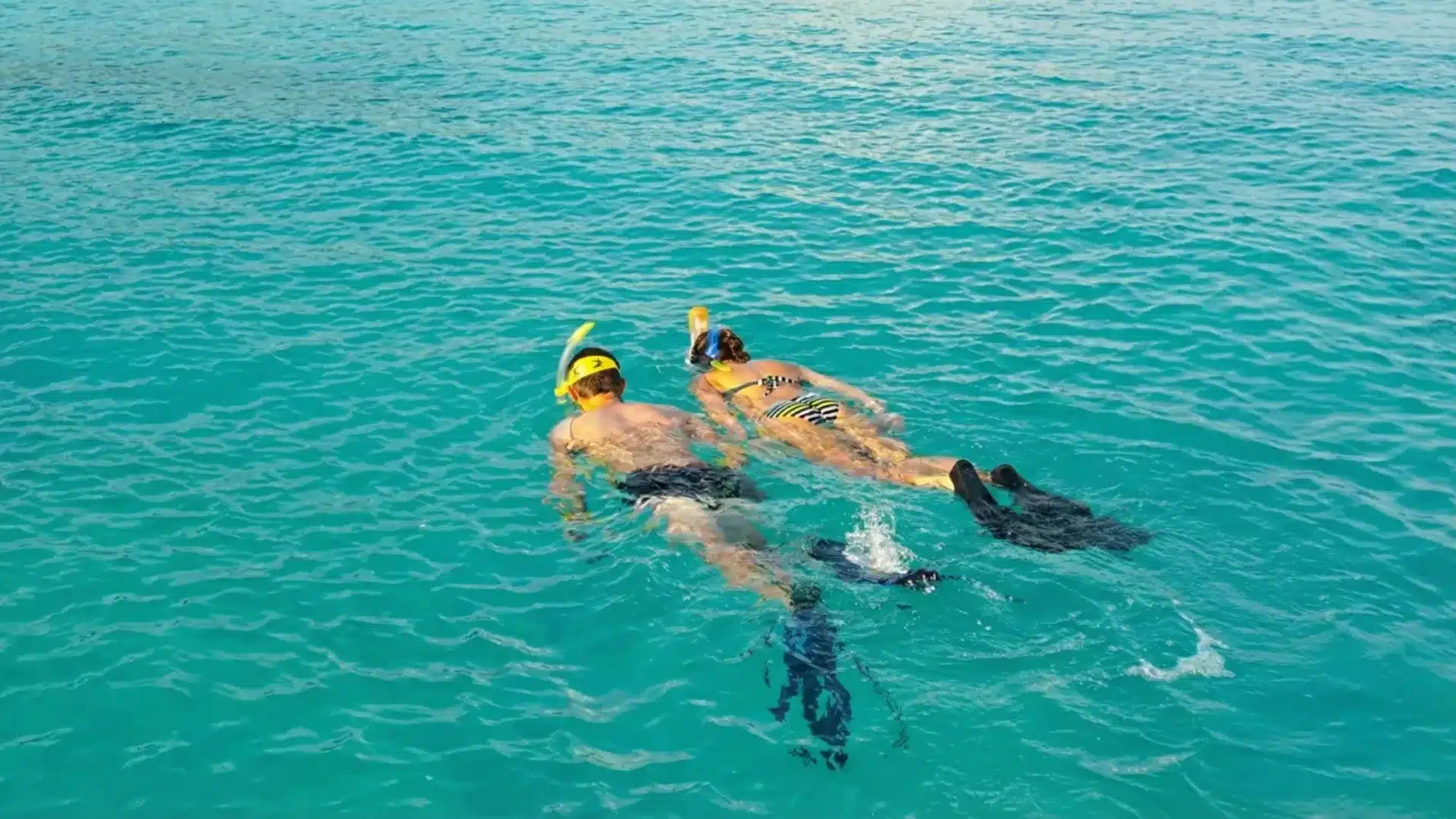
Starting skin diving does not have to feel overwhelming. Breaking it down into small steps makes the learning process smoother, safer, and a lot more fun.
Step 1: Practice Your Gear In Easy Water First
Before heading to the ocean or a busy dive spot, try everything out in a pool or calm lake. Getting used to the mask, snorkel, and fins in flat water removes surprises later.
Spend time practicing fin kicks so the legs do not tire out too quickly during a real dive.
Step 2: Learn The Basics That Make Everything Easier
Focus on three key skills early on. First, keep the hands relaxed and let the fins do all the work while swimming.
Second, practice clearing the mask regularly until it feels easy. Third, equalize the ears by pinching the nose and blowing gently. Never push through ear pain.
Step 3: Keep Your First Sessions Simple
There is no need to dive deep right away. Take short breath-hold dips and rest at the surface between each one.
Stick to shallow, calm water where staying relaxed and in control feels natural. Building confidence slowly at the start leads to much better dives later on.
Skin diving gets easier with every session. Starting slow, focusing on the basics, and building comfort step by step is the best way to enjoy it for the long run.
Safety Basics to Keep in Mind
Skin diving is a lot of fun, but a few safety rules should never be skipped. Keeping these in mind before every session goes a long way.
- Never do breath-hold dives alone. Always dive with a buddy or group, so someone is nearby if something goes wrong.
- Pushing breath-holding too far can cause sudden unconsciousness underwater. Learning about shallow water blackout before diving is very important.
- Coral and sea creatures are fragile. Touching them can harm marine life and cause cuts or stings.
- Always check the weather, currents, and local rules before getting in. Conditions can change fast and catch divers off guard.
- Long exposure to the sun while in the water causes severe sunburn. Wearing a rash guard and using reef-safe sunscreen protects both skin and the ocean.
- Never hyperventilate before a dive. Taking rapid, deep breaths to increase oxygen actually suppresses the body’s urge to breathe and significantly increases the risk of blackout.
Following these basics does not take much effort but makes a real difference. Safe habits built early stay with a diver for the long run.
Why Skin Diving Helps If You Want To Learn Scuba Later?
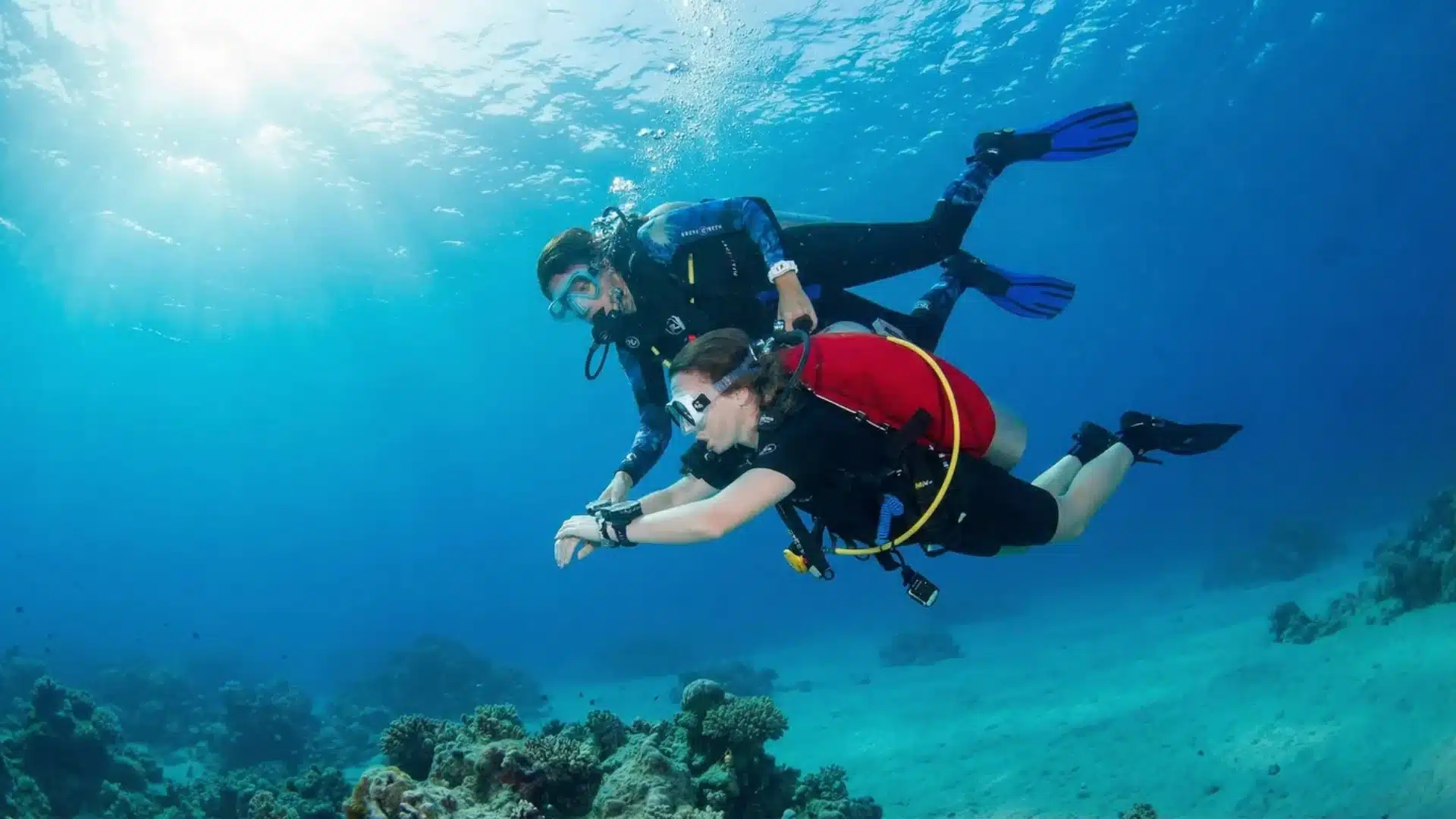
Skin diving lays a strong foundation for anyone considering scuba down the road.
Breathing through a snorkel, keeping the face in the water, and staying calm underwater all become second nature with practice.
Skills like mask clearing and fin control also carry directly into scuba training. Many experienced divers say these basics used to be a bigger part of early scuba courses.
Those who come from a skin diving or breath-hold background often feel more comfortable and confident when they first strap on a tank.
Common Mistakes Beginners Make
Most beginner mistakes in skin diving are easy to avoid once they are pointed out. Knowing what to watch for makes the first few sessions much smoother.
- Over-Kicking: Fast kicks burn energy quickly. Slow, steady kicks from the hips are much more efficient and easier to maintain.
- Tight Mask Fit: A tight strap does not stop leaks. A proper seal comes from the fit, not how hard the mask is pressed.
- Diving Too Deep Too Soon: Going too deep too soon often leads to panic. Starting shallow and building up gradually is always the better approach.
- Ignoring Ear Discomfort: Pushing through ear pain can lead to serious damage. Equalizing early and often throughout the dive keeps ears comfortable and safe.
- Going Solo or Skipping Condition Checks: Diving alone or skipping weather and current checks is risky. These simple steps take only a few minutes but matter a lot.
Avoiding these mistakes does not require extra gear or special training. A little awareness and patience at the start make skin diving much more enjoyable from day one.
Conclusion
Skin diving is simple, accessible, and built on real skills anyone can learn. No heavy gear, no complicated setup. Just a mask, snorkel, fins, and the willingness to practice.
Starting in calm, shallow water with a buddy and building slowly is all it takes to get going the right way.
The basics covered here, including gear fit, key skills, safety habits, and common mistakes, give a solid foundation to build on. Every skin diver started exactly where you are right now.
So, what is stopping you from giving it a try? Drop a comment below and share what excites you most, or bookmark this page to come back to when you are ready to get in the water.