Every year, thousands of paddlers face the same crucial decision at the water’s edge.
With kayaking surging in popularity as both an adrenaline-pumping experience sport and a peaceful getaway into nature, choosing the right vessel can make or break your experience on the water.
The age-old question remains: sit-on-top kayak vs sit-in kayak – which is better for your paddling dreams?
This isn’t just a matter of personal preference. Your choice between these two fundamental types will determine everything from your comfort level to your safety on the water.
Let’s walk through a comparison of both to help you make the perfect choice for your next aquatic happening.
What is a Sit-On-Top Kayak?
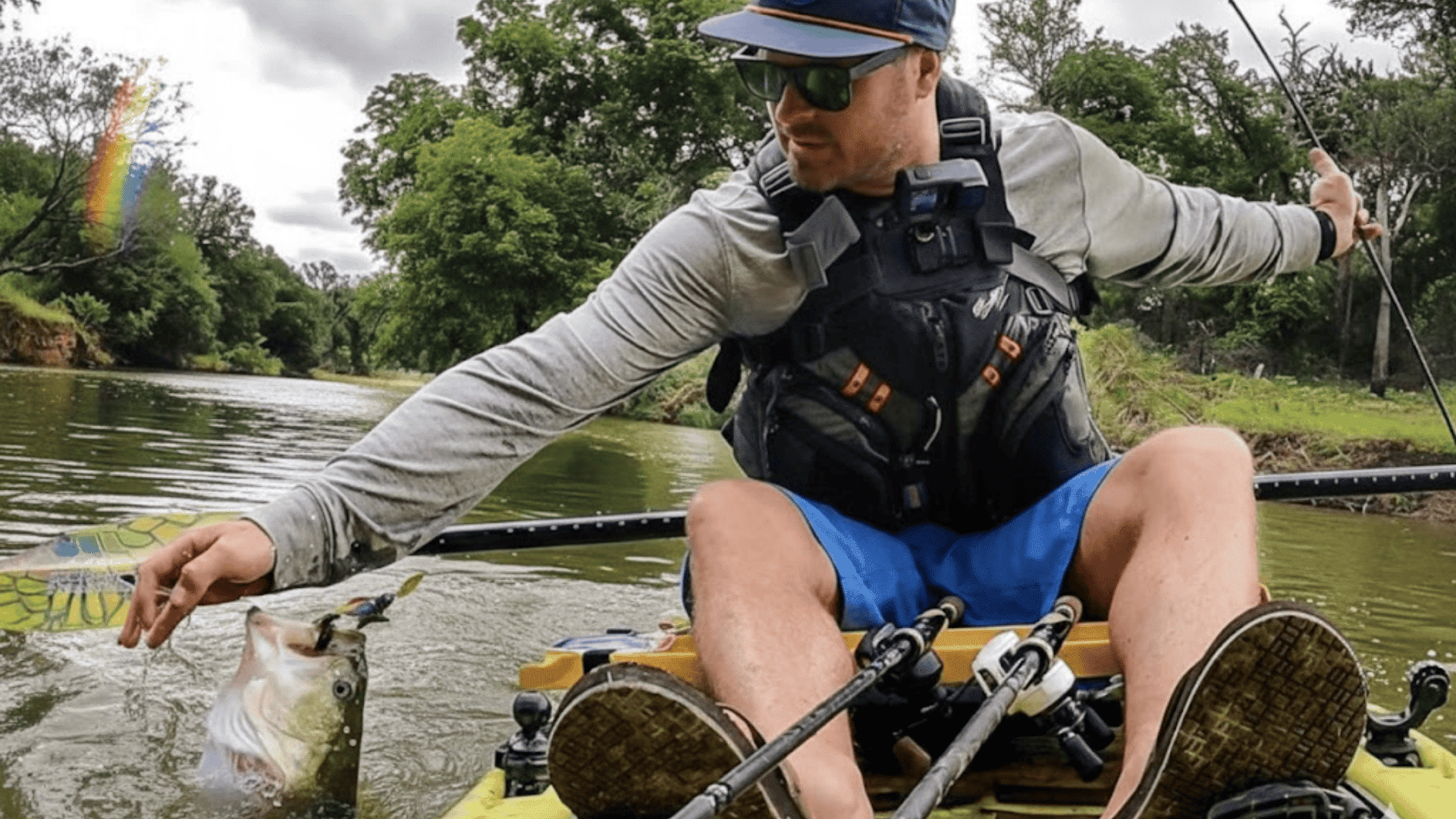
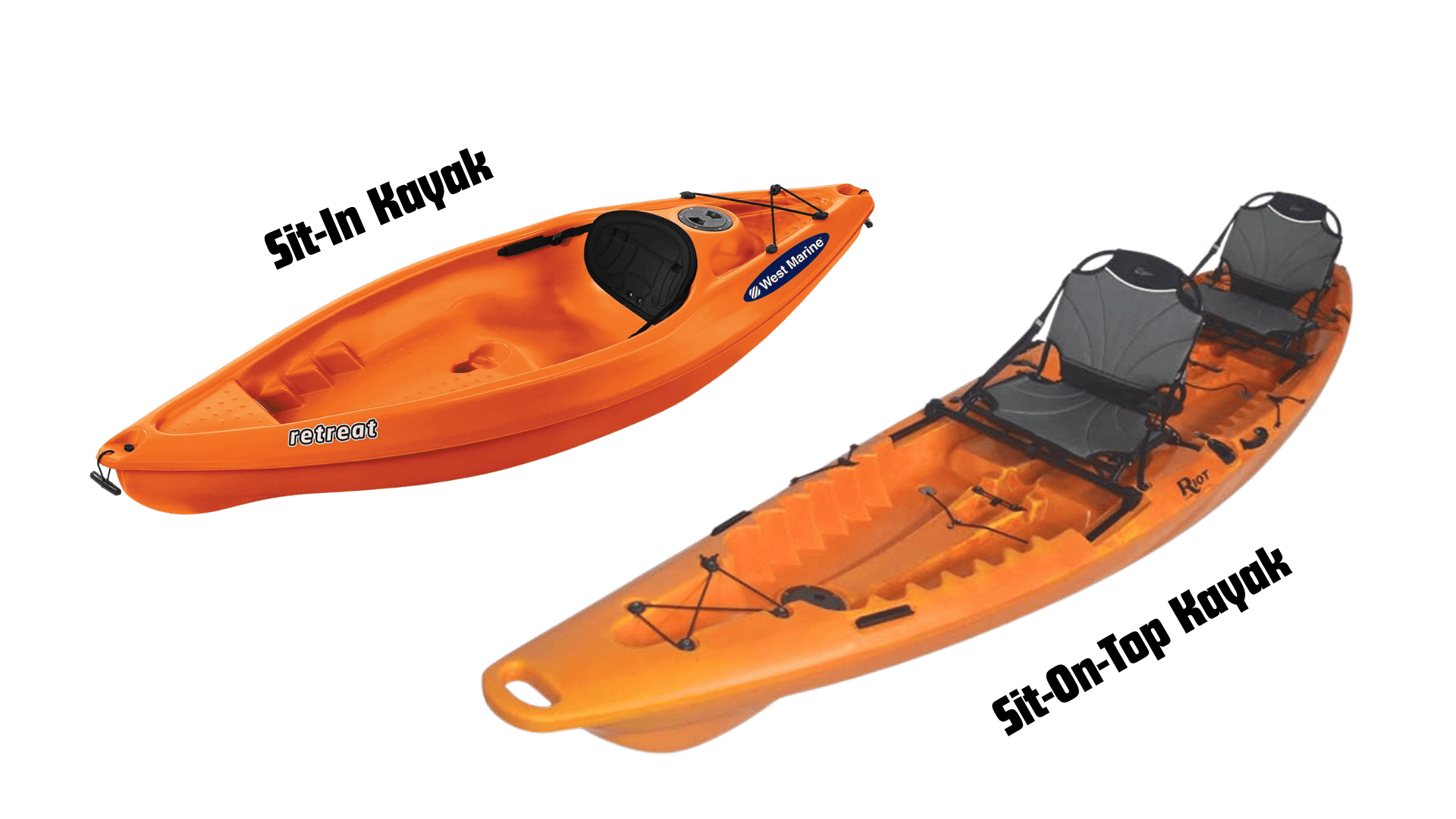
A sit-on-top kayak is designed with an open deck, placing the paddler above the hull rather than inside it.
These models feature scupper holes that automatically drain water, keeping the vessel functional even when splashed by waves.
Durable polyethylene construction makes them tough and affordable, ideal for recreational outings.
With accessible deck space and easy entry from shore or water, they’re popular among beginners and anglers.
Their simple, forgiving design provides confidence while accommodating gear for casual trips and fishing adventures.
What is a Sit-In Kayak?
A sit-in kayak places the paddler inside an enclosed cockpit, with legs positioned beneath the deck for greater control and connection to the boat.
This setup enhances paddling efficiency and stability in rougher waters.
Many models can be paired with spray skirts to block splashes and keep the lower body warm, making them excellent for cooler climates.
Typically narrower and sleeker, sit-in kayaks glide faster and track straighter, which appeals to touring enthusiasts and experienced paddlers seeking performance over long distances.
Pros and Cons of Both
Each design comes with trade-offs that directly impact your paddling experience and enjoyment on the water.
Sit-on-Top Kayak
These open-deck designs offer unmatched convenience and accessibility but sacrifice some performance for user-friendly features and beginner appeal.
| Advantages | Disadvantages |
|---|---|
| Easy entry and exit from water or dock | Slower speeds due to wider, less efficient hull |
| Self-draining scupper holes prevent flooding | Wet ride with constant water exposure |
| Beginner-friendly with easy access | Poor performance in cold weather conditions |
| Perfect platform for fishing and gear access | Limited protection from wind and waves |
| Simple to re-enter after capsizing | Less efficient for long-distance touring |
Sit-on-top kayaks excel at making paddling accessible and enjoyable, particularly for recreational use and warm-weather adventures.
Sit-In Kayak
The enclosed design prioritizes speed and weather protection but creates accessibility challenges that may intimidate casual or beginner paddlers.
| Advantages | Disadvantages |
|---|---|
| Faster speeds with streamlined hull design | Difficult entry and exit requiring flexibility |
| Excellent protection from cold and rough water | Risk of entrapment if capsized underwater |
| Superior tracking and directional control | The cockpit can fill with water during conditions |
| Dry storage compartments protect gear | Less comfortable for short recreational trips |
| More efficient paddling for long distances | Requires more advanced rescue skills |
Sit-in kayaks reward experienced paddlers with superior performance, making them ideal for touring and serious water adventures.
Which is Right for You?

Selecting the perfect paddle depends entirely on your intended use, skill level, and preferred paddling environment.
1. Beginners & Casual Paddlers
New paddlers need stable, forgiving platforms that build confidence quickly without intimidating enclosed cockpits.
The best option for beginners offers wide stability, easy entry/exit, and a self-draining design that eliminates fears of capsizing, allowing you to focus on developing your paddle technique.
For beginners and casual paddlers, sit-on-top kayaks are the clear winner due to their user-friendly design.
2. Fishing Fanatic
Anglers require versatile platforms with gear accessibility, standing capability, and specialized mounting systems for rods and tackle.
Purpose-built fishing designs offer open deck space, gear mounts, rod holders, and stable standing platforms, while maintaining easy access to equipment.
Fishing wizard will find sit-on-top fishing kayaks the winning choice for their specialized gear needs and accessibility.
3. Touring & Long Distance Trips
Distance paddlers require efficient hull designs that slice through water effortlessly while offering protected storage and comfort.
Streamlined touring models offer superior speed, tracking, weather protection, and dry storage compartments essential for covering long distances efficiently and comfortably.
For touring and long-distance trips, sit-in touring kayaks emerge as the winner for efficiency and comfort.
4. Cold Weather & Choppy Water Conditions
Challenging conditions demand weather protection, precise control, and the ability to stay dry and warm while maintaining boat stability.
Enclosed cockpits with spray skirts provide waterproof barriers against cold water and waves, as well as improved control through leg bracing.
In cold weather and choppy water conditions, sit-in kayaks are the winning choice for protection and control.
Cost Comparison
Understanding the financial investment helps paddlers make informed decisions based on their budget and long-term paddling commitment.
- Initial Purchase: Sit-on-top kayaks cost $300–900 recreational ($1,500–3,000 fishing), while sit-in kayaks range $500–2,500 touring ($3,000–4,000+ expedition)
- Maintenance: Sit-on-top requires simple rinse and minimal upkeep, sit-in needs regular compartment drying and seal inspection
- Repairs: Sit-on-top uses basic patching with inexpensive parts, sit-in requires specialized knowledge and costly components
- Durability: Both types last 15–20+ years, but sit-on-top handles rough treatment better, while sit-in needs careful handling
Both types offer superb value when matched to your paddling style, budget, and long-term incident goals.
Making the Decision
Your perfect kayak awaits, whether it’s the user-friendly accessibility of a sit-on-top or the performance-driven efficiency of a sit-in design.
The decision ultimately comes down to understanding your personal priorities, local water conditions, and paddling aspirations.
Rather than getting caught up in endless online research, the best way to make your final choice is through hands-on experience.
Visit your local dealer or rental shop to test paddle both designs in real conditions. Your body will quickly tell you which style feels right.
Ready to find your perfect kayak match? Head out and experience the difference for yourself!