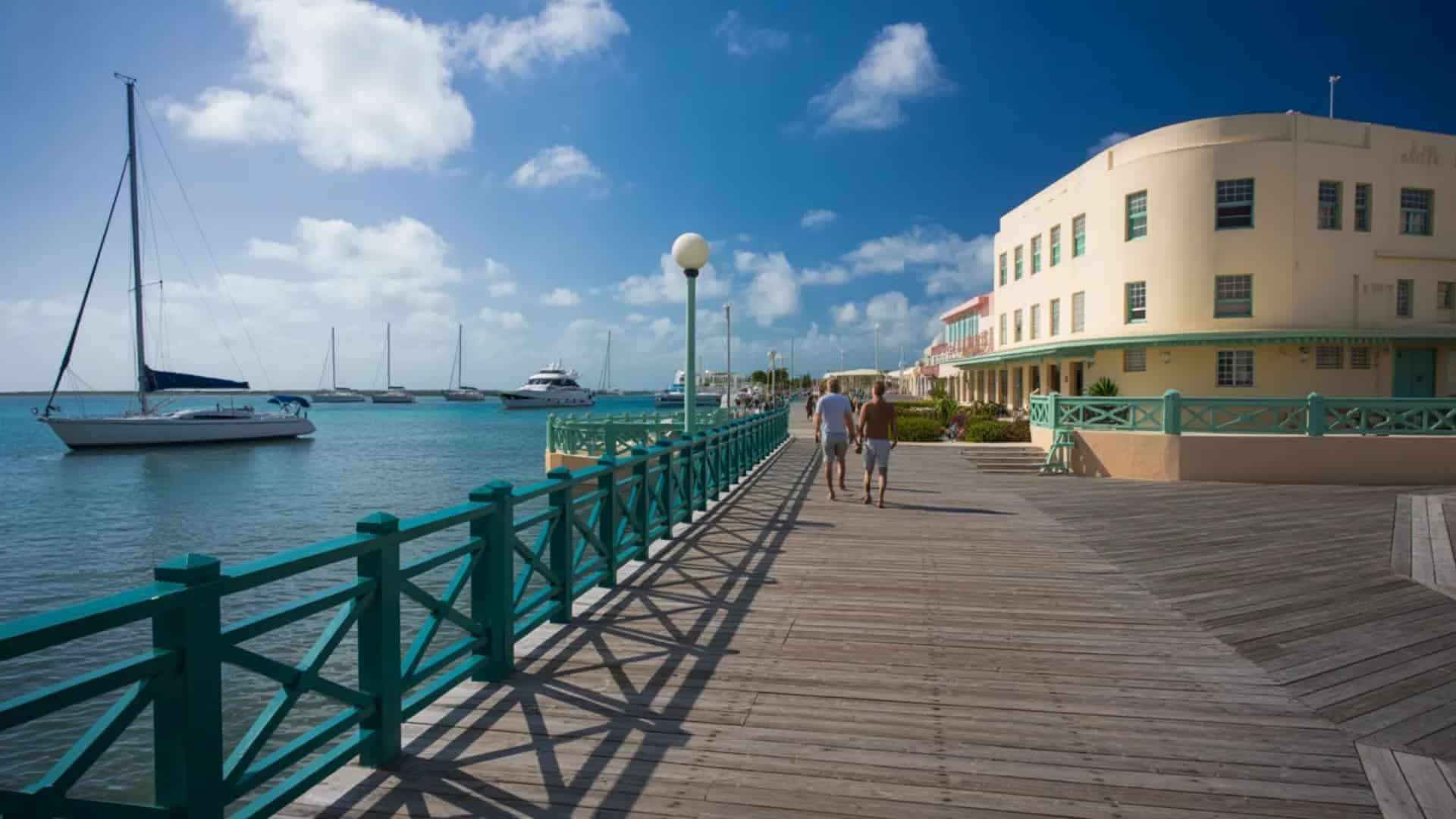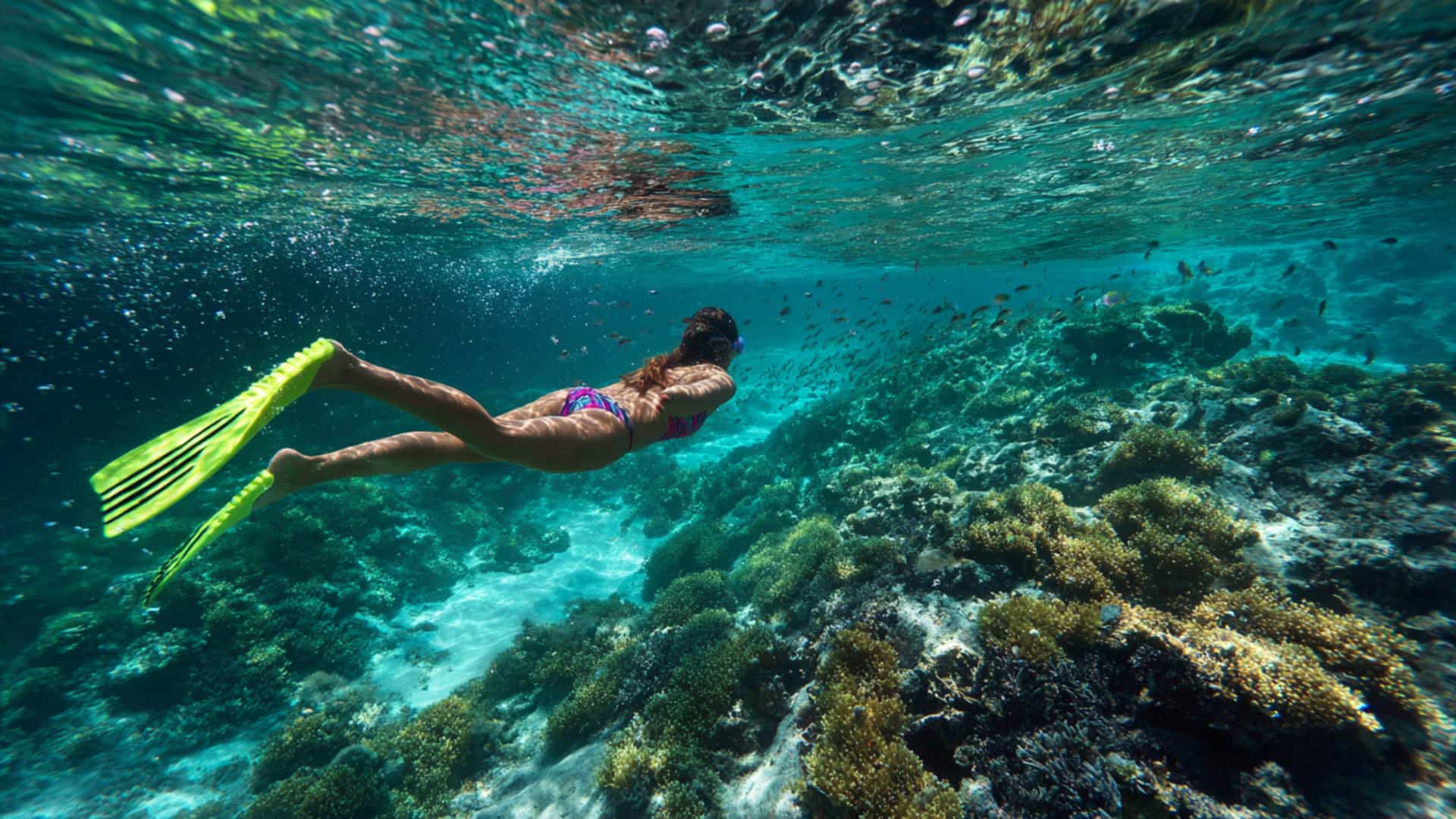

Sharks in Barbados do exist. That is the honest answer. But sightings near popular swimming beaches are uncommon, and most visitors never see one in the water.
Real beach safety in Barbadosis more often about strong currents, wave conditions, and knowing which coast to swim on.
Understanding what is actually in the water and the real risks helps anyone plan a safer, more relaxed trip to this Caribbean island.
For a broader look at marine life and conditions, see the best snorkeling spots in Barbados.
Are There Sharks in Barbados?
Yes, sharks live in Barbados waters, but sightings near popular beaches are uncommon. Most stay in deeper, offshore areas away from busy swimming zones.
The west and south coasts are sheltered and generally calmer, making them popular with swimmers and snorkelers alike. If you are planning to get in the water, theCaribbean snorkeling by monthguideis a good starting point for timing your trip right.
The east and northeast coasts face the open Atlantic with stronger currents, making them less suitable for most swimmers.
What Sharks Can Be Found Around Barbados?
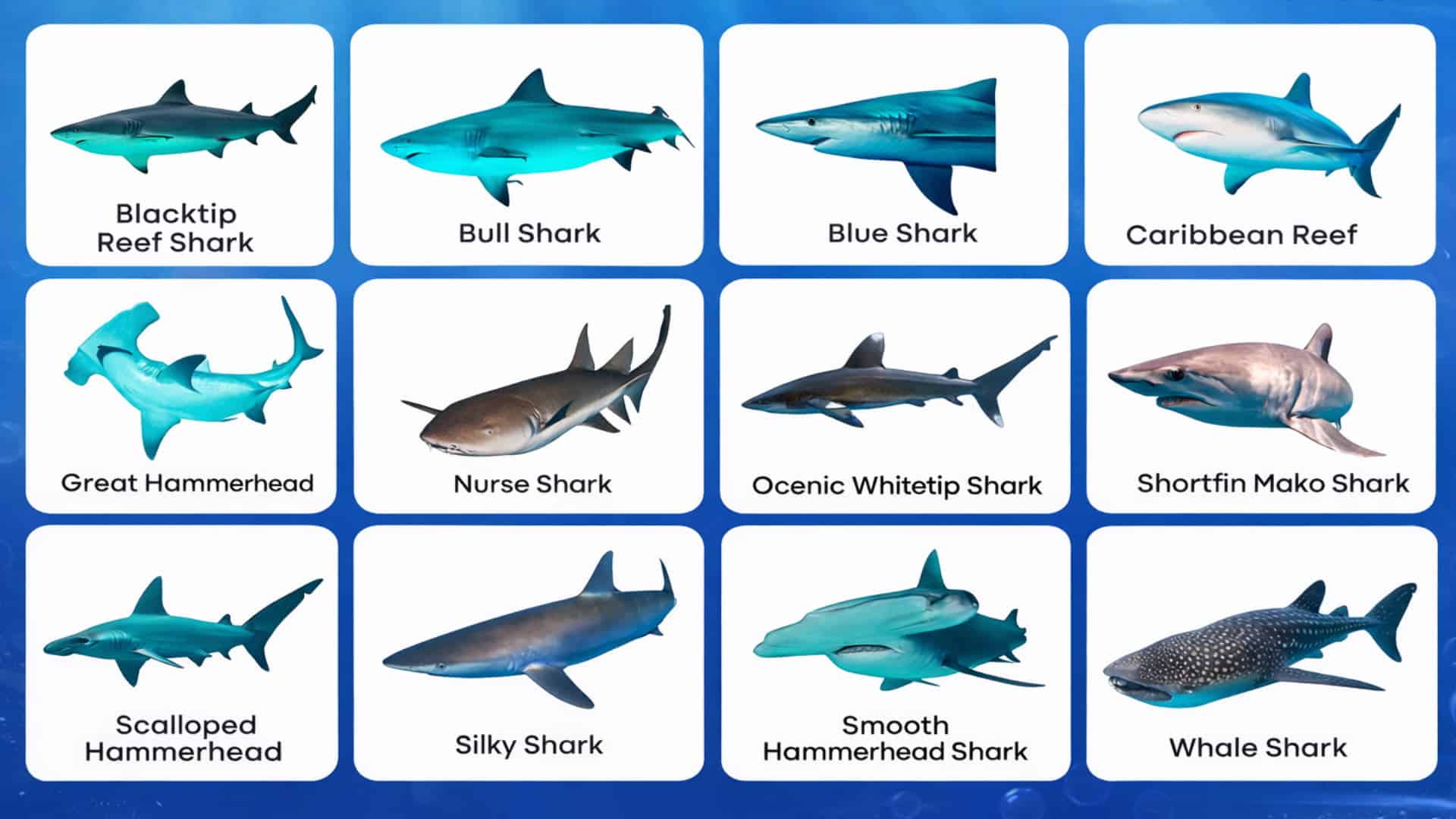
Sharks are present in Barbadian waters, but most are not the kind that make headlines. Here is a practical look at what species are around and where they tend to be found.
- Reef sharks: Caribbean reef sharks are the most commonly reported species near Barbados, usually spotted by divers in deeper reef areas.
- Nurse sharks: Nurse sharks are frequently seen resting on the seabed near reefs. They are generally calm and pose little threat to divers or snorkelers. If you plan to explore the water further, see the best snorkeling spots in Barbados and what to expect underwater.
- Larger species: Tiger sharks and hammerheads have been reported in offshore and deeper waters, mostly by fishing boats rather than recreational swimmers or divers.
- Risk to swimmers: Reef and nurse sharks are not considered serious threats to casual swimmers. They tend to avoid busy, shallow beach areas altogether.
Sharks stay mostly in offshore waters and dive sites. West- and south-coast swimming beaches are rarely shark territory.
Shark Attacks in Barbados: What Travelers Should Know
Shark incidents in Barbados are extremely rare. Historical records show only a handful of confirmed attacks (around 5–6 in total), with no recent serious incidents reported in modern tourism history.
The Global Shark Attack File records very few confirmed cases linked to Barbados, and serious attacks are not a regular feature of its coastal history.
Millions of people swim in Barbados every year without any shark-related incident. Headlines about shark activity anywhere in the Caribbean can create a distorted sense of risk.
Isolated incidents from other islands are sometimes generalized to the whole region, which does not reflect the actual conditions in Barbados.
The Real Water Risks in Barbados that Swimmers Should Watch For
Sharks rarely pose a problem for swimmers in Barbados. The real risks come from the water itself.
- Rip currents form when waves push water toward shore, and it finds a narrow channel to rush back out to sea.
- Atlantic-facing beaches carry a higher rip current risk than the sheltered west and south coast swimming spots commonly used by visitors.
- Some East Coast beaches have rocky entries, uneven seabeds, and sudden depth changes that can catch swimmers completely off guard.
- Many Barbados beaches use lifeguards and colored flags: green means safe, yellow means caution, and red means dangerous conditions. Always check flags before swimming.
Understanding these risks means making smarter choices about when, where, and how to swim for a safer overall experience.
Best Beaches in Barbados for Safe Swimming
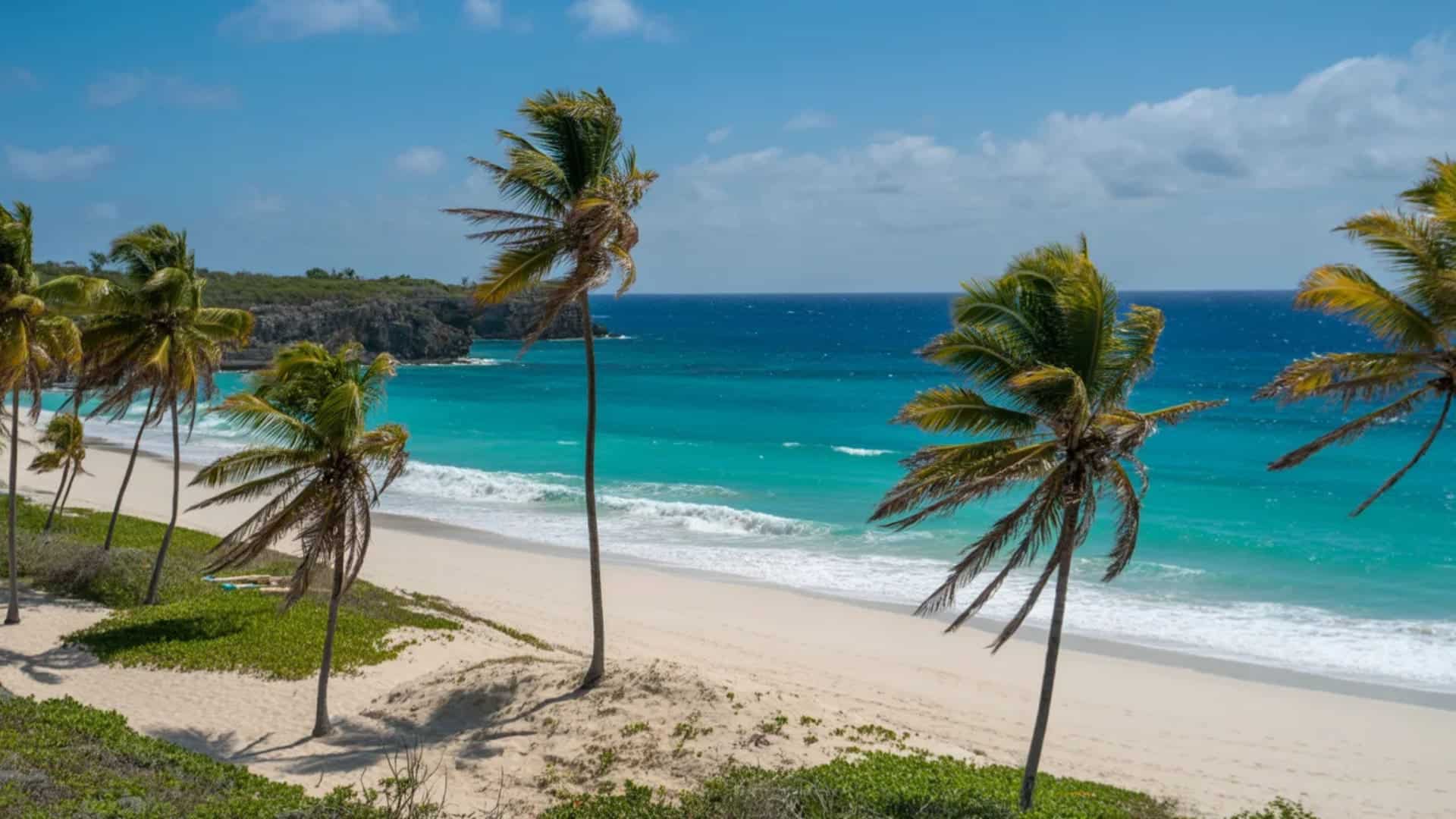
The coast you choose matters more than most visitors expect. Here is where to swim and where to be careful.
- Paynes Bay: A calm west coast beach sheltered from Atlantic swells. Great for swimming, snorkeling, and relaxed family days in clear water.
- Mullins Beach: Another sheltered west coast option with gentle water and good facilities. Popular with families and considered one of the safer swimming spots.
- Accra Beach: A well-known south coast beach with generally manageable conditions. One of the most visited spots for casual swimming and beach days.
- Miami Beach: A quieter south coast option that suits families and casual swimmers. Conditions are usually calm, and the beach is less crowded than Accra.
- Bathsheba and east coast: Faces the open Atlantic with strong surf and rip currents. Worth visiting for scenery and surfing, but not safe for casual swimming.
The west and south coasts are where most visitors are best off spending time in the water.
When Are Sharks More Active?Like most marine animals, sharks are more active at dawn and dusk. They are also more likely to be present in murky water or near fishing activity. Avoid swimming during these times or in unclear water to further reduce any unlikely risk. |
Swim Safe in Barbados: Tips and What to Do in The Water
Always swim where flags and lifeguards are present, avoid murky water, stay clear of fishing activity, and never swim alone in unfamiliar spots. These simple habits cover most risks at any Barbados beach.
If a shark is ever spotted, stay calm and stop splashing. Keep the shark in sight, move slowly back toward shore or a boat, and avoid turning your back.
Once safely out of the water, alert lifeguards or nearby swimmers straight away.
Conclusion
Sharks in Barbados are far less of a concern than most travelers expect. Choosing the right beach, understanding sea conditions, and following local safety advice will do far more to keep you safe.
With calm waters on the west and south coasts and millions of visitors swimming each year safely, Barbados remains one of the Caribbean’s most reliable beach destinations.
Which beach are you planning to visit first?