Scuba diving vs snorkeling are two exciting ways to explore the underwater world, each offering a unique experience.
Snorkeling lets people stay near the surface with simple gear, making it easy to enjoy colorful fish and coral in shallow waters.
Scuba diving goes deeper, using specialized equipment that allows divers to stay underwater longer and explore marine life at greater depths.
The two activities differ in equipment, depth, training, cost, and the overall experience.
As you read on, you will understand these differences clearly and can choose the option that best fits your comfort level, skill level, and travel plans.
By the end, it will be easier to know which activity is right for you and what to expect from each.
Scuba Diving vs Snorkeling: An Overview
Scuba diving vs snorkeling both invite people to enjoy life under the sea, but they do it in different ways that suit different kinds of travellers and experience levels.
Many snorkelers start with simple gear and float close to the surface, taking in the colourful fish and reef shapes just below the water.
Others choose to go deeper with scuba diving, where breathing gear and training let them spend more time below and see parts of the ocean that are not visible from above.
Depth, equipment, and how long someone stays underwater all play a role in the type of adventure each activity offers. These factors shape the overall experience and influence the choice between the two.
What Is Scuba-Diving?
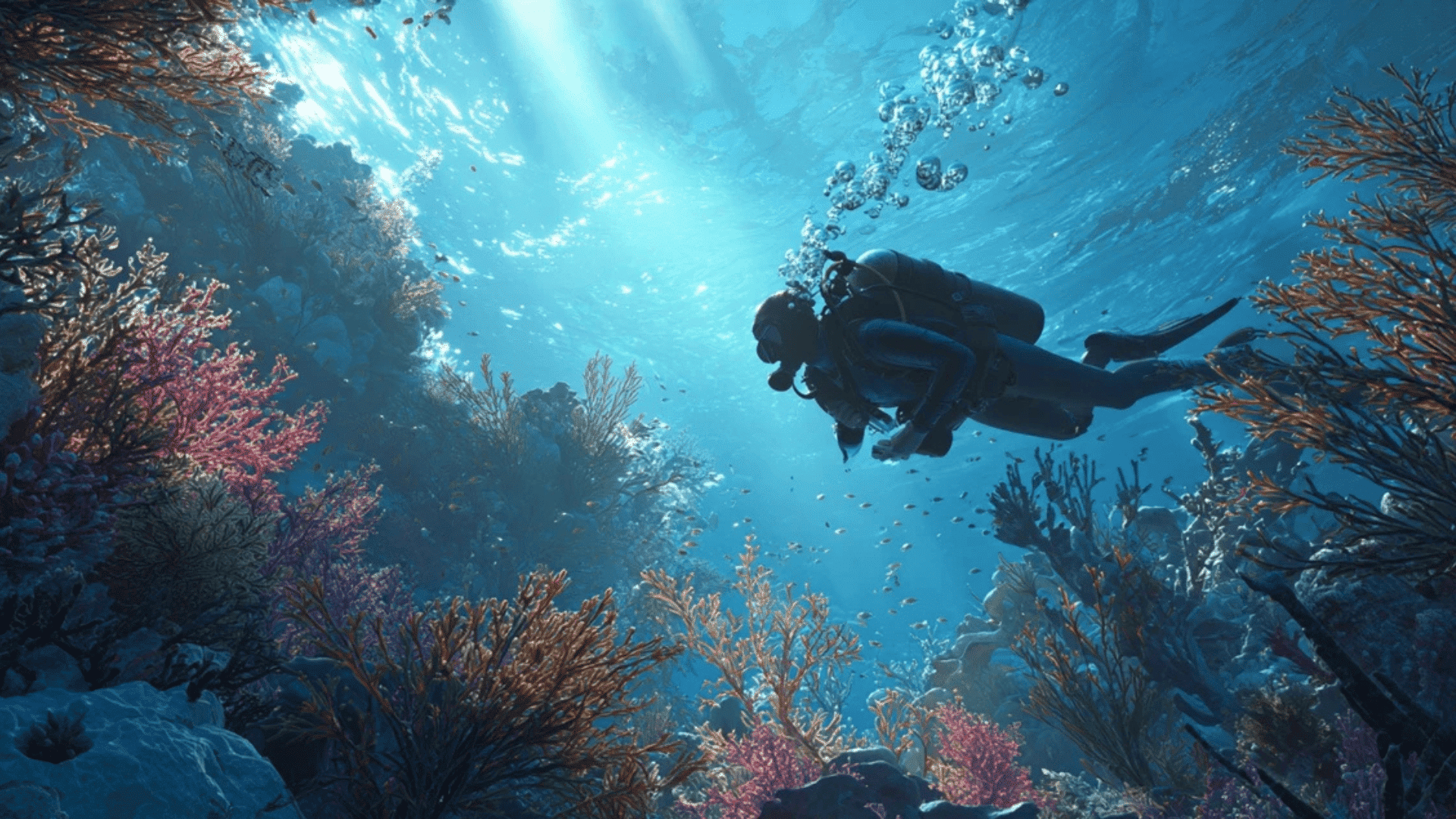
Scuba diving involves going fully underwater using a self-contained breathing apparatus (SCUBA), allowing divers to breathe and move freely beneath the surface.
With proper training, recreational divers can typically reach depths of up to 40 meters (130 feet), allowing them to explore deeper marine environments that cannot be reached from the surface.
Main Gear
- Air tank – supplies breathing air
- Regulator – delivers air from the tank
- BCD (Buoyancy Control Device) – helps control depth and floating
- Gauges – monitor air supply and depth
- Wetsuit (or drysuit) – provides warmth and protection
Training & Certifications
- Requires formal training to understand equipment and safety rules
- Certification is needed to dive independently
- Focuses strongly on safety, planning, and underwater awareness
What Is Snorkeling?
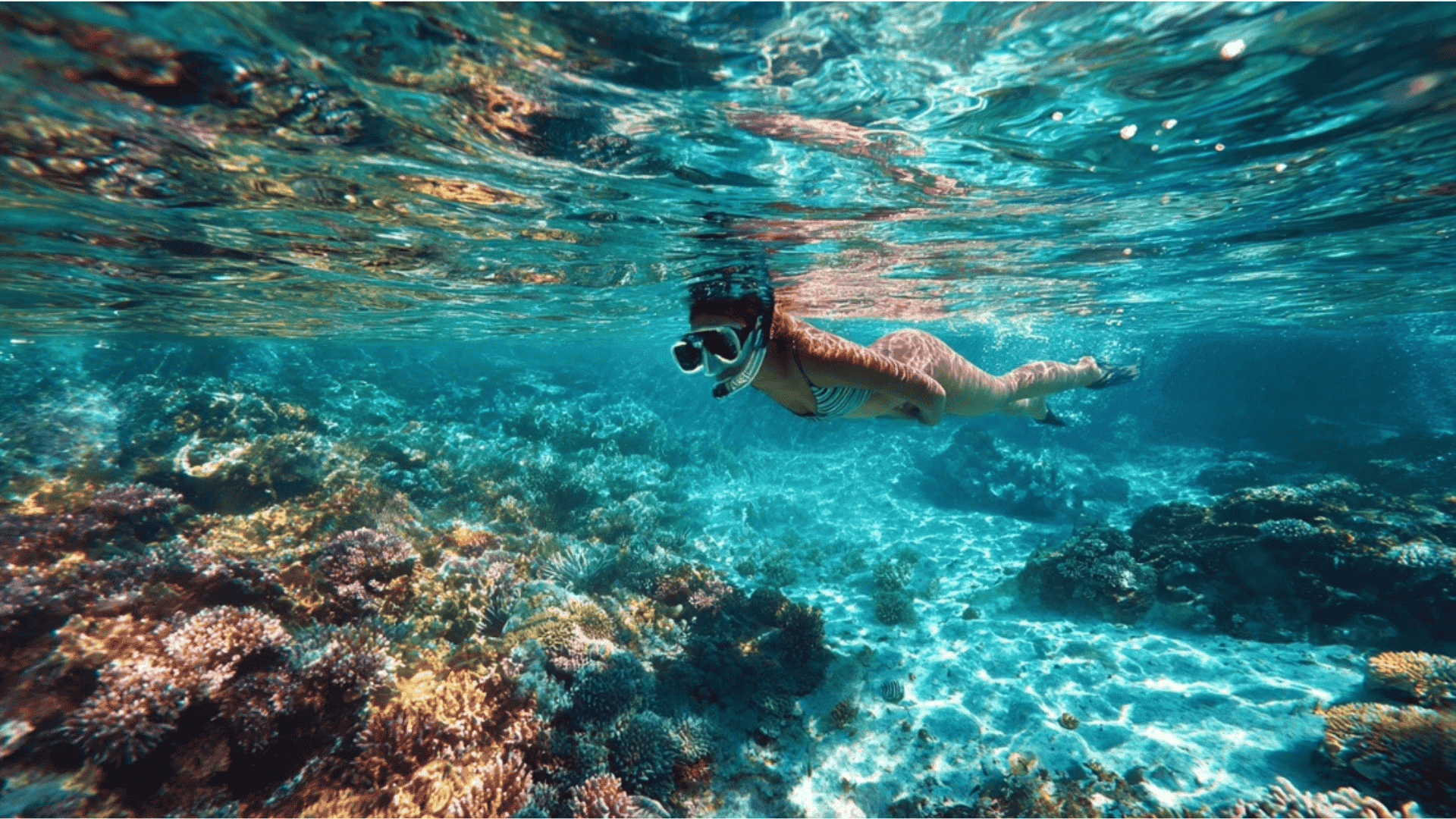
Snorkeling is an activity where a person floats at or near the water’s surface while observing marine life below, breathing through a snorkel tube.
Most snorkeling takes place in shallow waters, typically between 1 and 5 meters, though experienced snorkelers may briefly dive deeper by holding their breath. Scuba diving depth limits vary depending on certification level.
Core Gear
- Mask – for clear underwater vision
- Snorkel – allows breathing while face-down in the water
- Fins – help with easy movement and control
Who It’s For
- Ideal for beginners with little or no experience
- Great for families and kids
- Perfect for casual explorers who want a relaxed, low-effort way to enjoy the ocean
Scuba Diving vs Snorkeling: Key Differences
Scuba diving and snorkeling differ in several practical ways that affect how each activity is experienced in the water. The comparison below outlines the main differences in equipment, depth, breathing, and training.
| Feature | Scuba Diving | Snorkeling |
|---|---|---|
| Gear & Equipment | Air tank, regulator, BCD, gauges; requires setup and practice | Mask, snorkel, fins; lightweight and easy to use |
| Depth & Location | Up to 40 m (recreational); reefs, wrecks, deeper zones | Surface to ~1–5 m; shallow reefs |
| Breathing | Breathes underwater via tank and regulator | Breathes at the surface through a snorkel |
| Training Required | Formal training and certification (PADI, SSI) | No formal training required |
Looking at these differences makes it easier to see why each activity suits different comfort levels, time commitments, and travel plans. Each option offers its own balance of ease and involvement.
Experience Vibes: What It Feels Like To Snorkel vs Scuba Dive?
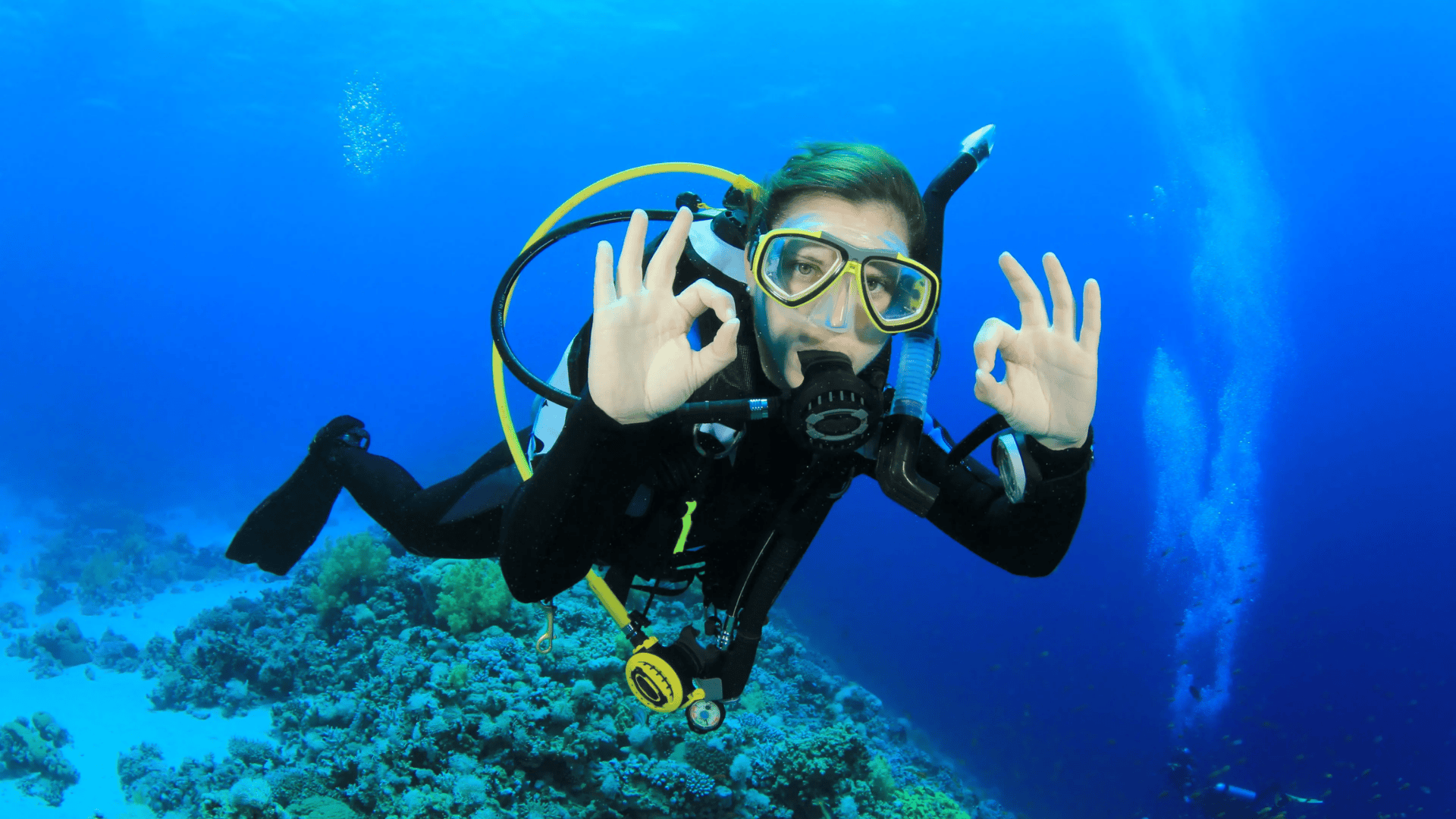
When people try snorkelling, it often feels calm and easy because they stay near the surface and move with simple gear. Many find this relaxing, like floating and watching fish and reefs in clear water without much effort.
On the other hand, scuba diving can feel very different because divers go below the surface with heavier gear and breathe underwater. This makes the underwater world feel more real and teeming with life, which many find exciting and immersive.
The weight of the scuba equipment and the feeling of breathing under the water can take some getting used to, but it also lets divers stay down longer and see deeper parts of the ocean that snorkelers can’t reach.
Cost Breakdown: Budgeting For Snorkeling vs Scuba Diving
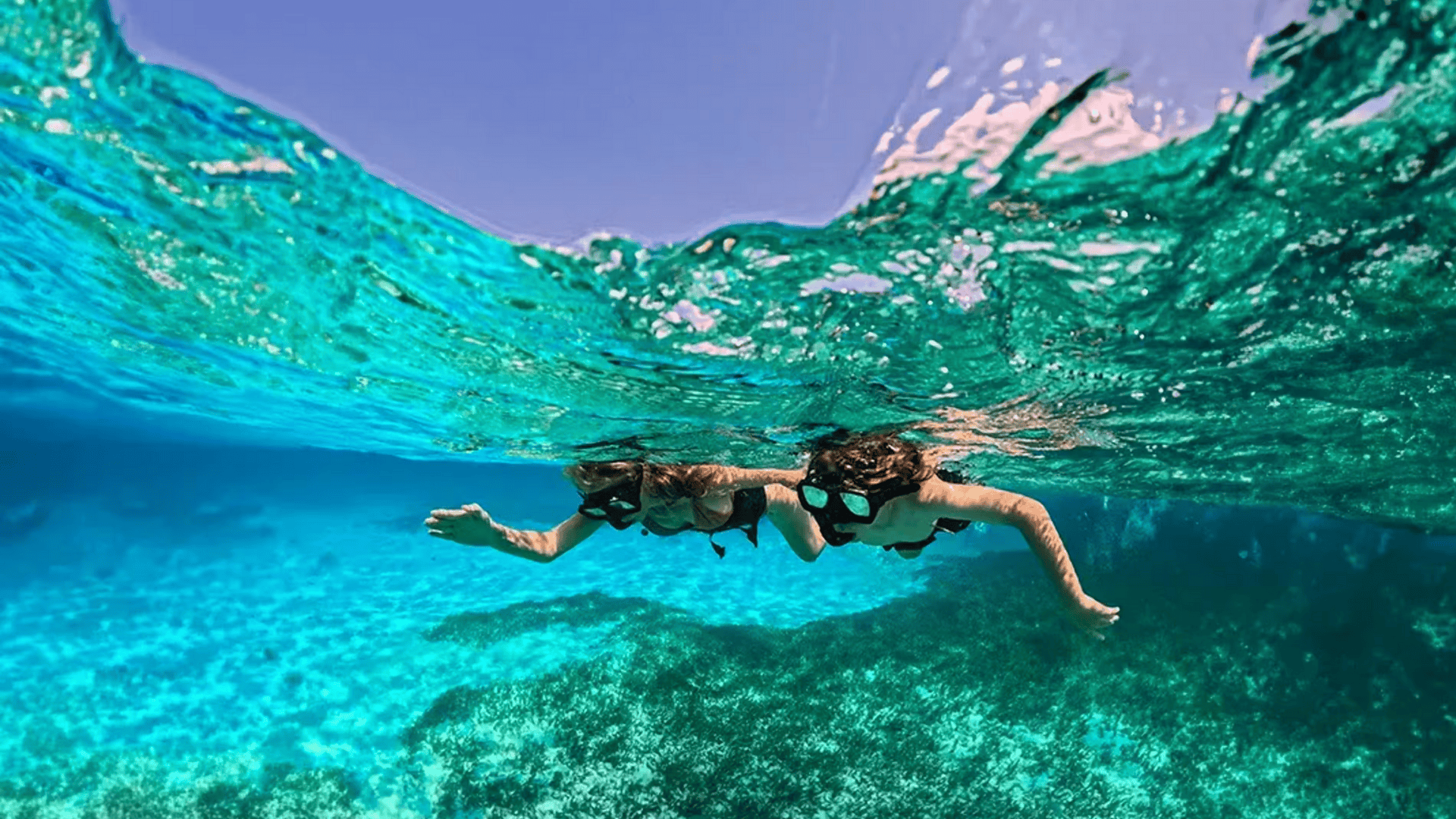
When planning time in the ocean, cost often shapes the choice between snorkeling and scuba diving. Snorkeling is usually the more affordable option.
Basic gear like a mask, snorkel, and fins can cost around $20-$50, or be rented for $5-$15 per day. Guided snorkeling tours often range from $25-$80, depending on location. Scuba diving costs more because it requires training and equipment.
Beginner certification courses usually cost $300-$500, while single guided dives can range from $80-$150 per dive.
Equipment rental may add $30-$60 per day. Snorkeling suits people looking for a low-cost activity, while scuba diving suits those willing to spend more for longer underwater time.
Who Should Choose What?
Choosing between snorkeling and scuba diving depends on experience, comfort, and what kind of underwater adventure someone wants.
- Beginners and Kids: Snorkeling is easier to learn, needs little equipment, and works well for all ages.
- Comfort and Effort Level: Snorkeling suits those who prefer to stay near the surface with minimal effort, while scuba diving requires more gear and preparation.
- Interest in Depth: Scuba diving is better for people who want to go deeper and see more marine life below the surface.
- Time and Commitment: Snorkeling fits short trips and quick activities, while scuba diving requires more time for training and planning.
- Budget and Frequency: Snorkeling is well-suited to low-cost, occasional outings, while scuba diving suits those who plan to dive often and are comfortable with higher costs.
Looking at these factors can make the choice clearer and help set realistic expectations for the experience. Each activity offers a different level of ease and involvement.
Wrap-Up
Snorkeling and scuba diving are two popular ways to experience underwater life, each offering its own style of exploration. Snorkelling is relaxed and easy, letting people stay at the surface to enjoy fish, coral reefs, and clear ocean views with minimal effort.
Scuba diving takes the adventure deeper, using gear that lets divers explore calmer, more varied underwater environments.
When deciding between the two, scuba diving vs snorkeling depends on comfort, experience, and interests.
Snorkeling is well-suited for beginners, families, and casual travelers, while scuba diving is for those willing to invest time in learning new skills for a more immersive experience.
Understanding these differences helps pick the activity that fits best.
Choose your adventure, grab the right gear, and start exploring the underwater world today.
Frequently Asked Questions
Do You Need To Know How To Swim To Snorkel or Scuba Dive?
Basic swimming skills are recommended for both. Snorkeling requires a general level of water confidence, while scuba diving requires swimming ability as part of certification training.
How Deep Can Beginners Go in Scuba Diving?
After certification, beginner recreational divers are usually allowed to dive to a maximum depth of 1-18 meters. More advanced training allows deeper dives, up to 40 meters.
Is Snorkelling Safer Than Scuba Diving?
Snorkeling is generally considered safer because it involves less equipment and no deep diving. Scuba diving is also safe when proper training, certification, and safety guidelines are followed.