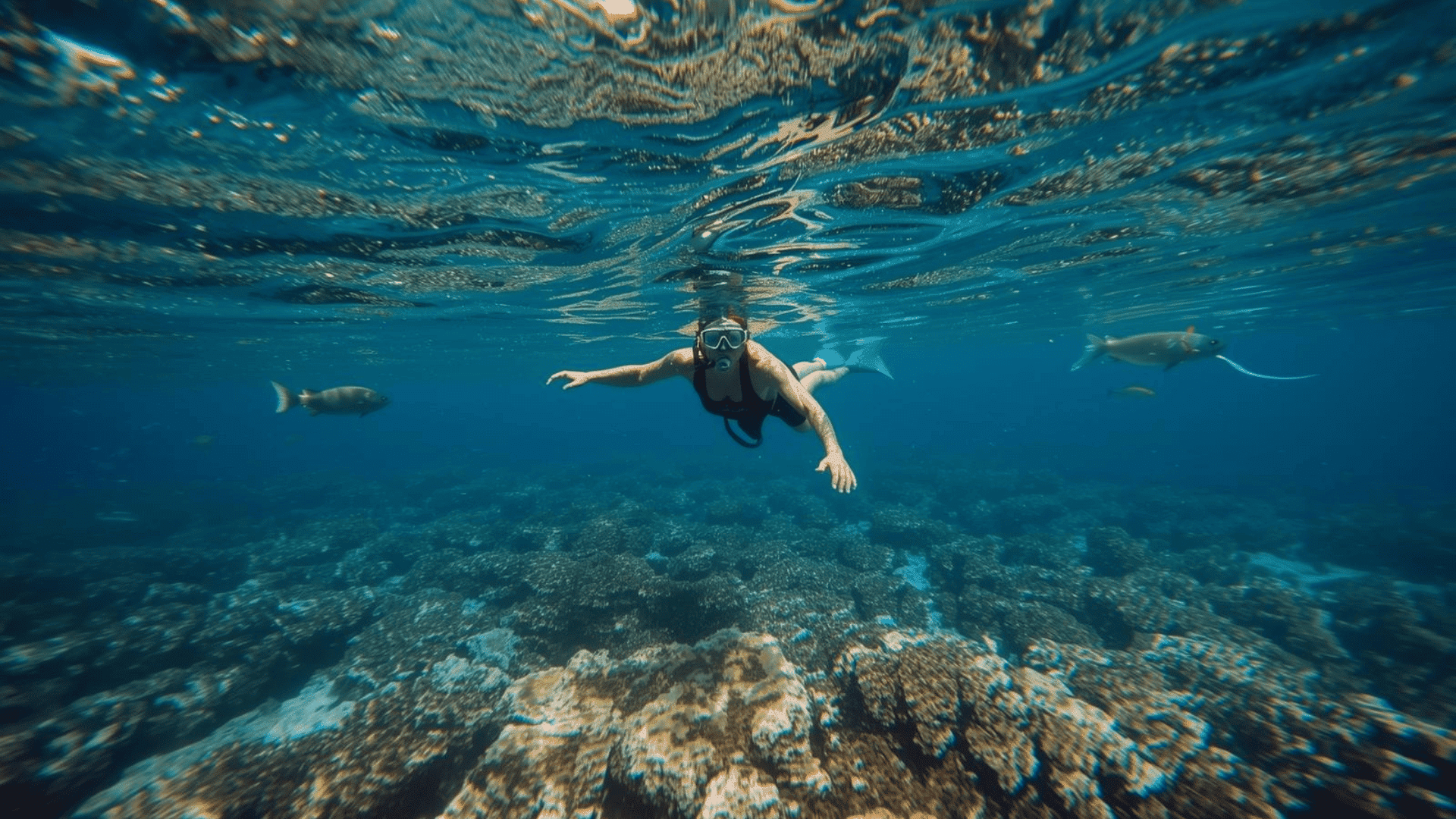
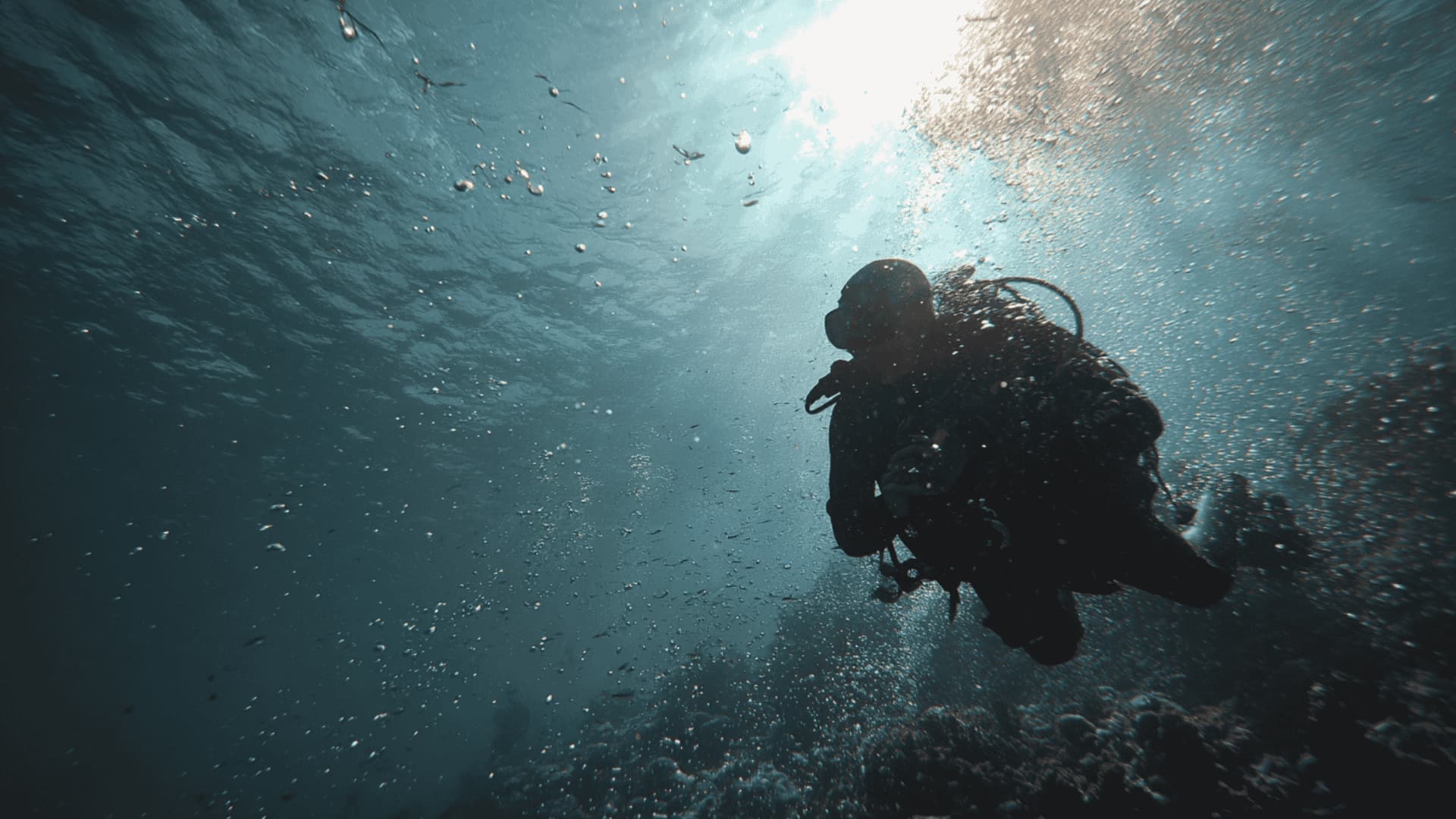
Reef snorkeling is like stepping into a hidden underwater city, filled with color and life.
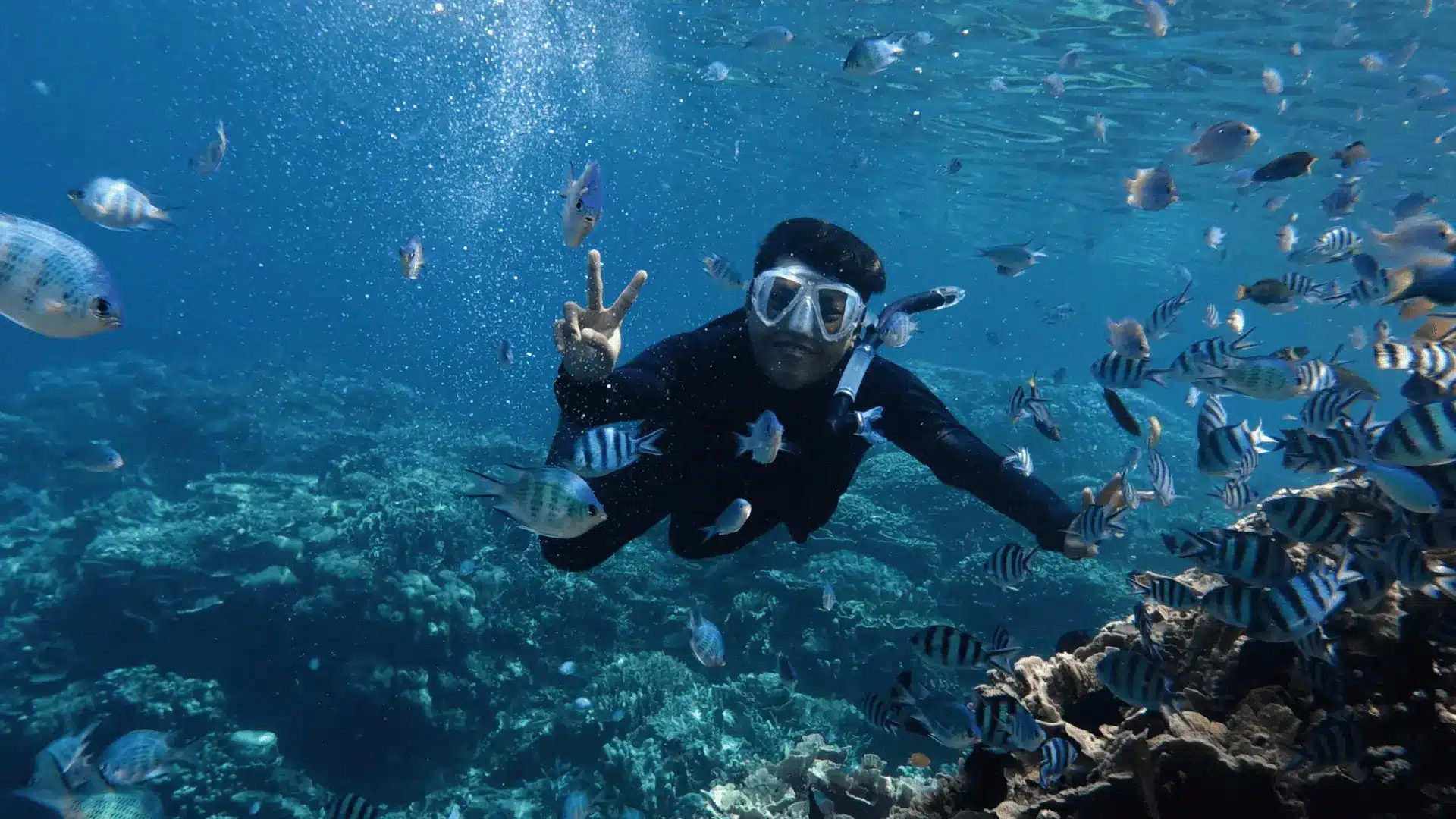
With just a mask, snorkel, and fins, you can float on the surface and look down into a world of bright corals, playful fish, and curious sea creatures going about their day.
It feels a bit like flying over a busy neighborhood, only this one is made of rock, sand, and shimmering water.
You don’t have to dive deep to see amazing things; the magic is often right below the surface. Every gentle kick of your fins reveals something new, from tiny crabs to schools of shining fish.
Coral reefs are sometimes called the “rainforests of the sea” because they are full of different plants and animals, all living close together.
Snorkeling lets you see this up close without needing heavy scuba gear or special training.
Reef Snorkeling vs Other Types of Snorkeling
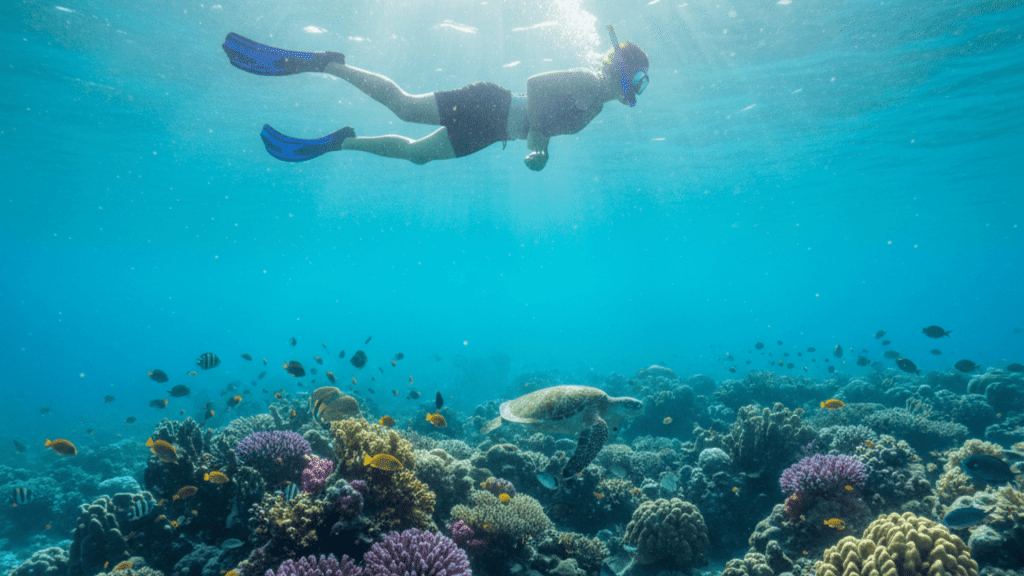
Reef snorkeling is a way of exploring coral reefs while staying near the surface of the water. You wear a mask so you can see clearly, a snorkel so you can breathe without lifting your head, and fins to help you move gently. Instead of diving deep, you float above the reef and watch colorful fish, corals, and other sea creatures in their natural home.
Because you stay near the top and use simple gear, reef snorkeling is beginner-friendly and great for families. It’s also one of the best ways to see how alive and busy a coral reef really is—without needing heavy tanks or special training.
| Feature | Reef Snorkeling | Open-Water Snorkeling (No Reef) | Scuba Diving |
|---|---|---|---|
| Main place | Above coral reefs near the shore or in shallow areas | In the open ocean, bays, or deeper water without a reef | In deeper water, reefs, wrecks, and many other sites |
| Depth | Very shallow, usually 1–5 meters (3–16 ft) | Shallow to medium depth, usually still near the surface | Can be much deeper, often 10–30 meters (33–100 ft) |
| Gear needed | Mask, snorkel, fins | Mask, snorkel, fins | Mask, fins, air tank, regulator, buoyancy vest, weights |
| Skill level | Easy to learn; suitable for beginners and kids | Easy to medium; may need more swimming confidence | Requires training, certification, and more practice |
| What you see | Colorful corals, reef fish, and small sea creatures | Open-water fish, maybe turtles or larger animals | Reefs, caves, wrecks, big fish, and more varied life |
| Time in water | As long as you feel comfy at the surface | As long as you feel comfy at the surface | Limited by the air tank and safety rules |
| Feeling/experience | Calm, colorful, close to nature | More “big ocean” feeling, sometimes less to look at | More intense and adventurous, it can feel like exploring another world |
What Can You See While Reef Snorkeling?
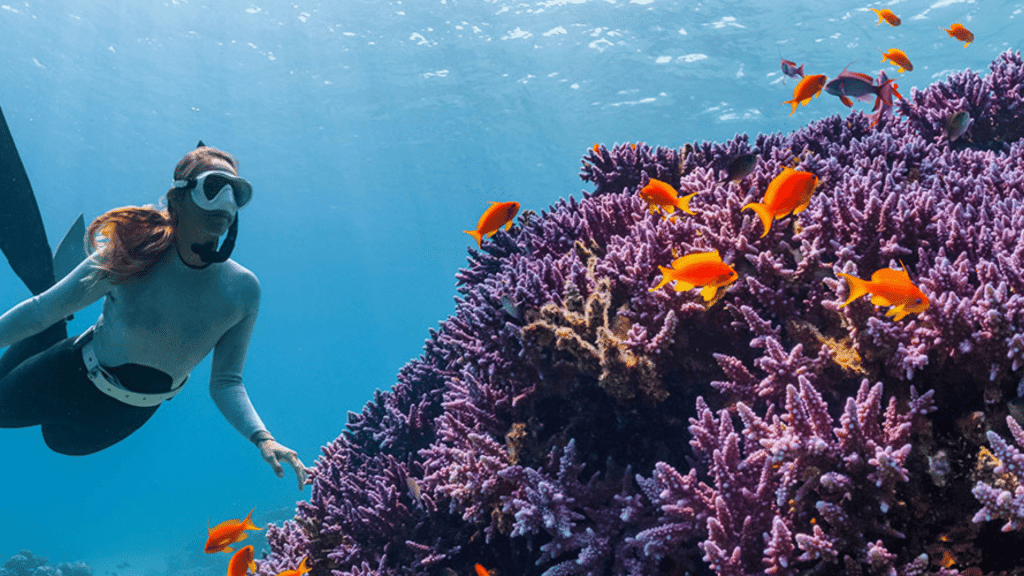
Reef snorkeling feels a bit like visiting a busy underwater neighborhood. Everywhere you look, something is swimming, hiding, or growing. Here are some of the things you might spot:
- Coral “buildings”: Corals can look like branching trees, smooth boulders, tiny flowers, or even brains. They aren’t plants—they’re living animals that build the reef over many years.
- Colorful reef fish: Bright yellow, blue, orange, and striped fish zip in and out of the corals. Some nibble on algae, some clean other fish, and some guard their little homes.
- Sea turtles: In some places, you might see turtles gliding slowly by, stopping to snack on seagrass or rest near the reef.
- Crabs, shrimp, and other tiny creatures: Look closely at cracks and holes. You might see crabs, shrimp, sea stars, or small eels peeking out from their hiding spots.
- Soft corals and sea fans: These bend and sway in the water like underwater plants, adding color and movement to the reef.
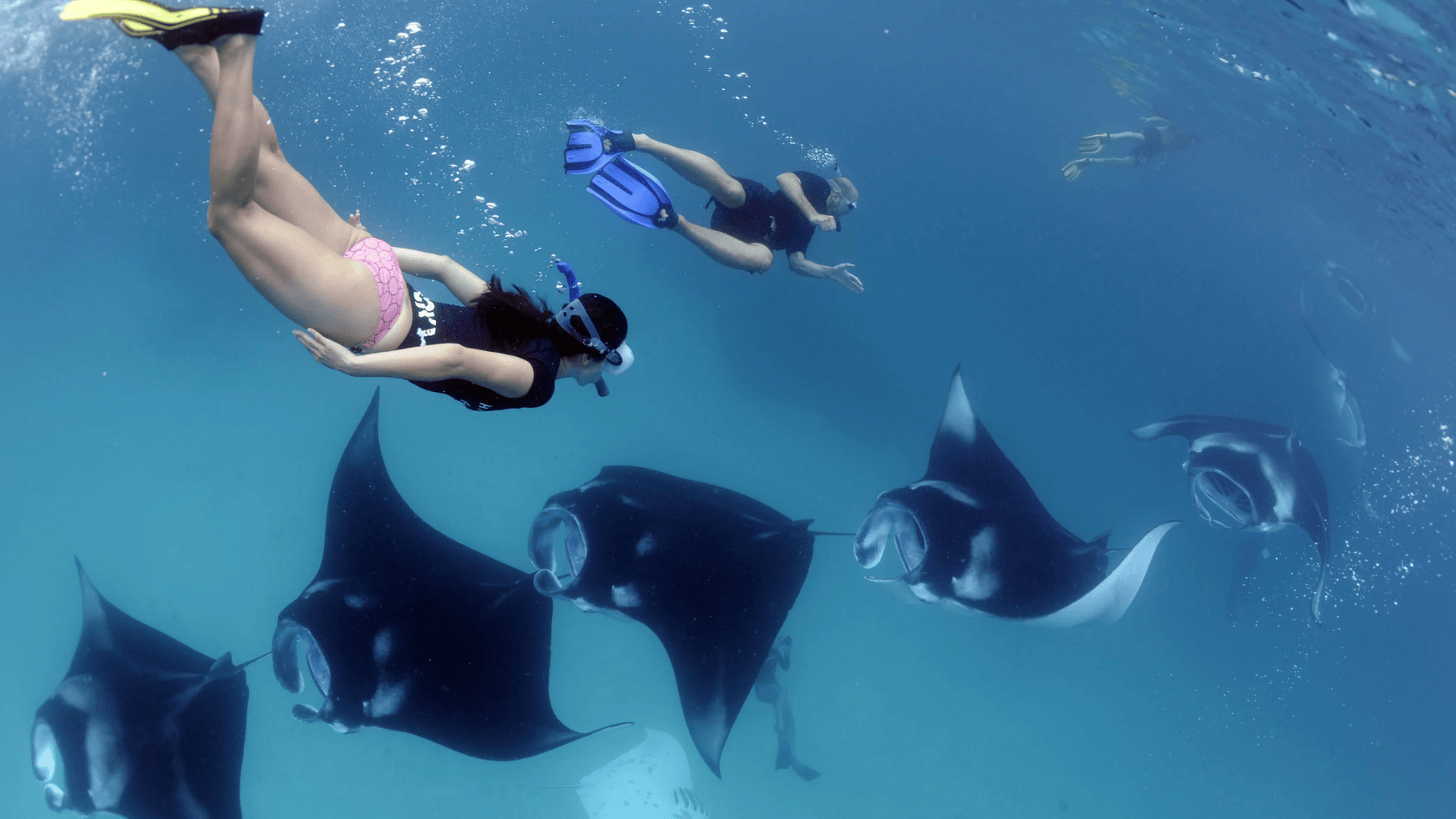
- Occasional “big visitors”: Sometimes, larger animals like rays or harmless reef sharks cruise past in the distance, just doing their thing while you watch from above.
Tips for Snorkeling in Different Locations
Not all snorkeling spots feel the same. Some have calm, shallow reefs, while others have rocks, waves, or deeper water. Here are simple tips to help you stay safe and enjoy each type of place.
1. Tropical Coral Reefs
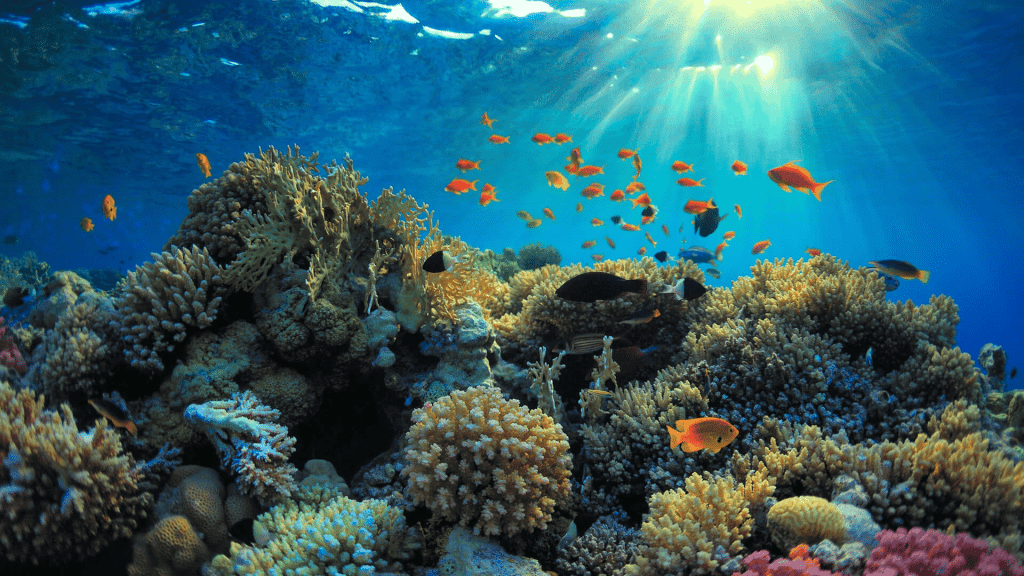
- Check the tide and waves: Go during calmer times so the water is more transparent and easier to swim in.
- Watch your fins: Keep your feet up so you don’t kick or break the coral.
- Stay off the reef: Never stand on coral. It’s sharp, fragile, and alive.
- Use reef-safe sunscreen: Protect your skin and the reef at the same time.
2. Rocky Shores and Tide Pool Areas
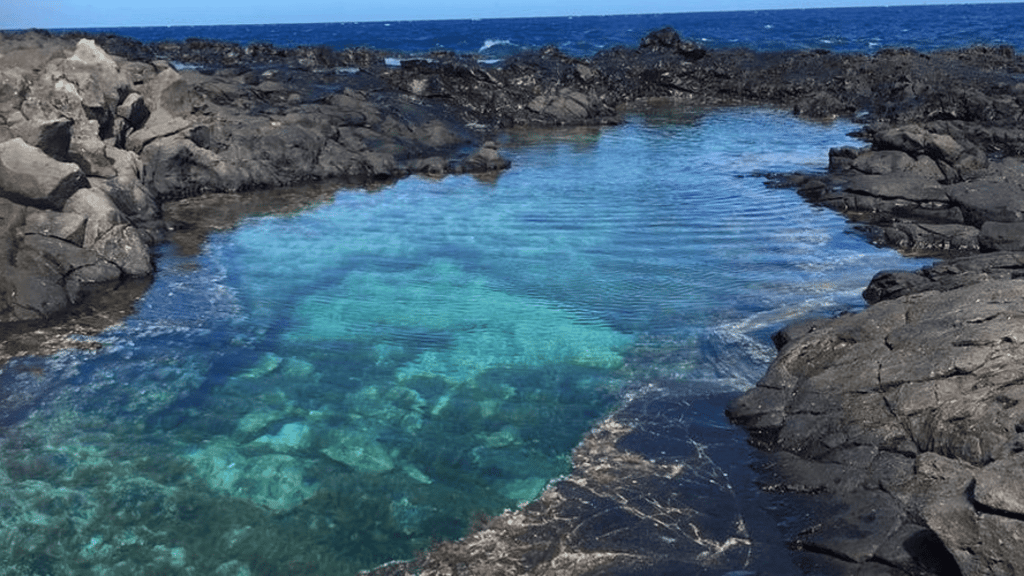
- Wear water shoes: Rocks can be sharp and slippery. Protect your feet.
- Look out for waves: Sudden waves can push you into rocks, so keep an eye on the surf.
- Enter and exit carefully: Choose a calm spot with fewer rocks and strong swimmers nearby.
3. Seagrass Beds and Shallow Lagoons
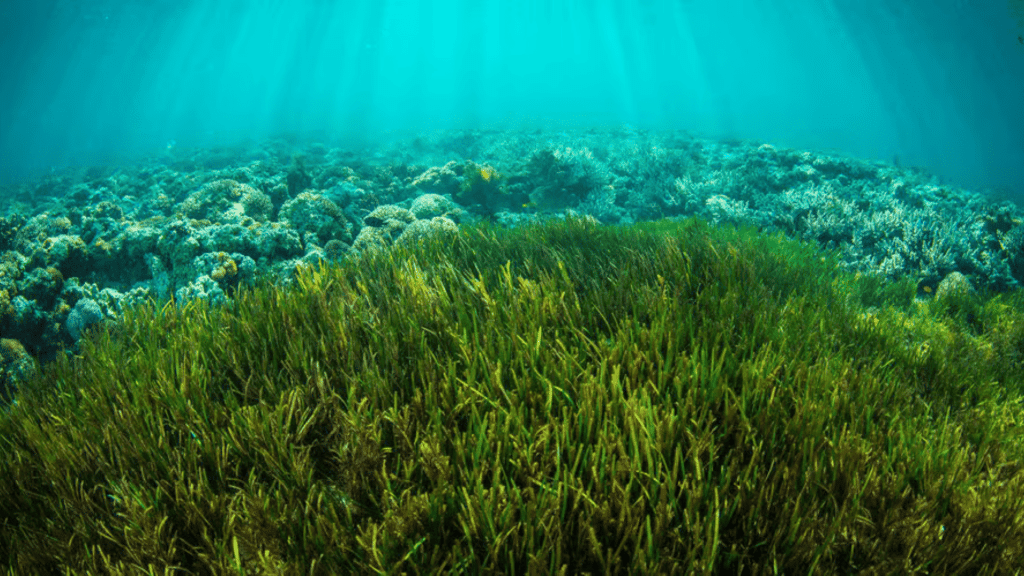
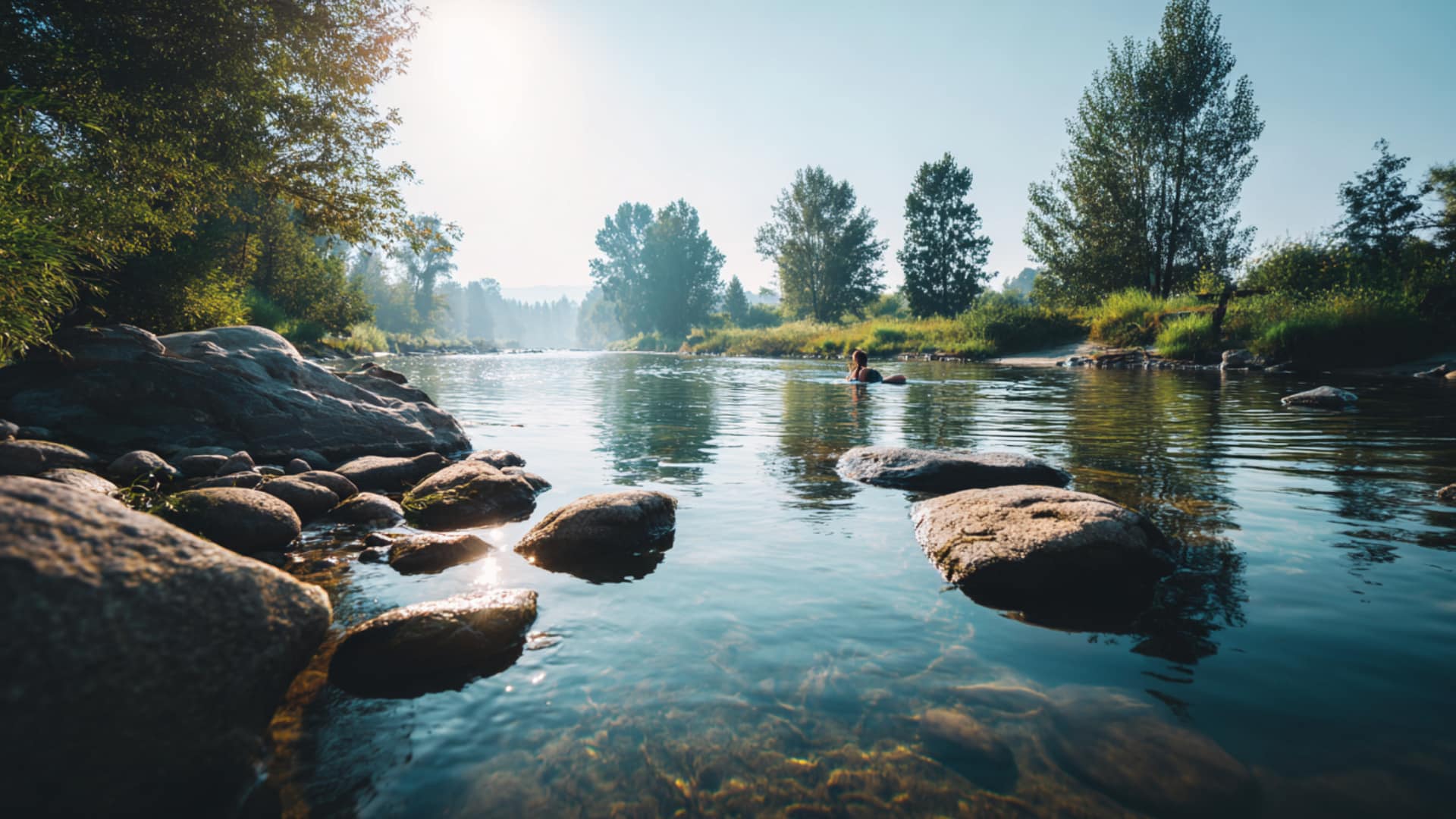
- Move slowly: Gentle kicks keep sand from clouding the water.
- Watch for hidden animals: Rays, seahorses, and small fish may hide in the grass.
- Avoid stirring up the bottom: Kicking up sand makes it hard to see and can stress animals.
4. Open-Water Snorkeling
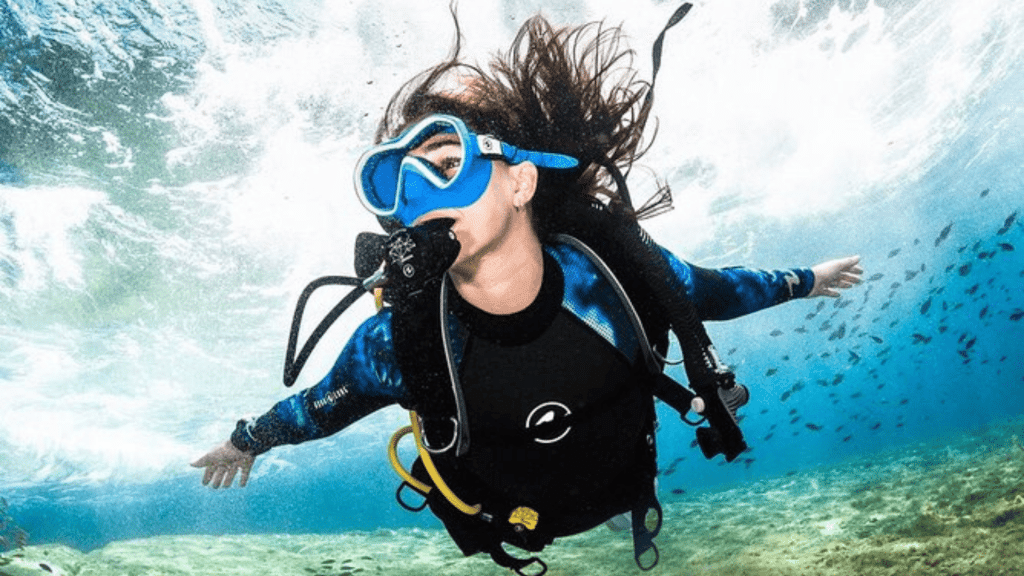
- Stay close to the boat or shore: Don’t drift too far, even if you feel strong.
- Use a brightly colored float or vest: Makes you easier to see from boats and shore.
- Check for currents: Ask a local guide or lifeguard about currents before you go in.
Famous Locations for Reef Snorkeling
Here are some of the most-loved places in the world for reef snorkeling, along with what makes each one special.
Great Barrier Reef, Australia

The Great Barrier Reef is the most extensive coral reef system on Earth, stretching for thousands of kilometers along Australia’s northeast coast.
You can see coral gardens, clownfish, turtles, rays, and so many other colorful creatures in shallow, clear water that’s perfect for snorkelers.
Hanauma Bay, Oahu, Hawaii
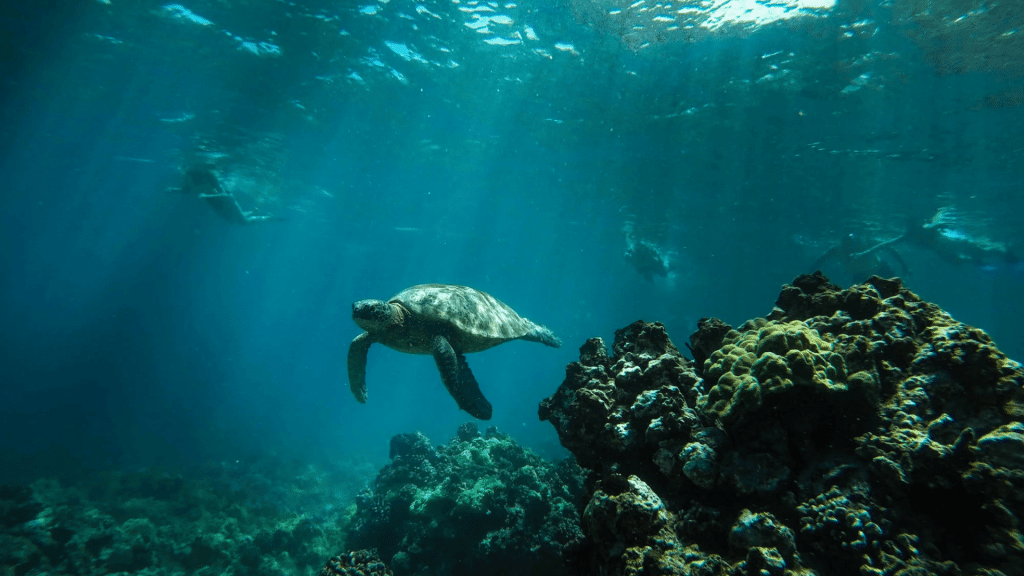
Hanauma Bay is a protected, bowl-shaped bay formed in an old volcano crater.
Its calm, shallow water and easy beach entry make it great for beginners and families, with coral, bright reef fish, and often sea turtles right below the surface.
Maldives (Indian Ocean)
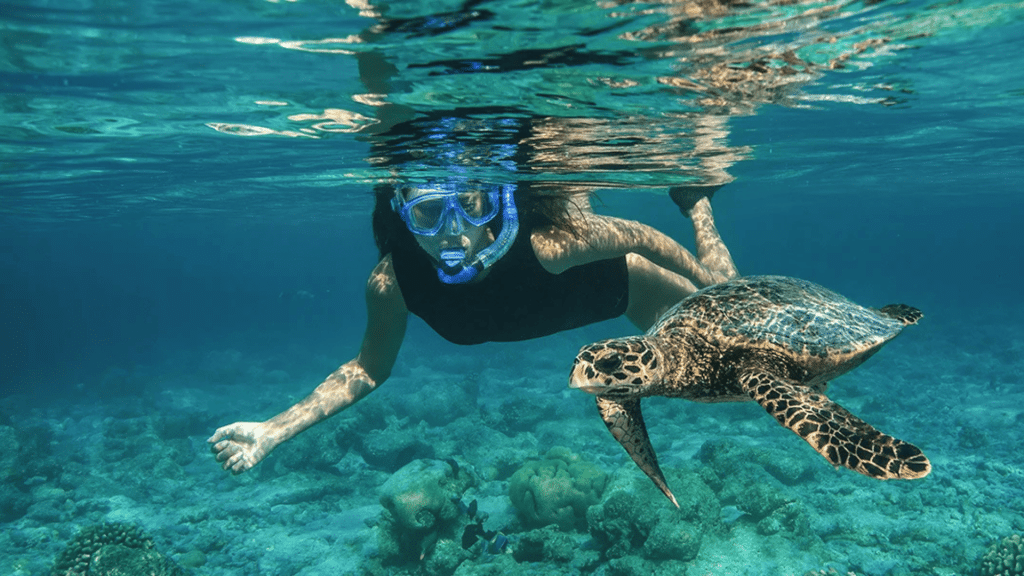
The Maldives is made up of tiny coral islands surrounded by blue lagoons and reef walls.
Many resorts have “house reefs” steps from the beach, where you can snorkel with reef fish, turtles, and sometimes manta rays or even whale sharks in warm, clear water.
Belize Barrier Reef, Central America
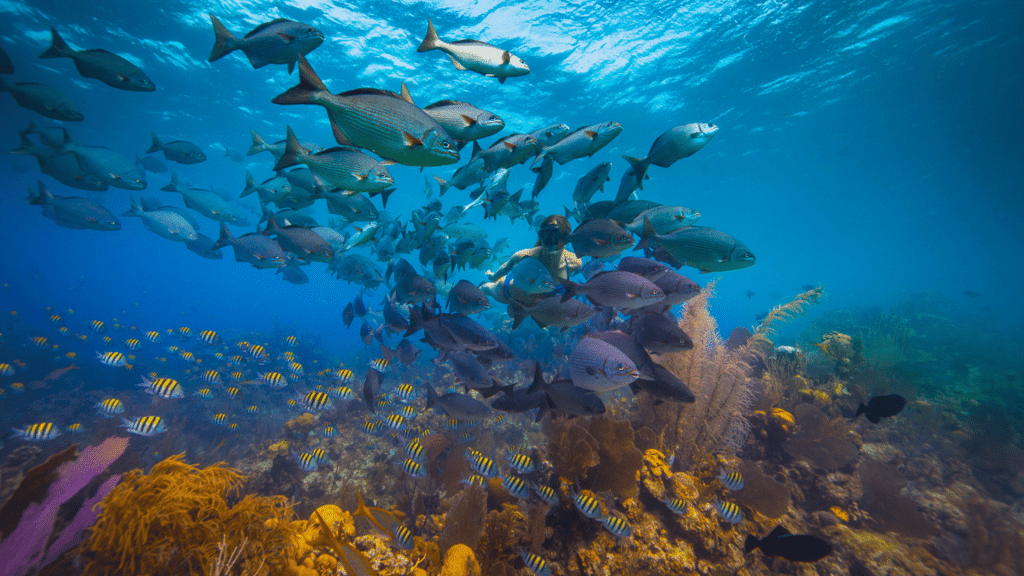
The Belize Barrier Reef is the second-largest reef system in the world.
Popular spots like Hol Chan Marine Reserve and Shark Ray Alley let you snorkel with schools of tropical fish, rays, and curious nurse sharks over healthy coral gardens in shallow turquoise water.
Red Sea, Egypt (Sharm El Sheikh & Hurghada)
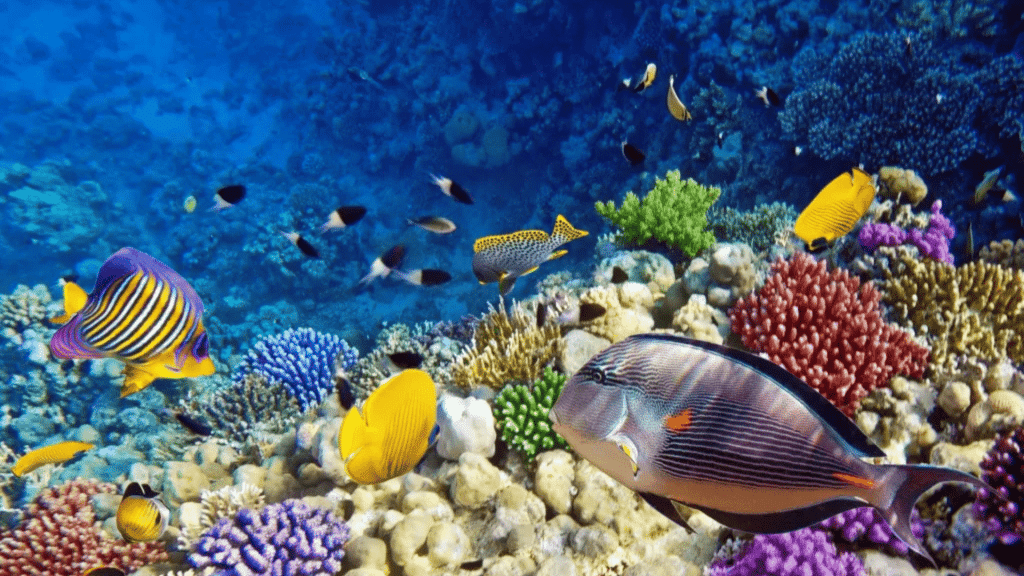
The Red Sea is famous for its super-clear water and colorful coral walls that begin close to shore.
Around Sharm El Sheikh and Hurghada, you can snorkel above steep drop-offs, bright coral, and clouds of reef fish, with a good chance to see rays and other bigger visitors.
Galápagos Islands, Ecuador
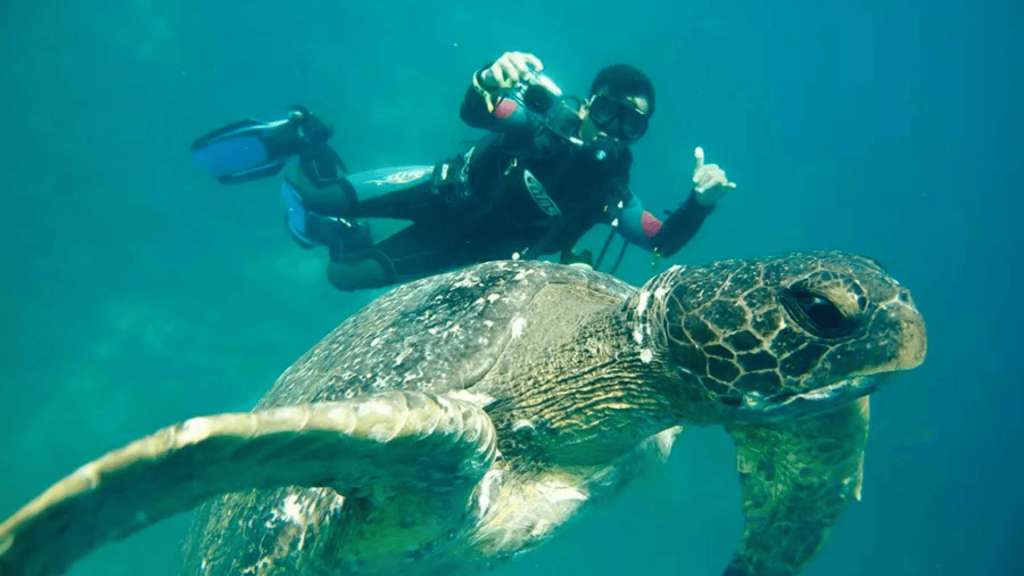
Snorkeling in the Galápagos is all about unique animals.
Here, you might swim with playful sea lions, marine iguanas, turtles, rays, and big schools of fish, all in wild, natural settings where animals are surprisingly calm around humans.
Bringing It All Together
Reef snorkeling is one of the easiest ways to explore the ocean and see how full of life it really is.
With just a mask, snorkel, and fins, you can float above coral “cities” and watch fish, turtles, and other creatures in their natural home.
It doesn’t require deep dives or heavy gear, just some basic skills, respect for the water, and a careful eye on the reef below.
As you’ve seen, different locations, types of reefs, and conditions can change your experience, but the main idea stays the same: move gently, stay safe, and leave the underwater world just as beautiful as you found it.
Once you learn a few simple tips, reef snorkeling can become a favorite adventure that you’ll want to return to again and again.
Frequently Asked Questions
Do I Need to Be a Strong Swimmer to Go Reef Snorkeling?
You don’t have to be an expert swimmer, but you should be comfortable in the water. Being able to float, kick calmly, and breathe through a snorkel is essential.
Why Is Reef-Safe Sunscreen Important?
Some regular sunscreens contain chemicals that can harm coral and tiny reef animals. Reef-safe sunscreen uses different ingredients that are gentler on the ocean.
How deep is the water when reef snorkeling?
Most reef snorkeling happens in shallow water, usually between about 1–5 meters (3–16 feet) deep. Many corals and fish can be seen clearly from the surface, so you don’t need to dive down to enjoy the view.