
The Red Sea is calling your name if you love scuba diving. Imagine yourself floating through turquoise waters where colorful fish dart between coral formations and sea turtles swim just arm’s length away.
This legendary body of water stays warm year-round and offers visibility so clear you can see for over 100 feet.
New divers feel comfortable here, while experienced divers find plenty of challenges.
Shallow reefs, historic shipwrecks, and encounters with dolphins and sharks await you across four countries: Egypt, Jordan, Israel, and Saudi Arabia.
This guide covers everything you need to plan your perfect Red Sea scuba diving experience.
Why the Red Sea Is Famous for Scuba Diving?
The Red Sea stands out from other diving destinations for several excellent reasons. First, the water is apparent. You can often see up to 100 feet ahead underwater.
The water stays warm year-round, usually between 70°F and 86°F. This means you can go diving any month you want. You won’t freeze like you might in colder oceans.
The marine life here is truly special. The Red Sea is home to over 1,200 species of fish and 200 types of coral.
You might see sharks, sea turtles, dolphins, and colorful reef fish. There are also famous shipwrecks resting on the ocean floor, creating artificial reefs where fish love to gather.
The calm conditions make this area perfect for new divers. Many spots have gentle currents and shallow areas where you can practice your skills safely.
At the same time, experienced divers can find challenging sites with strong currents and deep walls.
Popular Red Sea Scuba Diving Destinations
The Red Sea scuba diving touches four countries, each offering a unique diving experience. Let’s look at what makes each destination special and which one might be right for your next trip.
1. SS Thistlegorm, Egypt
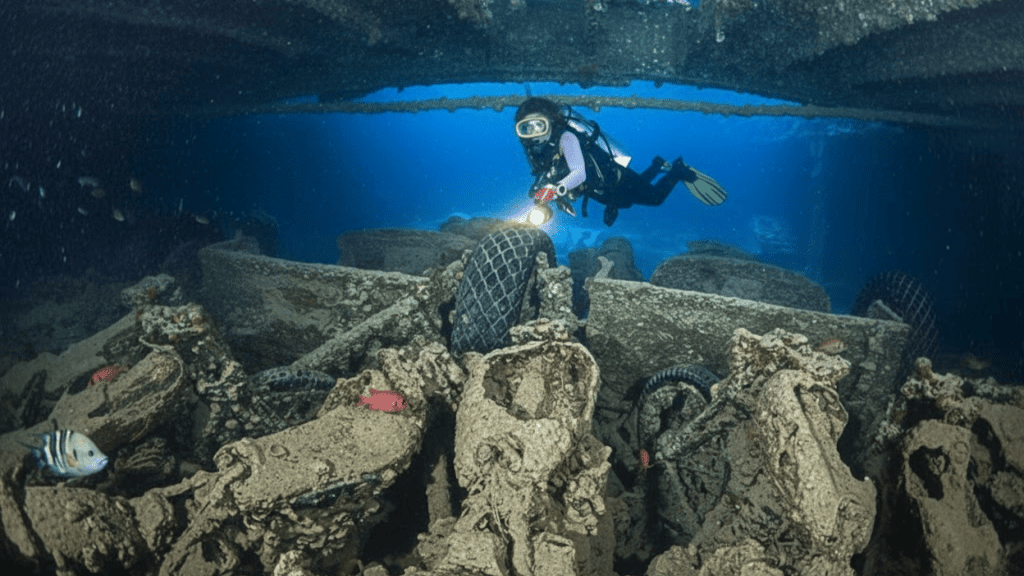
This British cargo ship sank in 1941 after German bombing and sits intact between 40-120 feet with cargo visible throughout. The wreck is perfectly preserved with motorcycles, trucks, and ammunition still visible in the holds.
Clear water lets you explore the entire ship while watching fish schools that now call it home. Marine life covers every surface of the metal hull, creating a living museum of World War II history.
What You’ll Find Here:
- Sea Life: Large schools of fish, barracuda, batfish, lionfish, moray eels, and occasional dolphins
- Skill Level: Intermediate to advanced
- Cost: About $40–$80 for a two-tank boat dive
2. Ras Mohammed National Park, Egypt
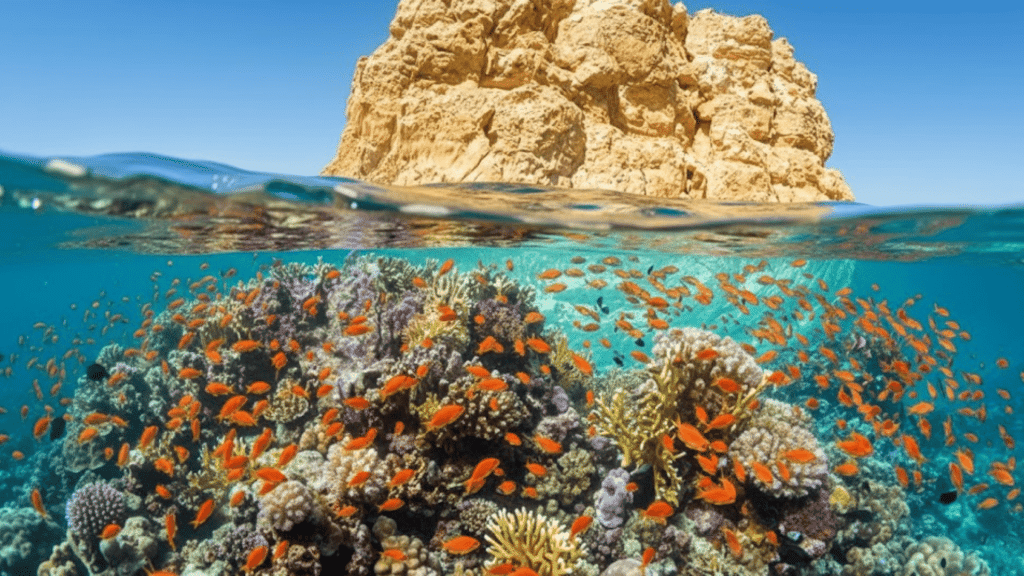
Dramatic coral walls plunge hundreds of feet at the southern tip of Sinai. Shark Reef and Yolanda Reef feature incredible soft corals that sway in the current like underwater gardens. Large schools of fish move along the walls while sharks patrol the deeper blue water.
This protected marine area has been a national park since 1983 and shows what healthy reefs look like when properly protected.
What You’ll Find Here:
- Sea Life: Reef sharks, barracuda, jacks, tuna, napoleon wrasse, large schools of snappers and fusiliers
- Skill Level: Intermediate to advanced
- Cost: About $40–$80 for a two-tank boat dive
3. The Brothers Islands, Egypt
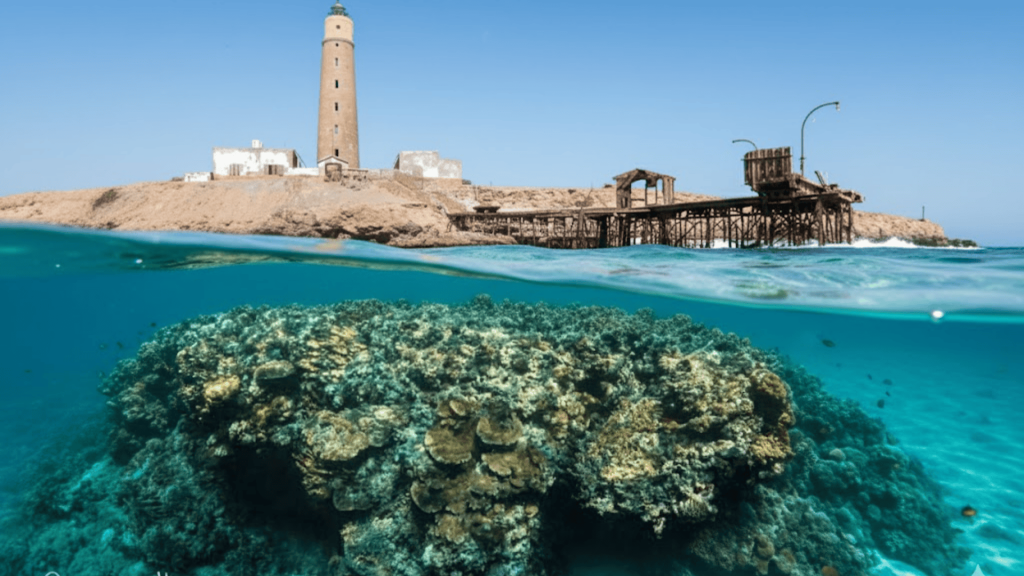
Two remote islands rise from deep water, home to some of Egypt’s healthiest reefs. Little Brother plateau offers fantastic shark sightings, with oceanic whitetips, threshers, and silky sharks circling in the blue.
Big Brother Island has two wrecks (Numidia and Aida) now covered in colorful corals. Strong currents bring nutrients that feed the abundant marine life, but you’ll need good drift diving skills to handle the conditions.
What You’ll Find Here:
- Sea Life: Oceanic whitetip sharks, thresher sharks, silky sharks, hammerheads, manta rays, tuna, barracuda
- Skill Level: Advanced (liveaboard access required)
- Cost: Liveaboard packages from $900–$1,500 per week
4. Elphinstone Reef, Egypt
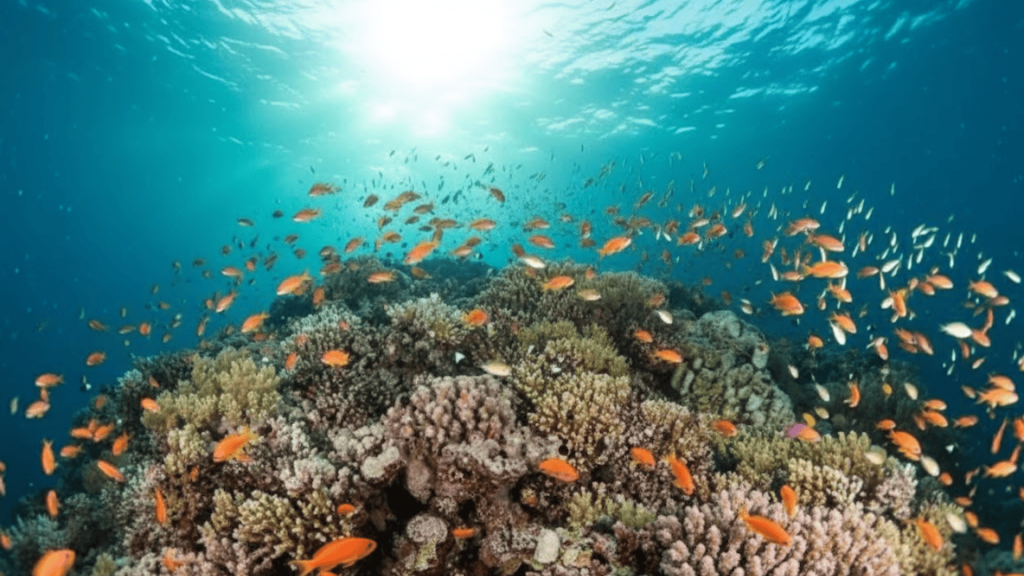
This remote offshore reef is famous for encounters with oceanic whitetip sharks and hammerheads, especially in October through December. The quarter-mile reef features huge gorgonian fans and sea whips waving in the current.
Steep walls covered in colorful corals drop into deep blue water where significant fish action happens. Barracuda and giant trevally hunt in schools while sharks cruise the edges looking for prey.
What You’ll Find Here:
- Sea Life: Oceanic whitetip sharks, hammerhead sharks, barracuda, giant trevally, napoleon wrasse, tuna
- Skill Level: Advanced only
- Cost: Liveaboard packages from $900–$1,500 per week
5. Daedalus Reef, Egypt
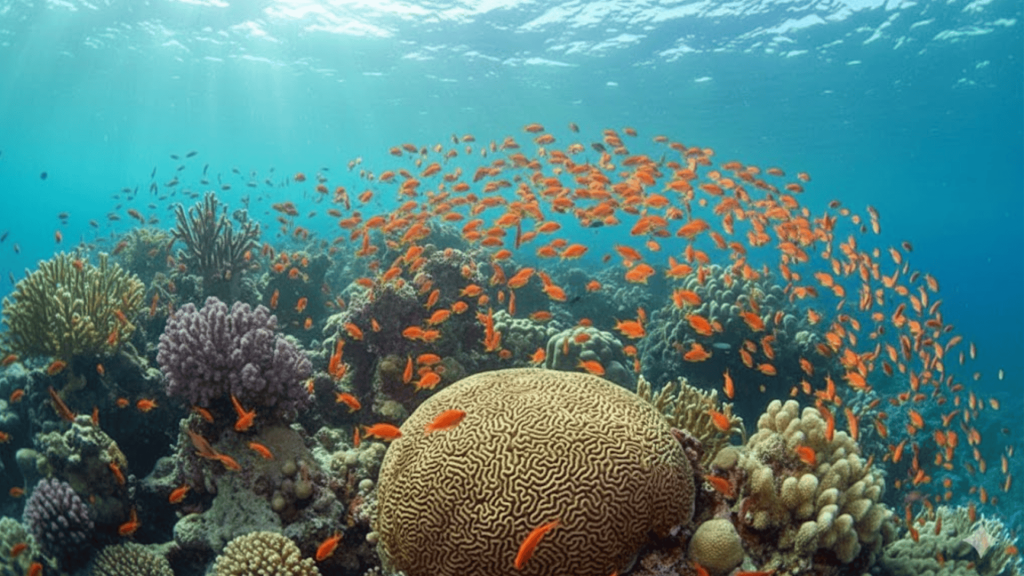
This isolated reef sits 50 miles from the nearest coast with pristine reefs along steep walls. The northern tip sees large schools of hammerheads swimming in strong currents, with trevallies and tuna making regular appearances.
The southern tip sometimes reveals sightings of thresher sharks if you’re lucky. The remote location means fewer divers visit, so the reef stays in excellent condition with massive coral formations and healthy fish populations.
What You’ll Find Here:
- Sea Life: Hammerhead sharks, thresher sharks, oceanic whitetip sharks, manta rays, tuna, barracuda, dolphins
- Skill Level: Advanced (liveaboard access required)
- Cost: Liveaboard packages from $900–$1,500 per week
6. Blue Hole, Egypt
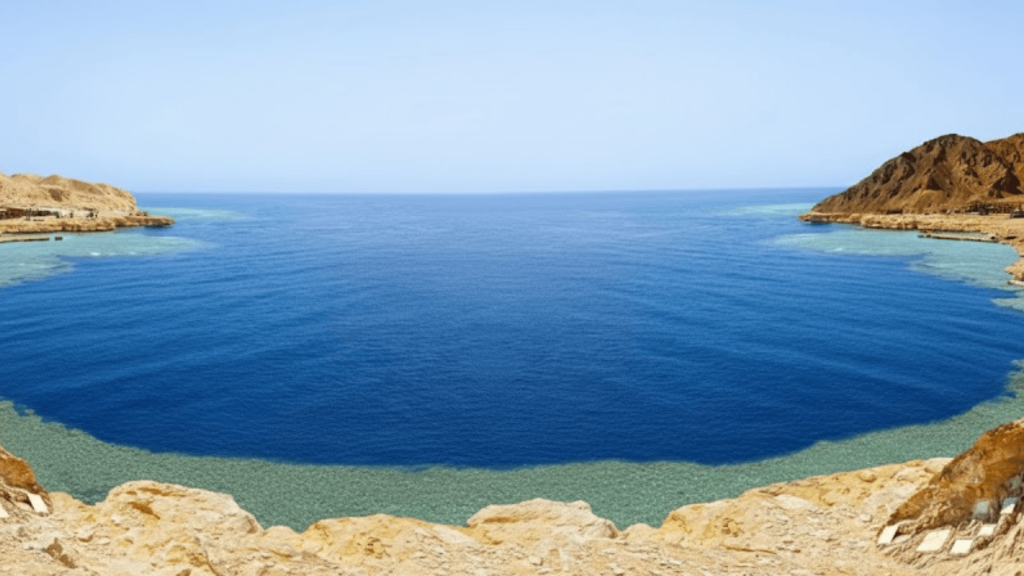
A natural sinkhole reaching 407 feet deep, creating beautiful, deep blue water surrounded by shallow reefs. Beginners stay in protected areas around 30-50 feet where beautiful coral formations grow without strong current.
Advanced divers can descend into the arch, though this requires proper training and experience. The shore-accessible site means you can dive here without needing a boat, making it very affordable and convenient.
What You’ll Find Here:
- Sea Life: Reef fish, moray eels, lionfish, occasional dolphins, coral gardens
- Skill Level: All levels (different zones for different skills)
- Cost: $30–$50 for guided shore dives
7. Fury Shoals, Egypt
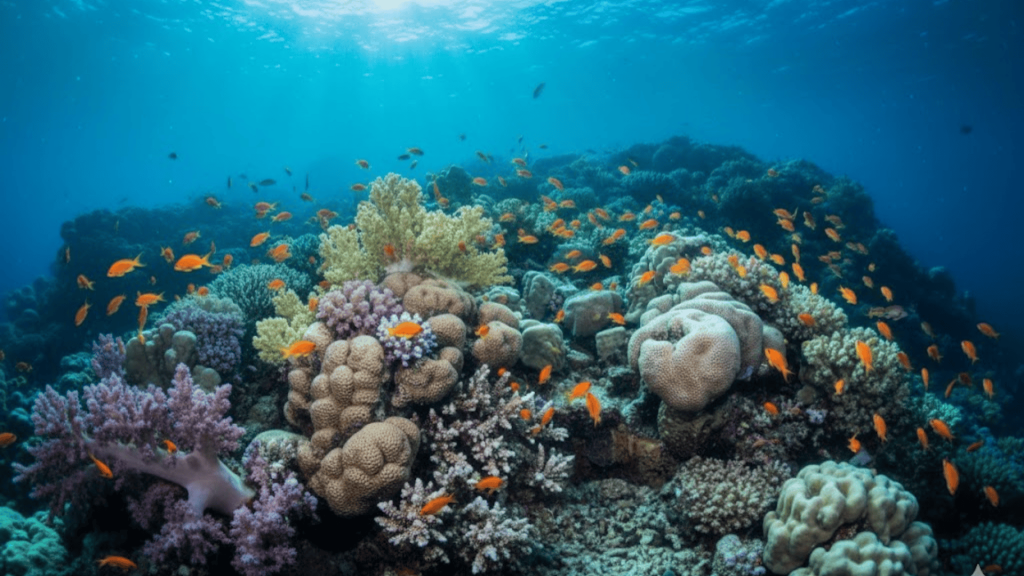
The vast reef and plateau system offers gentle drift dives through abundant coral gardens. Turtles glide past while dolphins occasionally visit, and sharks patrol the deeper sections. Bumphead parrotfish munch on the coral, creating that distinctive crunching sound underwater.
Depths range from 30 to 120 feet, with wrecks and caves adding variety. The mild conditions suit divers of all abilities who want to see healthy reefs without battling strong currents.
What You’ll Find Here:
- Sea Life: Sea turtles, dolphins, reef sharks, bumphead parrotfish, napoleon wrasse, rays
- Skill Level: All levels
- Cost: Day boats from Hamata $40–$80, or liveaboard packages
8. Abu Dabbab, Egypt
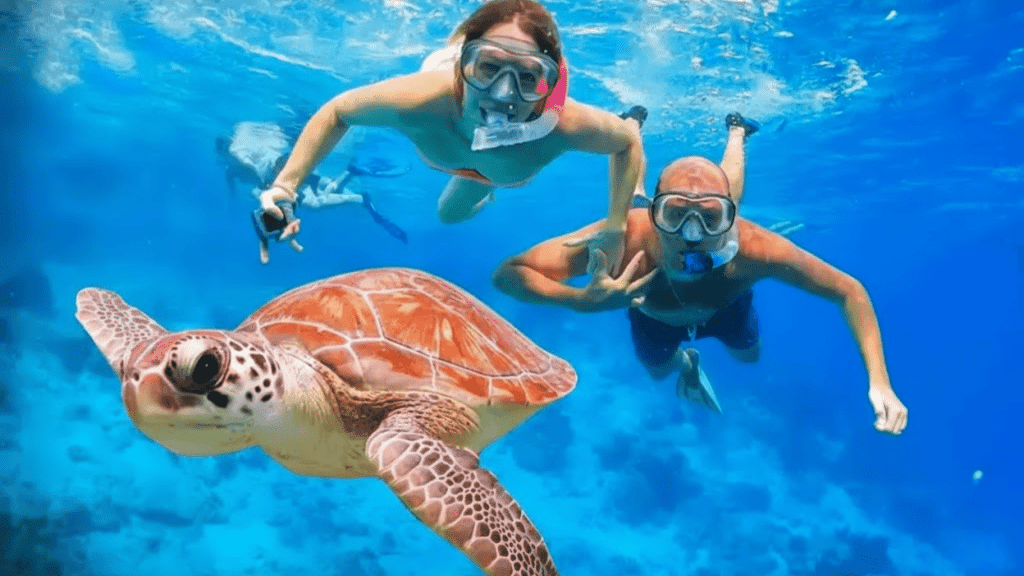
One of the very few places where you can dive with dugongs (sea cows), this site is famous for these rare animals that graze on seagrass beds. Besides dugongs, divers spot turtles, ghost pipefish hiding in coral, guitar sharks resting on sand, and seahorses clinging to sea fans.
The protected bay offers easy shore diving where you can take your time searching for these special creatures.
What You’ll Find Here:
- Sea Life: Dugongs, sea turtles, ghost pipefish, guitar sharks, seahorses, nudibranchs, octopus
- Skill Level: Beginners and macro photographers
- Cost: $30–$50 for shore diving
9. Dunraven Wreck, Egypt
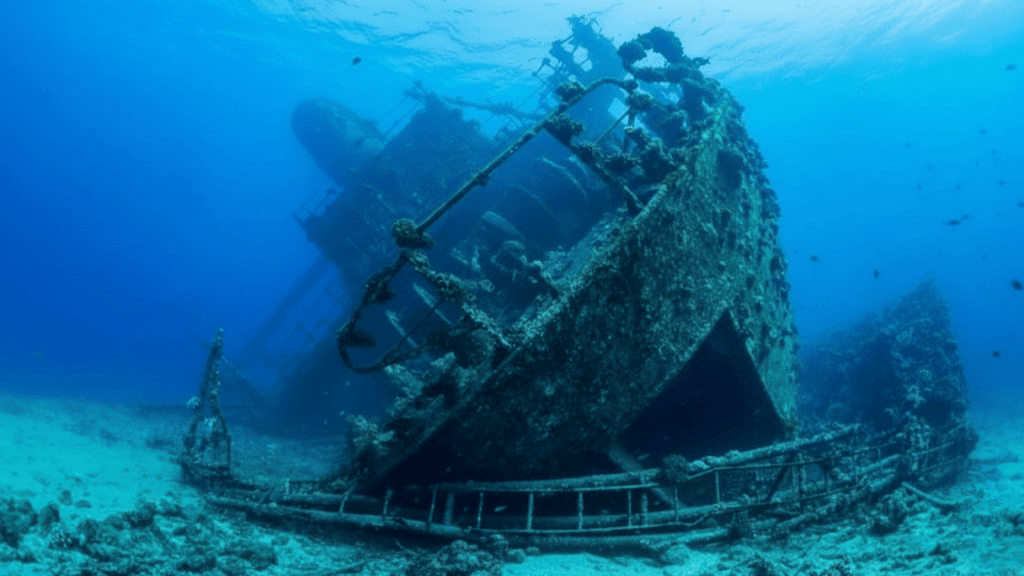
The SS Dunraven, a British steamship built in 1873, struck Beacon Rock reef and sank on April 25, 1876. Now upside-down in 15-29m near Sha’ab Mahmoud, this 80m wreck offers unique swim-throughs between hull and reef.
Black corals, morays, lionfish thrive on the structure; perfect intermediate day boat dive from Sharm.
What You’ll Find Here:
- Sea Life: Moray eels, lionfish, groupers, black coral, soft corals, glassfish schools
- Skill Level: Intermediate
- Cost: $40–$80 for a day boat from Sharm el Sheikh
10. Abu Nuhas Wrecks, Egypt
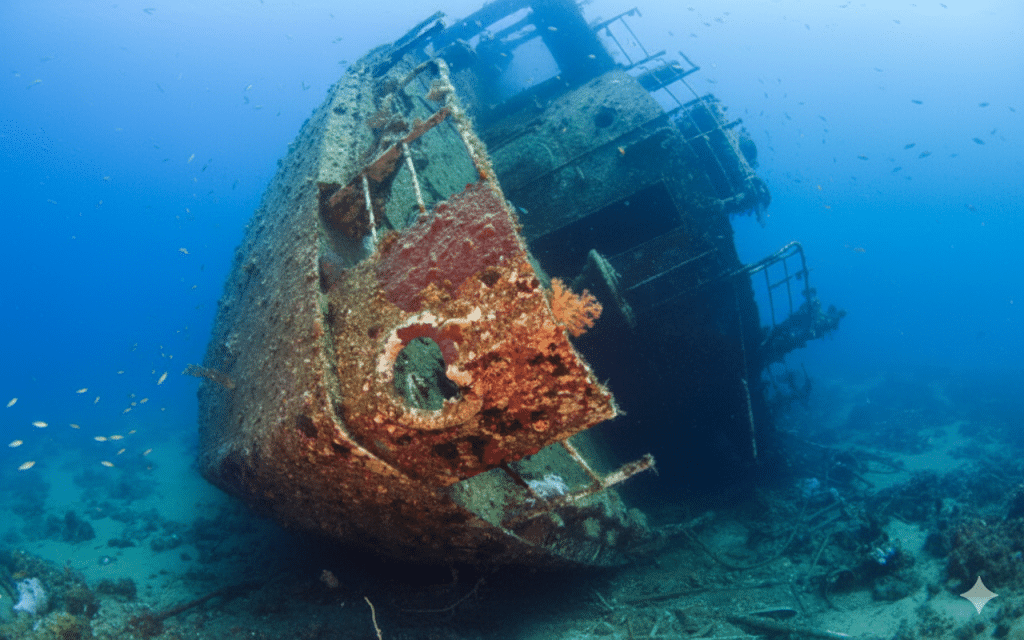
Known as “ships’ graveyard,” this reef holds four historic wrecks resting between 50-80 feet. The Giannis D sits upright, covered in soft corals, while the Carnatic from 1869 lies scattered across the reef.
The Chrisoula K hosts glassfish schools, lionfish, and nudibranchs. Shallow depths and minimal current make it perfect for wreck diving training.
What You’ll Find Here:
- Sea Life: Glassfish schools, lionfish, moray eels, scorpionfish, nudibranchs, anthias, coral growth on wrecks
- Skill Level: Intermediate
- Cost: $40–$80 for a two-tank boat dive from Hurghada
11. Jackson Reef, Egypt
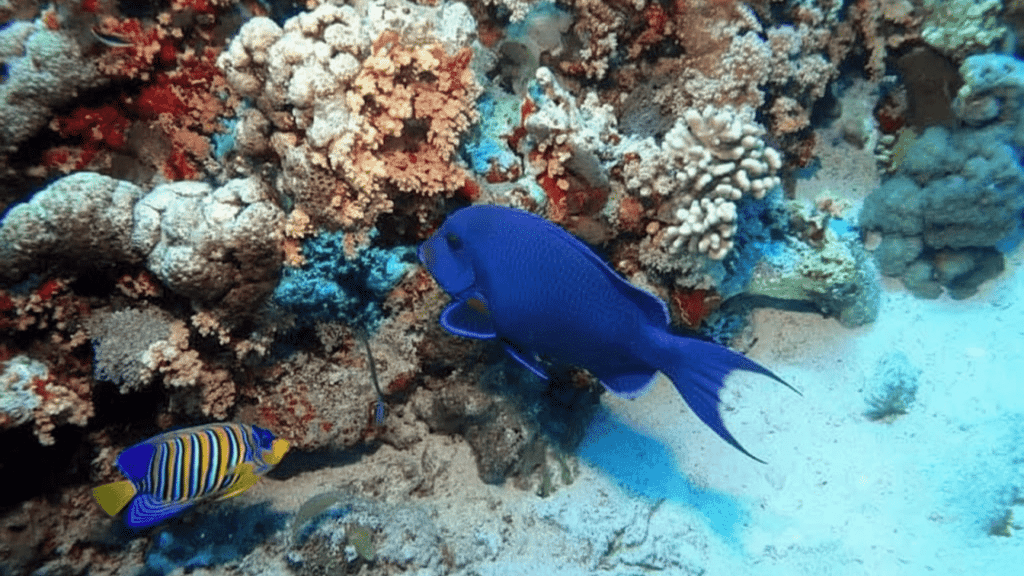
A rusting shipwreck on the plateau marks this northernmost reef in the Straits of Tiran. Steep walls covered in colorful gorgonians drop into deep blue while strong currents sweep through, bringing nutrient-rich water.
You’ll drift along watching schools of barracuda, jacks, and tuna hunting, with hammerhead sharks sometimes appearing in the deep.
What You’ll Find Here:
- Sea Life: Hammerhead sharks (seasonal), barracuda, jacks, tuna, napoleon wrasse, turtles, reef sharks, anthias clouds, butterfly fish, massive gorgonian fans
- Skill Level: Experienced divers
- Cost: $40–$80 for a day boat from Sharm el Sheikh
12. Zabargad and Rocky Islands, Egypt
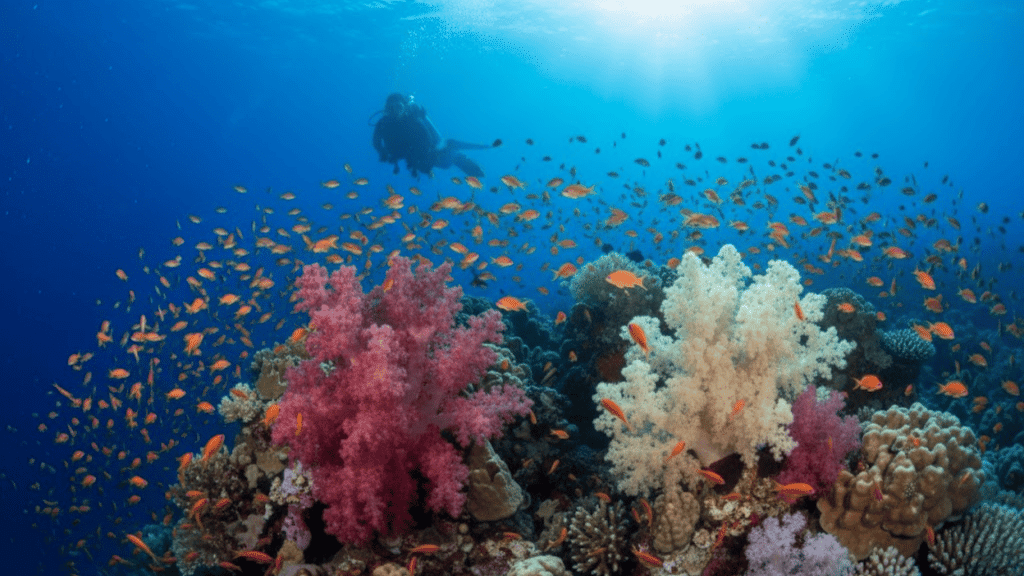
Located 50 miles from Berenice, both islands are surrounded by shallow fringing reefs covered in healthy corals, sea fans, and stunning black coral trees.
Zabargad hosts the Russian Wreck (The Khanka) for exploration, while Rocky’s strong currents attract sharks, dolphins, manta rays, and turtles. The remote location means pristine conditions with fewer divers competing for the best spots.
What You’ll Find Here:
- Sea Life: Reef sharks, dolphins, manta rays, sea turtles, black coral, healthy coral gardens
- Skill Level: Intermediate to advanced (liveaboard required)
- Cost: Liveaboard packages from $900–$1,500 per week
13. St. Johns Reef, Egypt
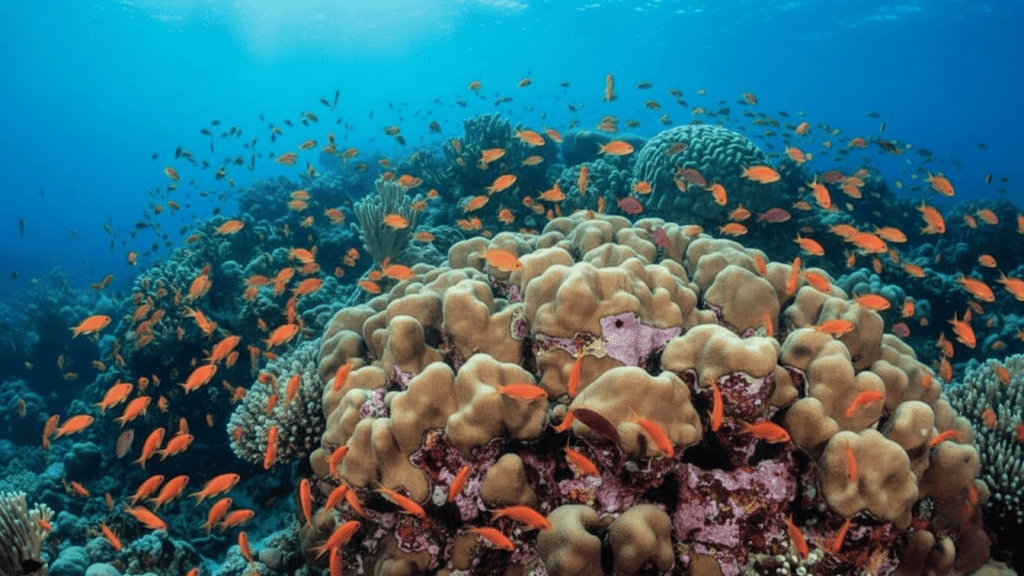
Right on the border with Sudan, this isolated reef system features caves, tunnels, and overhangs smothered in soft corals. Schooling pelagics patrol the area while smaller fish hide in the coral formations.
The pristine area sees far fewer visitors than northern Egyptian sites, giving you a more wilderness-like diving experience. Strong winds from October to April can cause choppy surface conditions, so plan your trip during calmer months if you’re prone to seasickness.
What You’ll Find Here:
- Sea Life: Pelagic fish schools, reef sharks, tuna, barracuda, soft corals, cave-dwelling fish
- Skill Level: Intermediate to advanced (liveaboard required)
- Cost: Liveaboard packages from $900–$1,500 per week
14. Aqaba, Jordan
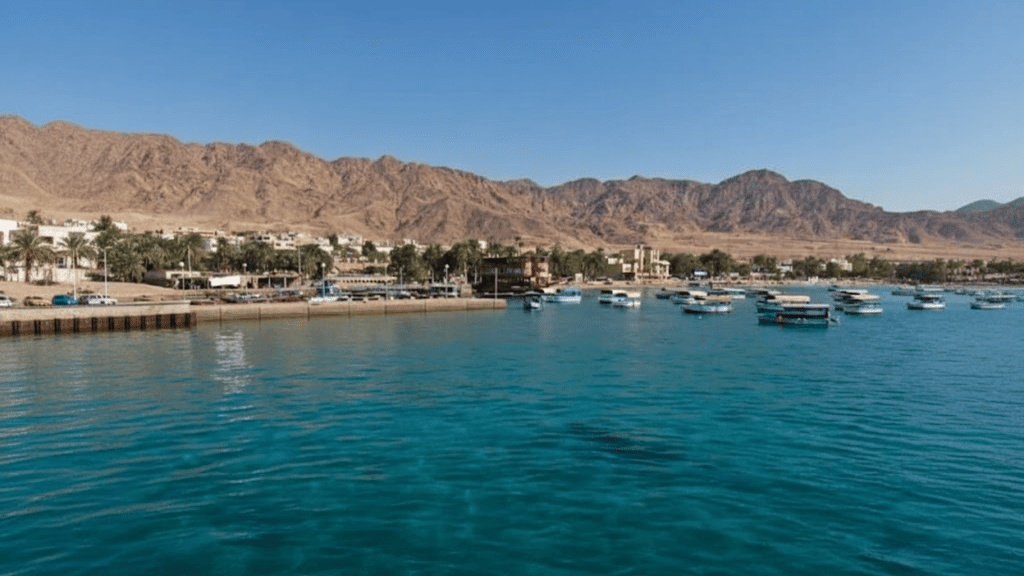
This compact destination packs excellent sites into just 16 miles of the Gulf of Aqaba coastline. Protected waters provide calm conditions with minimal waves and gentle currents, perfect for learning.
The Japanese Garden features shallow coral formations rarely exceeding 50 feet, while the Cedar Pride wreck sits upright in 90 feet covered in marine growth. Shore diving from the beach gives easy access without needing boats.
What You’ll Find Here:
- Sea Life: Colorful reef fish, rays, moray eels, lionfish, garden eels, turtles, coral-covered wrecks
- Skill Level: Beginner to intermediate
- Cost: $35–$60 for two-tank boat dives, shore diving available
15. Eilat, Israel
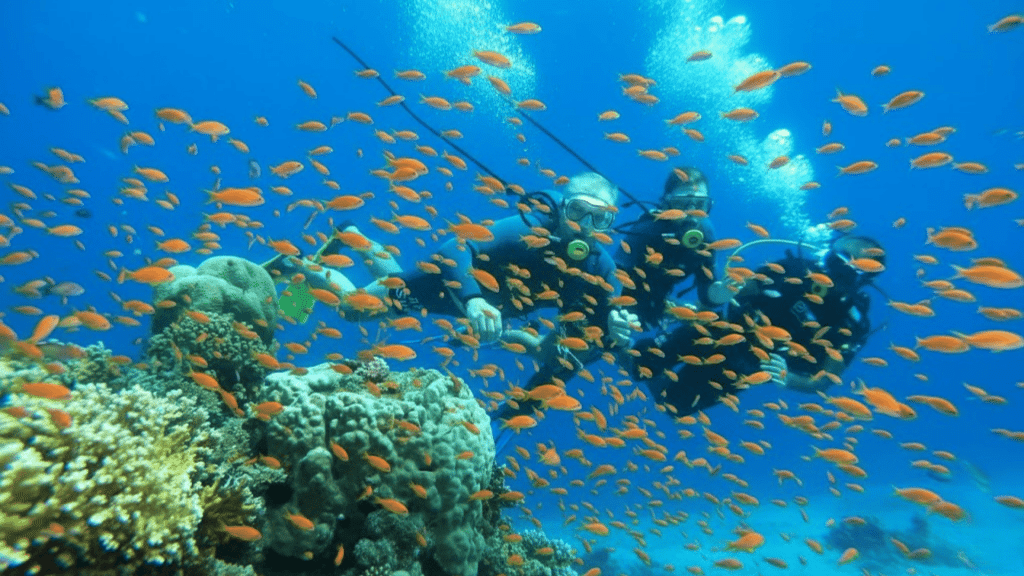
This small southern city offers convenient shore diving right off the beach. Walk into the water with your gear and start diving within minutes at sites like Coral Beach Nature Reserve and Moses Reef. The fishing ban means fish approach divers without fear.
Reefs begin just feet from shore and extend to 60 feet deep, allowing long bottom times in shallow water. Night diving is popular since you walk off the beach with a light.
What You’ll Find Here:
- Sea Life: Parrotfish, surgeonfish, butterflyfish, rays, moray eels, lionfish, octopus (night), healthy corals
- Skill Level: All levels (shore diving available)
- Cost: $20–$40 for guided shore dives, $40–$70 for boat dives
How to Travel to Egypt, Jordan, and Israel for Diving?
Entry requirements vary by country. Egypt offers a visa-on-arrival or an e-visa online. Jordan provides a visa-on-arrival for many nationalities. Israel allows visa-free entry for most Western travelers.
Major airports include Sharm El Sheikh and Hurghada in Egypt, which offer direct international flights. Cairo connects to both via domestic flights. Jordan’s Aqaba has a small airport with regional connections. Israel’s Ramon Airport sits north of Eilat.
Egypt has regular buses and private transfers between resort towns. Many divers book all-inclusive packages that include airport transfers. Jordan and Israel’s compact diving areas need minimal local transport once you arrive.
Trip planning tip: Egypt works well for 5-7 days in one location or 10-14 days for multiple sites. Jordan and Israel each require 3-4 days of diving.
When to Go Diving in the Red Sea?
The Red Sea offers year-round diving, but timing your trip can enhance specific experiences. Water stays warm throughout the year, visibility remains excellent, and marine life varies by season.
| Time Period | Best For | Details |
|---|---|---|
| March – May | Clearest water, fewer crowds | Visibility exceeds 100 feet, comfortable temperatures, and good prices |
| June – August | Big fish, warmest water | Hammerhead sharks at Elphinstone, manta rays at cleaning stations, water reaches 86°F, peak crowds |
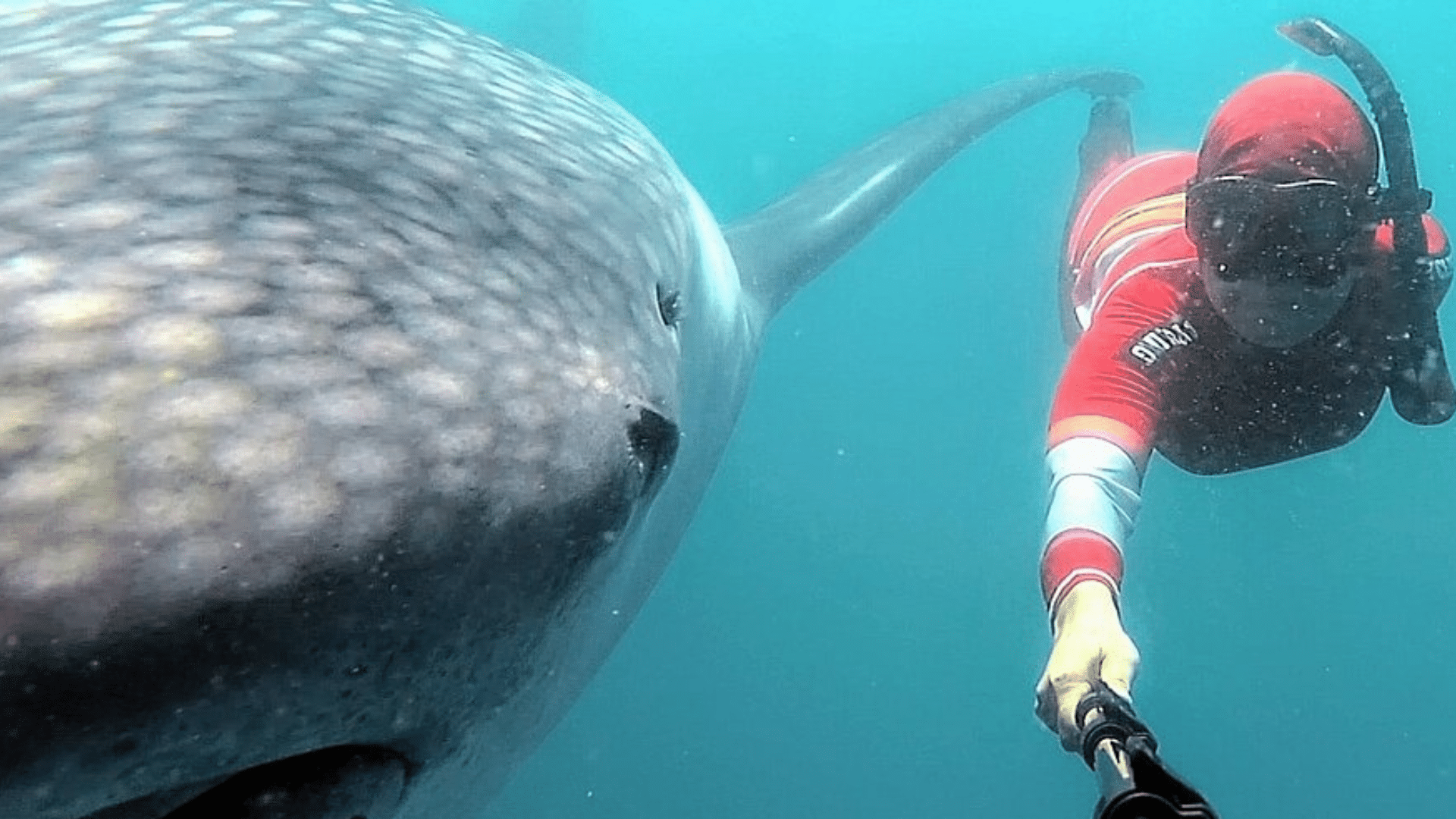
| May – July | Whale sharks | Southern Red Sea sightings possible, plankton blooms attract pelagics |
| September – November | Excellent visibility, fewer crowds | Clear water, comfortable conditions, and better prices than in the summer |
| October – December | Hammerhead and oceanic whitetip sharks | Peak shark season at Elphinstone and Brothers Islands |
| December – February | Budget travel, winter escape | Coolest water (70°F), fewer tourists, lowest prices, holiday crowds in December |
| Year-round | Sea turtles, reef sharks, and general diving | Consistent conditions, reliable marine life, always diveable |
Best months overall: April, May, October, and November offer the ideal combination of clear water, comfortable temperatures, good marine life, fewer crowds, and better prices.
Avoid if possible: July and August see peak European holiday crowds. December and Easter also get busy. Water visibility can decrease slightly in summer due to plankton, though this attracts larger fish.
Red Sea Diving Conditions
Water temperatures range from 70°F in winter to 86°F in summer. Most divers wear a 3mm wetsuit year-round, though some prefer 5mm suits during winter.
Visibility is excellent, typically 60 to 130 feet depending on location and season. This clear water is perfect for photography.
Depth varies greatly. Shallow reefs sit at 15-30 feet, ideal for beginners and long dives. Wall dives drop to depths below 130 feet, though most recreational diving stays above 100 feet. Wrecks typically rest between 50 and 100 feet.
Currents range from calm to very strong. Protected bays in Jordan and Israel have minimal current. Egyptian sites like Ras Mohammed and Elphinstone feature powerful currents suited for experienced divers.
Beginners should choose Hurghada, Eilat, Aqaba, and shallow Dahab sites. Intermediate divers handle most Egyptian locations. Advanced divers tackle offshore reefs and strong current sites.
Other Activities to Do in The Red Sea
Between dives, the Red Sea region offers plenty of activities to fill your days. From desert adventures to ancient history, you can combine underwater exploration with cultural experiences and relaxation.
Activities Beyond Diving:
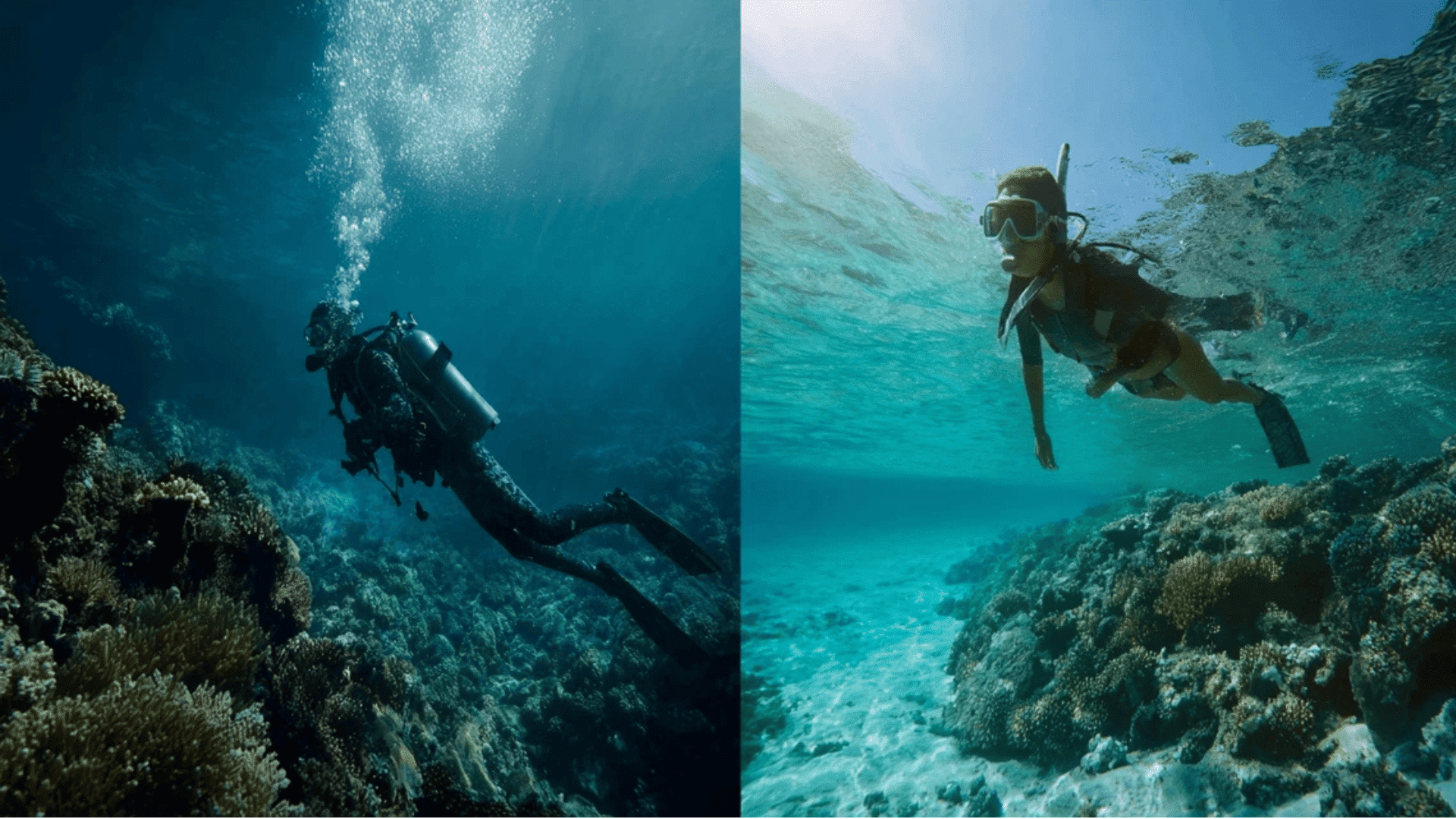
- Snorkeling: Most hotels and dive centers organize snorkel trips to shallow reefs. Great for rest days or giving your body a break from diving while still enjoying marine life.
- Desert Safaris: Ride ATVs through desert landscapes, visit Bedouin camps, and watch sunsets over dunes. These trips typically include traditional tea and dinner for a complete cultural experience.
- Cultural Visits: From Hurghada, take day trips to Luxor to see ancient temples and the Valley of the Kings. From Cairo, visit the Pyramids of Giza and the Egyptian Museum. Combine diving with history in one vacation.
- Resort Amenities: The Red Sea has well-developed resorts ranging from budget hostels to five-star all-inclusive properties. Many feature spas, multiple pools, and beachfront locations with mature, visitor-friendly hospitality.
Red Sea Diving Tours & Liveaboards
Ready to get into the Red Sea’s premier dive sites? Liveaboard trips offer the best way to experience remote reefs and famous wrecks.
Go through Red Sea liveaboard options at Liveaboard.com and Bluewater Dive Travel to compare vessels, itineraries, and pricing. Most trips run 7-8 days from Hurghada or Marsa Alam, visiting sites like Brothers Islands, Daedalus, Elphinstone, and SS Thistlegorm.
For specialized tours, Big Blue Diving Club offers southern itineraries with experienced guides.
Find Red Sea diving attractions and activities on TripAdvisor and accommodation options from budget to luxury resorts.
Book early for peak season (June-September) shark encounters.
The Bottom Line
The Red Sea truly deserves its reputation as one of the world’s premier diving destinations. With warm, clear water, healthy coral reefs, and incredible marine life, it offers something for every diver.
Egypt provides the most variety and best value, while Jordan and Israel offer convenient, easy diving perfect for shorter trips.
Start planning your Red Sea scuba diving adventure by choosing a destination that matches your skill level and interests.
Remember to dive responsibly, respect the reefs, and support conservation efforts protecting these precious ecosystems.
The underwater world is waiting, have you dived the Red Sea? Share your favorite sites and experiences in the comments below!