

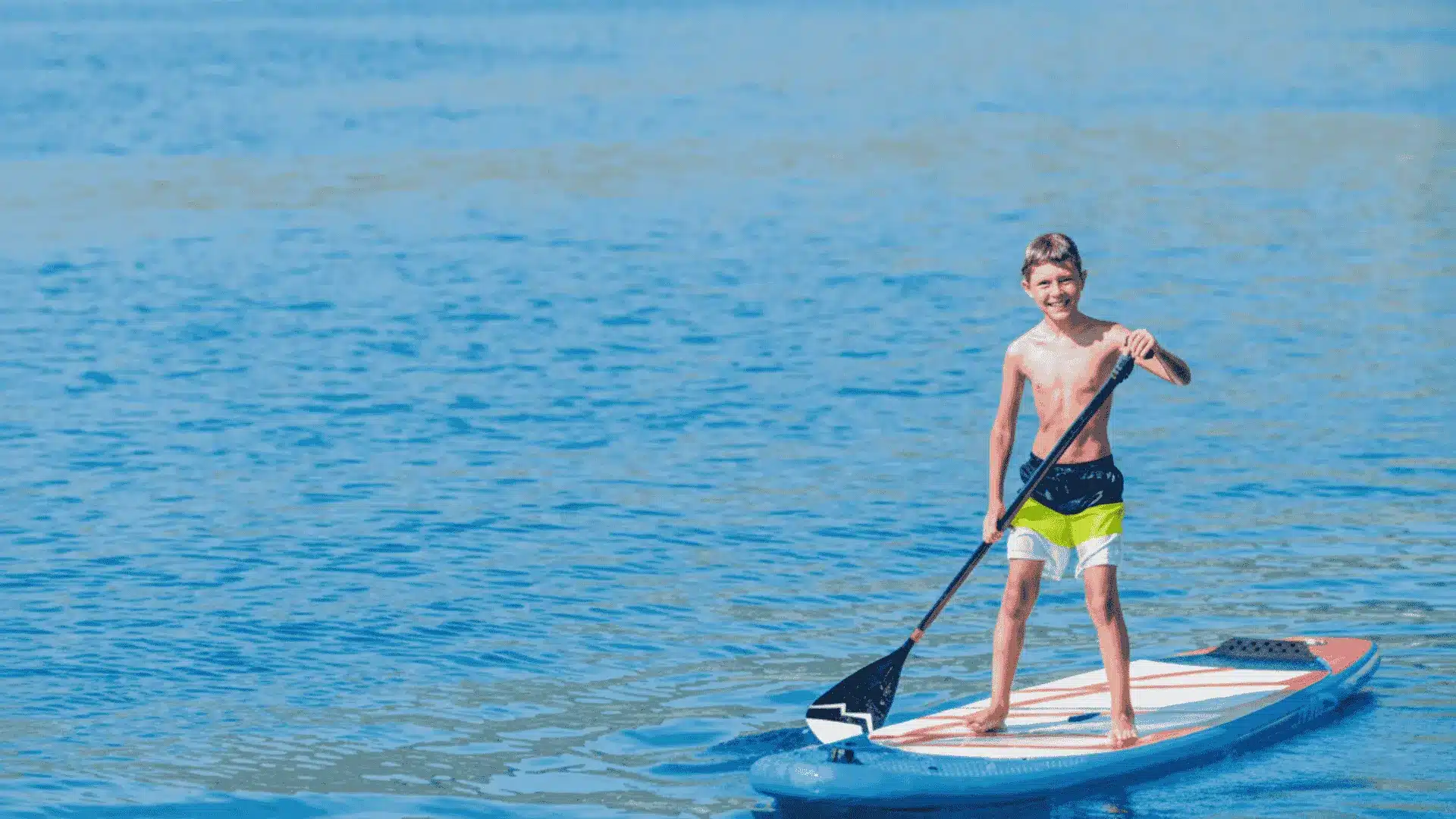
The board is ready. The water looks perfect. But wait, something’s still missing. The right paddleboard accessories can turn a basic paddle trip into a great day on the water.
They keep gear dry, make paddling easier on the arms, and add important safety features when weather conditions change. Small extras often make the biggest difference during a paddle session.
Picking the best paddleboard accessories doesn’t have to be hard or confusing. Some add-ons work with all board types.
Others depend on where and how someone paddles. The most useful accessories get ranked here, from must-haves to nice extras.
Learn where to shop and what to look for based on board style and skill level. With the right gear, every paddle session becomes safer, more comfortable, and way more fun.
Why Do You Need Paddleboard Accessories?
Paddleboard accessories solve real problems on the water. Safety gear helps paddlers stay visible to boats, keep floating if they fall in, and stay connected to their board in choppy conditions.
A good leash prevents the board from drifting away. Waterproof bags keep phones, keys, and snacks dry during the trip.
Comfortable seat attachments let people paddle longer without getting tired. Padded straps make carrying the board from the car much easier.
Quick inflation pumps save time and energy before getting on the water. Board racks keep everything organized at home and protect the board from damage.
The right add-ons make paddling safer, easier, and more fun.
Best Paddleboard Accessories To Have
Not every accessory matters the same amount. Some keep paddlers safe. Others add comfort or make transport easier.
This list starts with the must-haves and moves toward helpful extras that make time on the water more enjoyable.
Must-Have Safety Accessories
Safety gear comes first for good reason. These items protect paddlers in emergencies and help prevent accidents. Never skip these basics, no matter where or how often someone paddles.
1. SUP Leash (Coiled vs Straight)

A leash keeps the board close if someone falls off. Coiled leashes work well in flat water and stay out of the way.
Straight leashes suit surf conditions better because they stretch less. Always wear one – boards drift fast in wind or current.
2. PFD or Inflatable Belt PFD

A personal flotation device keeps paddlers safe in deep water. Traditional vests feel bulky but float well.
Inflatable belts sit around the waist and puff up when pulled. Many states require one on board for every person paddling.
3. Whistle

A simple whistle attaches to the PFD. It signals for help when voices don’t carry far enough. The sound travels better than yelling across water.
Most coast guards require one during official checks. Keep it within easy reach at all times.
4. Waterproof Phone Case

Phones need protection from splashes and drops. Waterproof cases seal tightly and still let touchscreens work. Some float if dropped overboard.
They protect expensive devices while keeping emergency contact options available. Choose cases rated for full submersion, not just splashes.
5. Lights (Clip-On or Deck Light)

Lights help boats see paddlers during early morning or evening sessions. Small clip-on lights attach to vests or the board. Deck lights stick right on the board surface.
White lights are most visible in low visibility. Battery-powered options work fine for most trips.
6. Sun Protection Kit (Rash Guard, Hat, Sunscreen)

Sun exposure adds up fast on open water. Rash guards cover arms and block UV rays without feeling hot. Wide-brimmed hats shade faces and necks.
Waterproof sunscreen protects any exposed skin. Reapply often, especially after getting wet or sweating through clothing.
7. Polarized Sunglasses Plus A Floating Retainer Strap

Polarized lenses reduce glare on bright water surfaces. They help spot underwater rocks and fish more clearly. Floating straps keep glasses from sinking if they fall off.
Choose ones with UV protection fthe or best eye safety.
Keep Your Gear Dry And Secure
Wet phones and lost keys ruin good paddle trips fast. These accessories protect valuables from water damage. They also keep items from falling off the board during movement.
8. Dry Bag

Dry bags seal out water completely. They protect phones, wallets, car keys, and snacks during paddle trips. Roll-top designs close the tightest.
Choose bright colors so the bag stays visible if it falls off. Sizes range from small pouches to large backpack-style bags.
9. Deck Bag (Bungee-Friendly)

Deck bags attach to bungee cords on the board. They hold water bottles, sunscreen, and small items within easy reach. Mesh panels let wet items drain and dry.
Some include insulated pockets for drinks. They keep essentials organized without taking up much space.
10. Waterproof Cooler or Soft Cooler
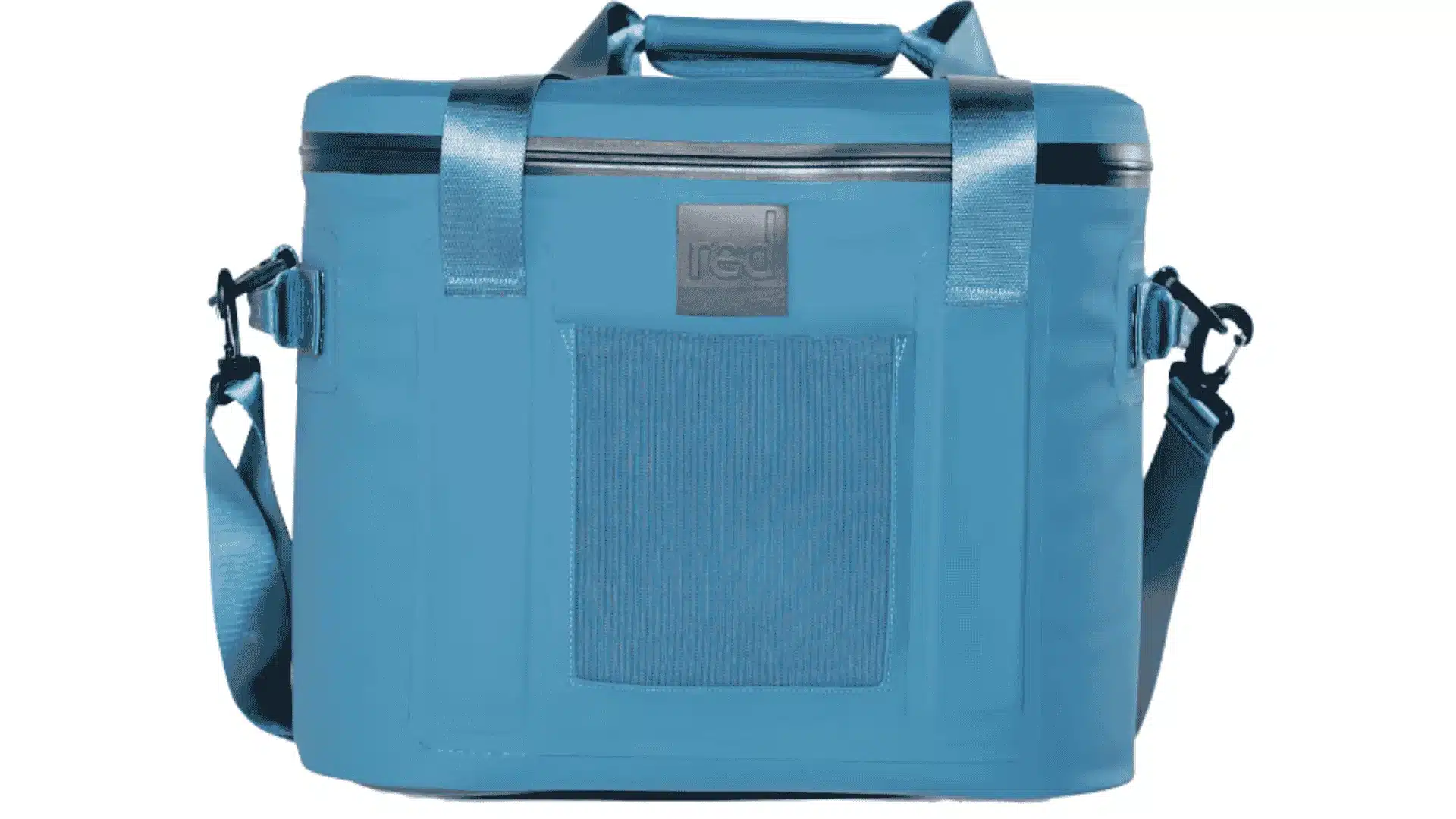
Soft coolers keep drinks and food cold during long paddle sessions. Waterproof versions float if they fall overboard. They strap onto deck bungees or sit between feet.
Hard coolers work too, but add more weight. Pick a size that fits the board without blocking movement.
11. Carabiners and Tie-Down Straps

Carabiners clip dry bags to D-rings on the board. Tie-down straps secure larger items, such as coolers. They prevent gear from sliding around or falling into the water.
Metal carabiners hold strong but can scratch boards. Plastic ones work fine for lighter loads and stay quieter.
12. Waterproof Waist Pouch (Hip Bag)

Hip bags keep keys, ID, and cash right on the body. They work well when life jackets have small pockets.
Waterproof versions protect items from splashes. They stay accessible without blocking movement or taking up board space.
Transport And Storage Upgrades
Getting boards to the water takes effort without the right gear. These items make carrying, driving, and storing boards much easier. They also prevent damage during transport and between paddling sessions.
13. Carry Strap

Carry straps make moving boards from the car to the water much easier. They wrap around the middle of the board and sit across one shoulder.
Padded versions feel better on skin and clothes. Some include handles for two-person carries. They beat their opponents, struggling with their bare hands, every time.
14. SUP Backpack (For Inflatable Boards)

Backpacks designed for inflatable boards hold the rolled-up board, pump, and paddle. Padded shoulder straps balance the weight.
Side pockets hold repair kits and other small items. They make hiking to remote water spots possible. Look for waterproof materials that handle wet gear after paddling.
15. Board Bag (For Hard Boards)
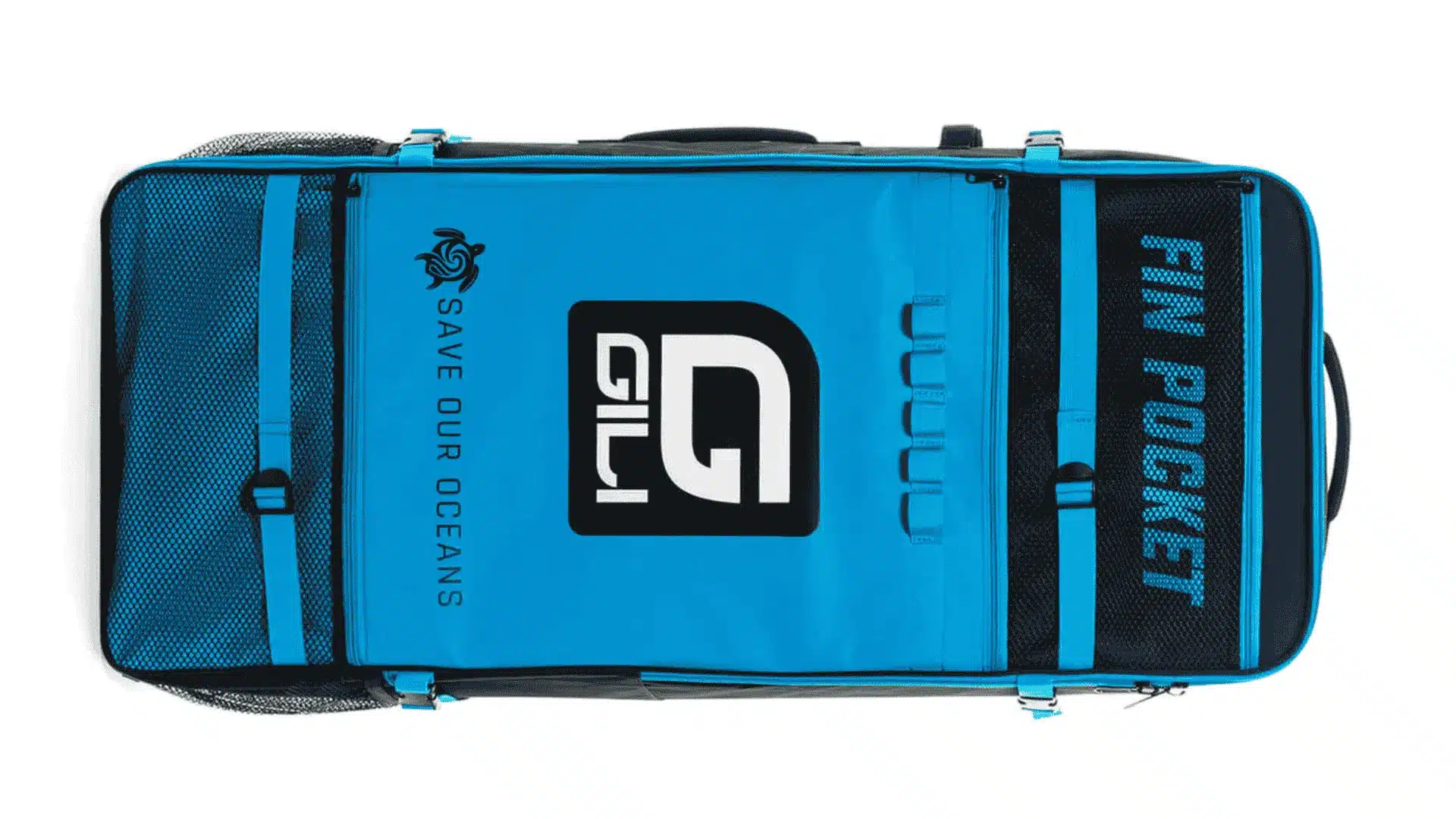
Hard boards need protection during transport and storage. Padded bags prevent dings and scratches. They zip fully closed and often include shoulder straps.
Some fit paddles inside as well. Reflective bags stay cooler in hot cars. They also protect boards from UV damage over time.
16. Roof Rack Pads And Tie-Downs
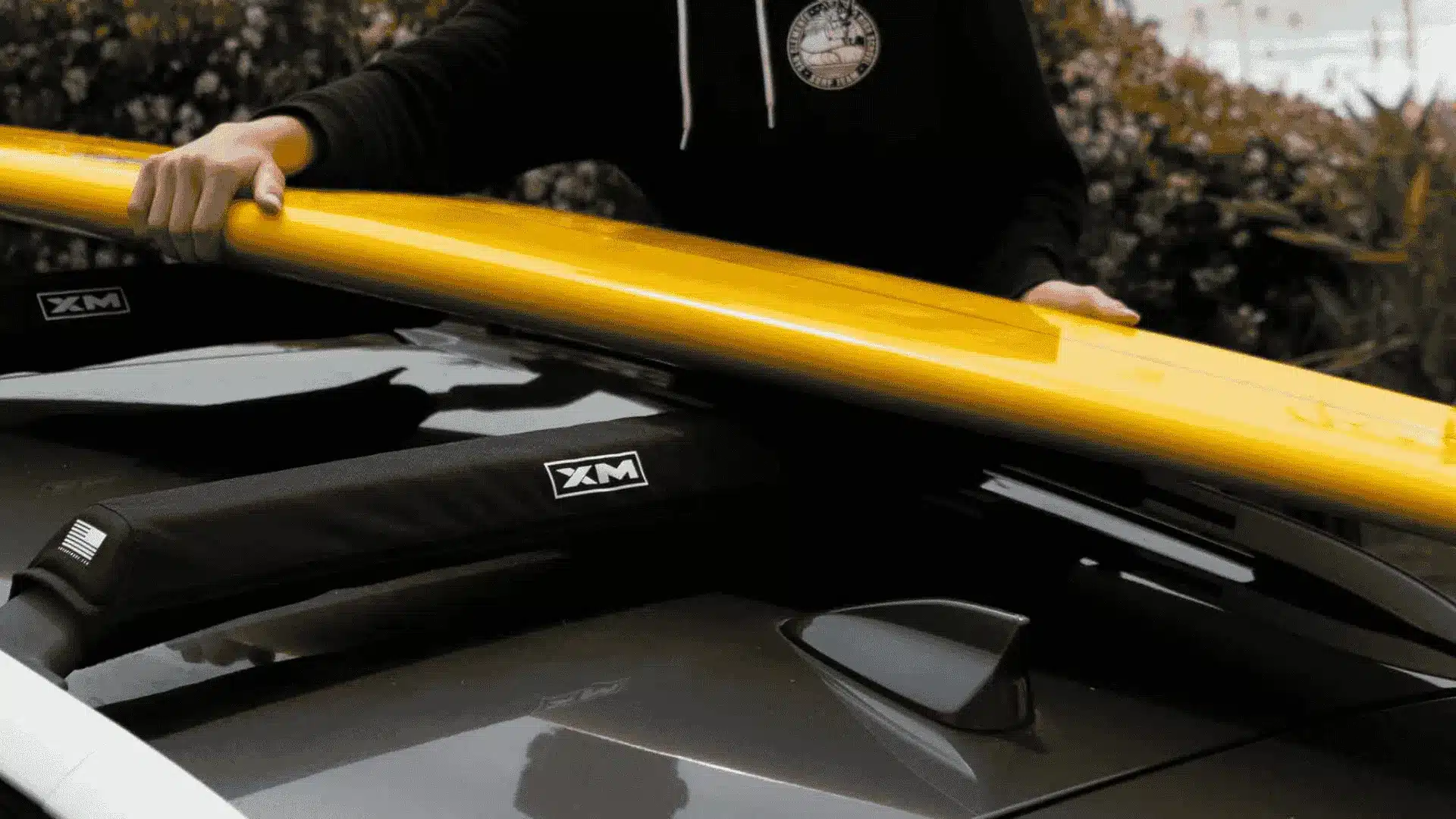
Roof rack pads cushion boards during car transport. They wrap around crossbars and prevent scratches. Cam buckle straps hold boards secure, even at highway speeds.
Add bow and stern lines for extra safety. Check straps every few miles on long drives to ensure nothing is loose.
17. Paddleboard Cart (For Long Walks)

Carts roll boards across sand, grass, or pavement. They attach near the fin area and lift most of the weight. Balloon tires work best on soft sand.
Folding models fit easily in car trunks. They save energy for actual paddling instead of exhausting carries.
Set-Up And Repair Essentials
Inflatable boards need proper inflation to work well. Equipment breaks or wears out over time. These tools handle setup quickly and fix problems before they end a paddle session.
18. Electric Pump (Or High-Quality Manual Pump)

Electric pumps inflate boards in minutes with no sweat. They plug into car outlets or run on batteries. Manual pumps cost less and work anywhere.
Double-action pumps push air on both strokes. Get one that reaches at least 15 PSI for proper board firmness.
19. Pressure Gauge (If Not Built-In)

Pressure gauges show exact PSI levels. Under-inflated boards bend and feel unstable. Over-inflated boards can damage seams.
Most boards need 12-15 PSI, depending on rider weight. Separate gauges work if the pump doesn’t include one. Check pressure before every paddle session for best performance.
20. Repair Kit (PVC Patches, Valve Wrench)

Small punctures happen even with careful use. Repair kits include PVC patches that permanently seal holes.
Valve wrenches are used to tighten or replace leaking air valves. Most kits include sandpaper and glue to ensure proper adhesion of the patch. Keep one in the car or board bag at all times.
Fun And Utility Add-Ons
These extras are not required but add enjoyment to time on the water. They help capture memories, stay in one spot, or make paddling more comfortable. Add them after covering all the safety and practical basics first.
21. Action Camera Mount
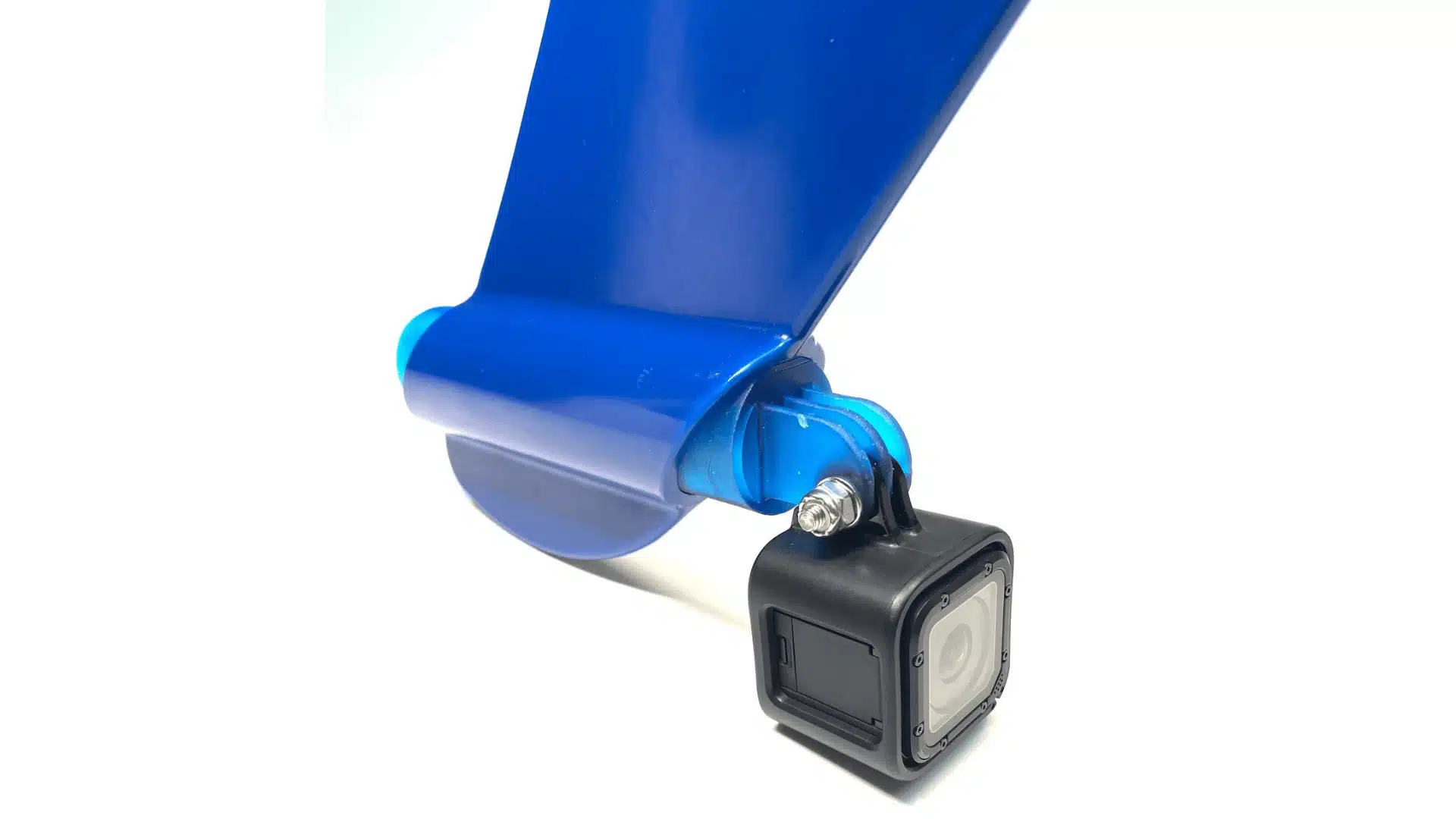
Camera mounts attach to the front of boards. They capture hands-free videos and photos during paddle sessions. Adhesive mounts stick directly to hard boards.
Suction mounts work for inflatables and can be removed easily. Adjustable angles let paddlers film themselves or the water ahead.
22. Anchor Kit (For Calm-Water Stops)

Anchors hold boards in place during breaks or fishing stops. They work best in calm lakes and bays. Small folding anchors fit in deck bags.
The rope needs enough length to reach the bottom. They let paddlers relax without drifting away from good spots.
23. Attachable Paddle Holder

Paddle holders clip onto the board and secure the paddle during breaks. They prevent paddles from sliding into the water while fishing or taking photos.
Simple clips work for most board types. They free up their hands without worrying about losing equipment.
24. Lightweight SUP Paddle Upgrade

A lighter paddle reduces arm fatigue during long sessions. Carbon fiber or fiberglass models weigh less than basic aluminum ones.
Properly sized paddles improve stroke efficiency. They cost more but make a noticeable difference in comfort and endurance.
25. Water Shoes Or Neoprene Booties

Water shoes protect feet from sharp rocks, hot sand, and rough launch areas. Neoprene booties add warmth during cold-weather paddling. Both provide better grip on slippery surfaces.
They prevent cuts and make getting in and out easier.
The right accessories depend on where and how someone paddles. Safety items matter for everyone. Other add-ons make sense based on specific needs.
Start with the essentials and add comfort items over time as skills and interests grow.
Best Retailers To Buy Paddleboard Accessories From
Finding the right place to shop makes buying paddleboard accessories easier. Some stores offer expert advice and quality guarantees. Others focus on lower prices and fast shipping. Knowing where to look saves time and money.
| Retailer Type | Retailer Name | Key Features |
|---|---|---|
| Big Outdoor Retailers | REI |
|
| Backcountry |
|
|
| Online Marketplaces | Amazon |
|
| Walmart |
|
|
| SUP Brands And Specialty Stores | Brand Stores (BOTE, iRocker, Aqua Marina) |
|
| Local Paddle Shops |
|
What To Check Before Buying From Any Retailer
Each retailer has strengths depending on what someone needs. Understand your needs before making a purchase.
Return policy: Look for items with a return policy of at least 30 days. Some retailers charge restocking fees. Free return shipping saves money on returns.
Warranty coverage: Quality accessories should last multiple seasons. Check if the manufacturer covers defects. Some retailers add their own guarantees on top of brands.
Sizing charts: Leashes, board bags, and carry straps come in different sizes. Measure the board before ordering. Check weight limits on racks and carts.
Compatibility notes: Not all accessories work with every board type. Inflatable boards need different mounts than hard boards. Read descriptions to avoid wrong purchases.
Once you check what works and suits you the best, make sure to check multiple places to compare prices before buying.
Conclusion
The best paddleboard accessories start with safety gear, such as leashes, life jackets, and whistles. Add storage items, such as dry bags and deck bags, to keep essentials protected.
Transport upgrades, such as carry straps and board bags, make getting to the water easier. Fun add-ons like camera mounts and anchors come last but add extra enjoyment to trips.
Building a starter kit doesn’t require buying everything at once. Start with the must-have safety items first. Add storage and transport pieces as needed.
Save the fun extras for later when paddling skills and preferences become clearer. Every paddle session teaches something new about which paddleboard accessories matter most for individual needs and favorite water spots.
Which accessories will make the next paddle trip better? Bookmark this page to reference when shopping for new gear.


