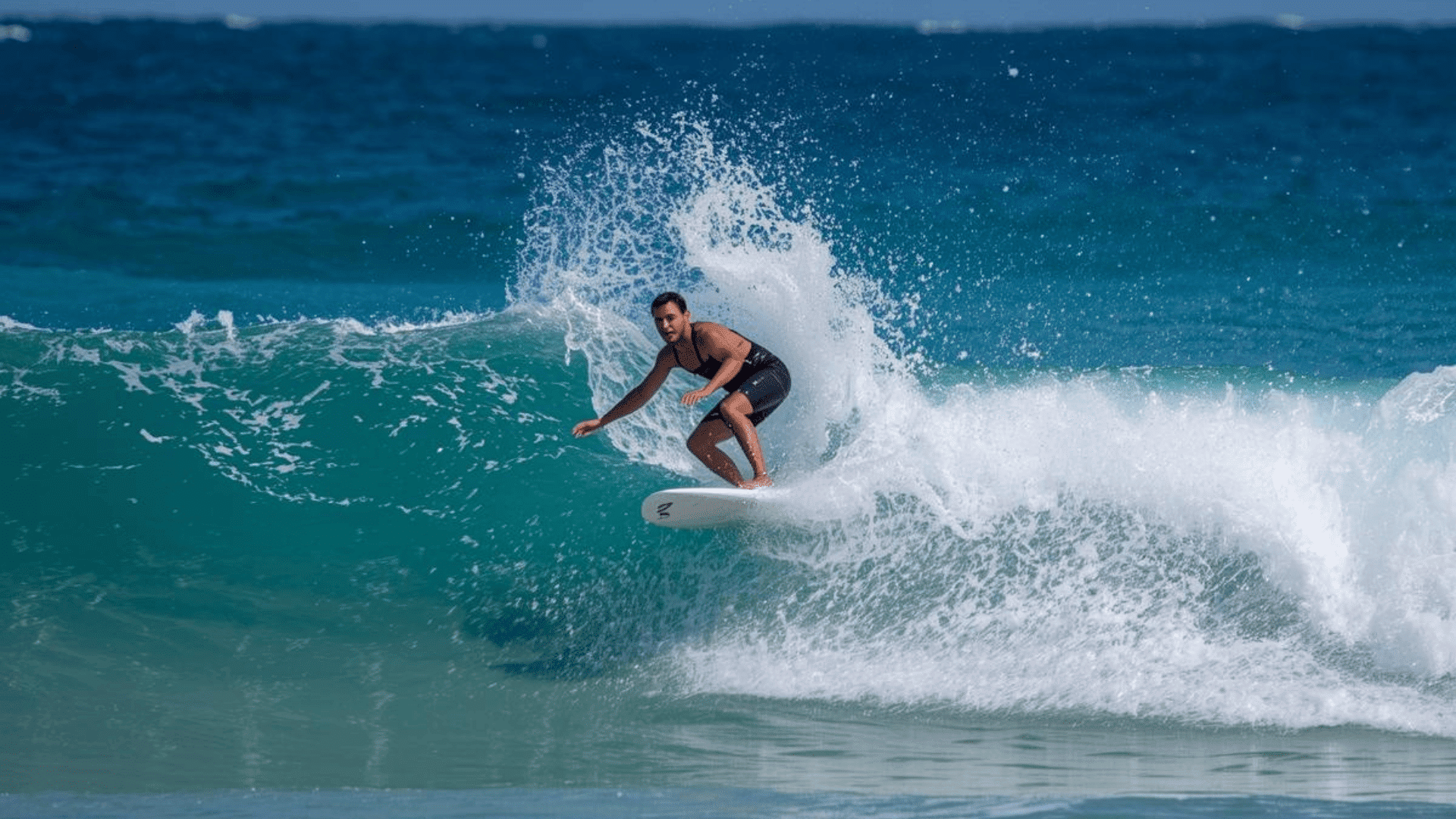
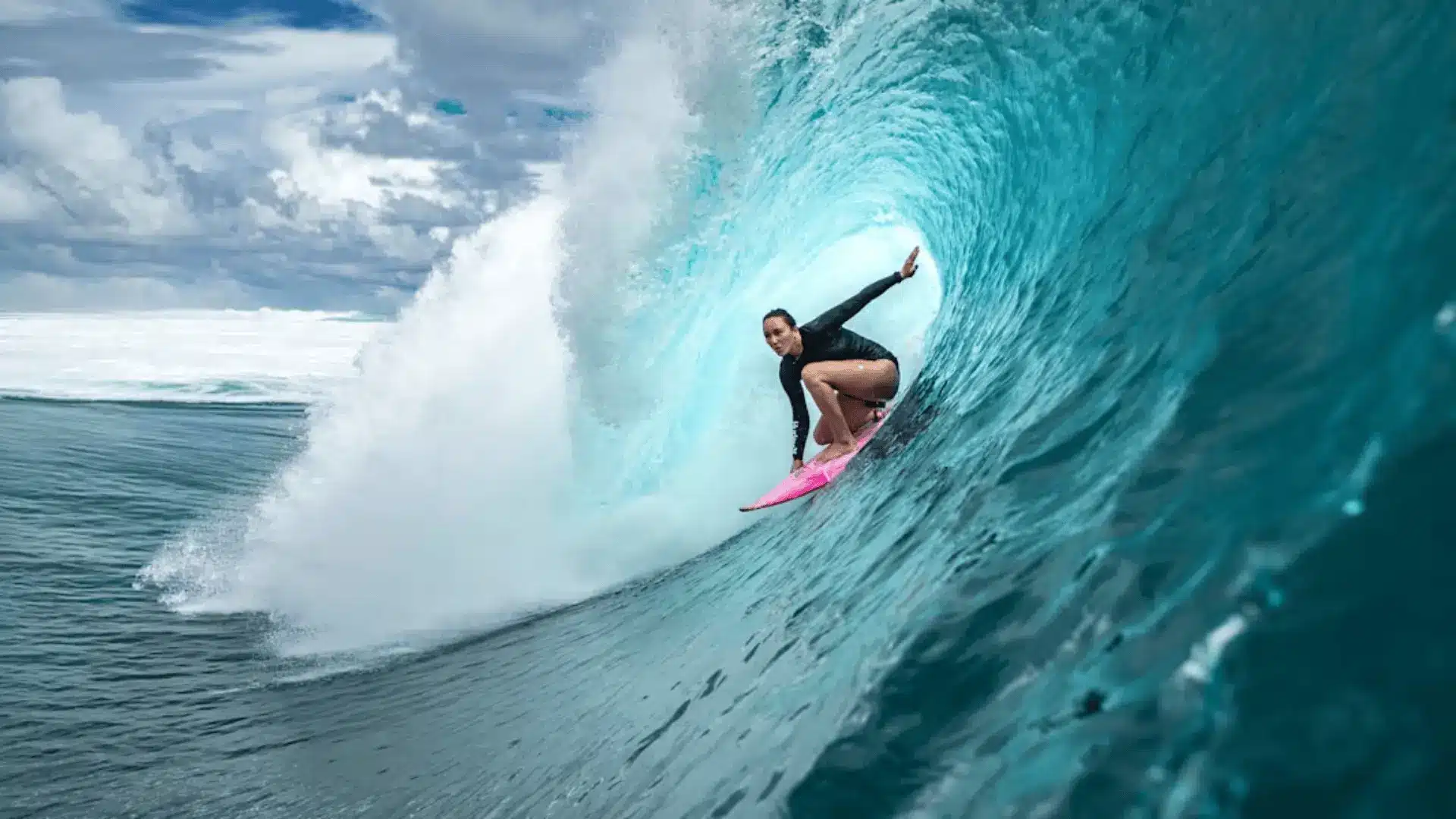
Surfing has evolved from an ancient Hawaiian tradition into a global culture that captivates people everywhere.
From reef breaks in Hawaii to cold-water points and massive Atlantic swells, surfers chase moments of speed, flow, and connection with the ocean.
Some of the most influential riders in history, celebrating careers defined by innovation, courage, and style.
Their stories trace how surfing moved from a local pastime to a professional sport, shaping everything from board design to beach culture.
If you are new to surf history or already obsessed with it, these profiles will deepen your appreciation for life on a wave. You might feel inspired to plan your own session.
Surfing Pioneers Who Started the Sport
Surfing revived in the early 1900s as pioneers spread it globally, redesigned equipment, and built the foundation for modern competitive wave riding.
1. Duke Kahanamoku
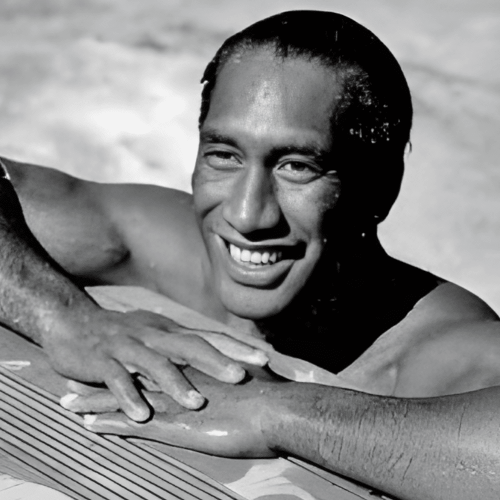
Duke Kahanamoku earned recognition as the father of modern surfing through his Olympic swimming gold medals and international surfing demonstrations.
Born in Honolulu, he introduced wave riding to Australia and California in the 1910s-1920s, using his 16-foot koa wood board to captivate audiences.
His 1914 exhibition at Sydney’s Freshwater Beach sparked Australia’s surf culture.
Beyond athletics, Duke served as Honolulu’s Sheriff for 13 consecutive terms and worked as Hawaii’s Ambassador of Aloha until he died in 1968.
| Date of Birth | Nationality | Stance | |
|---|---|---|---|
| August 24, 1890 | Hawaiian-American | N/A (Deceased 1968) | Regular |
2. Tom Blake
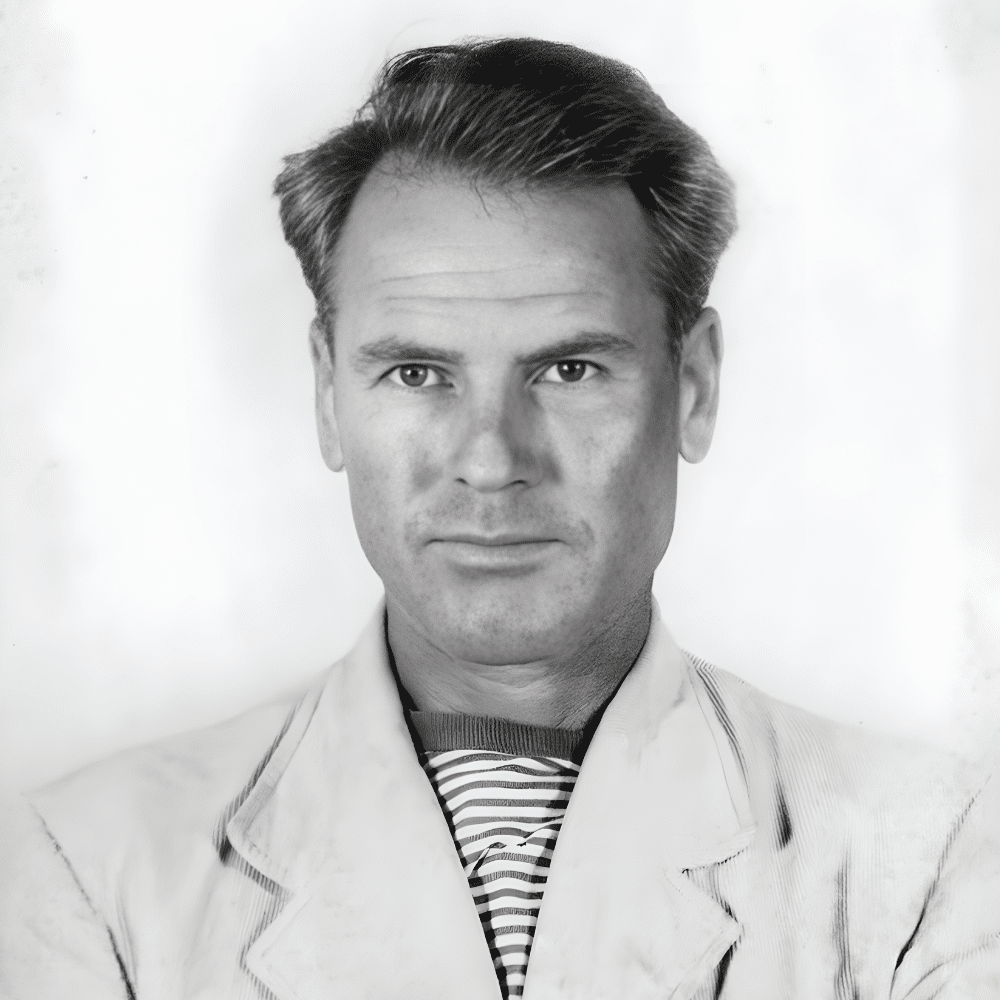
Tom Blake revolutionized surfboard design in the 1920s and 1930s, creating the first hollow surfboard that reduced the weight from 100 to 60 pounds.
He invented the surfboard fin in 1935, dramatically improving maneuverability and control.
Blake also produced “Hawaiian Surfriders,” the first book documenting surfing culture, and pioneered waterproof cameras for surf photography.
His innovations made surfing more accessible to mainstream participants and established technical standards that influenced decades of board development.
| Date of Birth | Nationality | Stance | |
|---|---|---|---|
| March 8, 1902 | American | N/A (Deceased 1994) | Regular |
3. George Freeth
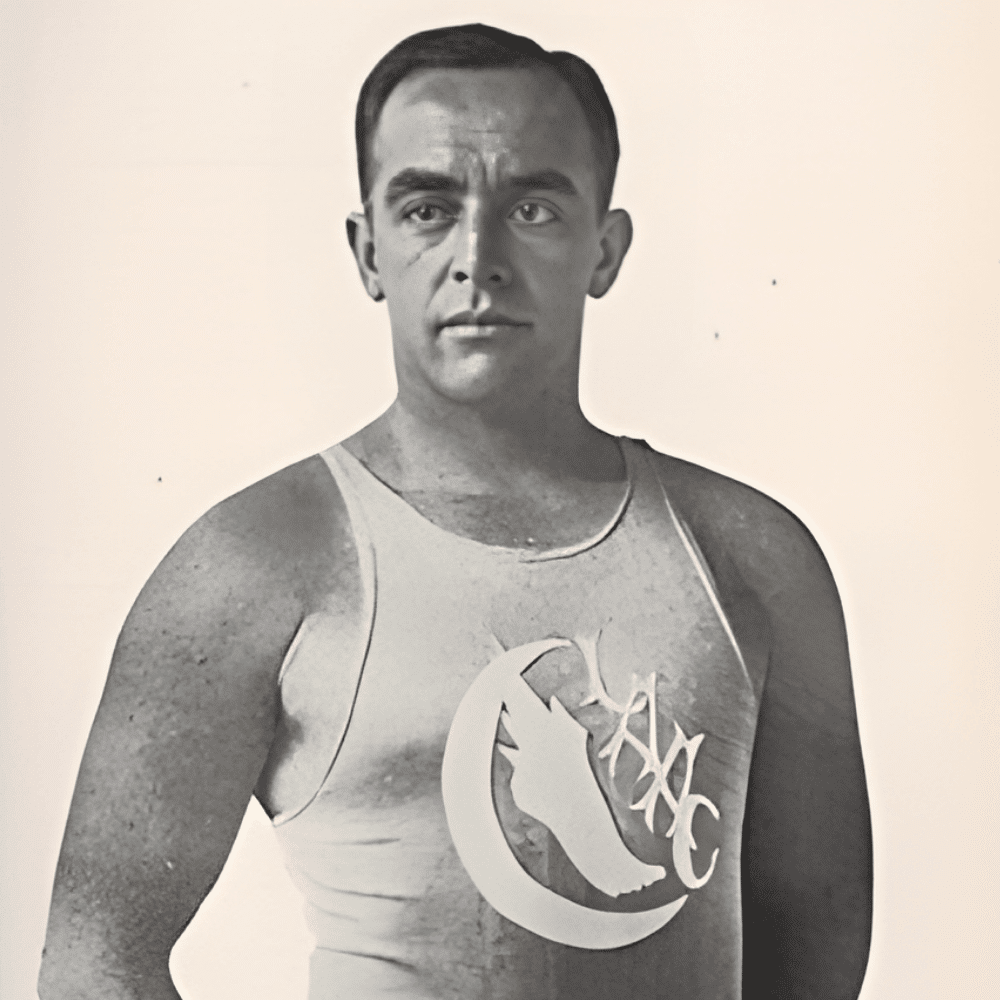
George Freeth introduced surfing to California in 1907, performing daily demonstrations at Redondo Beach to promote real estate developer Henry Huntington’s coastal properties.
Known as “The Man Who Can Walk on Water,” Freeth adapted traditional Hawaiian longboards for California conditions and established lifeguarding techniques still used today.
His exhibitions from Los Angeles to San Diego created California’s initial surfing community.
Freeth died young at 35 from influenza, but his impact on West Coast surf culture remained foundational.
| Date of Birth | Nationality | Stance | |
|---|---|---|---|
| November 8, 1883 | Hawaiian-American | N/A (Deceased 1919) | Regular |
4. Rabbit Kekai
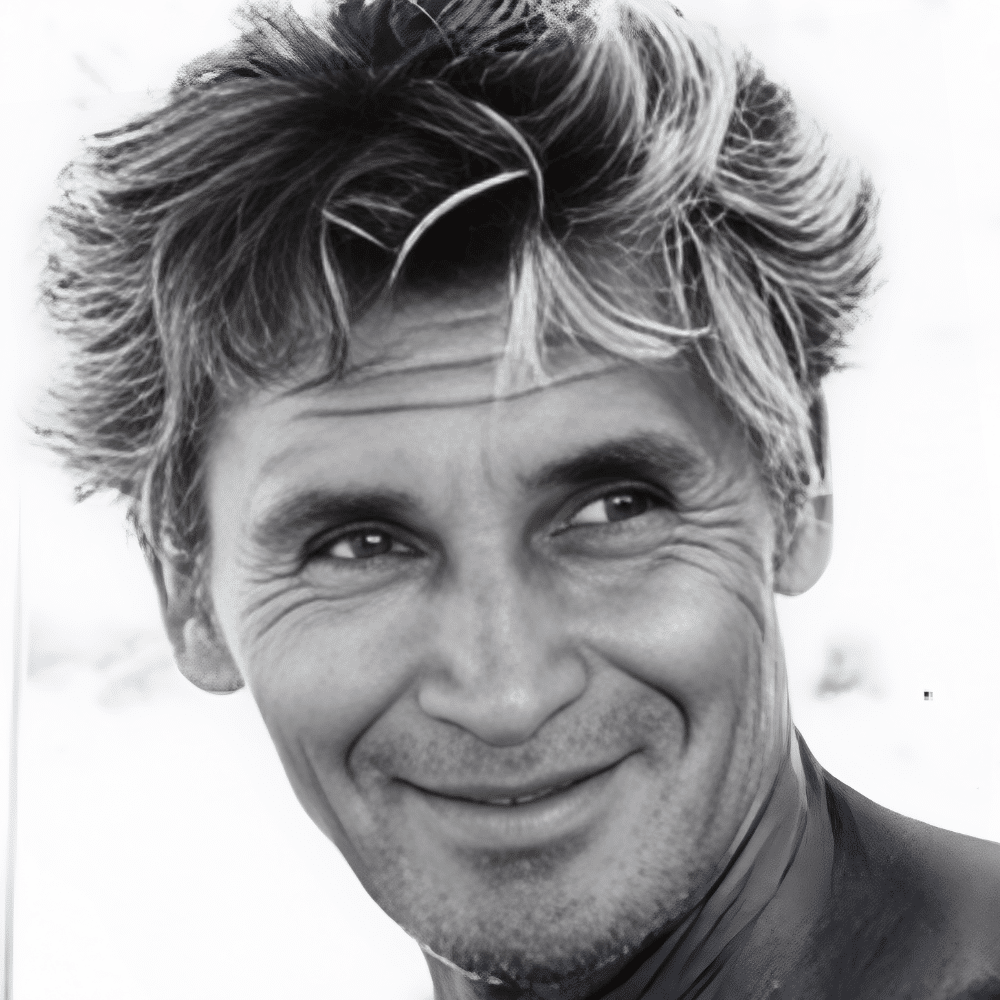
Rabbit Kekai surfed professionally into his 80s, demonstrating wave riding at Waikiki Beach for over seven decades.
Born in Honolulu in 1920, he grew up alongside Duke Kahanamoku and became one of the original Waikiki “beach boys” who taught tourists and celebrities how to surf.
Kekai won his last surf contest at age 80, proving that surfing transcends age limitations.
His longevity and dedication preserved traditional Hawaiian wave-riding knowledge through generations of surfers.
| Date of Birth | Nationality | Stance | |
|---|---|---|---|
| November 11, 1920 | Hawaiian | N/A (Deceased 2016) | Regular |
5. Woody Brown
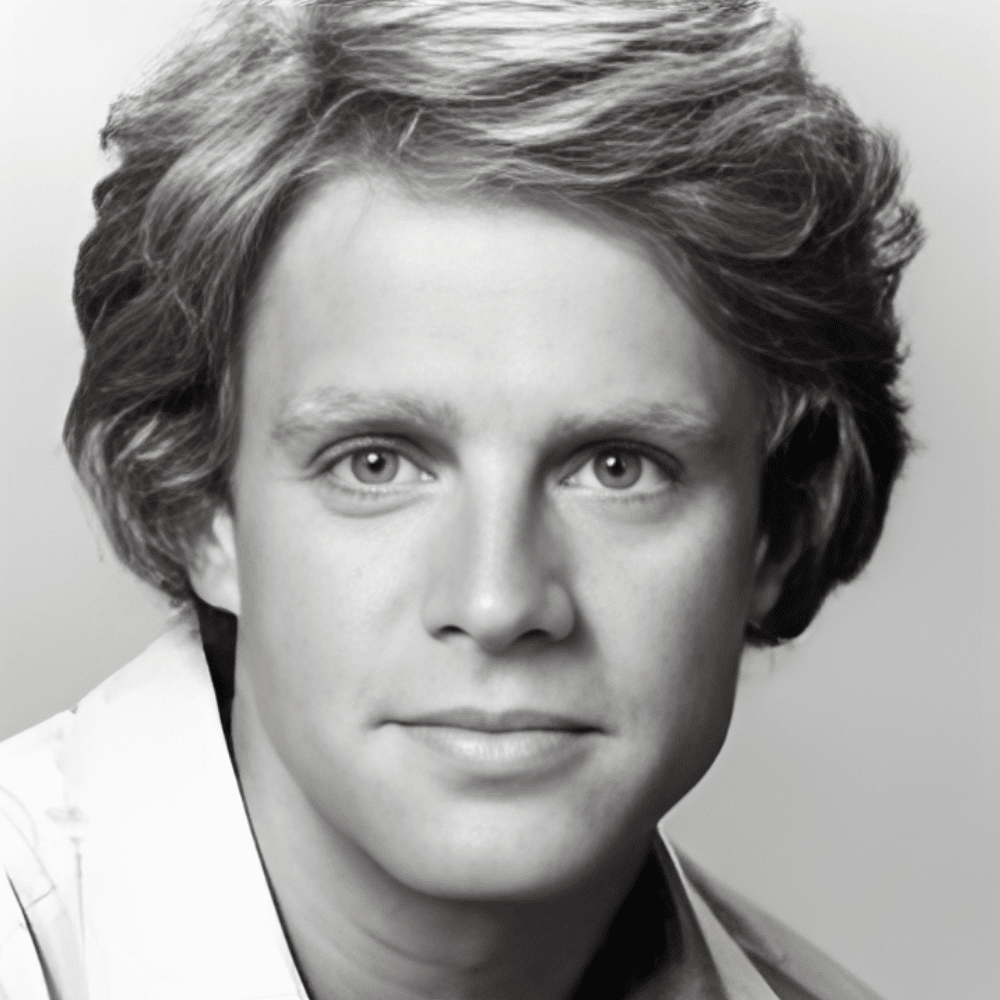
Woody Brown pioneered big-wave surfing at Makaha, Oahu, in the 1940s and co-invented the modern catamaran design.
After surviving a harrowing wipeout at 25-foot Sunset Beach in 1943, Brown focused on surf craft innovation, creating lighter balsa boards that handled better in large swells.
He influenced the next generation of shapers, including Hobie Alter, and later transitioned to sailing, designing multi-hull vessels.
Brown’s willingness to challenge massive Hawaiian surf opened possibilities for future big-wave exploration.
| Date of Birth | Nationality | Stance | |
|---|---|---|---|
| November 5, 1912 | American | N/A (Deceased 2008) | Regular |
Classic Surf Legends (1950s–1980s Era)
Competitive professional surfing emerged during this period, establishing the world tour structure and crowning champions who would define entire decades.
6. Miki Dora
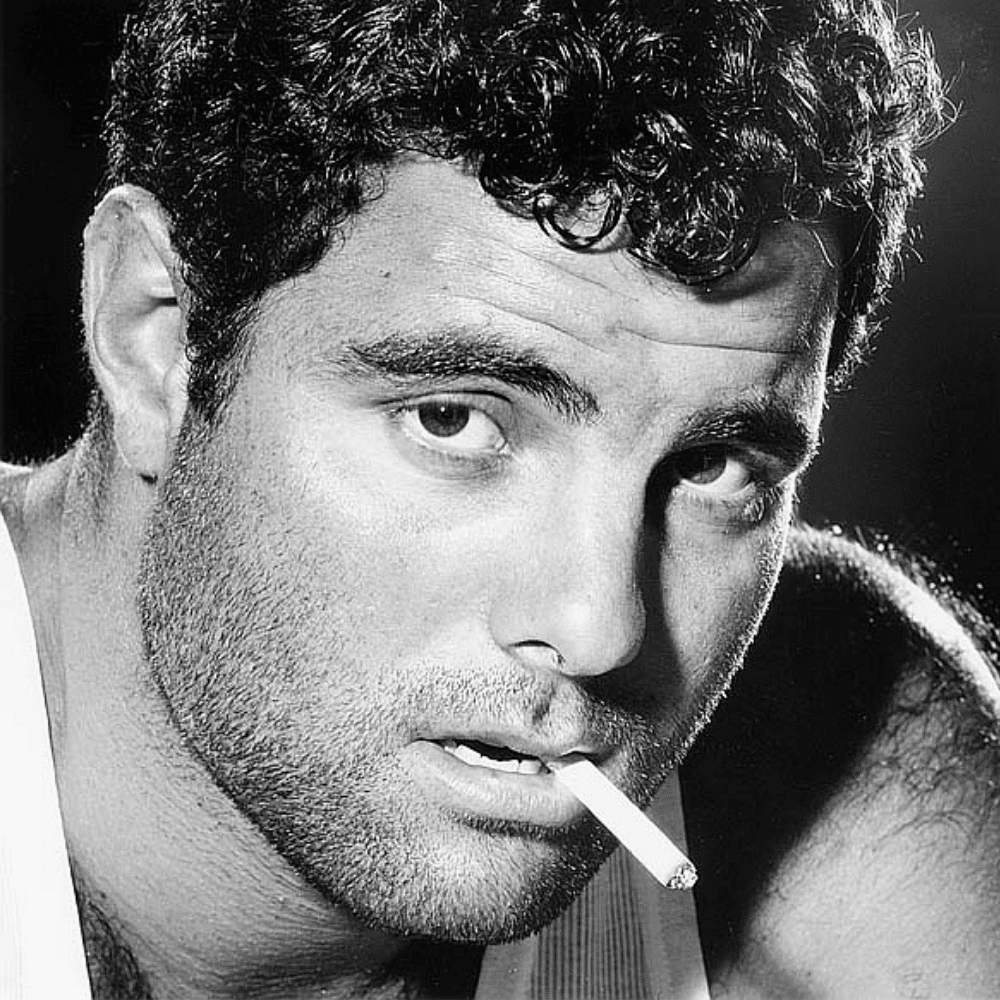
Miki Dora, nicknamed “Da Cat,” defined 1960s Malibu surfing with his smooth, rebellious style that rejected commercialization.
Born in Budapest and raised in California, Dora competed sporadically but influenced surf culture profoundly through his anti-establishment philosophy and technical excellence.
He appeared in numerous surf films, including “Gidget,” and became surfing’s most controversial figure, famously “mooning” the camera at the 1967 Malibu Invitational.
His legacy represents surfing’s countercultural soul and resistance to mainstream commodification.
| Date of Birth | Nationality | Stance | |
|---|---|---|---|
| August 11, 1934 | American | N/A (Deceased 2002) | Regular |
7. Mark Richards
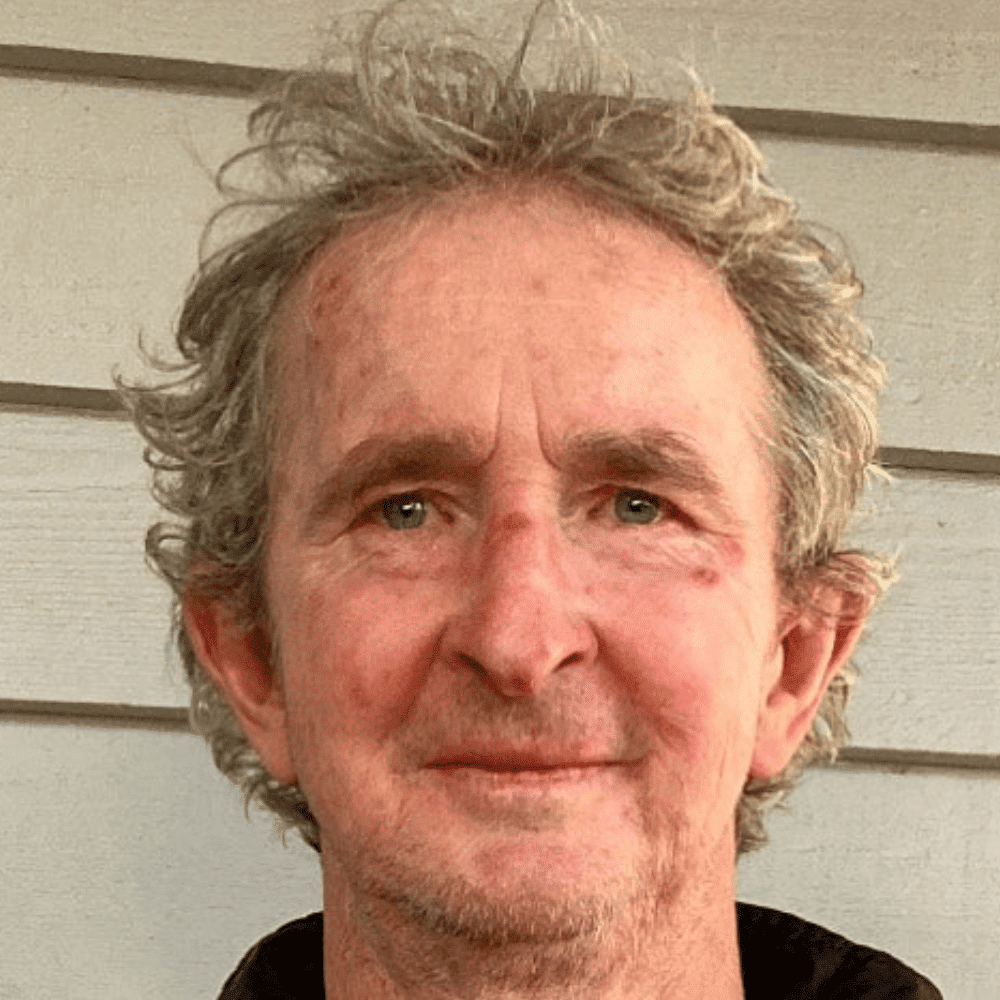
Mark Richards dominated men’s professional surfing from 1979 to 1982, winning four consecutive World Championships.
The Australian nicknamed “MR” revolutionized surfing by popularizing the twin-fin surfboard design, replacing single-fin boards with a more maneuverable twin-fin configuration that enabled radical turns.
His aggressive yet fluid style combined power surfing with technical innovation.
Richards accumulated 33 career victories before Kelly Slater surpassed that record. His twin-fin legacy has permanently influenced modern shortboard development.
| Date of Birth | Nationality | Stance | |
|---|---|---|---|
| March 7, 1957 | Australian | @markrichardsmr | Natural |
8. Shaun Tomson
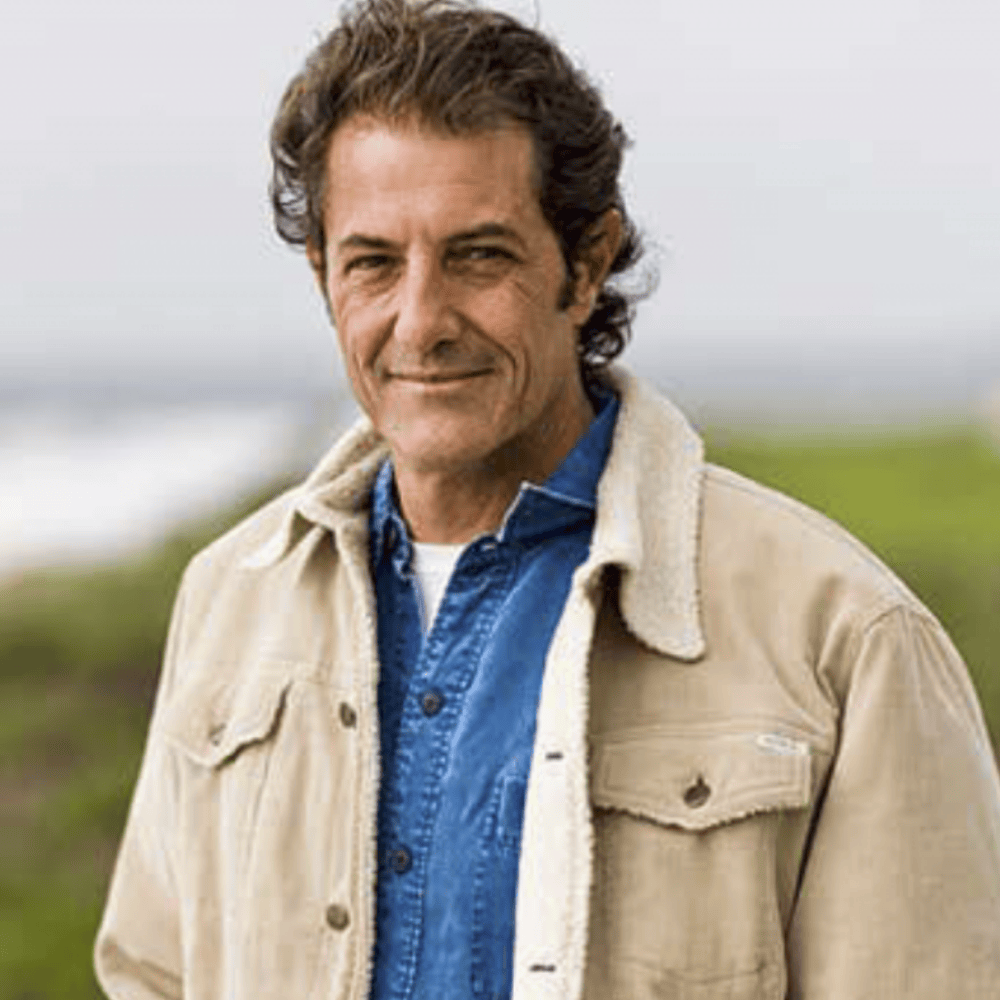
Shaun Tomson won the 1977 World Championship representing South Africa, becoming that nation’s first and only World Champion surfer.
Famous for pioneering the tube-riding technique, Tomson mastered barrel-riding at Jeffrey’s Bay and Pipeline.
He won major contests, including four Pipeline Masters events, and helped establish professional surfing’s legitimacy through his business approach to competition.
Tomson later founded successful surf brands and authored motivational books, translating competitive lessons into business leadership principles.
| Date of Birth | Nationality | Stance | |
|---|---|---|---|
| August 21, 1955 | South African | @shauntomson | Regular |
9. Rabbit Bartholomew
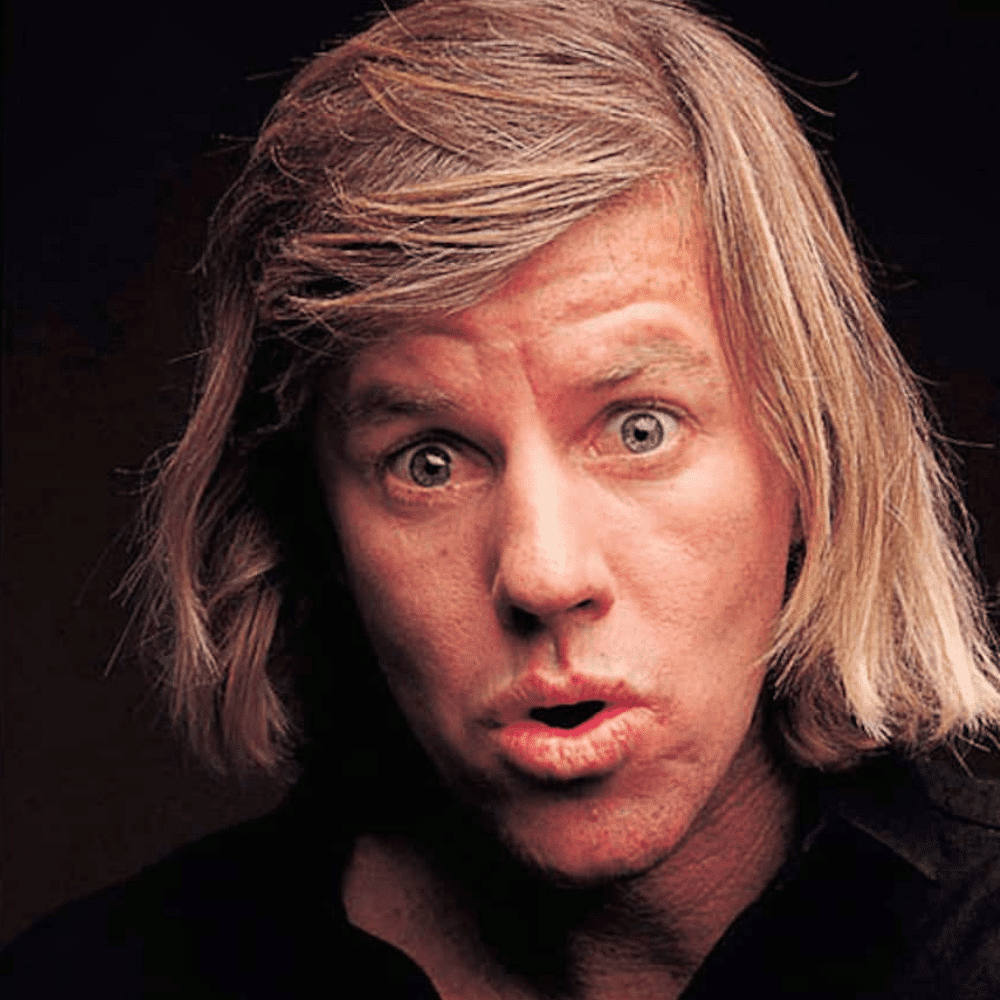
Rabbit Bartholomew won the 1978 World Championship and co-founded the Association of Surfing Professionals (ASP), which later became the World Surf League.
Born Michael Bartholomew in Australia, he earned the nickname “Rabbit” for his quick reflexes.
Beyond competitive success, Bartholomew shaped professional surfing’s governance structure, establishing standardized judging criteria and an experienced tour organization.
His administrative contributions ensured surfing’s transition from informal contests to legitimate professional sport with consistent standards.
| Date of Birth | Nationality | Stance | |
|---|---|---|---|
| November 14, 1954 | Australian | @rabbitbartholomew | Natural |
10. Tom Curren
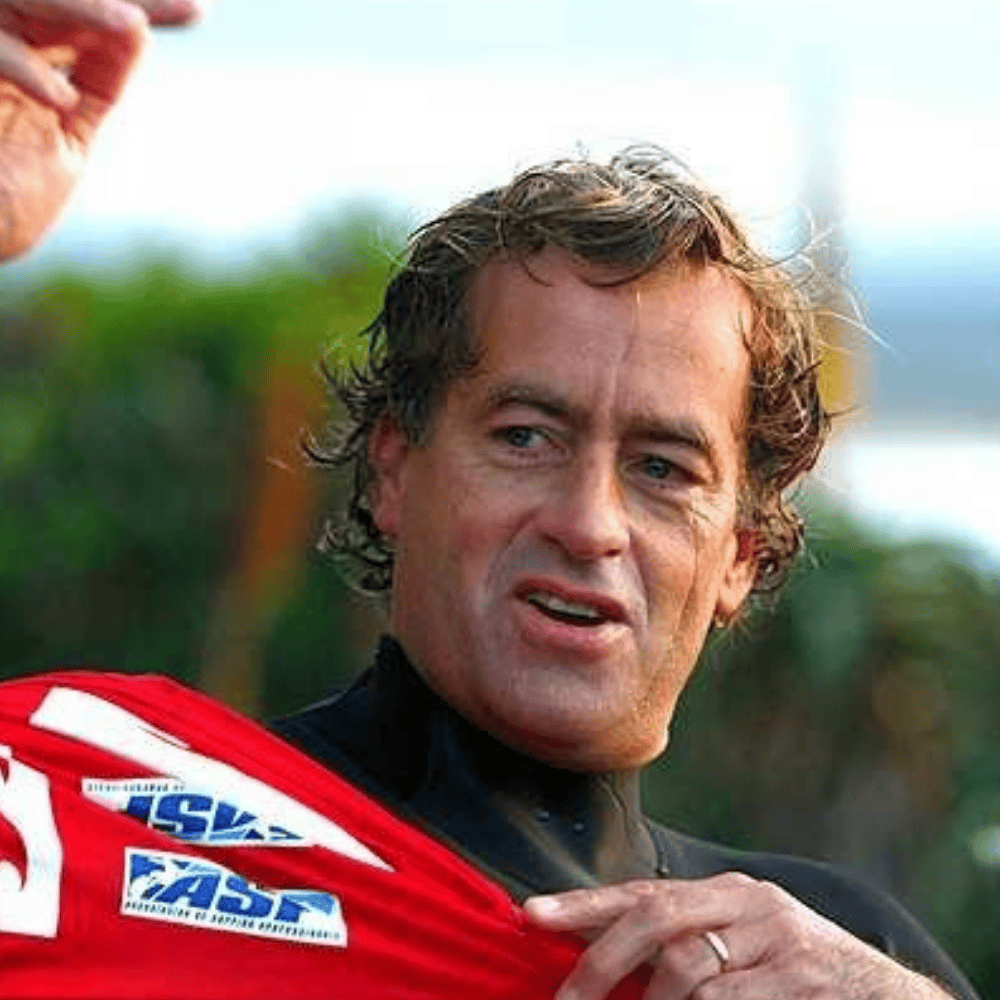
Tom Curren claimed three World Championships (1985, 1986, 1990) with a smooth, stylish approach that influenced modern high-performance surfing.
The California native possessed natural talent that made complex maneuvers appear effortless. Curren won 33 career events and pioneered the frontside attack on powerful waves.
His ability to perform in diverse conditions, from beachbreaks to reefs, demonstrated complete versatility.
After retiring from full-time competition, Curren remained active in design work and occasional event appearances, maintaining legendary status.
| Date of Birth | Nationality | Stance | |
|---|---|---|---|
| July 3, 1964 | American | N/A | Regular |
Modern Surf Champions (1990s–Today)
Contemporary professional surfing features athletes combining physical conditioning with aerial maneuvers and competitive psychology.
11. Kelly Slater
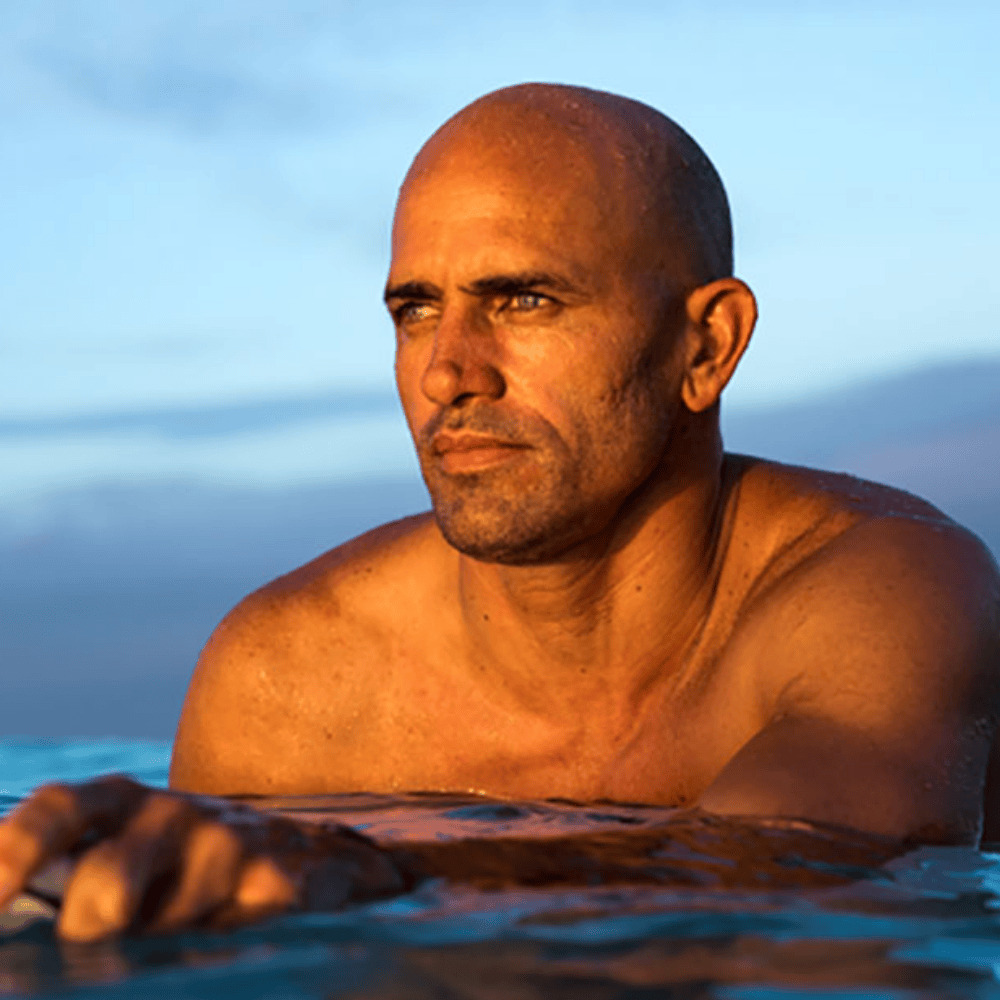
Kelly Slater holds 11 World Surf League Championships, 56 Championship Tour victories, and is widely recognized as surfing’s most significant competitor.
Born in Cocoa Beach, Florida, Slater won his first World Title at 20 (1992) and his most recent at 39 (2011), demonstrating unprecedented longevity.
He revolutionized competitive surfing through progressive aerial maneuvers and wave pool technology, founding Kelly Slater Wave Company.
His influence extends beyond competition into environmental activism and sustainable surf product development.
| Date of Birth | Nationality | Stance | |
|---|---|---|---|
| February 11, 1972 | American | @kellyslater | Regular |
12. Andy Irons
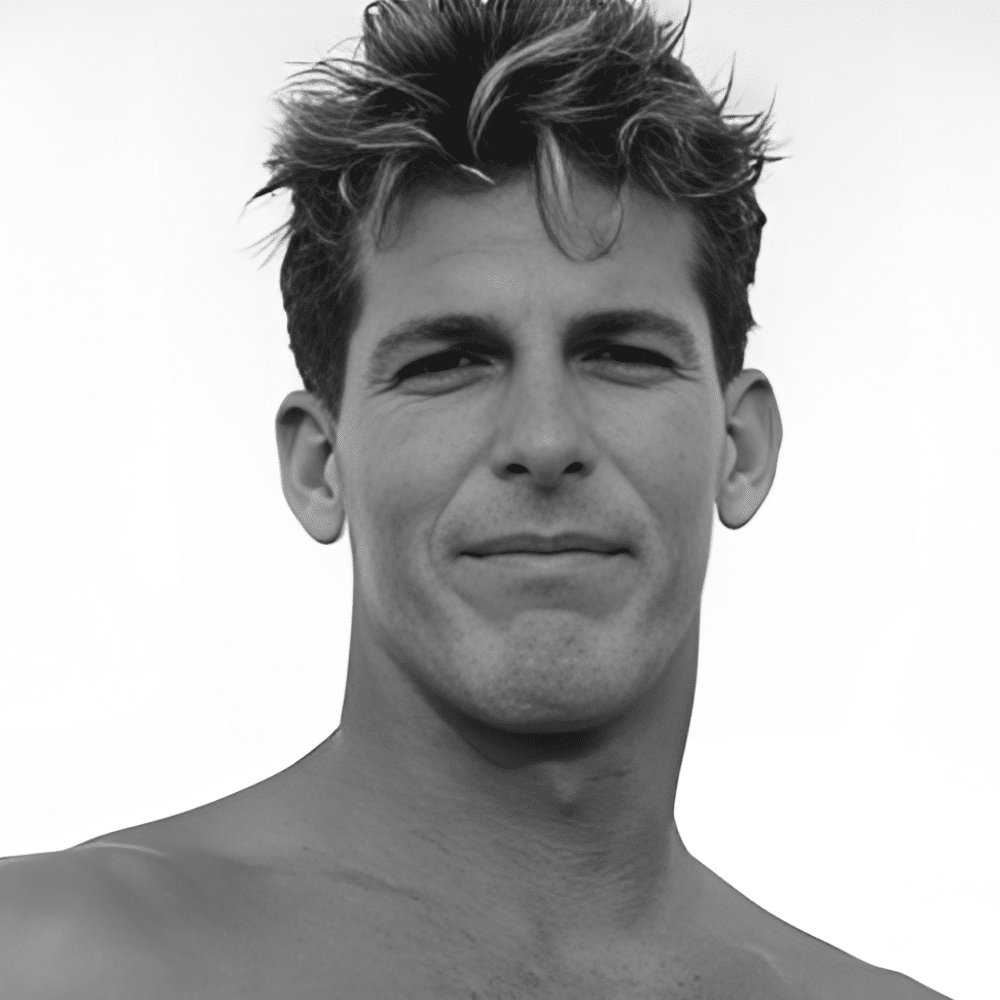
Andy Irons won three consecutive World Championships (2002-2004) through aggressive, powerful surfing that challenged Kelly Slater’s dominance.
Born on Kauai, Hawaii, Irons specialized in heavy water conditions and barrel-riding.
His rivalry with Slater defined early 2000s professional surfing, producing memorable finals at Pipeline and Teahupoo.
Tragically, Irons passed away in 2010 at age 32 from cardiac arrest related to health complications.
His competitive intensity and commitment to Hawaiian wave-riding traditions left a lasting impact on the sport.
| Date of Birth | Nationality | Stance | |
|---|---|---|---|
| July 24, 1978 | American (Hawaiian) | N/A (Deceased 2010) | Regular |
13. Mick Fanning
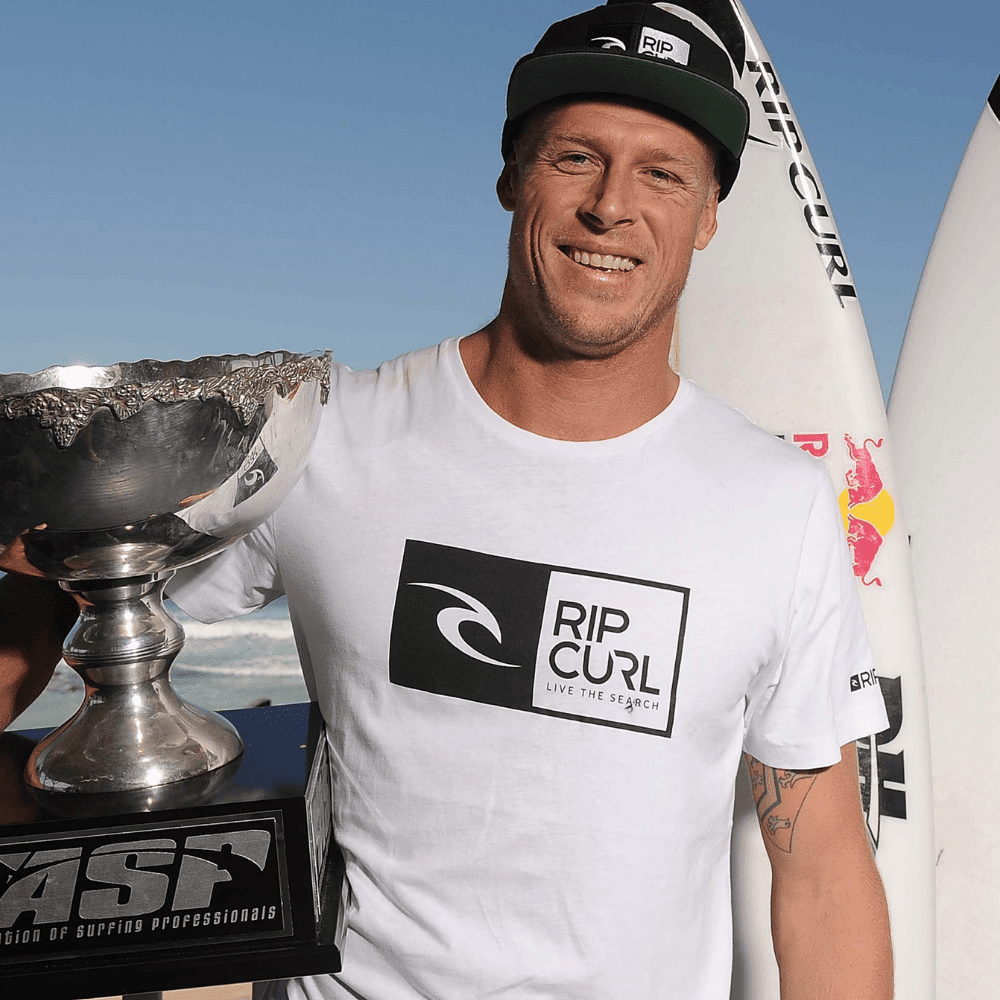
Mick Fanning earned three World Championships (2007, 2009, 2013) representing Australia with a technically precise surfing style.
Born in New South Wales, Fanning overcame personal tragedies, including his brother’s death and a 2015 shark attack during competition in South Africa, where he fought off the shark mid-heat.
Known as “White Lightning” for his speed and fluidity, Fanning won 22 Championship Tour events before retiring in 2018.
His sportsmanship earned respect beyond competitive achievements.
| Date of Birth | Nationality | Stance | |
|---|---|---|---|
| June 13, 1981 | Australian | @mfanno | Regular |
14. John John Florence
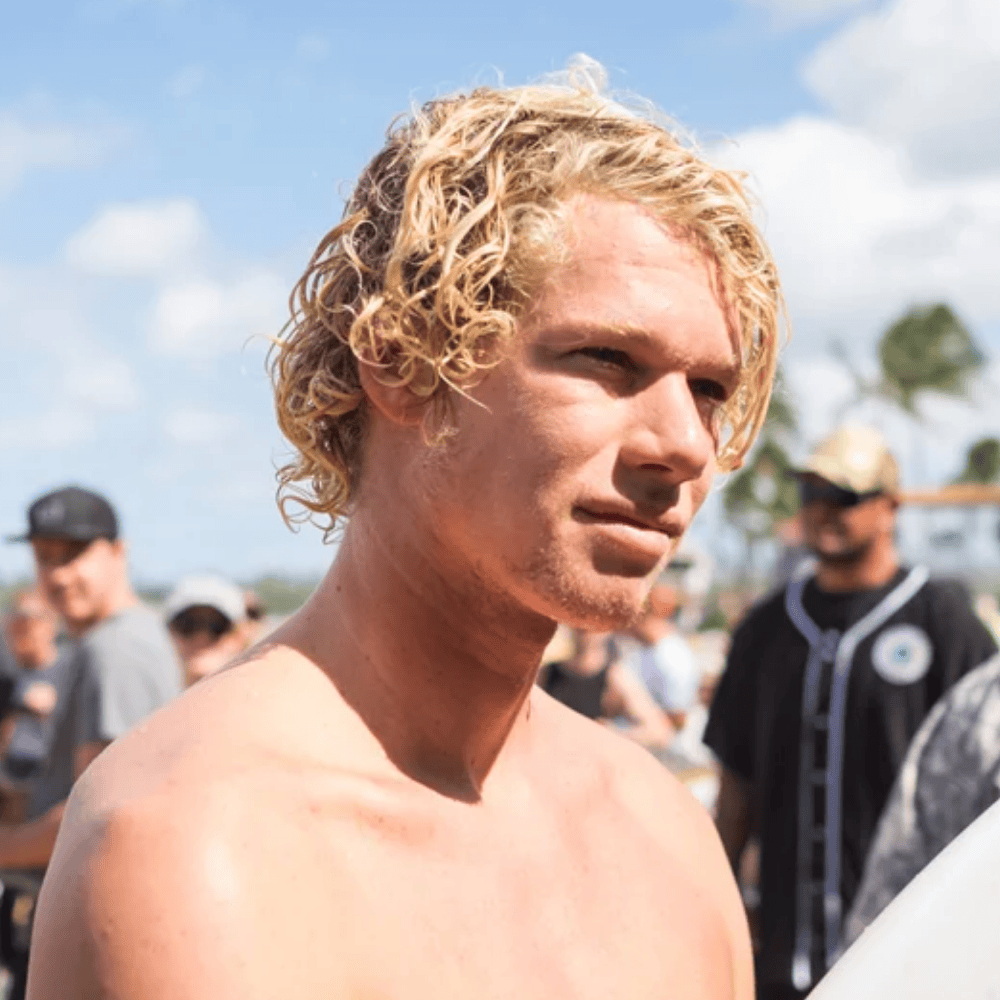
John John Florence claimed back-to-back World Championships (2016, 2017) with technical versatility across all wave types.
Growing up on Oahu’s North Shore, Florence became the youngest surfer to compete in the Vans Triple Crown at 13.
He excels in both big-wave surfing and progressive aerial maneuvers, producing acclaimed surf films including “View from a Blue Moon.”
Florence won Pipeline Masters multiple times and earned Olympic qualification, representing surfing’s complete modern athlete who balances competition with creative free-surfing projects.
| Date of Birth | Nationality | Stance | |
|---|---|---|---|
| October 18, 1992 | American (Hawaiian) | @john_john_florence | Regular |
15. Gabriel Medina
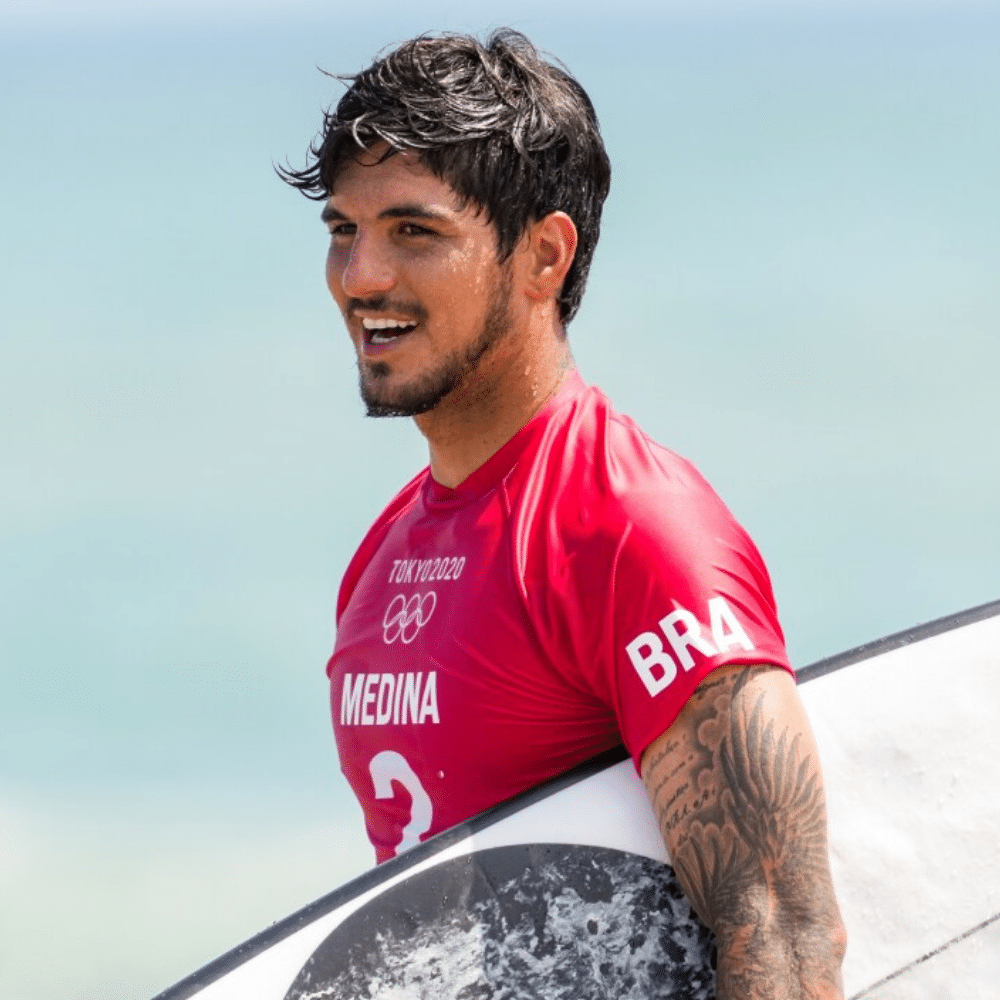
Gabriel Medina became Brazil’s first World Champion in 2014, winning again in 2018 and 2021.
Born in São Paulo, Medina revolutionized competitive surfing through explosive aerial maneuvers that redefined scoring potential.
His backside approach to powerful waves demonstrated technical progression beyond traditional standards.
At the 2024 Paris Olympics, Medina won bronze and generated viral attention for a photograph capturing him mid-air.
His success helped establish Brazil as a surfing powerhouse and inspired the next generation.
| Date of Birth | Nationality | Stance | |
|---|---|---|---|
| December 22, 1993 | Brazilian | @gabrielmedina | Goofy |
Famous Female Surfers Who Upgraded the Sport
Women’s professional surfing progressed from limited recognition to equal footing through these athletes’ competitive achievements and advocacy.
16. Stephanie Gilmore
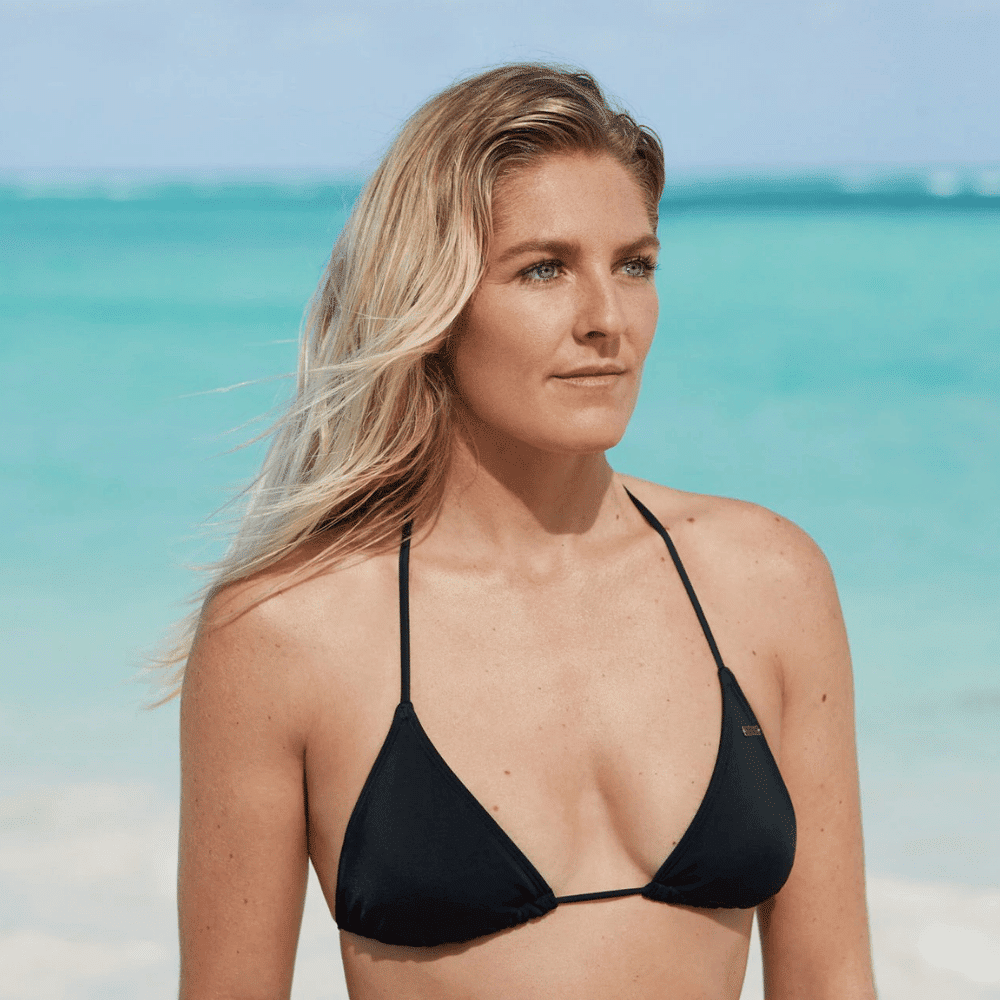
Stephanie Gilmore holds eight World Championships (2007-2010, 2012, 2014, 2018, 2022), more than any female surfer in history.
The Australian from New South Wales won her first title during her rookie season, becoming the only surfer, male or female, to achieve that distinction.
Her smooth, stylish approach, combined with competitive consistency, produced 33 Championship Tour victories.
Gilmore qualified for surfing’s Olympic debut and continues competing at the highest level, mentoring younger female competitors while maintaining elite performance.
| Date of Birth | Nationality | Stance | |
|---|---|---|---|
| January 29, 1988 | Australian | @stephaniegilmore | Regular |
17. Layne Beachley
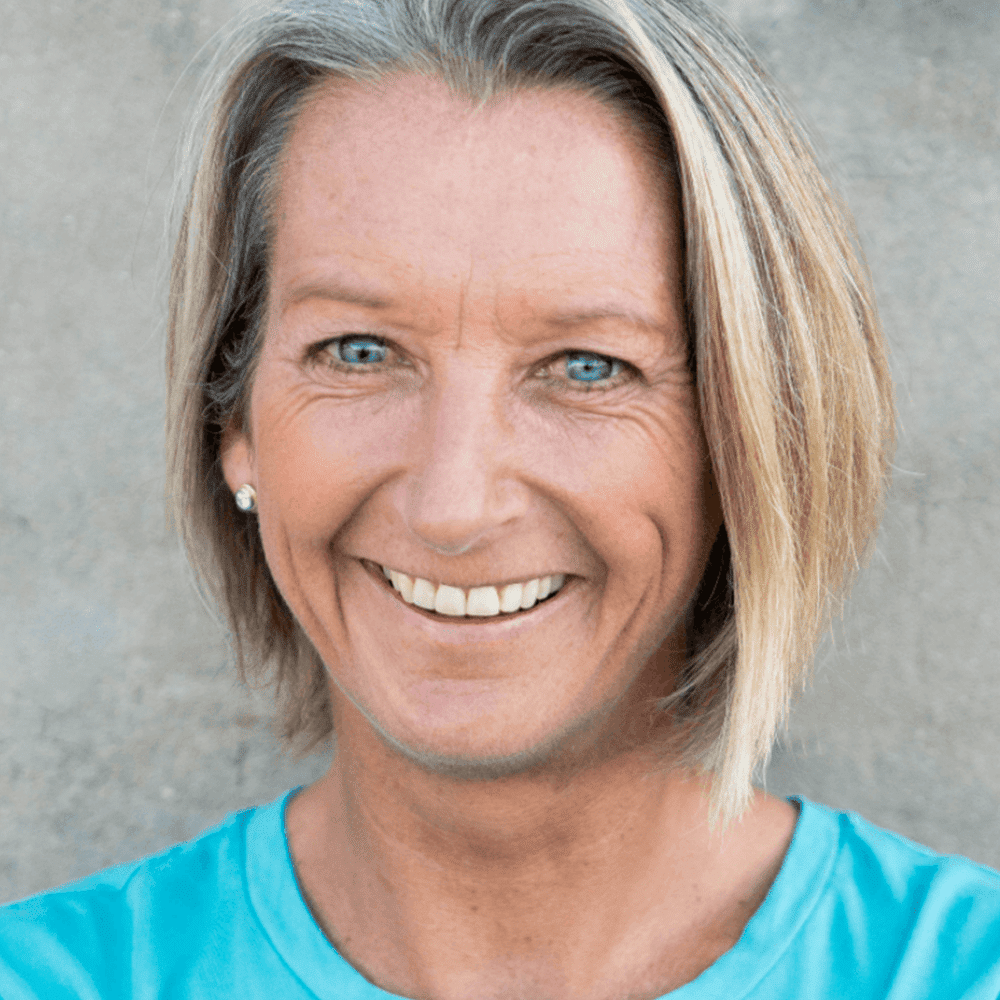
Layne Beachley claimed seven World Championships (1998-2003, 2006), holding the record until Stephanie Gilmore surpassed it in 2022.
Born in Sydney, Australia, Beachley dominated women’s surfing through a robust approach and competitive determination.
She won six consecutive titles and became the first female surfer to earn prize money exceeding $100,000 annually.
Beachley advocated for equal pay and better conditions for female competitors, helping establish professional standards that benefited future generations of women surfers.
| Date of Birth | Nationality | Stance | |
|---|---|---|---|
| May 24, 1972 | Australian | @laynebeachley | Regular |
18. Carissa Moore
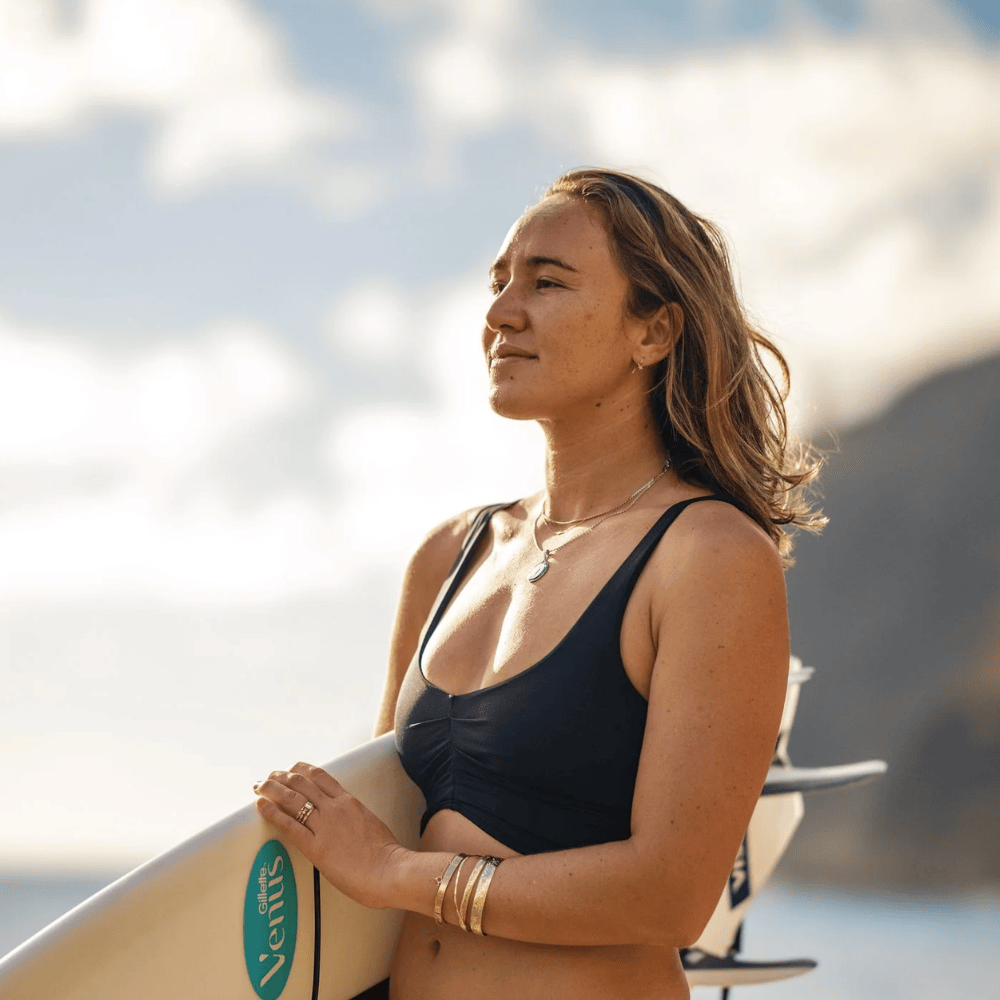
Carissa Moore won five World Championships (2011, 2013, 2015, 2019, 2021) and earned surfing’s first Olympic gold medal in Tokyo 2020.
Born and raised in Hawaii, Moore demonstrated powerful, progressive surfing that challenged traditional limitations on women’s performance.
She reached the semifinals or better in every event during her 2021 championship season, setting records for consistency.
Moore balances competition with youth surfing initiatives through her foundation, promoting ocean safety and surf education for underserved communities.
| Date of Birth | Nationality | Stance | |
|---|---|---|---|
| August 27, 1992 | American (Hawaiian) | @rissmoore10 | Regular |
19. Lisa Andersen
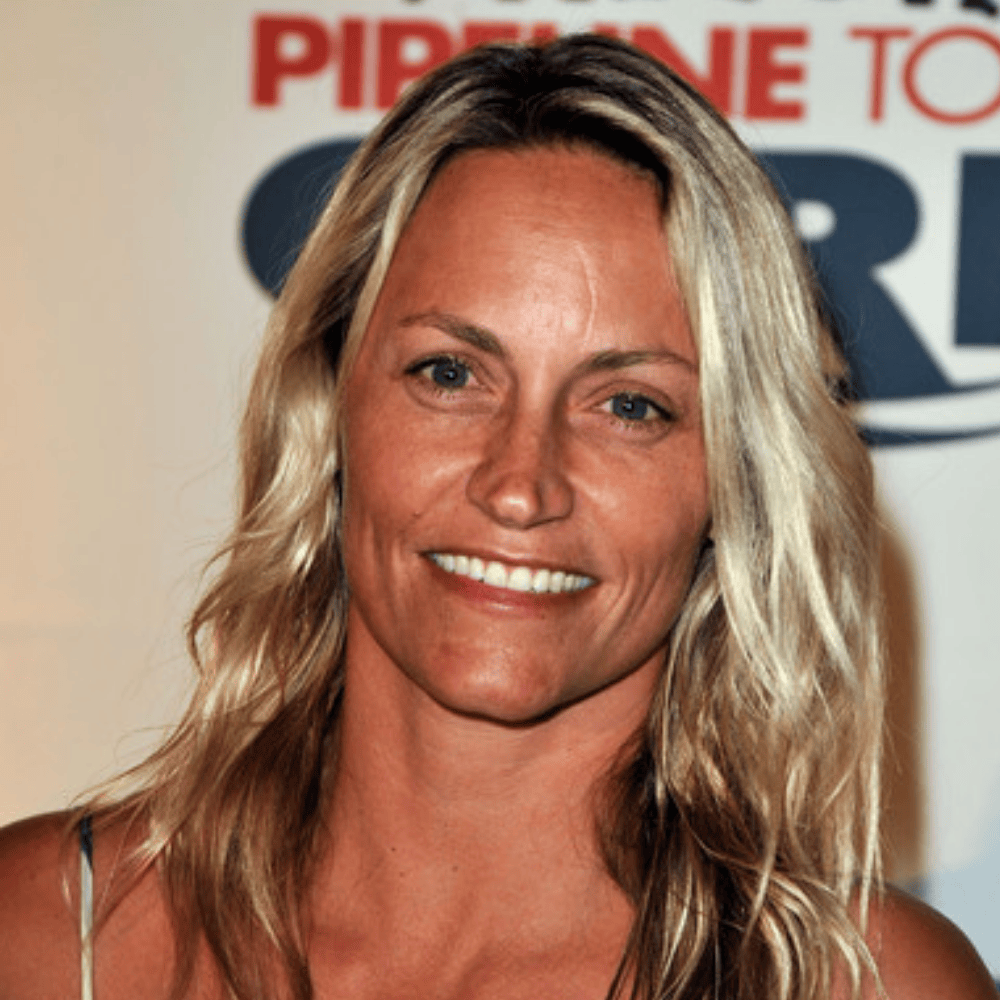
Lisa Andersen won four consecutive World Championships (1994-1997) and transformed perceptions about women’s surfing.
Born in New York, Andersen ran away from home at 16 to pursue surfing in California, later moving to Florida.
Her aggressive, stylish approach attracted mainstream attention and sponsorship interest in women’s professional surfing.
Andersen proved that female surfers could ride powerful waves with technical skill that matched that of their male counterparts, paving the way for increased media coverage and prize purses.
| Date of Birth | Nationality | Stance | |
|---|---|---|---|
| March 8, 1969 | American | @lisaandersensurf | Regular |
20. Bethany Hamilton
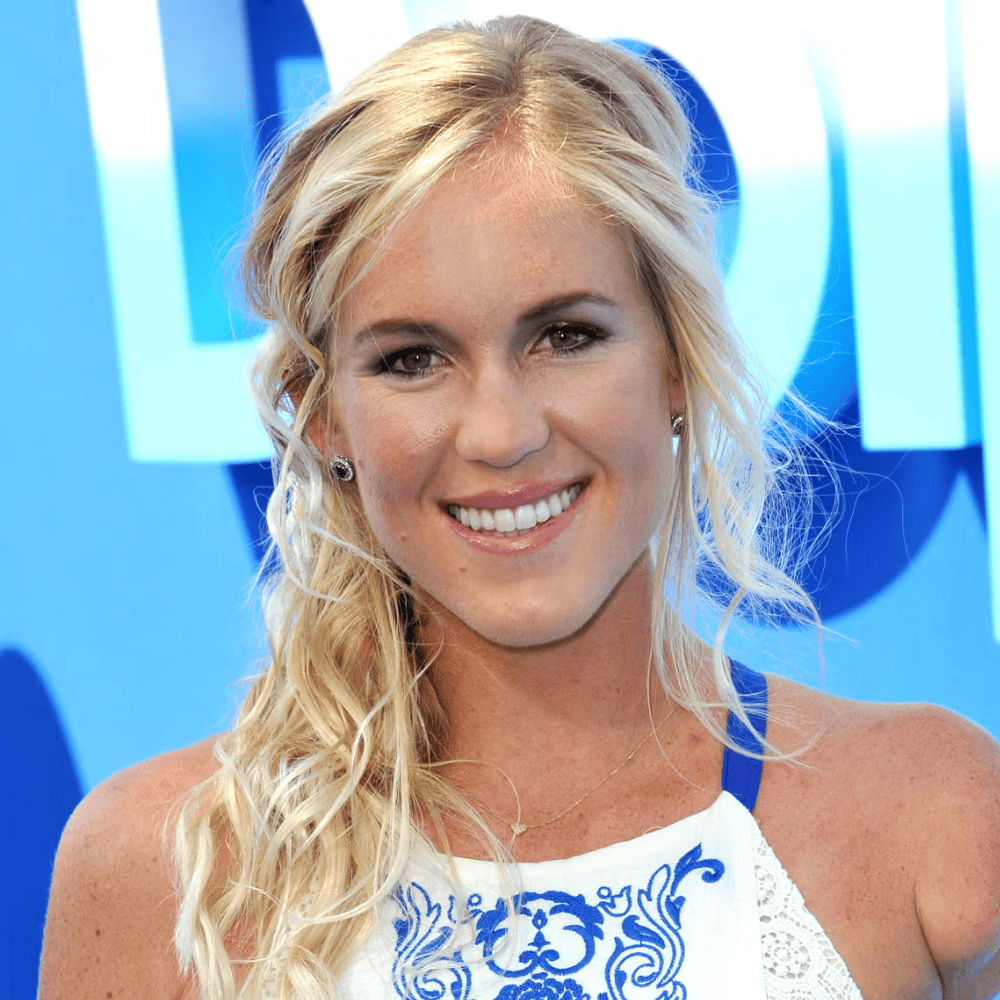
Bethany Hamilton survived a tiger shark attack at 13 that severed her left arm, then returned to professional surfing within months.
Born in Hawaii, Hamilton competed successfully despite her disability, inspiring millions through her flexibility.
She won multiple National Scholastic Surfing Association titles and competed on the World Tour.
Hamilton’s autobiography became the film “Soul Surfer,” spreading her message of determination beyond surfing.
She continues competing while raising a family and advocating for disabled athletes.
| Date of Birth | Nationality | Stance | |
|---|---|---|---|
| February 8, 1990 | American (Hawaiian) | @bethanyhamilton | Regular |
Big-Wave Surfers & Extreme Watermen
Big-wave surfing is surfing’s most dangerous frontier, where athletes face waves exceeding 50 feet and require specialized training and equipment.
21. Laird Hamilton
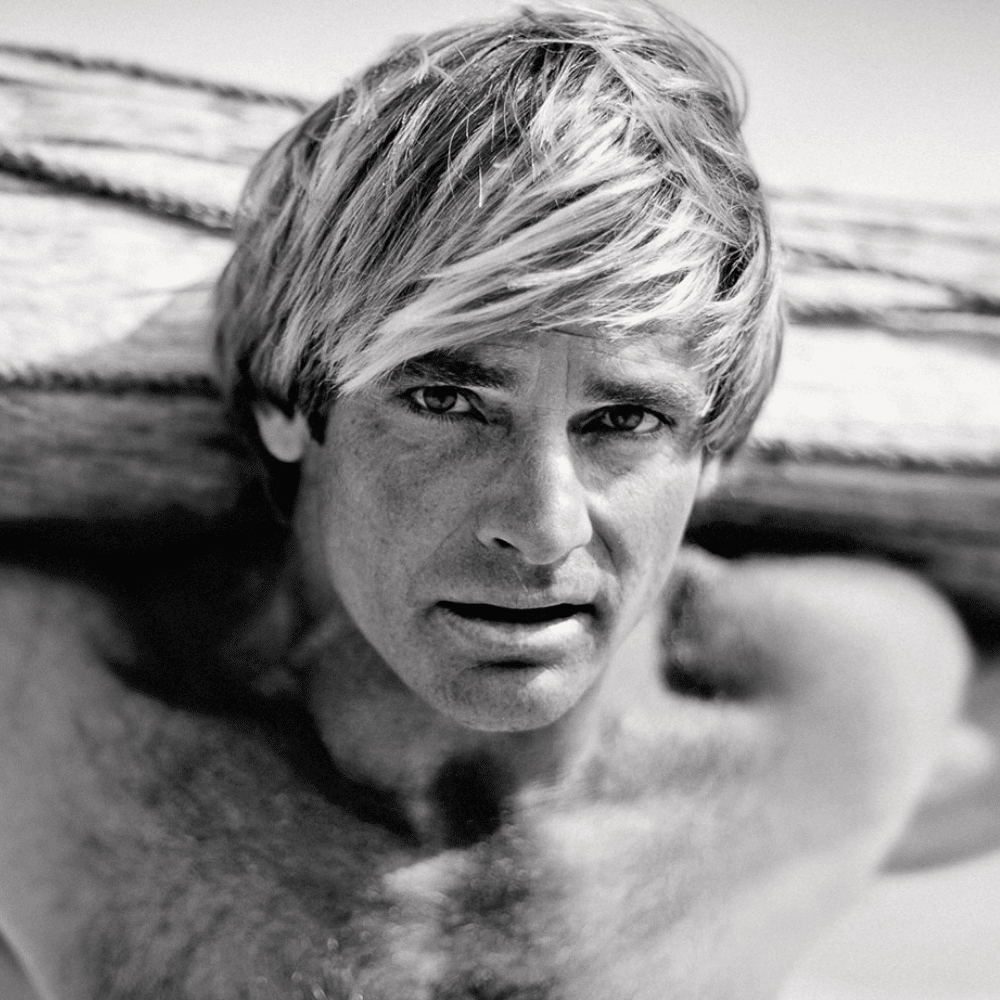
Laird Hamilton co-invented tow-in surfing, allowing surfers to catch previously unrideable waves by using jet skis for momentum.
Born in California and raised in Hawaii, Hamilton rode what many consider the heaviest wave ever surfed, the “Millennium Wave” at Teahupoo in 2000.
His photograph on that wave’s cover of Surfer magazine became iconic.
Beyond surfing, Hamilton pioneered stand-up paddleboarding and hydrofoil surfing, continually exploring new methods for wave-riding innovation.
| Date of Birth | Nationality | Stance | |
|---|---|---|---|
| March 2, 1964 | American | @lairdhamiltonsurf | Regular |
22. Maya Gabeira
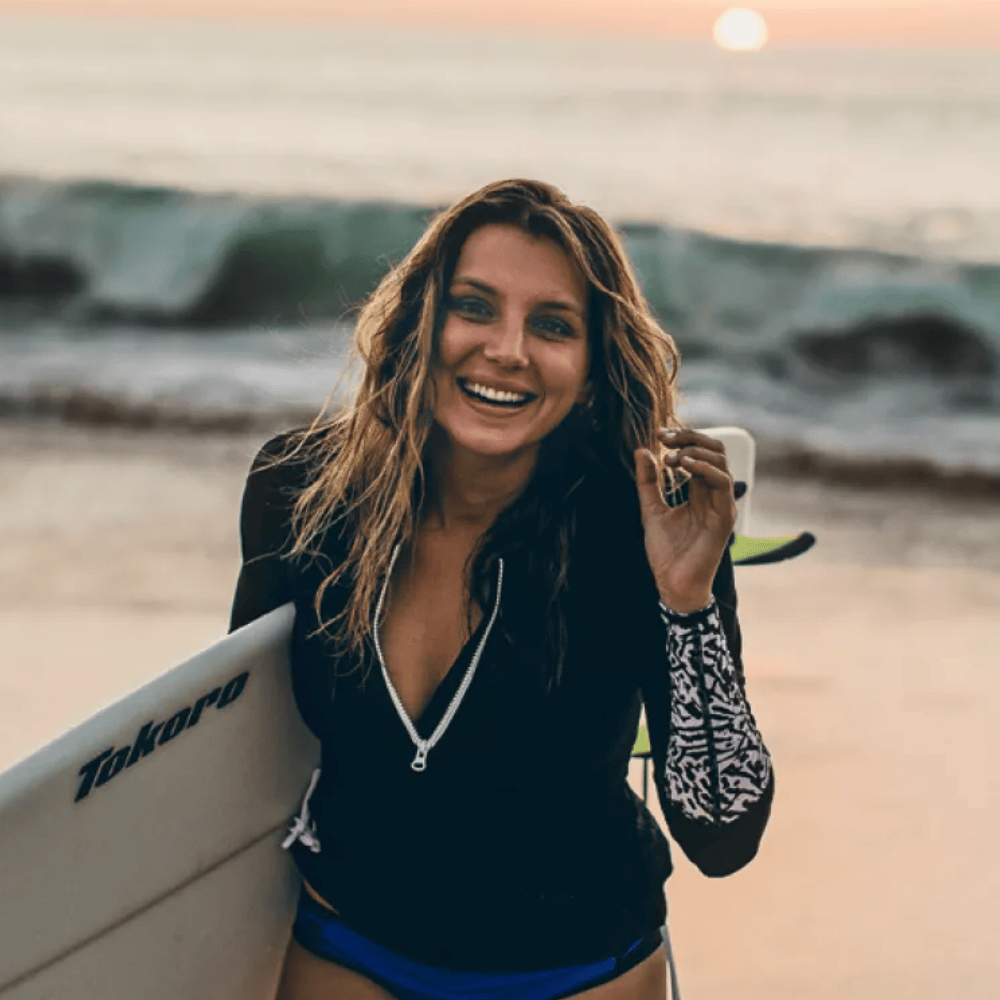
Maya Gabeira holds two Guinness World Records for the biggest wave surfed by a woman: 68 feet (2018) and 73.5 feet (2020), both at Nazaré, Portugal.
The Brazilian survived a near-fatal wipeout at Nazaré in 2013 that broke her ankle and required beach resuscitation.
She returned to competition, eventually riding waves larger than any man surfed that same year.
Gabeira won five Billabong XXL Global Big Wave Awards and an ESPY for Best Female Action Sports Athlete, proving women’s capability in extreme big-wave conditions.
| Date of Birth | Nationality | Stance | |
|---|---|---|---|
| April 10, 1987 | Brazilian | @maya_gabeira | Goofy |
23. Garrett McNamara
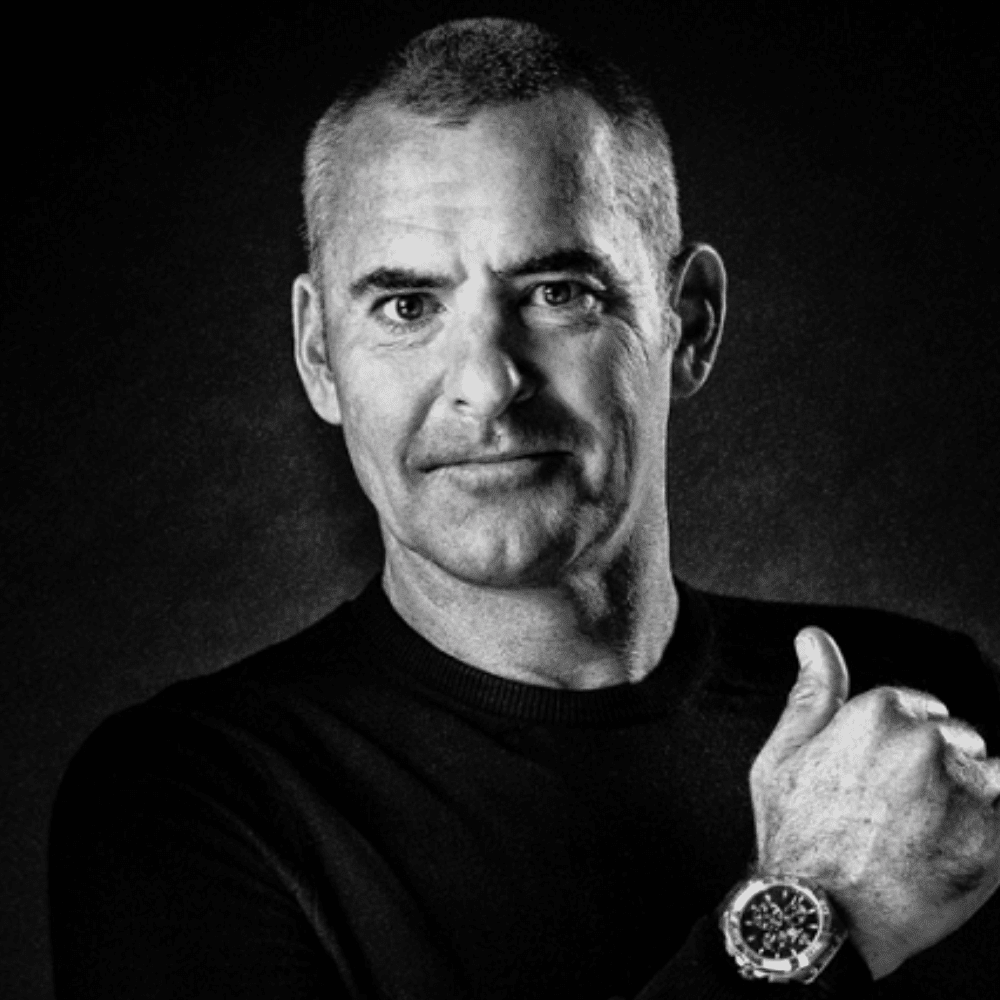
Garrett McNamara set a world record in 2011 by riding a 78-foot wave at Nazaré, Portugal, bringing international attention to that break’s potential.
Born in Massachusetts and raised in Hawaii, McNamara specialized in tow-in surfing at dangerous breaks worldwide.
He later founded the WSL Big Wave Tour event at Nazaré, establishing the Portuguese location as big-wave surfing’s premier destination.
McNamara’s willingness to explore uncharted breaks opened possibilities for future generations of big-wave surfers.
| Date of Birth | Nationality | Stance | |
|---|---|---|---|
| August 10, 1967 | American | @mcnamara_s | Regular |
24. Kai Lenny
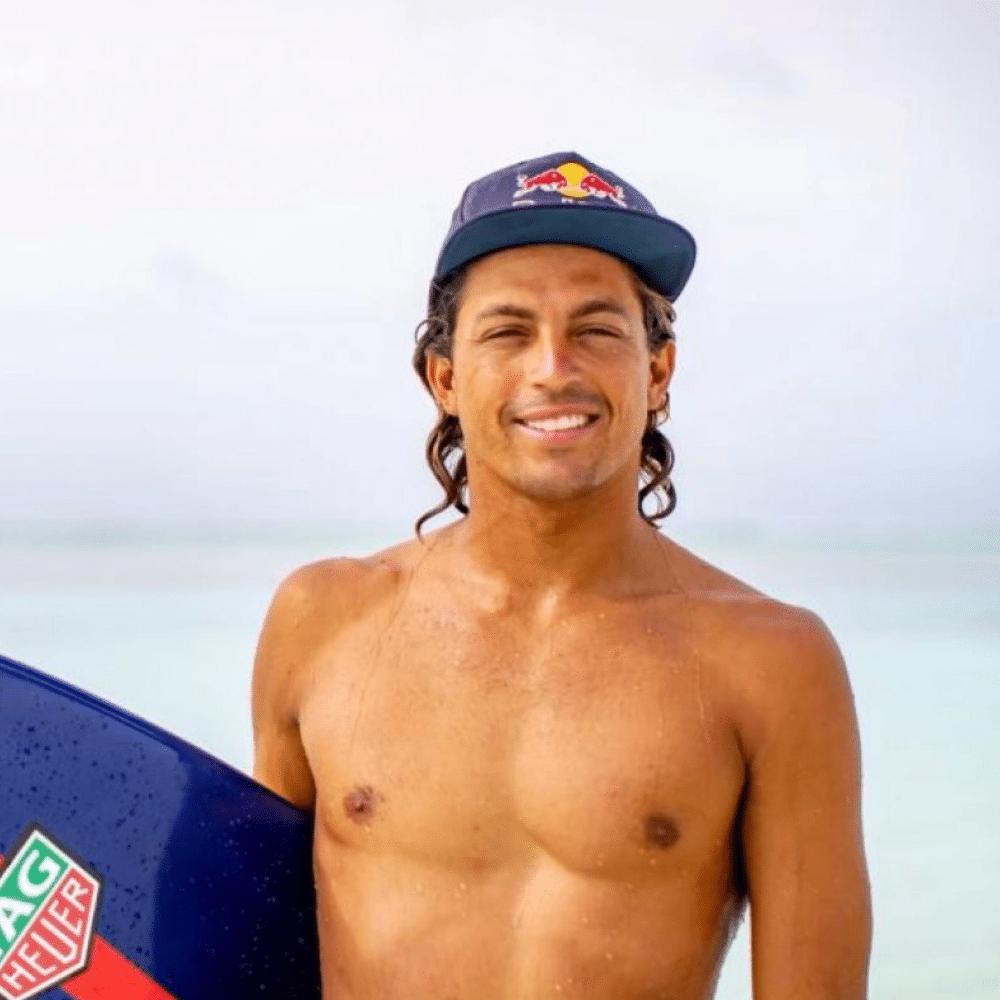
Kai Lenny represents the modern big-wave surfer who excels across multiple water sports, including surfing, stand-up paddling, windsurfing, and hydrofoiling.
Born and raised on Maui, Lenny tackles Jaws (Peahi) regularly and won the WSL Big Wave Tour in 2020.
His versatile approach combines traditional paddle-in surfing with tow-in methods and hydrofoil technology.
Lenny’s cross-training in multiple disciplines provides unique advantages in reading and riding massive swells under varied conditions.
| Date of Birth | Nationality | Stance | |
|---|---|---|---|
| October 8, 1992 | American (Hawaiian) | @kai_lenny | Regular |
25. Greg Noll
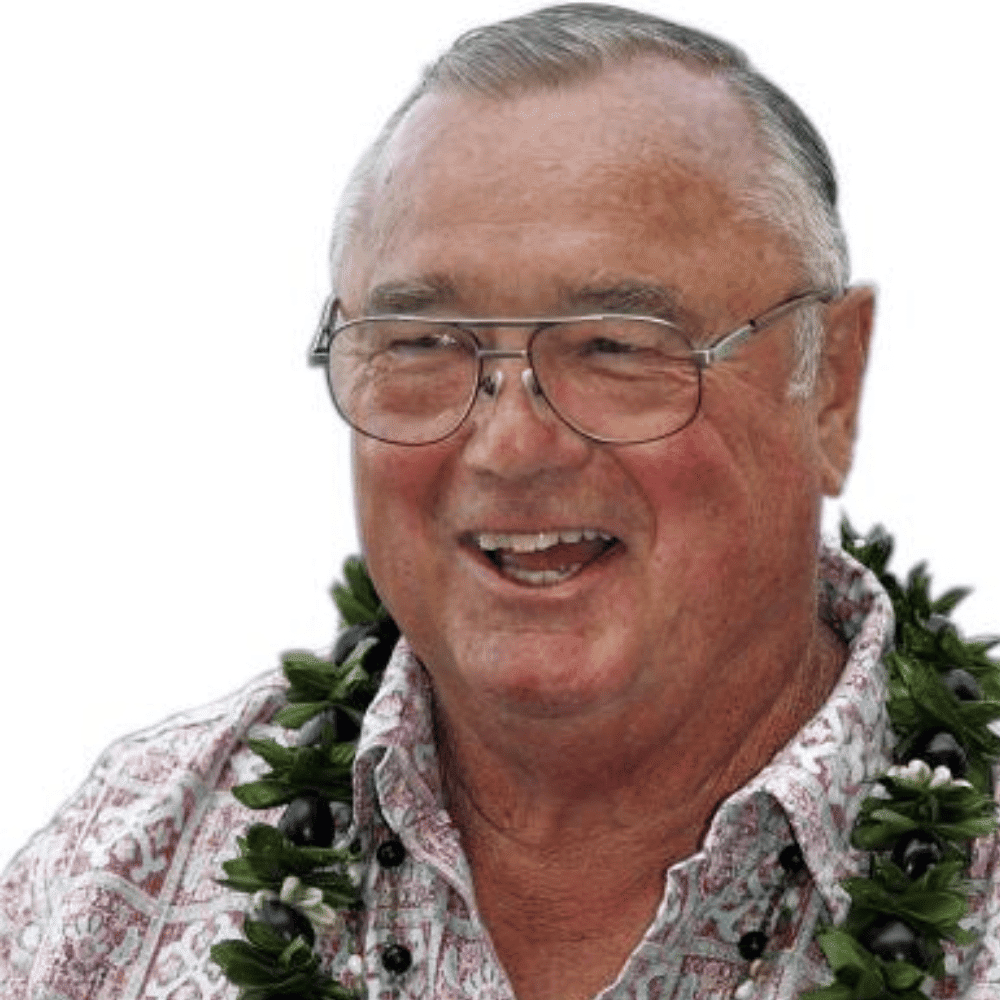
Greg Noll, nicknamed “Da Bull,” pioneered big-wave surfing at Waimea Bay in the 1950s and 1960s.
Born in California, Noll rode waves exceeding 30 feet before modern safety equipment existed, establishing protocols for heavy-water surfing.
His famous 1969 ride at Makaha during an enormous swell remained legendary for decades.
Beyond surfing, Noll became a respected surfboard shaper whose big-wave gun designs influenced equipment development.
His courage in exploring Waimea’s potential opened the North Shore of Hawaii to serious big-wave pursuit.
| Date of Birth | Nationality | Stance | |
|---|---|---|---|
| February 11, 1937 | American | N/A (Deceased 2021) | Regular |
Additional Influential Surfers Worth Mentioning
While the featured athletes are the most widely recognized, many others have made meaningful contributions to surfing’s progression.
Julian Wilson’s technical precision, Filipe Toledo’s progressive aerial approach, and Rob Machado’s smooth, style-driven surfing each left lasting impressions.
Bruce Irons charged heavy Hawaiian waves with fearless commitment, while Kolohe Andino carried American surfing onto the world stage and into the Olympics.
Taj Burrow remained among the most competitive surfers for nearly two decades, showcasing remarkable consistency.
Together, these surfers expanded performance standards and helped shape surfing’s modern identity.
Final Thoughts
Surfing attracts because it connects people to the ocean in a way few pursuits can match.
The surfers highlighted throughout this article expanded the sport through originality, commitment, and an unbreakable bond with the sea.
Their paths reveal how individual vision can influence techniques, equipment, and the culture that surrounds surfing.
Each athlete brought something distinct, showing that progress comes from curiosity, courage, and a willingness to push past comfort.
If any of these stories spoke to you, share this article, follow your favorite surfers, or head out for a session of your own.
The ocean is waiting……go catch a wave!!!