

Ask a surfer if surfing is a sport. You’ll get a passionate answer. But it might not be what you expect.
Some will say absolutely yes. Others will firmly disagree. This isn’t just a casual disagreement. It’s a debate that cuts to the heart of what surfing means.
Is surfing a sport? The question seems simple on the surface. Surfing involves physical skill. It has competitions. Athletes train for it. So why the controversy?
The answer reveals something interesting about surfing itself. It exists in a space between athletic competition and personal expression.
I find this debate interesting because it shapes how we understand surfing. If you’re curious about trying it or want to understand the culture, I’ll take you through both sides.
Let’s look at why this question continues to spark such intense discussion.
Is Surfing a Sport?
Surfing made its Olympic debut in 2020. Yet many surfers still argue it’s not really a sport.
This debate splits the surfing community.
One side points to competitions and intense physical demands. Surfing requires strength, balance, and quick reflexes. These are athletic skills.
The other side says surfing is more than athletics. It’s a lifestyle and a spiritual relationship with the ocean.
The history adds depth to this debate. Ancient Polynesians were riding waves over 1,000 years ago. They didn’t surf to win medals. They surfed because it brought them joy and connected them to nature.
This matters to surfers today.
Here’s what I’ve learned: surfing can be both a sport and a lifestyle. It depends on how you approach it.
When Was Surfing Invented, and Who Invented Surfing?
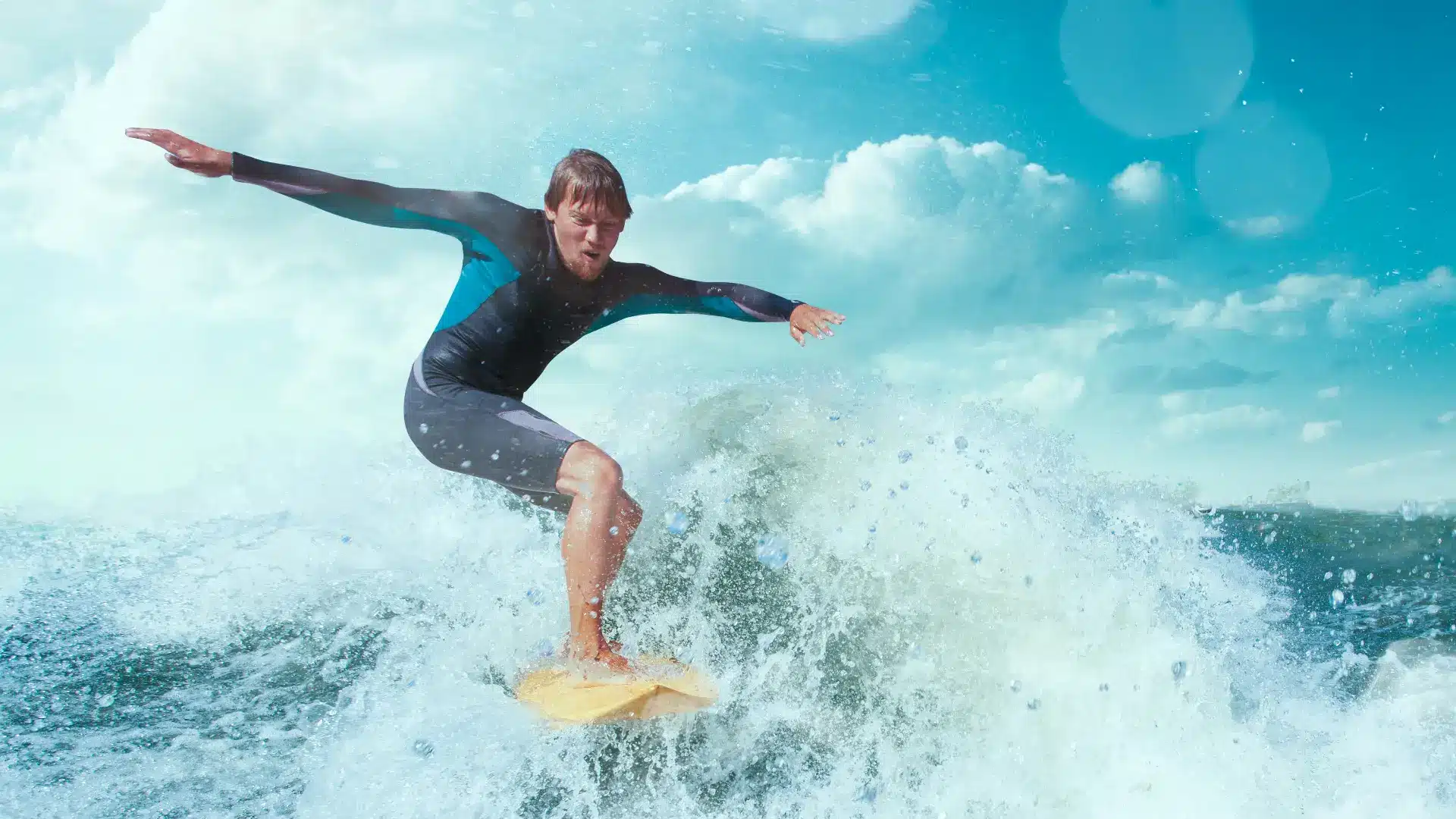
When I started researching when surfing was invented, I learned the answer dates back thousands of years.
Ancient Peruvians rode reed boats through waves 3,000 to 5,000 years ago. Written accounts from West Africa describe surf culture in the 1640s. Polynesian cave paintings from the 12th century show people riding waves.
Ancient Polynesians were the true pioneers of stand-up surfing, developing techniques and traditions that would shape the sport for thousands of years.
Hawaii became the birthplace of modern surfing around 400 AD. Hawaiians didn’t just surf for fun. It held deep spiritual meaning in their culture. The chiefs proved their status through surfing skills.
Surfing nearly disappeared in the 1800s. Then Duke Kahanamoku changed everything. He demonstrated surfing at the 1912 Olympics and traveled the world sharing the sport. George Freeth brought surfing to California in 1907.
Hollywood discovered surfing in the 1960s. Movies sparked a global surfing boom that continues today, prompting people to seek out famous surfers worldwide.
Why Some Surfers Say Surfing Isn’t a Sport?
I’ve talked to many surfers who reject the sport label entirely. They have compelling reasons that made me think differently.
-
No Defined Endpoints: Surfing has no fixed finish line; sessions end by choice or due to changing conditions, unlike timed games or set distances.
-
Nature Controls Everything: Waves, wind, tides, and swell timing are unpredictable, so you can’t plan sessions like scheduled court sports.
-
No Standardized Playing Field: Every break is different, so contests vary by location and day; judges score based on ever-changing ocean conditions.
-
Spiritual And Cultural Roots: In Hawaiian tradition, surfing is sacred and nature-focused, emphasizing respect and harmony rather than winning or domination.
-
Experience Over Competition: Many surf for feeling and respect, not competition; the ocean isn’t played, it’s shared, sensed, and understood.
These perspectives highlight why the debate continues. Surfing’s relationship with nature creates valid arguments against traditional sport classification and competitive frameworks.
The Sport Side: Olympic Recognition and Competition
Is surfing a sport? When I look at the official answer, it’s yes. Major sports organizations worldwide now recognize surfing as a legitimate competitive athletic activity.
Surfing’s Olympic Status (Tokyo 2020)
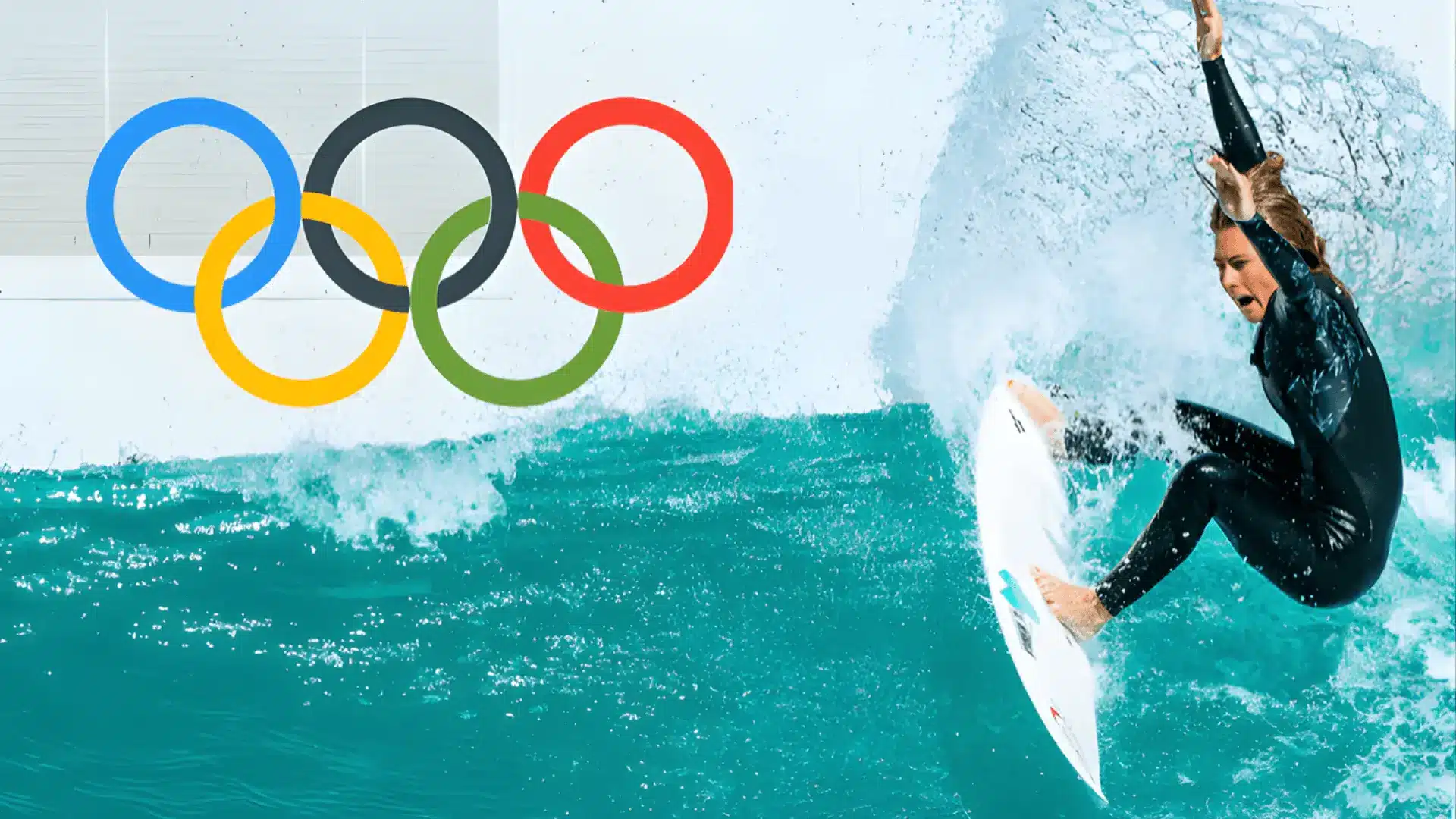
Surfing made its Olympic debut at the Tokyo 2020 Games. Brazil’s Italo Ferreira and America’s Carissa Moore won the first gold medals. This moment marked surfing’s official entry into the world of recognized competitive sports.
But what makes something officially a sport? The IOC looks for physical skill, competition structure, and standardized rules. Surfing checks all these boxes.
This Olympic recognition settled the debate for many people. Surfing now holds official sport status on the world stage.
How Competitive Surfing Works
The World Surf League runs professional competitions worldwide. Judges score surfers based on specific criteria. They evaluate maneuvers, difficulty, speed, power, and flow. Each wave receives a numerical score.
Surfers compete in ocean contests where conditions constantly change. Some events now use wave pools for consistent waves. Both formats test athletic ability and decision-making under pressure.
The judging system provides objective measurements of performance. Combined with intense physical demands, this structure fits the traditional definition of sport.
Why Surfing Is Considered A Challenging Sport?
Let me break down why surfing is so challenging. It really helped me understand the debate. The physical and mental demands rival any recognized competitive athletic activity I’ve seen.
-
Paddling Strength Requirements: Paddling works the shoulders and back nonstop. Getting through breaking waves quickly drains energy, so you need endurance and the ability to deliver short bursts of power.
-
Pop-Up Technique: You must pop up from lying flat to standing in about a second. It needs core strength, flexibility, and timing, or you miss the wave.
-
Wave Reading Skills: Surfers predict where waves will break and position themselves using swell direction, wind, and the ocean floor. This skill can take years.
-
Harsh Ocean Conditions: Cold water, strong currents, and marine life create real risks. Surfers train for wipeouts, including staying calm when held underwater.
-
Mental Toughness: Fear doesn’t fully go away. Surfers manage it every session, balancing risk and progress while staying focused under pressure.
-
Extended Learning Curve: Standing up comes fairly quickly, but turning well takes months. Riding steep, critical sections confidently can take years of practice.
These demands explain why many consider surfing a legitimate sport. The combination of physical skill and mental toughness defines true athletic competition.
The Dual Nature of Surfing
I’ve observed that surfing exists on a spectrum. Professional athletes train like Olympic competitors. They follow strict workout regimens and analyze video footage. They travel the world for contests.
These same professionals also paddle out on rest days just for fun. No judges. No scores.
Weekend surfers experience the opposite journey. They start for relaxation and end up pushing their limits. They set personal goals and challenge themselves.
I’ve seen this at local beach breaks; both realities exist simultaneously. One surfer practices competition maneuvers.
Another floats peacefully between sets. All share the same lineup. This flexibility makes surfing unique. You choose your relationship with it. That relationship can shift from session to session.
The Bottom Line: Where Do You Stand?
Is surfing a sport? The debate over this question reveals something deeper than simple classification.
I’ve shown you the Olympic recognition and competitive structures. I’ve shared voices defending surfing’s artistic and spiritual dimensions.
This ongoing discussion adds to surfing culture rather than dividing it. Understanding multiple perspectives lets you appreciate the full picture of what happens when humans meet waves.
What I’ve learned is that your relationship with surfing remains yours to define. Some may train intensely for competition. Others seek peaceful moments on open water. Neither approach diminishes the other.
Curious about experiencing this firsthand? Knowledge and safety form the essential starting point. Check out these beginner surfing tips to learn to surf safely before heading to the beach.
Where do you stand on this debate? Share your take in the comments below.