
If you’ve ever considered rowing, one of the first questions that comes up is simple: Is crew an expensive sport?
The short answer is yes—but the full story is more balanced. While competitive rowing can involve high costs, beginners and casual rowers can often get started at a surprisingly reasonable price.
Before looking at costs, it helps to understand how crew works as a sport. It’s a team-based activity that relies on shared equipment, coaching, and facilities, and that structure plays a big role in shaping the cost of participation.
Why Crew Is Considered Expensive
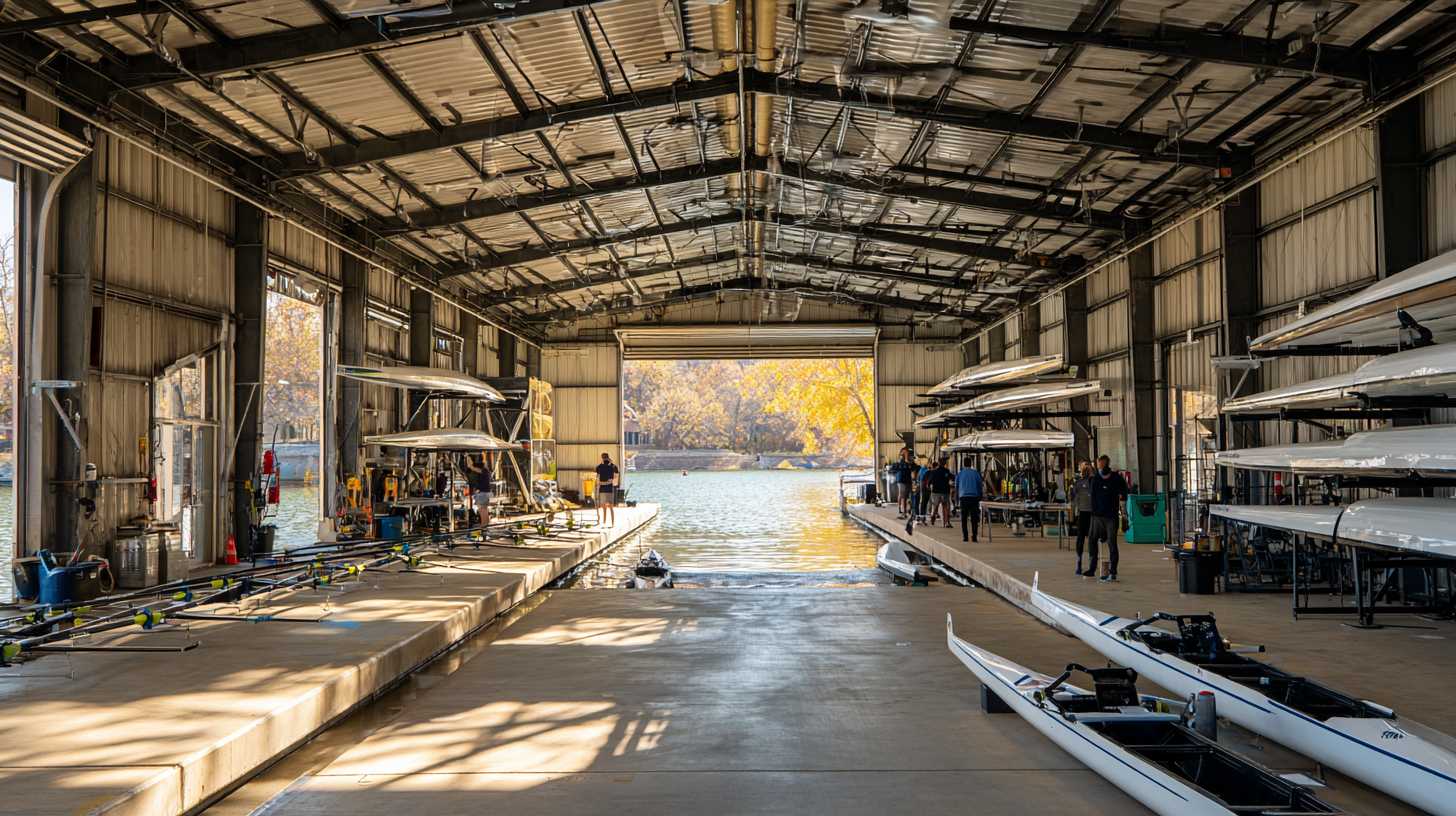
Crew is often labeled an expensive sport due to its infrastructure. Unlike sports that require minimal equipment, rowing depends on high-cost assets such as shells (boats), oars, safety launches, docks, and boathouses.
A single racing shell can cost $30,000–$60,000, while oars can range from $300–$600 each, and clubs must maintain multiple boats for different team sizes and skill levels.
In addition to equipment, clubs invest heavily in coaching staff, insurance, transportation, and regatta participation.
These costs are distributed among members through fees and dues, which is why rowing can feel more expensive compared to traditional school sports.
Typical Crew Costs for Beginners
The good news is that getting started doesn’t always require a huge financial commitment. Many clubs offer beginner or “learn-to-row” programs designed to introduce newcomers to the sport at a lower cost.
These programs typically range from about $100 to $300 for a short course, with some national memberships starting as low as $10 for beginners. This keeps the initial barrier to entry lower than many assume.
As you progress, costs increase depending on your level:
- Junior programs (high school level): ~$1,000–$5,000 per year
- Adult recreational rowing: ~$500–$1,500 annually
- Competitive club rowing: Can exceed $3,000+ per year
It’s also worth knowing that crew operates differently at the college level. Whether a school offers it as a varsity or club program can significantly influence what athletes pay.
What Fees Do Rowers Usually Pay?
Understanding the breakdown of rowing costs makes planning easier. Most rowers pay for several components:
- Club membership or dues: The highest recurring cost
- Coaching fees: Often included in dues
- Regatta entry fees: Paid per competition
- Travel expenses: Transportation, hotels, and meals
- Uniforms (unisuits): Typically $100–$200
These expenses vary widely, with recreational programs on the lower end and competitive teams, especially those that travel, costing significantly more each season.
Recreational rowers often pay significantly less than those competing at regional or national levels.
What You Actually Need
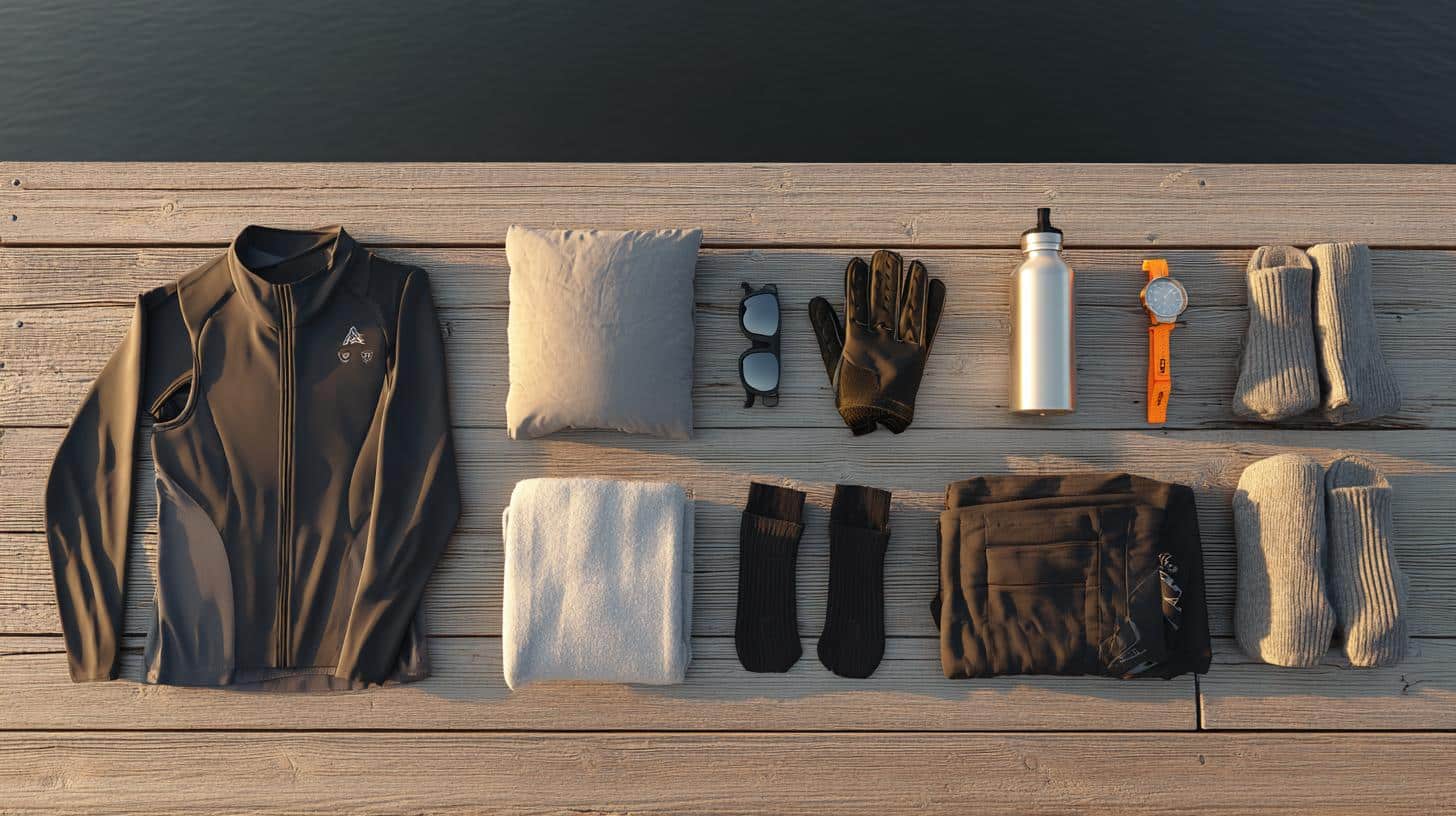
One advantage of rowing is that most of the expensive equipment is provided by the club. You don’t need to buy a boat or oars to participate. However, there are some essentials every rower should have:
Must-have gear
- Unisuit (rowing uniform): Designed for comfort and performance
- Moisture-wicking shirt: Useful for training sessions
- Athletic socks: Prevent blisters during long rows
- Water bottle: Hydration is critical
Optional gear
- Rowing gloves: Help prevent blisters
- Sunglasses or hat: Protection during outdoor sessions
- Thermal layers: Important for cold-weather rowing
- Seat pad: Adds comfort for longer practices
Compared to sports that require personal equipment like rackets or pads, rowing gear is relatively minimal.
Hidden Costs You Should Expect
Beyond the obvious fees, there are a few hidden costs that can catch beginners off guard:
- Travel weekends: Regattas often require overnight stays, making travel one of the biggest overall cost drivers
- Food and meals: Especially during competitions
- Fundraising contributions: Common in junior programs
- Replacing lost or worn-out gear
These additional expenses can add up over a season, particularly for competitive athletes.
Is Crew Worth the Cost?
Despite the cost, many athletes and families find rowing worth the investment. Crew offers a unique combination of endurance training, teamwork, and discipline.
It’s also one of the few sports where athletes of different body types can excel in different roles. There’s also a strong cultural perception around the sport.
Some people associate rowing with elite schools or exclusive clubs, which is why it’s often seen as a preppy sport, though much of that perception comes from its history rather than reality.
In reality, the sport has become increasingly accessible through community programs and public clubs.
How to Reduce the Cost of Rowing
If you’re interested in crew but concerned about the cost, there are several ways to make it more affordable:
- Start with a learn-to-row program: Low commitment and lower cost
- Choose recreational rowing: Less expensive than competitive teams
- Buy second-hand gear: Many clubs have resale options
- Ask about scholarships: Many programs offer financial aid
- Limit travel teams initially: Travel is a major cost driver
Being strategic about how you enter the sport can significantly reduce expenses.
Final Thoughts
Crew can be expensive, especially at the competitive level, where club dues, travel, and regattas add up quickly.
However, many beginners start through affordable learn-to-row programs or recreational clubs that offer a much lower-cost entry point. Ultimately, the cost of rowing depends on your level of commitment.
With the right approach, crew can be both accessible and rewarding, making it less about how expensive the sport is and more about how you choose to participate.