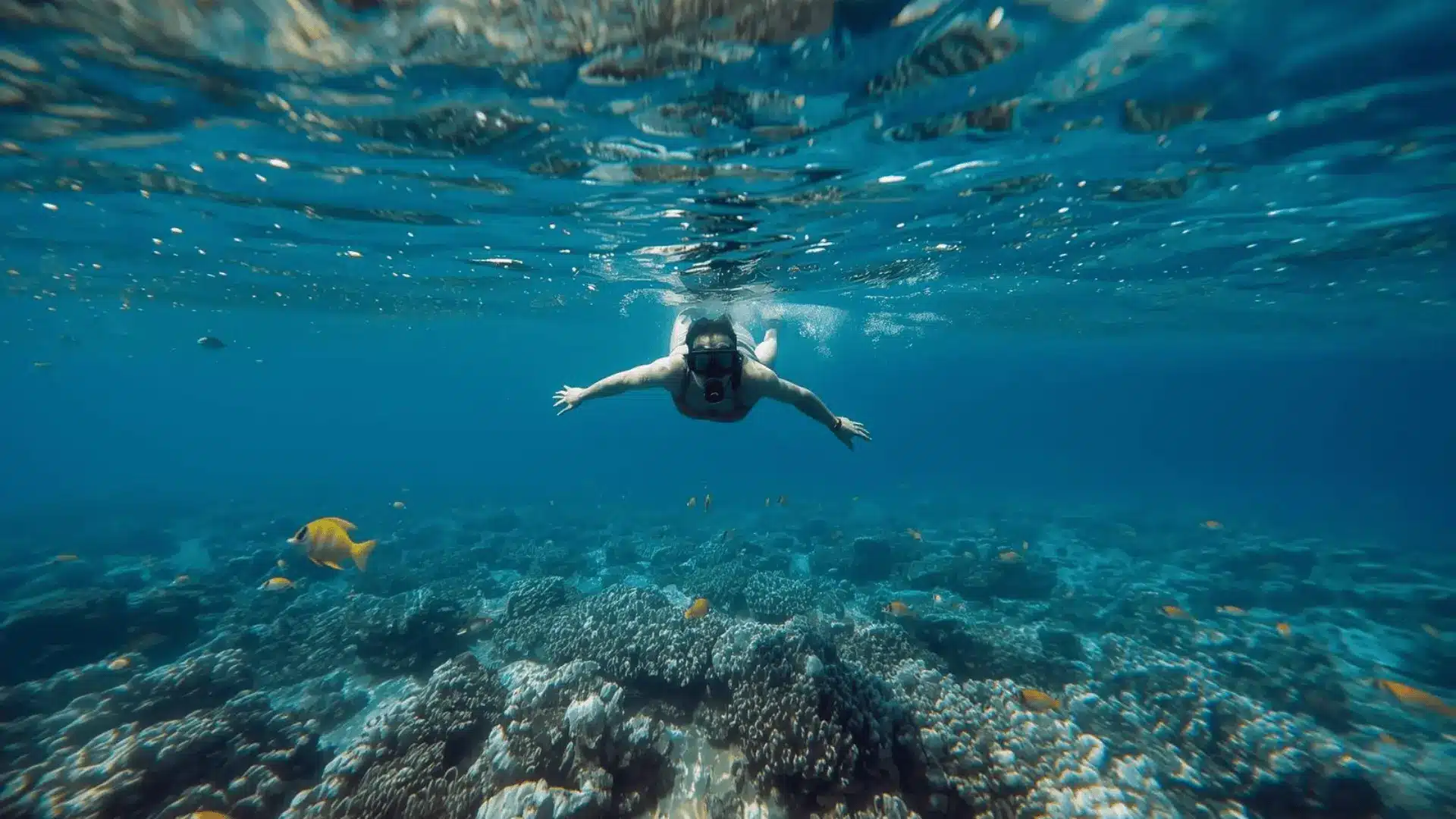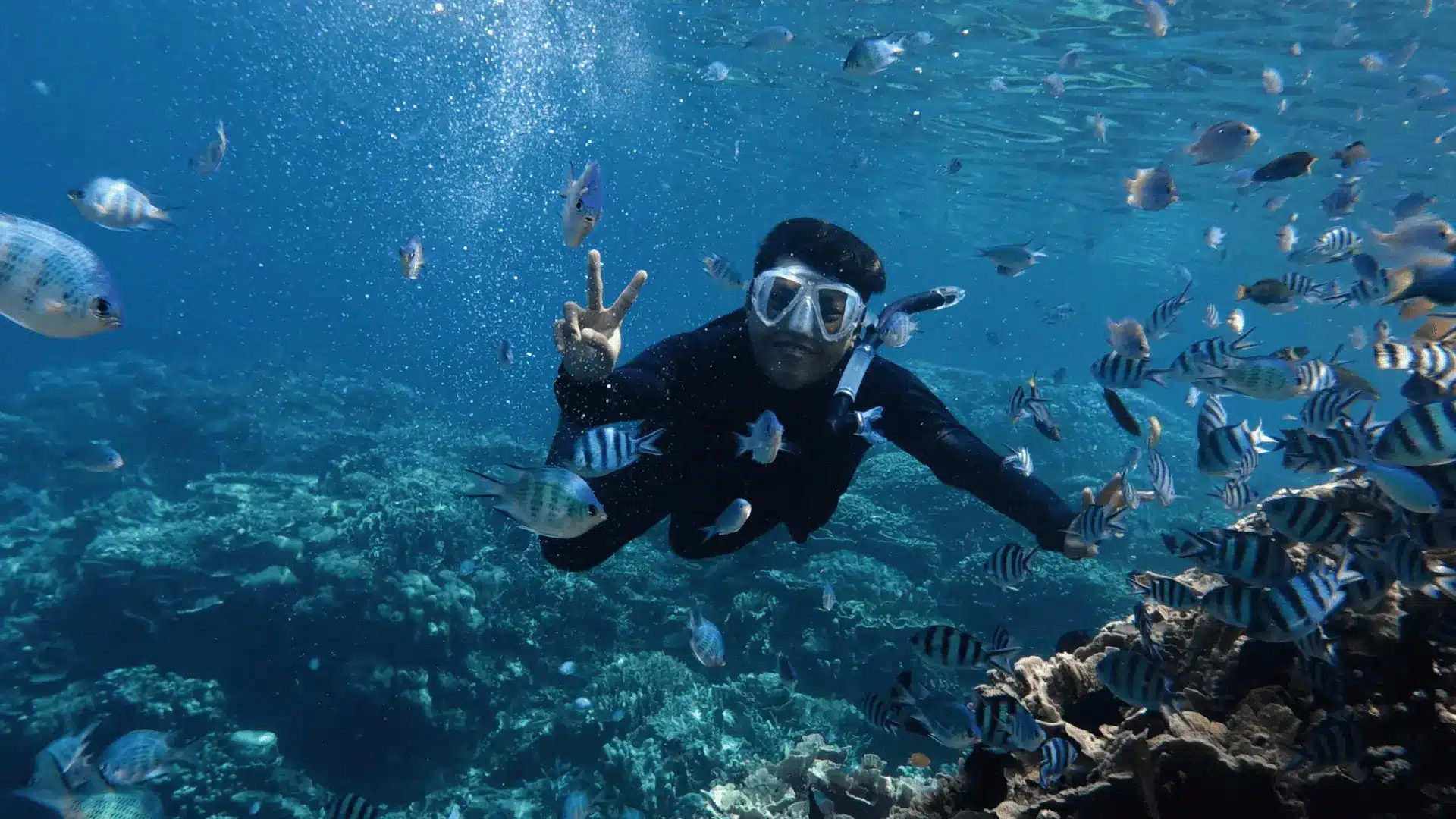
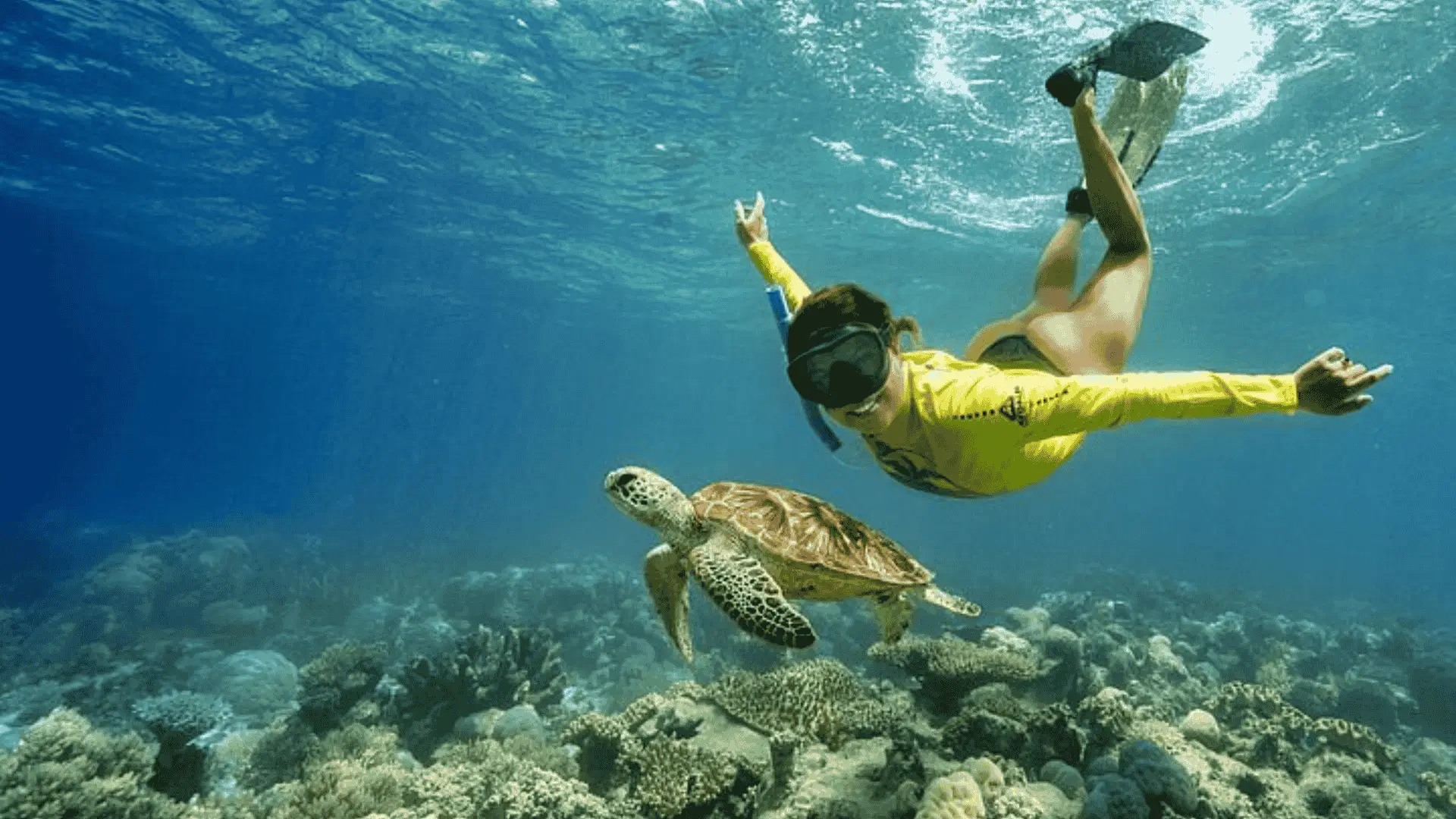
Imagine dipping beneath crystal-clear water and coming face to face with sea turtles, vibrant fish, and coral gardens that look almost unreal. Great Barrier Reef snorkeling delivers exactly that kind of magic.
This underwater paradise stretches for 1,400 miles off Australia’s coast, and visiting is more straightforward than most people expect.
Planning the perfect trip means knowing where to go, when to book, and what to pack. Here you will find details on the top snorkeling locations, the best months for calm water, tour options that fit every budget, and essential gear for the boat ride.
Learn safety tips to protect both visitors and the reef. It works for first-timers, families, couples, solo adventurers, and anyone ready to see one of Earth’s most breathtaking natural wonders up close.
Why the Great Barrier Reef Is Perfect for Snorkeling?
The Great Barrier Reef offers some of the clearest, warmest water in the world. This makes it perfect for snorkeling. The water stays calm in most areas, especially near the inner reefs.
Visibility often reaches 60 to 100 feet, so it’s easy to see everything below. The reef sits in shallow waters, which means snorkelers don’t need to go deep to see incredible coral and fish.
Water temperatures range from 24°C/75°F in the winter to 30°C/86°F in the summer, while maximum air temperatures range from 24°C/75°F to 32°C/90°F.
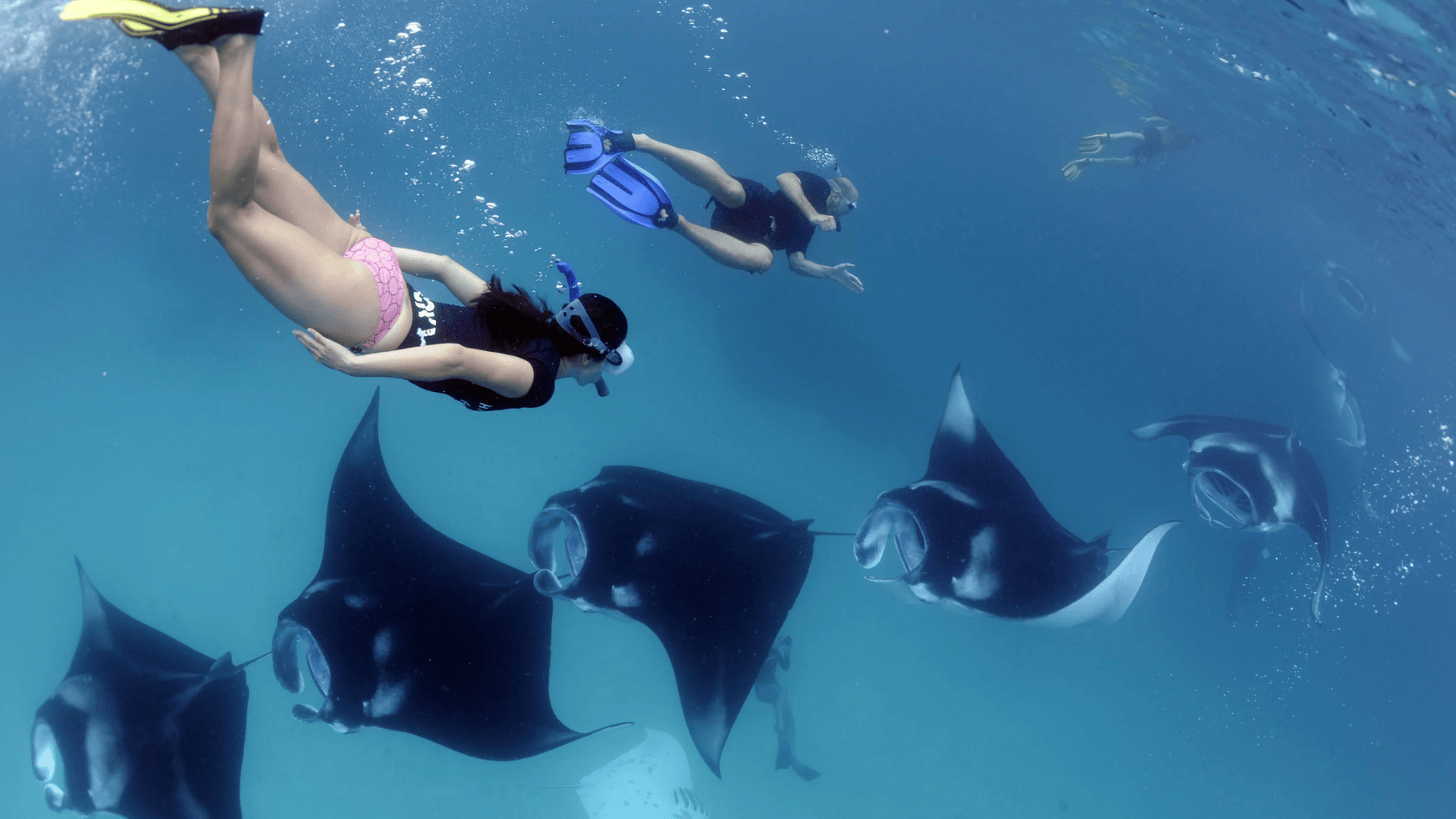
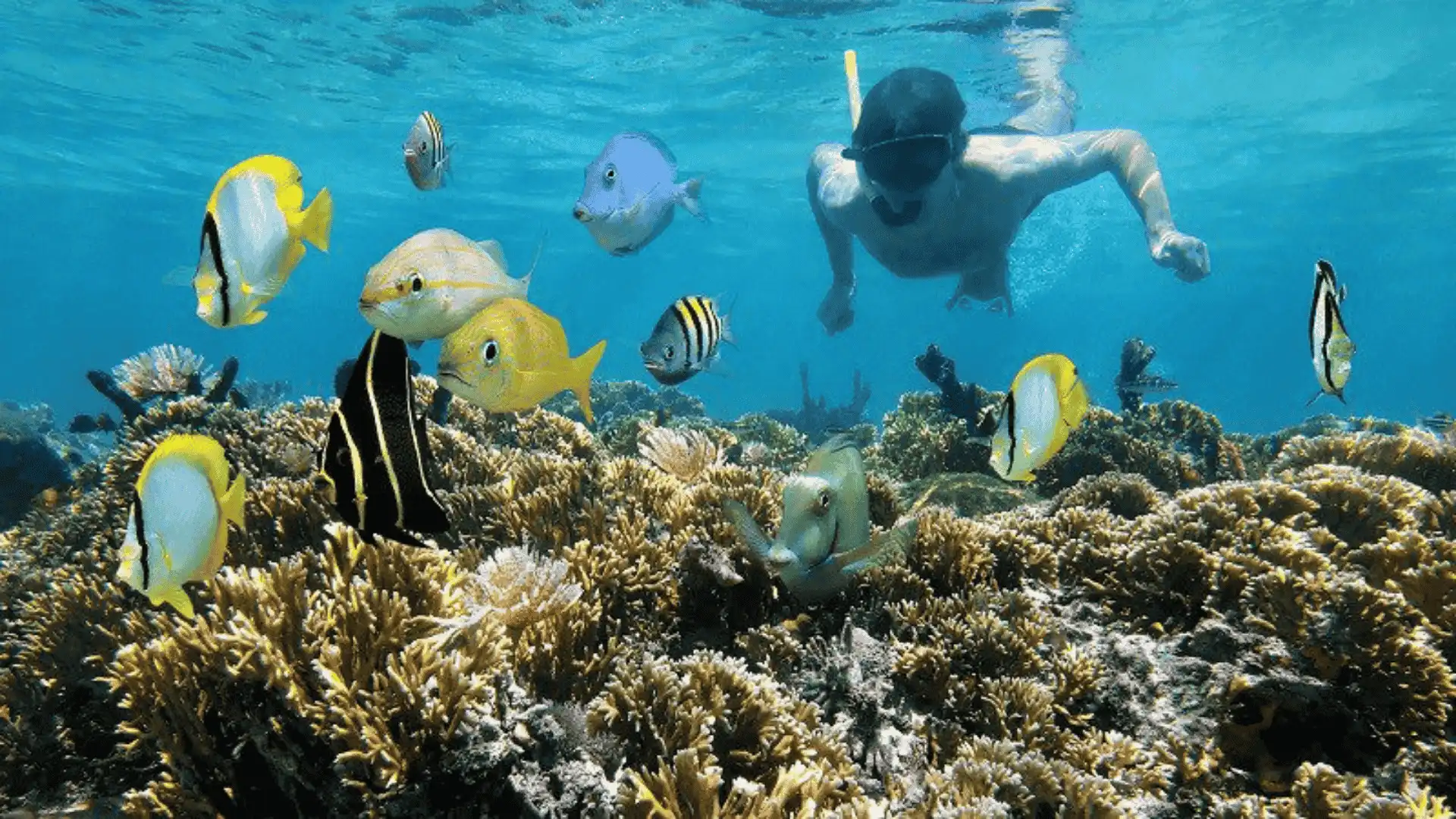
Thousands of fish species live here, along with sea turtles, rays, and colorful coral formations. There’s something new to see at every turn, making each snorkeling session feel special and memorable.
Read more about the diving seasons here: Diving seasons.
Best Places For Great Barrier Reef Snorkeling
Choosing the right starting point can make a big difference in the snorkeling experience. Each location offers something different, from busy tour hubs to quiet beach towns.
Here’s a look at the most popular places to begin a Great Barrier Reef snorkeling trip:
- Cairns: This is the most popular starting point for reef trips. It has the widest range of tour options and plenty of hotels and restaurants.
- Port Douglas: This coastal town sits closer to the outer reef. Day trips reach the reef faster, giving visitors more time to snorkel in the water.
- Whitsundays: This area combines beautiful islands with easy access to the reef. Visitors can snorkel around islands and take day trips to outer reef locations in one vacation.
- Townsville: This quieter city has fewer tourists and lower prices. Reef sites are less crowded, making them perfect for people who want a more relaxed experience.
Each location has its own benefits, so pick one based on your budget, travel style, and available time.
Outer Reef Vs Island Reefs: What’s Better For Snorkeling?
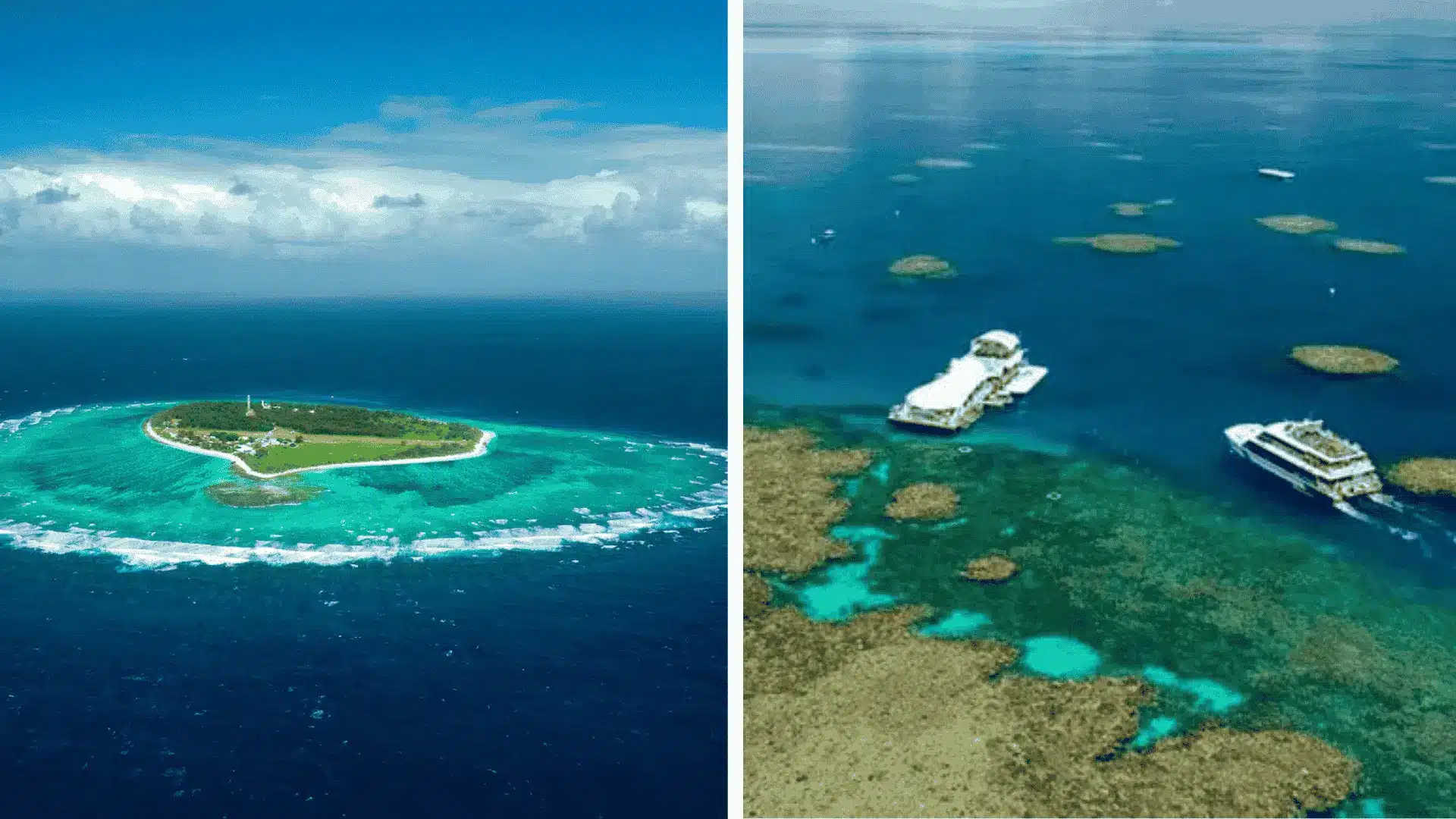
The Great Barrier Reef has two main snorkeling areas: the outer reef and the island reefs. Understanding the differences helps visitors choose the option that best meets their needs.
- Outer reef: The water here is clearer with better visibility. There’s more coral coverage and bigger fish. Tours take longer but offer the most impressive snorkeling experience.
- Island reefs: These reefs surround islands and are easier to reach. Boat rides are usually 30 to 60 minutes long. Coral and fish are still quite beautiful.
- Pontoons: These floating platforms sit on the outer reef. They have easy entry, restrooms, shade, and guided tours. Perfect for beginners, families, and mixed-ability groups.
Both options give access to beautiful coral and marine life. First-timers might want to try the island reefs first, then move to the outer reef for a second trip.
Tour Options And Reservation Details For Snorkeling the Great Barrier Reef
Booking the right tour makes all the difference when snorkeling great barrier reef the right way. Most tours include snorkel gear, lunch, and guide services.
Here are the top tour options with their details:
| Tour Option | Reef Stops / Sites | Timing | Activities Included | Price (Approx) |
|---|---|---|---|---|
| Ocean Free: Green Island Sailing + Pinnacle Reef | Green Island + Pinnacle Reef | ~8:00 am–5:00 pm | Snorkeling with a guide, snorkel gear, and lunch included | ~AU$279 adult |
| Passions Of Paradise: 2 Reef Sites Snorkel | Two outer reef sites | ~8:00 am–5:00 pm | Snorkel gear, tuition, flotation, lunch | ~AU$269 adult |
| Silversonic: Agincourt Reef 3 Sites | 3 reef stops on Agincourt | ~8:30 am–4:30 pm | Snorkel gear & instruction, lunch | ~AU$315 adult |
| Quicksilver Outer Reef Pontoon | Outer Reef Pontoon | ~10:00 am–4:30 pm | Snorkeling, underwater observatory, glass-bottom boat | ~AU$325 adult |
| Cairns Full-Day Premium Snorkeling | Two outer reef locations | ~7:30 am–5:00 pm | Snorkeling gear, lunch included | Prices vary |
| Great Barrier Reef Snorkel Adventure | Typically, 2 reef locations | ~8:00 am–4:30 pm | Snorkeling, lunch, marine life viewing | From ~US$190+ |
Most tours need to be booked at least a few days in advance, especially during peak season. Prices may vary depending on the time of year and any extras added to the package.
How to Make the Right Tour Choice?
With so many tours available, picking the right one can feel overwhelming. A little research goes a long way in finding the perfect match.
- Skill Level: Beginners should look for tours with calm, shallow sites and patient instructors. Experienced snorkelers might prefer outer reef trips.
- Group Size: Smaller groups mean more personal attention and less crowding at snorkel sites.
- What’s Included: Check if the price covers masks, snorkels, fins, wetsuits, flotation devices, meals, and drinks.
- Reef Location: Some areas have better coral health or clearer water. Pick the spot that appeals most.
- Budget and Time: Half-day tours cost less but are shorter. Full-day and liveaboard options cost more but offer richer experiences.
By weighing these factors, travelers can choose a tour that fits their needs and ensures a memorable time on the reef.
Other Popular Reef Activities You Can Add
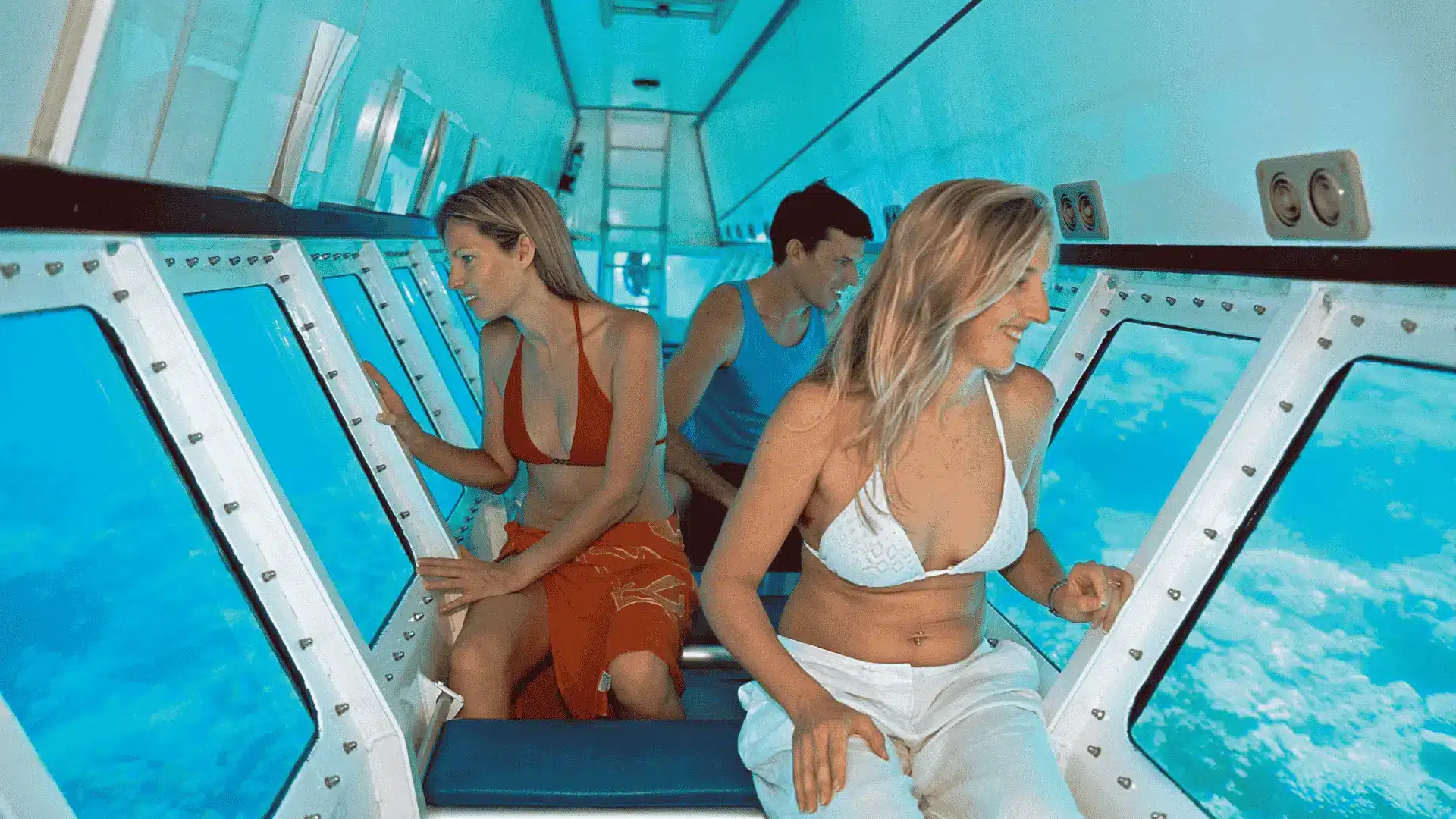
Not everyone wants to get in the water, and that’s okay. The Great Barrier Reef has plenty of activities for people who prefer to stay dry. These options still provide great views of the underwater world.
- Glass-bottom boat rides let passengers see the reef through clear panels in the boat floor. Fish and coral pass directly underneath while everyone stays completely dry and comfortable.
- Semi-submersible reef viewing is done from boats with underwater windows. Passengers sit below the waterline and watch the reef pass by as the boat slowly moves over different areas.
- Underwater observatories on pontoons have large windows that look out onto the reef. People can stand inside and watch fish swim past at eye level without getting wet.
- Scenic helicopter flights show the reef’s massive size from above. The bright blue water and coral formations create patterns that can only be seen from the air during these flights.
- Island beach time gives people a chance to relax between snorkeling sessions. Some tours include stops at islands with white sand beaches and calm swimming areas for breaks.
These activities work well for young children, elderly visitors, or anyone who isn’t comfortable swimming. They can also be added to snorkeling tours for a more complete reef experience.
What To Pack For The Trip?
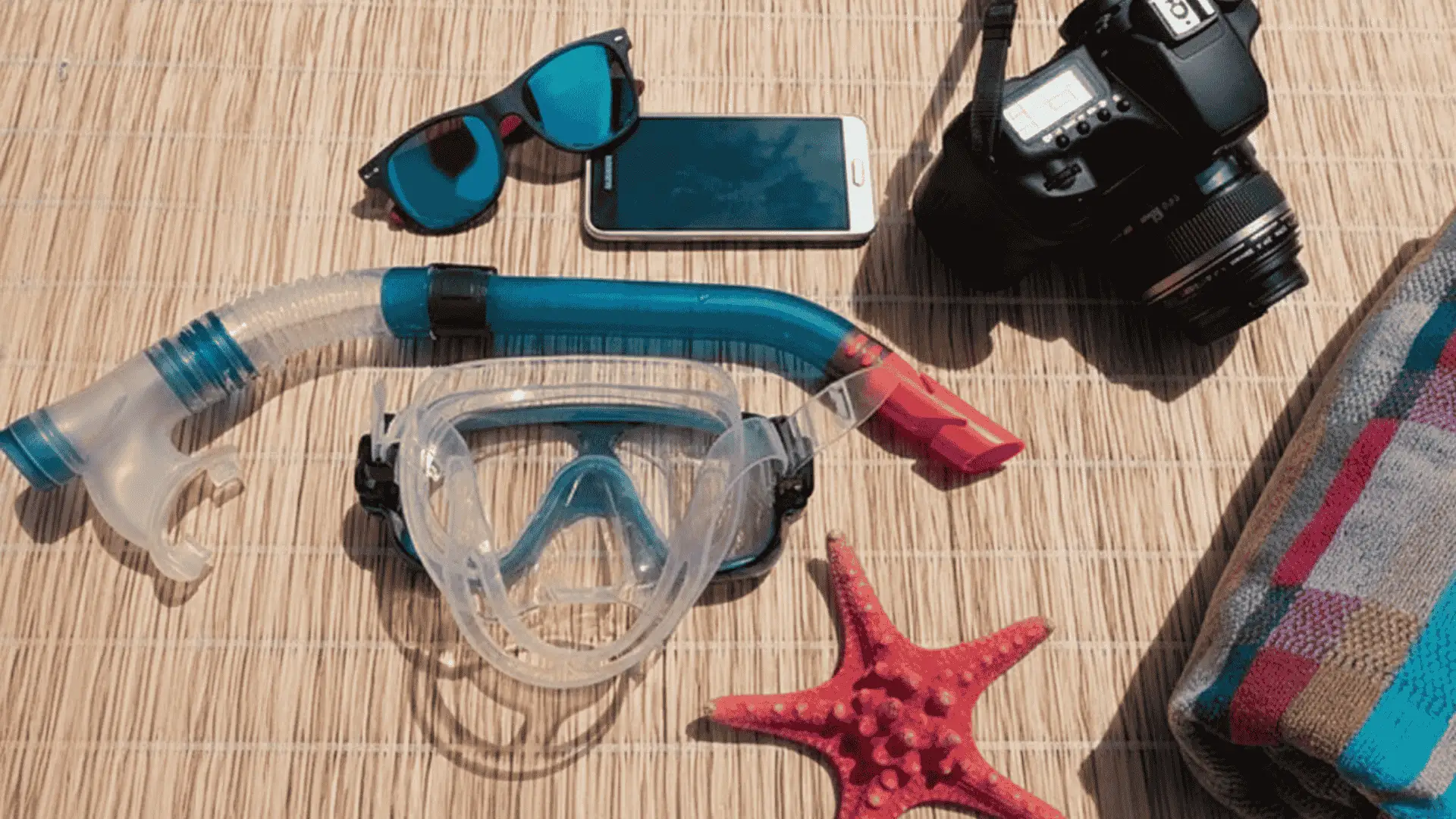
Packing the right items makes the snorkeling trip more comfortable and fun. Start with swimwear, a towel, and reef-safe sunscreen that won’t harm the coral.
Sunglasses and a hat protect against the strong sun on the boat. People who get seasick should bring motion sickness tablets.
A dry bag keeps phones and wallets safe from water. Pack a light jacket because it can get windy on the boat, even on warm days. A refillable water bottle helps stay hydrated throughout the day.
Optional items include a waterproof phone pouch for photos, anti-fog spray for the snorkel mask, and an underwater camera to capture the reef. Most tours provide snorkel gear and lunch.
Things To Keep In Mind When Visiting
Following a few simple rules keeps everyone safe and protects the reef for future visitors. Here are the most important things to remember.
- Safety briefings: Guides provide important information on currents, weather, and snorkeling safety. Pay attention, these briefings help prevent accidents and keep everyone safe.
- Don’t touch coral: Coral looks like rock, but it’s actually alive. Touching it damages the reef and can cause cuts that get infected. Keep hands and feet away from all coral.
- Stay in marked areas: These zones are chosen for safety and have the best conditions. Swimming outside marked areas can lead to strong currents or dangerous situations.
- Don’t chase wildlife: Getting too close stresses marine animals and disrupts their natural behavior. Watch from a respectful distance and let them swim away if they want to leave.
- Weather changes plans: Rough seas or poor visibility can force operators to visit different reef sites. Trust the captain’s decisions; they know which locations offer the safest and best.
Following these guidelines protects both visitors and the reef. Most rules are common sense, but they make a real difference in preserving this natural wonder for everyone to enjoy.
Conclusion
Great Barrier Reef snorkeling is easier to plan than most people think. The top starting points include Cairns, Port Douglas, and the Whitsundays, each offering different experiences and budgets.
Visiting during the right season ensures clear water and calm conditions. Tours range from budget-friendly group trips to premium pontoon experiences.
Packing reef-safe sunscreen, a dry bag, and motion sickness tablets makes the day more comfortable. Following simple safety rules protects both visitors and the reef.
Now it’s time to take action. Choose a base city that matches the travel style. Pick a tour that fits the budget and skill level.
Book early to secure the best dates. Ready to start planning? Comment below which tour you chose.