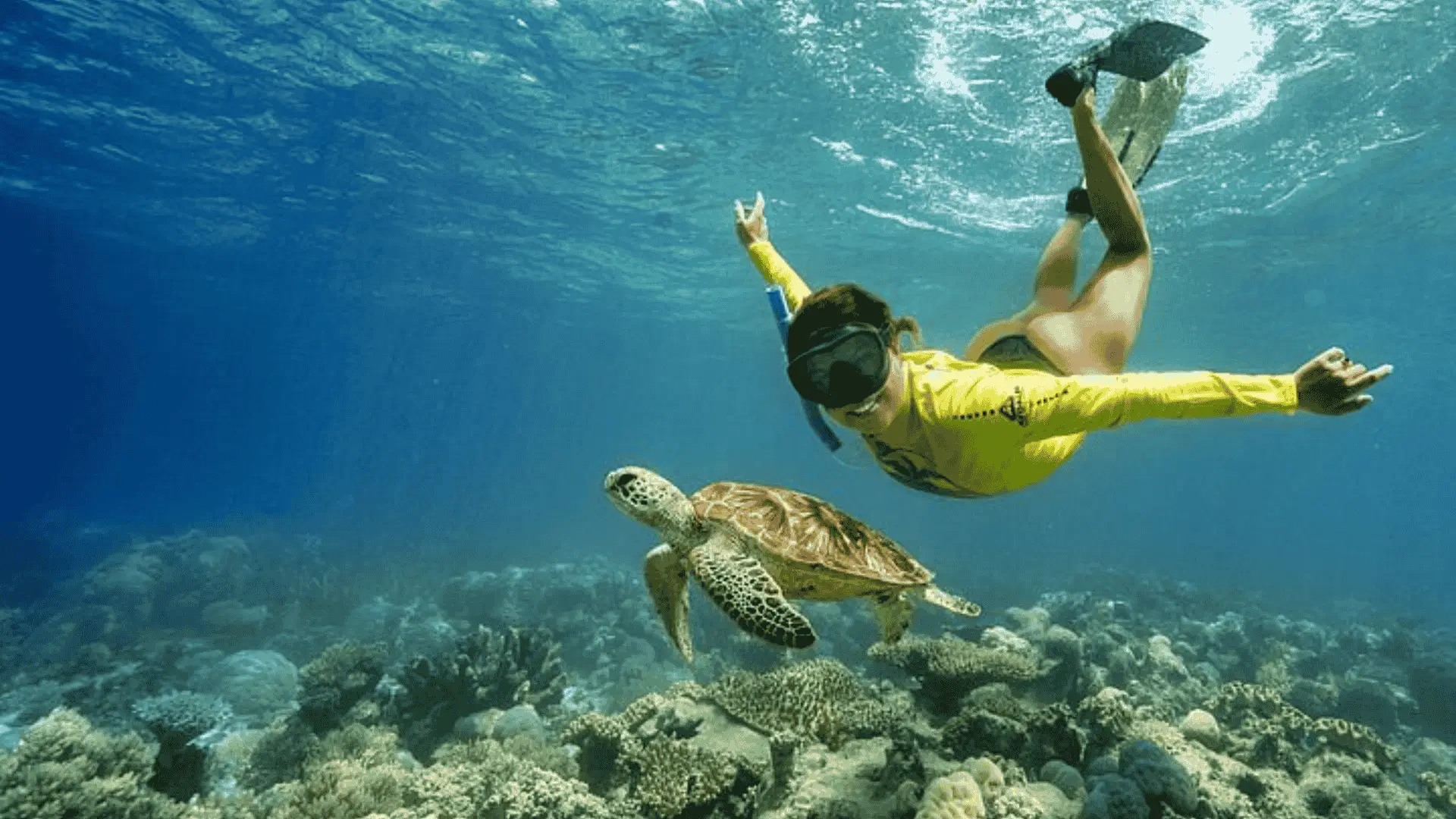
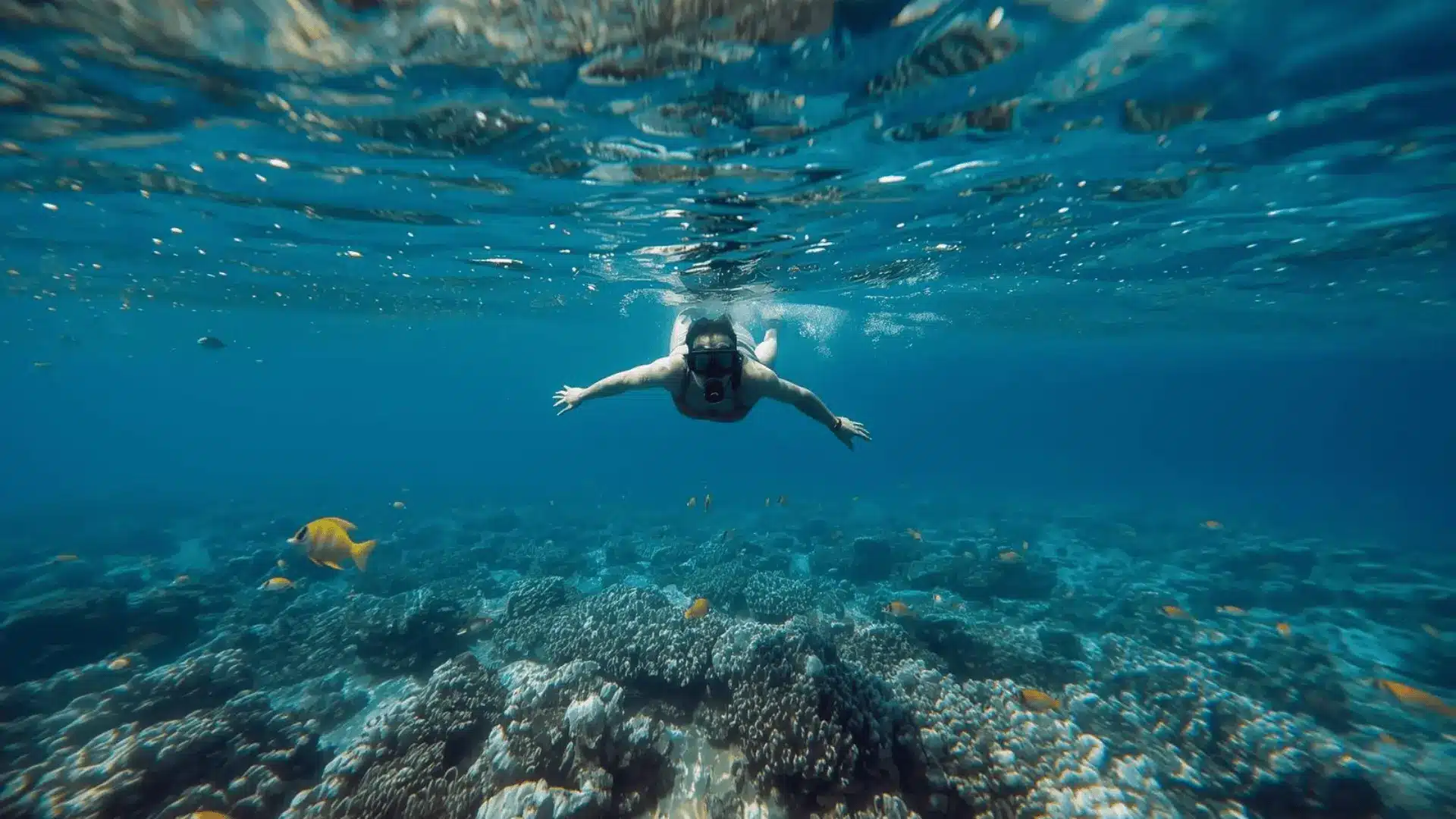
The Caribbean offers some of the world’s best snorkeling. Warm, crystal-clear water surrounds colorful coral reefs where sea turtles glide past and tropical fish dart between rocks.
You don’t need to be an expert swimmer or have special certifications.
With just a mask, snorkel, and fins, you can float on the surface and watch an underwater world come to life below you.
This guide shows you where to find the top snorkeling spots across Caribbean islands, what you’ll see beneath the waves, and how to plan the perfect trip for your skill level.
Why Caribbean Snorkeling is a Must-Have Experience
The Caribbean Sea is like nature’s aquarium. The water stays warm all year, usually between 78°F and 84°F.
Visibility in Caribbean waters is exceptional. On most days, you can see 60 to 100 feet ahead underwater. It’s like looking through a giant window into an underwater world.
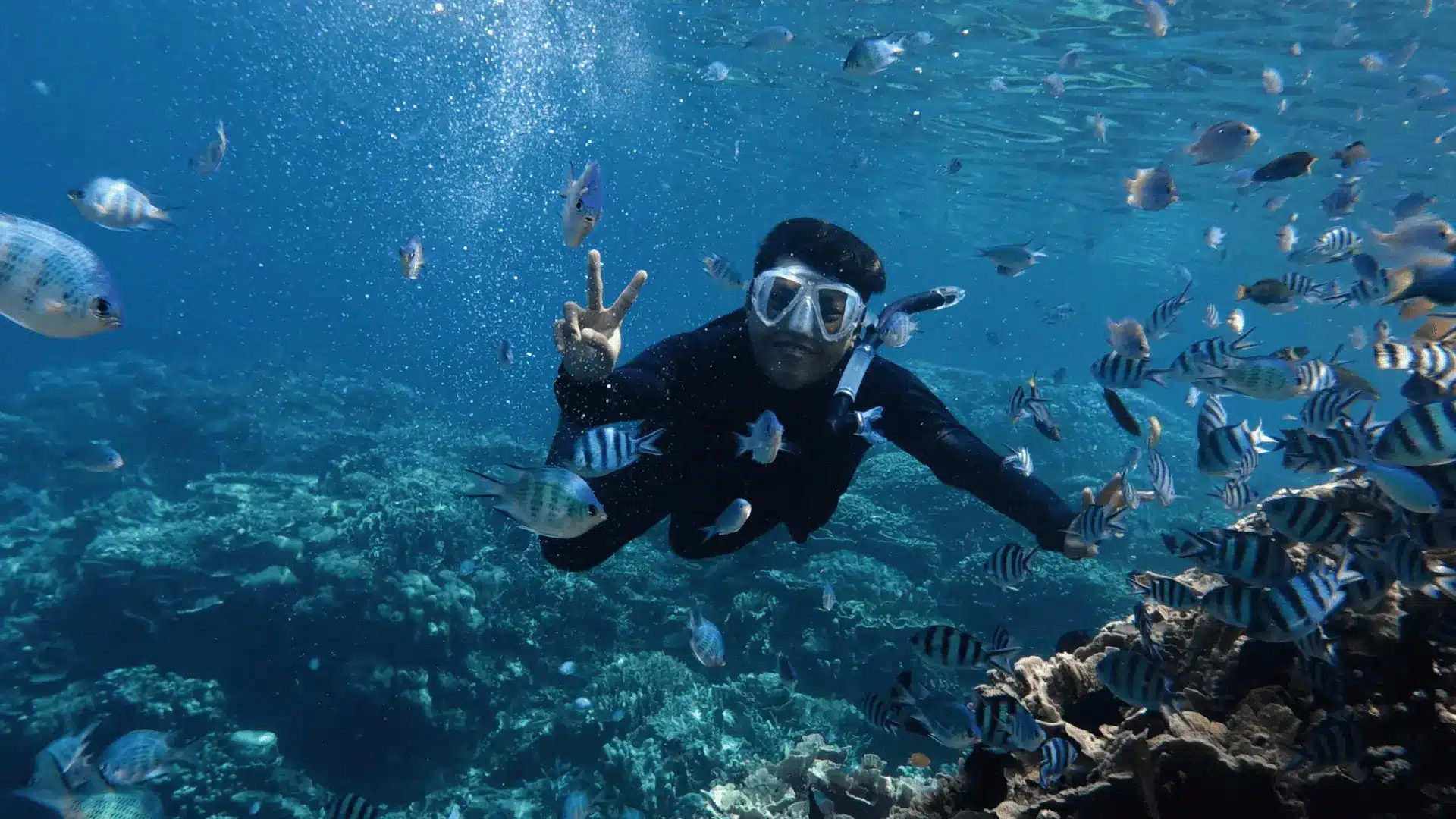
The marine life here is extraordinary. You’ll see parrotfish munching on coral, angelfish gliding past, and schools of tiny silver fish moving together like a cloud.
Sea turtles are common at many spots. Some islands even have stingrays and nurse sharks that are used to snorkelers.
Many snorkeling spots are just steps from the beach. You don’t need a boat or a guide. Just walk into the water and start looking around.
Top Caribbean Islands for Snorkeling
1. Cozumel, Mexico
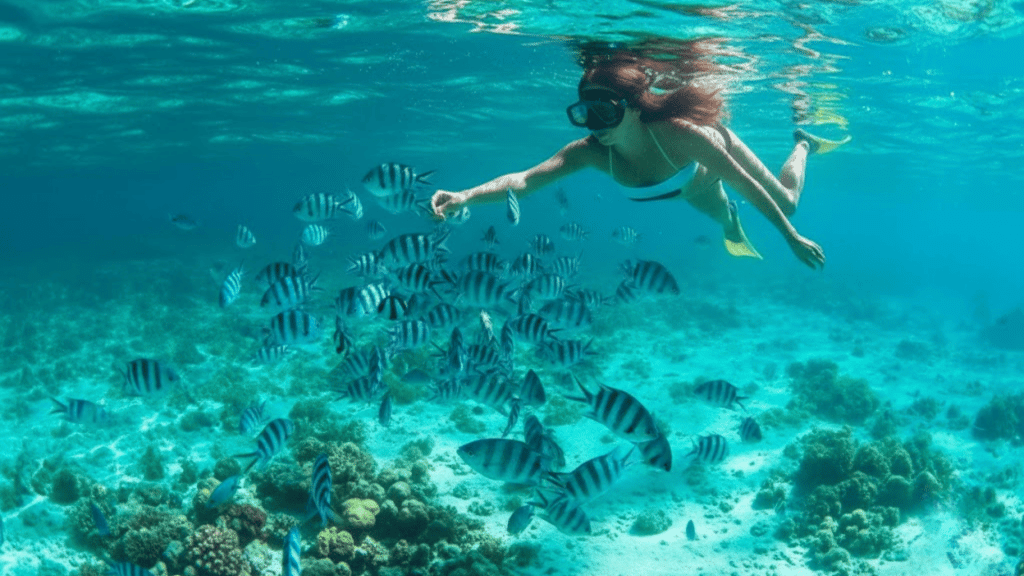
Cozumel sits along the Mesoamerican Barrier Reef with incredibly clear water and easy access to coral formations. Paradise Reef and Chankanaab Park offer shallow reefs perfect for beginners, featuring brain coral, fan coral, and colorful tube sponges.
Fish like sergeant majors, blue tangs, and stoplight parrotfish swim right up to your mask without fear.
Pro Tip: Visit Chankanaab Park early morning before cruise ship passengers arrive for a quieter reef experience.
2. Bonaire
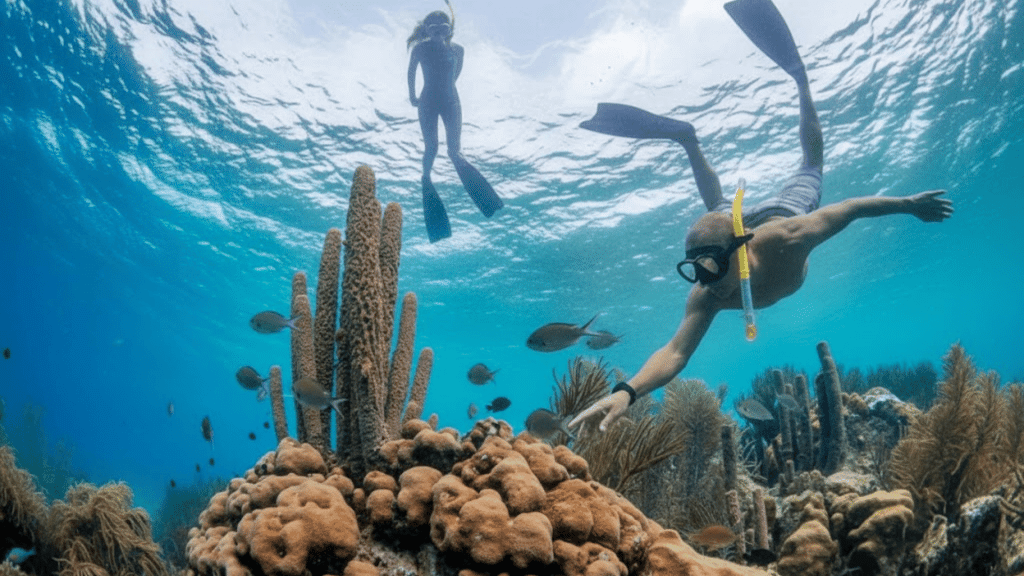
Bonaire features over 80 marked shore-access snorkel sites along its protected coastline, making it perfect for independent explorers. Yellow rocks mark easy entry points where healthy coral grows in shallow 5-10 feet of water.
You’ll see elkhorn coral, swaying sea fans, and colorful sponges with strong fish populations throughout. Popular spots include 1000 Steps, Bari Reef, and Klein Bonaire, most with parking and shower facilities.
Pro Tip: Rent a truck and drive the coastal road, stopping at multiple sites throughout the day for variety.
3. Barbados
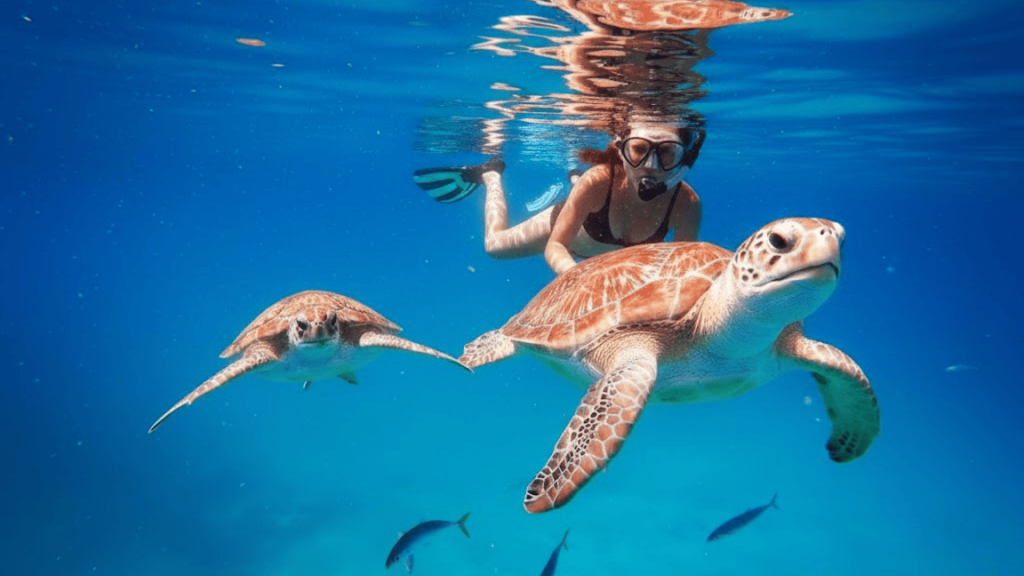
Folkestone Marine Park near Holetown is a protected marine reserve with vibrant coral gardens just a short swim from the beach. You’ll see sea fans swaying in the current, schools of tropical fish, and frequent sea turtle sightings.
The park has a small museum, interpretive center, picnic area, and showers for a full day out. Paynes Bay offers calm-water turtle encounters through guided boat tours and catamaran cruises.
Pro Tip: Visit Folkestone’s museum before snorkeling and book Paynes Bay turtle tours for morning feeding times.
4. Cayman Islands
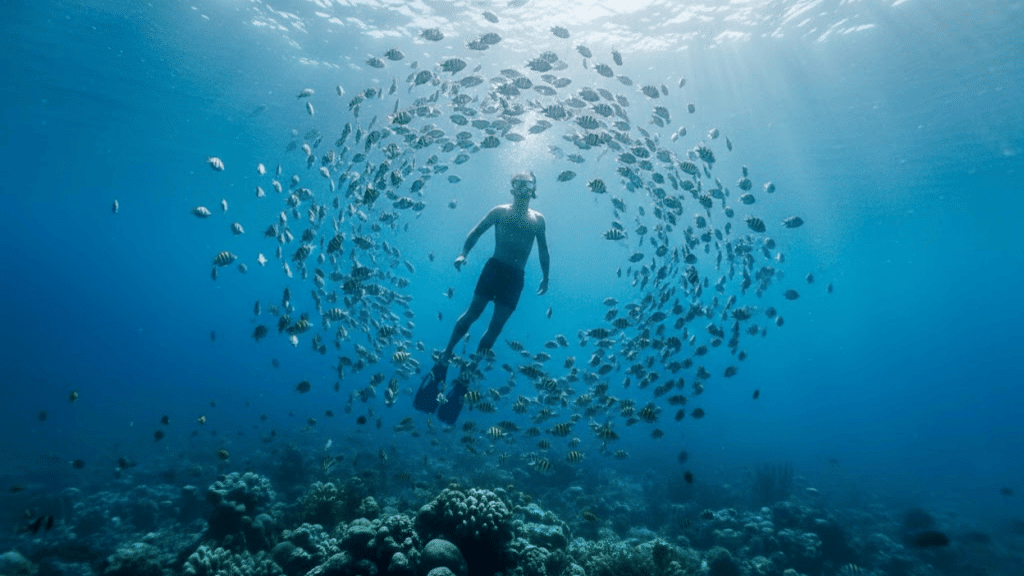
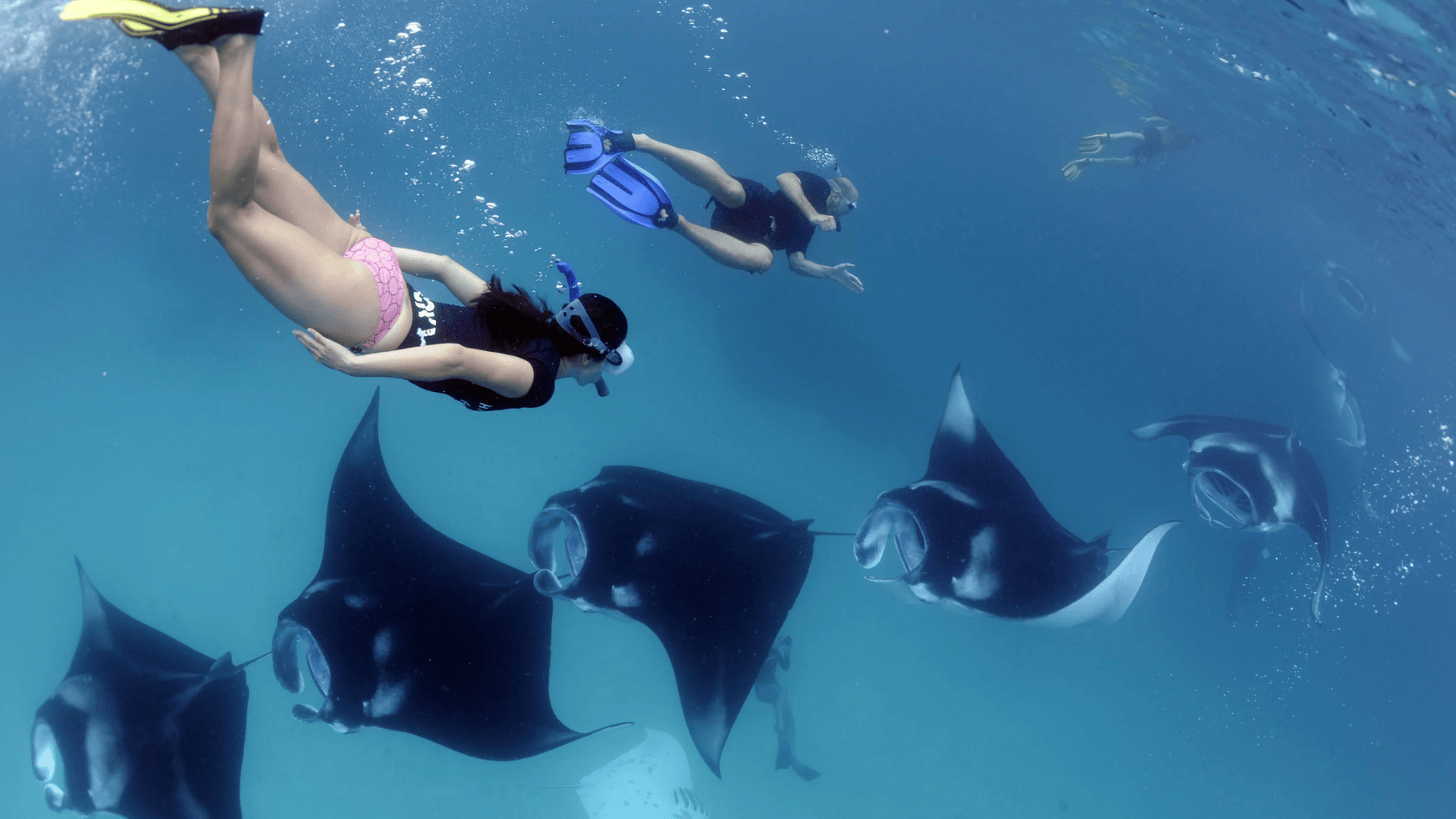
Cemetery Reef and Smith Cove offer easy shore access on Grand Cayman with healthy coral formations and clear water. Stingray City lets you stand in chest-deep water while gentle southern stingrays glide around you in a famous interactive experience.
Little Cayman’s Bloody Bay Wall features colorful corals and sponges dropping from shallow water to incredible depths. Water clarity around the Cayman Islands often reaches 100+ feet of visibility.
Pro Tip: Book Stingray City tours early morning before cruise ships arrive for more time with the rays.
5. Bahamas
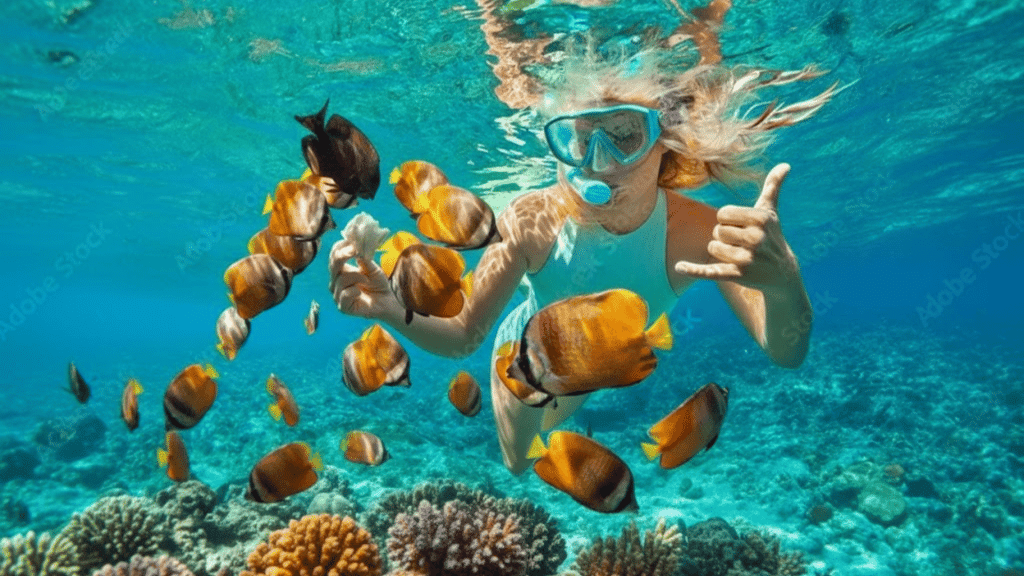
Thunderball Grotto near Staniel Cay offers unique cave snorkeling with sunlight streaming through holes in the ceiling. The Exuma Cays provide opportunities to swim with nurse sharks and visit uninhabited islands with pristine reefs.
Nassau and Paradise Island have easier access for cruise passengers with spots like Love Beach and Clifton Heritage Park. The famous turquoise water color and exceptional clarity make every swim feel special.
Pro Tip: Exumas require boat access, book Nassau day tours and pack reef-safe sunscreen for the intense sun exposure.
6. Curacao
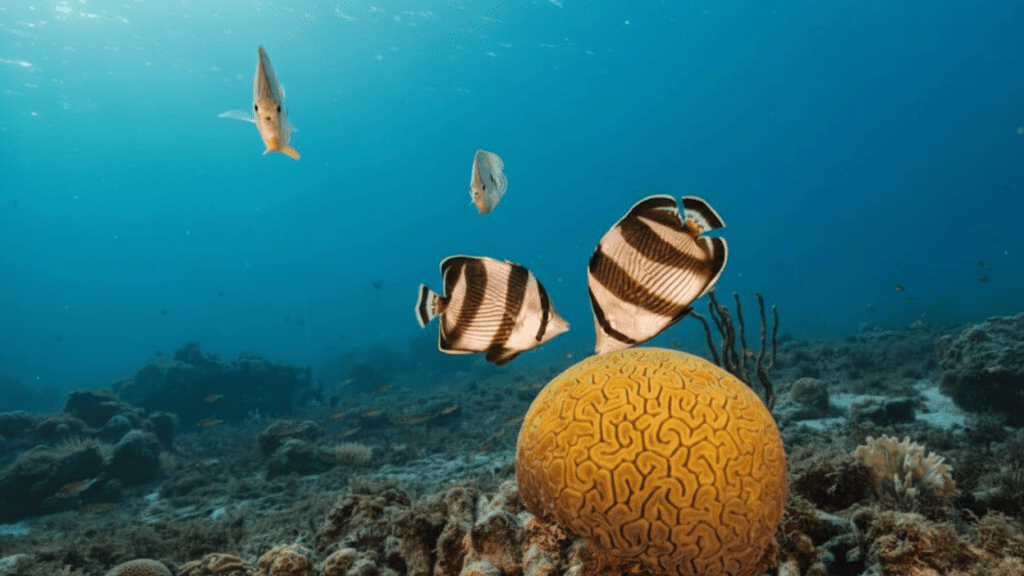
Curacao’s west coast offers calm conditions and excellent visibility with many sites accessible right from shore. Playa Kalki (also called Alice in Wonderland) has a reef starting just 20 feet from the beach in shallow water.
The Blue Room is an underwater cave where sunlight creates a glowing blue effect inside. Mushroom Forest features coral formations that look like giant mushrooms growing from the seafloor.
Pro Tip: Bring water shoes for rocky entry points and check the West Coast conditions before entering the water.
7. Jamaica
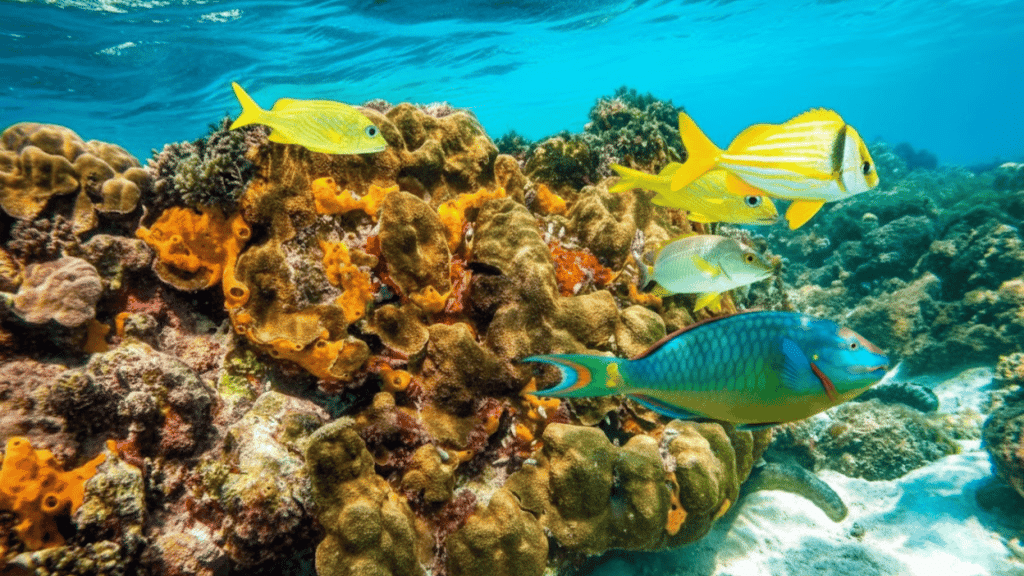
Negril’s Seven Mile Beach offers easy snorkeling with calm water and healthy reefs close to shore. Montego Bay Marine Park protects several excellent sites, including Doctor’s Cave Beach and Cornwall Beach, with accessible coral gardens.
Many all-inclusive resorts provide complimentary snorkel gear and guided beach snorkeling for convenient family activities. The combination of shore access and organized tours makes Jamaica perfect for casual snorkelers.
Pro Tip: Visit marine park sites on weekday mornings before afternoon winds arrive and the water gets choppy.
8. Belize

The Belize Barrier Reef is the largest reef system in the Northern Hemisphere, with world-class snorkeling. Hol Chan Marine Reserve features a natural channel where massive numbers of fish funnel through in concentrated schools.
Shark Ray Alley is where nurse sharks and southern stingrays gather, entirely accustomed to snorkeling visitors. Caye Caulker and Ambergris Caye serve as main bases with laid-back vibes and easy reef access.
Pro Tip: Book combination tours visiting both Hol Chan and Shark Ray Alley, usually including equipment, guides, and lunch.
9. Aruba
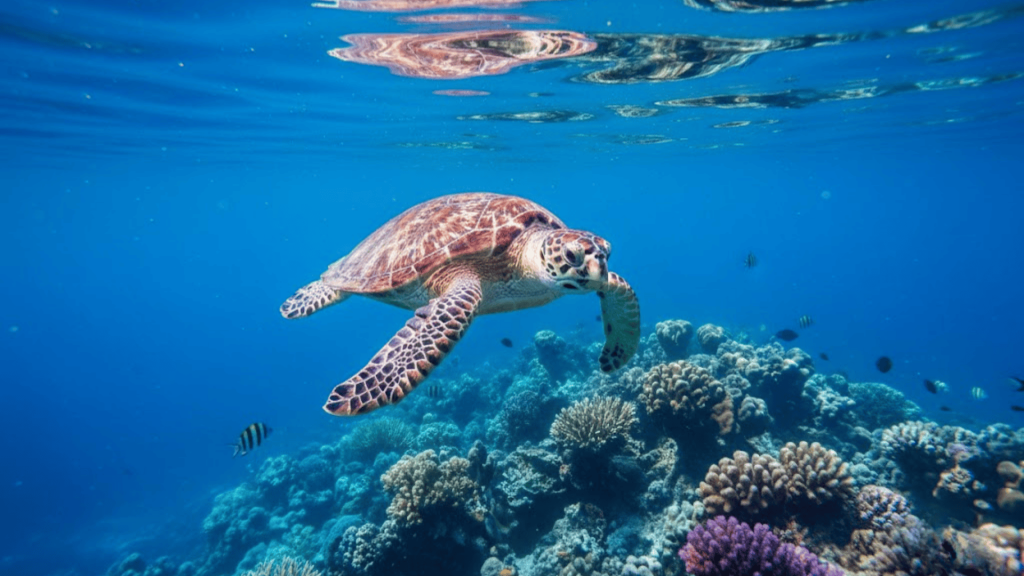
Aruba’s calm, clear waters make it perfect for beginners, with spots like Mangel Halto and Baby Beach offering easy access. The Antilla Shipwreck sits in just 60 feet of water with portions shallow enough for snorkeling.
This German cargo ship from World War II is now covered in coral and surrounded by fish. Malmok Beach and Boca Catalina on the northwest coast stay protected from trade winds with consistently calm conditions.
Pro Tip: Visit Baby Beach in late afternoon when sunlight illuminates the water in the protected, always-calm lagoon.
10. St. Lucia
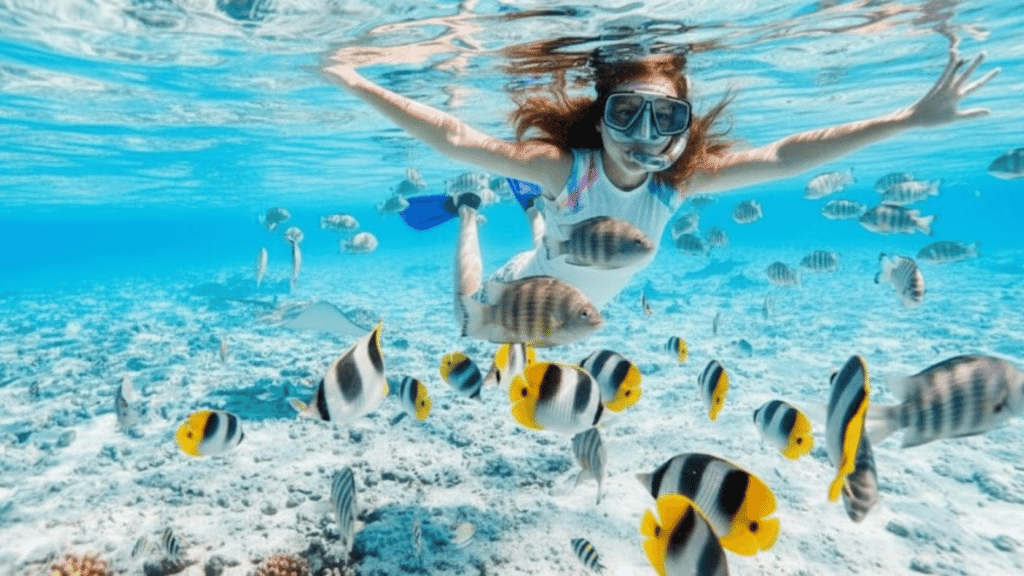
Anse Chastanet Beach on St. Lucia’s southwest coast features a beautiful reef just offshore in a protected bay. The reef drops from shallow to deep water, creating different zones to explore with varied marine life.
Colorful parrotfish, tangs, and angelfish are common sightings throughout the coral formations. Sugar Beach offers similar conditions with the bonus of the iconic Piton mountains as your backdrop.
Pro Tip: Rent gear from beach resorts even if you’re not staying there, and avoid snorkeling after heavy rains.
11. St. John, USVI
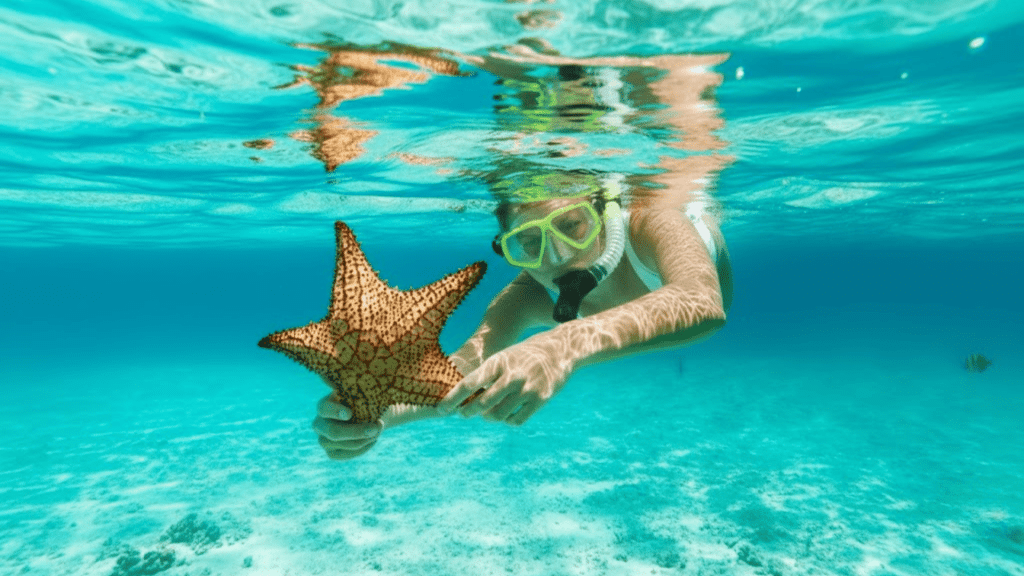
Two-thirds of St. John is national park land, which means protected reefs and healthy marine life throughout the island. Trunk Bay is the most famous spot, featuring an underwater snorkel trail with signs identifying different corals and fish species.
Waterlemon Cay, reached by a short hike and swim, offers more solitude with sea turtles feeding on seagrass. The protected status keeps the reefs in excellent condition compared to many developed Caribbean islands.
Pro Tip: Visit Trunk Bay before 10 AM or after 3 PM to avoid cruise crowds and bring your own gear.
What Unique Things Can You Witness While Caribbean Snorkeling
Caribbean waters hold some truly special sights. Sea turtles are common at many locations. Green turtles and hawksbills feed on seagrass and rest near reefs.
Southern stingrays glide over sandy bottoms like underwater flying carpets. They’re gentle and often curious about snorkelers. Nurse sharks rest under coral ledges during the day and are completely harmless.
Colorful fish fill every reef. Parrotfish scrape algae off coral with their beak-like mouths. French angelfish and queen angelfish show off their bright colors. Schools of blue tangs move together like underwater clouds.
Some lucky snorkelers spot dolphins, eagle rays, or even whale sharks at certain times of year. Coral formations themselves are worth watching; brain coral, elkhorn coral, and sea fans create an underwater garden.
Quick Caribbean Snorkeling Tips: How To Make It Memorable
Want to make your snorkeling trip even better? Follow these practical tips for the best experience:
- Choose the right time – Morning hours usually offer the calmest conditions and best visibility. Fish are more active, too.
- Use reef-safe sunscreen – Regular sunscreen damages coral. Look for mineral-based options with zinc oxide or titanium dioxide.
- Don’t touch anything – Coral is alive, and touching it can damage years of growth. Some marine life can sting or bite if disturbed.
- Practice in shallow water first – Get comfortable with your gear before swimming to deeper areas. Make sure your mask seals properly.
- Swim slowly and breathe calmly – Rapid movements scare fish away. Slow, steady breathing through your snorkel keeps you relaxed.
- Watch for boats – Stay close to shore or use a snorkel float for visibility. Be aware of your surroundings.
- Check local conditions – Ask locals or dive shops about currents, tides, and any hazards. The weather can change quickly in the tropics.
- Bring an underwater camera – You’ll want to remember what you see. Many waterproof phone cases work great for casual photos.
How to Choose the Best Resort for Snorkeling in the Caribbean
Choosing the right resort can make or break your snorkeling trip. Here are the key factors to consider:
- Beach access – Resorts with house reefs let you walk right into good snorkeling without booking tours or transportation.
- Equipment availability – Check if the resort provides complimentary snorkel gear or charges rental fees. Some include gear with your stay.
- Location – Being near protected marine parks means healthier reefs and more marine life. Research what sites are close to potential resorts.
- Guided trips – Some resorts offer free or low-cost snorkel excursions to nearby reefs, adding value and taking you to spots you might not find alone.
- All-inclusive options – These resorts often include snorkel equipment and guided trips in their package, saving money if you plan to snorkel frequently.
Browse Caribbean snorkeling resorts on TripAdvisor to compare options and read recent reviews specifically mentioning snorkeling. Guest photos show what the reef actually looks like, not just promotional images.
The Bottom Line
Snorkeling in the Caribbean offers something for everyone. The warm, clear water makes it comfortable and easy to see underwater. Healthy reefs teem with colorful fish, sea turtles, and other marine life.
Each island has its own character. Some offer shore access for independent exploring. Others provide organized tours to remote reefs.
Beginners find calm, shallow spots perfect for learning. Experienced snorkelers can seek out deeper reefs and stronger currents.
Start planning your trip by choosing a destination that fits your budget and interests. Book accommodations near good snorkeling sites. Pack reef-safe sunscreen and an underwater camera.
The underwater world is waiting. Where will you snorkel first?
Frequently Asked Questions
What Are Some Other Spots for Snorkeling in The Caribbean?
Other great shore snorkeling spots include beaches like Akumal and Playa Palancar in Mexico, Seven Mile Beach in Grand Cayman, Trunk Bay in St. John with its underwater trail, and Shoal Bay in Anguilla with its sheltered coves.
What Is an Essential Packing List for Caribbean Snorkeling?
Pack reef-safe sunscreen, your own mask and snorkel if you have them, an underwater camera or waterproof phone case, water shoes for rocky entries, and a rashguard or wetsuit for sun protection.
When Is the Best Time for Snorkeling in The Caribbean?
The best months are April, May, October, and November when you get clear water, comfortable temperatures, fewer crowds, and reasonable prices. The water stays warm year-round (78-84°F), so you can snorkel any time, though summer brings more crowds and winter means slightly cooler water.