
Some dive spots are calm and clear. Others throw you into strong currents, massive schools of fish, and waters so blue they don’t look real.
The best scuba diving in the world covers it all, from shallow coral gardens perfect for beginners to deep walls that leave experienced divers speechless.
But with so many options, knowing where to start can feel overwhelming. That’s where this guide helps. It pulls from diver-voted rankings and trusted dive publications to break down the top destinations.
You’ll find out when to go, what the water conditions are like, how to get there, and where to stay. Whether you’re planning your first big dive trip or your tenth, this list makes it simpler.
What Makes A Scuba Destination One Of The Best?
Not every great dive site works for every diver. The best depends on what you’re after – big animals, colorful reefs, tiny critters, wrecks, or simply calm and easy conditions.
Beyond personal preference, conditions matter too. Visibility, currents, water temperature, and how you access the site all affect how good a dive actually feels. Many top spots also have permits or marine park fees in place to protect the reef.
The destinations below consistently show up in diver polls, major dive publications, and liveaboard booking data because they deliver on more than one of these points.
Best Scuba Diving In The World: With Planning Details
These destinations keep appearing in diver polls, major dive publications, and liveaboard booking data.
Each one offers something different, from colorful reefs to dramatic wrecks to massive marine animals. Here’s everything you need to plan your trip.
1. Raja Ampat, Indonesia
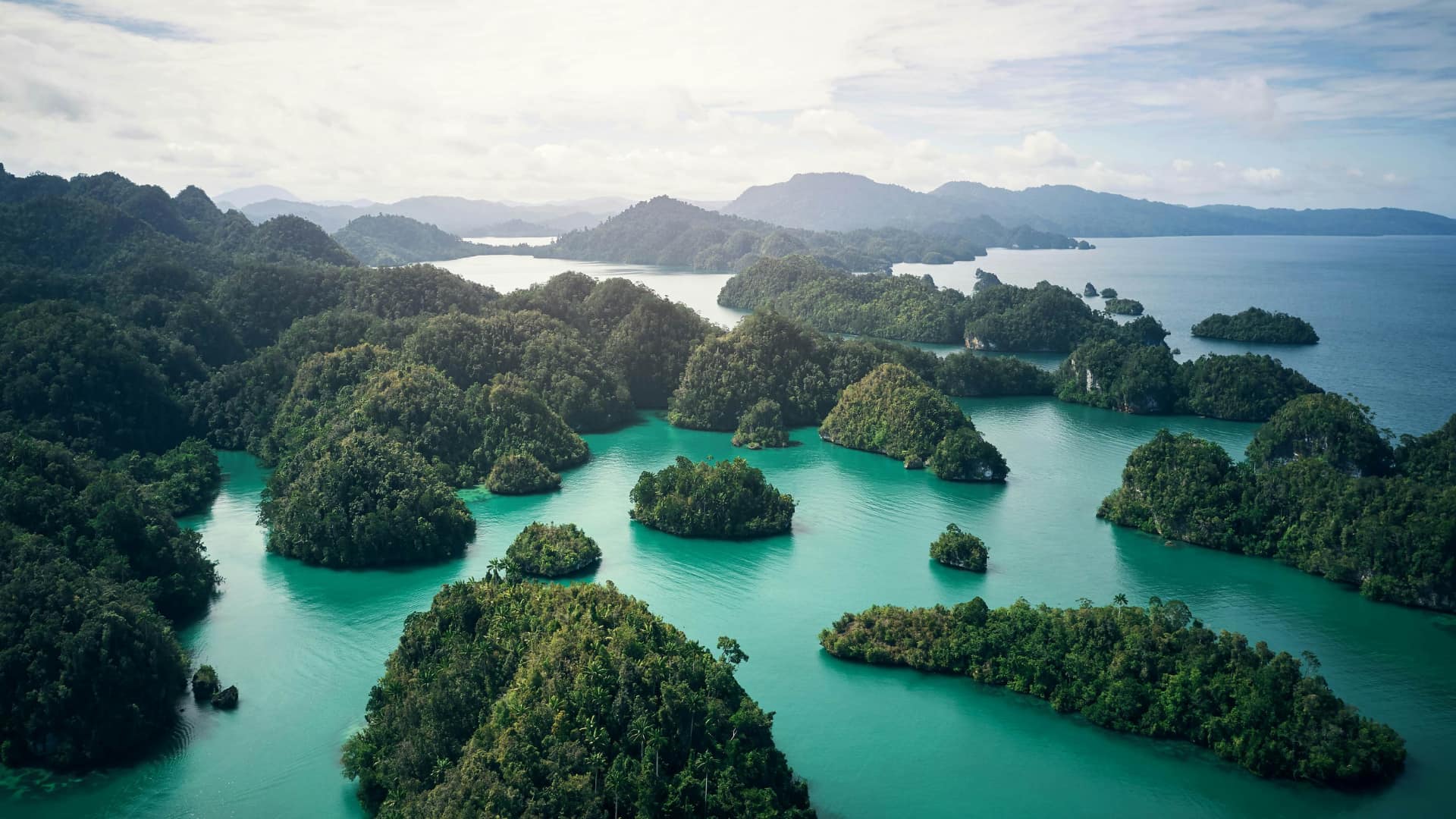
Raja Ampat is widely considered one of the richest dive areas on the planet. The best time to visit is October through April.
Currents are common, so intermediate-level divers will feel most comfortable here. Water temperatures stay between 27–30°C.
Fly to Sorong, then take a ferry or boat. Stay on a liveaboard or at resorts and homestays around Waigeo and Misool.
Non-Diving Activities: Snorkeling, island hiking, birdwatching for the red bird-of-paradise, and visiting local Papuan villages.
2. Komodo National Park, Indonesia
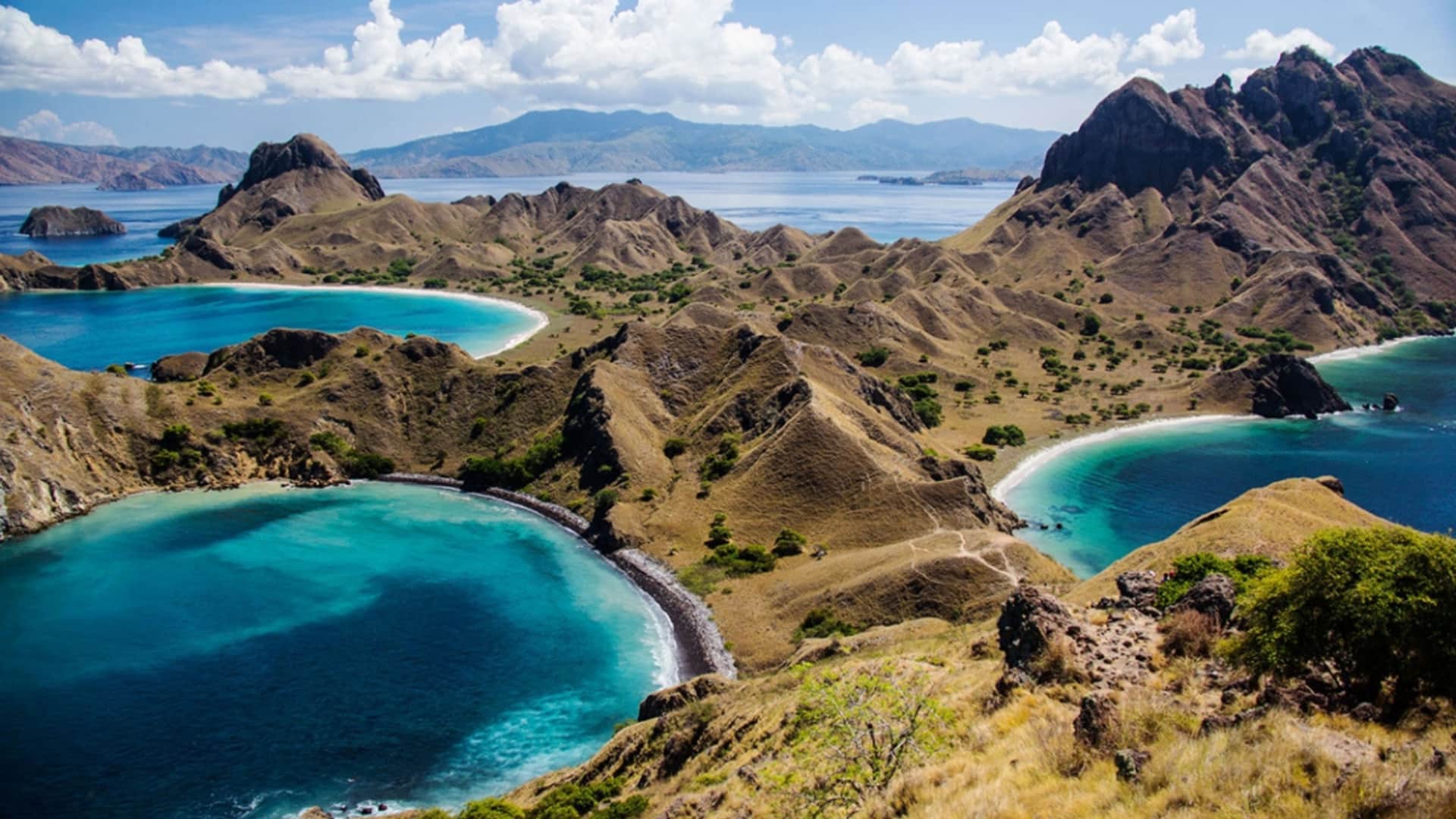
Komodo is known for strong currents and big marine life. April through November is the preferred season. Some sites require advanced skills due to fast water movement.
Temperatures range from 22–28°C, and the southern areas can be cooler. Fly to Labuan Bajo on Flores, then take a boat out. Base yourself in Labuan Bajo for day trips, or book a liveaboard.
Non-Diving Activities: Guided Komodo dragon treks, sunset hikes at Padar Island, snorkeling, and pink beach visits.
3. Wakatobi, Indonesia
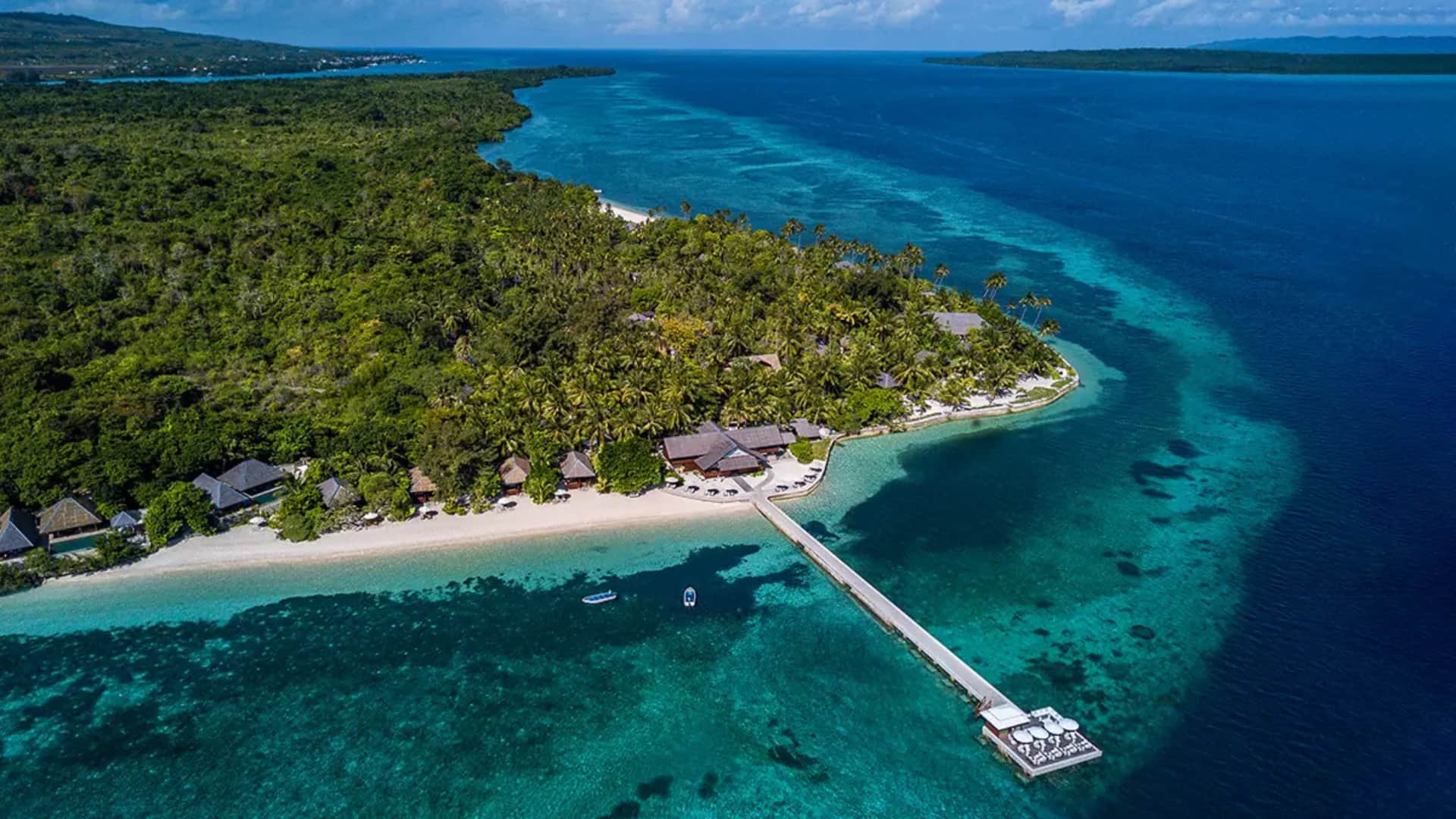
Wakatobi is a great choice for beginners and intermediate divers who want healthy reefs without stress. The calmer, drier months run from April to November.
Water sits between 26–29°C. Getting there involves flying to the Southeast Sulawesi area, followed by resort transfers. Most divers stay at dive resorts known for easy reef access and high-quality coral.
Non-Diving Activities: Snorkeling, sea kayaking, visiting the Bajo sea nomad villages, and cultural tours around the local islands.
4. Lembeh Strait, Indonesia
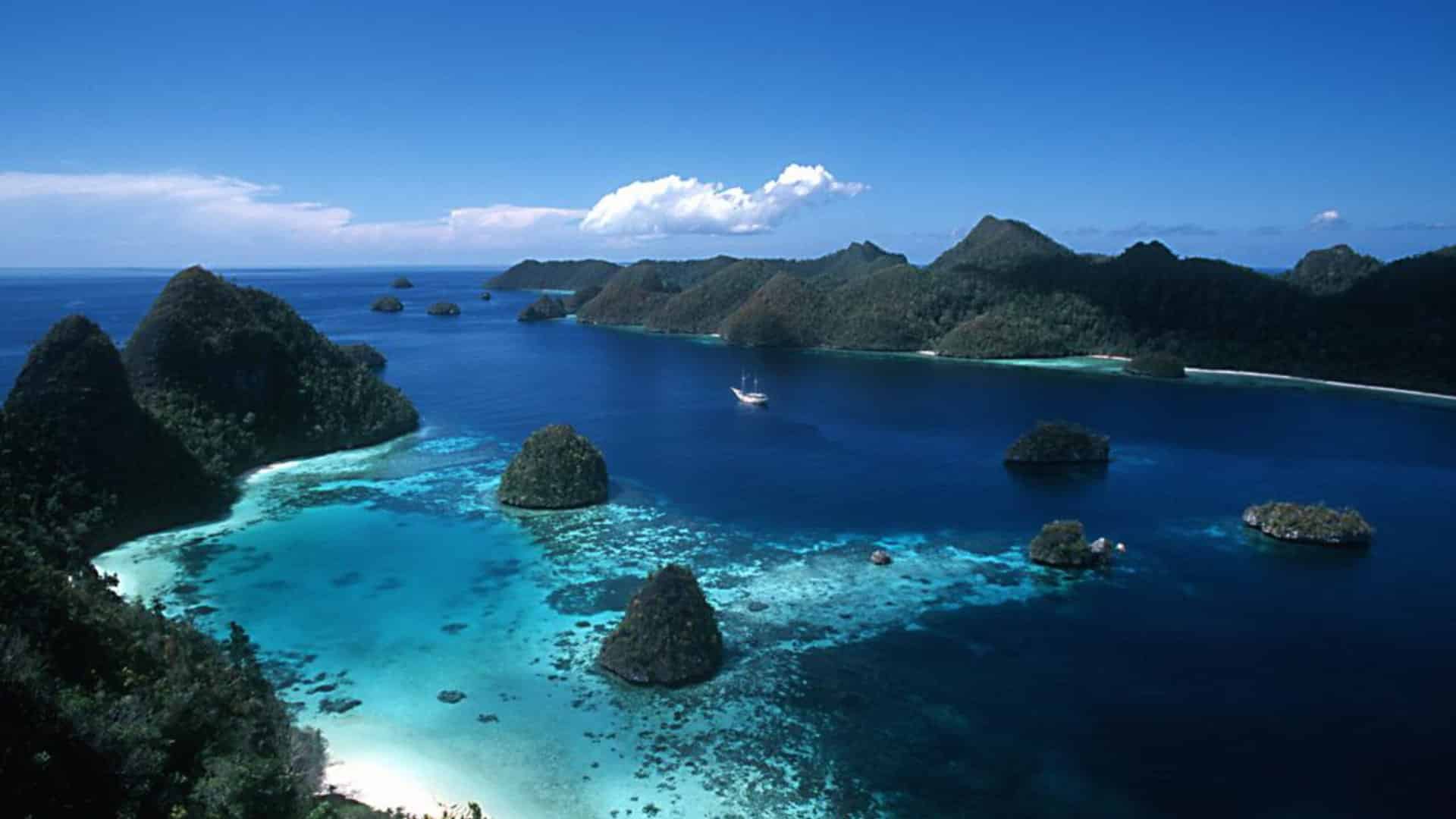
Lembeh Strait is the top spot for macro lovers and underwater photographers. It’s a year-round destination, and muck diving here isn’t tied to specific seasons.
The water stays at 26–29°C. Fly to Manado, then take a short drive or boat ride. Dive lodges in the area are set up specifically for macro photography and critter hunting.
Non-Diving Activities: Day trips to Manado, visiting Bunaken National Park for snorkeling, and exploring local Minahasa food and culture.
5. Tubbataha Reefs, Philippines
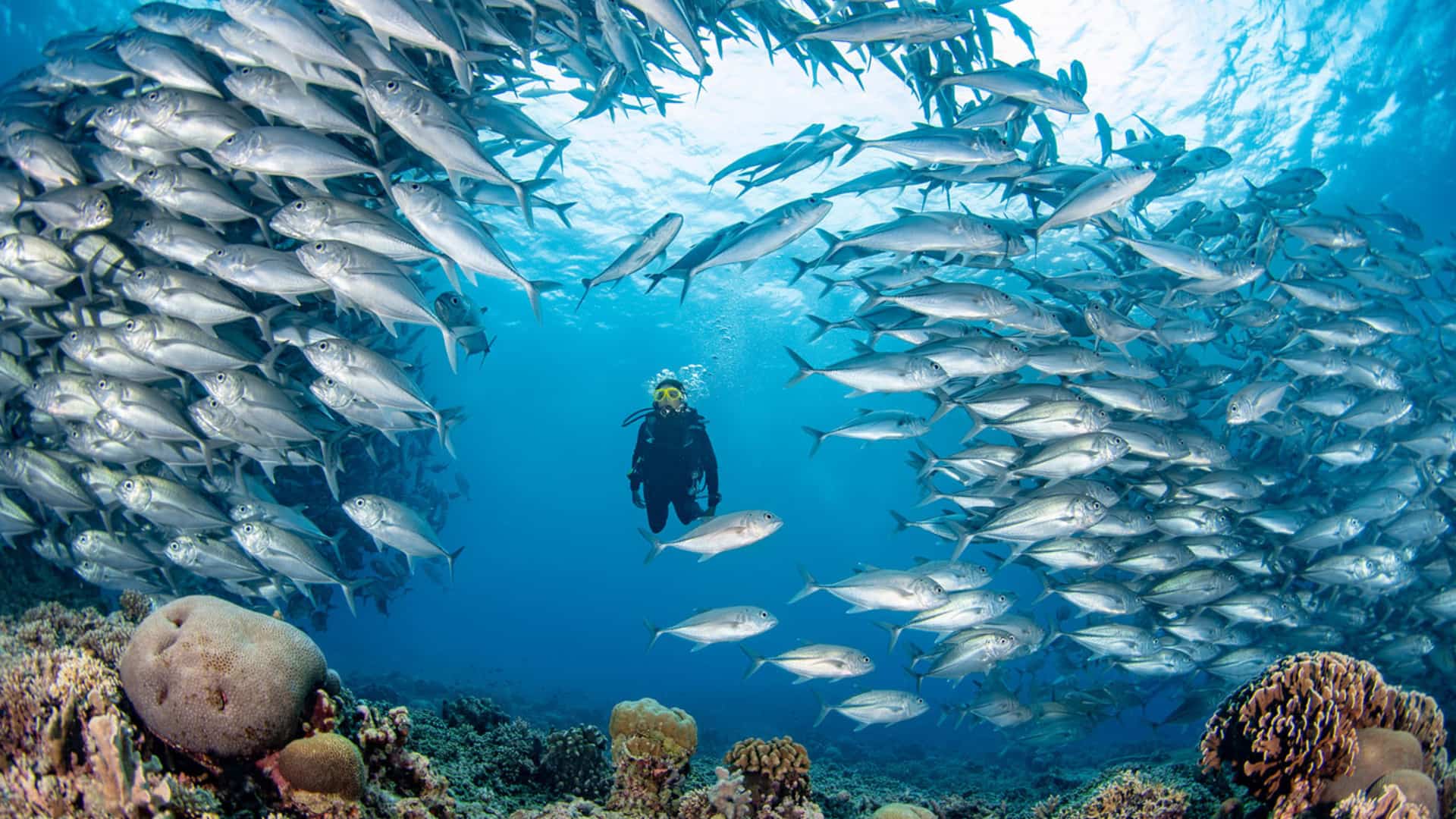
Tubbataha is a remote reef system in the Sulu Sea, only open from mid-March to mid-June. It’s best suited for intermediate divers comfortable with open-ocean conditions.
Water temperatures reach 27–30°C. Fly to Puerto Princesa, then board a liveaboard. There is no land-based diving here – liveaboard is the only way to reach and dive Tubbataha.
Non-Diving Activities: Before or after the trip, visit Puerto Princesa’s underground river, Honda Bay island hopping, and Palawan wildlife sanctuaries.
6. Apo Reef, Philippines
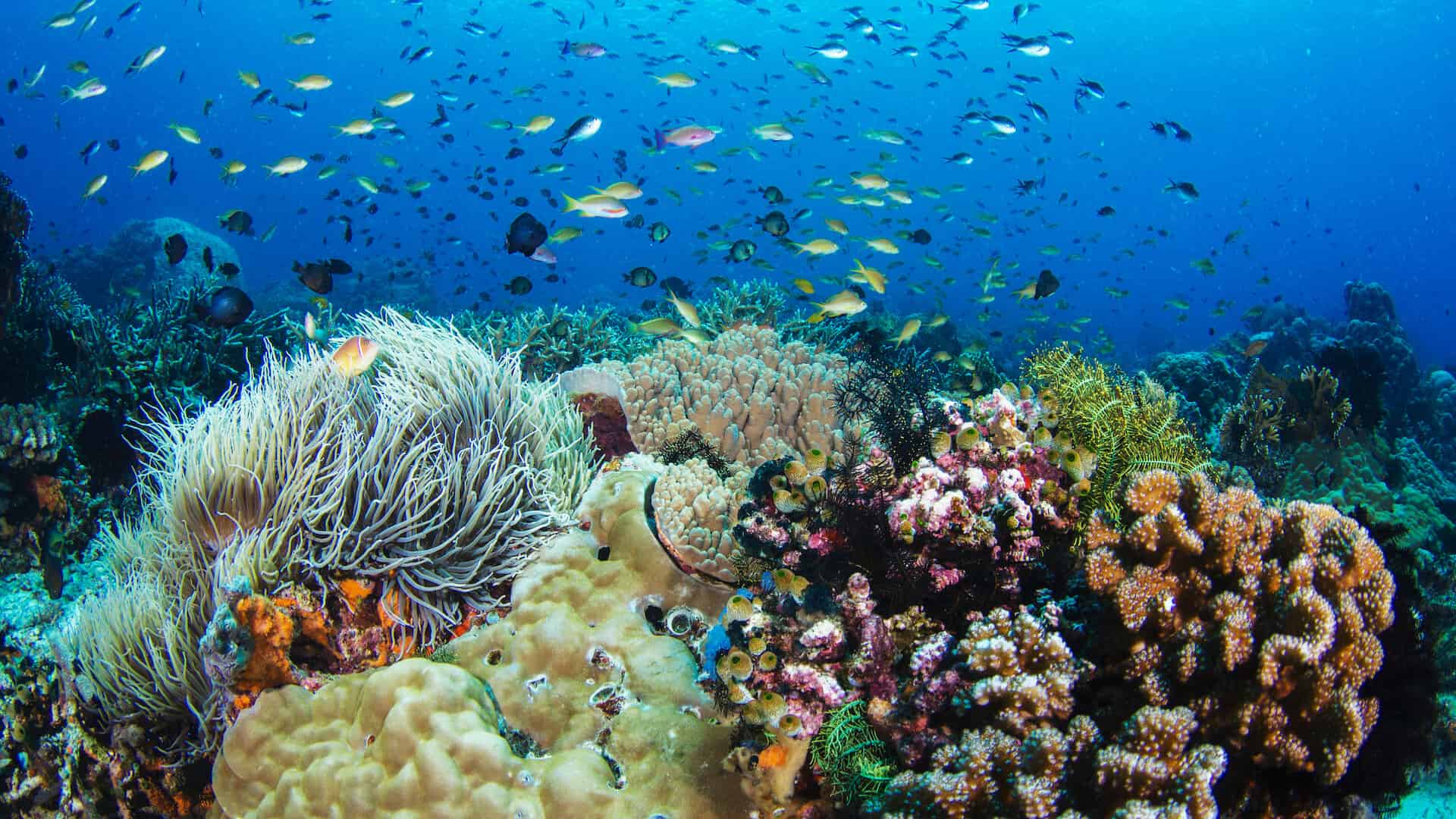
Apo Reef is one of the largest reef systems in Southeast Asia and works well for beginners and intermediate divers. The dry season from November to May offers the best conditions.
Water sits at 26–29°C. Access is usually through Puerto Galera or routes via Mindoro. Use Puerto Galera as a base, or book liveaboard-style itineraries for more coverage.
Non-Diving Activities: Beach hopping around Puerto Galera, kayaking, hiking to Tamaraw Falls, and visiting local Mangyan villages.
7. Sipadan, Malaysia
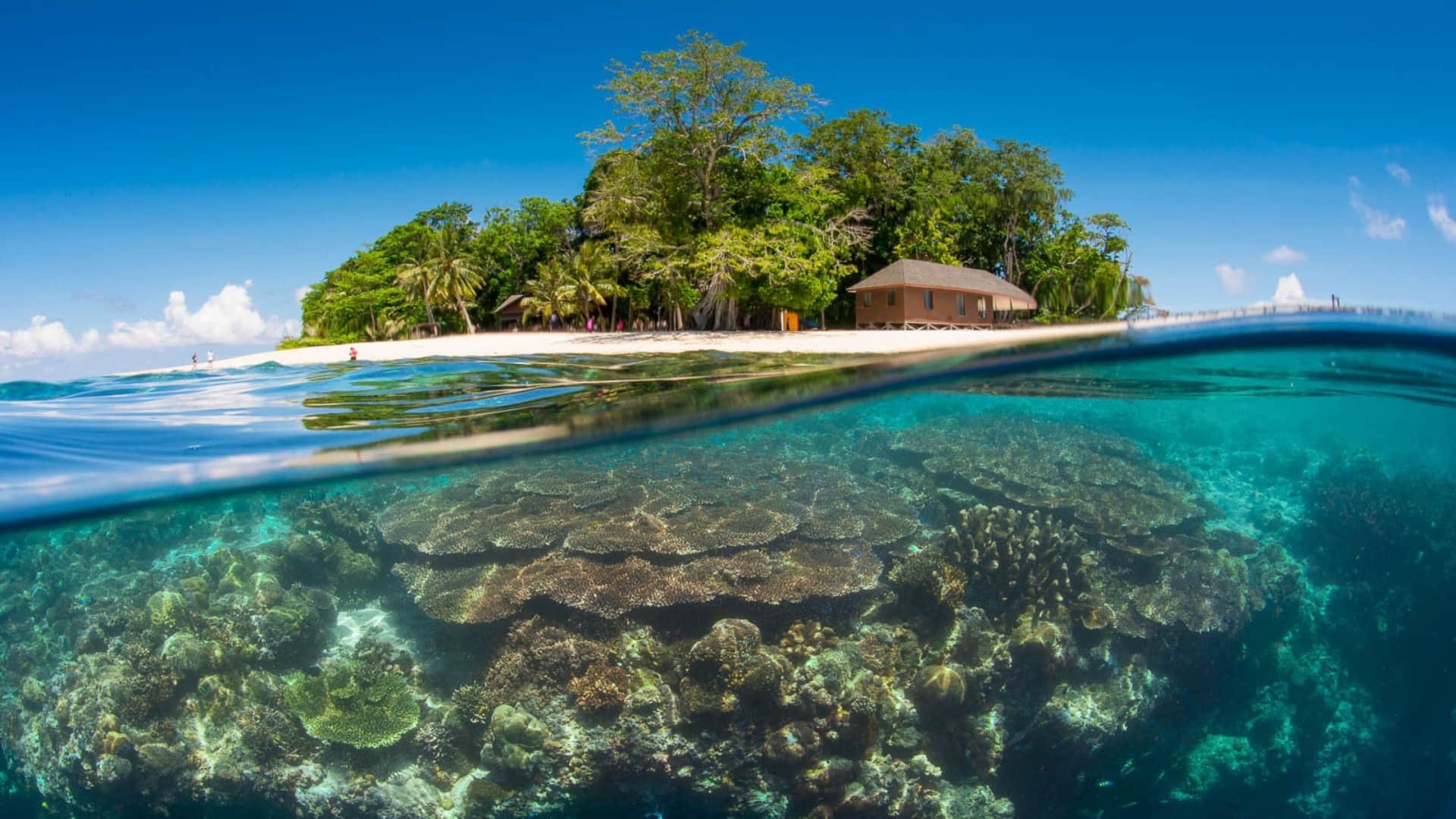
Sipadan is famous for its fish tornadoes and wall dives. The best months run from April to December. Currents and deeper dive profiles mean intermediate skills are recommended.
Water temperatures stay around 27–30°C. Fly to Tawau, transfer to Semporna, then take a boat. Permits are required to dive here, and accommodation is based on nearby islands or in Semporna.
Non-Diving Activities: Snorkeling around Mabul Island, visiting the Bajau water villages, kayaking, and island photography around the Semporna archipelago.
8. Maldives
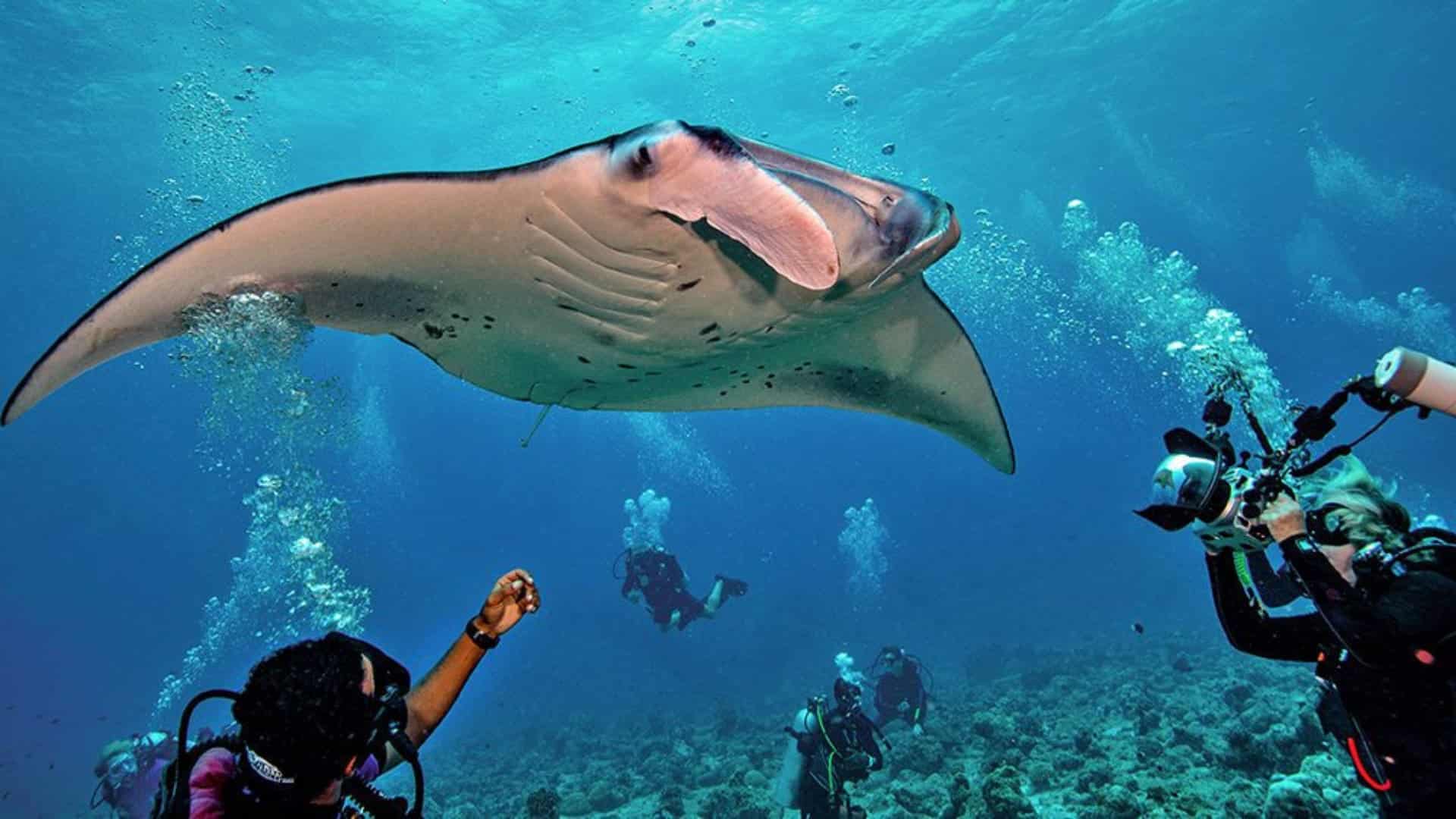
The Maldives works for all skill levels, from beginners enjoying house reefs to advanced divers tackling strong channel dives.
December through May offers calm seas and clear water, though manta sightings depend on which atoll you visit. Water is 27–30°C.
Fly into Malé, then take a speedboat or seaplane. Choose between island resorts with house reefs or liveaboards for wider coverage.
Non-Diving Activities: Snorkeling, sunset dolphin cruises, sandbank picnics, paddleboarding, and visiting Malé’s local fish market and Friday Mosque.
9. Palau
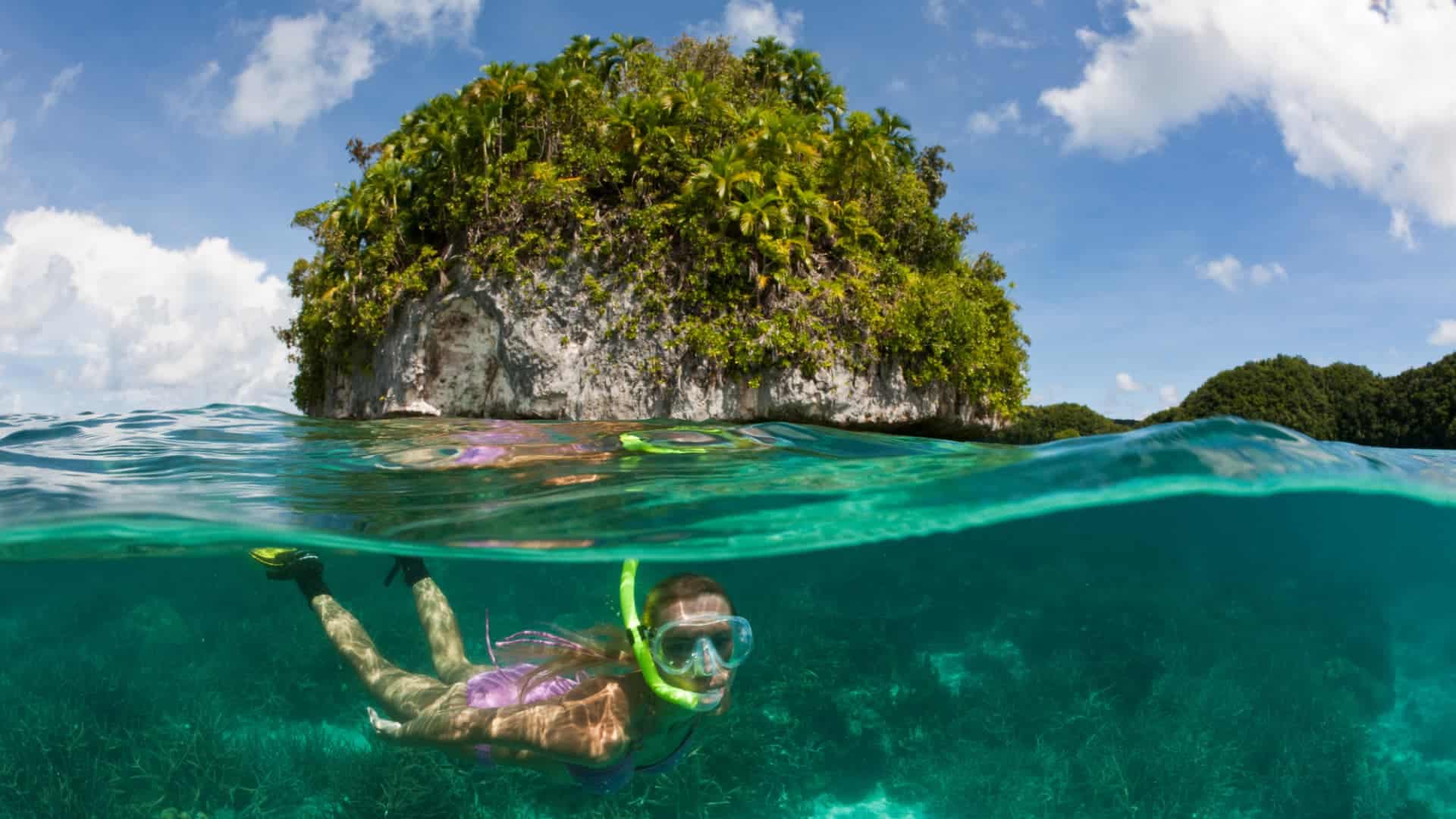
Palau is a top pick for drift dives and open-water action. Planning around seasonal currents and wildlife calendars gives the best results.
Intermediate-to-advanced skills are recommended, especially for sites like Blue Corner. Water temperatures sit at 27–29°C.
Fly directly to Koror. Stay at Koror-based dive hotels, or consider liveaboards to reach more remote dive sites.
Non-Diving Activities: Kayaking through the Rock Islands, snorkeling in Jellyfish Lake, visiting the Belau National Museum, and jungle hiking.
10. Yap, Micronesia
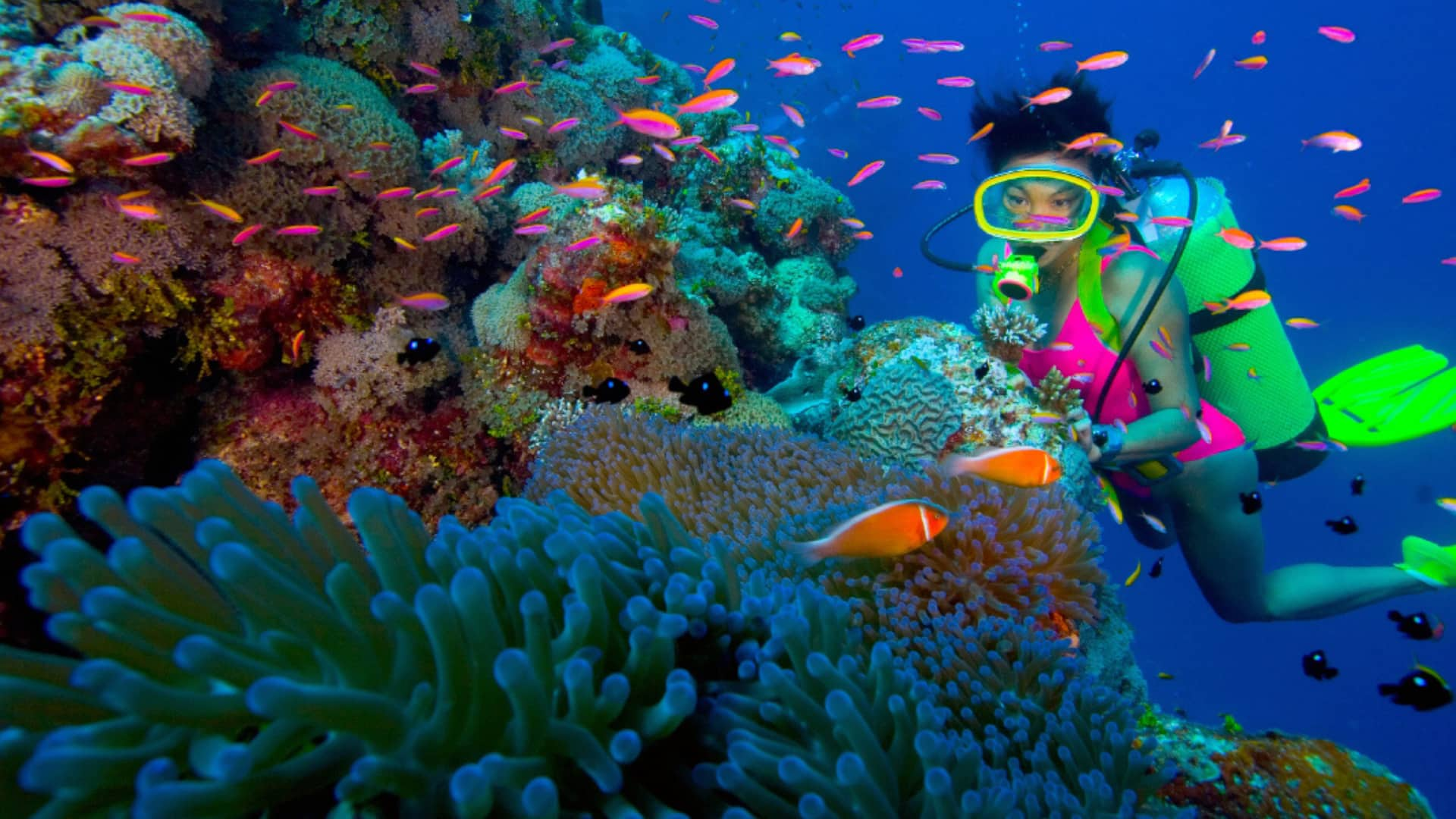
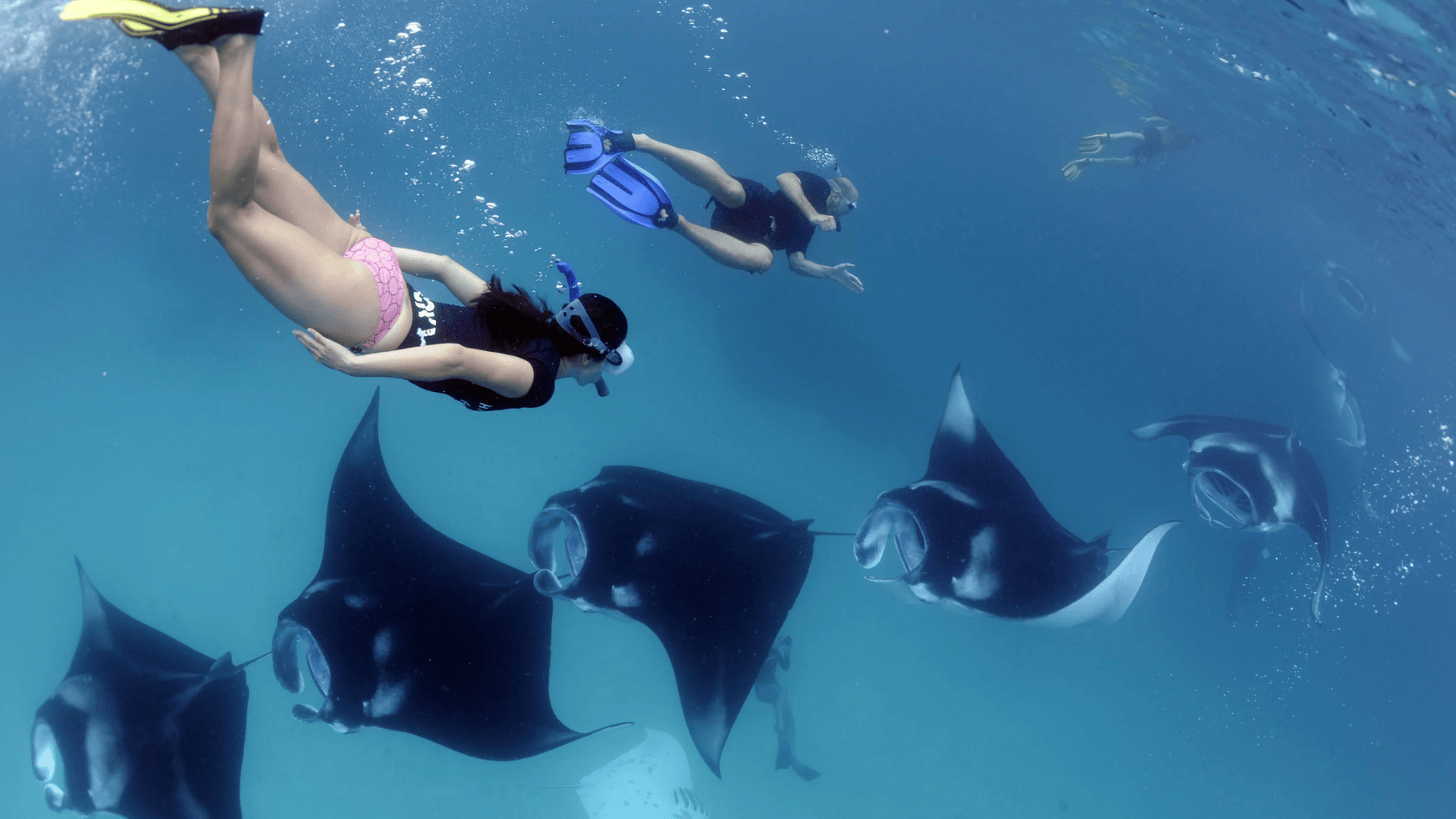
Yap is one of the best places in the world to dive with manta rays. December through April is the most popular window for manta-focused trips.
The water stays at 26–29°C, and conditions suit beginners to intermediate divers well. Flights connect through Guam or Pala,u depending on your route.
Small island resorts and dive lodges make up most of the accommodation options.
Non-Diving Activities: Visiting traditional stone money banks, watching local dance performances, cycling through villages, and snorkeling off the main island.
11. Chuuk Lagoon, Micronesia
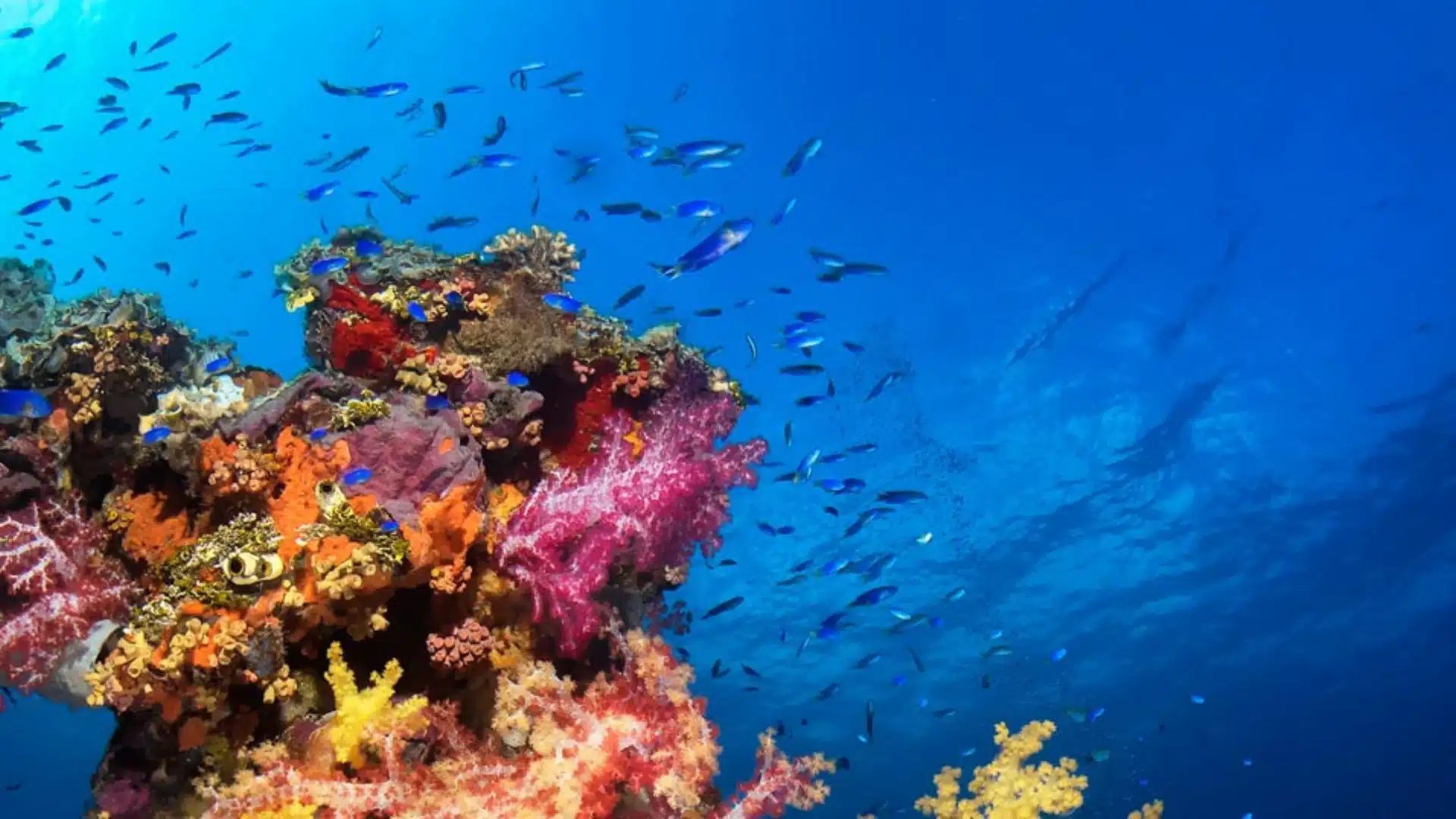
Chuuk Lagoon holds one of the largest collections of World War II wrecks in the world. Diving here is good year-round, though conditions vary by season.
Intermediate divers can handle most wreck exteriors, while penetration diving requires advanced training. Water sits at 27–29°C.
Fly to Chuuk via Guam. Wreck-focused dive resorts and liveaboard-style stays are the main options for accommodation.
Non-Diving Activities: WWII history tours, visiting local museums, snorkeling, and guided walks through Chuukese villages and markets.
12. Fiji
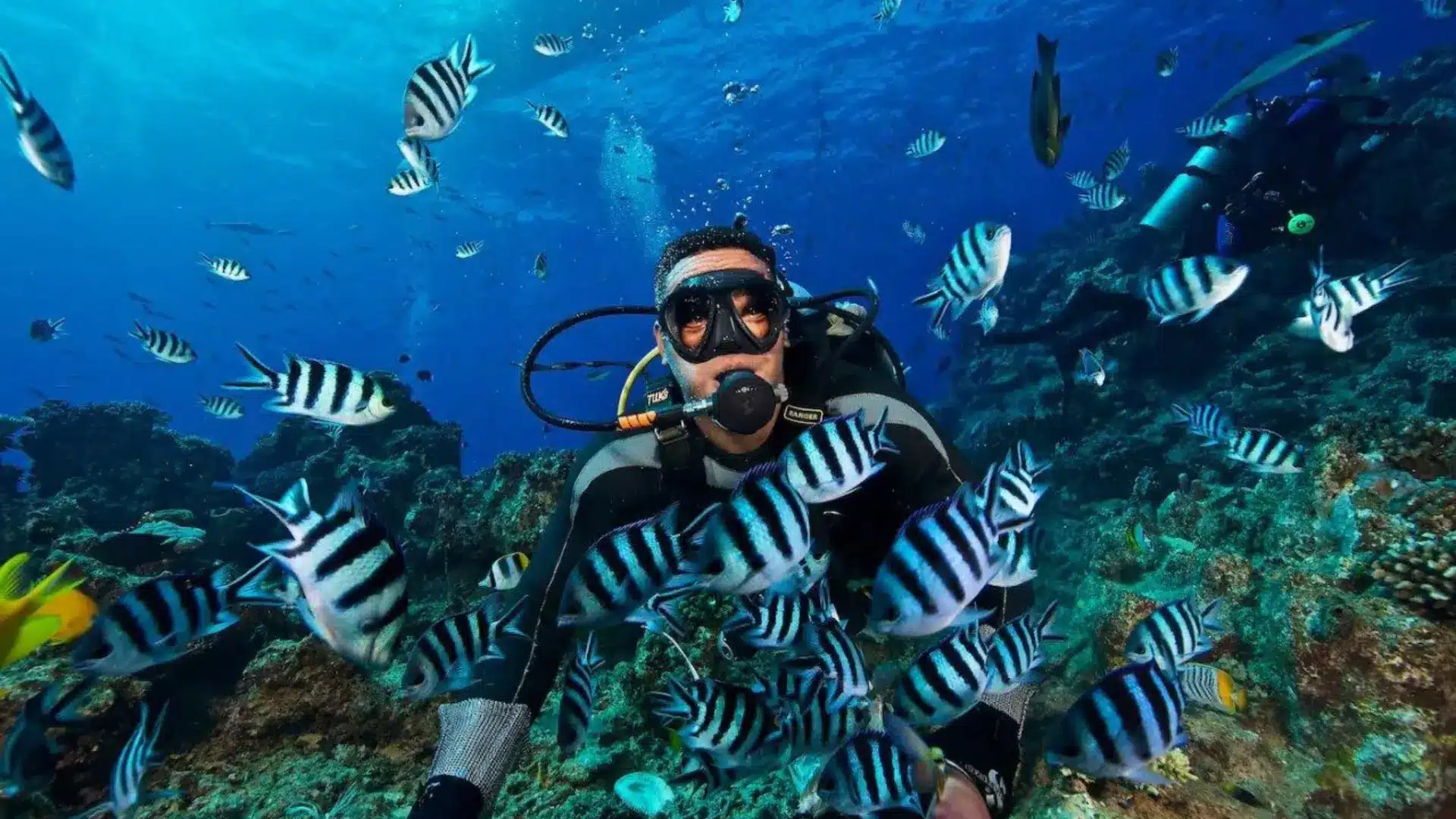
Fiji’s Rainbow Reef and Bligh Water offer soft coral walls and strong fish life that work well for beginner to intermediate divers. May through October brings calmer, drier conditions.
Water temperatures range from 24 to 28°C. Fly into Nadi, then take domestic transfers to the outer islands.
Most divers stay at island resorts with dedicated dive operations, and some liveaboards cover Bligh Water.
Non-Diving Activities: Snorkeling, village kava ceremonies, waterfall hikes, surfing on Tavarua, and cultural sightseeing around Nadi and the Coral Coast.
13. French Polynesia
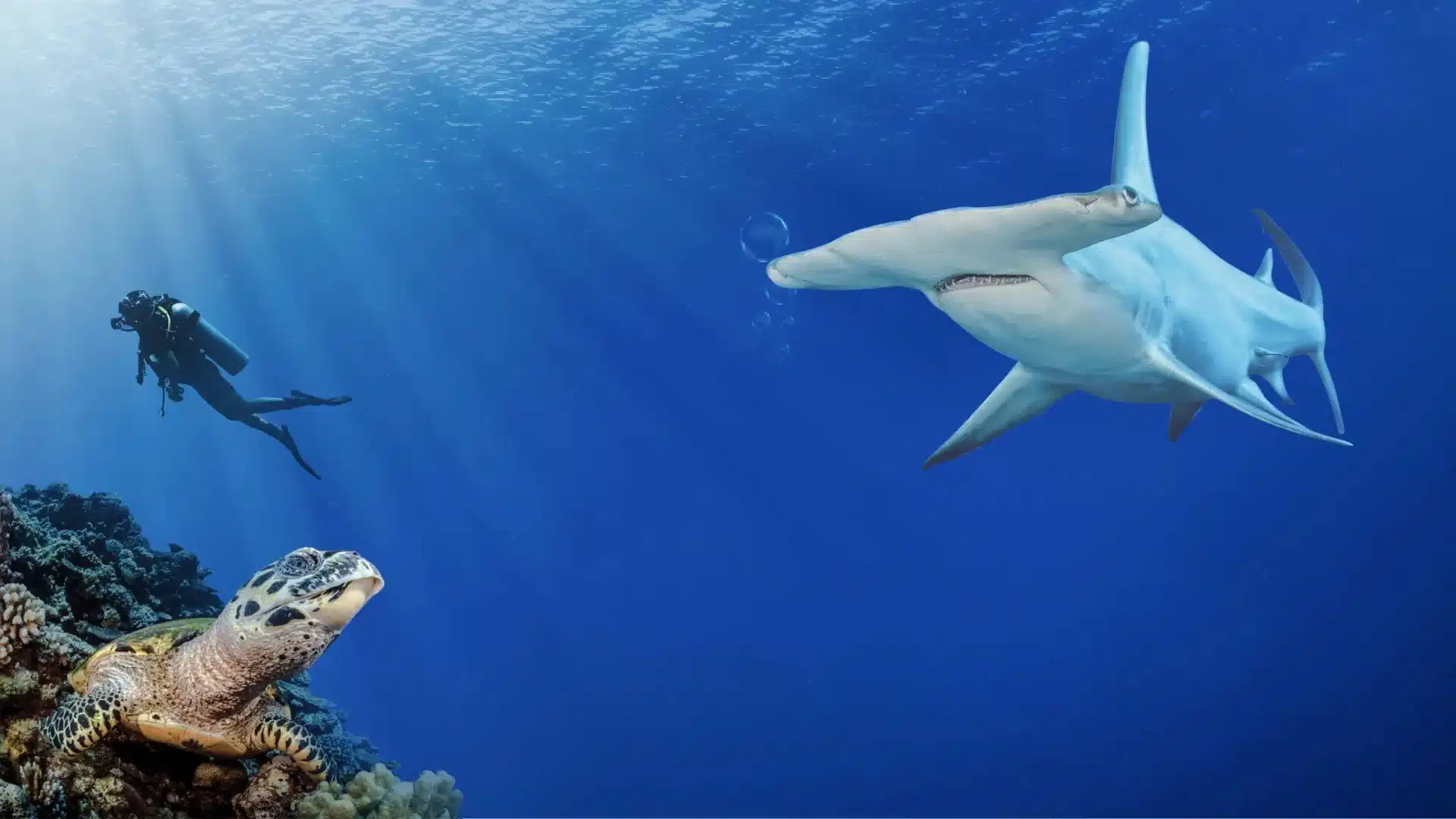
Fakarava and Rangiroa are known for dramatic pass dives with large shark gatherings. May through October offers cooler, drier weather and good visibility.
Currents in the passes make this better suited for intermediate to advanced divers. Water sits at 25–28°C.
Fly to Tahiti’s Papeete airport, then take a domestic flight to the outer islands. Island pensions and dive lodges are the mainstays.
Non-Diving Activities: Snorkeling in the lagoons, pearl farm visits, cycling around the atolls, and day trips to Bora Bora or Moorea from Papeete.
14. Great Barrier Reef, Australia
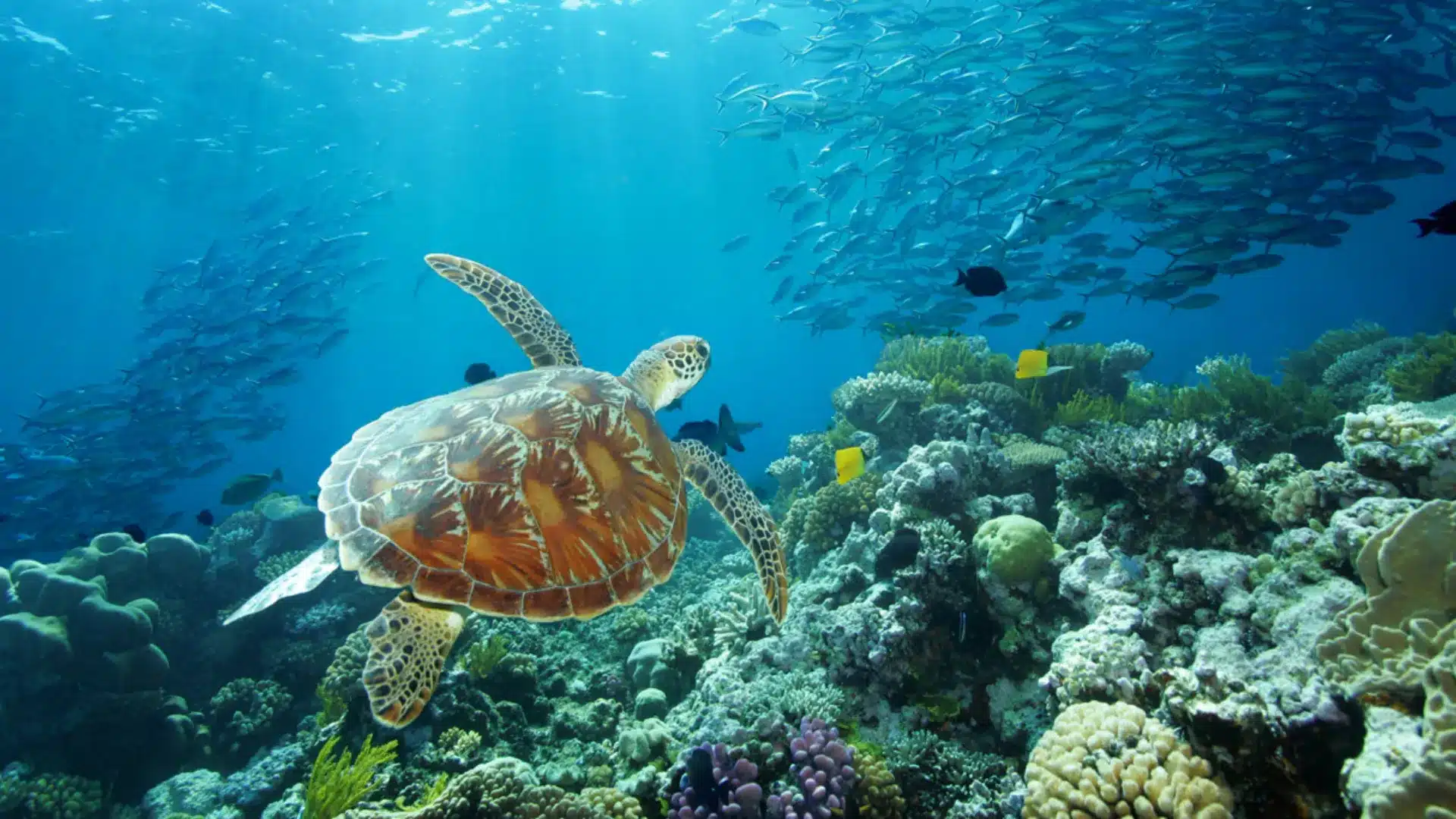
The Great Barrier Reef is the world’s largest coral system and suits all skill levels, depending on which area you choose.
It can be visited year-round, but the best months depend on your goals and the region. Water ranges from 22–29°C. Fly to Cairns, Townsville, or the Whitsundays.
Stay in Cairns or Port Douglas for easy access, or take a liveaboard for the outer reefs.
Non-Diving Activities: Rainforest walks in the Daintree, sailing the Whitsundays, wildlife spotting in Cairns, and scenic flights over the reef.
15. Ningaloo Reef, Australia
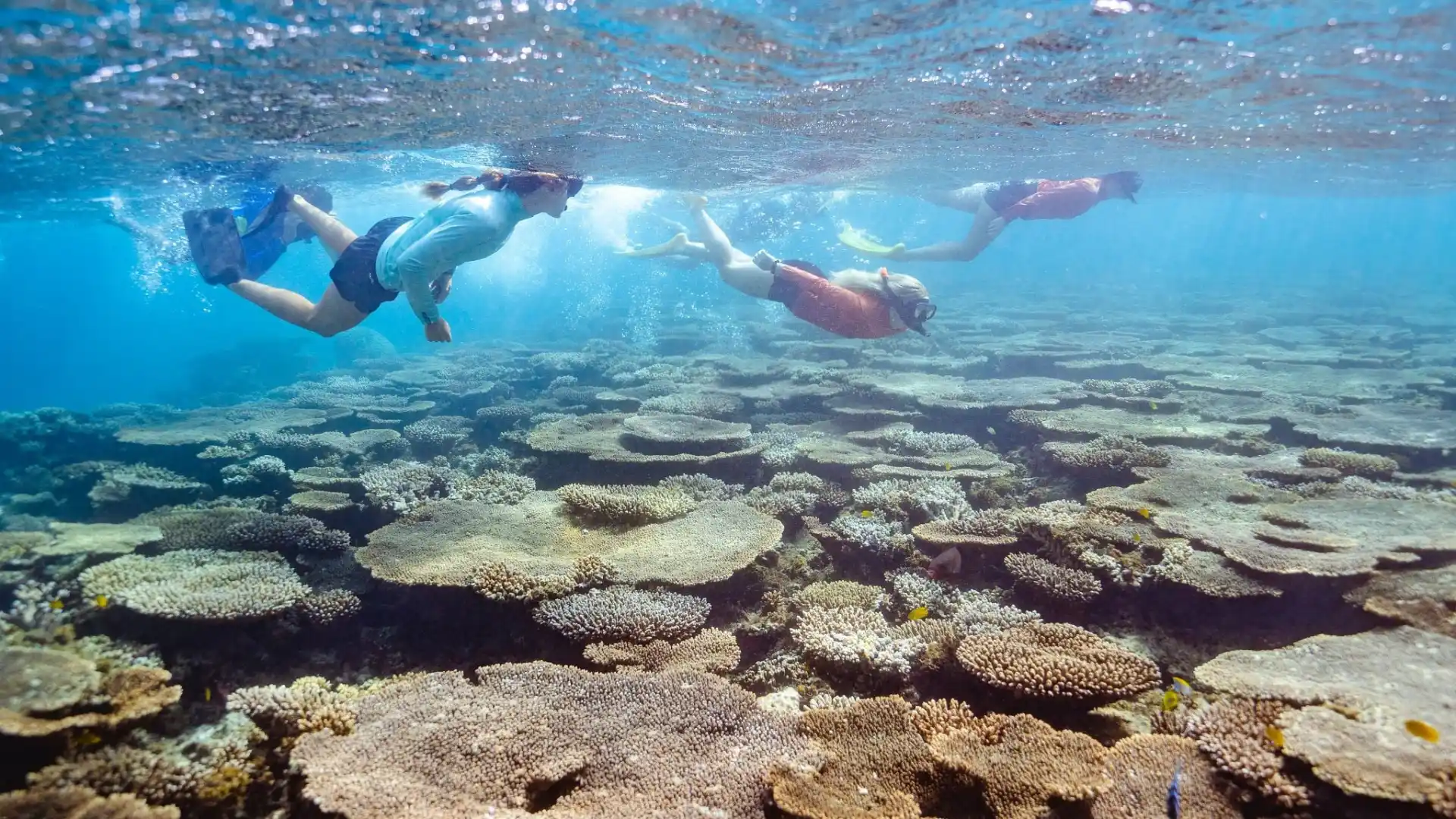
Ningaloo is known for whale shark encounters and clear, shallow reefs that work well for beginners and intermediate divers.
The best time to visit depends on whale shark season, which shifts year to year. Water temperatures range from 20 to 27°C.
Fly to Learmonth near Exmouth or drive up from Perth. Exmouth and Coral Bay are the main towns for accommodation and dive operators.
Non-Diving Activities: Snorkeling with manta rays, hiking Cape Range National Park, stargazing in the outback, and four-wheel driving along the Cape.
16. Red Sea, Egypt
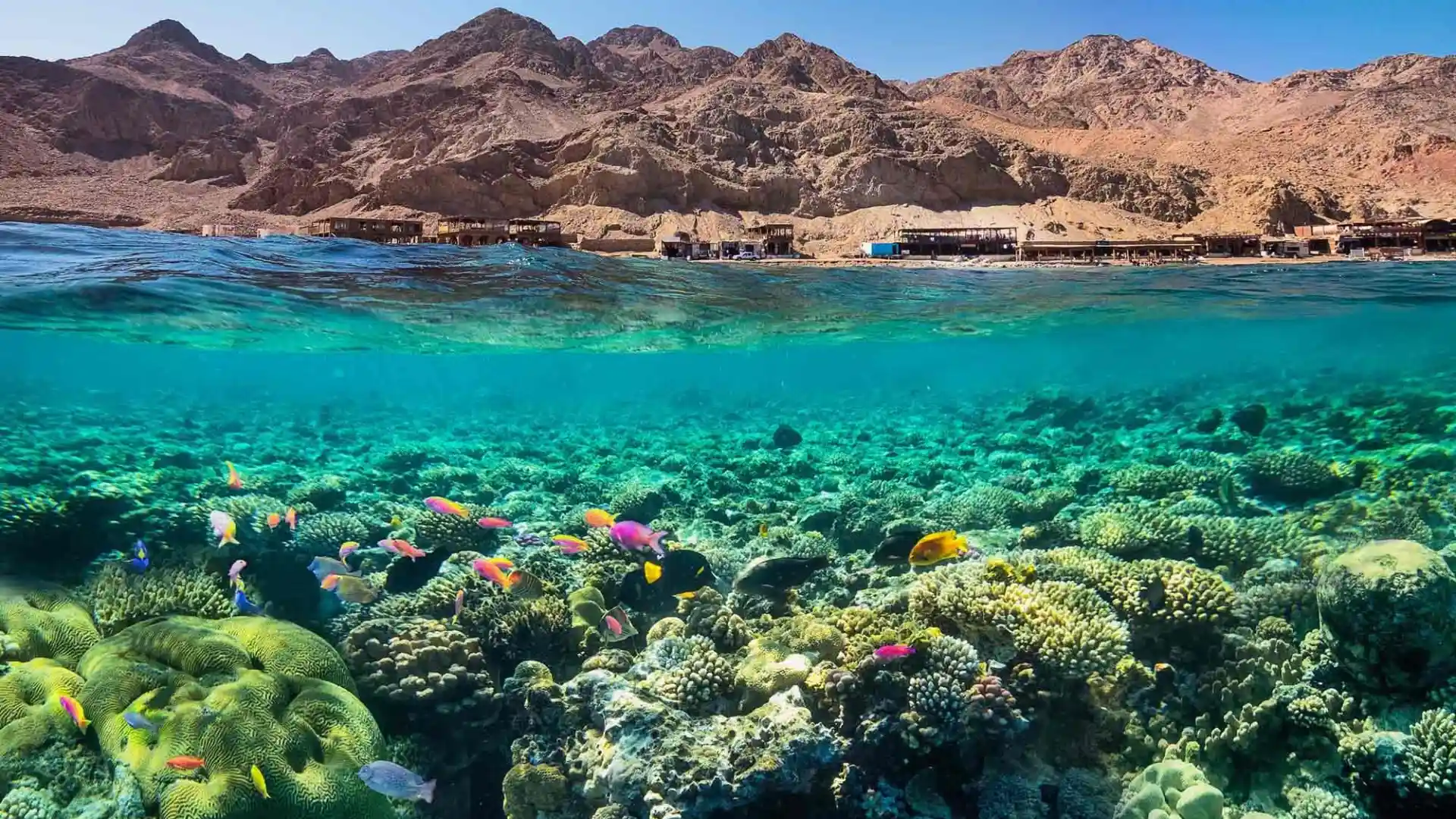
The Red Sea offers year-round diving with options ranging from easy reef dives to deep wreck routes in the south.
Skill requirements depend on the specific route and sites chosen. Water sits at 22–29°C. Fly to Hurghada or Sharm El Sheikh.
Both cities offer land-based resorts and liveaboard departures, making this one of the most flexible destinations on the list.
Non-Diving Activities: Desert safaris, Bedouin camp dinners, visits to St. Catherine’s Monastery, quad biking, and day trips to Luxor or Cairo.
17. Aqaba, Jordan
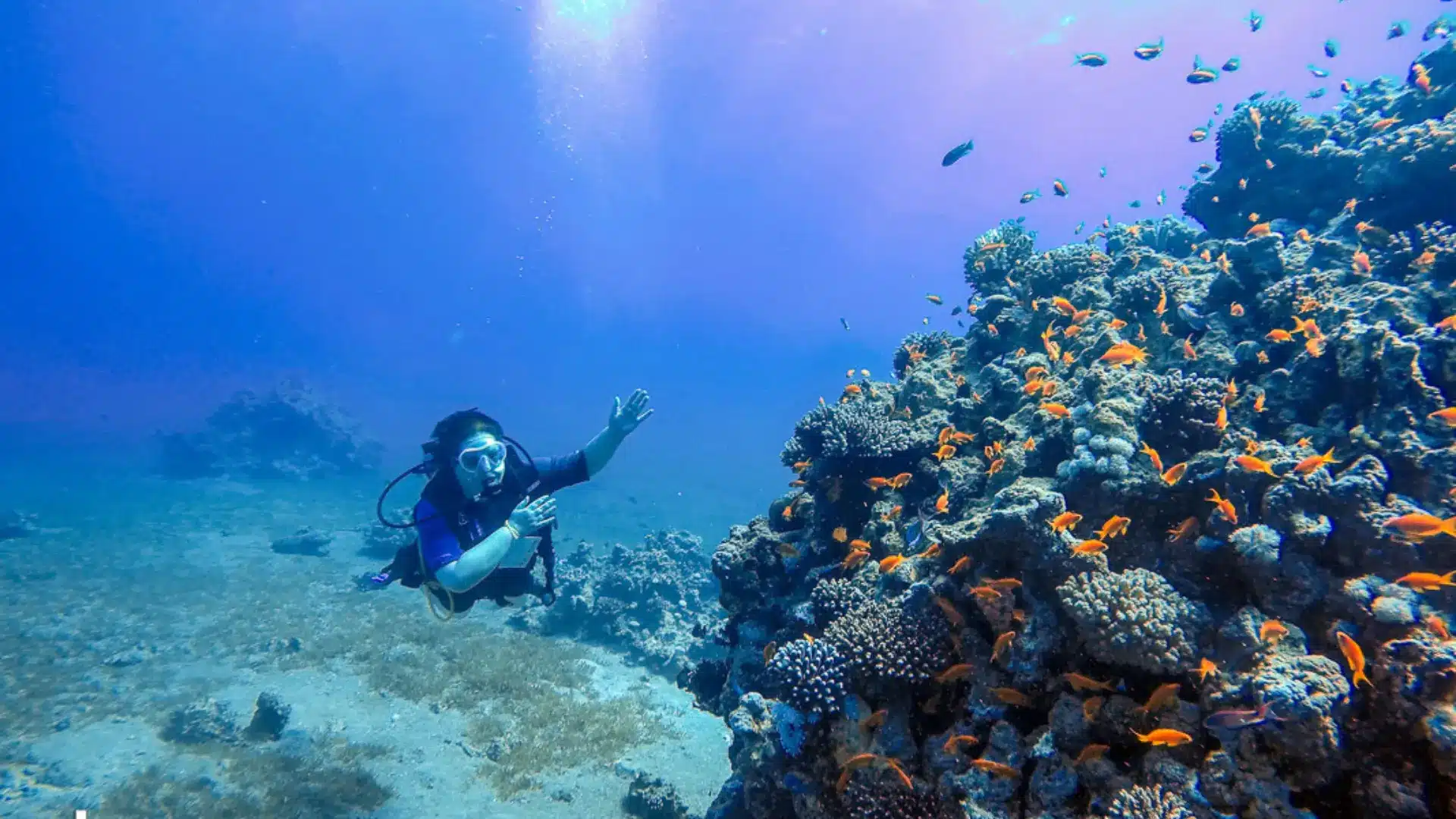
Aqaba sits at the northern tip of the Red Sea and offers calm, accessible diving for beginners and intermediate divers. Spring and fall bring warm water without the intense summer heat.
Temperatures range from 21–27°C. Fly directly to Aqaba or connect through Amman. Beachfront hotels with in-house dive centers are common, and the sites are reachable by short boat rides.
Non-Diving Activities: Day trips to Petra and Wadi Rum, glass-bottom boat rides, visiting Aqaba’s ancient fort, and floating in the Dead Sea.
18. Galápagos Islands, Ecuador
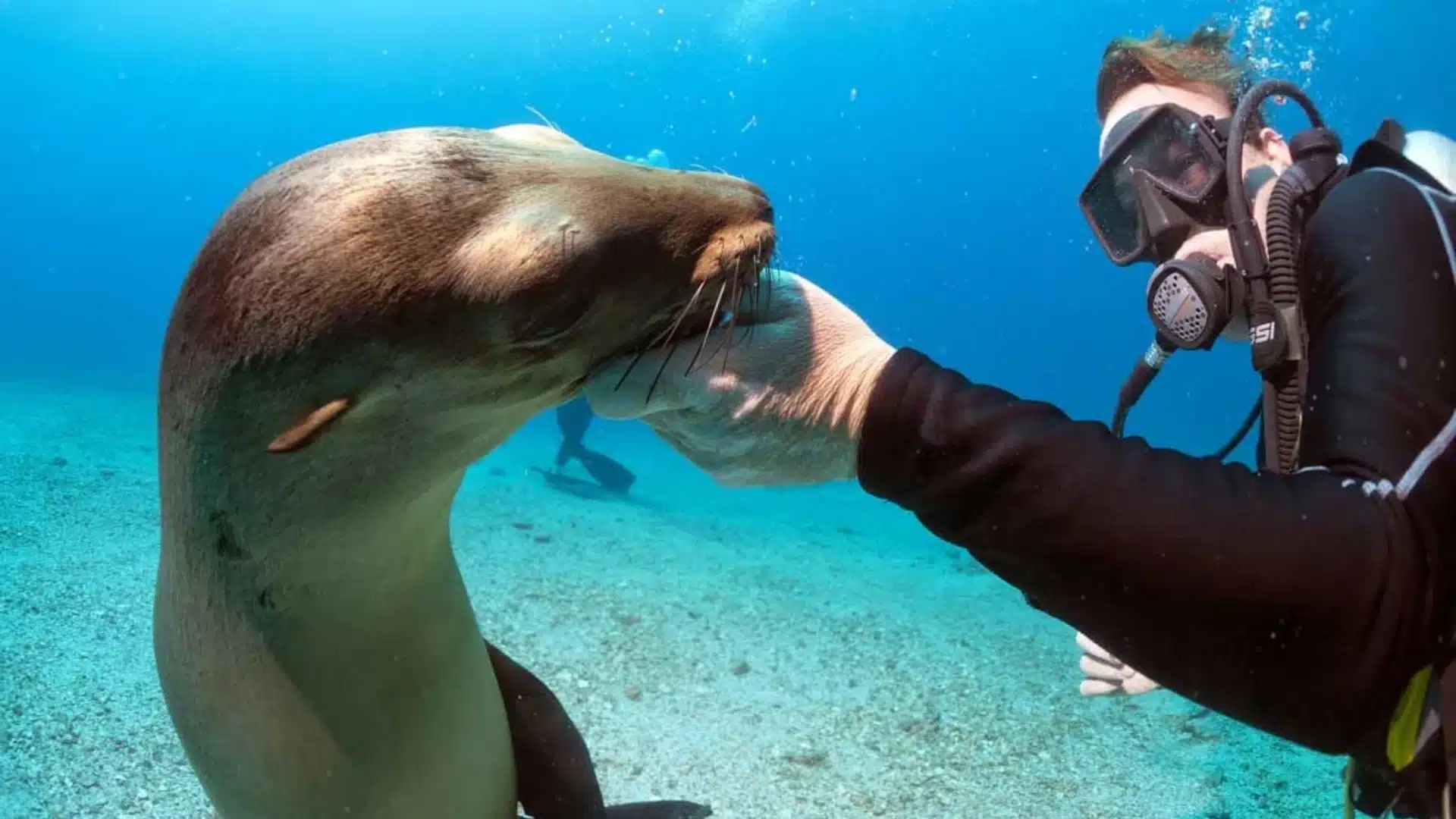
The Galápagos offerssome of the most dramatic underwater encounters with marine life in the world, including hammerhead sharks, marine iguanas, and sea lions.
Advanced skills are recommended due to strong currents, surge, and cooler water. Temperatures range widely from 18 to 26 °C.
Fly via Quito or Guayaquil to Baltra or San Cristóbal. Liveaboards reach the remote sites; island-based stays suit lighter itineraries.
Non-Diving Activities: Wildlife walks with giant tortoises and iguanas, snorkeling with sea lions, island hiking, and visiting the Charles Darwin Research Station.
19. Socorro, Mexico
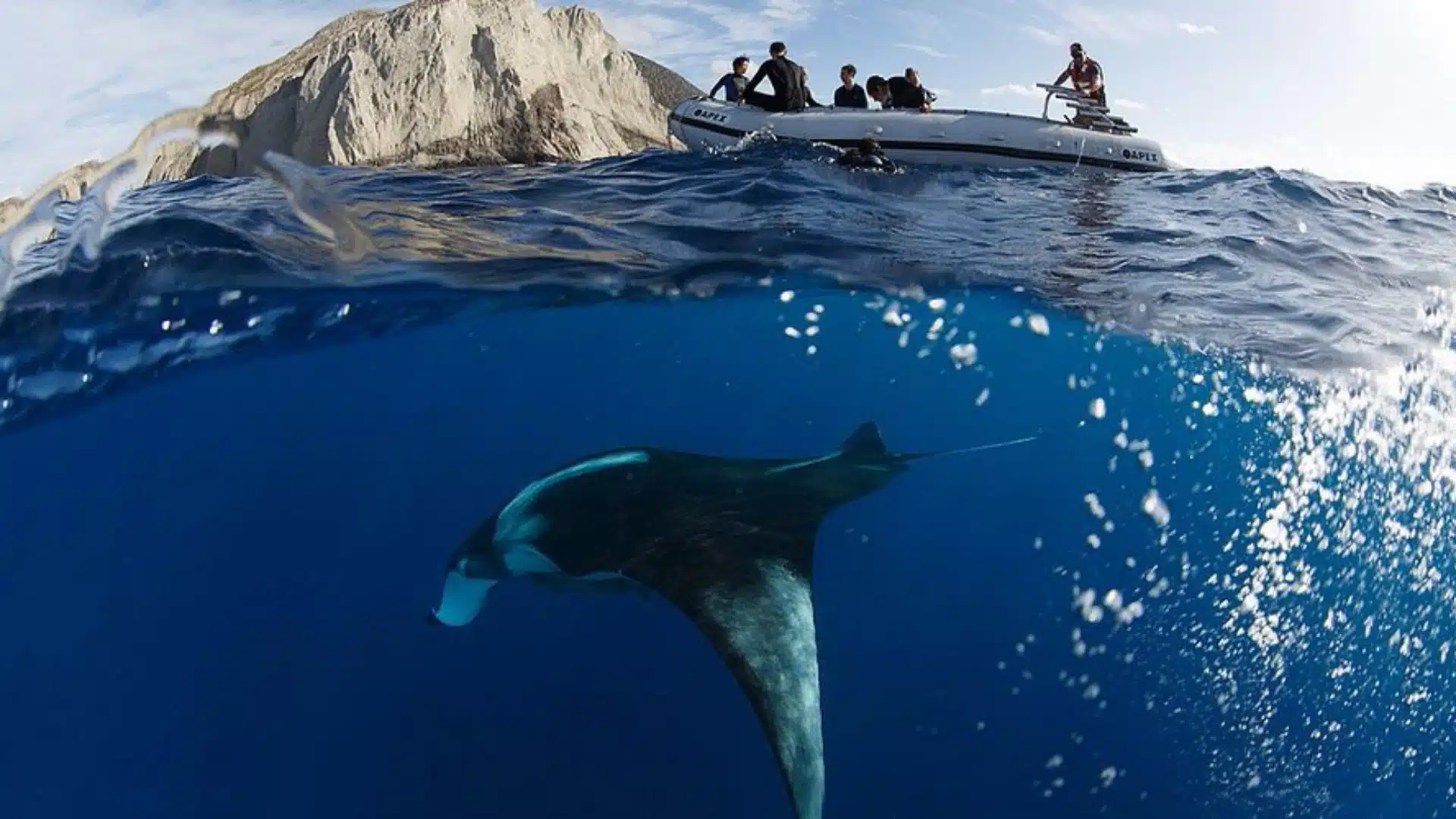
Socorro, part of the Revillagigedo Islands, is known for giant mantas and open-water shark action. The main season runs from November to May.
Advanced skills are needed for blue-water conditions and currents. Water sits at 20–26°C. Fly to the Cabo San Lucas area, then board a liveaboard for the crossing.
There are no land-based diving options; liveaboard is the only way.
Non-Diving Activities: Before or after the liveaboard, Cabo San Lucas offers whale watching, beach clubs, sport fishing, and ATV desert tours.
20. Cocos Island, Costa Rica
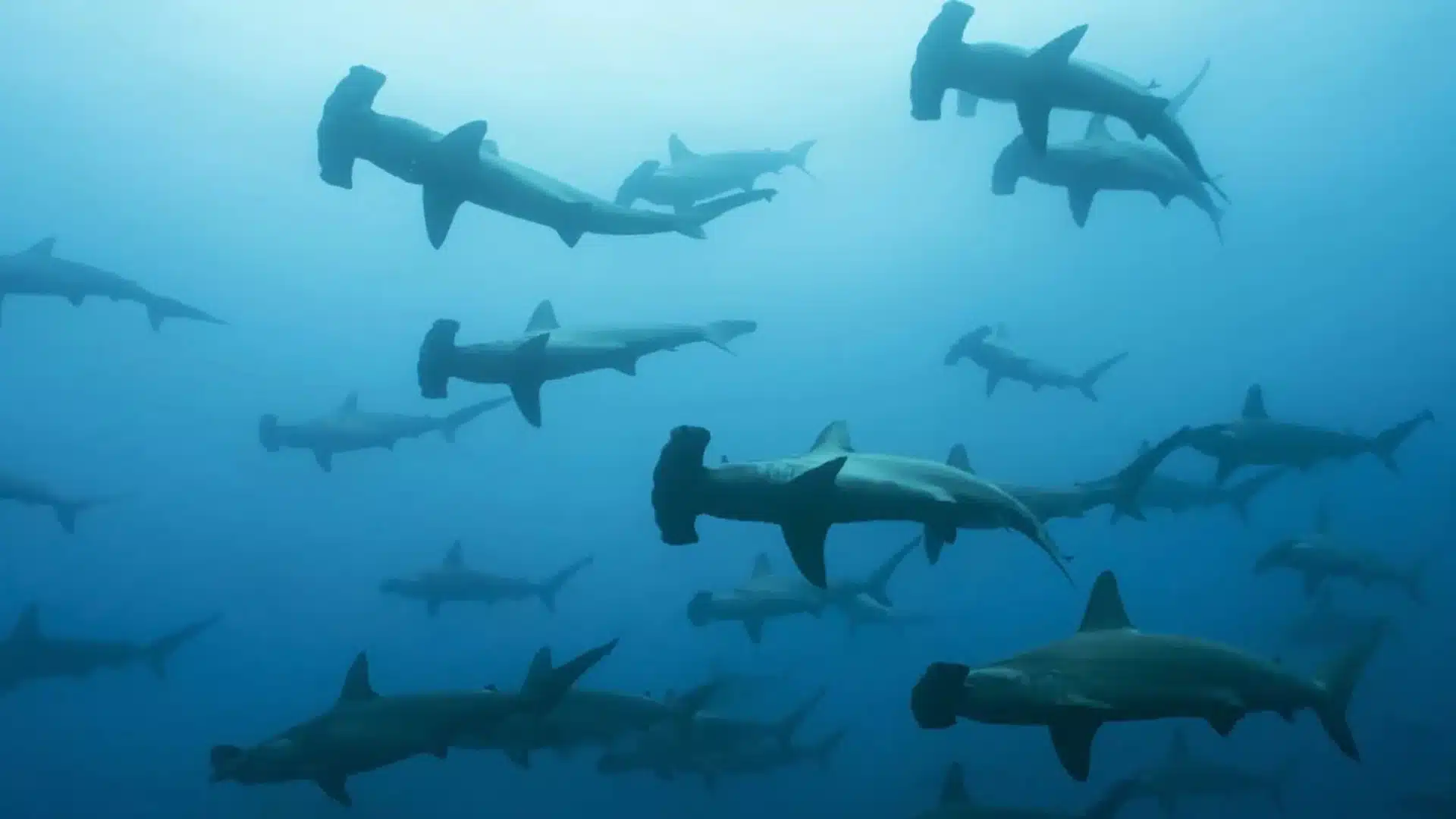
Cocos Island is one of the most remote dive destinations on this list, famous for massive hammerhead schools.
Planning around hammerhead season and sea conditions is key. Advanced skills are essential – currents here are strong, and the location is far offshore.
Water ranges from 22–28°C. The only way to get there is by a liveaboard departing from the mainland Costa Rica for a long crossing.
Non-Diving Activities: On the island, short hikes to waterfalls are possible. On the mainland, Costa Rica offers rainforest tours, zip-lining, and wildlife sanctuaries.
21. Belize
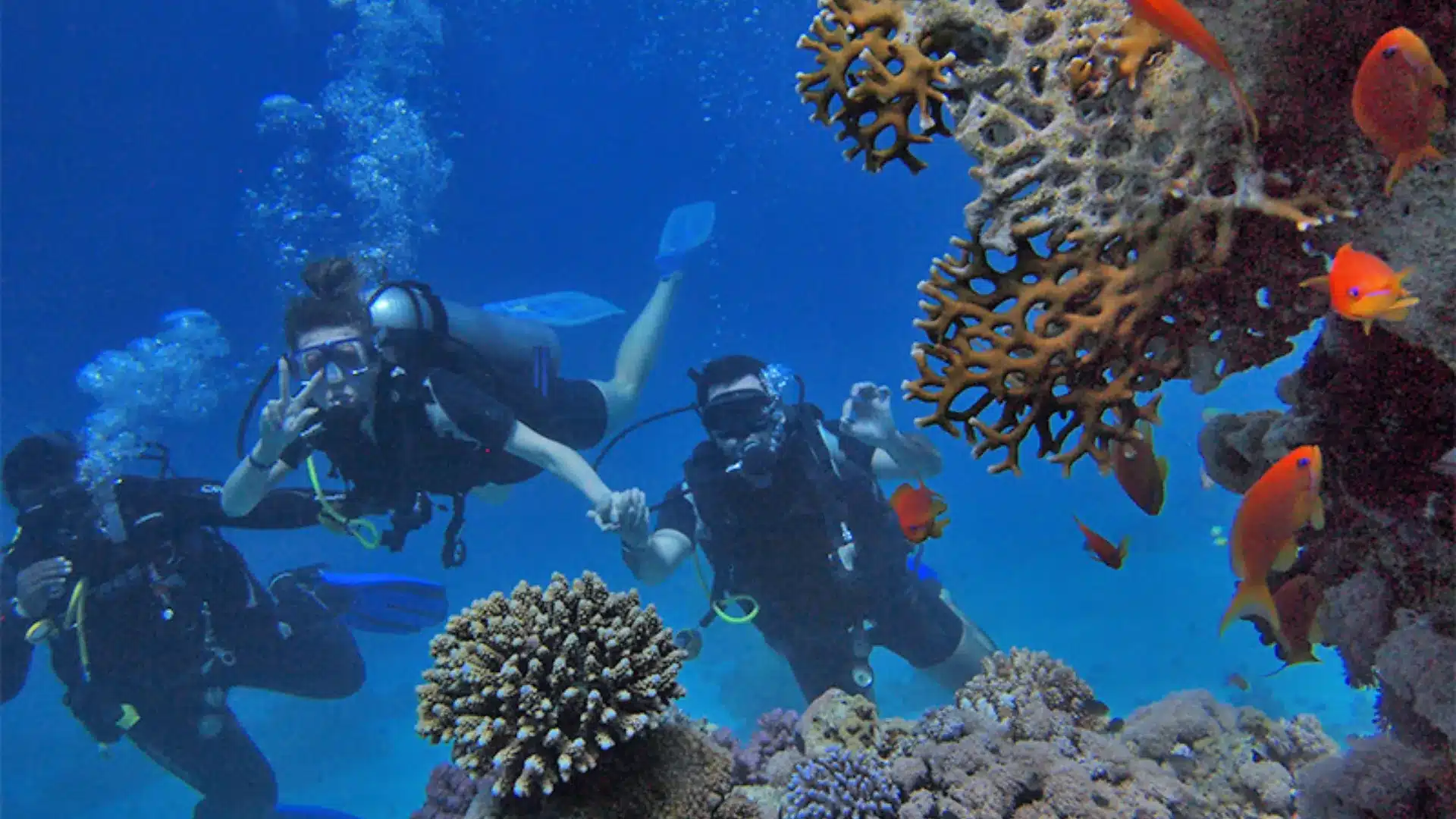
Belize offers a mix of shallow reef dives, wall dives, and the famous Great Blue Hole. November through April is the classic dry season, though shoulder months work well too.
Skill requirements range from beginner to more specialized for the Blue Hole. Water stays at 26–29°C.
Fly to Belize City, then take a boat or short flight to the cayes. Ambergris Caye and Caye Caulker are the main bases.
Non-Diving Activities: Mayan ruin visits at Xunantunich, cave tubing, zip-lining, manatee watching, and snorkeling in Hol Chan Marine Reserve.
22. Cozumel, Mexico
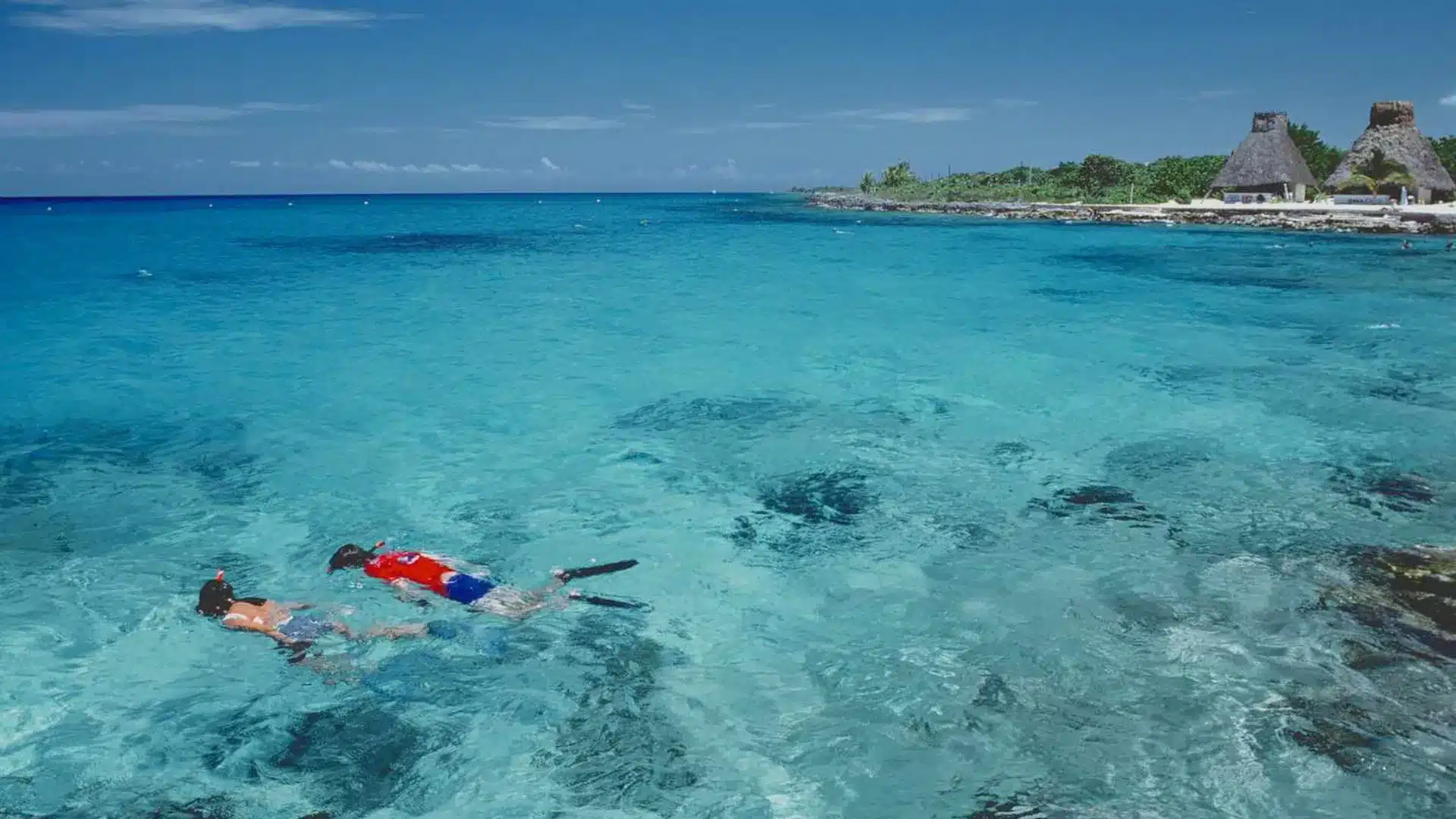
Cozumel is a beginner-friendly drift diving destination with warm, clear water and colorful reefs. December through May is the most popular window, though drift diving stays good most of the year.
Water temperatures sit at 25–29°C. Fly directly to Cozumel or arrive via Cancún and take the ferry. Hotels near dive piers and marina access make getting in and out of the water easy.
Non-Diving Activities: Snorkeling, Mayan ruin day trips to Tulum or Chichén Itzá, cycling around the island, and exploring San Miguel’s food scene and markets.
23. Bonaire
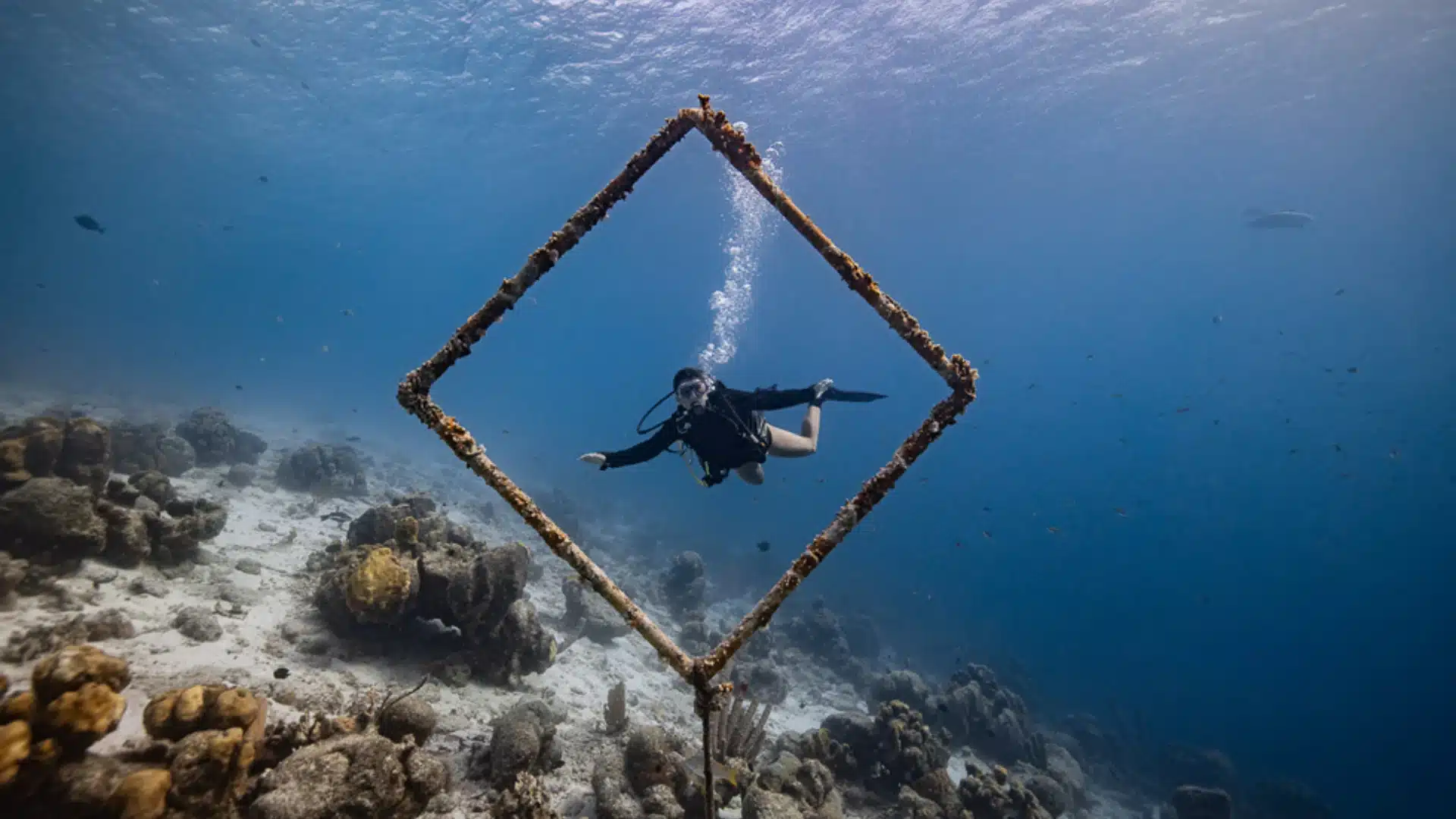
Bonaire is one of the easiest shore diving destinations anywhere. The island is open year-round and is perfect for beginner divers.
Water stays at 26–29°C. Getting here is straightforward; fly directly to Bonaire. Dive resorts provide trucks so divers can load their own gear and reach shore entry points at any time.
It’s a very flexible, independent-friendly setup.
Non-Diving Activities: Flamingo watching at the salt flats, kitesurfing, mountain biking, kayaking through mangroves, and visiting Washington Slagbaai National Park.
24. Cayman Islands (Little Cayman)
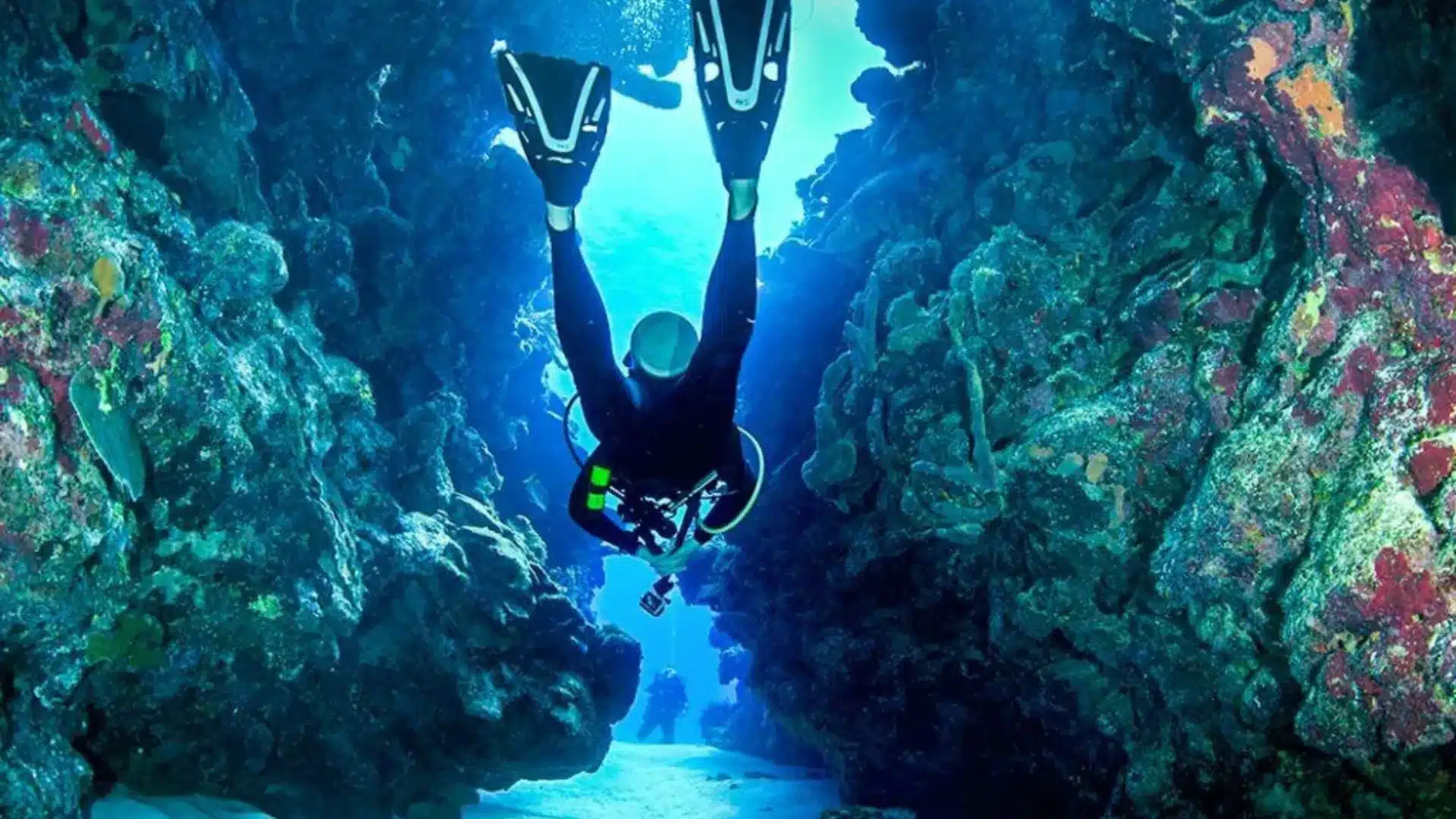
Little Cayman is best known for Bloody Bay Wall, one of the most praised wall dives in the Caribbean.
Winter through spring brings the calmest conditions, though the island works year-round. Water sits at 25–29°C and suits beginner to intermediate divers.
Fly to Grand Cayman, then take a connecting flight to Little Cayman. Dive resorts here offer easy boat access to the wall sites.
Non-Diving Activities: Birdwatching at the Booby Pond Nature Reserve, snorkeling, fishing, and day trips to Grand Cayman for shopping and Seven Mile Beach.
25. Bahamas
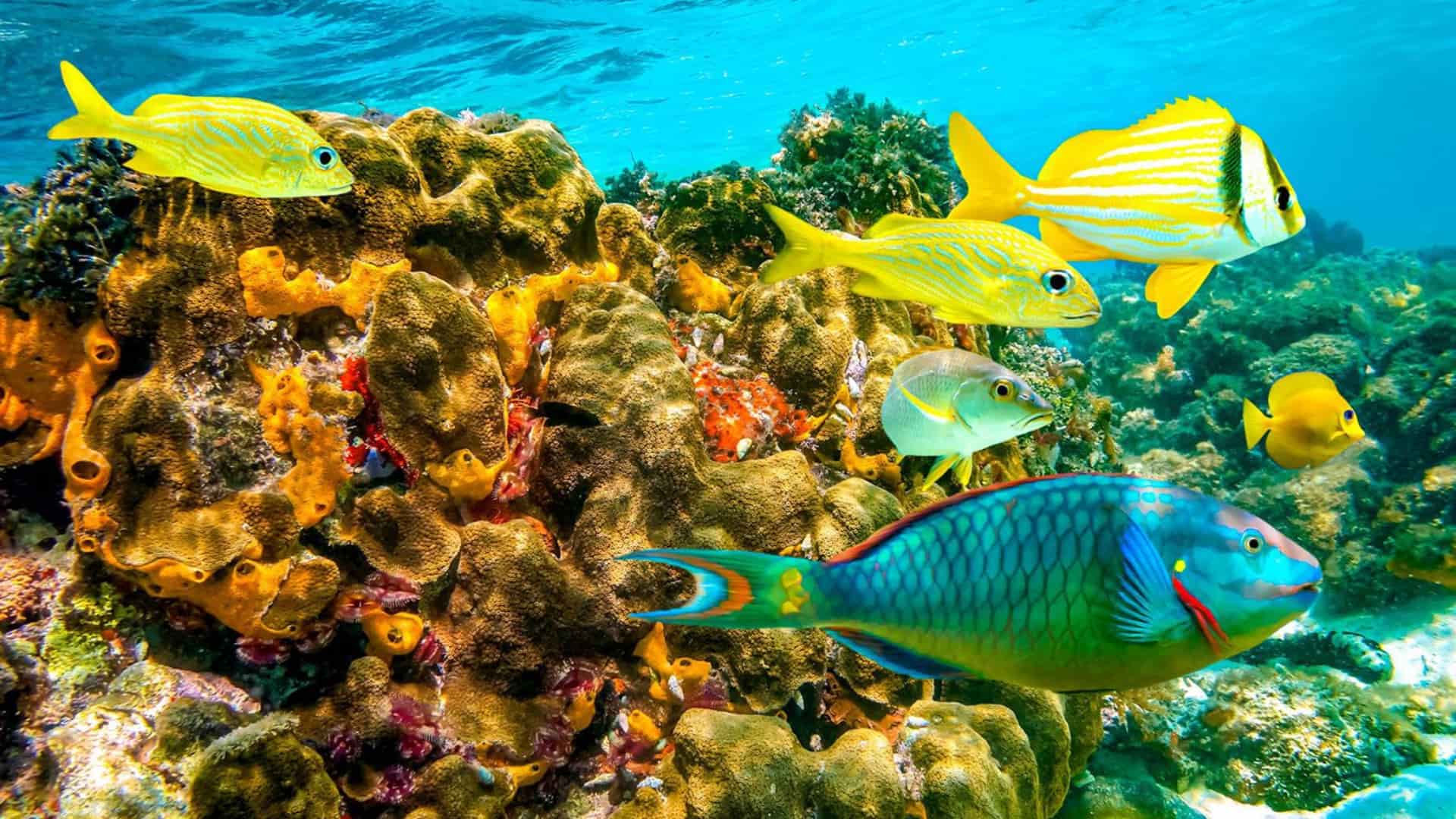
The Bahamas cover a wide range of dive experiences, from shark dives at Tiger Beach to reef dives around the Exumas.
Cooler months bring the most popular shark-focused trips, though conditions vary by island. Water temperatures range from 23 to 29°C.
Fly to Nassau or Grand Bahama, then transfer to your island of choice. Island resorts and liveaboards for multi-island routes both work well here.
Non-Diving Activities: Swimming with pigs at Exuma, snorkeling with nurse sharks, beach hopping, bonefishing, and exploring Nassau’s historic forts and markets.
This list covers destinations across all skill levels, travel budgets, and diving styles. Whether you’re after your first big reef or planning a remote liveaboard, there’s a place on this list that fits.
Use the planning details above as a starting point, and cross-check with current liveaboard calendars and dive operator sites before booking.
What Equipment Is Needed For Scuba Diving?
Knowing what to pack before a dive trip saves time and stress. Some gear is yours to bring, some gets provided, and a few extras can make a real difference on longer trips.
| Equipment | Notes |
|---|---|
| Mask, Snorkel, Fins, and Booties | Basic personal gear; bring a backup mask if you can |
| Wetsuit and Dive Computer | Wetsuit thickness depends on water temperature; a dive computer is strongly recommended |
| SMB, Spool, and Reef-Safe Sunscreen | SMB is important in areas with currents; sunscreen is for time above water |
| BCD, Regulator, Tank, and Weights | Usually provided by dive shops or liveaboards |
| Dry Bag, Defog, Spare Straps, and Camera | Useful travel extras: pack spare batteries and O-rings for your camera |
You don’t need to own everything on this list before your first trip. Renting gear from a reputable dive shop is a smart way to start. As you dive more, you’ll figure out which pieces are worth buying for yourself.
Safety Precautions And Smart Diving Habits
Good diving isn’t just about the gear or the destination. The habits you build before and during every dive are what keep you safe underwater.
- Know your skill level:check if the site’s currents and depth suit your certification, and confirm a recompression chamber is within reach.
- Get dive insurance:regular travel insurance often doesn’t cover diving emergencies, so dedicated dive insurance is a smart and affordable choice.
- Do a full buddy check:confirm air, releases, and weights, and agree on max depth, turn pressure, and hand signals before entering the water.
- Plan for currents:know whether a negative entry is needed and confirm SMB rules with your buddy well before you get in.
- Go slow underwater:keep buoyancy clean, avoid touching coral or marine life, end with a safety stop, and surface with an SMB when needed.
Safe diving comes down to preparation and good habits. The more consistent you are with these steps, the more relaxed and confident you’ll feel on every dive.
Conclusion
The best scuba diving in the world looks different for every diver. Some want big animals. Others want wrecks, colorful reefs, or tiny critters hiding in the sand.
What matters most is choosing a destination that aligns with your goals, skill level, and the right season. Pack the gear you need, follow safe diving habits, and always respect the marine life around you.
The ocean gives back what you put in. Pick one destination from this list, check the best season, and book early because peak windows fill up fast.
Found your next dive spot? Bookmark this page so you can come back to it when you’re ready to plan.