

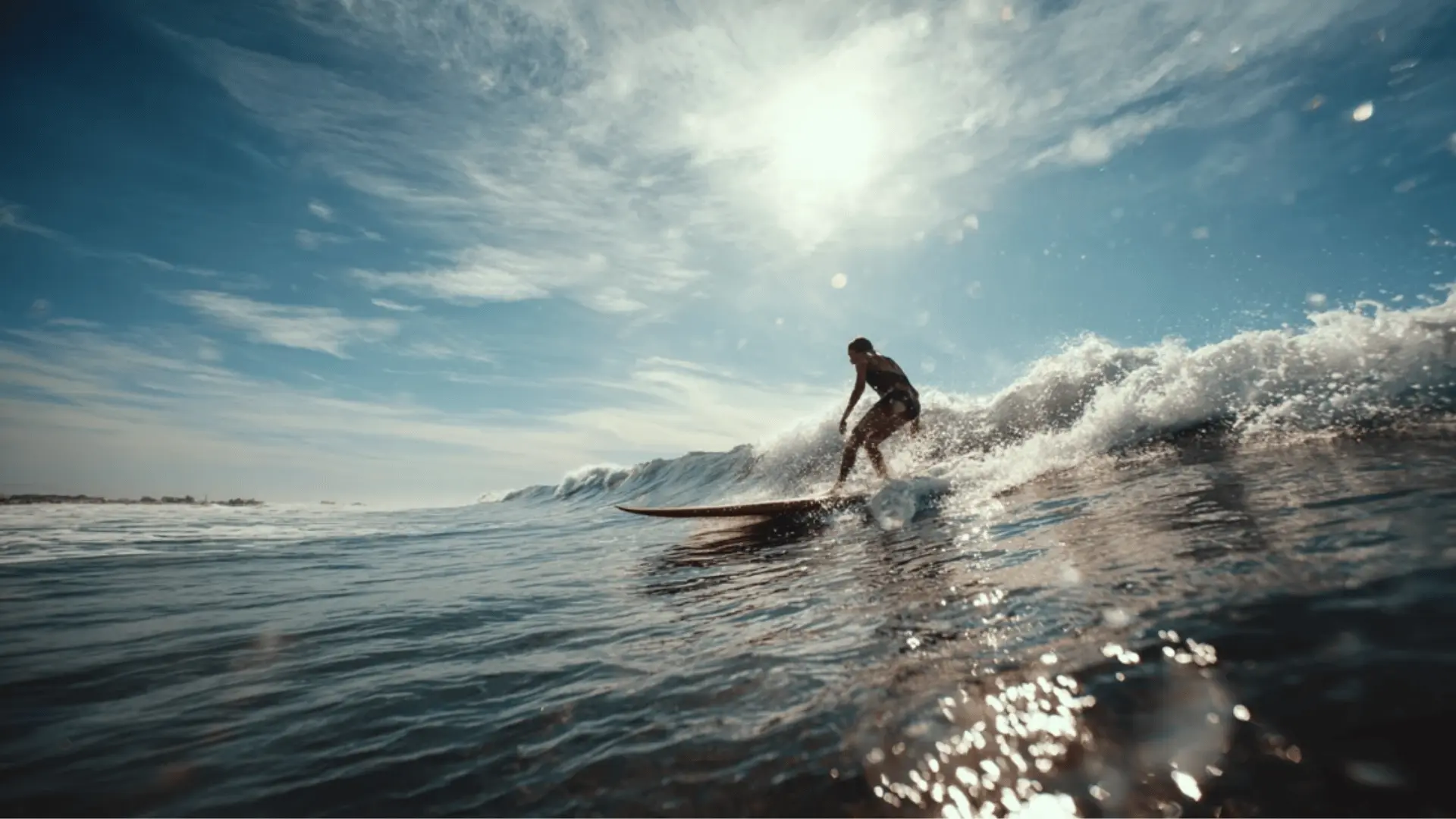
Surfing for beginners can feel both exciting and a little confusing at first. Standing on a moving wave takes balance, timing, and practice, but anyone can learn with the right steps.
Many new surfers start by understanding the basics of the ocean, choosing the right board, and learning how to move on the water safely.
If you want to learn to surf, it helps to start with simple techniques and build your skills over time.
As you learn to surf, small wins like catching your first wave can boost confidence. With patience and steady effort, surfing becomes easier and more enjoyable, making each session in the water worth it.
What is Surfing and Why People Love It
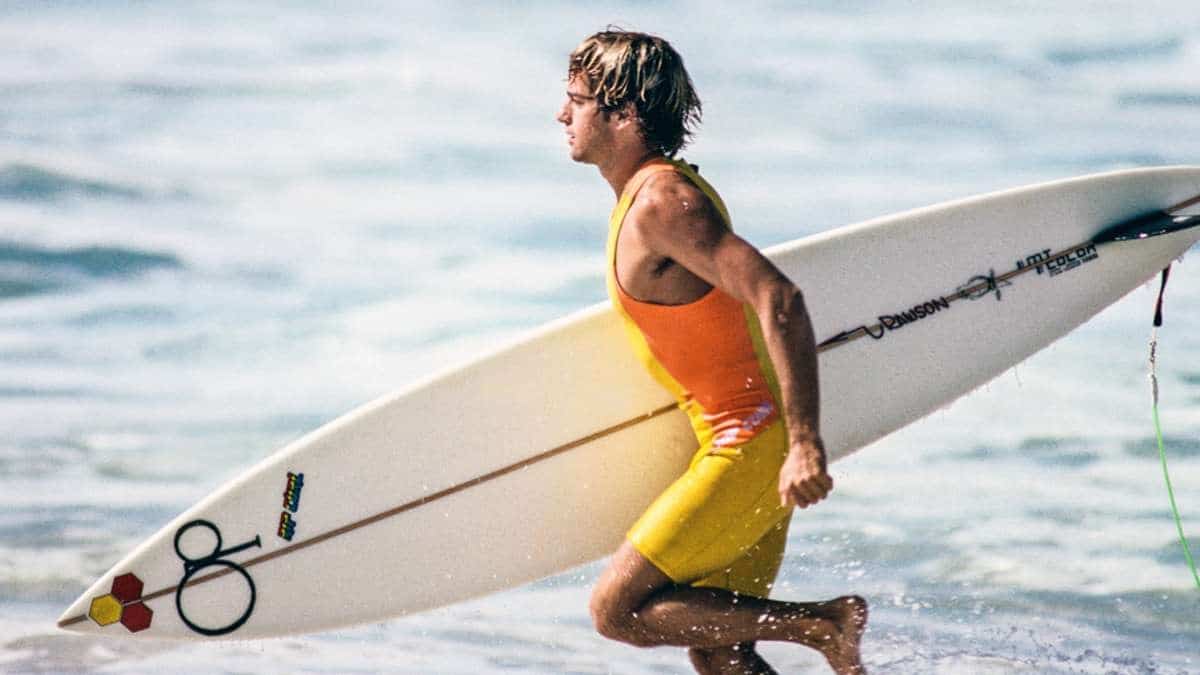
Surfing is a water sport where a person rides a wave on a board as it moves toward the shore. It may look hard at first, but it is built on simple skills like paddling, balance, and timing.
Many people enjoy surfing because it is fun, keeps the body active, and allows time in the ocean. It can improve strength, focus, and overall fitness. Being in the water can also feel calm and refreshing.
Beginners can expect to start slow, often by practicing on small waves and learning how to stand up on the board. With regular practice, skills improve, and the experience becomes more enjoyable over time.
Surfing for Beginners: Is it Hard to Learn
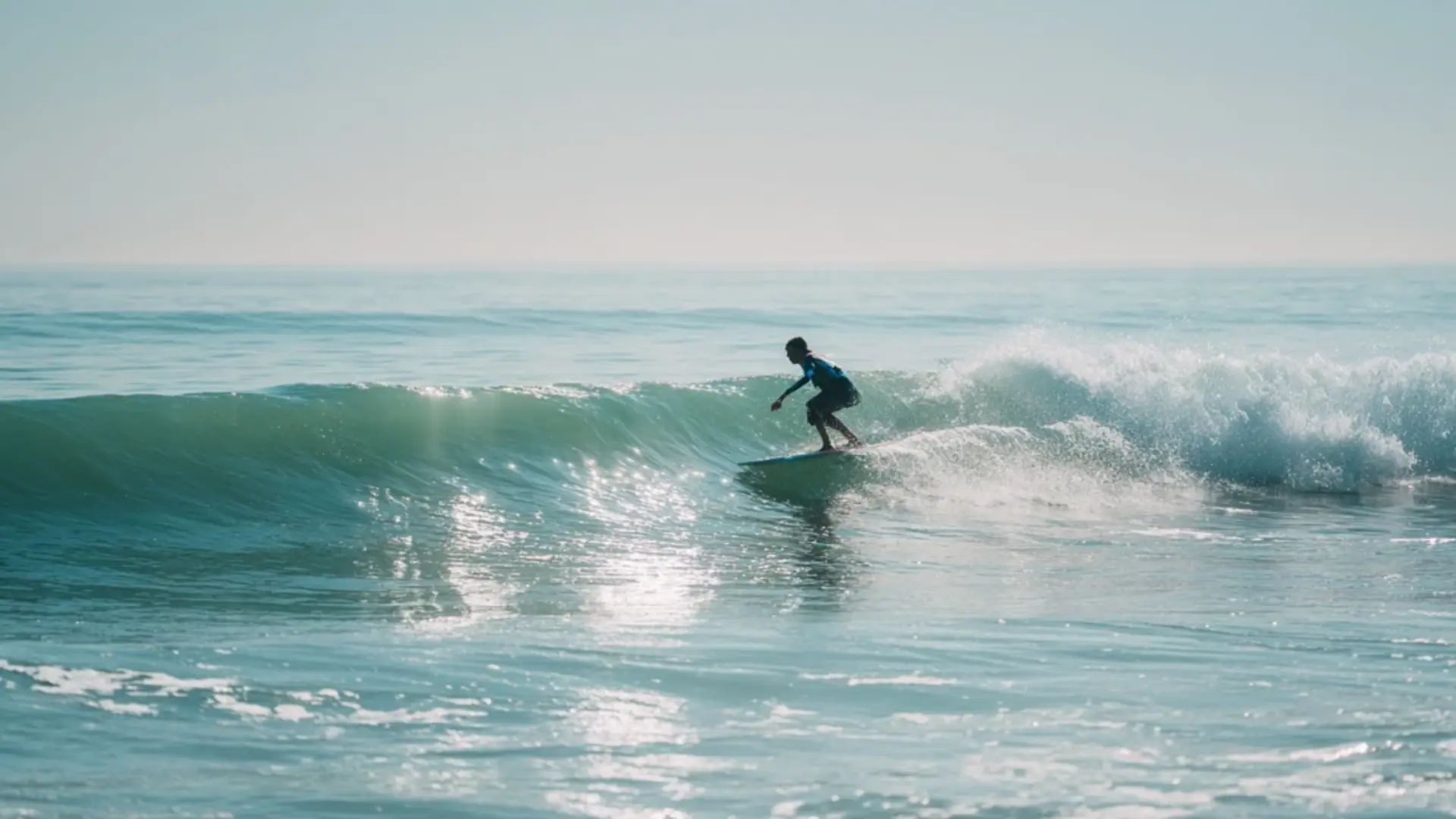
Surfing is not easy at first, but it is not too hard to learn with steady practice. Most beginners find it challenging because it takes balance, timing, and strength to catch and ride a wave. The early stages may feel slow, and falling is a normal part of learning.
With patience, skills begin to improve step by step. Many people can learn the basic moves, like paddling and standing up, within a few days or a few sessions in the water. Surfing is not just a fun activity; it is widely recognized as the sport that builds strength and balance.
However, becoming comfortable and riding waves smoothly can take weeks or even months. Staying consistent and not rushing the process helps build confidence and makes learning more enjoyable.
Basic Surfing Terms You Should Know
Understanding a few basic surfing terms can make the learning process much easier. These simple words are often used in the water and during lessons, so knowing them helps you follow along and stay safe.
-
Wave: A moving swell of water that surfers ride toward the shore.
-
Lineup: The area in the water where surfers wait for waves.
-
Break: The spot where a wave starts to rise and fall, making it rideable.
-
Paddle: Lying on the board and using your arms to move through the water.
-
Pop-up: The quick motion of going from lying down to standing on the board.
-
Nose: The front end of the surfboard.
-
Tail: The back end of the surfboard.
-
Leash: A cord that connects your ankle to the board so it does not drift away.
Learning these terms helps you understand instructions faster and feel more confident in the water. Once these words become familiar, it gets easier to follow lessons and enjoy your time while learning to surf.
Choosing the Right Surfboard For Beginners
Choosing the right surfboard plays a big role in how easily someone can learn. For beginners, soft-top boards are often the best choice because they are more stable and have a softer surface, making them safer in the event of a fall.
A longer and wider board is usually recommended, as it provides better support in the water. This extra size helps with balance and makes it easier to catch waves.
Bigger boards also move more smoothly, giving beginners more time to stand up and adjust their position. Starting with the right board can make early practice less frustrating and help build confidence step by step.
As a general rule, your first board should be at least 2 to 3 feet taller than you are.
A 9-foot longboard or an 8 to 9-foot soft-top funboard works well for most adults. Bigger boards also move more smoothly, giving beginners more time to stand up and adjust their position.
Essential Surf Gear You Will Need
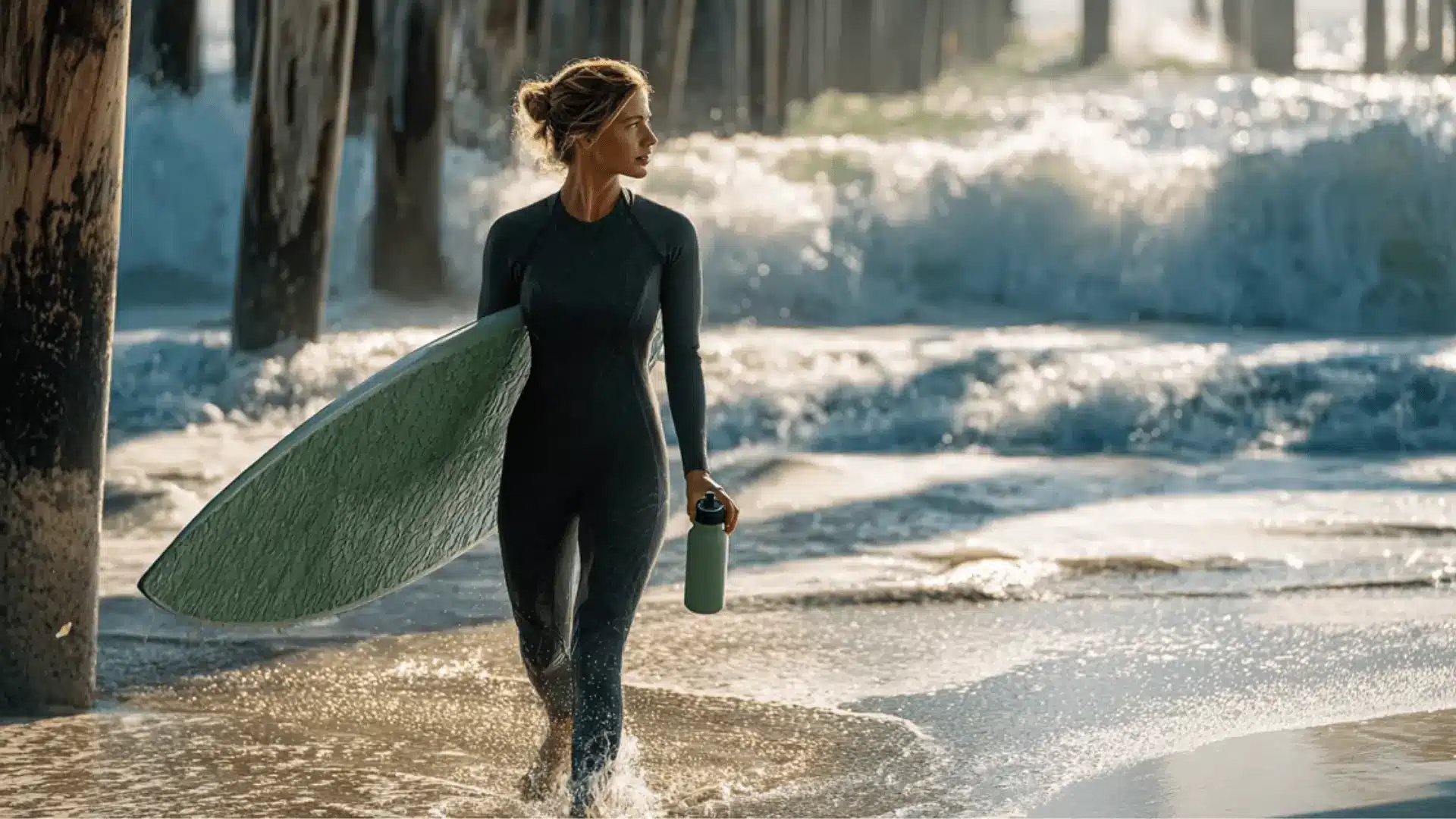
For anyone starting to learn to surf, it helps to keep things simple and focus on the items that support balance, control, and safety in the water.
-
Surfboard and leash: A beginner-friendly surfboard, often a soft-top, gives better stability and makes it easier to practice basic moves. A leash keeps the board attached to the ankle, which helps prevent it from drifting away after a fall.
-
Wetsuit: A wetsuit is useful in cold or cool water because it helps keep the body warm and can also protect the skin from sun, wind, and board rash. In warm places, some surfers may only need a rash guard or swimsuit.
-
Wax: Surf wax is placed on the top of the board to help prevent slipping while paddling and standing up.
-
Fins: Fins attach to the bottom of the board and help with direction, balance, and control while riding a wave.
-
Safety basics: Beginners should also think about sun protection, safe swimwear, and checking the water conditions before going out. These small steps matter when learning to surf safely and steadily.
Starting with simple, reliable gear helps reduce early mistakes and gives beginners a better chance to enjoy each session as they learn to surf.
How to Read the Ocean Before You Surf
Before entering the water, it is important to spend a few minutes watching the ocean. Waves do not move the same way all the time, so observing how they rise and break can help beginners choose the right moment to practice.
Look for areas with smaller, more even waves, as these are safer for learning. It is also helpful to notice where other surfers are sitting and riding waves, since they often gather in suitable spots.
At the same time, watch for places where waves crash hard or water pulls strongly, as these can be risky. Taking time to understand these details helps beginners stay safer and make better decisions while learning.
Using Surf Forecast Tools: Checking conditions before you go is just as important as watching them when you arrive.
Apps and websites like Surfline give wave height, period, and wind forecasts for specific beaches.
For beginners, look for days with wave heights of 1 to 3 feet and offshore or light wind. Anything above that is better left to more experienced surfers.
Safety Tips Every Beginner Should Follow
Staying safe in the water is one of the most important parts of learning to surf. For beginners, whitewater, the gentle broken part of a wave, gives them a slower and more stable way to practice standing up.
- Never surf alone: Always go with a friend or stay in areas where others are present. This ensures help is nearby if needed.
- Respect other surfers: Take turns on waves, avoid getting in someone’s path, and be aware of your surroundings. This helps prevent collisions.
- Know your limits: Start with small waves and avoid conditions that feel too strong or fast. Pushing too hard too soon can lead to injury.
- Understand ocean safety: Learn about currents, tides, and how water moves. For example, rip currents can pull you away from shore, so it’s important to stay calm and move sideways to get out of them.
By following these simple tips, beginners can reduce risks and focus more on building skills and enjoying the experience.
Best Surf Spots for Beginners
Choosing the right place to surf can make learning much smoother and more enjoyable. Calm locations with simple conditions help beginners focus on balance, timing, and building confidence in the water.
- Sandy beaches: Soft ocean floors reduce impact during falls and provide a more forgiving surface.
- Small waves: Gentle, steady waves give beginners more time to paddle, stand, and stay balanced.
- Less crowded: Fewer surfers in the water make it easier to focus and avoid unnecessary collisions.
- Lifeguard presence: Surfing near lifeguards adds an extra layer of safety and quick support if needed.
Starting at the right surf spot helps beginners feel more comfortable in the water and progress at a steady pace.
Many beginners choose surfing in Costa Rica because of its consistent waves and learner-friendly beaches.
Beginner-Friendly Surf Spots in the United States1. Waikiki Beach, Oahu, Hawaii Gentle, long-period waves and warm water make this one of the most forgiving learning environments in the world. This is also where surfing as a modern sport was popularized. 2. Cocoa Beach, Florida Small, slow Atlantic waves and a flat sandy bottom. Ideal for first-timers, and surf schools are easy to find. 3. Malibu (First Point), California Long, peeling right-hand waves on small days. Best visited on weekday mornings to avoid crowds. 4. Folly Beach, South Carolina Consistent small waves and a long stretch of open beach, good for learning, with room to move. 5. San Onofre State Beach, California Known among locals as one of the most welcoming beginner spots on the West Coast, with slow, crumbly waves and a relaxed atmosphere. |
How to Practice on Land First
Before going into the water, it helps to practice a few basic movements on land. One of the most important is the pop-up, which is the motion of moving from lying down to standing on the board in one quick step.
Practicing this on a flat surface helps build muscle memory and improve balance. It is also important to learn the correct body position, such as keeping your chest up, keeping your hands near your shoulders, and placing your feet firmly under your body when you stand.
Practice your pop-up at least 20 to 30 times on the ground before your first session in the water. Mark your stance on the floor with tape if it helps.
Your feet should land roughly shoulder-width apart, with your front foot angled slightly across the board and your back foot near the tail. This foot placement is what gives you control once you are standing.
Step-by-Step: How To Surf For The First Time

A first surf session feels easier when each step is broken into simple actions.
Many beginner surf lessons around the world follow structured methods similar to those developed by the International Surfing Association, focusing on safety, basic techniques, and learning in small, controlled waves.
1. Getting Into the Water
Start in a calm area with small breaking waves and a sandy bottom. Hold the board by the side or keep it on a leash while walking in.
Face the incoming water and move slowly until the depth feels right for getting on the board. Taking time here helps beginners stay steady, avoid falls, and choose a safer place to begin.
2. Positioning on the Board
Lie flat on the board with the body centered from side to side. The chest should be raised slightly, with the head looking forward, not down.
If the front of the board sinks, move back a little. If the front lifts too much, move forward. Good body placement helps the board glide better and makes paddling easier from the start.
3. Paddling Correctly
Use long, steady arm strokes instead of short, rushed movements. Keep the legs still and close together so the board stays balanced.
Lift the chest slightly while paddling to help the board move cleanly across the water. Looking ahead also helps with direction. Good paddling saves energy, improves control, and gives beginners a better chance of catching smaller waves.
4. Catching a Small Wave
Choose a small wave that is already breaking and begins to push the board forward. As the wave approaches, paddle a bit faster so the board matches the wave’s motion.
Keep the board pointed straight toward shore. When the board starts to glide on its own, that is usually the right moment to prepare to stand up.
5. Standing Up (Pop-Up)
Once the board is moving, place both hands near the chest and press the upper body up in one quick motion. Bring the feet under the body rather than raising them to the knees first.
Keep the knees bent and the eyes forward. A low, steady stance helps with balance. Practicing this move on land often makes the first tries easier.
6. Riding the Wave
After standing, keep the knees bent and the weight centered over the board. The eyes should stay forward, since looking down can throw off balance. Let the arms stay relaxed for control.
On a first ride, the main goal is to stay steady for a few seconds, not to turn sharply. Small, simple rides help build skill and confidence over time.
When are You Ready for Green Waves?A green (unbroken) wave is faster and steeper than whitewater. You are ready to try one when you can: consistently pop up in one movement without using your knees; ride whitewater waves to shore while staying balanced and looking forward; and paddle out through small surf without losing your board. Moving to green waves too early is one of the most common ways beginners plateau or get injured. Earn it in the whitewater first. |
Common Beginner Mistakes and Surf Etiquette
Learning to surf is not only about standing up on the board. A few basic habits can help beginners stay safer, feel more confident, and enjoy each session more.
- Right of way: Give priority to the surfer closest to the breaking wave, and avoid taking off first.
- Dropping in: Do not stand up on a wave someone else is already riding beside you.
- Turn and watch: Wait calmly, stay aware of nearby surfers, and avoid paddling straight into rides around you.
- Looking down: Keep your eyes forward when standing, because looking down often throws balance off fast, early.
- Board and timing: Use a stable board, paddle with purpose, and stand only when momentum builds under you.
When beginners respect surf etiquette and fix common mistakes step by step, learning becomes smoother, and time in the water feels much more comfortable.
Tips to Improve Faster
Learning to surf gets easier when beginners focus on good habits and avoid common mistakes. Small changes in practice, timing, and board choice can make a big difference in how quickly skills start to improve.
- Start with small waves and avoid rushing to stand up: Small, slower waves give beginners more time to paddle, balance, and react. Trying to stand too early often leads to quick falls and makes it harder to feel how the wave moves.
- Keep your eyes forward, not down: Looking down can throw off balance and body position. Looking ahead helps the body stay steadier and makes it easier to move with the board.
- Use the right board for your skill level: A bigger, softer board gives more stability and helps beginners catch waves more easily.
- Practice often and do simple warm-ups: Regular practice helps the body remember key movements like paddling and standing up.
- Be patient and take lessons if possible: Progress takes time, and steady practice usually works better than trying to improve too fast.
Small, steady progress helps beginners feel more confident in the water. Checked against the uploaded banned-word list.
Best Conditions for Beginner Surfers
Beginner surfers do best in calm and gentle conditions. Small, slow waves are easier to catch and give more time to balance and stand up.
Sandy beaches are safer than rocky or reef areas because the ocean floor is softer and reduces the risk of injury during falls. Light wind is also helpful, as strong wind can make waves uneven and harder to ride.
Calm spots allow beginners to focus on basic skills like paddling and standing without feeling rushed or overwhelmed. Choosing the right conditions can make learning smoother, safer, and more enjoyable in the early stages.
Final-Thoughts
Starting out with surfing for beginners can feel slow at first, but each session in the water helps build skill and confidence. When you learn to surf, small steps like paddling better or standing for a few seconds matter more than quick results.
Understanding how to surf takes time, and steady practice is what leads to real progress. Over time, balance, timing, and comfort in the ocean improve naturally.
Surfing can become a long-term skill that stays enjoyable as you keep learning. To better understand the sport, you should know the origins of surfing and how it has developed over time.
Stay consistent, be patient, and focus on the basics. If possible, spend more time in the water and keep practicing; your next wave could be your best one yet.
Frequently Asked Questions
Do I Need to Know How to Swim Before Learning to Surf?
Yes, basic swimming skills are important. You should feel comfortable in the water and be able to float, paddle, and return to shore safely.
What is the Best Age to Start Surfing?
People can start at almost any age. Children, teens, and adults can all learn. The key is comfort in water and a willingness to practice.
Is Surfing a Good Workout?
Yes, surfing builds strength, balance, and endurance. Paddling works the upper body, while standing helps improve core strength.






One Response