

If you’ve ever typed running water sounds into YouTube at midnight hoping it’ll finally help you drift off, or you’re a sidelined runner who’s heard someone mention aqua jogging at the gym, you’re in the right place.
There’s something magnetic about the sound of running water. Steady, flowing water creates a natural sound blanket that many people find genuinely helpful for sleeping, focusing, or mentally clocking out after a long day.
Evidence is mixed, but millions swear by it, and that’s worth exploring.
Funny enough, “water running” means two very different things depending on who you ask.
First, a quick-pick guide to the best running water sounds for your goal. Then, a full beginner-friendly breakdown of aqua jogging, technique, workouts, and all.
Water Running in 60 Seconds: Pick Your Goal
Not all running water sounds are created equal, and picking the right one actually makes a difference. If sleep is your goal, go for a steady, low-variation sound like a flowing river or stream.
The consistency acts almost like a volume knob for your brain, quietly dialing down the noise around you so you can drift off without interruption.
Chasing focus instead? A mid-volume fountain or gentle stream works well to mask the little distractions, keyboard clicks, distant conversations, and that neighbor who apparently vacuums at 10 PM, without pulling your attention away from the task at hand.
And if you just need to decompress, a natural scene like a forest stream or soft waterfall can give your mind a proper reset. One quick note before you hit play: keep the volume at a comfortable, conversational level.
If you have tinnitus or sound sensitivity, it’s worth starting low and seeing how you feel.
Types of Running Water Sounds That Soothe
Now that you know what to look for, it’s time to actually listen. Below are five of the best running water sounds, each picked for a specific mood or goal. Browse through, hit play, and find the one that feels right for you.
1. Gentle Stream Flow
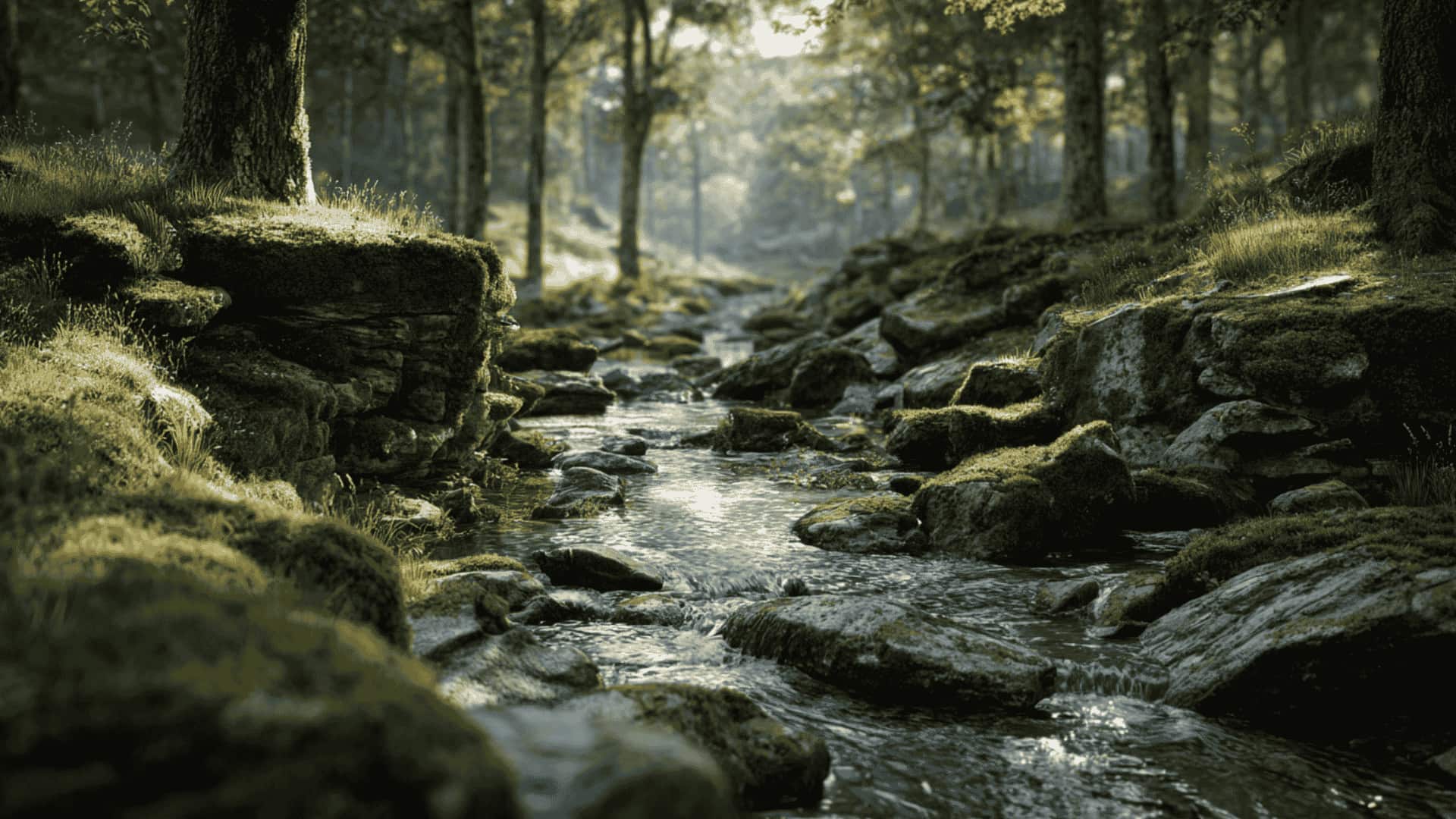
A peaceful forest stream with clear running water flowing over smooth stones. The soft, natural movement creates a soothing atmosphere perfect for relaxation, meditation, or deep focus sessions.
Ideal background sound for calming the mind and reducing daily stress.
Listen Here: johnnielawson
2. Fast-Flowing River
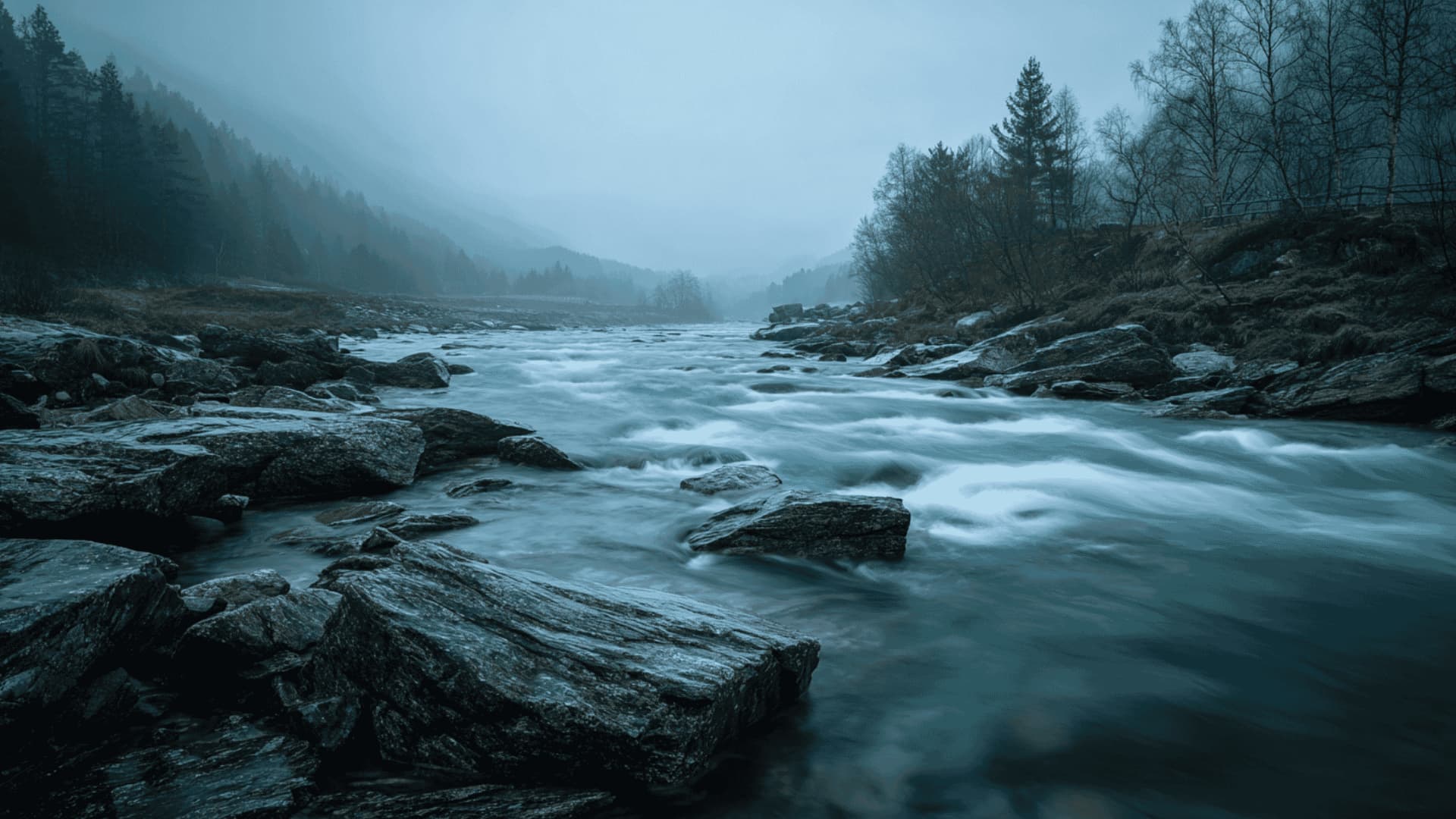
A strong river current with continuous running water moving steadily between rocky banks. The consistent sound helps mask background noise, making it perfect for sleep, studying, or creating a white-noise environment at home.
Listen Here:Relaxing White Noise
3. Waterfall Rushing
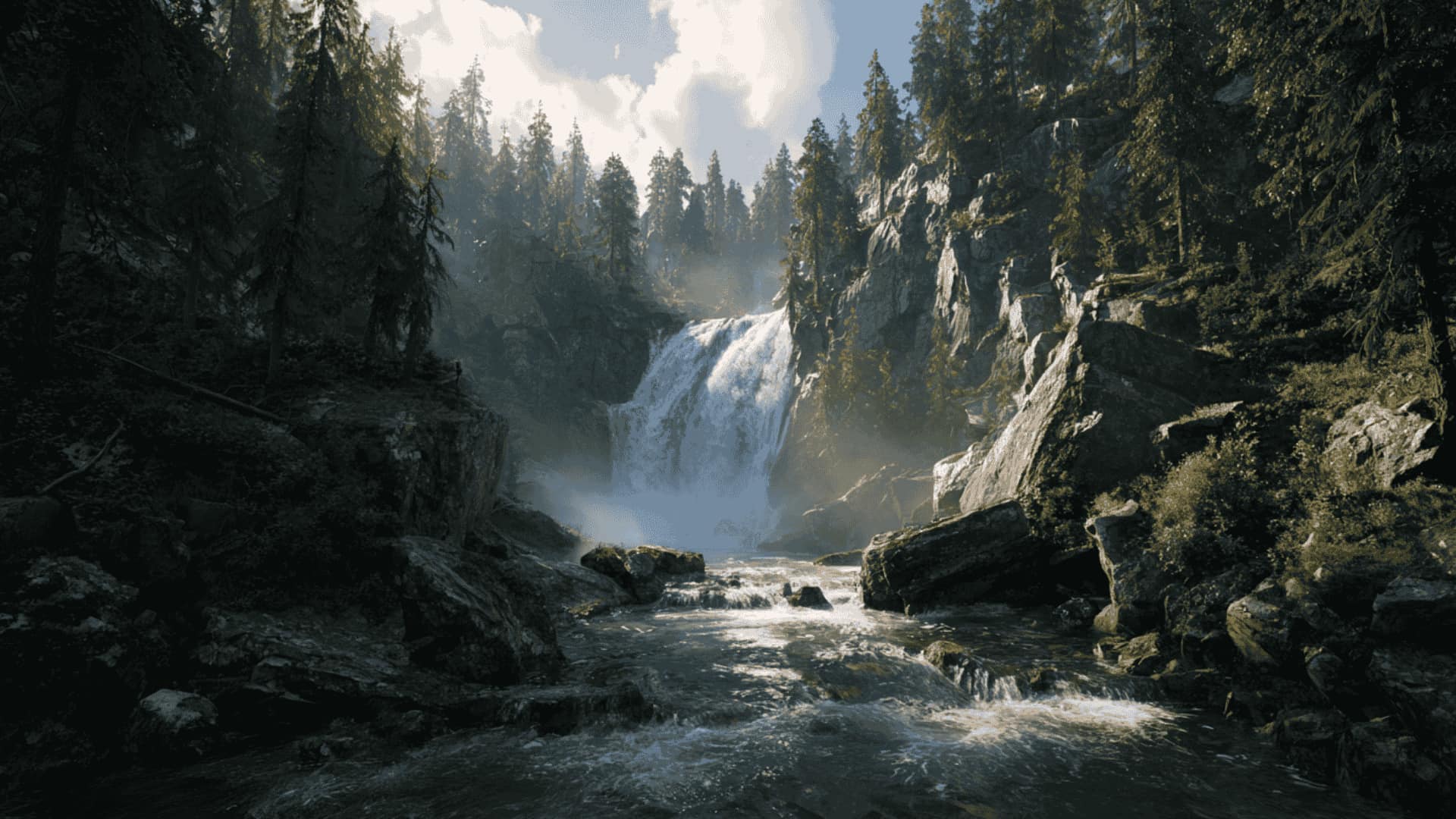
A cascading waterfall surrounded by lush greenery, producing powerful running water sounds. The rich, immersive flow creates a natural white-noise effect that promotes deep focus, stress relief, and a refreshing mental reset after long workdays.
Listen Here: Soothing Sleep Sounds
4. Running Tap Water
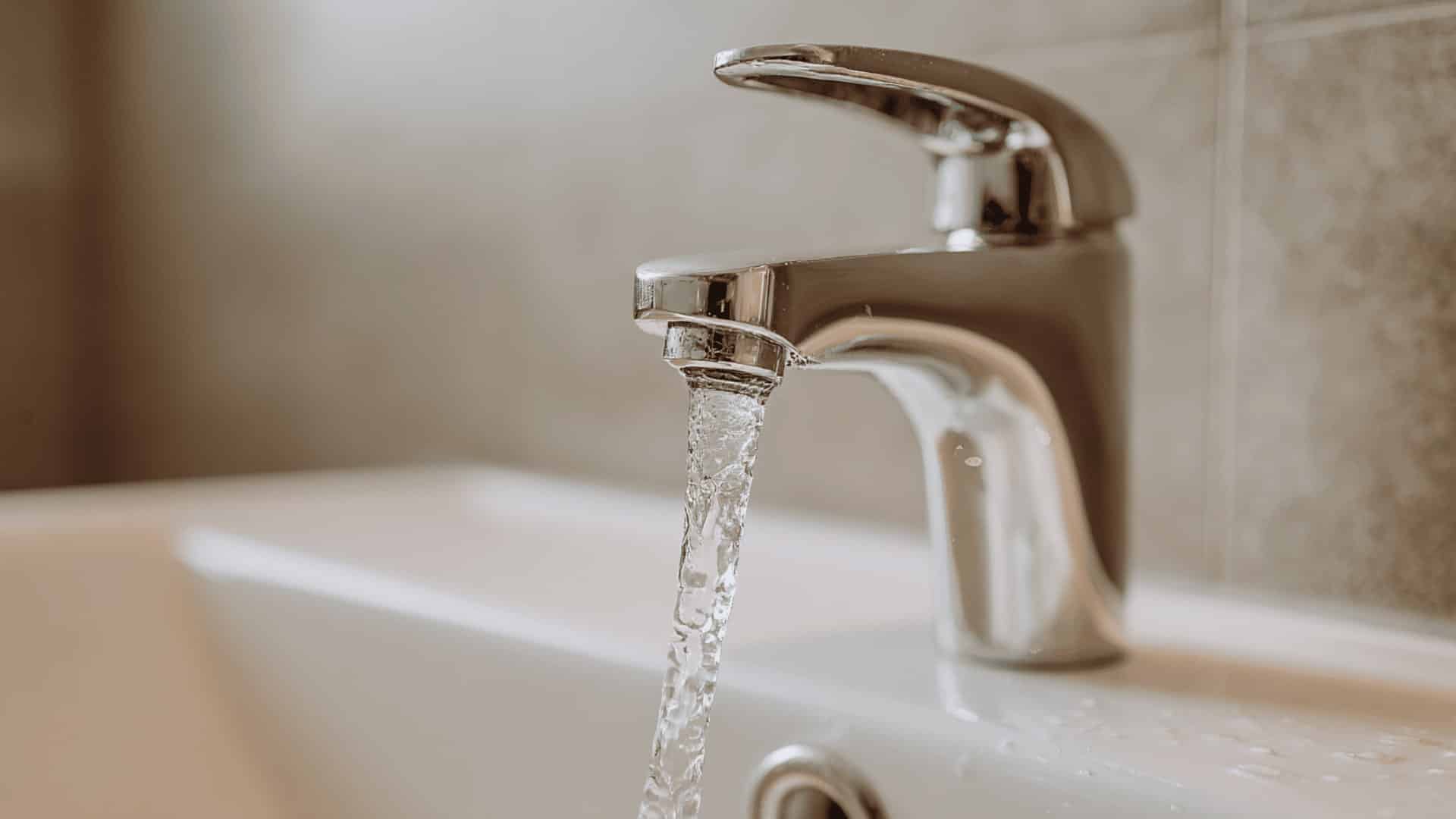
Close-up of indoor tap water running steadily into a sink. The consistent, rhythmic sound creates a comforting white-noise effect, often used for quick relaxation, concentration, or calming anxiety.
Listen Here:Relaxing Sounds
5. Ocean Waves
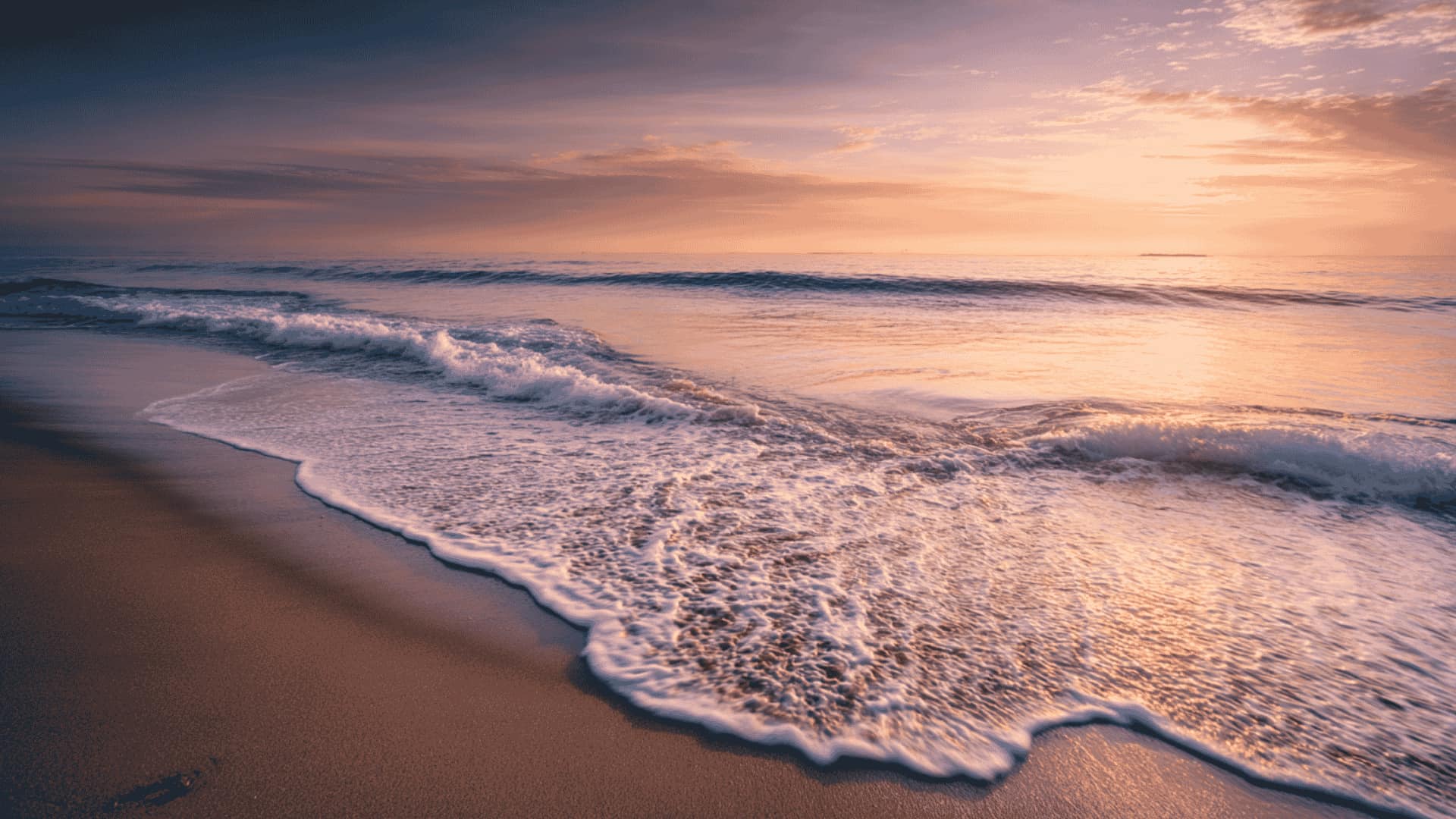
Ocean waves create a slow, rhythmic pattern that feels steady and comforting, without sharp splashes. Many people use this running water sound to relax at night, ease stress, or build a soothing bedtime routine.
Listen Here: Naturaleza Viva – Ocean Sounds For Sleeping
The Other Side of Water Running
Up to now, we’ve been talking about running water as something you listen to. But there’s another side to this topic that’s especially useful if you’re a runner.
Water running, as a workout, is exactly what it sounds like: running in water. And before you imagine splashing around in the shallow end looking confused, stick with me.
It’s actually one of the most underrated training tools out there. Coaches use it, physios recommend it, and many runners lean on it to stay fit when their legs need a break from impact.
The most common version is aqua jogging. You do it in the deep end of a pool, and it copies your normal running movement, no swimming skills needed, and you don’t touch the bottom.
It’s low impact, surprisingly tough, and way more doable than most people expect.
Water Running Workouts: What to Do
You don’t need swimming skills to start water running. Most sessions take place in the deep end with a flotation belt that keeps you upright, so your feet never touch the bottom.
This makes water running accessible, low-impact, and adaptable for people of different fitness levels, whether you’re recovering from an injury or simply adding cross-training to your routine.
There are three main types of water running workouts, and each serves a different purpose.
1. Aqua Jogging (Deep Water Running)
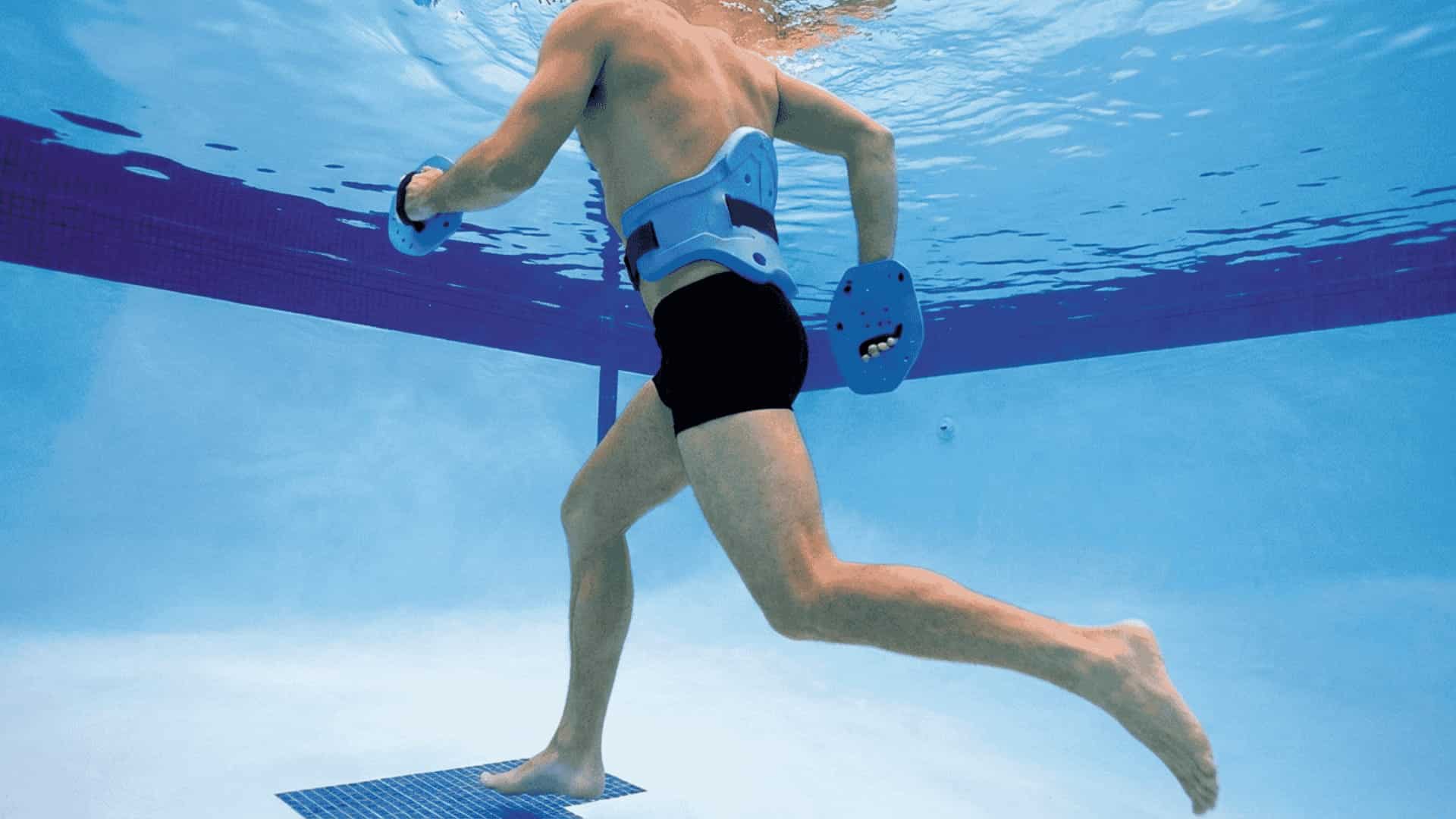
Aqua jogging is the closest version of water running to normal land running. You stay in the deep end wearing a flotation belt, keep an upright posture, and move your arms and legs in a natural running pattern without touching the bottom.
It reduces joint impact while still challenging your heart and running muscles, making it useful during injury breaks.
Best for: Injured runners, high-mileage athletes, and anyone wanting to preserve running form without impact.
2. Shallow Water Running
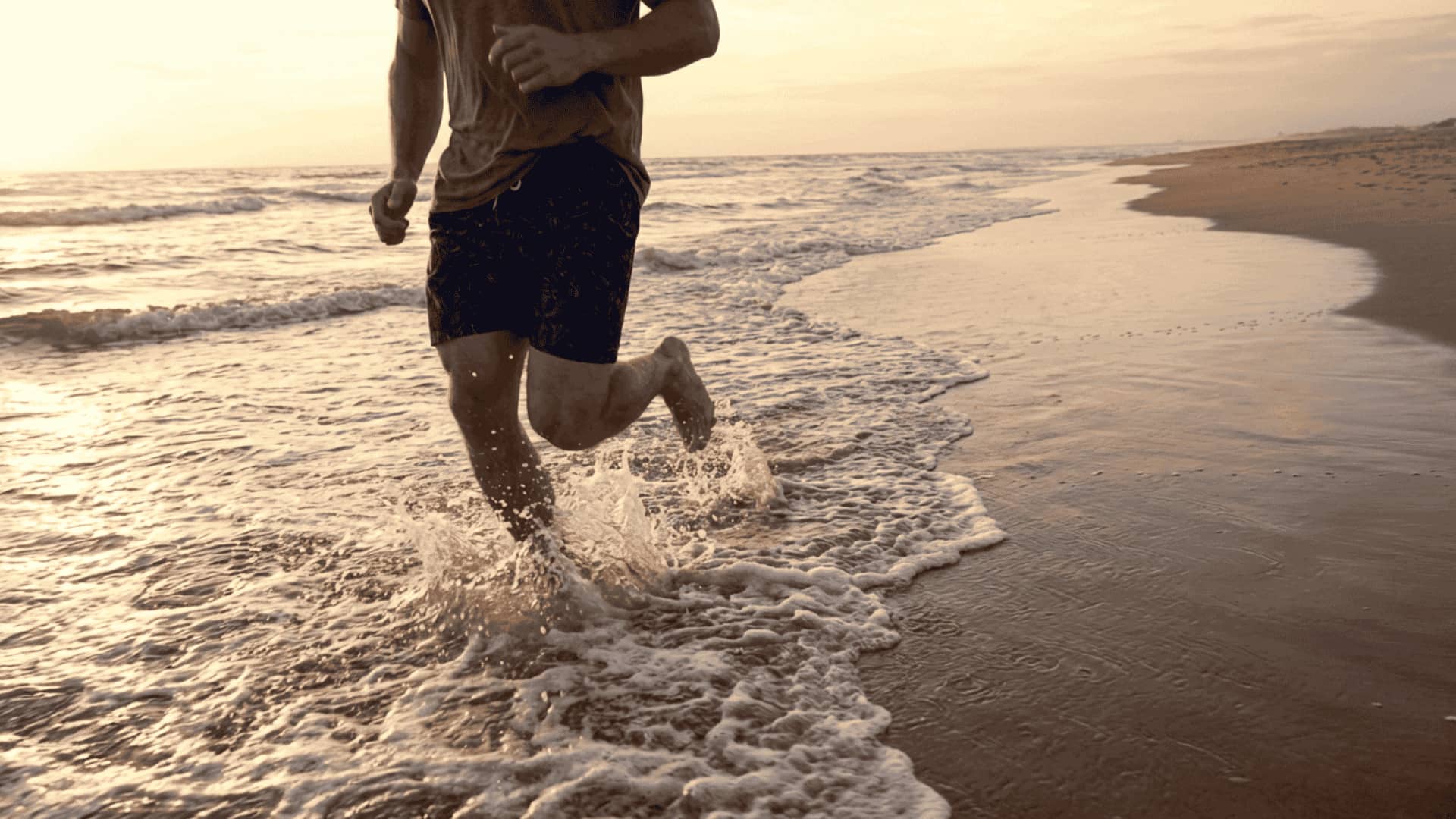
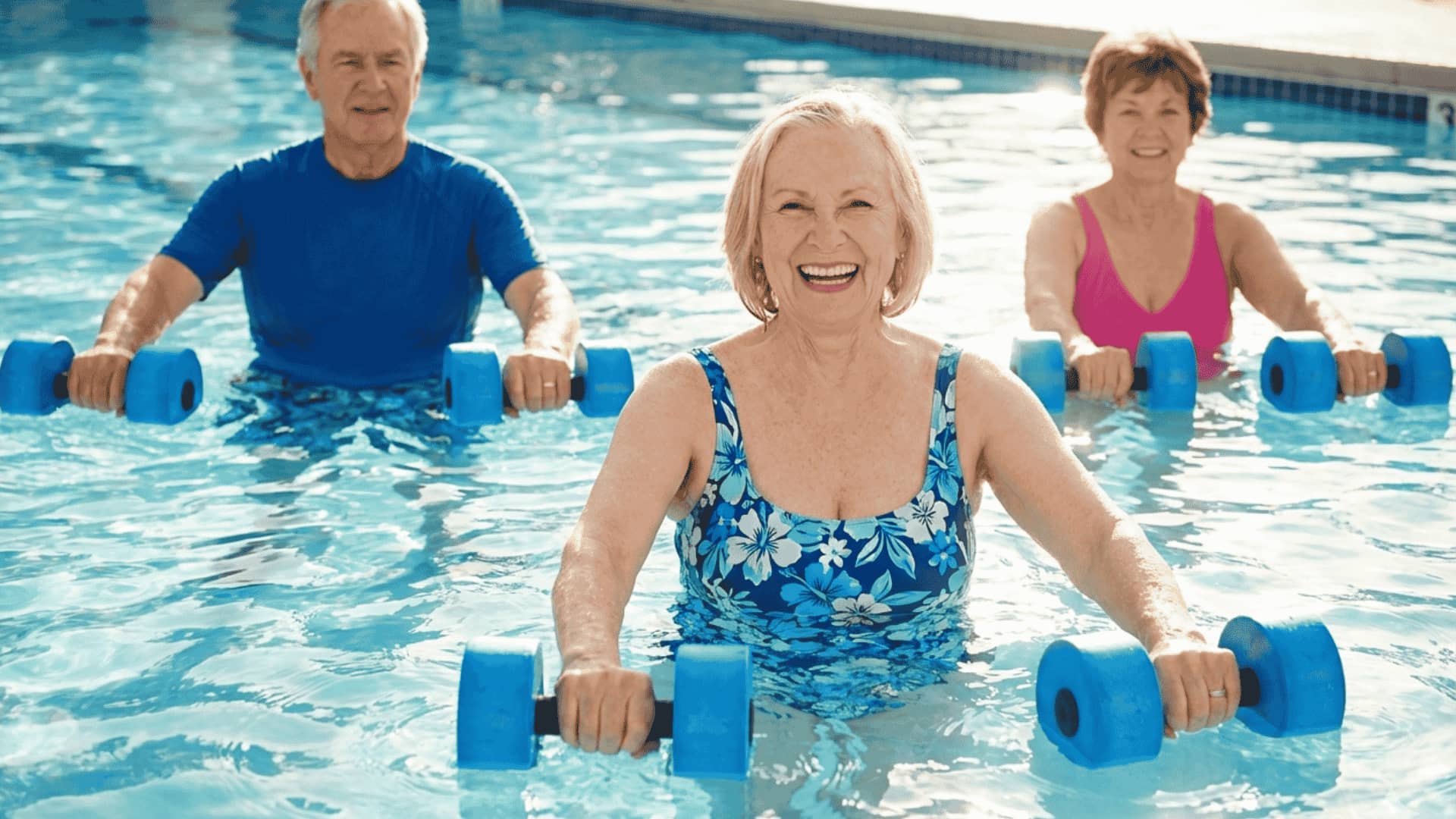
Shallow-water running is done in waist- to chest-deep water, where you can lightly touch down for balance. The water adds resistance in every step, so your legs work harder even at slower speeds.
It feels more controlled than deep water running, making it easier to start with. It’s a solid cardio session that’s gentler on joints than land running.
Best for: Beginners, early-stage rehab, and runners building confidence in the pool.
3. Aqua Intervals
Aqua intervals add structure and intensity to water running by mixing hard efforts with easy recovery. Think 30 seconds strong, 30 seconds easy, repeated for a set time.
Because water resists your movement in every direction, even short intervals can feel tough and raise your heart rate fast. The key is quick turnover and active arm drive, not longer strides.
Best for: Runners with pool experience who want a structured, higher-intensity cross-training session.
Aqua Jogging vs Land Running: How Do They Actually Compare?
Same movement, very different experience. If you’re weighing up aqua jogging against your regular run, here are the five differences that actually matter.
| Factor | Land Running | Aqua Jogging |
|---|---|---|
| Impact on joints | High, every stride loads ankles, knees, and hips | Minimal water buoyancy absorbs almost all impact |
| Running mechanics | Full natural stride on solid ground | Closely mimics land running, better than most cross-training options |
| Heart rate & effort | Reflects effort accurately and consistently | Runs slightly lower at the same perceived effort, use RPE instead of pace |
| Muscle engagement | Primarily lower body and core | Lower body, core, and upper body, resistance works in all directions |
| Injury risk | Moderate to high with volume and overuse | Very low, widely used for injury rehab and prevention |
Aqua jogging complements land running rather than replacing it. Same mechanics, far less stress, a trade-off that makes a lot of sense for most runners.
How to Get Started With Water Running?
If you’re curious about trying water running, keep it simple. Start with 20–30 minutes in the pool and focus more on effort than speed.
In deep water, use a flotation belt, stay tall through your spine, and aim for a light, quick turnover rather than long, sweeping strides.
It’s normal for your heart rate to read slightly lower than it would on land, so use perceived effort as your guide. If it feels like an easy run, it probably is. If you’re new, begin with steady movement before adding intervals.
Like anything else, consistency matters more than intensity at first. Give yourself a few sessions to adjust to the rhythm of moving through water, and it’ll start to feel surprisingly natural.
Wrap Up
If you came here looking for calming running water sounds or practical ways to stay fit with water running, you now have both tools in your back pocket.
The right sound can help create a steady, soothing backdrop for sleep, focus, or unwinding after a long day.
And if you’re a runner, aqua jogging and other water workouts offer a smart, low-impact way to protect your joints while keeping your fitness intact.
Two meanings, one theme: water can calm your mind, challenge your body, or do both.
So what will you try first tonight: pressing play on a gentle stream, or stepping into the pool for your first water run? If this helped, save it, share it with a fellow runner, or drop a comment below.



One Response