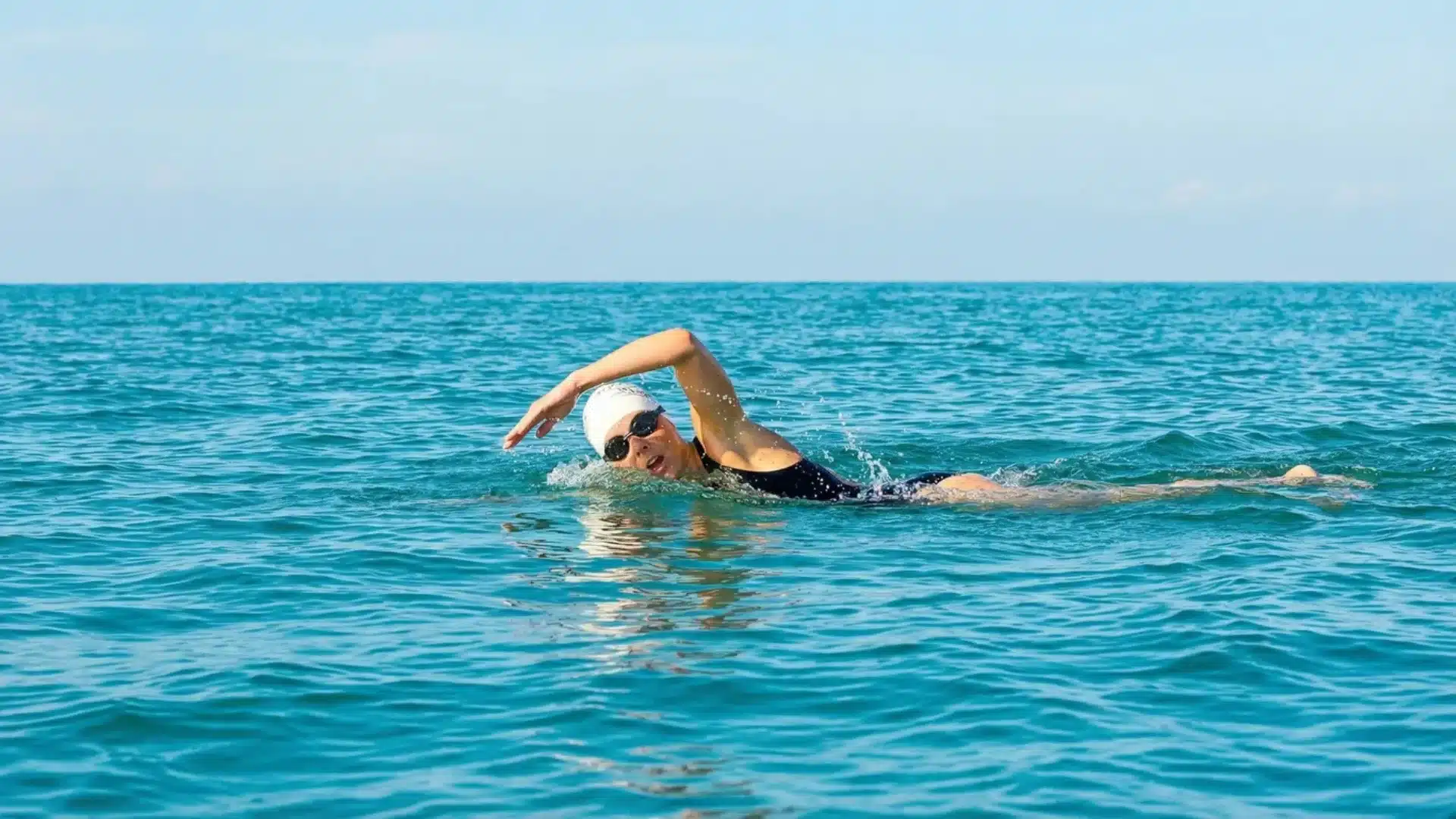
There’s something special about swimming in a lake, river, or ocean. No walls. No lane lines. Just open water all around you. It’s a feeling that pulls people in and keeps them coming back.
People choose open water swimming for many reasons. Some want better fitness. Others are training for a triathlon. Many find it builds real confidence. And the community? Welcoming, supportive, and fun.
From training plan basics and key swimming skills to a simple gear checklist, finding safe swim spots, and signing up for events, open-water swimming offers a lot.
It’s more accessible than most people think. Time to jump in.
What Is Open Water Swimming?
Open water swimming is swimming in natural or man-made bodies of water, such as lakes, rivers, oceans, reservoirs, bays, and quarries.
Unlike a pool, there are no lane lines, water conditions change, visibility can be low, and you share the space with other swimmers. That makes skills and safety just as important as fitness.
People swim open water in many ways, including casual swims, coached sessions, races, or long-distance marathon swims. It works for all kinds of swimmers.
Beginners looking for a first outdoor swim, triathletes building race confidence, and distance swimmers chasing bigger goals all find a place here.
Open Water Swimming Events, Competitions, And Associations
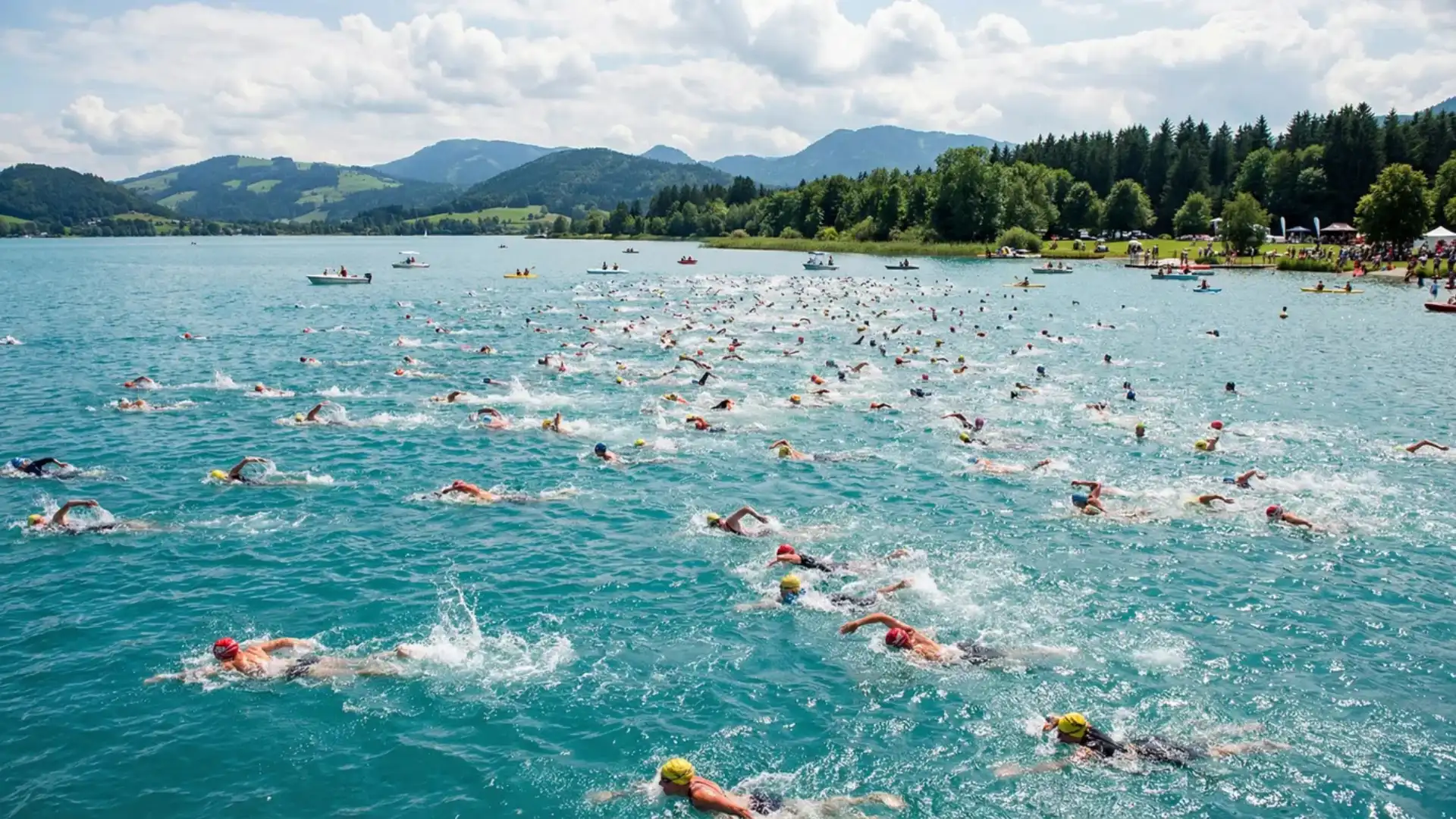
Open water swimming has a strong network of events at every level. Whether you are looking for a local lake swim or want to understand how the sport works at the top, knowing the key organizations helps you find the right starting point.
Major Governing Bodies And How They Fit Together
- World Aquatics: It runs elite-level open-water competitions globally, including the Men’s and Women’s 10km races on the Olympic pathway. At LA28, both events are held at Belmont Shore.
- LA28: It is the Olympic host organizing the 10km open water races, giving swimmers a clear picture of what the sport looks like at its highest level.
- WOWSA: It focuses on community-level promotion, recognition, and coaching worldwide through their platform OpenWaterSwimming.com, connecting swimmers to events and global race listings.
- Find A Race: They host a large U.S. open water swimming listings hub with easy filters for location, date, and distance, making event discovery simple for beginners.
Popular Event Types And Distances
From short lake swims to multi-day ultra-distance series, open water events come in many formats. Here is a look at some real upcoming events to give you a sense of what is out there.
| Event | Date | Location | Type |
|---|---|---|---|
| Men’s / Women’s 10km | LA28 | Belmont Shore, CA | Olympic open water |
| Jamestown Open Water Festival | May 30–31, 2026 | Williamsburg, VA | Festival format |
| SwimRVA Down River Rip | May 9, 2026 | Midlothian, VA | River swim |
| KONA 2.4 Mile Swim | Mar 22, 2026 | Kona, Hawaii | Ocean swim |
| UltraSwim 33.3 Croatia | May 15–18, 2026 | Croatia | Multi-day series |
Shorter local swims and festival-style weekends are great entry points for beginners. As you grow more comfortable, longer and more challenging formats are always there to work toward.
Choosing Your First Event And Where To Find Race Calendars
Look for events that offer multiple distance options so you can adjust on the day if needed. Check the course style, water type, typical temperature, and what safety support is in place.
Find A Race is a good starting point for U.S. listings, with filters for location, date, and distance. OpenWaterSwimming.com covers global events through a WOWSA-built calendar database.
Open water swimming has something for every level. Start small, pick an event that feels right, and build from there.
How To Start Open Water Swimming Safely?
Starting open water swimming the right way makes a big difference. A little preparation goes a long way in keeping things safe and enjoyable from the very first swim.
- Always swim with a buddy or group: Solo open water swimming is risky, especially for beginners. Having someone nearby gives you backup if something unexpected happens.
- Check conditions before you get in: Look up the weather, water quality, currents, and any local rules. Skipping this step is one of the most common beginner mistakes.
- Start close to shore with an easy exit point: Pick a spot where you can get out quickly. Starting shallow builds confidence and keeps things manageable on day one.
- Keep your first swims short and time-based: Aim for 10 to 20 minutes instead of a set distance. Add a little time each week as your comfort level grows.
- Get familiar with cold water gradually: Cold shock is real and can catch you off guard. A wetsuit, neoprene cap, or gloves can help your body adjust much faster.
Safe open water swimming comes down to good habits built early. Start small, stay aware of your surroundings, and build up at a pace that feels right for you.
How To TrainFor Open Water Swimming?
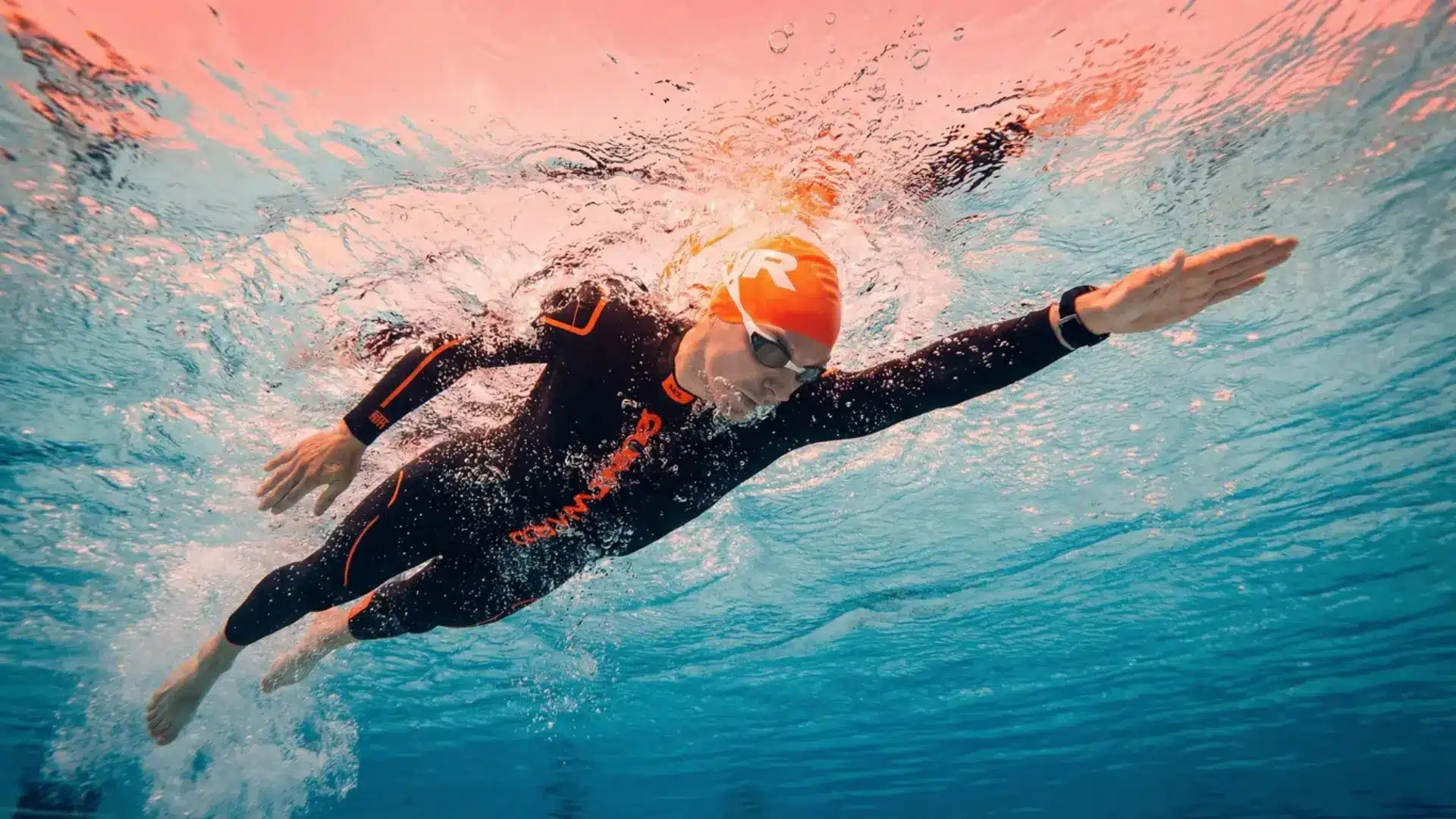
Training for open water swimming is not just about logging laps in a pool. It takes a mix of endurance, skill work, and mental preparation to feel ready when you hit open water.
Step 1: Build A Simple Pool-To-Open-Water Training Plan
Start with a 4-week plan and aim for 2-3 swims per week. Keep each session focused on one skill at a time: sighting one day, pacing the next, then breathing control or turns.
Small, focused sessions build solid skills faster than long, unfocused ones.
Step 2: Learn To Sight Without Breaking Your Stroke
Sighting keeps you on course in open water. Lift your eyes every 6 to 10 strokes and keep your hips up.
Practice this in the pool first until it feels natural, then carry it over to your open water sessions.
Step 3: Practice Drafting To Save Energy
Drafting means swimming close behind or beside another swimmer to reduce resistance. It saves real energy during longer swims and races.
Try it during group training sessions so you get comfortable with the positioning before race day.
Step 4: Get Comfortable In Choppy Water
Use a steady breathing pattern and take a few slow reset strokes when things feel rushed. In crowded swims, start at the edge to give yourself more space.
The more you practice in varied conditions, the more confident you will feel.
Step 5: Add Pool Drills That Carry Over To Open Water
Bilateral breathing and tempo control are two pool drills that transfer directly to open water. Work on these consistently, and they will become second nature when conditions get tough outside.
Building fitness is only part of the routine. The swimmers who feel most at ease in open water are the ones who practice skills regularly and show up prepared for changing conditions.
Equipment Needed For Open Water Swimming
Having the right gear makes open water swimming safer and more comfortable. You do not need to buy everything at once, but knowing what matters most helps you prepare well from the start.
| Category | Items | What To Know |
|---|---|---|
| Must-Haves | Goggles, bright swim cap, tow float, anti-chafe balm | Clear goggles for low light, tinted for bright sun. Bright cap keeps you visible. Tow float adds storage. Apply balm on neck, underarms, and inner thighs |
| Wetsuit And Thermal Options | Wetsuit, neoprene cap, gloves | Use a wetsuit in cold water for warmth and buoyancy. Make sure the shoulders move freely and that the neck seal is not too tight. Avoid putting it on too early |
| Nice-To-Haves | Earplugs, swim watch, GPS buoy, spare goggles, nutrition plan | Earplugs reduce ear infections. A watch tracks time and distance. Always carry spare goggles. Bring nutrition for swims longer than 60 minutes |
You do not need to spend a lot to get started. Focus on the must-haves first, get comfortable in the water, and add more gear as your swims get longer and more serious.
How To Find Nearby Open Water Swimming Locations?
Finding a good spot to swim is one of the first steps for any beginner. The right location makes a real difference in how safe and comfortable your experience will be.
- Start with lifeguarded beaches and marked swim zones: These spots are monitored and set up for swimmers. Local swim clubs and triathlon groups often use them and can point you in the right direction.
- Check parks and reservoirs in your area: Many have designated swim zones with clear entry and exit points. A quick search online or a call to your local parks department helps.
- Always review water quality reports before getting in: Look up boat traffic rules, check for currents, and know your exit points. Have a backup plan ready if conditions change unexpectedly.
- Join a coached session whenever you can: Coached swims lower risk and help you build skills faster. Most beginners improve much quicker when swimming alongside others in a structured setting.
- Connect with local triathlon or open-water swimming groups: They know the best nearby spots, stay updated on water conditions, and are usually happy to welcome new swimmers.
Choosing the right spot and going in prepared takes the guesswork out of open water swimming. A little research upfront keeps every swim safe and enjoyable.
Open Water Swimming Tips For Better Performance
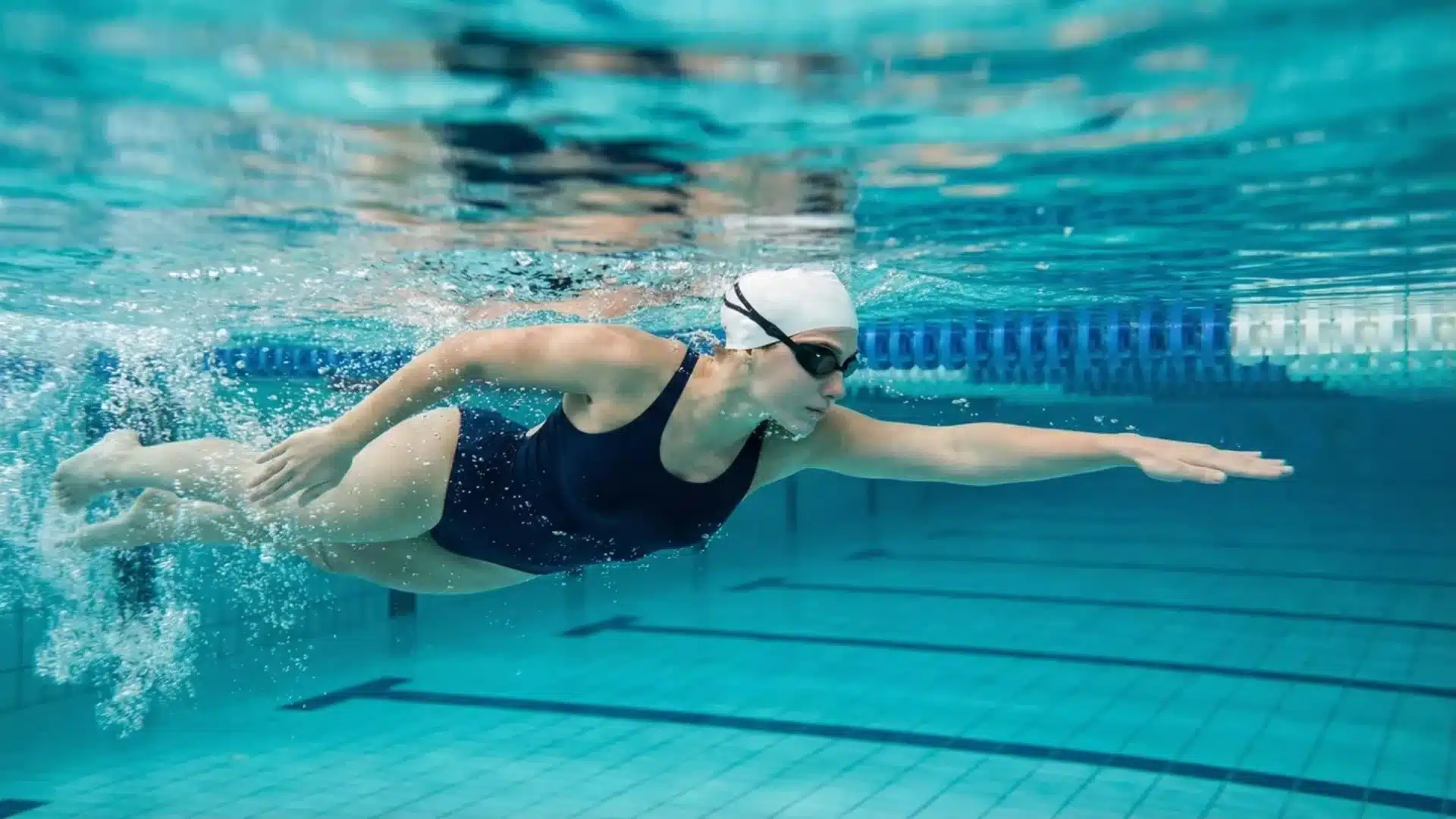
Good performance in open-water swimming comes down to a few simple habits practiced consistently. These tips cover pacing, fueling, and race-day basics to help you get the most out of every swim.
1. Pacing That Works Outside The Pool
Start easy and build your effort as the swim goes on. Going out too hard is the most common mistake beginners make.
A controlled start keeps energy in reserve for a strong finish. Practice negative splits in training to build this habit naturally over time.
2. Sighting Without Losing Your Rhythm
Sighting means lifting your eyes above the waterline every 6 to 10 strokes to check your direction. The key is keeping it quick so your hips stay up and your stroke stays smooth.
Practice this in the pool by picking a fixed point at the far end and sighting toward it on every lap.
3. Bilateral Breathing For Better Control
Being able to breathe on both sides helps you adapt to wind, waves, and crowded swims. If waves are hitting from one side, switching to the other keeps water out of your mouth.
Practice breathing to your weaker side in the pool until it feels natural.
4. Feeding And Hydration For Longer Swims
For swims longer than 60 minutes, fueling matters. Practice taking in carbs during training to figure out timing and what your stomach can handle.
A simple plan works best: take in something small every 30 to 45 minutes and always stay ahead of thirst.
5. Race-Day Strategy Basics
Warm up before the start, even if it is just a few easy laps. Pick your start position based on your comfort level, not the crowd.
Hit buoy turns wide and clean to save energy. In the final stretch, lift your pace and finish strong all the way to the line.
Small improvements in pacing, fueling, and race-day habits add up quickly. Focus on one area at a time, and you will notice a real difference in how you feel and perform.
Dangers To Avoid While Swimming
Open water swimming is safe when you know what to watch out for. Being aware of common risks before you get in is one of the smartest things any swimmer can do.
- Cold shock and hypothermia signs: Sudden gasping, rapid breathing, or worsening shivering are red flags. Get out of the water immediately and warm up if any of these show up.
- Cramps in open water: If a cramp hits, stop swimming, stay calm, and move toward shore. Trying to power through a bad cramp in open water puts you at real risk.
- Weather, currents, and waves: Strong currents, rough waves, or a sudden weather shift are clear signs to skip the session. No swim is worth putting yourself in a dangerous situation.
- Stay within your skill level: Stick to marked swim zones and avoid areas with heavy boat or jet ski traffic. Knowing your limits and respecting them keeps every session safe.
- Stay visible at all times: Wear a bright swim cap and carry a tow float so boats and other water users can spot you easily. Being visible is one of the simplest ways to stay safe in shared water.
Staying safe in open water is mostly about good habits and smart decision-making. Respect the conditions, know your limits, and every swim will be a good one.
Sea Life Awareness
Open water is a shared space. Knowing what lives in the water helps you swim with more confidence. In oceans, jellyfish and sea lice are common and can cause stings or rashes.
In lakes and ponds, watch for weeds, algae, and leeches. Always check local water quality reports before getting in.
If you spot an unusual bloom or discoloration in the water, skip the swim. Being aware of your surroundings keeps every session safe and stress-free.
Conclusion
Open water swimming is one of the most rewarding things you can add to your routine.
The key is simple: build your skills first, put safety before everything else, train consistently, gear up smart, and pick events that match where you are right now.
The best next step is a small one. Find one safe swim spot near you, plan two training swims this week, and shortlist one beginner-friendly event to work toward. That is really all it takes to get started.
Got a favorite open water spot or a first-swim story? Drop it in the comments below. Your experience might be exactly what another beginner needs to hear.
Frequently Asked Questions
How is open water swimming different from pool swimming?
Pool swimming has lane lines, clear water, and walls to push off. Open water has currents, low visibility, and no fixed course. Skills like sighting and pacing matter more outside.
How do I manage anxiety in open water?
Roll onto your back, breathe slowly, and give yourself a moment to calm down. Stay close to shore and swim with a group until your confidence builds.
Is open water swimming part of the Olympics?
Yes. Open water swimming has been an Olympic sport since 2008. Both men and women compete in a 10km race held in open water, not a pool.