
Finding an affordable paddleboard that actually performs well can feel like searching for a needle in a haystack. That’s why I put together this ROC paddleboard review covering everything you need to know before buying.
After spending time on the water with ROC boards, I’ve learned a lot about their value and quality. These inflatable boards promise beginner-friendly stability and solid construction.
But do they really deliver on those promises? From build quality to real-world performance, I’m sharing what makes ROC boards worth considering and where they might fall short for your specific paddling needs.
What Makes ROC Paddle Boards Stand Out?
ROC paddle boards have earned a solid reputation for delivering excellent value. These boards combine affordability with impressive durability, making them accessible to paddlers on various budgets.
The standout features include exceptional portability, reliable stability on the water, and versatility across different paddling conditions.
Beginners particularly appreciate ROC boards because they’re forgiving and easy to control, which builds confidence quickly. The stable platform helps new paddlers find their balance without constant wobbling or tipping.
Plus, the straightforward setup process means less time preparing and more time enjoying the water. For anyone just starting out in stand-up paddleboarding, ROC offers a smart entry point that doesn’t sacrifice quality.
ROC Paddle Board Features: What You Need to Know
Understanding the key features of ROC paddle boards helps you make an informed decision. From construction materials to weight limits, each aspect affects performance and user experience.
1. Material and Build Quality
ROC paddle boards use military-grade PVC material with high-density construction that resists punctures and wear. This tough exterior withstands rocky shores, dock bumps, and regular use without easily showing signs of wear.
The reinforced drop-stitch technology keeps the board rigid when fully inflated, providing a firm surface similar to hardboards. This durability means your investment lasts through many seasons of paddling.
2. Inflatable vs. Hardboard
The inflatable design offers significant advantages for storage and transport compared to traditional hardboards. When deflated, ROC boards roll up into a compact backpack that fits easily in car trunks or closets.
This portability means you can take your board on trips without needing roof racks or trailers. Inflatable boards are also more forgiving if you fall, making them safer for learning.
3. Design and Aesthetics
ROC boards come in several attractive color options that appeal to different tastes and preferences. The textured deck pad provides excellent grip and comfort for bare feet during long paddling sessions.
Many models feature bungee storage systems and multiple D-rings for securing gear. The sleek design looks professional on the water while maintaining functional performance.
4. Weight Capacity
Most ROC paddle boards support 275 to 350 pounds, comfortably accommodating a wide range of body types. This generous capacity means you can bring along a child, pet, or extra gear without compromising stability.
The board sits level in the water even near maximum weight, maintaining good performance. Larger paddlers appreciate the confidence that comes with a board rated for their size.
ROC Paddle Board Specifications
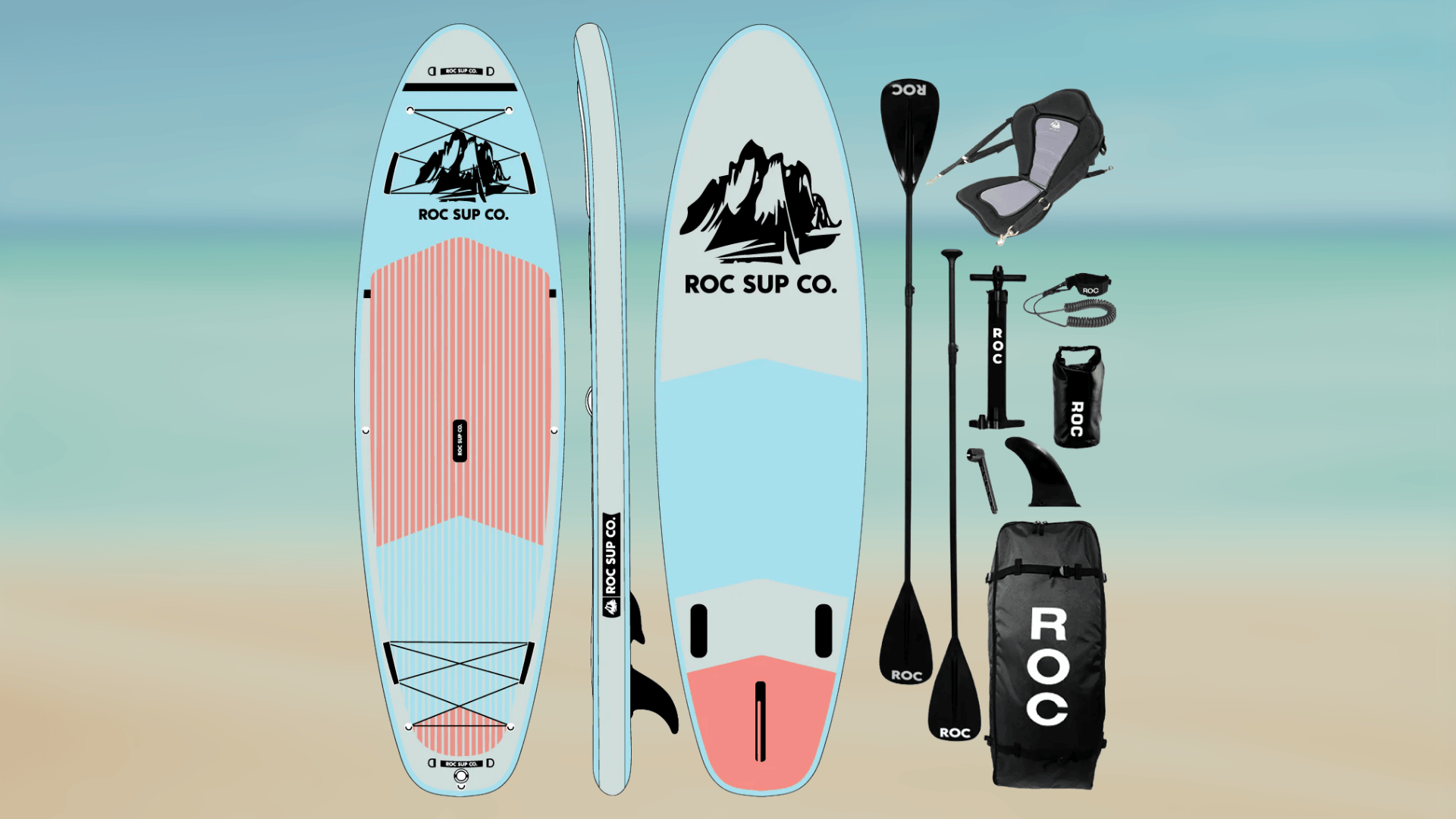
Understanding the technical specifications helps you determine if a ROC paddle board meets your specific needs and expectations. Here are the key specs and what comes included with your purchase.
| SPECIFICATION | DETAILS |
|---|---|
| Dimensions | About 10 ft 6 in long, 30-32 in wide, 6 in thick |
| Weight of the Board | 17.5-18 pounds (varies by model) |
| Maximum Weight Capacity | 275 to 350 pounds |
| Material Used | Military-grade PVC with reinforced drop-stitch construction |
| Fin System | 2+1 setup with removable center fin |
| Accessories Included | Adjustable paddle, dual-action hand pump, leash, backpack bag, and optional kayak seat |
These specifications show that ROC paddle boards are well-equipped right out of the box. The included accessories mean you can start paddling immediately without purchasing additional gear separately.
How Does the ROC Paddle Board Perform on Water?

After spending time on the water with a ROC paddleboard, the stability immediately stands out as its strongest quality. On calm lakes and flat water, the board feels planted and secure, making transitions from sitting to standing easy.
Small waves and light surf conditions are handled smoothly, with minimal rocking. The speed is solid for recreational paddling, and directional changes happen without the board feeling sluggish.
Maneuverability balances well between tracking straight and turning when needed. For beginners, this predictable handling builds confidence and skills quickly, encouraging longer sessions without fear of tipping.
Pros and Cons of ROC Paddle Boards
Every paddleboard has strengths and weaknesses worth considering before making a purchase decision. Take a look at what ROC paddle boards do well and where they fall short based on real user experiences.
| PROS | CONS |
|---|---|
| Affordable price point delivering good value | Heavier than some other inflatable boards when inflated |
| Stable and forgiving platform, ideal for beginners | Potential wear over time if not properly maintained |
| Easy and quick to inflate and set up | The center fin can be difficult to attach or replace |
| Portable design with an included backpack for transport | Some users note less stability in choppier water |
| Comes with all necessary accessories (paddle, pump, leash, backpack) | Paddle sometimes feels basic; parts may loosen |
Weighing these pros and cons helps set realistic expectations for your ROC paddleboard experience. For most recreational paddlers, particularly beginners, the advantages far outweigh the minor drawbacks.
How to Choose the Right ROC Paddle Board for Your Needs?
Selecting the right ROC paddle board depends on several personal factors that affect performance and enjoyment. ROCs are available in various sizes, typically 10 to 11 feet long and 30 to 34 inches wide.
Longer boards track straighter and move faster, while wider boards provide more stability for beginners.
Consider your height and weight first, ensuring the board’s capacity exceeds your weight by at least 50 pounds for optimal performance. Paddling frequency matters too – frequent users might prefer a slightly longer board for better speed.
Water conditions play a key role as well; calm lakes allow for narrower boards, while choppy waters require wider, more stable options for safety and comfort.
How to Maintain Your ROC Paddle Board for Longevity?
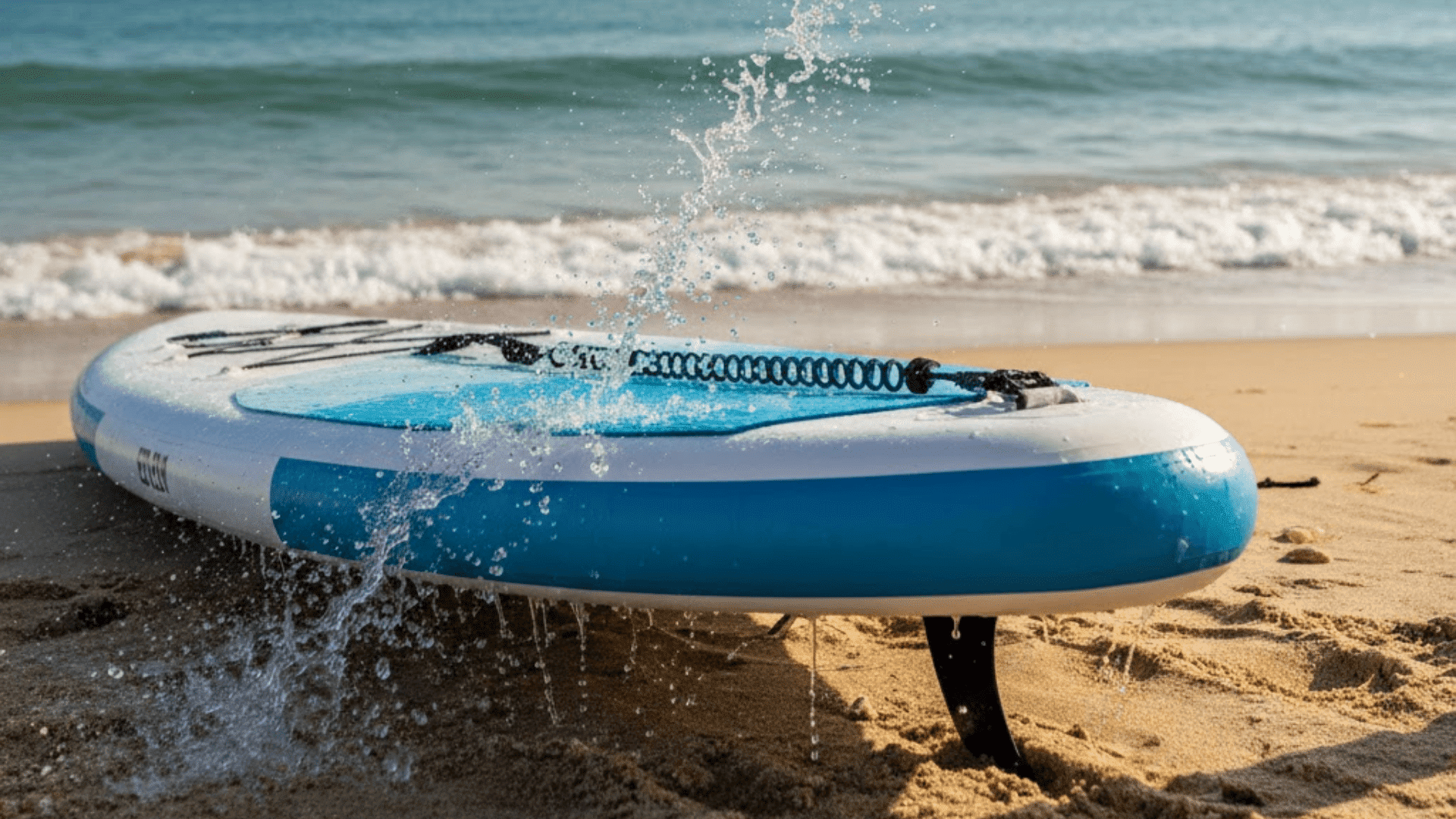
Proper maintenance keeps your ROC paddleboard in great condition for years of paddling. Following these simple care practices prevents damage and significantly extends the life of your board.
- Rinse Thoroughly After Each Use: Wash off salt water, sand, and debris with fresh water to prevent material breakdown.
- Dry Completely Before Storage: Let the board air-dry fully to prevent mold and mildew buildup.
- Store in a Cool, Shaded Area: Keep away from direct sunlight and extreme temperatures, as these can weaken PVC.
- Keep Partially Deflated During Storage: Release some air pressure to reduce seam stress and prevent permanent creases.
- Patch Small Punctures Immediately: Use the repair kit to fix minor damage before it becomes a bigger problem.
A few minutes of post-paddle maintenance keep your board performing like new season after season. These quick, simple steps protect your investment and ensure reliable performance on the water.
Summing It Up
After completing this ROC paddle board review, it’s clear these boards offer genuine value for recreational paddlers and beginners. The combination of affordability, durability, and user-friendly features makes ROC a smart choice for those entering the world of stand-up paddleboarding.
While there are minor drawbacks, such as weight and basic paddle quality, the overall package delivers solid performance without requiring a huge investment.
The stability and included accessories mean you can start paddling right away with confidence.
Have you tried a ROC paddleboard yourself? I’d love to hear about your experience! Drop a comment below sharing your thoughts or any questions about choosing the right board for your needs.