
There’s something quietly compelling about the ocean and the athletes who meet it on a single breath.
Many are drawn first by the sheer extremes.
Like the fact that the deepest freedive ever recorded is 253.2 meters (831 feet), achieved by Herbert Nitsch in the No-Limits discipline back in 2012, but the real allure runs deeper than any record.
It lies in the calm focus and steady determination that shape the sport.
Freediving isn’t only about going downward; it’s about settling into a slower rhythm and noticing how the mind and body respond in that stillness.
Some people are drawn to the peaceful moments, others to the challenge, yet all share a natural curiosity about what the human body can manage beneath the surface.
What Is Freediving? (Apnea 101)
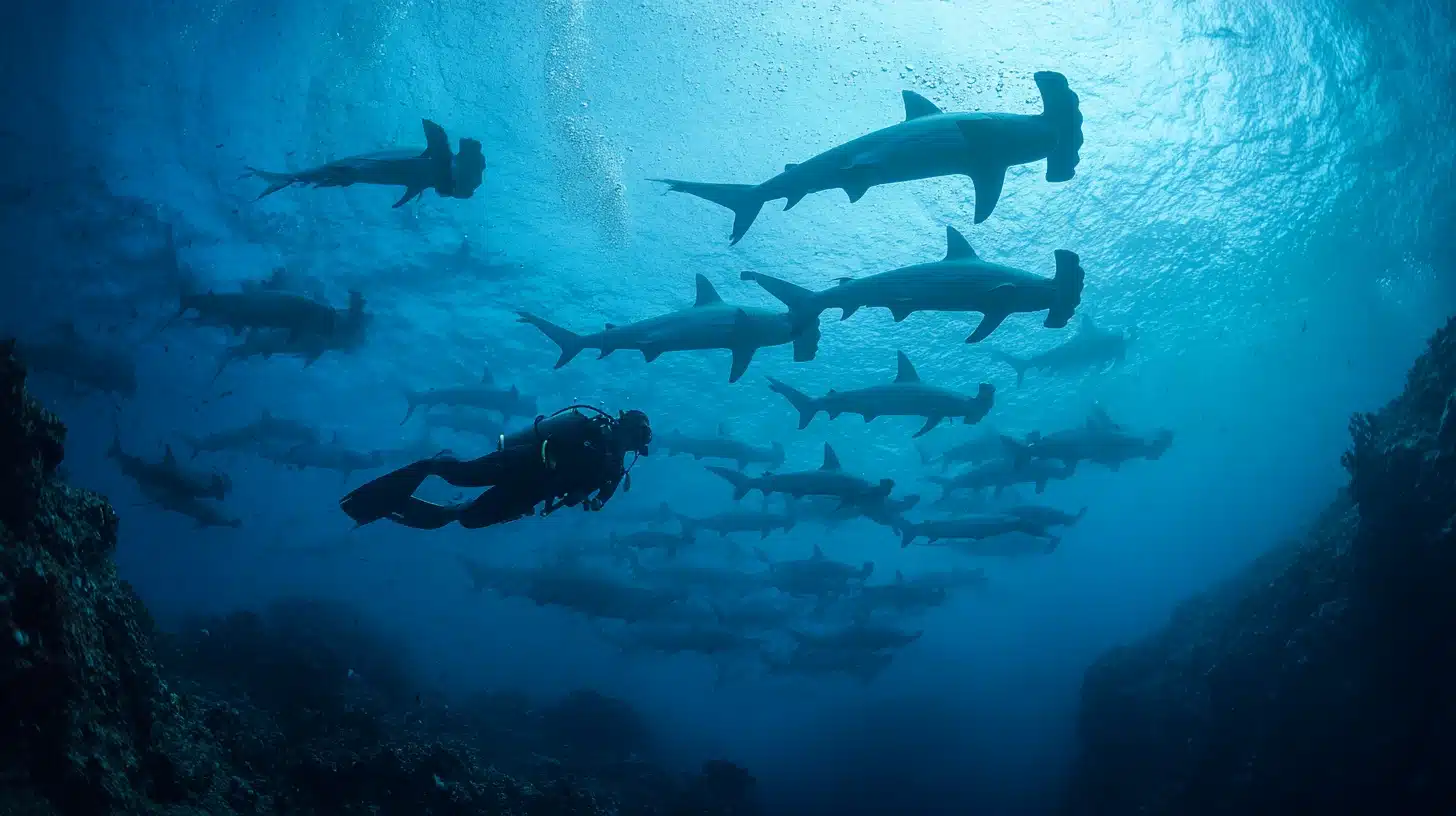
Freediving, often called apnea diving, is the practice of diving on a single breath without scuba equipment.
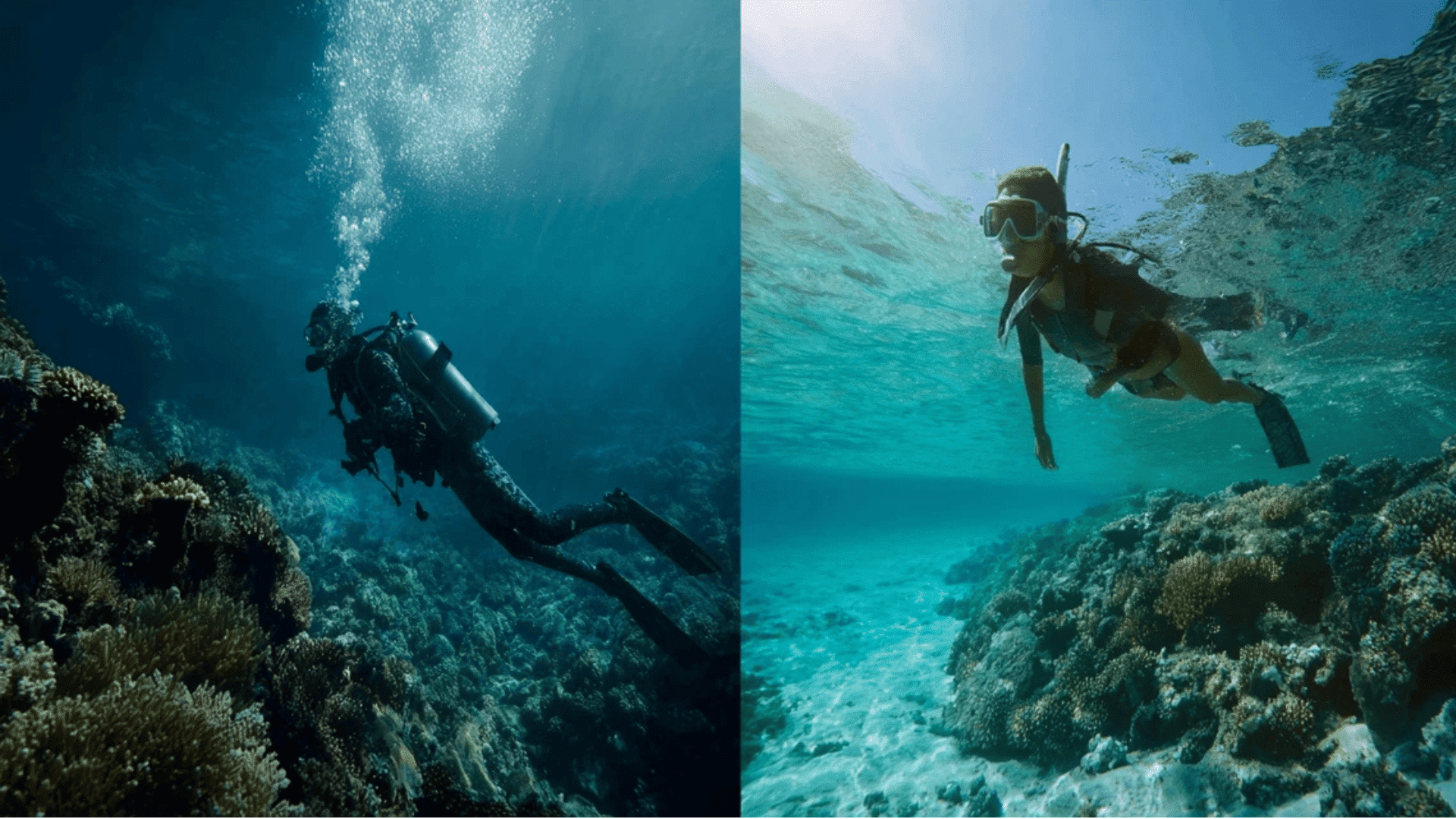
Instead of relying on tanks, freedivers use the oxygen already stored in their lungs, blood, and tissues, a concept that also applies to lighter activities like snorkeling during pregnancy, where breathing control and comfort in the water are equally important.
People take up freediving for many reasons, enjoying reefs without heavy gear, capturing underwater photos in silence, traditional spearfishing, or joining competitions that test depth, distance, or breath-hold time under strict safety rules.
Because it emphasizes relaxation, efficient movement, and steady breathing, many people also find freediving brings a clear, calm mental state that keeps them coming back.
How Deep Can Humans Freedive? (Real-World vs. Record Depths)
How deep someone can freedive depends on training, technique, and the discipline involved.
Average Recreational Depths:
- Casual snorkelers: 5–10 meters (16–33 feet)
- Recreational freedivers with basic training: 10–30 meters (33–98 feet)
- Sport freedivers with regular practice: 40–60 meters (131–197 feet)
Elite Competitive Depths:
- Highly trained athletes (CWT & FIM): 100+ meters (328+ feet)
- Constant Weight record – men: 136 meters (446 feet) – held by Alexey Molchanov
- Constant Weight record – women: 123 meters (404 feet) – held by Alessia Zecchini
Absolute Deepest Free Dive
-
No-Limit (men): 253.2 meters (831 feet) – Herbert Nitsch, 2012 – Santorini, Greece – Recognized by Guinness World Records
The 253-meter descent is the deepest free dive ever recorded, but the no-limit discipline uses a weighted sled for descent and a lift system for ascent.
This makes it fundamentally different from the technique-based “pure” disciplines, such as constant weight and free immersion, that dominate modern competitive freediving.
Key AIDA/CMAS/Guinness-Verified Depth Records
| Discipline | Men’s Record | Federation | Women’s Record | Federation |
|---|---|---|---|---|
| No Limit (NLT) | 253.2 m – Herbert Nitsch (2012) | Guinness World Records | 160 m – Tanya Streeter (2002) | Guinness World Records |
| Constant Weight (CWT) | 136 m – Alexey Molchanov (2023) | AIDA International | 123 m – Alessia Zecchini (2023) | Guinness / AIDA |
| Constant Weight Bi-Fins (CWTB) | 127 m – Alexey Molchanov (2025) | AIDA International |
111 m – Alenka Artnik (2023) |
AIDA |
| Free Immersion (FIM) | 135 m – Petar Klovar (2023) | AIDA / Guinness |
103 m – Sanda Delija) |
Guinness / AIDA |
| Constant Weight No Fins (CNF) | 103 m – Petar Klovar (2025) | AIDA International |
88 m – Kateryna Sadurska (late 2025) |
Guinness / AIDA |
Records verified December 2025 from official AIDA, CMAS, and Guinness World Records sources.
1. Herbert Nitsch – “Deepest Man on Earth”
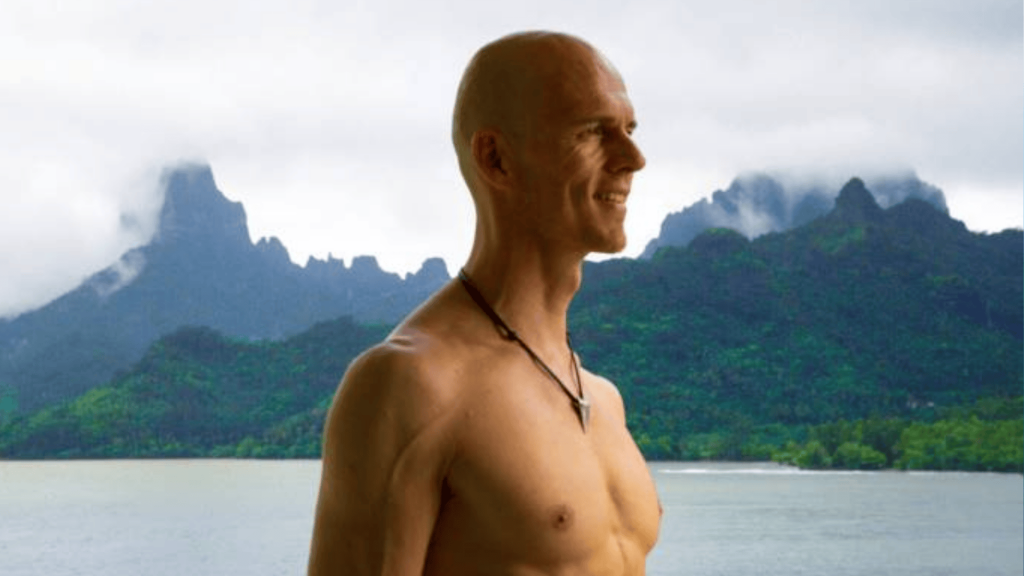
Herbert Nitsch is one of freediving’s most accomplished athletes, holding multiple world records across disciplines throughout his career.
Key Achievements214 meters no-limit (Spetses, 2007) – Last official AIDA no-limit world record 253 meters no-limit (Santorini, 2012) – Guinness World Record for deepest freedive ever Multiple world records in constant weight, free immersion, and variable weight throughout the 2000s |
The 253-meter attempt: Nitsch’s 2012 dive to 253 meters reached the target depth, but the rapid ascent led to decompression sickness.
He suffered neurological injuries, including stroke-like symptoms, and required extensive rehabilitation.
The incident highlighted the extreme risks of no-limit freediving and contributed to AIDA’s decision to retire the discipline.
Despite the injury, Nitsch made a substantial recovery through intensive therapy.
His records remain valid, and his contributions to understanding human depth capabilities are undeniable, even as the sport has moved in a different direction.
2. Women’s Deepest Dives in No Limit & CWT
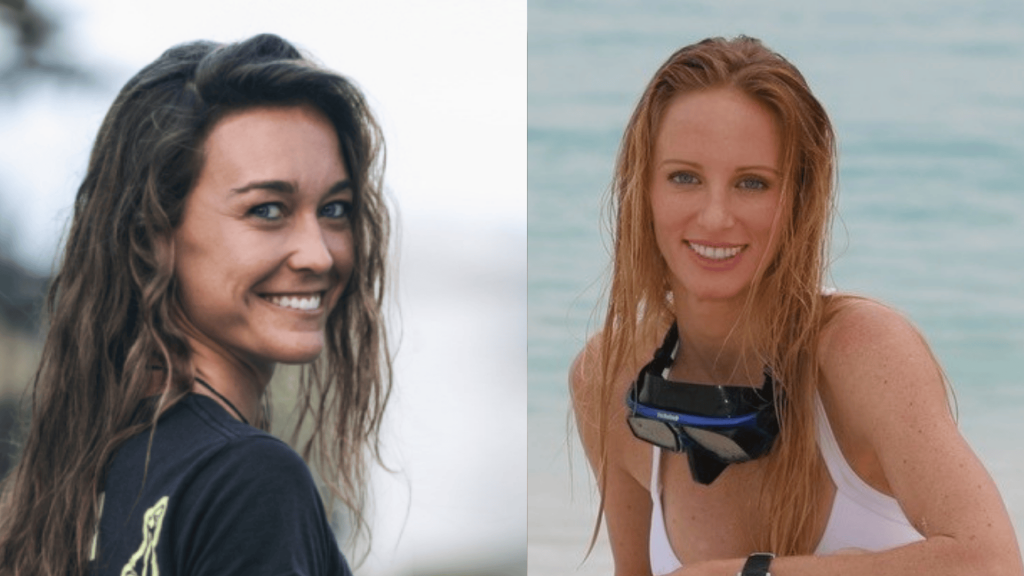
Women in freediving have achieved extraordinary depths, with standout records in both no-limit and constant-weight disciplines that continue to shape the sport.
1. No-limit: Tanya Streeter
In 2002, Tanya Streeter set a women’s no-limit record that still stands today, achieved in the Turks and Caicos Islands.
What made Streeter’s achievement particularly notable was its context: her dive actually exceeded the men’s official record at that time, making her briefly the deepest freediver of either gender (see table below for details).
2. Constant weight: Alessia Zecchini
The current women’s constant weight benchmark belongs to Italian freediver Alessia Zecchini, set during the 2023 AIDA Oceanquest competition in the Philippines.
She has been a dominant force in women’s freediving throughout the 2020s, consistently pushing depth boundaries while staying within the strict safety standards of modern competition.
Brief History of Freediving & Record Progression
Freediving has roots in ancient coastal cultures, where ama divers, sponge divers, and Polynesian spearfishers routinely worked at depths of 20–30 meters.
The modern era emerged in the 1960s and 1970s as Jacques Mayol and Enzo Maiorca began pushing past 50 and then 100 meters, shaping the sport’s early progression.
From 2000 to 2012, the no-limit era dominated, with athletes like Herbert Nitsch, Loïc Leferme, and Pipin Ferreras chasing extreme depths and setting multiple world records.
After several high-risk incidents, freediving shifted toward safer disciplines, where athletes such as Alexey Molchanov, Alessia Zecchini, and Kateryna Sadurska continue setting new benchmarks through pure athletic performance.
The Crazy Body Hack That Lets
|
Why Breaking Depth Records Is Nearly Impossible
Reaching extreme depths becomes harder with every meter. At 100 meters, pressure rises to eleven atmospheres, compressing the lungs to a tiny fraction of their standard size and demanding flawless equalization.
Nitrogen narcosis slows thinking and distorts judgment, yet divers must stay precise and calm. Time at the bottom lasts only moments before the extended return begins.
Each record attempt requires extensive support from safety teams, medics, and monitoring systems.
Beyond about 160 meters, many experts believe the human body approaches its natural physiological limits.
Competitive Freediving Disciplines
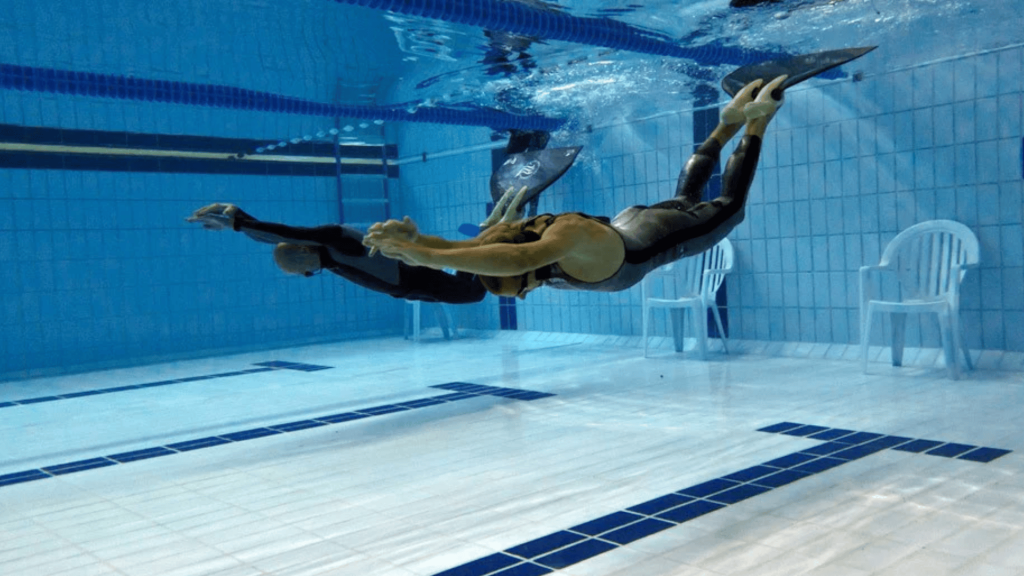
Modern freediving has used six line-based depth disciplines, all performed along a guided line on a single breath:
Line-Based Depth Disciplines
- Constant Weight With Fins (CWT) – descend and ascend with monofin or bi-fins, steady weight
- Constant Weight Bi-Fins (CWTB) – same rules, two separate fins only
- Free Immersion (FIM) – no fins, hand-over-hand pulling on the rope
- Constant Weight No Fins (CNF) – purest form: breaststroke only, no rope pulling
- Variable Weight (VWT) – sled down, swim/pull up (record attempts only)
- No-Limits (NLT) – heavy sled down, balloon up (retired from competition after 2015)
Today, only four of these (CWT, CWTB, FIM, CNF) are used in standard competitions. VWT is mostly limited to record attempts, and NLT is effectively retired for safety reasons.
Pool Disciplines
- Static Apnea (STA) – longest breath-hold floating face-down Men: 11:35 (Stéphane Mifsud, 2009) | Women: 9:22 (Heike Schwerdtner, 2025)
- Dynamic With Fins (DYN) – longest distance with fins
- Dynamic Bi-Fins (DYNB) – longest distance with two separate fins
- Dynamic No Fins (DNF) – longest distance, breaststroke/glide only
What happened to VWT and NLT?
- Variable Weight (VWT): AIDA stopped sanctioning it as a competitive discipline due to safety risks from rapid descents with weighted sleds.
It’s now limited to organized record attempts only (no competitions), but existing world records (e.g., men’s 150m from 2021) are still recognized. CMAS still allows it in competitions. - No Limits (NLT): AIDA completely stopped sanctioning NLT attempts in 2015 due to unacceptable risk.
No new AIDA records can be set, and CMAS does not recognize the discipline. It now exists only as a historical category and in older record lists.
Modern competitive freediving recognizes 8 core disciplines in standard AIDA competitions (4 depth: CWT, CWTB, FIM, CNF; 4 pool: STA, DYN, DYNB, DNF). CMAS includes these plus additional variants (e.g., Speed Apnea in some events).
Main Risks in Freediving
Freediving carries specific risks that every diver must understand and manage with proper training and awareness.
- Shallow water blackout caused by rapidly falling oxygen levels near the surface
- Decompression sickness from repeated deep dives or extreme disciplines
- Lung squeeze resulting from severe lung compression at depth
- Ear and sinus injuries from improper or forced equalization
- Loss of motor control triggered by low oxygen during ascent
- Nitrogen narcosis affects judgment and coordination at greater depths
With the proper training, conservative limits, and dependable buddy systems, freedivers can significantly reduce these risks and dive far more safely.
How to Start Freediving
The best way to start freediving is with a certified beginner course such as AIDA 1–2, SSI Level 1, or CMAS 1-star.
In 2–4 days, most students comfortably reach 10–20 m and 2–3 minute breath-holds for about $300–500 worldwide.
You’ll learn breathing and relaxation techniques, equalization techniques, and core safety and rescue skills in the pool and open water.
Whatever you do, always dive with a trained buddy; blackout can happen even in shallow water.
Final Thoughts
Freediving continues to evolve through the athletes who dedicate years to mastering breath, movement, and focus.
Their achievements highlight what the human body can accomplish when patience and discipline meet the silence of deep water.
You don’t need extreme depths to appreciate the experience; even modest dives can offer a sense of calm and connection that feels unique.
If this world interests you, explore it at your own pace, stay curious, and keep safety at the center of everything you do.
Freediving has room for anyone willing to approach it with patience and respect, just as other water-based disciplines, from depth-focused diving to surface sports like windsurfing and kitesurfing, offer their own unique learning curves.
Always remember: Never freedive alone. Always use proper safety protocols. Respect your limits.
Frequently Asked Questions
How Deep Can a Human Free Dive Without Equipment?
Highly trained free divers can reach depths of over 100 meters (328 feet) on a single breath. The exact depth depends on the diving discipline, training, and individual ability.
What Risks Are Involved in Deep Free Diving?
Deep free diving carries risks such as blackout, lung injury, barotrauma, and decompression-related problems. Proper training and safety support are essential.
Have Any Women Set Deep Free Dive Records?
Yes, women have set multiple free diving world records across different disciplines. Female free divers regularly reach extreme depths and continue to push the sport’s limits.