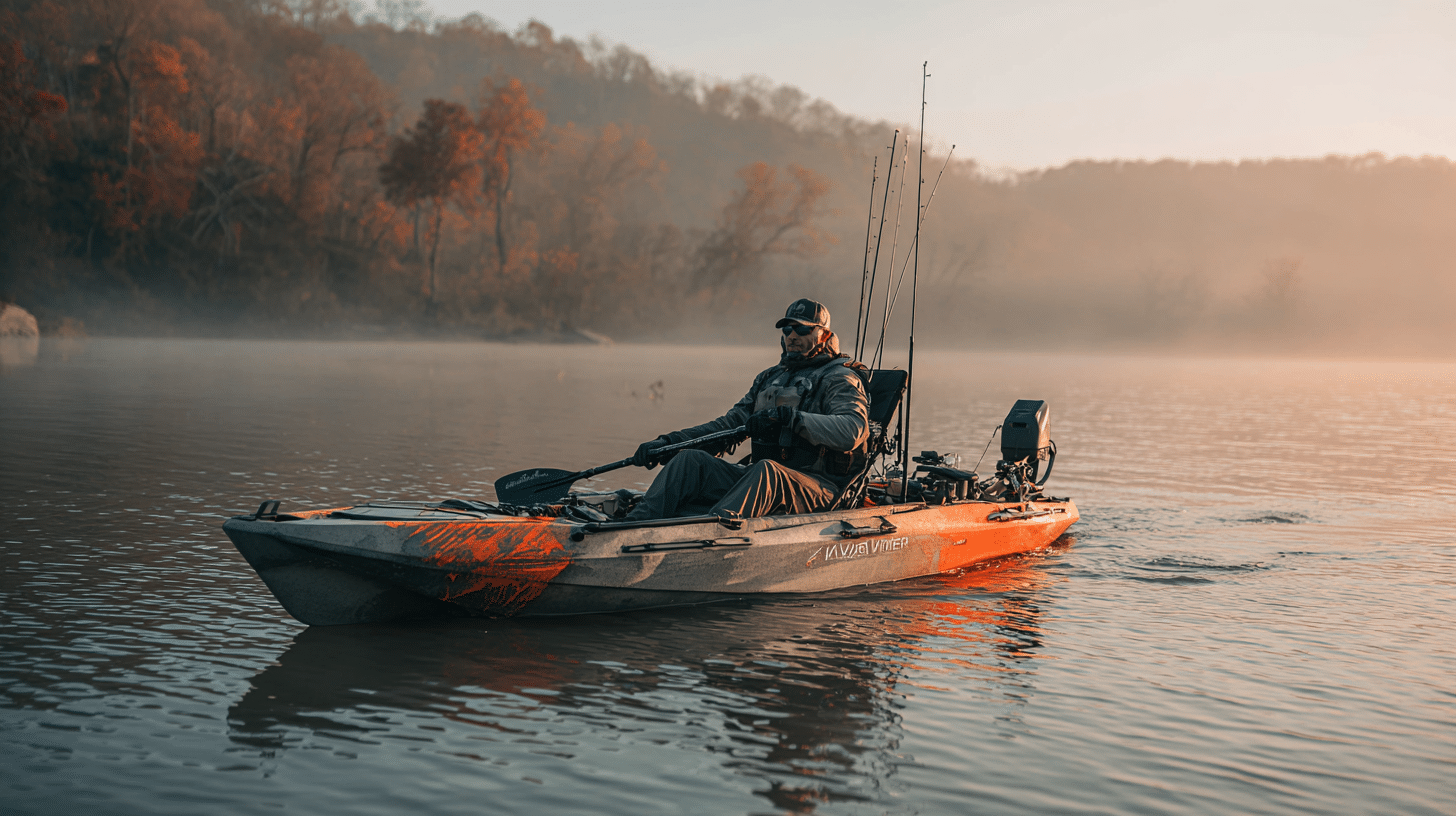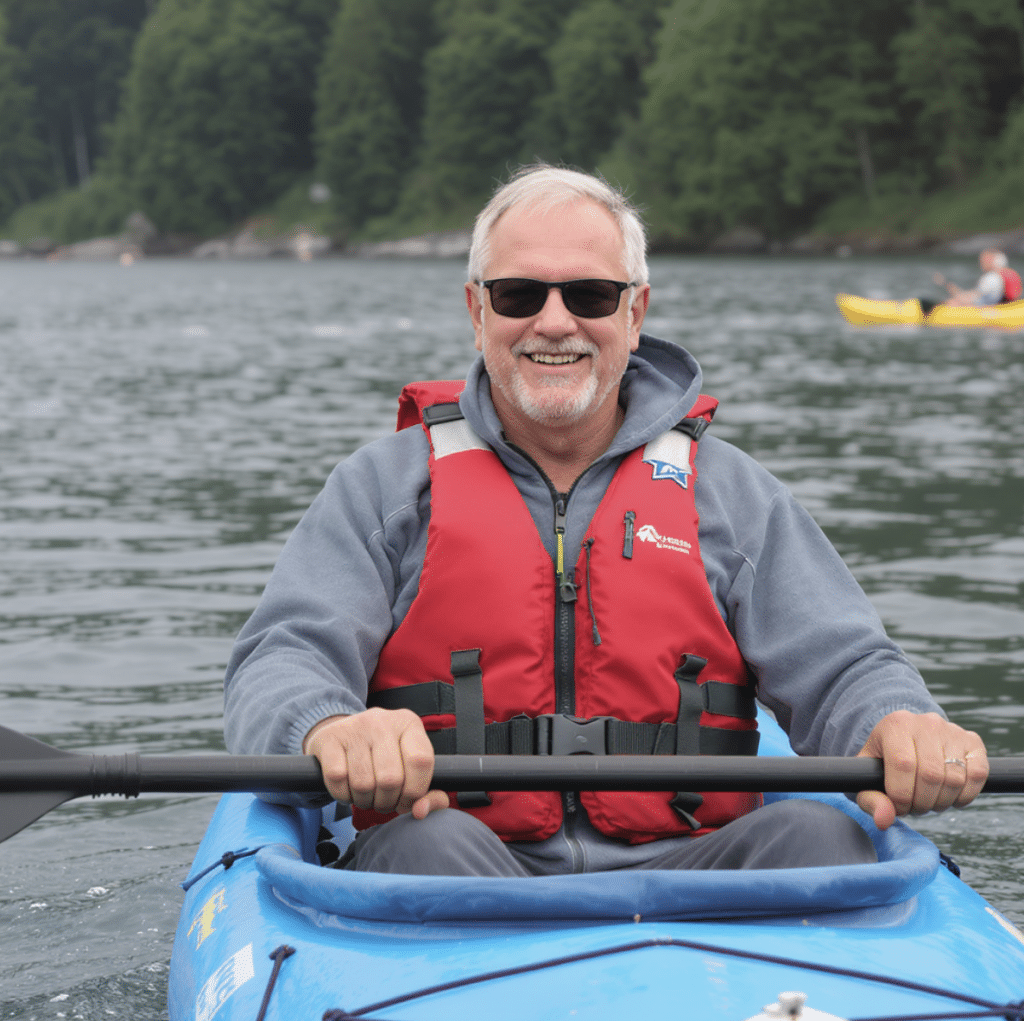
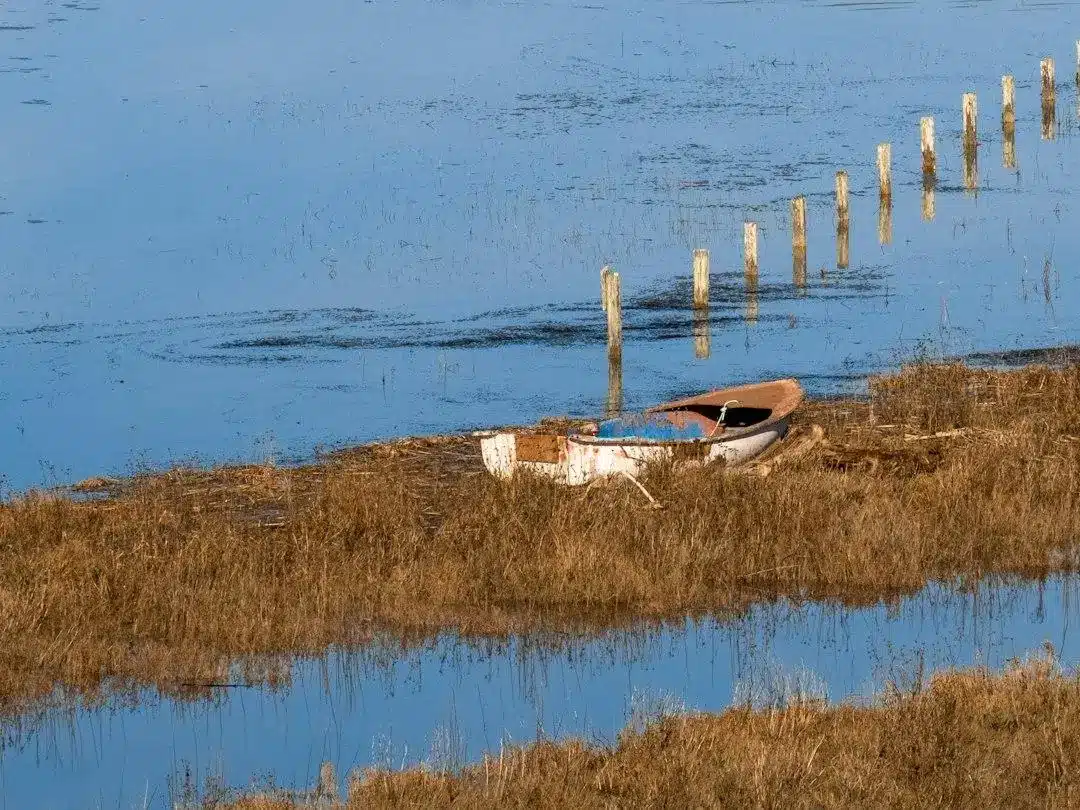
Every kayaker has a spot on the chart they can never quite reach. It sits nine miles past the last ramp, behind a wide stretch of open water. Paddling there and back in one day is a slog, and the wind usually turns by noon.
A growing number of paddlers solve that with a mothership: a small powerboat that carries the kayaks out, waits at anchor, and brings everyone home. Around Washington, North Carolina, many of them start by comparing Sea Fox Boats at Avalanche Motorsports, a dealer on the Pamlico River. The boat does the miles. The kayak still does the exploring.
What Is Mothership Kayaking?
Mothership kayaking means using a larger boat as a floating base. You run to a protected spot, anchor, and launch kayaks from there. Guided outfitters in Alaska and British Columbia have worked this way for decades.
The idea scales down well. A 20 to 24 foot boat can carry two kayaks and two paddlers with room to spare. You skip the long open crossing and spend your energy in the creeks you came for.
It also changes the safety picture. A powered boat nearby means shade, fresh water, and a faster exit if weather builds.
Why Does the Pamlico Suit This Style of Trip?
The Pamlico Sound is the largest lagoon on the US East Coast. Its rivers and creeks branch into miles of marsh that few road launches reach.
The water itself pushes paddlers toward a mothership. The sound is shallow and broad, so wind stacks up short, steep chop quickly. A kayak crossing that feels easy at 8 a.m. can turn hard by early afternoon.
Washington sits where the Tar River widens into the Pamlico River. From there, a boat can reach several kinds of paddling water:
- Goose Creek and its side creeks, edged by state park land.
- Bath Creek, near North Carolina’s oldest town.
- The marsh shoreline toward Swanquarter, where black needlerush runs for miles.
- Small creeks off Pungo River that stay calm on a breezy day.
The local watershed group, Sound Rivers, keeps its office in Washington and tracks water quality across the Tar and Neuse basins. Its reports are a good habit to check before any trip.
Which Boat Layout Carries Kayaks Best?
Not every boat makes a good mothership. The questions are deck space, draft, and how easily a paddler can climb back aboard.
Three common layouts work, each with tradeoffs:
- Center console. Open walkaround decks give room to lay kayaks along the gunwale. Sea Fox sells these under its Commander line. For a wider look at the type, see our roundup of center console boats.
- Dual console. A walk-through windshield and bow seating add comfort for non-paddling guests. The Sea Fox Traveler line fits here. Expect slightly less flat deck for kayaks.
- Bay boat. A shallow draft and low freeboard suit skinny marsh water. The Bay Fox models sit in this group. They often reach creek mouths a deeper hull cannot.
For Pamlico creeks, draft matters most. A bay boat lets you anchor closer to the marsh, which shortens every paddle.
Ask any dealer about stern ladders and swim platforms. A sturdy boarding ladder is the single feature paddlers mention most after a season of use.
How Do You Load, Launch, and Re-Board Safely?
Loading kayaks onto a small boat is mostly about balance and padding. Plan the routine at the dock before you try it on open water.
A simple sequence works for most crews:
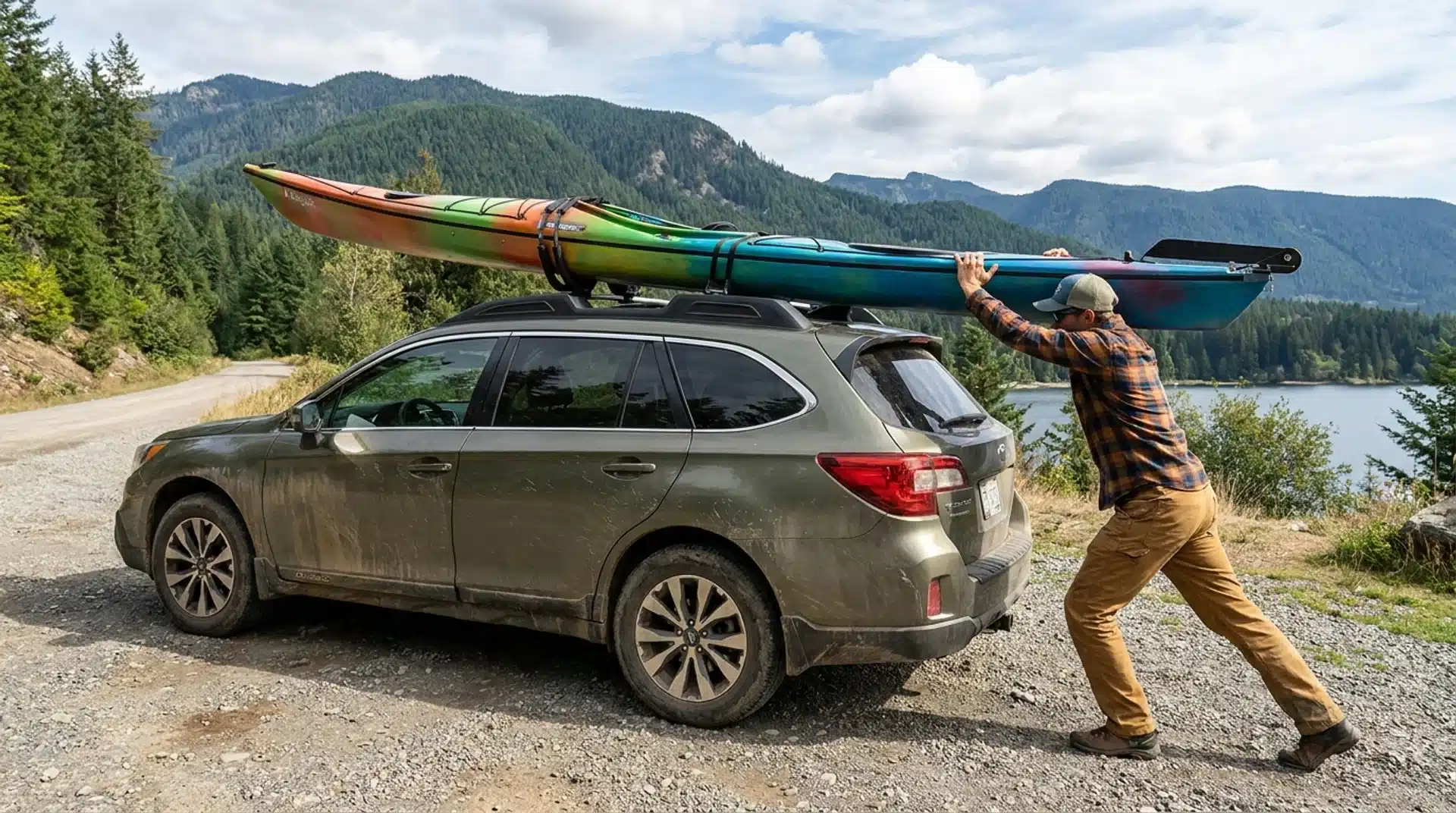
- Lay foam pads or pool noodles along the gunwale before the kayaks go on.
- Strap each kayak at two points, with the cockpit facing inward.
- Anchor in calm, shallow water out of the main current.
- Launch from the stern, sliding the kayak in bow first.
- Keep one person on the boat until every paddler is seated and stable.
Getting back aboard is the harder half. Practice a paddle float re-entry in warm, shallow water first. The same balance skills help when you transfer from kayak to boat ladder.
If you are new to rescues, a structured paddling class from a certified instructor builds the habit faster than videos alone.
What Should Stay on the Boat While You Paddle?
The mothership is your supply depot. Leave the heavy, bulky gear on board and paddle light.
Keep these items on the boat:
- A full cooler with water and food for the whole group.
- A first aid kit and a spare dry layer for each person.
- The VHF radio, with a handheld unit for each kayak.
- Spare paddle, bilge pump, and tow line.
- A printed chart with your planned creeks marked.
Each paddler should still wear a fitted life jacket and carry a whistle. Agree on a turnaround time before anyone leaves the anchor.
How Do You Plan a First Run From Washington?
Start small. A first mothership day works best as a half-day trip on protected water.
Launch from a public ramp in Washington and run down the Pamlico River to Goose Creek. The run is short, and the creek mouth offers sheltered anchoring. Paddle the side creeks for two hours, then regroup at the boat for lunch.
Check the marine forecast twice: the evening before and again at the ramp. On the Pamlico, a southwest breeze often builds through the afternoon. Plan the run home before that happens.
Once that day feels routine, stretch to Bath Creek or the Pungo. The pattern stays the same. Only the distance grows.
Frequently Asked Questions
Do I Need a Boating License to Run a Mothership in North Carolina?
North Carolina requires a boating education certificate for operators of motorized vessels of 10 horsepower or more who were born on or after January 1, 1988. Check the current state rules before your first run.
How Many Kayaks Can a Small Boat Carry?
Most 20 to 24 foot boats carry two kayaks comfortably. Three is possible on a wide center console with careful strapping. Always stay within the boat’s posted capacity plate.
Is Mothership Kayaking Safe for Beginners?
It can be safer than a long solo crossing, because help sits nearby. Beginners should still practice re-entry and stay within sight of the anchored boat.
What Is the Best Season for Pamlico Mothership Trips?
Late spring and early fall usually offer the calmest mornings and fewer biting insects. Summer works too, but start early to beat afternoon storms and heat.