Smallmouth are aggressive, but they’re also surprisingly selective. A lure that’s perfect for shallow rock in spring may do very little once fish move deeper or start feeding on baitfish.
That’s why experienced anglers rely on a handful of proven smallmouth bass lures instead of chasing every new release.
Knowing when to fish each one is often the difference between a slow day and a memorable one.
Why Smallmouth Bass Behave Differently Than Largemouth
Smallmouth relate to structure differently than largemouth do. They favor rock, current, and clean water over vegetation and cover.
This single fact drives almost every lure choice you’ll make. Smallmouth feed heavily on crawfish, gobies, and baitfish like shad and shiners.
That’s why the best smallmouth bass lures on this list either imitate a crawfish crawling across rock or a fleeing baitfish darting through open water. Season and water clarity decide which one you throw.
What Makes a Good Smallmouth Bass Lure?
Not every bait that catches largemouth bass will work on smallmouth bass, so it helps to know what actually separates a good pick from a wasted cast. These five traits are what I check before a lure earns a spot in my box.
- Matches natural forage: Crawfish, gobies, and shiners are the primary diet, so realistic profiles and subtle actions outfish gaudy, oversized baits.
- Works across the water column: Smallmouth suspend, hold on rock ledges, and roam open water, so your lure lineup needs options from topwater to deep-diving.
- Performs in clear water: Smallmouth waters run clear more often than not, so natural colors and finesse presentations matter more than they do for largemouth.
- Holds up on rock and current: Smallmouth fisheries are full of chunk rock, gravel, and current seams that shred cheap plastics and dull hooks fast.
- Casts and fishes on light line: Most smallmouth techniques use finesse gear and 6- to 10-pound line, so the lure needs to load light rods properly.
Run any new lure through this checklist before you buy it. It’ll save you from a tackle box full of baits that look great in the package and do nothing on the water.
River Smallmouth vs. Lake Smallmouth
Rivers and lakes put smallmouth in completely different positions, so the lure and retrieve that work in one often fall flat in the other.
| Factor | River Smallmouth | Lake/Reservoir Smallmouth |
|---|---|---|
| Where they hold | Behind current breaks, boulders, laydowns, and gravel seams | Isolated structure humps, ledges, rock piles |
| How they feed | Ambush whatever the current brings past them | Roam open basins chasing suspended baitfish |
| Best retrieve style | Drift or swing baits with the current; cast upstream and let the current do the work | Cover vertical water; work baits at a specific depth |
| Go-to lures | Senko dead-drifted through a run, jerkbait worked along a seam, jig hopped downstream at an angle | Ned rig, drop shot, spybait, deep-diving crankbait |
If you fish both, it helps to keep two mental lure boxes: one built around imitating something drifting or ambushed for rivers, and one built around imitating something suspended or roaming for lakes.
Best Smallmouth Bass Lures
This lineup covers everything from finesse rigs for pressured lakes to reaction baits for aggressive river fish. Each one earned its spot through real results on the water, not because it’s trending.
1. Z-Man Finesse TRD
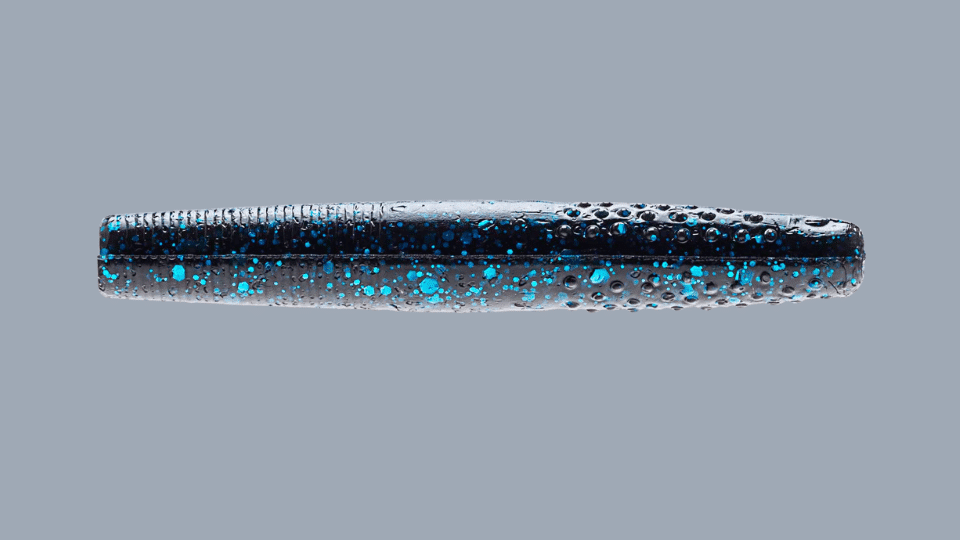
The Finesse TRD is the standard Ned rig bait, and it’s still one of the highest-percentage lures for smallmouth bass on the market. Rigged on a mushroom-style jighead, it catches fish from the bank out to 25 feet of water.
It’s the kind of “confidence bait” that stays tied on almost every trip, the one to go back to when nothing else is working.
- Best for: spring pre-spawn, summer deep rock, and finesse fishing in pressured lakes
- Pros: subtle floating action, buoyant ElaZtech material stands the tail up off the bottom, extremely durable, cheap per bait
- Cons: limited to finesse presentations, not a reaction bait for aggressive fish
- Price range: $5–$6 per 8-pack
2. Megabass Vision 110
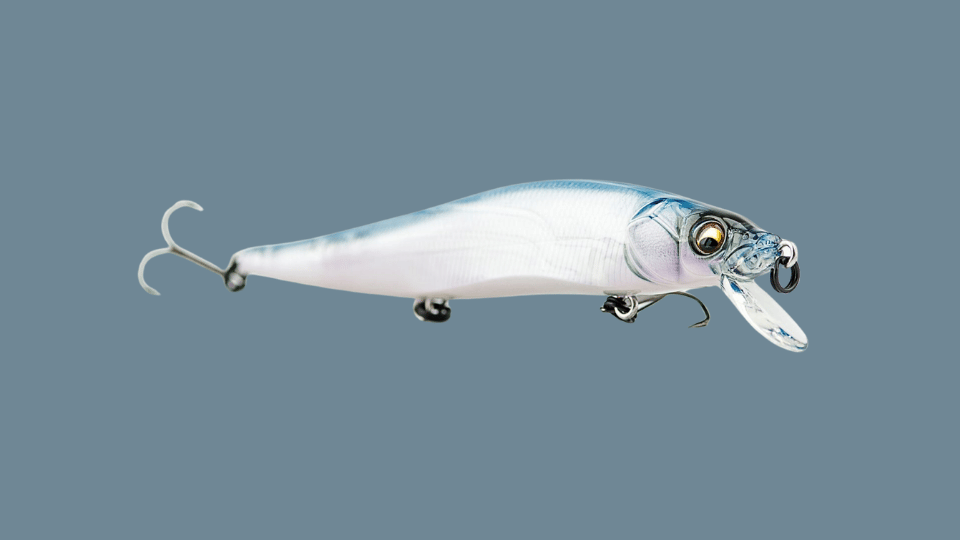
Megabass Vision 110 has been a trophy smallmouth staple for years because of its natural suspending action and lifelike wobble on the pause.
It’s a confidence bait for good reason, and it’s often the first lure to tie on when water temps sit anywhere from the high 30s up through the low 70s°F, with peak performance from late fall through early spring. The goal is a reaction bite from a big fish rather than numbers.
- Best for: late fall through early spring, water temps roughly 38–70°F, peak effectiveness November–April
- Pros: true suspending action, tight wobble, weight-transfer system casts far, huge color selection
- Cons: premium price point, needs a properly paired rod and line to fish the pause correctly
- Price range: $20–$26 per bait
3. Yamamoto Senko
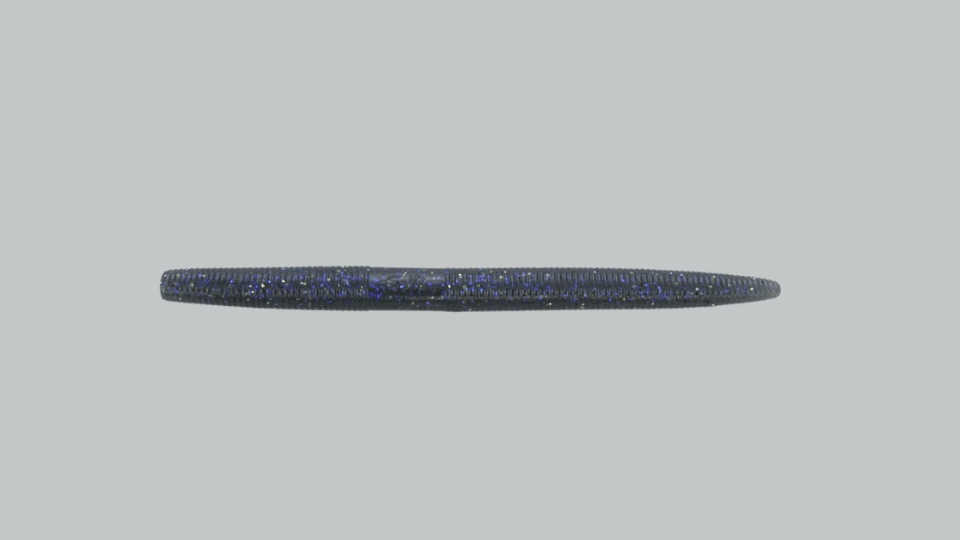
The Senko’s slow, wobbling fall gets bites when smallmouth won’t chase anything fast. Tie one on for the first time on a shallow, rocky summer river, and it’s not unusual to catch fish on nearly every cast that afternoon.
That kind of showing is why it stays in the box as the bait to reach for when the bite’s gone quiet, and nothing else will draw a strike.
- Best for: summer shade lines, post-frontal conditions, and neutral or negative fish
- Pros: unmatched fall action, works wacky-rigged or Texas-rigged, salt-impregnated for scent and feel
- Cons: tears easily on rocky bottoms, limited action once it settles on the bottom
- Price range: $6–$8 per 5-pack
4. Strike King Coffee Tube
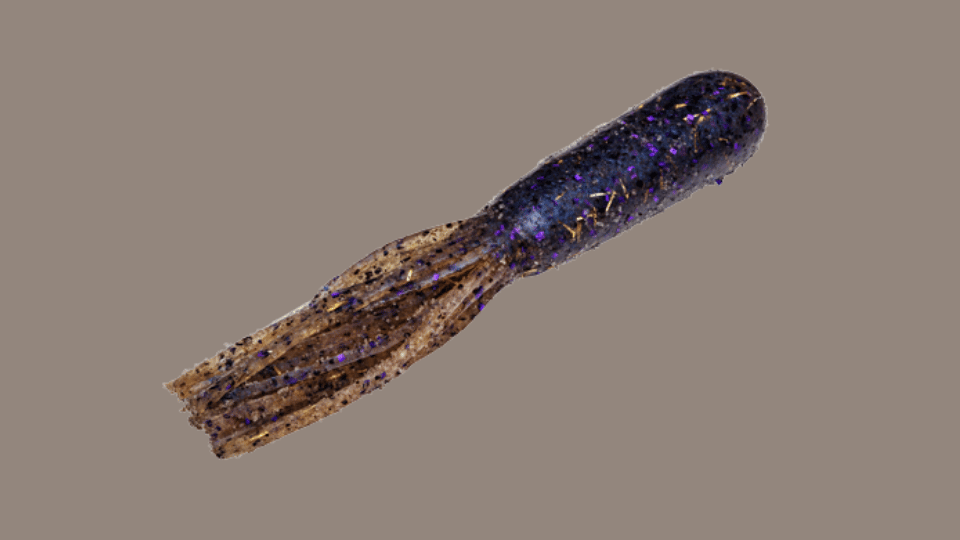
Tubes imitate crawfish and gobies better than almost anything else, and the Coffee Tube is the standard 3.5-inch size that smallmouth anglers reach for nationwide, from Kentucky Lake to the Great Lakes.
It’s the bait to hand a first-timer for a near-guaranteed bite, drag it slowly across the bottom, and let the fish do the rest.
- Best for: summer and fall crawfish feeds, wading small creeks, dragging main lake rock
- Pros: realistic crawfish profile, works with multiple jighead styles, proven nationwide
- Cons: needs a specific tube jighead for the best action, can be fiddly to rig for beginners
- Price range: $5–$7 per 8-pack
5. Berkley MaxScent Flat Worm
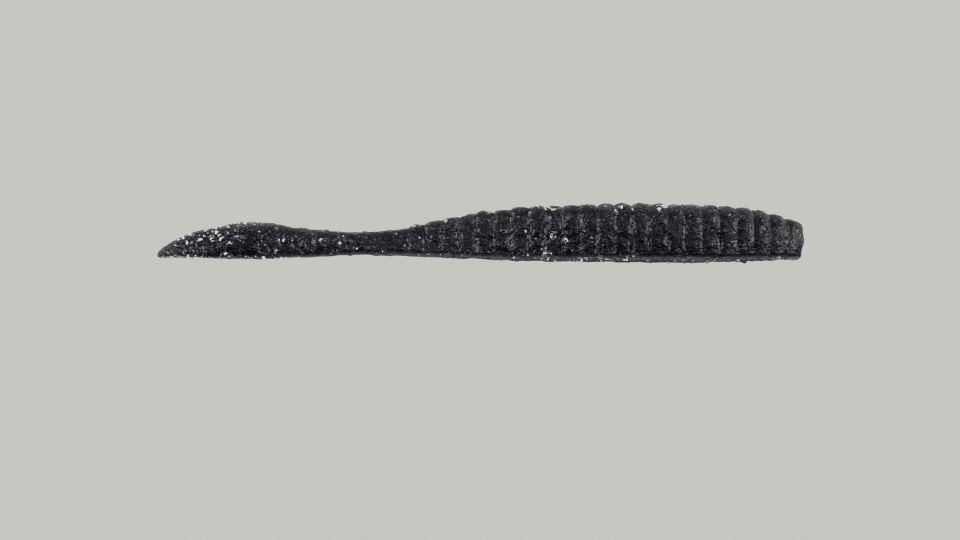
The Flat Worm’s scent-infused ElaZtech body and subtle shimmy made it an instant staple for drop-shotting smallmouth when it hit the market.
It gained a reputation for being hard to keep in stock when it first hit the market. Few baits tease as many bites out of suspended fish that are just sitting there, uninterested.
- Best for: summer offshore drop shotting and finesse fishing over deep rock or humps
- Pros: strong scent and flavor dispersion, buoyant tail action, proven big-smallmouth bait
- Cons: scented material limits translucent color options, best suited to drop shot rigs specifically
- Price range: $6–$8 per pack
6. Keitech FAT Swing Impact
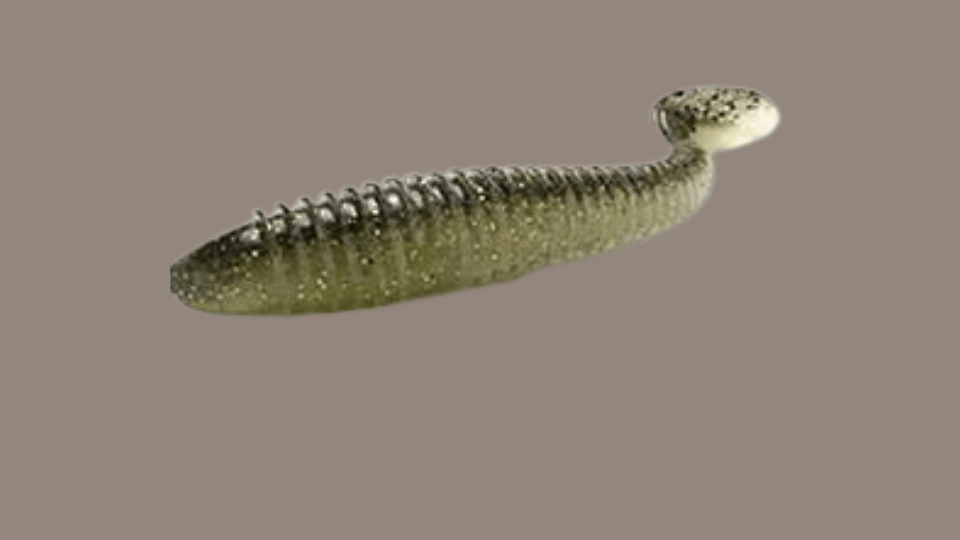
Few swimbaits produce as consistently on tough bites as the Keitech. Its paddle tail rolls and kicks at nearly any retrieve speed, which is rare for a bait this size, and it’s one of the better options when smallmouth are keyed on baitfish but won’t commit to a jerkbait.
- Best for: summer and fall baitfish patterns, both shallow flats and deep structure
- Pros: realistic swimming action at slow or fast speeds, wide color range, catches quality fish consistently
- Cons: needs a properly matched jighead weight to keel correctly, less effective in heavy cover
- Price range: $7–$9 per 6-pack
7. River2Sea Whopper Plopper
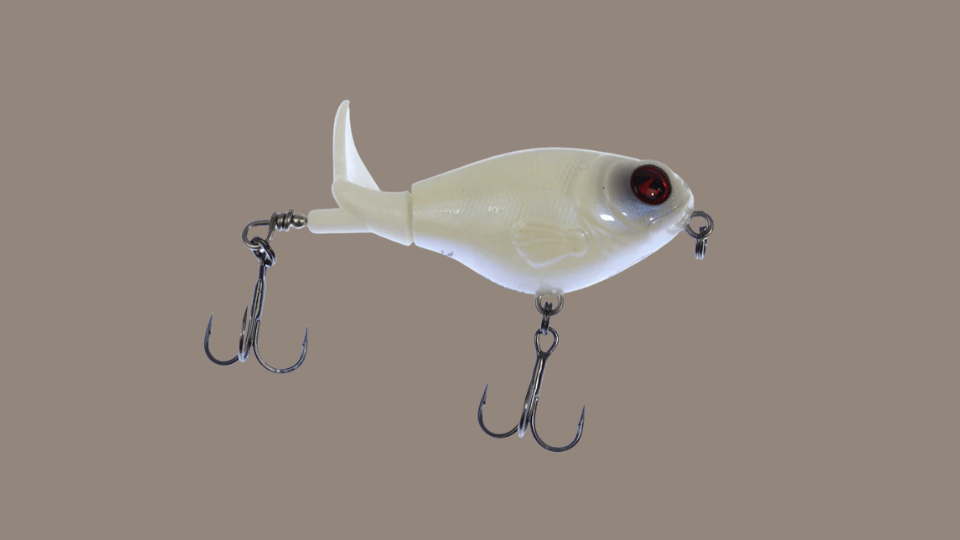
Originally built for musky, the Whopper Plopper found a second life as a smallmouth topwater bait. Its plopping tail draws violent strikes even in low light or rough water; it’s especially effective on days with enough wind chop to make a walking bait hard to work correctly.
- Best for: summer dawn and dusk topwater, windy or overcast days over shallow rock or flats
- Pros: casts extremely far, loud surface disturbance triggers reaction strikes, available in sizes down to the compact 90 model for smaller-mouthed fish
- Cons: can roll and twist line if the rod tip isn’t held high, needs a specific retrieve speed to sound right
- Price range: $13–$18 per bait
8. Heddon Super Spook Jr.
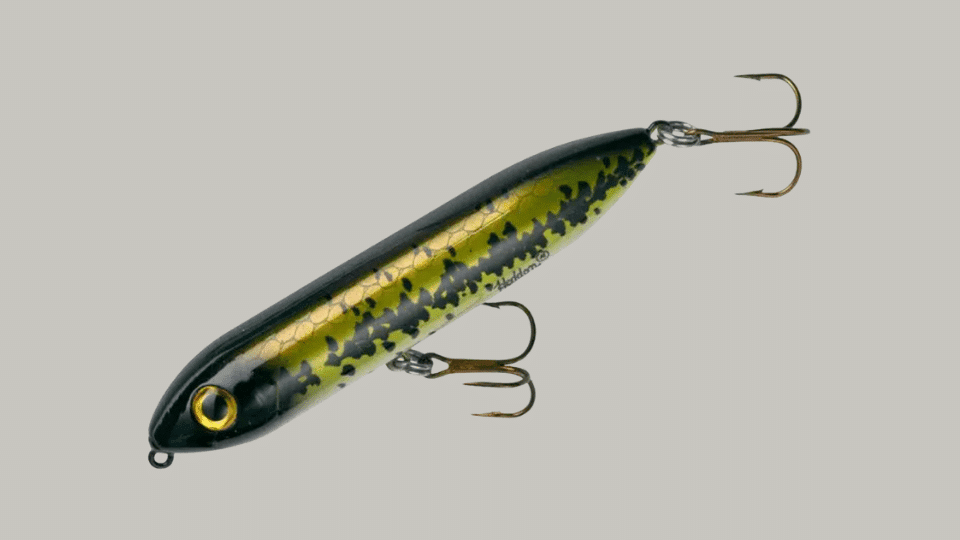
The Spook Jr. walks the dog with tighter, more controlled action than the full-size original, which better matches smallmouth forage in most fisheries.
It takes some practice to get the cadence right, but once that clicks, calm mornings around baitfish schools turn into some of the most exciting topwater fishing there is.
- Best for: calm summer mornings and evenings around baitfish schools and points
- Pros: classic, reliable walk-the-dog action, loud rattle draws fish from a distance, proven fish-catcher for decades
- Cons: requires practice to work correctly, less effective in choppy or windy conditions
- Price range: $8–$11 per bait
9. Duo Realis Spinbait 80
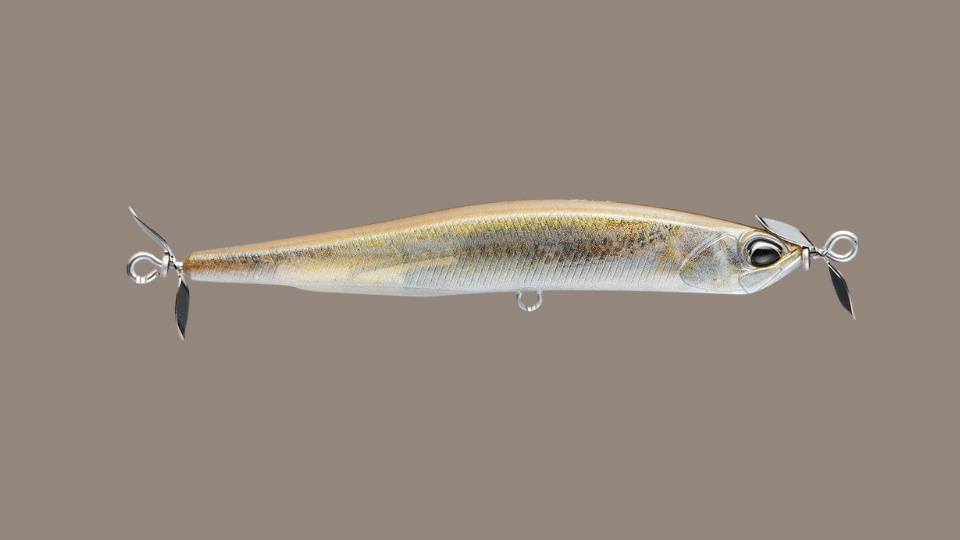
Duo Realis Spinbait put spybaiting on the map, and it remains one of the best options for clear-water smallmouth suspended over open basins chasing baitfish, usually in the 5- to 12-foot range where the fish are visible on electronics but won’t touch a jerkbait.
- Best for: clear-water lakes in spring and fall when fish suspend at 5–12 feet
- Pros: subtle spin and flash mimics baitfish naturally, excellent casting distance, huge color selection
- Cons: requires a slow, subtle retrieve to work properly, less productive in stained or muddy water
- Price range: $17–$22 per bait
10. Rapala Shad Rap
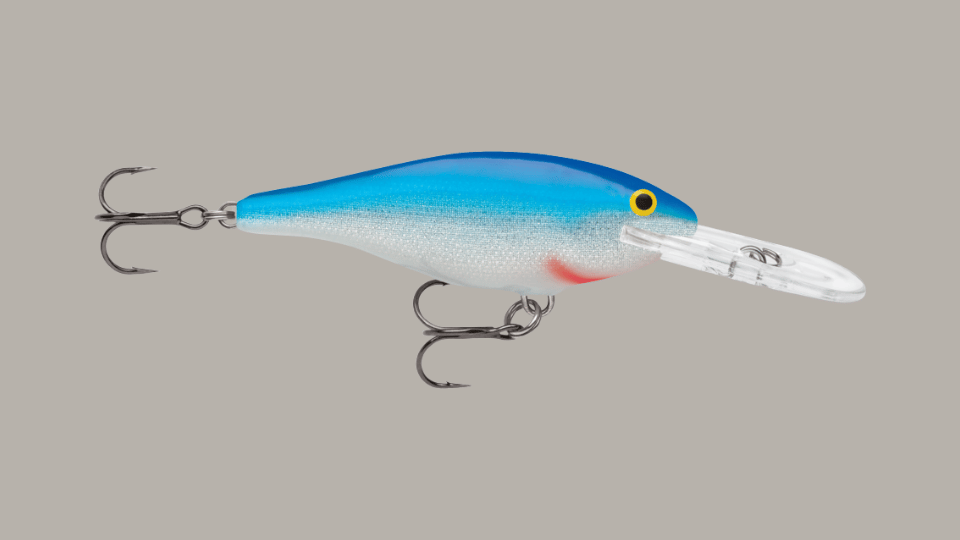
The Shad Rap has caught smallmouth for decades because its wobble and balsa construction feel alive in the water, especially when it’s deflecting off rocks rather than just swimming through open water.
That deflection is the key; a straight retrieve over sand won’t produce nearly what a bait bouncing off a rock ledge will.
- Best for: summer crankbait fishing along rocky points, ledges, and current seams
- Pros: natural tight wobble, dives to precise depths, deflects well off rock and wood
- Cons: treble hooks can rust without maintenance, balsa body can chip on hard rock contact
- Price range: $8–$10 per bait
11. Outkast Feider Fly
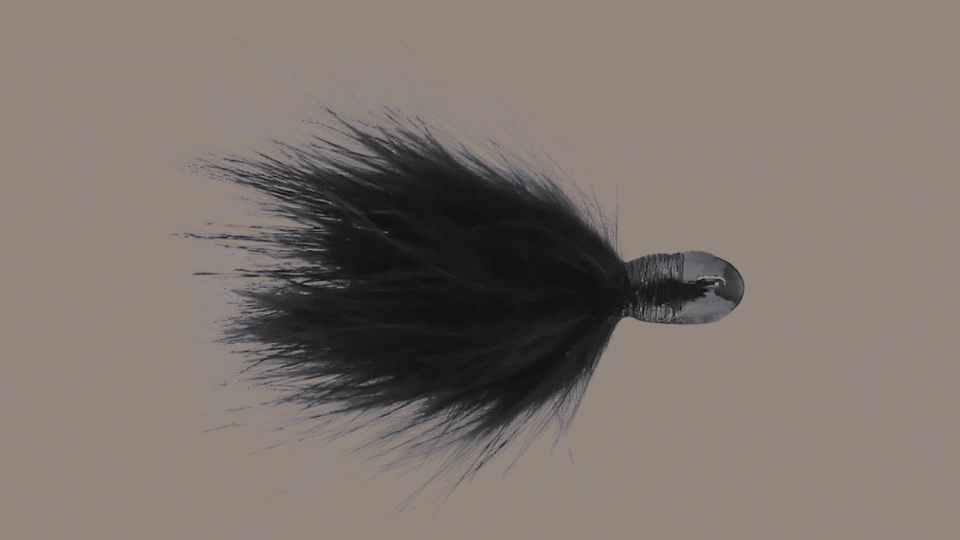
This hand-tied hair jig produces a lifelike marabou pulse that’s especially deadly in cold water, when synthetic materials go stiff and lifeless.
It’s often the first bait tied on once water temps drop below 55°F and fish pull shallow onto rock banks; nothing synthetic moves the same way in the cold.
- Best for: early spring and late fall in cold water below 55°F, shallow rocky banks
- Pros: natural marabou movement even in cold water, compact profile matches small baitfish and fry, hand-tied quality
- Cons: marabou can foul on the hook after repeated casts, limited to finesse presentations
- Price range: $6–$8 per 2-pack
Quick note: Prices are subject to change. Users are advised to check the official website for the most up-to-date information.
How to Choose the Right Smallmouth Bass Lure
With dozens of options in front of you, it’s easy to grab whatever’s trending instead of what the day actually calls for. These five factors are the ones I run through before tying anything on.
- Match the season to the presentation: Reaction baits as jerkbaits and topwaters shine in warmer water, while finesse plastics dominate on cold fronts and with pressured fish.
- Read the water clarity: Natural, translucent colors work best in clear water, while darker or louder options help in stained water or low light.
- Consider the forage base: If crawfish dominate the fishery, lean on tubes and craws; if baitfish do, prioritize jerkbaits, swimbaits, and spybaits.
- Account for depth: Shallow rock and current call for topwaters and hair jigs, while deep humps and ledges call for drop shots, Ned rigs, and crankbaits.
- Don’t overlook line and gear pairing: Finesse baits need light spinning gear and fluorocarbon, while reaction baits often need baitcasting setups and stiffer rods. A rod holder, anchor system, and a few other essential accessories make it easier to fish these presentations without missing a beat.
None of these factors matter much in isolation, but stack them together, and the right lure usually becomes obvious.
Best Colors for Smallmouth Bass Lures
Color choice changes with water clarity, light, and forage far more for smallmouth than most anglers assume. Use this table to match your lure color to the conditions you’re fishing.
| Water Condition | Best Colors | Why It Works |
|---|---|---|
| Clear water | Green pumpkin, watermelon, natural shad, ghost | Mimics real forage without spooking wary fish |
| Stained water | Black/blue, brown, chartreuse accents | Creates a stronger silhouette that fish can track |
| Bright/sunny days | Translucent, natural baitfish patterns | Reflects light naturally without looking artificial |
| Overcast/low light | Solid colors, bone white, dark patterns | Improves silhouette visibility against the sky or the bottom |
| Crawfish-heavy fisheries | Brown, orange, red, craw patterns | Matches the dominant forage smallmouth key on |
| Goby-heavy fisheries (Great Lakes) | Brown/olive, mottled patterns | Imitates goby coloration found in rocky, current-driven areas |
None of these rules is absolute, so let the fish confirm what the conditions suggest. Carrying two or three color options per lure makes it easy to adjust mid-trip, and spotting those color changes on the water is much easier with polarized sunglasses.
Common Mistakes When Using Smallmouth Bass Lures
Most slow days aren’t a bad lure choice; they’re a presentation problem. These are the habits that quietly cost anglers bites they should be getting.
- Fishing baits too fast: Smallmouth often want a slower, more subtle presentation than largemouth, especially with finesse plastics.
- Ignoring water temperature: Throwing reaction baits in cold water or slow finesse baits in a hot bite both cost you fish.
- Using a line that’s too heavy: Smallmouth in clear water get line-shy fast, and oversized line kills bites before you ever feel them.
- Overlooking current seams: River and Great Lakes smallmouth stack in current breaks, and fishing the calm water beside them instead wastes casts.
- Not matching hook size to bait: Using undersized hooks with bulkier baits costs you solid hooksets on bigger fish.
- Skipping the retrieve pause: Many of these lures, from jerkbaits to topwaters, produce best on the pause, not the retrieve itself.
Fixing even one or two of these habits can turn a slow day into a productive one. Small adjustments in presentation matter more with smallmouth than with almost any other bass species.
Wrapping It Up
Finding the right smallmouth bass lures isn’t about carrying more tackle. It’s about understanding which baits match the conditions and knowing when to put them to work.
Keep a few proven lures in your lineup, build confidence in how you fish them, and you’ll be ready for everything from rocky rivers to deep, clear lakes.
Try a few of these on your next trip, and drop a comment with what’s producing on your water this season.
Frequently Asked Questions
Do Smallmouth Bass Lures Need to Be Scented?
Not always, but scent can improve results with soft plastic lures, especially when fish are hesitant to bite. It is less important for fast-moving lures like jerkbaits and topwaters.
What’s the Biggest Mistake Beginners Make Picking Their First Smallmouth Lure?
Many beginners buy too many different lures instead of learning a few reliable ones. Mastering simple options like a Ned rig or tube often leads to better success.
How Many Lures Do I Actually Need to Start Catching Smallmouth?
You only need about four or five versatile lures to cover most conditions. A Ned rig, tube, jerkbait, topwater, and swimbait are great starting choices.
Is Braid or Fluorocarbon Better for Smallmouth Lures?
A braided line with a fluorocarbon leader is ideal for finesse fishing because it offers sensitivity and low visibility. Straight fluorocarbon also works well for many reaction lures.
Do Smallmouth Bass See Color the Way We Do?
Smallmouth bass can see colors, especially in clear water. Natural-colored lures usually work best in clear conditions, while darker colors stand out better in stained water.