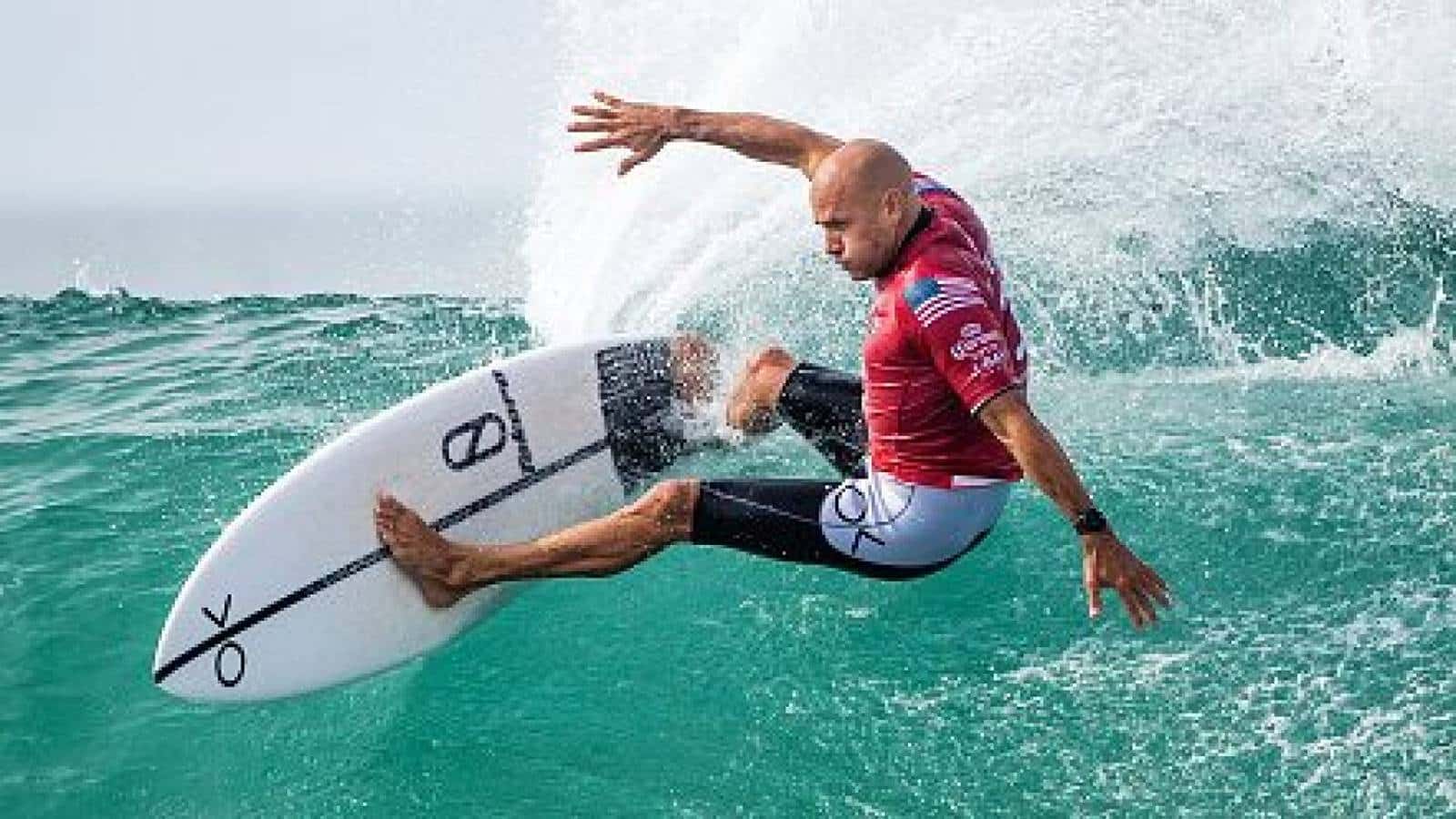
Big wave surfing is one of the riskiest sports in the world. Most people think surfing is about beaches, sun, and fun. That is true for small waves.
But big wave surfing is very different. It is fast. It is dangerous. And it takes huge skill. Some waves are so tall that they look unreal. They rise like moving walls of water. On days like this, the ocean does not look like water. It looks like a moving mountain.
That brings us to one big question: who surfed the biggest wave ever?
The record belongs to one surfer, but the full story also includes the place, the conditions, and the ride itself. To find the answer, we need to look at the exact ride, the place where it happened, and how it was proven.
Who Surfed the Biggest Wave Ever?

The surfer was Sebastian Steudtner, a German big wave surfer known for chasing giant swells. His ride made global news because it became the largest wave ever surfed in recorded history.
This was not luck. Big wave surfing at this level takes years of training, and only a few athletes rise to become globally recognized surfing legends.
A surfer needs strength, timing, balance, and a strong rescue team. Surfers can be pushed deep underwater and held there for long seconds before they reach the surface again.
Sebastian’s ride became the new benchmark in big wave surfing. It also pushed Nazaré even deeper into surfing history.
When and Where Did It Happen?
The record wave was surfed on October 29, 2020. It happened at Praia do Norte in Nazaré, Portugal, one of the world’s most famous big-wave spots.
Nazaré is not a normal surf beach. It is one of the few places where waves can rise to extreme heights near the shore. That is why so many big-wave records have been set here.
For some surfers, rides like this can go beyond records, helping them earn prize money, secure brand deals, and become part of the richest surfers in the sport.
How Big Was the Wave?
The wave measured 86 feet, which is 26.21 meters. That is the number recognized by Guinness World Records.
To understand the size better, think of this:
- It is about as tall as an 8-story building
- It is much taller than the waves most people ever see at the beach
- It is big enough to make even expert surfers look tiny
That is why this ride stands out so much. It was not just a big wave. It was a wave that crossed into record-book history.
Why Are Nazaré Waves So Huge?
Nazaré, Portugal, produces some of the world’s biggest waves because of its unique underwater shape.
Off the coast lies the Nazaré Canyon, a deep canyon that focuses and amplifies incoming swells.
As that ocean energy moves into shallower water near shore, the waves grow larger and steeper. That is why Nazaré has become one of the top places for record-breaking big-wave surfing.
In simple words, the sea floor helps build the wave just before it breaks.
How Was the Record Proven?
This is where the record was confirmed. In big wave surfing, wave height is not guessed. It must be proven with evidence.
Sebastian’s wave went through a formal review. The World Surf League verified the wave, and Guinness World Records officially recognized it.
Reports also say the review took about 18 months, during which experts studied footage and data before the final decision.
The proof came from:
-
Video Footage: The ride was captured from different angles for review.
-
Photo Analysis: Experts studied images frame by frame.
-
Wave Measurement Review: Experts compared the surfer, the board, and the wave face to estimate the wave height.
-
Final Authentication: The World Surf League reviewed the evidence, and Guinness confirmed it.
So the record was not based on rumor or social media. It was formally measured, reviewed, and confirmed.
Did Anyone Hold the Record Before Him?
Yes. Before Sebastian Steudtner, the record was held by Rodrigo Koxa of Brazil.
His wave was measured at 80 feet and was also surfed at Nazaré. That jump in size shows how quickly big wave surfing is progressing.
That shows how fast big wave surfing is growing. Surfers are reaching new limits. Boards are better.
Importance of This Record
This record means more than one big ride. It reflects how surfing has grown in performance, public image, and global attention.
- It gives fans a clear answer to a long-debated question. The record still belongs to Sebastian Steudtner for his 86-foot wave in 2020.
- It made Nazaré even more famous. Today, the town is known around the world for giant waves.
- It inspires new surfers. Some chase records, while others build fame, money, and a strong public image through the sport, often becoming known for their stylish surfing.
That is why this record matters so much. It shows how surfing continues to grow as both a sport and a culture.
Is This the Final Record Forever?
Big wave surfing keeps changing. Better equipment, stronger safety systems, and improved forecasts are pushing the limits every year.
There have been claims of larger waves, including some in the (90–100+ ft) range. But none replace the current mark without formal review and confirmation.
As of 2026, the 86-foot (26.21 m) wave surfed at Nazaré on October 29, 2020, remains the officially confirmed world record, although claims of larger waves are still under review.
For now, the mark remains. But in a sport that keeps advancing, it may not stay unchanged for long.