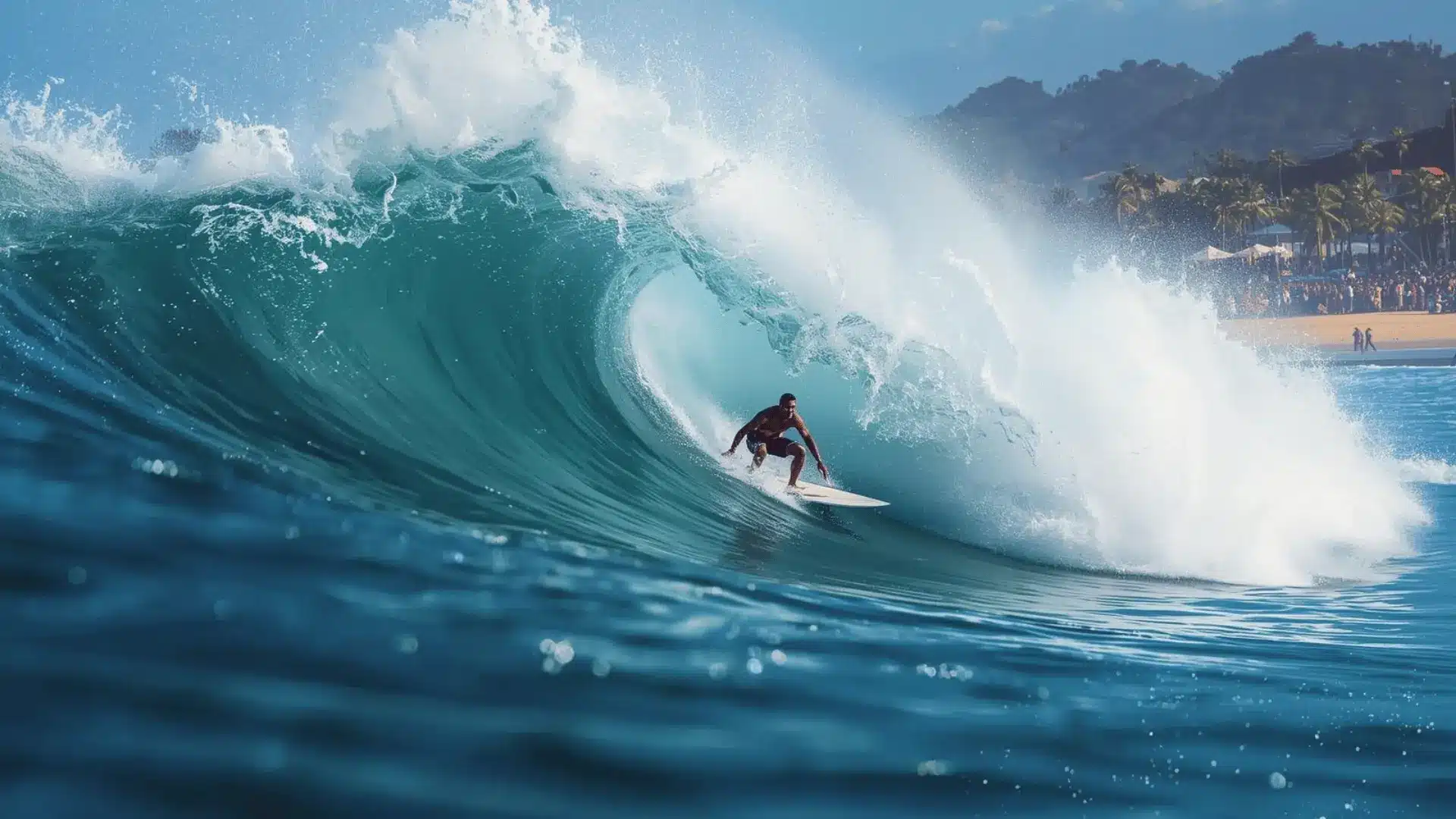

Surfing might look like a modern beach sport, but its story stretches back hundreds, even thousands, of years.
Long before surfboards were sold in surf shops, people in ancient cultures were already riding waves on simple wooden boards and canoes, using the ocean as both a playground and a way of life.
For them, surfing wasn’t just for fun; it was often a sign of skill, strength, and status in their communities. Today’s surfers still follow in their footsteps every time they paddle out to catch a wave.
From the islands of Polynesia and Hawaii to the coasts of Peru, surfing started as a deep cultural tradition, tied to respect for the sea, community, and even religion.
Over time, explorers, travelers, and athletes helped spread surfing around the world, turning it into the global sport we know today.
Where Did Surfing Originate?
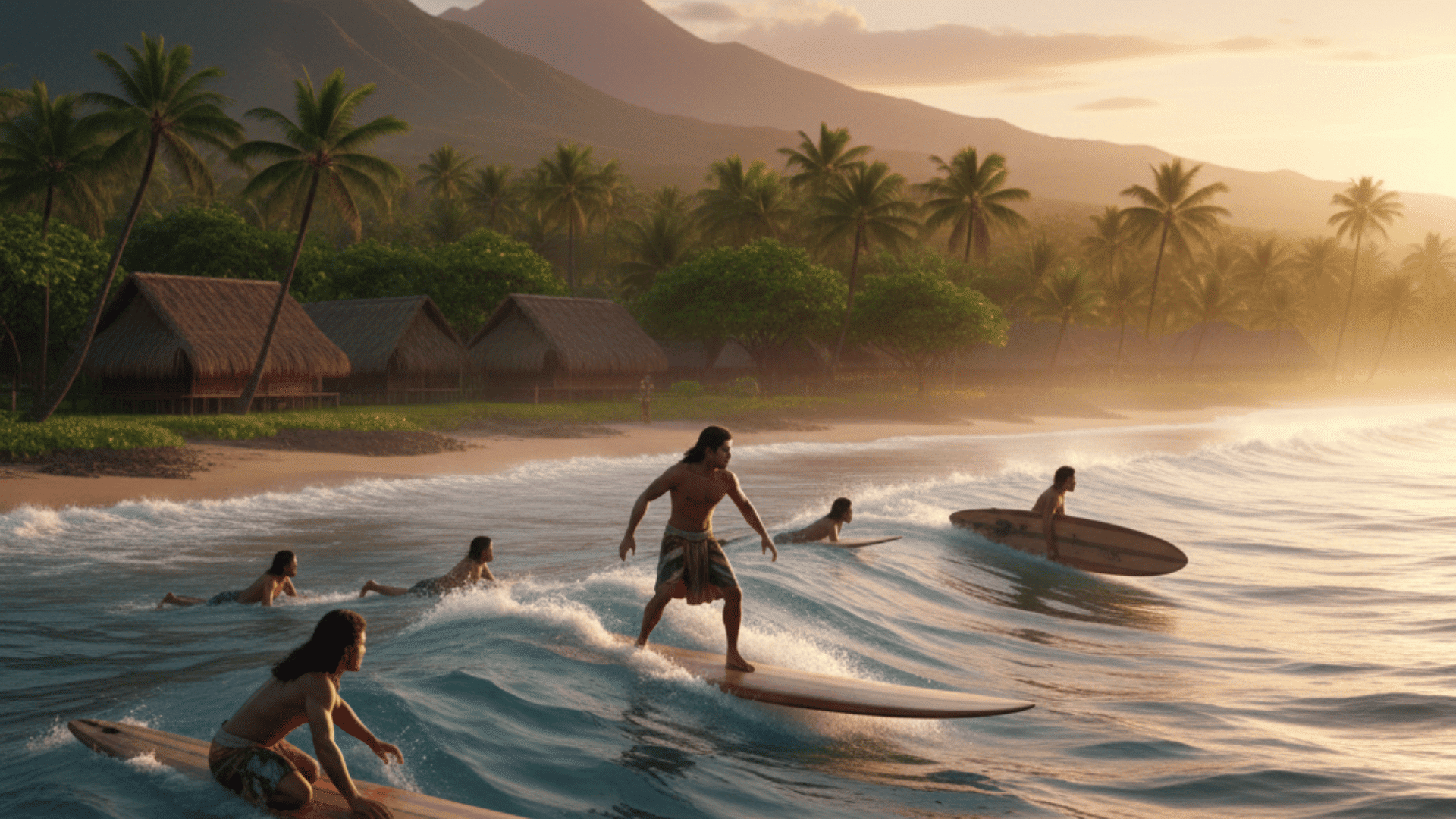
Most people believe surfing began in the islands of Polynesia, especially Hawaii. Long ago, chiefs and skilled warriors would ride the waves on heavy wooden boards, sometimes taller than they were.
Surfing was a big part of their culture, and the ocean was treated with deep respect, almost as if it were a living spirit.
In traditional Hawaiian life, surfing wasn’t just a hobby. Certain beaches and waves were reserved for high-ranking people, and boards were carefully carved from special trees.
Before cutting a tree, people often said prayers or followed rituals to show respect to nature. Surfing could even be used to settle arguments or show who was the strongest and most skilled rider.
There is also evidence that people in ancient Peru rode waves on small reed boats, standing or kneeling as they came back to shore.
Peruvian reed boats offered early wave-riding ~3000 years ago, primarily for fishing efficiency.
Hawaiian olo and alaia boards, however, defined stand-up surfing’s cultural and technical foundation, influencing the global sport.”
How Surfing Evolved Around the World

Surfing slowly spread and changed as people, ships, and ideas moved across the oceans. Here’s a clear timeline showing how it grew across different parts of the world.
Before the 1700s: Ancient Wave Riding
-
Polynesia and Hawaii: People ride waves on heavy wooden boards as part of daily life, religion, and tradition. Surfing is a skill for both fun and status.
-
Peru: Fishermen use small reed boats (called “caballitos de totora”) and ride waves back to shore, a very early form of wave riding.
Late 1700s: First Written Descriptions
-
1770s: European explorers visiting Hawaii and other Pacific islands write about people “standing on boards” and riding waves. The outside world notices surfing for the first time, but it’s still mainly a local island tradition.
1800s: Decline and Survival
-
1800s in Hawaii: Missionaries and new laws change Hawaiian life. Some traditional surfing areas have been lost, and the sport has become less common.
-
End of 1800s: A few Hawaiians keep surfing alive, especially on Waikiki Beach. Surfing never entirely disappears, thanks to them.
Early 1900s: Surfing Travels
-
Early 1900s (Hawaii): Beach boys in Waikiki start teaching tourists to surf, turning it into a fun activity for visitors.
-
1910s–1920s: Hawaiian surfer Duke Kahanamoku travels to places like California and Australia. He shows people how to surf and becomes a huge surfing hero. This helps surfing spread to North America and Australia.
1930s–1950s: New Boards, New Beaches
-
1930s–1940s: Surfers begin using lighter wooden boards and experimenting with shapes. Surf clubs form in places like Sydney and California.
-
1950s: Foam and fiberglass boards are invented, making boards lighter and easier to ride and carry. Surfing has become more popular in Australia, the United States, and other coastal countries.
1960s–1980s: Surf Culture Explodes
-
1960s: Surf movies, surf music, and surf magazines appear. Surfing becomes a symbol of freedom and a fun beach lifestyle. More people around the world want to try it.
-
1970s–1980s: Shorter, more responsive boards are created. Professional surfing contests start, and top surfers become famous athletes. Surfing spreads to Europe, South Africa, and many island nations.
1990s–Today: A Global Sport and Lifestyle
-
1990s: Advanced wetsuits and neoprene improvements enable cold-water surfing.
-
2000s –Today: Surfing is now practiced on almost every continent with a coastline. Big wave surfing, women’s surfing, and adaptive surfing (for people with disabilities) grow quickly.
-
2021: Surfing joins the Olympic Games for the first time, showing how it has grown from an ancient island tradition into a worldwide sport.
What Role Did Surfing Play in Hawaiian Culture and History?
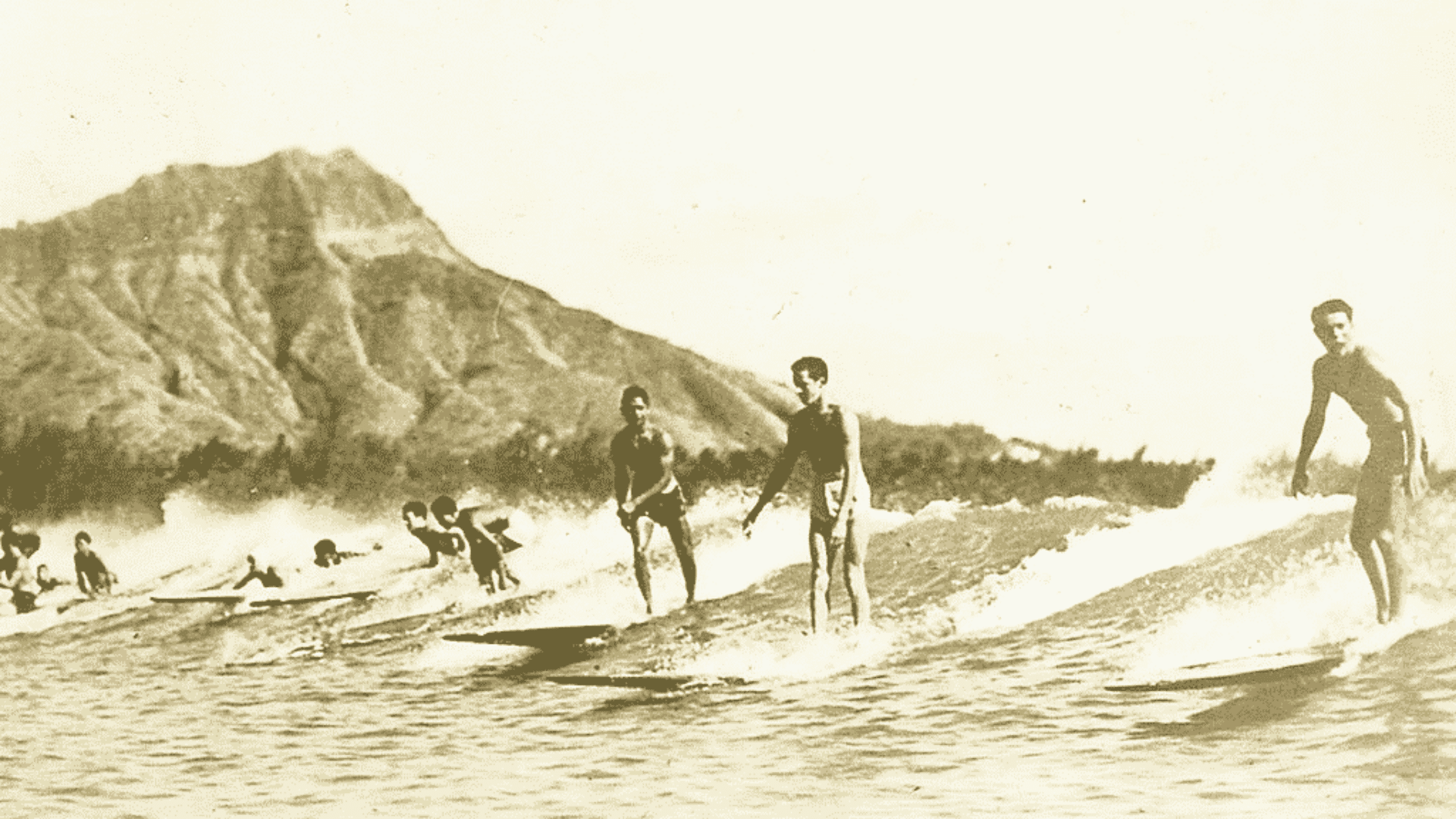
In traditional Hawaiian culture, surfing (called heʻe nalu, meaning “wave sliding”) was much more than a fun beach activity.
It was a way to connect with the ocean, show skill and courage, and even communicate with the gods. The sea was seen as powerful and sacred, so riding its waves was a sign of deep respect and understanding.
Surfing also showed a person’s status in the community. High-ranking chiefs, called aliʻi, often had the best surfboards and the right to surf the best waves.
Some beaches or breaks were reserved just for them. Being a great surfer could earn you admiration and respect, and sometimes even help solve arguments or settle rivalries through friendly competitions.
Making a surfboard was a special process, too. Hawaiians chose certain trees, asked permission through prayers, and then carefully shaped the wood.
This wasn’t just “building sports gear.” It was a spiritual and cultural act that connected land, people, and sea.
Surfing also brought people together. Families and friends gathered on the beach to watch, cheer, and relax. Stories, songs, and chants were shared about famous surfers and amazing rides.
In this way, surfing helped build a strong sense of community, history, and pride that still influences Hawaiian surfing culture today.
How Has Surfing Gear Evolved?
Surfing gear has changed a lot from heavy wooden boards to the light, colorful boards you see at the beach today. Each step in this evolution made surfing easier, faster, and more fun for more people around the world.
Ancient Wooden Boards
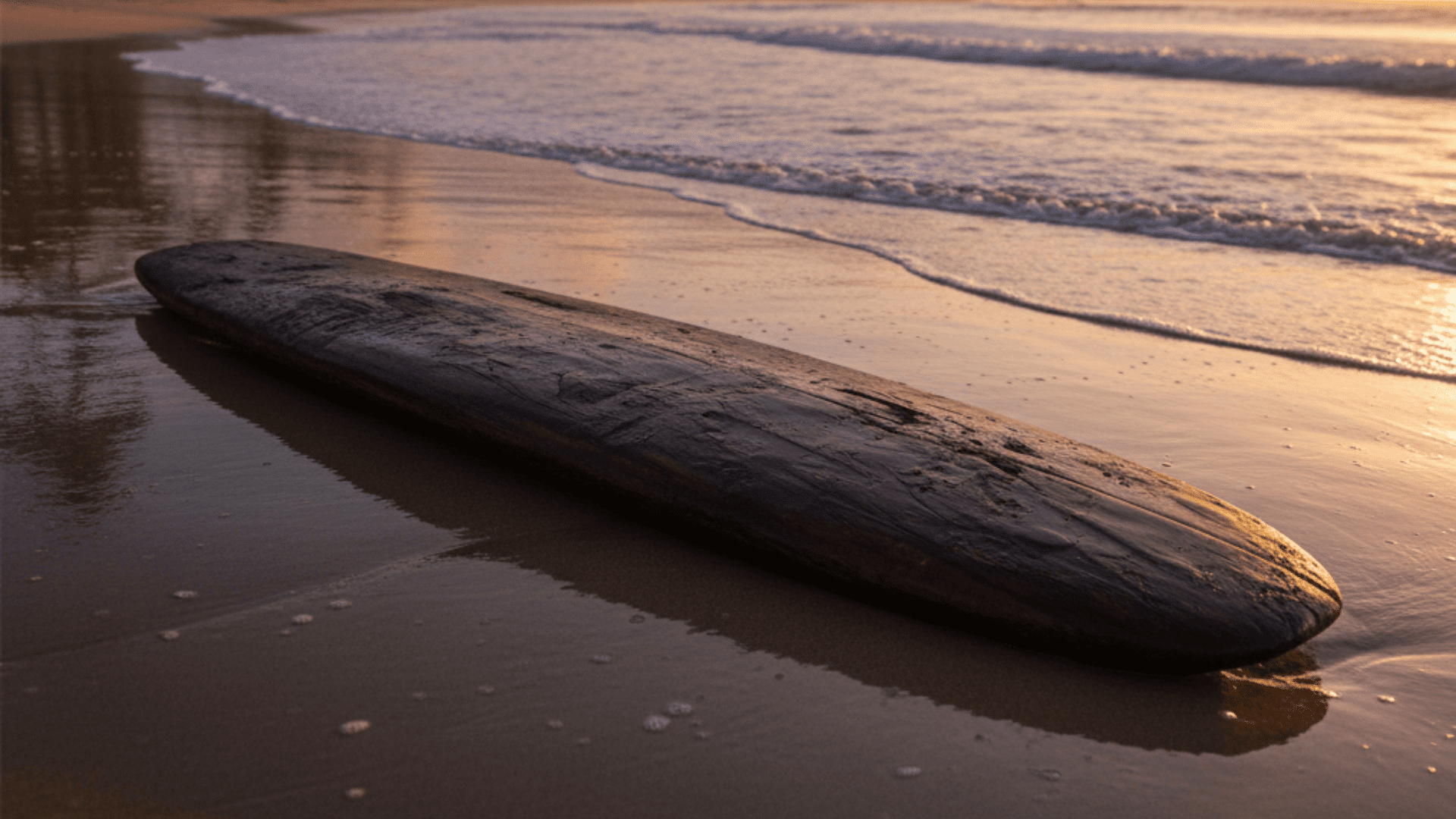
In old Hawaiian and Polynesian times, surfboards were made from solid wood and could be as long as a small car.
They were heavy and hard to carry, so only the most extreme and skilled surfers could use them effectively.
Early 1900s: Lighter Wooden Boards
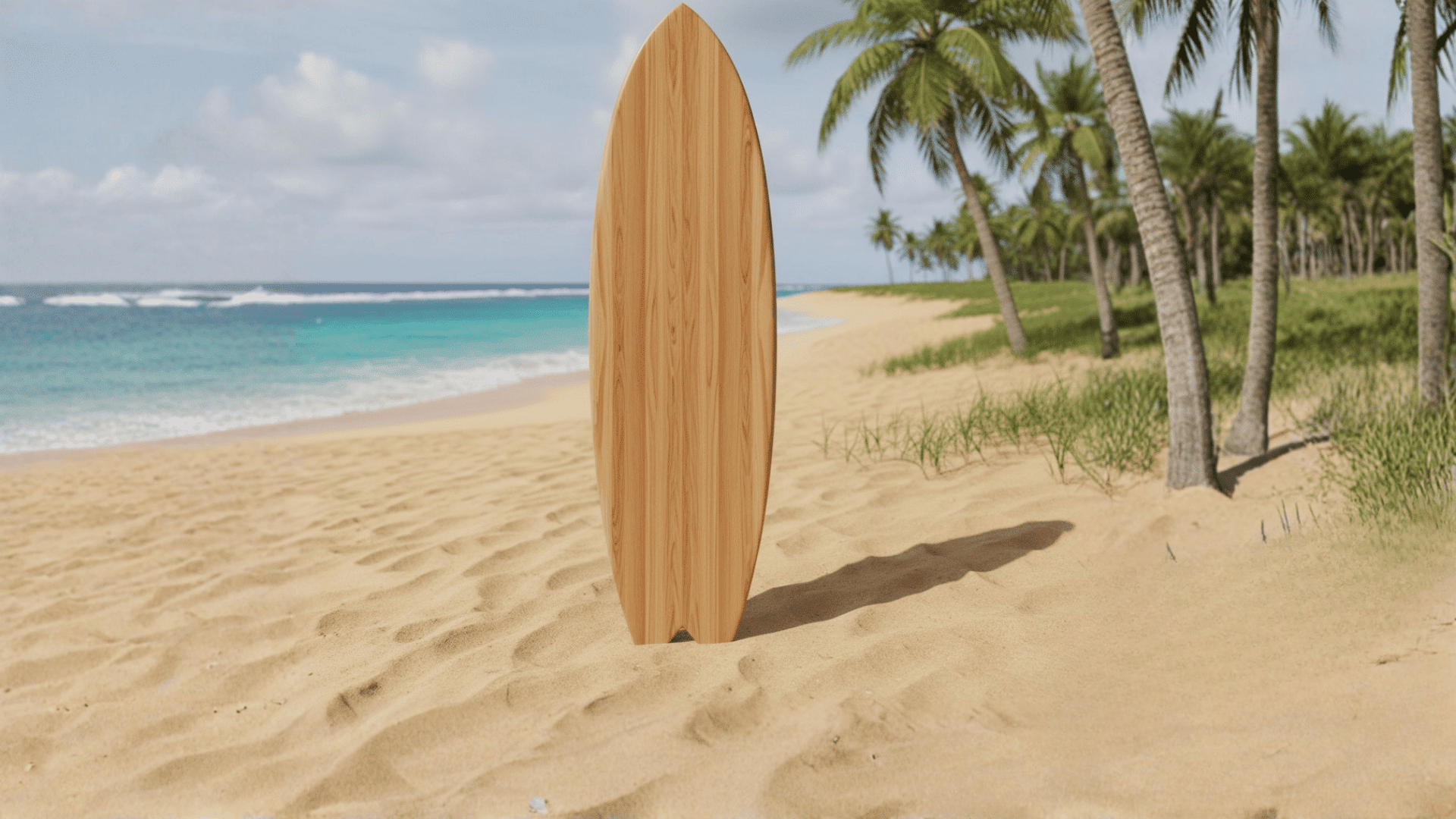
As surfing spread to places like California and Australia, surfers started shaping boards to be a bit thinner and lighter.
They still used wood, but they experimented with different designs to turn better and catch waves more easily.
1950s: Foam and Fiberglass
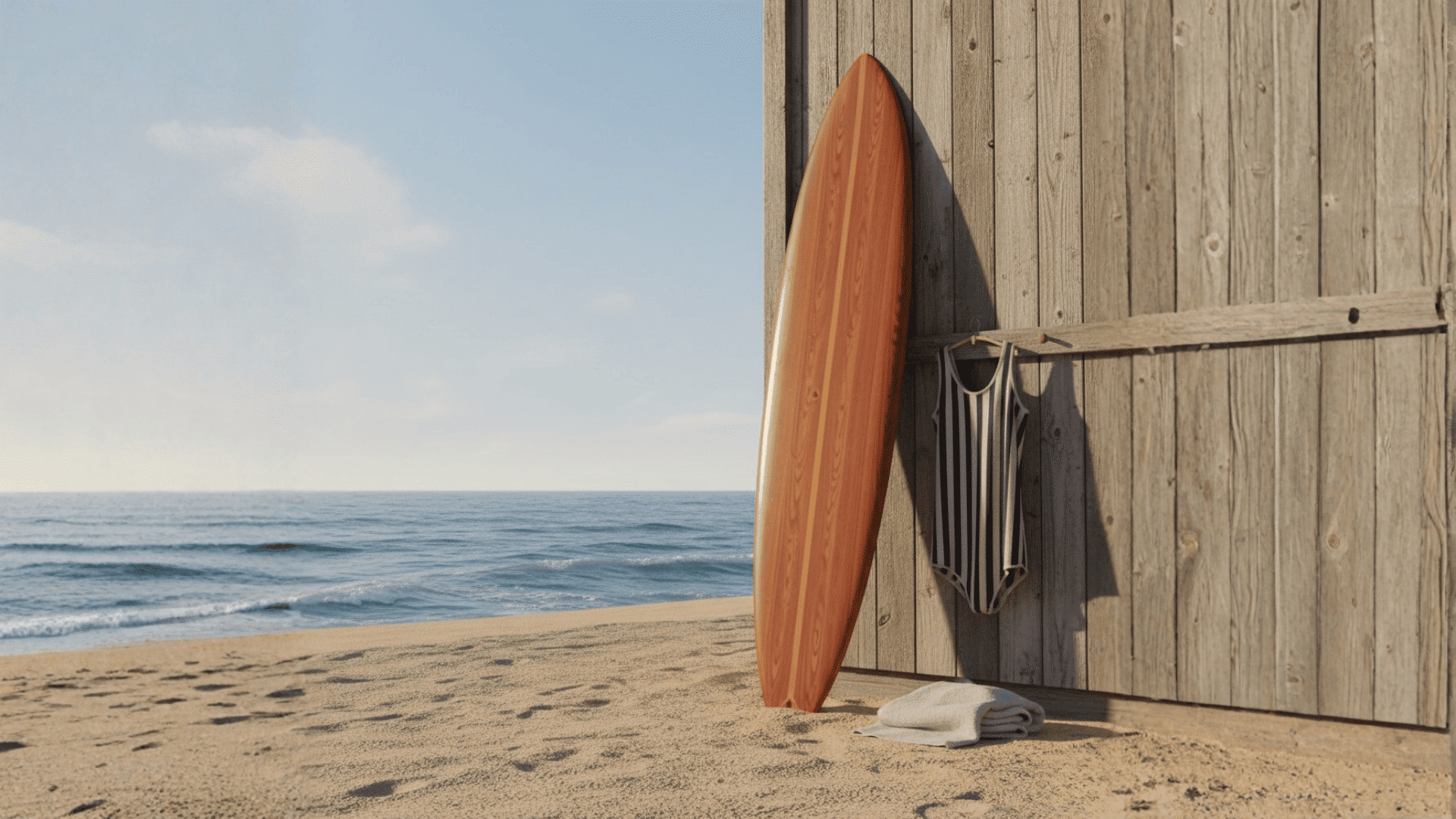
This was a considerable change. Surfers began using foam inside the board with a hard fiberglass shell on the outside.
These boards were much lighter and easier to handle, which helped surfing become popular with beginners and younger people.
1960s–1980s: Shortboards and Fins
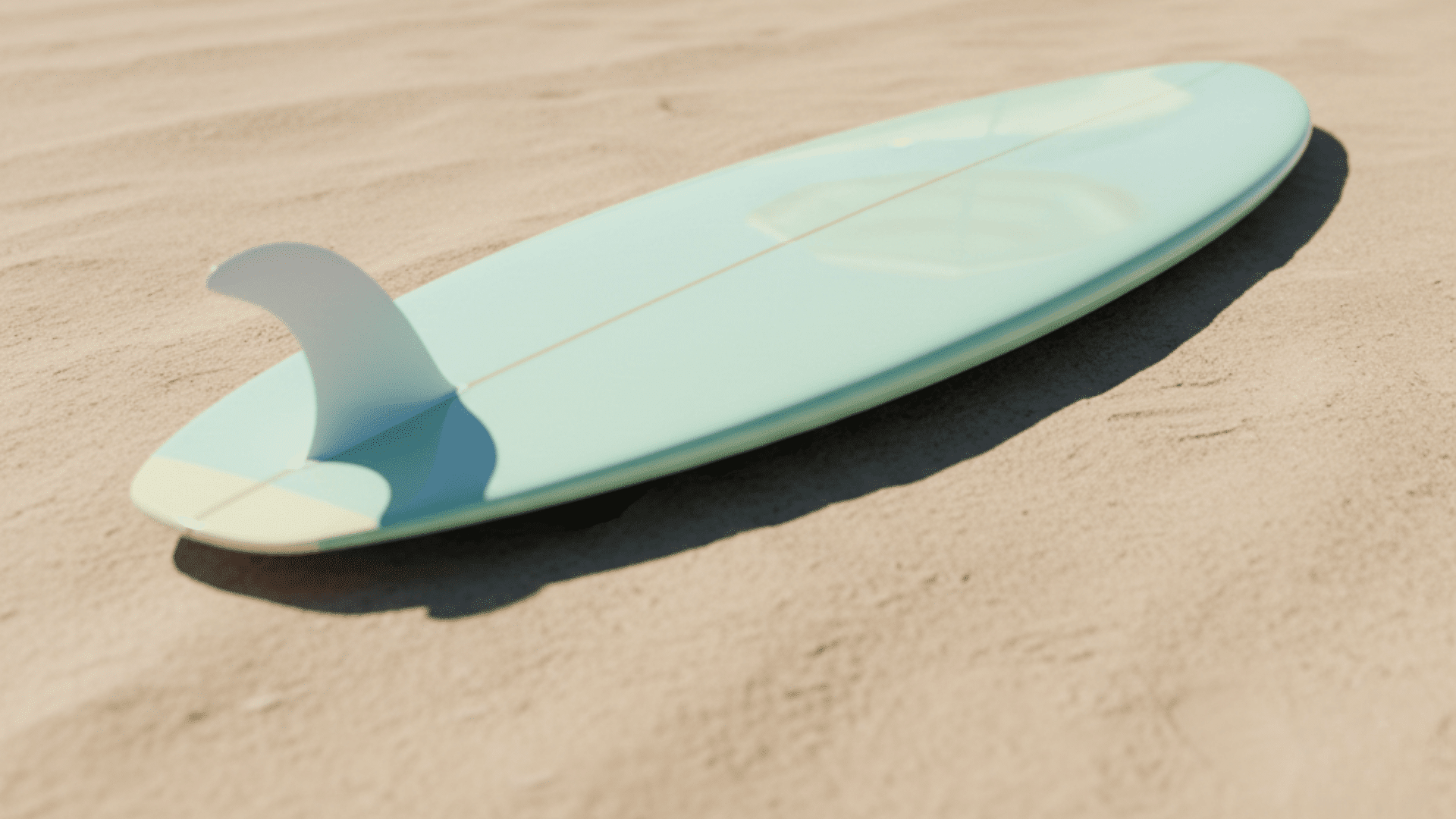
Boards became shorter and more curved, allowing surfers to make sharper turns and perform more tricks.
Fins on the bottom of the board were improved and multiplied (one fin, then two, then three), giving more control and speed on the wave.
Modern Era: High-Tech Materials and Safety Gear

Today’s surfboards are made with advanced foams, fiberglass, and sometimes carbon fiber for extra strength and lightness.
Wetsuits have improved, too, keeping surfers warm in cold water so they can surf in more places and seasons
Leashes standard post-1970s, Pat O’Neill’s invention, 1971, reduced board-loss drownings; traction pads introduced in the 1980s improved foot grip over wax.
How Did Surfing Become a Modern Sport?
Surfing became a modern sport slowly as travel, technology, and media helped it spread worldwide.
In the early 1900s, Hawaiian surfers like Duke Kahanamoku gave demonstrations in places like California and Australia, amazing people and inspiring surf clubs along popular beaches.
In the 1950s, foam and fiberglass boards replaced heavy wooden ones, making surfing lighter, easier, and more beginner-friendly, so more kids and teens joined in.
In the 1960s, surf movies, surf rock, and magazines turned it into a “cool” lifestyle. Later, competitions, rankings, sponsors, and world tours made it a serious professional sport, eventually reaching the Olympics.
Bringing the Story of Surfing Together
Surfing may look simple, just a person standing on a board and riding a wave, but its story goes back a long time and has changed a lot.
A constant question since it has become a modern sport is when was surfing invented.
It started as a strong tradition in places like Hawaii and Peru, where people used the ocean for food, fun, and even spiritual meaning.
Over the years, explorers, travelers, and local surfers helped spread wave riding to new shores.
As surfboards shifted from heavy wooden boards to lighter foam ones, more people could learn, and beaches in California, Australia, and beyond built a whole culture around it.
Today, surfing is both a serious sport, even seen in the Olympics, and a relaxing way to enjoy nature. It isn’t tied to one “invention” date, but many cultures working together over time.