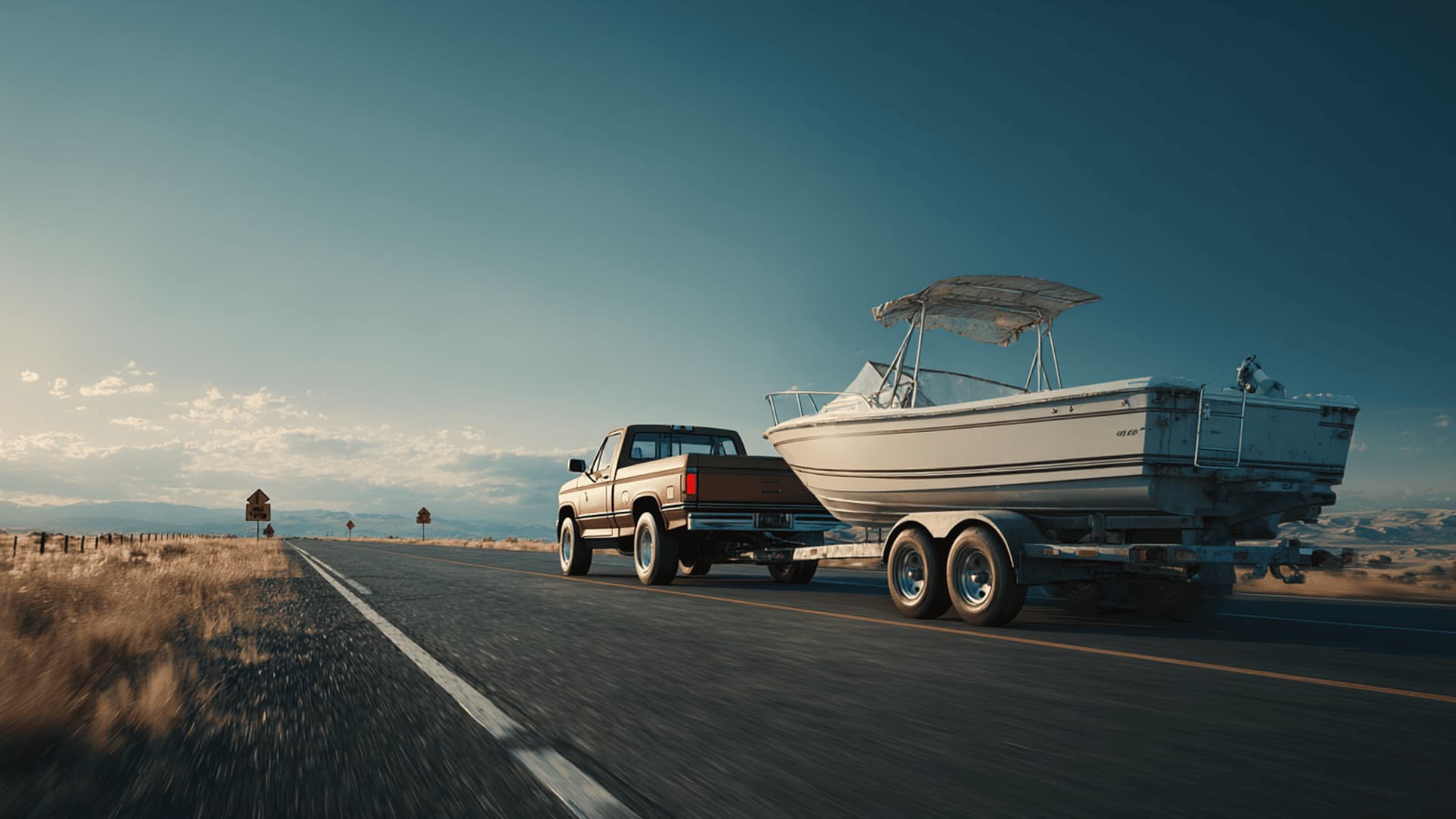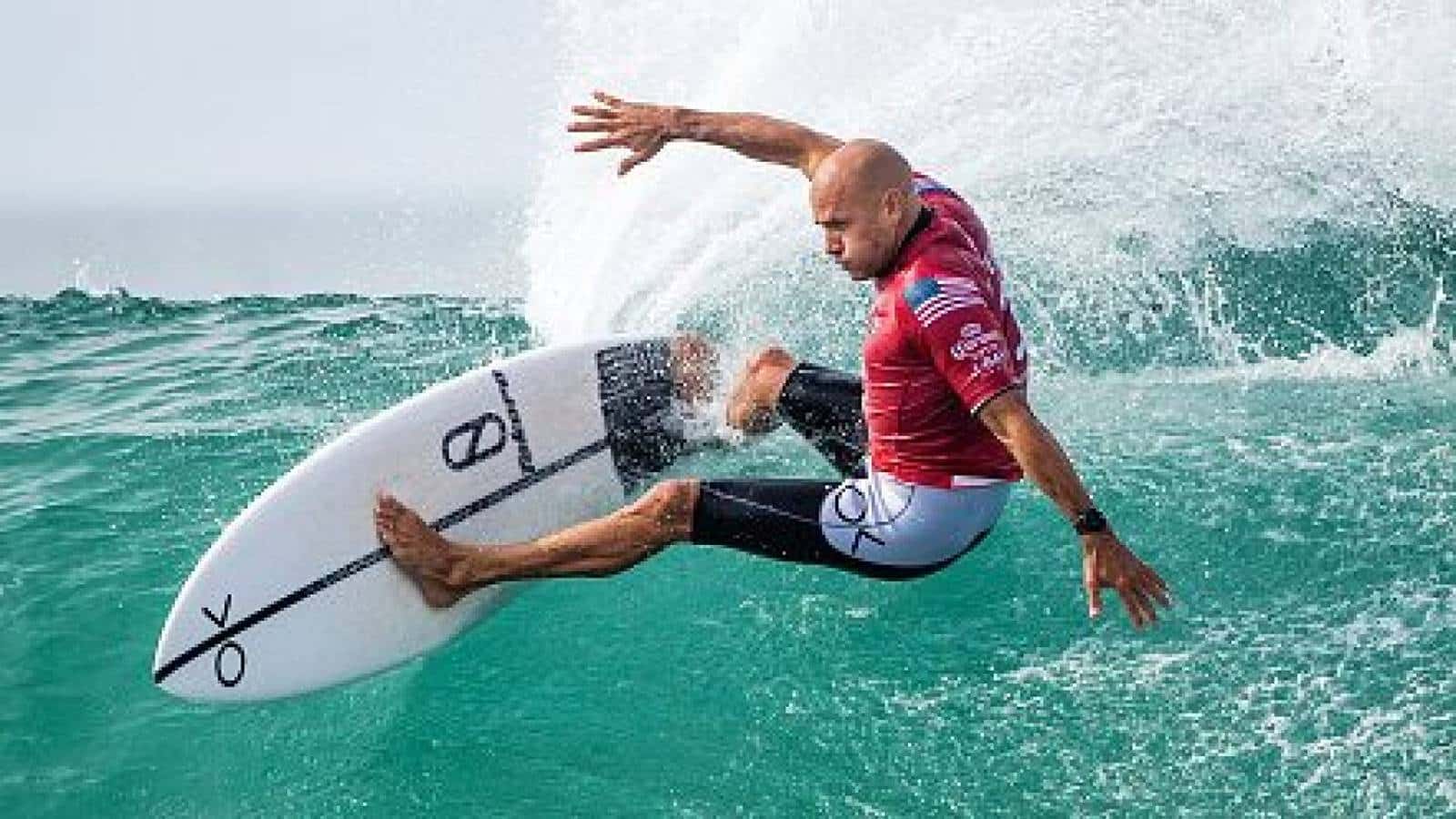

Have you ever seen someone glide over the water and launch off boat waves, almost like a superhero? That’s wakeboarding.
It might look tough, but the truth is, it’s not. Wakeboarding is something anyone can try, no matter how old you are. Wakeboarding mixes the best parts of surfing, skiing, and snowboarding into one fun adventure on the water.
You don’t need the ocean; all you need is a boat, a board, and a bit of courage to try something new. Every summer, thousands of people try wakeboarding for the first time and quickly fall in love with it.
The excitement of gliding over the water is hard to beat, and you don’t need special skills or years of practice to begin. Ready to learn what wakeboarding is all about?
What is Wakeboarding?
Wakeboarding is a water sport where you stand sideways on a special board while a motorboat pulls you across the water. Think of it like snowboarding, but on waves instead of snow.
The boat creates a wake (those rolling waves behind it), and you use them as ramps to jump and do tricks. This sport combines elements from water skiing, surfing, and snowboarding into something totally unique.
People of all ages can learn to wakeboard without prior experience. Riders from six to seventy enjoy the sport regularly. You don’t need to be athletic or have perfect balance to start riding.
The History of Wakeboarding
Wakeboarding didn’t appear overnight. It took decades of innovation, experimentation, and passion to become the sport we know today. Here’s how wakeboarding grew from a surfer’s experiment to a global phenomenon.
| Era | Phase | Key Development |
|---|---|---|
| Early 1980s | The Experiment | Surfers like Jeff Darby and Bruce McKee began “skurfing,” towing surfboards behind boats on flat-water days. |
| 1985 | Commercial Birth | Tony Finn launched the Skurfer. Looked like a small surfboard with foot straps. Introduced the concept to the masses. |
| 1990-1991 | Technical Leap | Herb O’Brien developed the Hyperlite using compression molding. Boards became thinner, lighter, and easier to ride. |
| 1992 | Identity Shift | Sport officially renamed Wakeboarding. World Wakeboard Association (WWA) standardized professional competition rules. |
| 1993-1995 | The Switch Era | The twin-Tip board was invented. Symmetrical design lets riders land and ride in either direction. Led to a trick explosion. |
| 1996-2000 | Mainstream Boom | X Games inclusion and Pro Wakeboard Tour brought the sport to global television audiences. |
| 2000s-Present | The Infrastructure | Specialty wake boats with ballast and cable parks made the sport accessible worldwide without needing traditional boats. |
Benefits of Wakeboarding
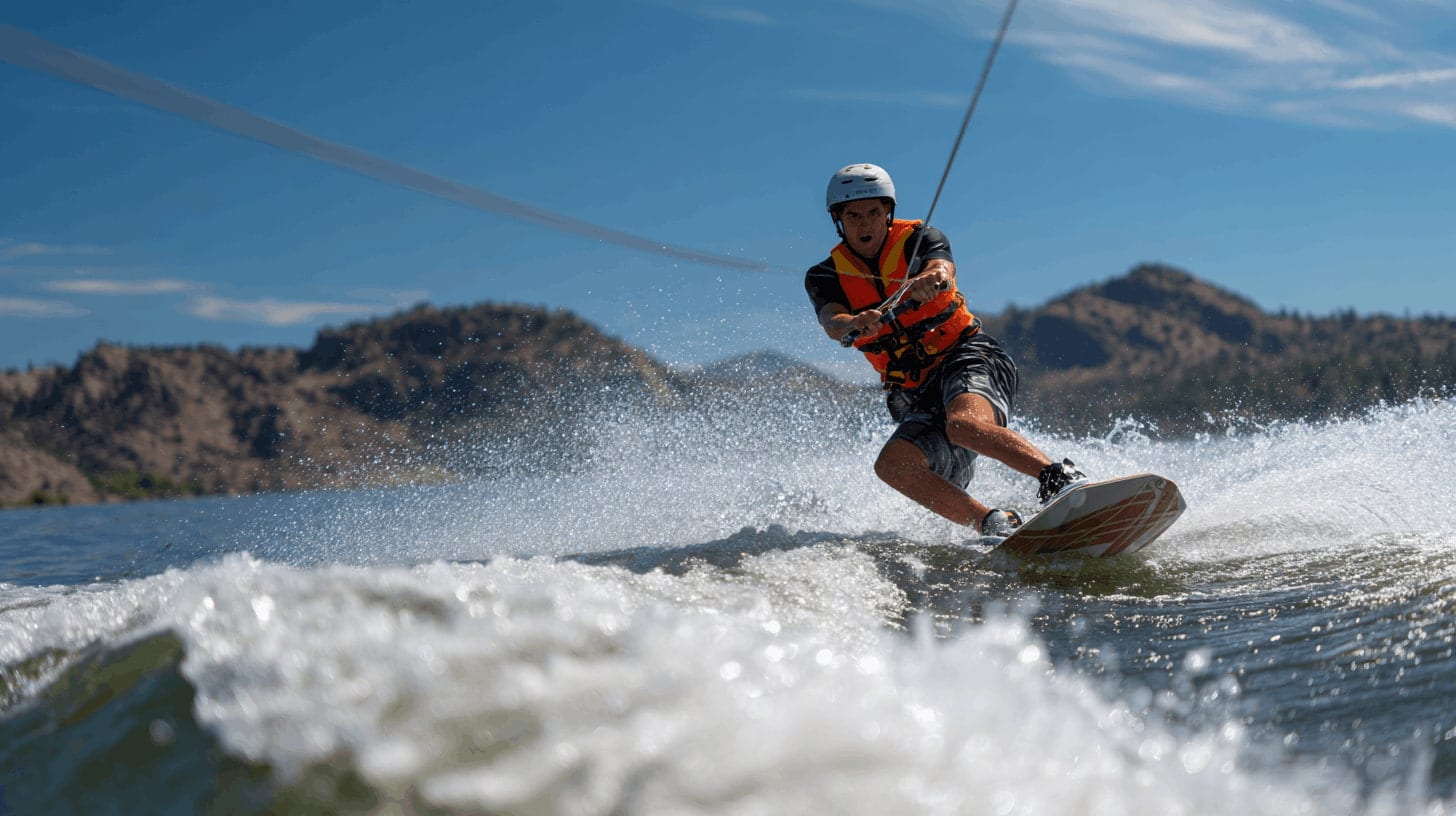
Wakeboarding offers more than just fun on the water. This sport provides real physical, mental, and social benefits that improve your overall quality of life.
- Full-Body Workout: Wakeboarding works your arms, legs, core, and back muscles all at once. A single 30-minute session burns 200–300 calories while building strength and endurance. You’ll tone muscles without feeling like you’re in a gym.
- Improves Balance and Coordination: Standing on a moving board while being pulled across water sharpens your balance skills quickly. These coordination improvements transfer to other sports and daily activities. Your body learns to react faster to changes.
- Stress Relief and Mental Health: Being on the water naturally reduces stress and anxiety levels. The focus required while riding clears your mind of daily worries. Many riders describe wakeboarding as their form of meditation and escape.
- Builds Confidence: Landing your first jump or mastering a new trick gives you a huge confidence boost. Overcoming fears and pushing your limits on the water translates to confidence off the water. Each small victory makes you believe in yourself more.
- Social Connections: Wakeboarding brings people together at lakes and cable parks. You’ll make friends who share your passion for water sports. The wakeboarding community is known for being welcoming and supportive to newcomers and experienced riders alike.
Essential Wakeboarding Equipment
Getting the right gear makes learning wakeboarding much easier and safer. You don’t need to buy everything at once. Most places rent equipment. But knowing what each piece does helps you make smart choices when you’re ready to invest.
| Equipment | What You Need to Know |
|---|---|
| The Wakeboard | Beginners need continuous rocker boards (130-145cm). Choose a size based on your weight and height. |
| Bindings (Boots) | Attach your feet to the board. Open-toe fits multiple sizes. Closed-toe gives better control. Must fit snugly. |
| Rope and Handle | Beginners: 50-75 feet. Advanced: 65-85 feet. Use non-stretch ropes (Dyneema, Spectra). |
| Safety Equipment | Coast Guard-approved life jacket (required). Helmet for tricks. Wetsuit for warmth and padding. |
How to Wakeboard: for Beginners
Learning to wakeboard takes practice, but following these steps makes it much simpler. Most people get up on their first or second try. The key is to stay relaxed and let the boat do the work.
- Determining Your Stance: Figure out which foot goes in front before touching the water. Left foot forward is “regular.” Right foot forward is “goofy.” Have someone push you from behind. Your stepping foot is your lead foot.
- Getting Up on the Board: Sit in water facing the boat with knees bent. Hold the handle, keep the board perpendicular, toes up. As the boat accelerates, keep arms straight. Put 60% weight on your front foot. Let the board rise naturally.
- Maintaining Balance and Control: Keep knees bent like sitting in an invisible chair. Weight stays centered over the board. Keep arms relaxed and slightly bent. Look at the horizon, not down. Shift weight from heels to toes for steering.
- Riding Straight and Building Confidence: Once up, focus on staying in the middle of the wake without crossing it yet. Keep your body position steady and relaxed. Practice riding for longer periods to build comfort and strength before attempting turns.
- Basic Turning and Movement: Gently lean on your heels to move away from the boat. Lean on your toes to move closer to the boat. Start with small weight shifts and gradual movements. Avoid sudden jerks that can throw off your balance completely.
Beginner Wakeboarding Tricks and Techniques to Master
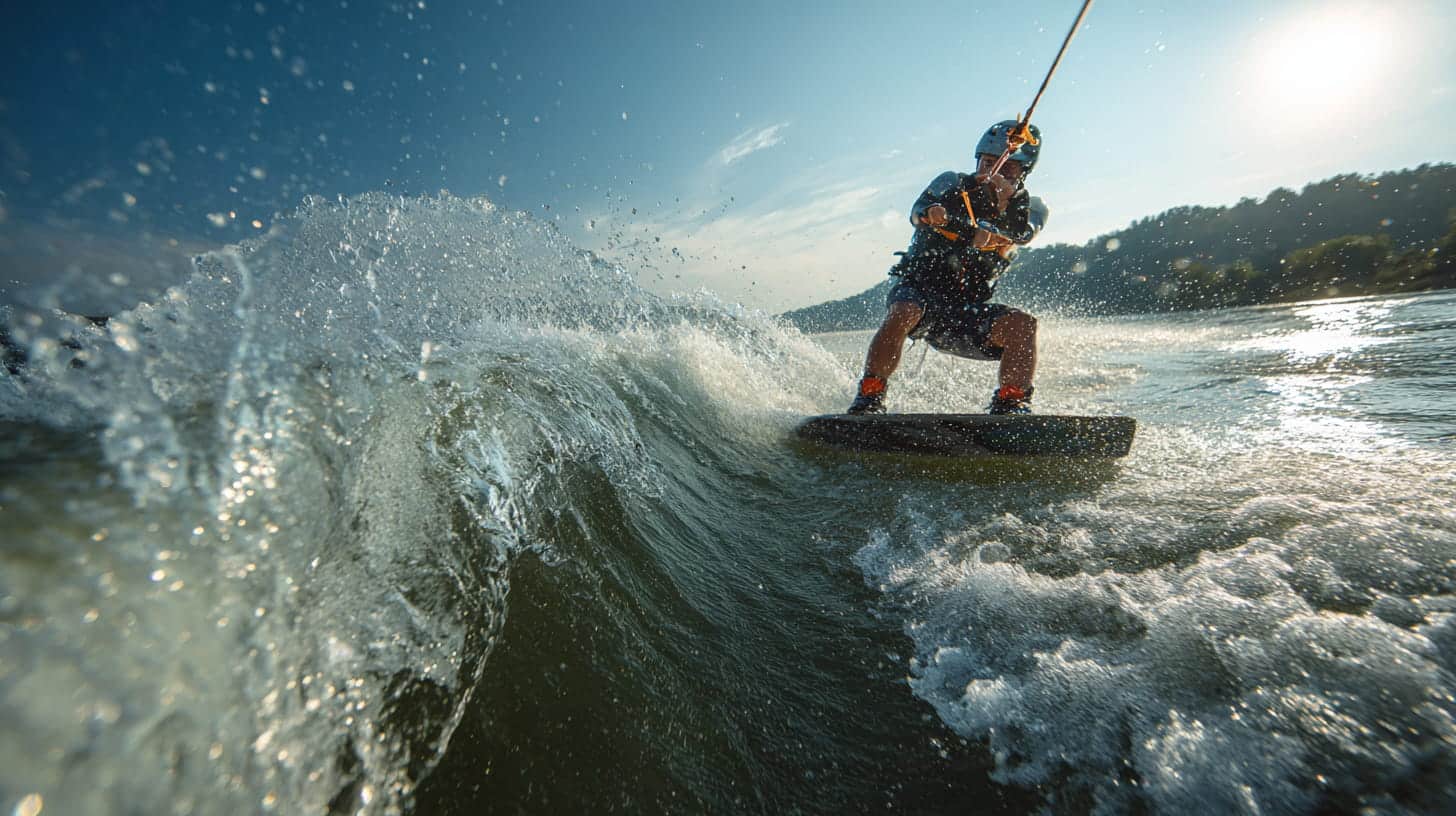
Tricks make wakeboarding fun and challenging. These five beginner-friendly moves teach important skills without being too dangerous. Master these before attempting advanced aerial maneuvers.
- Surface 180s: This trick spins you 180 degrees on the water’s surface without leaving it. Use your hips to rotate while keeping elbows locked and knees bent. Transfer the handle smoothly between your hips without turning your head first.
- Wake-to-Wake Jumps: Edge out wide from the wake, then cut back toward it with progressive speed. Stand tall as you hit the wake’s lip and let it launch you. Keep knees bent when landing to teach proper timing and technique.
- Riding Switch: Switch riding means putting your back foot forward, riding in your non-natural stance. It feels weird at first, but it builds versatility for advanced tricks. Slow the boat down and practice surface 180s to get into the switch position comfortably.
- Heelside One-Way Jumps: Cut out on your heelside edge, build speed, then edge hard toward the wake. Pop off by standing tall and extending your legs. Land with bent knees to absorb impact. This is your foundation for all aerial tricks.
- Basic Grabs: Once you can jump wake-to-wake consistently, add a grab. Jump first, then bring the board up to your hand instead of bending down. Start by tapping your binding, then grab the board’s edge for air awareness.
Best Places to Try Wakeboarding
Location matters when you’re learning to wakeboard. The right spot makes learning easier, safer, and more enjoyable. Here are the best places to start your wakeboarding experience, based on accessibility and beginner-friendliness.
- Local Cable Parks: Cable parks are the best starting point for most beginners. They’re located in major cities across the country, offer affordable rates, and provide consistent pulls.
- Wakeboard Schools and Camps: Specialized wakeboard schools provide professional instruction, quality equipment, and safe learning environments. These facilities often have teaching lakes or private cable systems.
- Resort Destinations: Water sports resorts in places like Florida, California, and Texas offer wakeboarding as part of vacation packages.
- Community Recreation Centers: Many city recreation departments offer wakeboarding programs at local lakes during the summer months.
Wakeboarding vs Wakesurfing
Wakeboarding and wakesurfing are often confused, but they’re quite different water sports. Both involve riding behind a boat, but the techniques, equipment, and experience vary significantly.
Understanding these differences helps you choose which sport to try first or to add to your water-sports skills.
| Aspect | Wakeboarding | Wakesurfing |
|---|---|---|
| Rope Usage | Hold the rope throughout the entire ride. Attached to the boat the whole time. | Drop the rope after getting up. Surf the boat’s wave without holding on. |
| Board Type | Wakeboard with foot bindings. Similar to a snowboard. | Surfboard without bindings. Feet are free to move. |
| Speed | Faster speeds (18-24 mph). More aggressive and high-energy. | Slower speeds (10-13 mph). More relaxed and flowy. |
| Distance from Boat | Ride 50-85 feet behind the boat. Jump off the wake. | Ride 10-15 feet behind the boat. Stay in the wave pocket. |
| Tricks | Aerial spins, grabs, and flips. High-flying maneuvers. | Carving, 360s, shuvits. Surf-style tricks on a wave. |
| Learning Curve | Moderate. Most get up on the 1st or 2nd try. | Easier to start. More natural feeling for beginners. |
| Physical Demand | High intensity. Full-body workout with lots of impact. | Lower intensity. More about balance and flow. |
| Best For | Thrill-seekers, those wanting air time, athletic riders. | Surfers, relaxed riders, those preferring smooth movements. |
Both sports are fun and can be learned by beginners. Many water sports enthusiasts enjoy doing both depending on their mood and energy level.
Types of Wakeboarding
Wakeboarding isn’t just one activity. Different styles suit different preferences and skill levels. Understanding these variations helps you find the type that matches your interests.
| Type | Description | Best For |
|---|---|---|
| Boat Wakeboarding | Traditional style. Motorboat pulls you. Use boat’s wake for jumps. | Beginners, big air riders, families with boats. |
| Cable Wakeboarding | Overhead cable system. No boat needed. Most accessible. | Budget riders, urban areas, and frequent practice. |
| Wakeskating | No foot bindings. Like skateboarding on water. More technical. | Experienced riders with a skateboarding background. |
| Park/Obstacle Riding | Focuses on rails, sliders, and kickers. Fewer wake jumps. | Creative riders, those who enjoy skateparks. |
| Big Air Wakeboarding | Huge jumps and aerial maneuvers. Competitive style. | Advanced riders, adrenaline seekers, competitors. |
Cost of Getting Started with Wakeboarding
Starting wakeboarding doesn’t have to drain your wallet. Cable park sessions cost between $20-$50 for all-day riding, making it the most budget-friendly option.
Renting equipment adds another $20-$30 per session, but many parks include rentals in their rates. If you’re riding behind a boat with friends, you’ll only need to chip in for gas, usually $30-$50 per outing. Buying your own gear costs more upfront.
A beginner wakeboard package, including board, bindings, rope, and life jacket, runs $300-$600. Quality used equipment cuts costs by half. Most beginners rent for their first season before investing in personal gear.
Professional lessons range from $50 to $150 per hour and can significantly speed up learning. One or two lessons often save you weeks of struggling alone on the water.
Wakeboarding Safety Tips
Safety keeps wakeboarding fun for everyone. These simple rules prevent injuries and make your time on the water more enjoyable.
- Always wear a Coast Guard-approved life jacket: Life vests keep you afloat if you’re knocked unconscious or too tired to swim. Choose one that fits snugly and is rated for your weight.
- Use a helmet when attempting new tricks: It protects against head injuries. Water feels like concrete when you hit it at high speeds. Don’t learn this lesson the hard way with injuries.
- Communicate effectively with the boat driver: Develop clear hand signals before starting. Thumbs up means go faster, thumbs down means slow down. Hand across the throat means stop immediately. Good communication prevents dangerous situations.
- Know hand signals: Standard signals include pointing left or right to indicate direction, waving arms overhead for an emergency stop, and making an “OK” circle to show you’re fine after a fall.
- Start with shorter rope lengths: Shorter ropes create smaller wakes that are easier to manage. As you improve, gradually lengthen the rope for bigger challenges and much higher jumps.
- Practice in calm waters (lakes, cable parks): Avoid choppy ocean waves or rivers with strong currents when learning to wakeboard safely. Lakes and cable parks offer controlled, predictable conditions that are perfect for building skills safely.
- Take professional lessons when possible: Instructors spot mistakes you can’t see yourself. They’ll have you riding correctly in half the time alone. One lesson prevents weeks of bad habits from forming.
Summing It Up
Wakeboarding offers something special that few sports can match. The thrill of gliding across water, the challenge of mastering new tricks, and the pure fun of flying off a wake keep riders coming back for more.
This guide covered everything needed to get started: the sport’s history, essential equipment, step-by-step techniques, beginner tricks, safety rules, and the choice between boat and cable riding.
Remember, every pro rider started exactly where you are now. They fell countless times, struggled to get up, and slowly built their skills through practice and persistence.
The water is waiting. Cable parks and boat rentals are closer than you think. Your first ride might feel shaky, but that second or third attempt will hook you forever.
What’s stopping you from trying wakeboarding this summer? Share this guide with friends who need that extra push to get on the water.
Frequently Asked Questions
Is Wakeboarding Hard for Beginners?
Not really. Most people get up on their first or second try. The learning curve is moderate. Stay relaxed, follow basic steps, and let the boat do the work.
Do I Need a Wakeboard Boat?
No. You can ride at cable parks without a boat. Cable parks are cheaper and more accessible. You can also rent a boat time or ride with friends.
Is Wakeboarding Dangerous?
Wakeboarding is safe when you follow basic safety rules. Always wear a Coast Guard-approved life jacket. Use a helmet for tricks. Start slow and practice in calm waters.
What is Wakeboarding All About?
Wakeboarding combines surfing, skiing, and snowboarding on water. You stand on a board while being pulled behind a boat or cable system. Riders jump wakes and perform tricks.