
You jump into warm blue water, and a shadow glides toward you. Spots appear. A whale shark, bigger than your car, moves like it owns the ocean.
Your heart’s pounding, but somehow you feel calm too. That’s what makes whale shark ping so incredible.
Swimming next to these gentle giants while they munch near the surface is something you’ll never forget.
You can snorkel from a boat or go scuba diving if you’re up for it.
It’s perfect if you’re trying this for the first time or you’ve been diving for years, a total “wow” moment that won’t put you in danger.
You’ll pick up easy tips for planning, timing, and doing it responsibly
What to Expect from Whale Shark Diving
Whale shark diving is a calm and natural experience. You are not chasing the animal or diving deep into the ocean. Most of the time, whale sharks swim near the surface, which makes the experience easier for beginners.
Encounters usually happen at a respectful distance. You swim alongside the whale shark while giving it plenty of space. Touching or blocking its path is not allowed. The shark decides how close it comes.
Whale sharks move slowly and smoothly through the water. They glide forward, turn gently, and sometimes swim upward to feed. Watching their quiet movement is peaceful and unforgettable.
Best Places in the World for Whale Shark Diving
Whale shark diving isn’t one single kind of trip. In some places, you snorkel in calm water, and the shark glides right past you.
In others, you’re diving in the open ocean, holding your position while a giant shape appears from the deep.
1. Ningaloo Reef, Australia
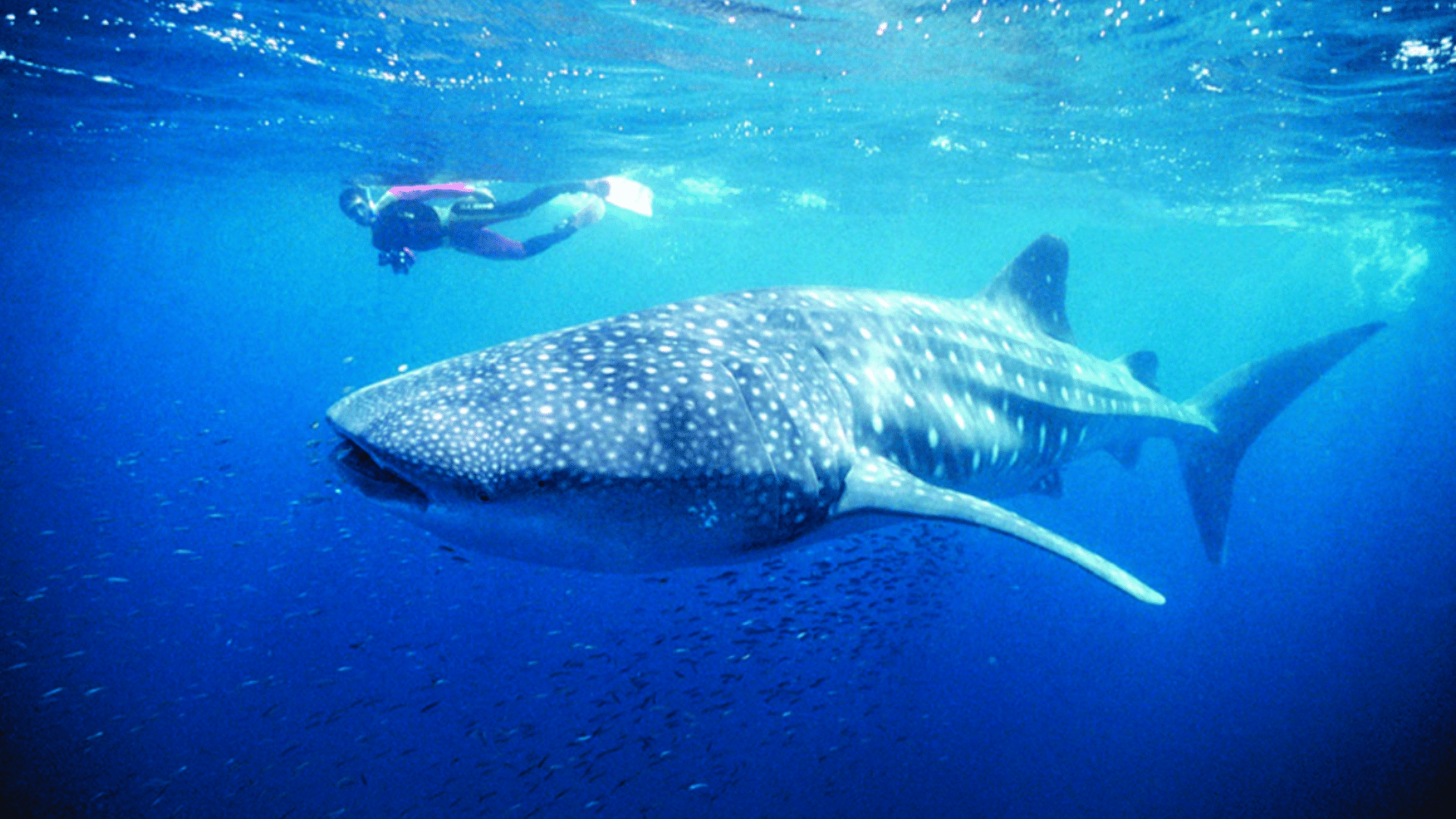
Ningaloo Reef feels calm and well-managed from the start. The water is often clear, the guides keep things organized, and the rules help everyone stay respectful. When a whale shark glides past, it’s quiet and steady, and the whole moment feels safe, smooth, and unforgettable.
- Dive type: Snorkeling (primary), limited scuba
- Skill level: Beginner-friendly
- Best season: April to July
2. Isla Holbox, Mexico
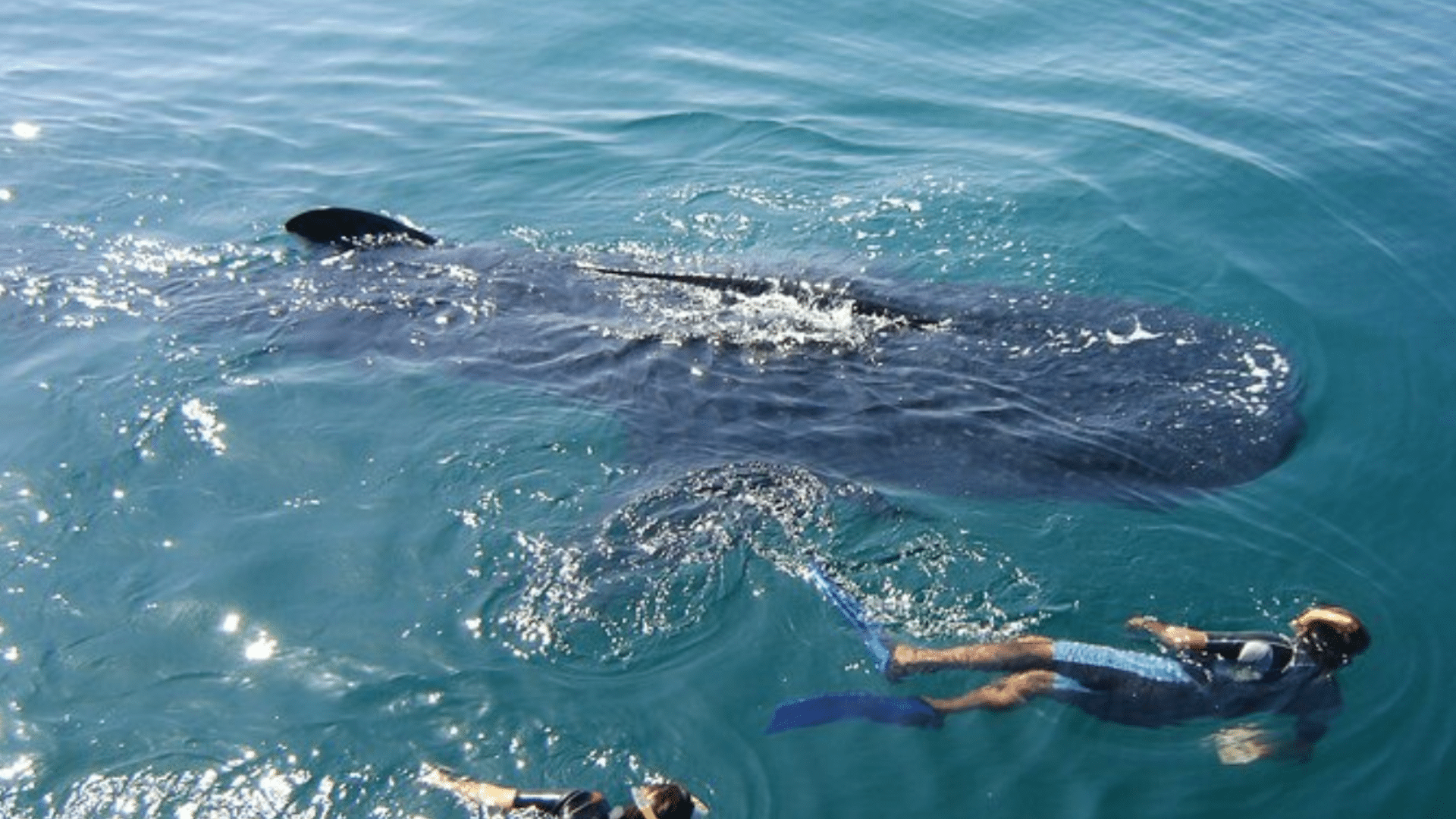
This one feels like a fun summer adventure. You slide into warm water, and boom, there it is, gliding right by you. You start nervously, then you’re smiling underwater. It’s exciting, easy, and full of “did that just happen?” moments.
- Dive type: Snorkeling
- Skill level: Beginner-friendly
- Best season: June to mid-September
3. Baja California Sur (La Paz), Mexico
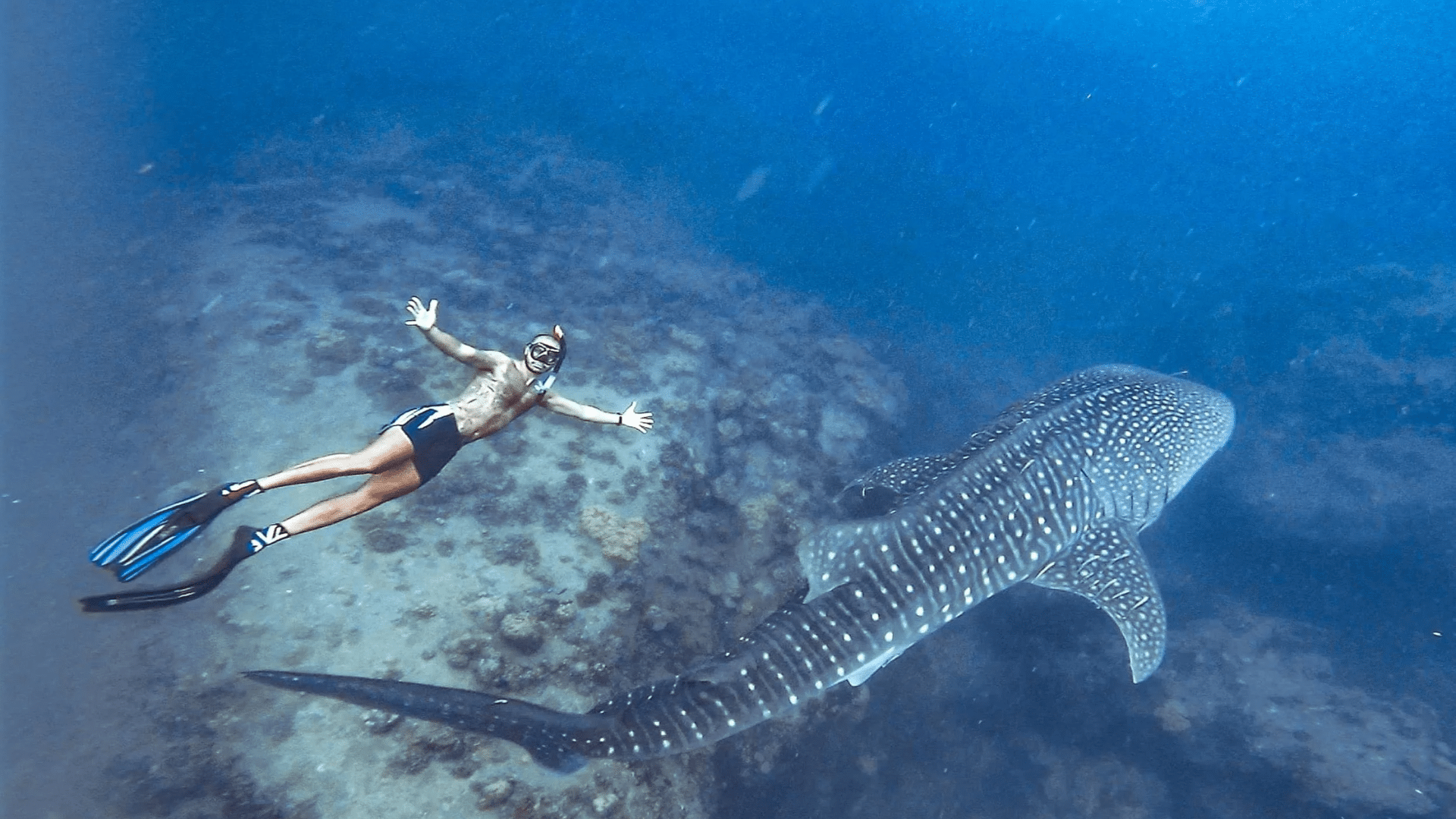
La Paz is a great mix of comfort and wild nature. The bay is calmer than the open ocean, but the moment still feels huge. Seeing a whale shark cruise by in that blue water is the kind of memory that sticks.
- Dive type: Snorkeling
- Skill level: Beginner-friendly
- Best season: October to May
4. South Ari Atoll, Malpes
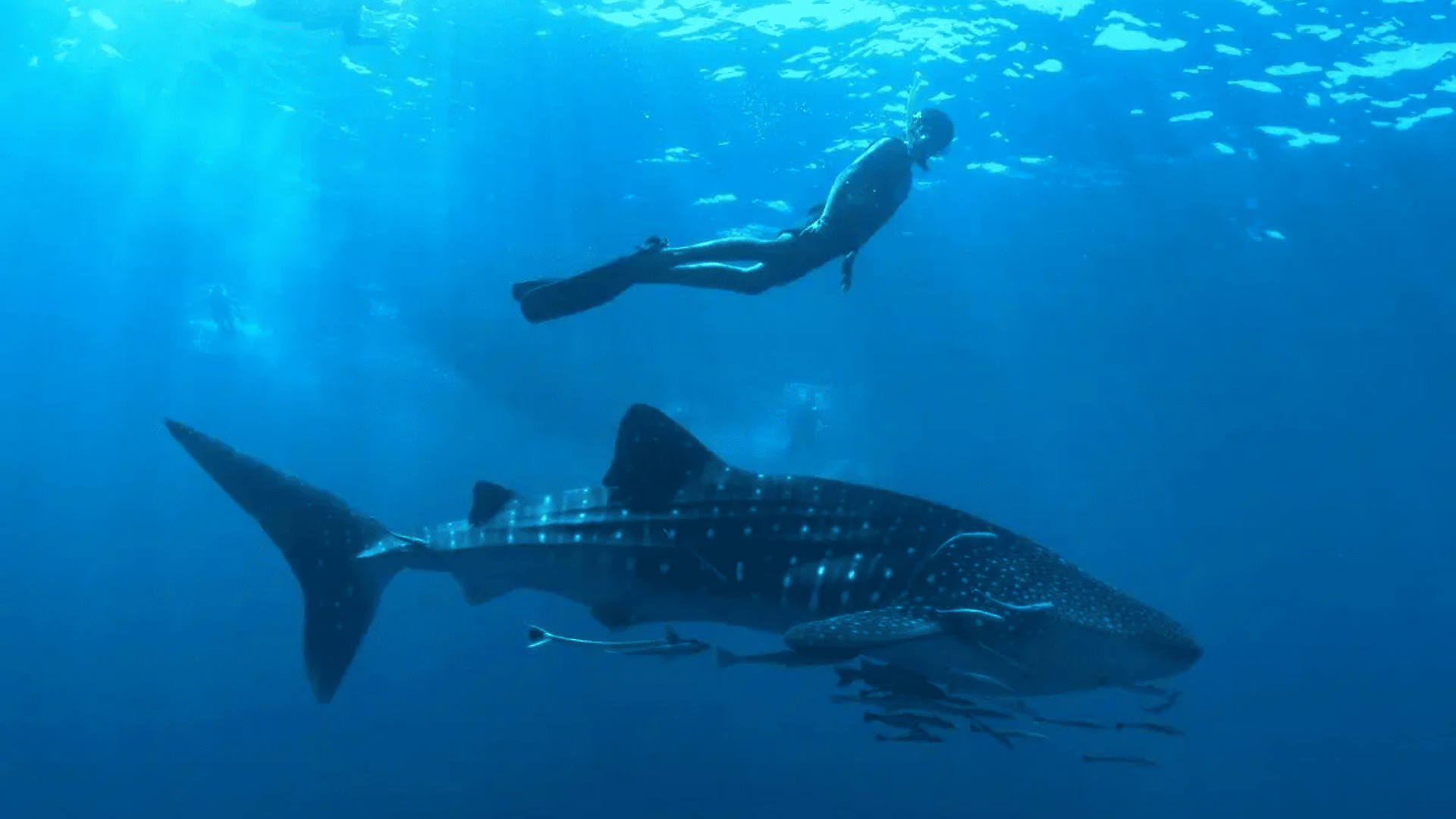
This is one of the easiest places to plan a whale shark trip. You can stay on an island, hop on a boat, and have a real shot at an encounter. The experience feels smooth, warm, and totally dreamlike.
- Dive type: Snorkeling and scuba
- Skill level: Beginner to intermediate
- Best season: Year-round (best May to December)
5. Donsol, Philippines
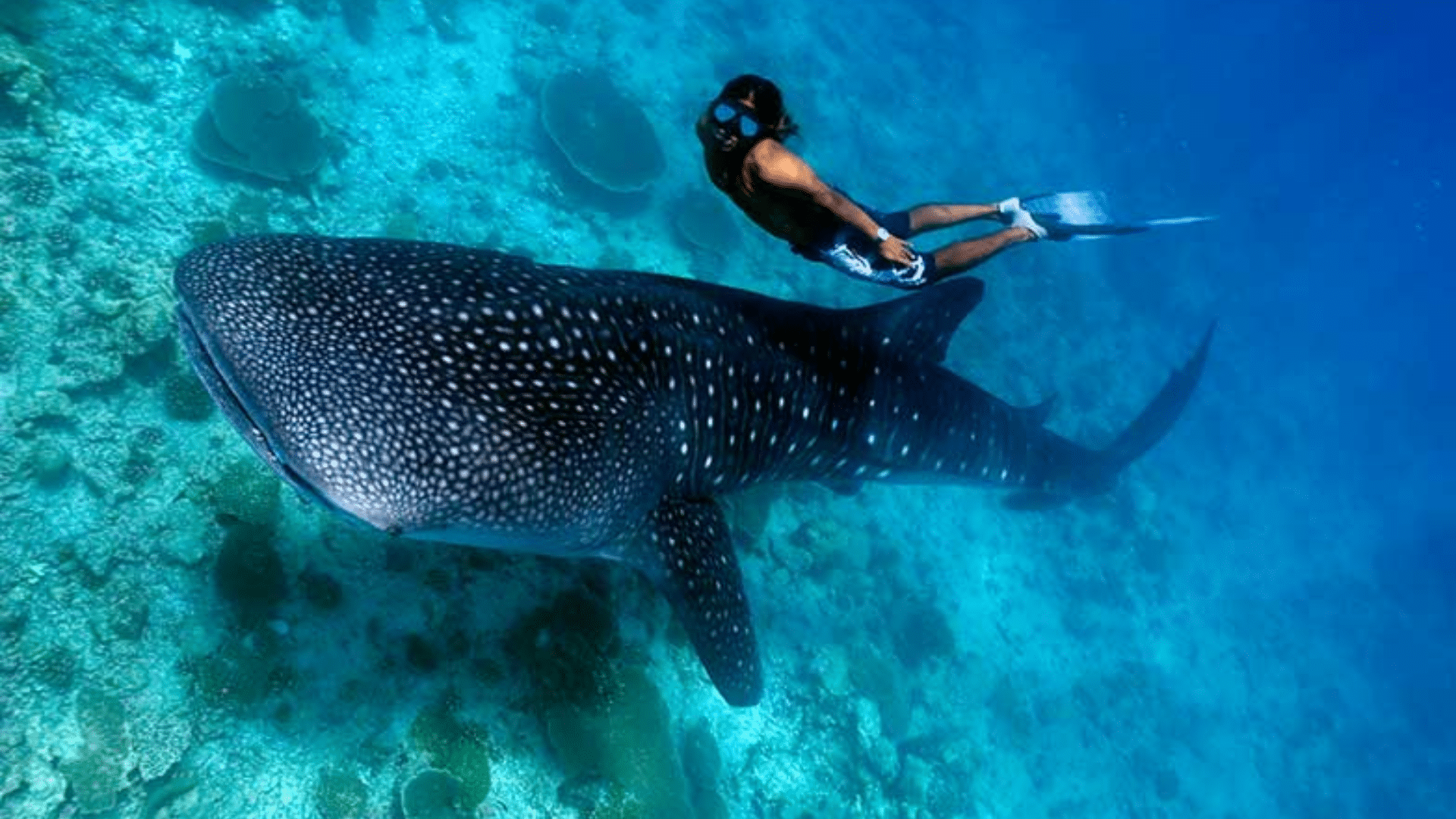
Donsol feels natural and respectful. You wait, you watch, and then it happens quietly, without chaos. When the whale shark shows up, it’s a calm swim beside a gentle giant. It feels real, not rushed.
- Dive type: Snorkeling
- Skill level: Beginner-friendly
- Best season: February to May
6. Oslob, Philippines
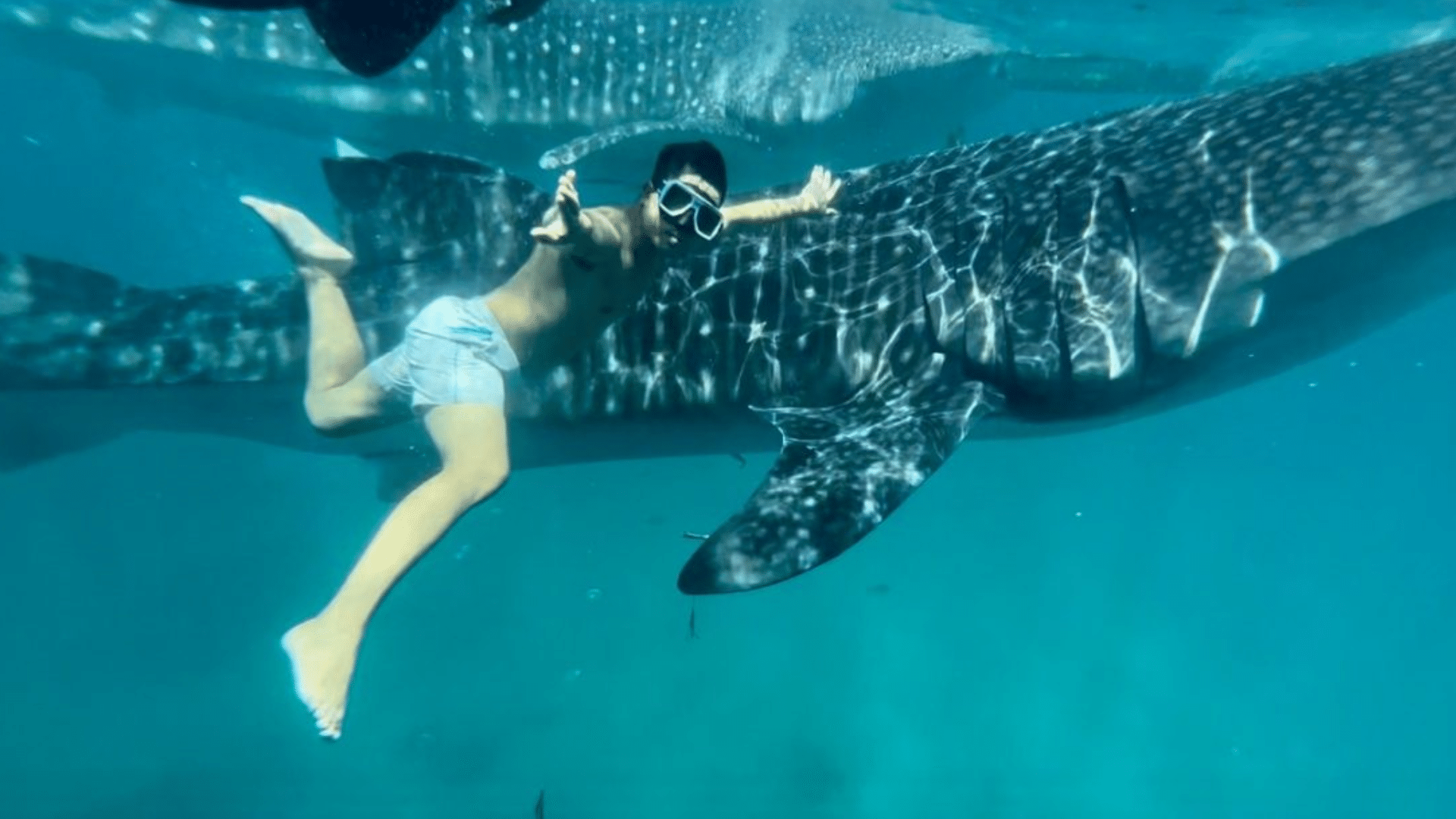
Oslob is the “high chance” option, which is why it’s so popular. The encounter can feel close and exciting, but it can also feel busy. The overall experience depends a lot on the operator and the crowd.
- Dive type: Snorkeling
- Skill level: Beginner-friendly
- Best season: November to May
7. Tofo, Mozambique
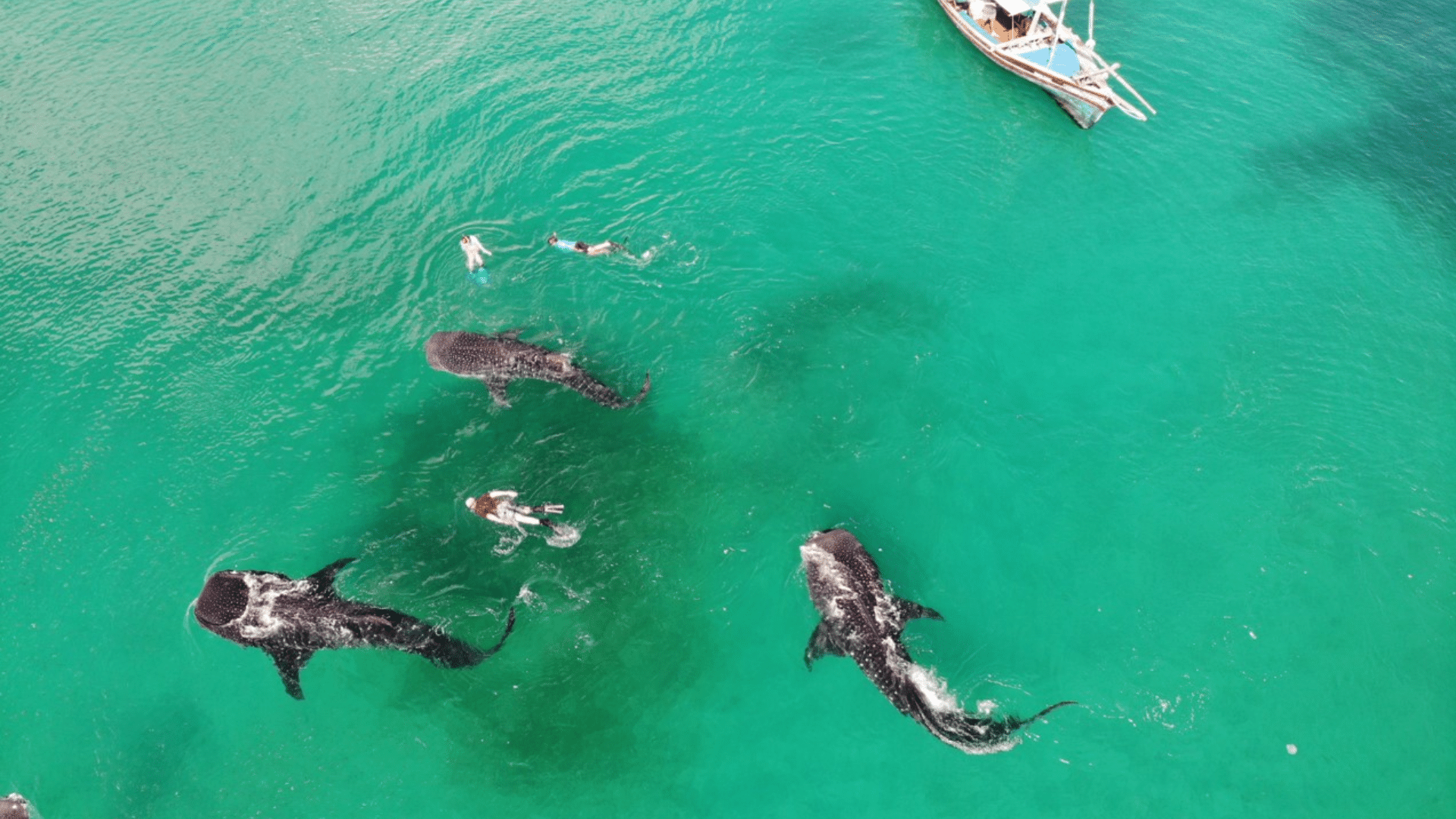
Tofo is more adventurous. Some days you work for it in rougher seas, longer searching, lots of scanning the water. But when you finally get in and see that spotted giant glide past, it feels like a real reward.
- Dive type: Scuba (occasional snorkeling)
- Skill level: Intermediate to Advanced
- Best season: November to May
8. Mafia Island, Tanzania
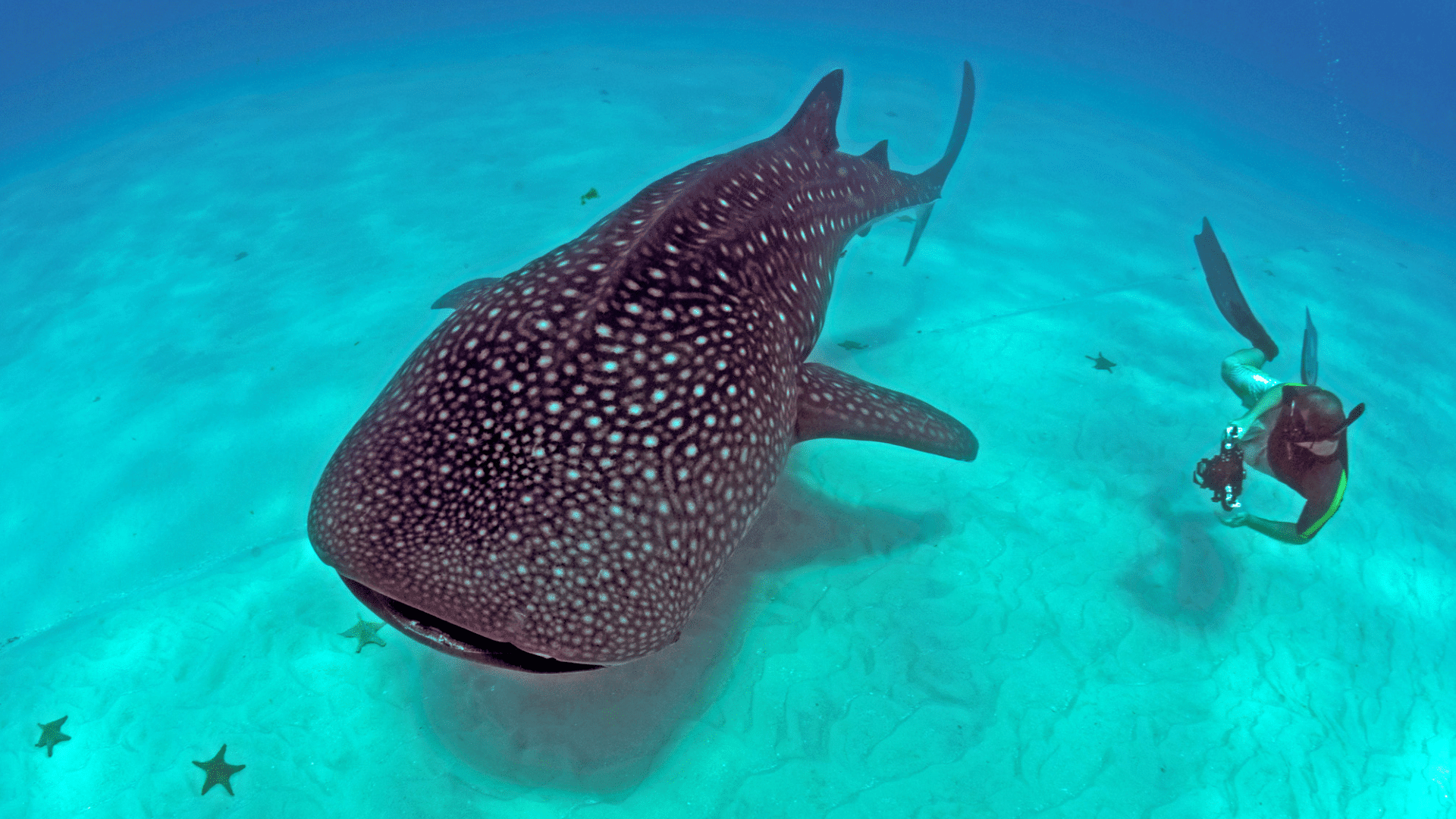
Mafia Island feels quiet and personal. Fewer boats, slower pace, and more room to breathe. You’re not fighting for space in the water. You just swim gently beside the whale shark and take in every detail.
- Dive type: Snorkeling
- Skill level: Beginner-friendly
- Best season: October to March
9. Cousin Island, Seychelles
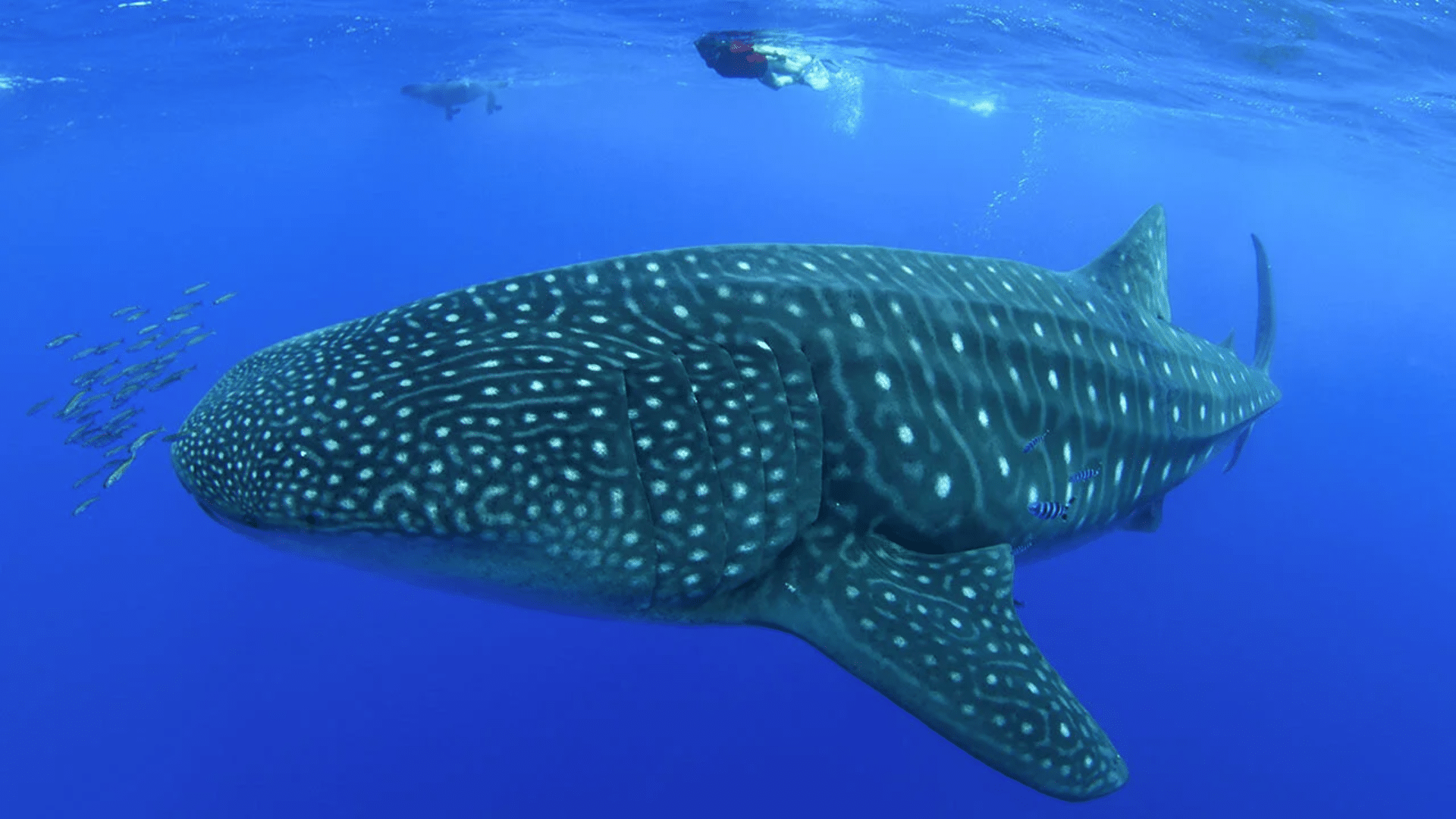
Seychelles has that clear-water, island-paradise vibe. When a whale shark shows up, the whole moment feels smooth and graceful. It’s less about adrenaline and more about beauty, warm sun, and blue water.
- Dive type: Snorkeling and Scuba
- Skill level: Beginner to Intermediate
- Best season: August to November (peak Oct–Nov)
10. Gladden Spit, Belize
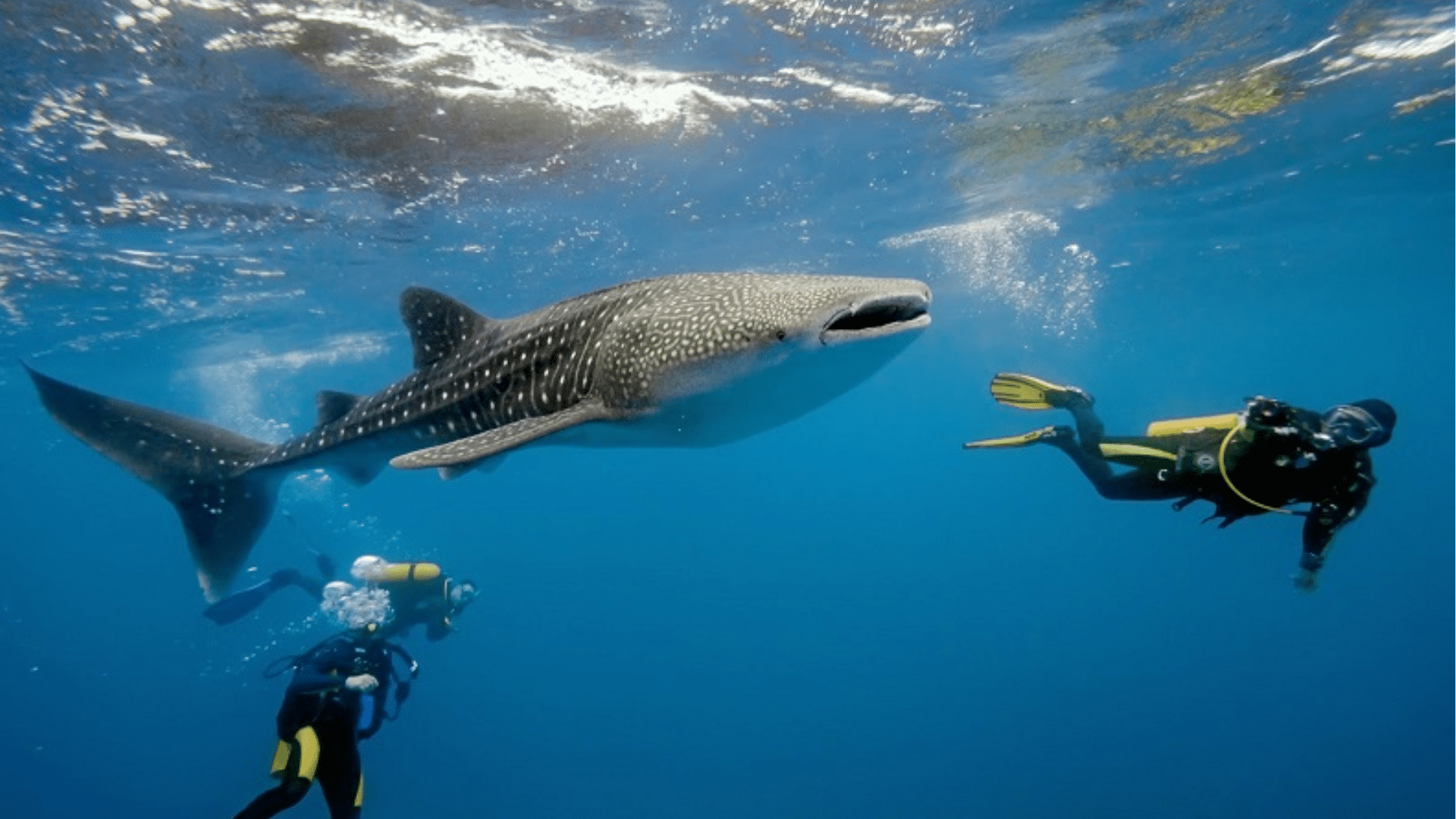
Belize is all about timing, so the anticipation is part of the fun. When you hit it right, it feels intense and special, like catching a rare window. Then the whale shark appears, and everything goes quiet for a moment.
- Dive type: Scuba (some snorkeling)
- Skill level: Intermediate
- Best season: Late March to June
11. Utila, Honduras
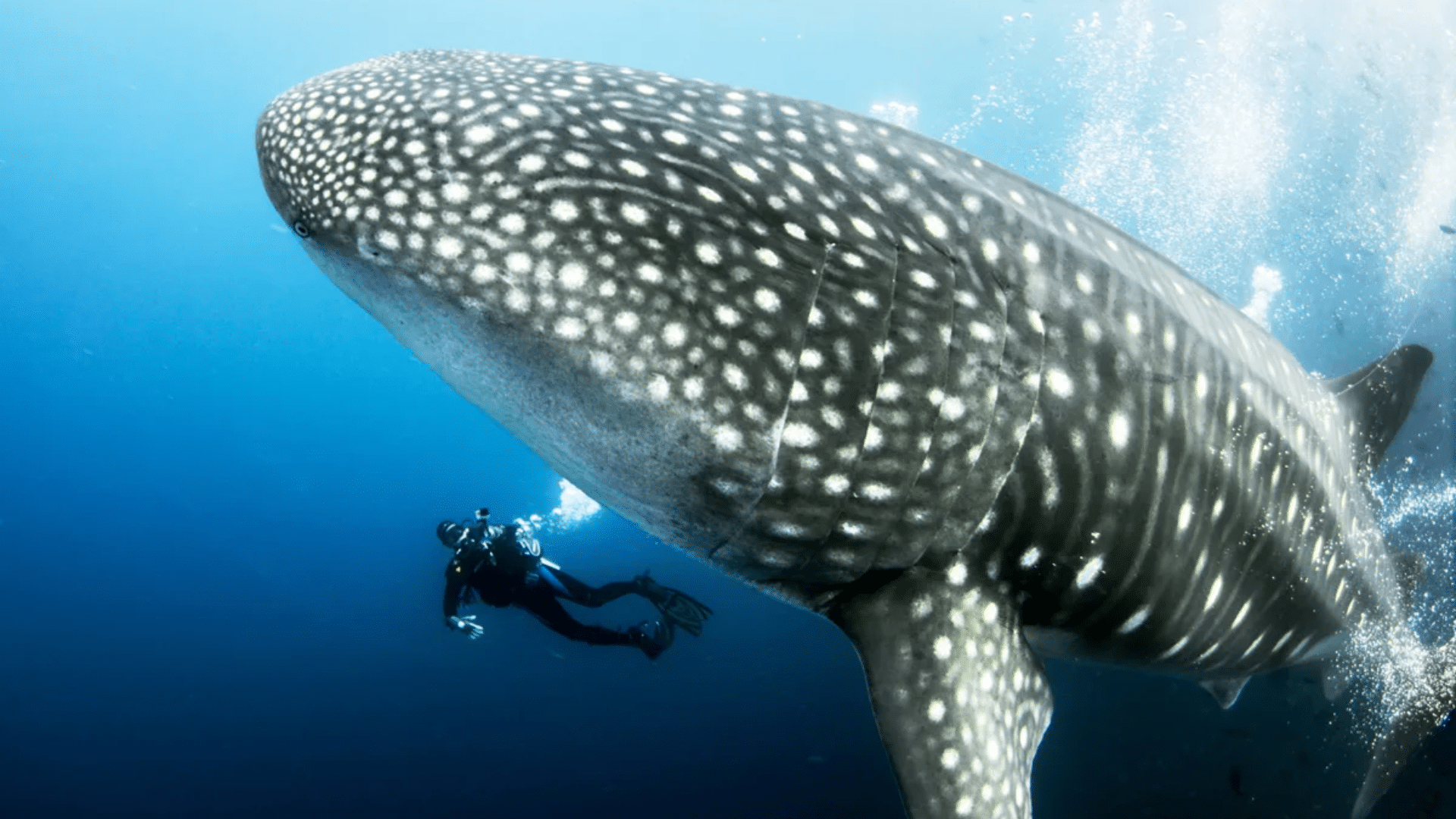
Utila is relaxed and social. You’ll likely do plenty of ping, and sightings can feel like a lucky bonus. When a whale shark shows up, the whole boat buzzes afterward. It turns into one of those stories everyone repeats.
- Dive type: Scuba (rare snorkeling)
- Skill level: Intermediate
- Best season: March to May
12. Cenderawasih Bay, Indonesia
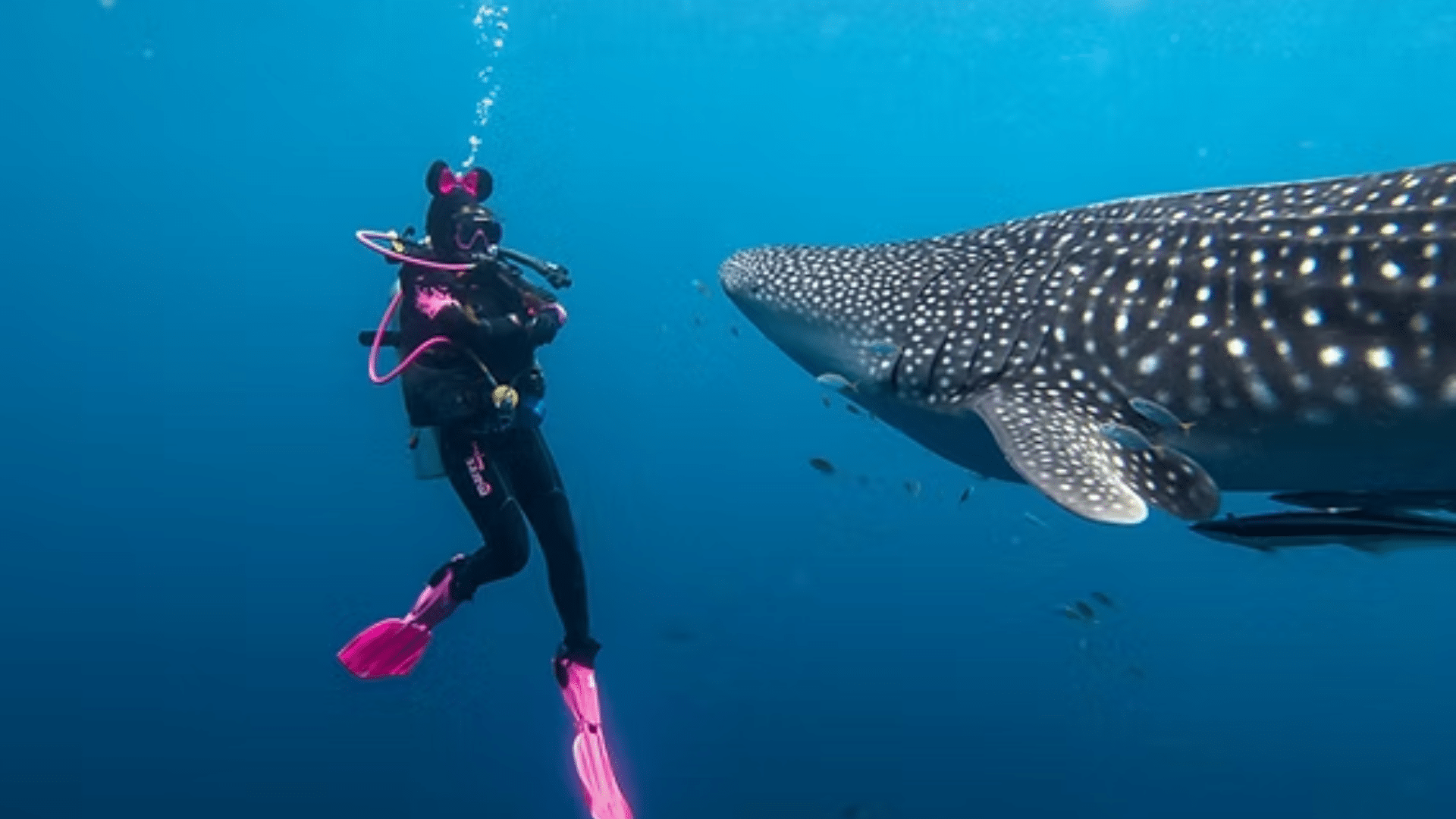
This one is known for longer, calmer encounters. The water often feels protected, and the experience can stretch out rather than happen in a quick burst. You get time to settle in, match the pace, and really enjoy it.
- Dive type: Snorkeling and Scuba
- Skill level: Beginner-friendly
- Best season: Year-round
13. Similan Islands, Thailand
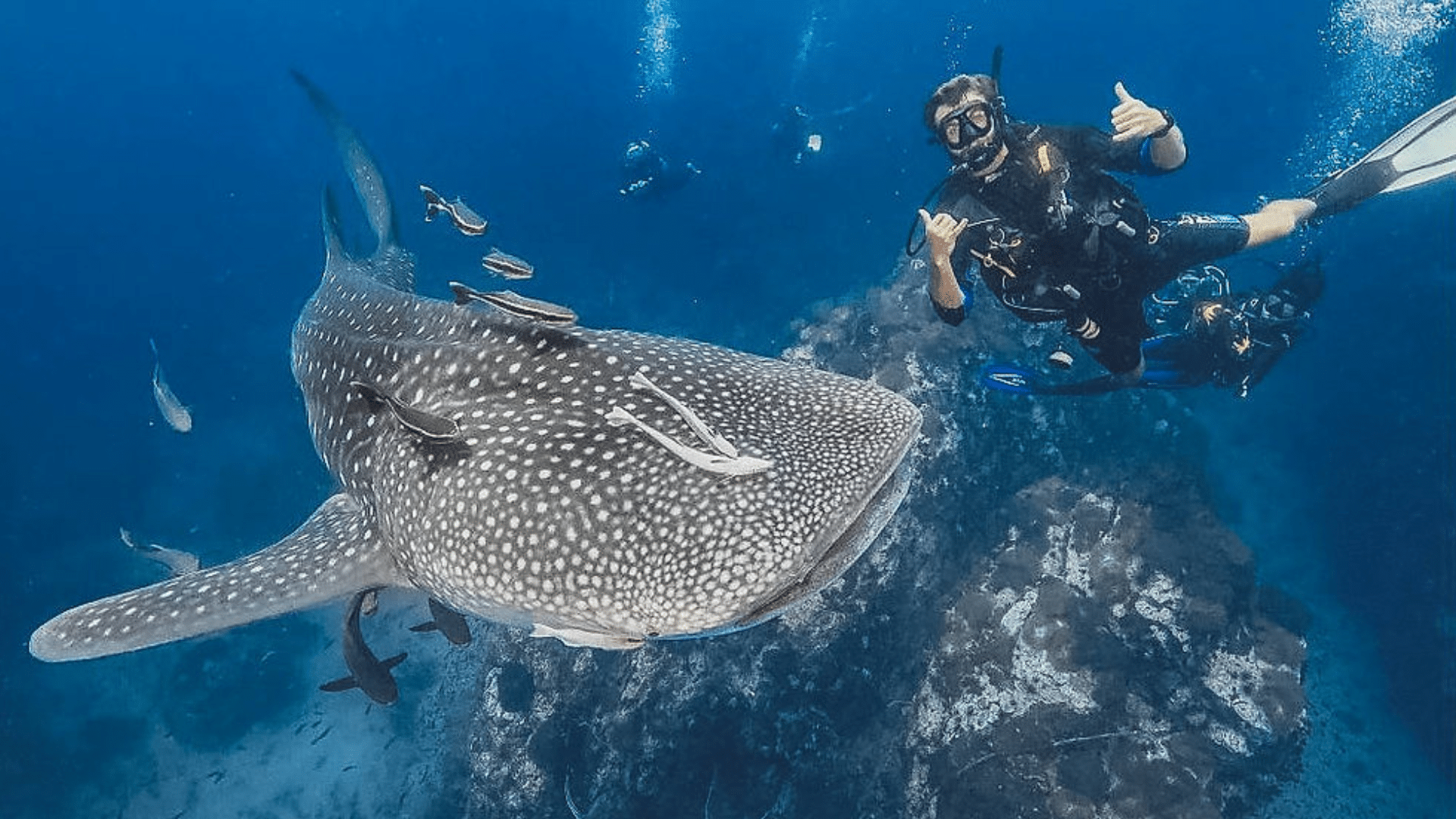
The Similans are already great for diving, and whale sharks can be the surprise highlight. When you spot one in the blue, everything else disappears. It feels like a lucky moment.
- Dive type: Scuba
- Skill level: Intermediate
- Best season: March to April
14. Djibouti (Gulf of Tadjoura), East Africa
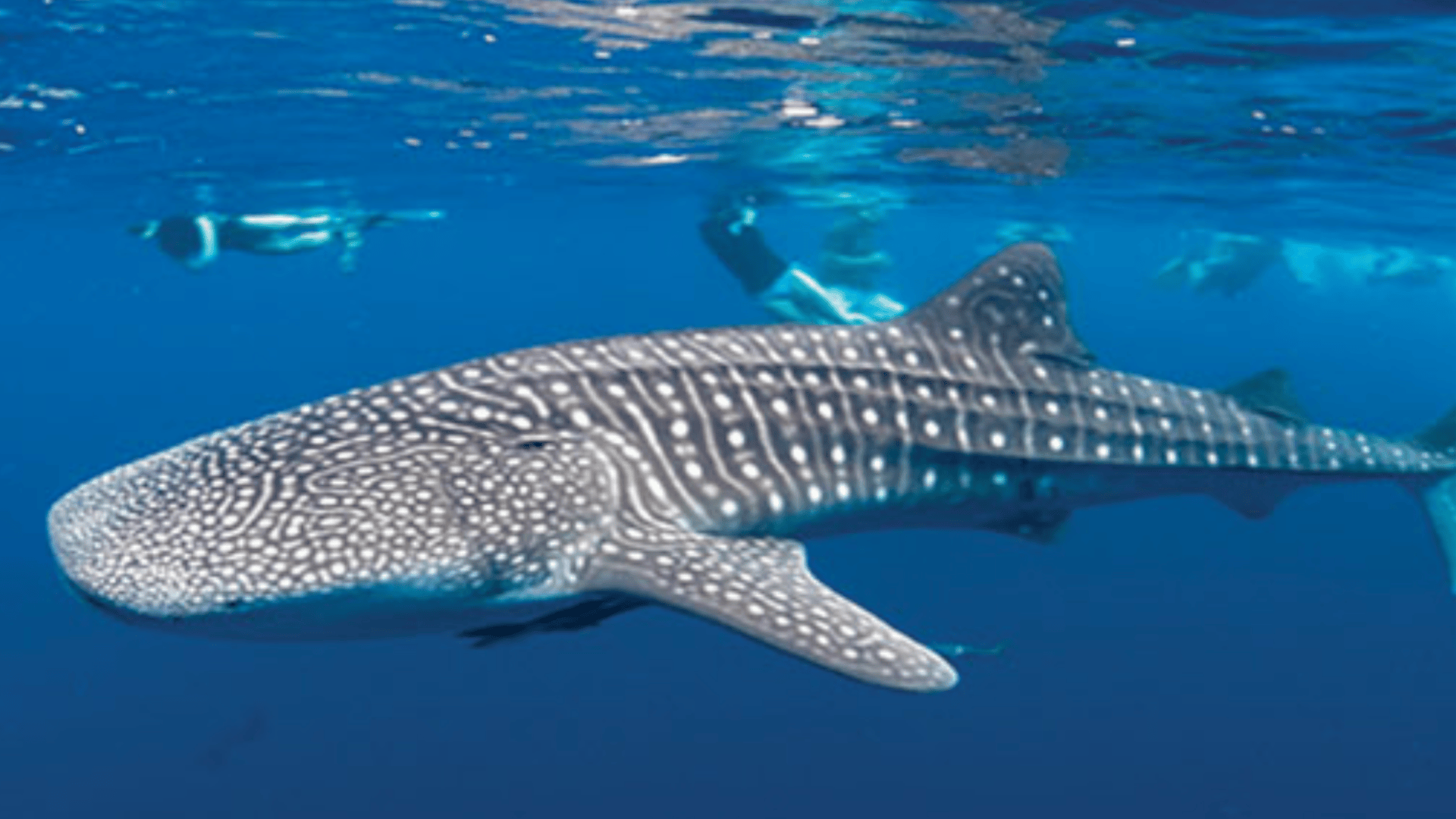
Djibouti feels raw and surprising, far from the usual tourist routes. The water can turn bright turquoise, and juvenile whale sharks gather in calm bays during the season. It’s quiet, special, and still relatively undiscovered.
- Dive type: Snorkeling
- Skill level: Beginner-friendly
- Best season: November to February
15. Galápagos Islands, Ecuador
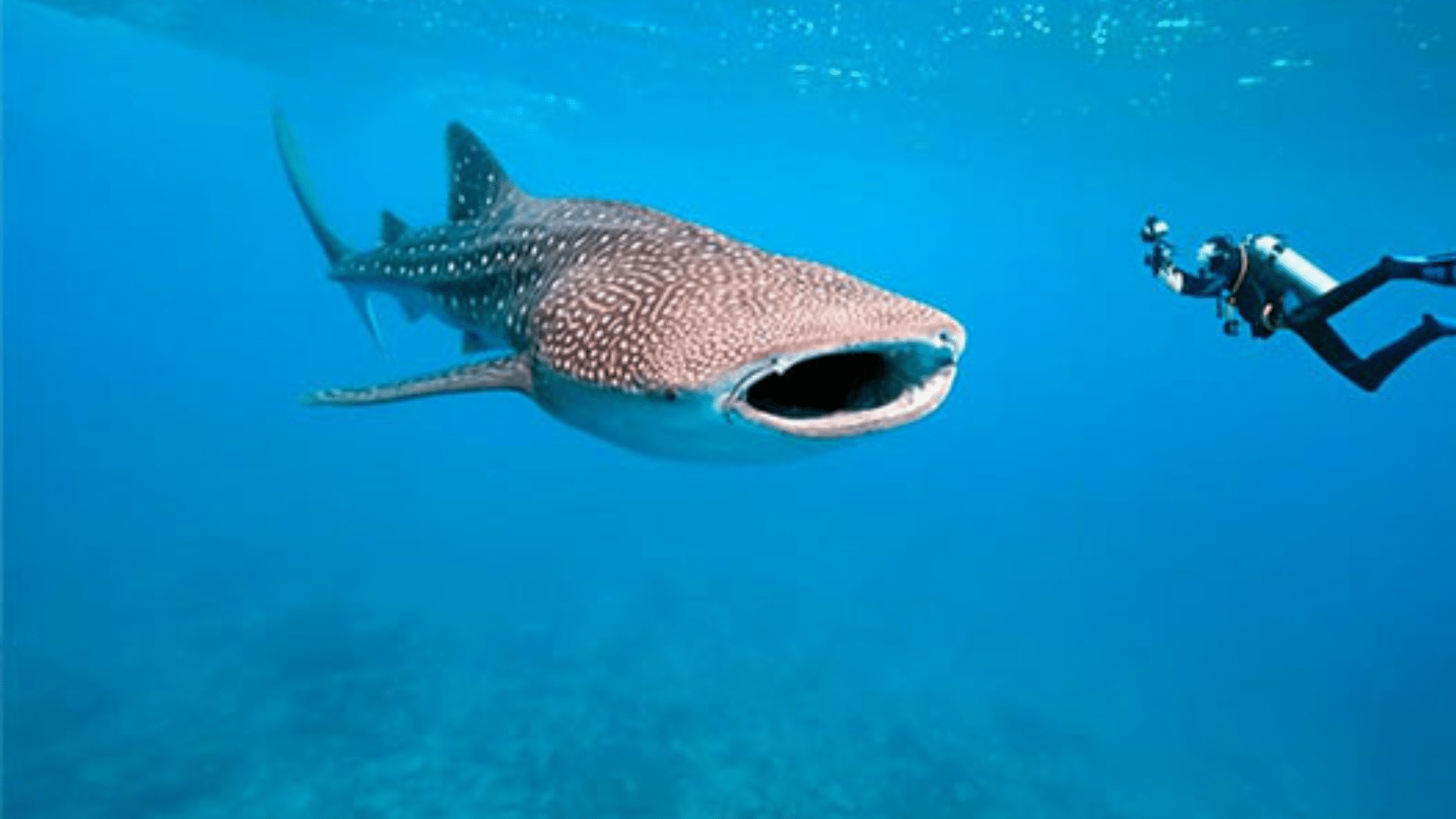
Galápagos is the intense version. Strong currents, big ocean energy, and then a massive whale shark appears out of the deep. It feels dramatic and humbling, like you’ve stepped into a nature documentary. Best for confident, experienced divers.
- Dive type: Scuba
- Skill level: Advanced (strong currents)
- Best season: June to November
Whale Shark Diving Regulations & Responsible Tourism
Whale shark encounters are regulated in many destinations to protect both the animals and swimmers, though rules and enforcement vary by country. Responsible tours follow core guidelines to keep interactions safe and natural.
This usually includes keeping a minimum distance, limiting the number of swimmers in the water, and strictly prohibiting touching, riding, chasing, or blocking the whale shark’s path.
Feeding is discouraged or banned in many places because it can change natural behavior and migration patterns.
Ethical operators keep groups small, give clear briefings, and let the whale shark control the encounter. Choose calm, respectful tours; crowding and chaos are red flags.
Whale Shark Diving Costs and Planning Tips
Whale shark ping is one of those experiences that feels priceless, but the trip still needs a little planning. Costs can vary widely depending on the country, the type of tour, and what’s included in the package. A few smart choices before you book can also make the day smoother, safer, and more enjoyable once you’re on the boat.
Planning Tips
A smooth whale shark day usually comes down to small, simple choices made before you leave.
- Book with a responsible operator that limits group size and follows no-touch rules
- Read recent reviews and look for clear safety briefings and calm guide leadership
- Ask what’s included (gear, park fees, photos, pickup, towels) before paying
- Pack reef-safe sunscreen, a rash guard, water, snacks, and a dry bag
- Bring seasickness tablets if you get motion sick, and take them early
- If you’re filming, carry extra batteries and use a wrist strap or float
Do these basics, and you’ll spend less time worrying and more time enjoying the moment.
Costs (Average by Region)
Whale shark trips vary widely in price depending on the destination, group size, and what’s included. Snorkeling tours are usually cheaper than scuba, and shared group trips typically cost less than private charters.
-
Southeast Asia: Often the most budget-friendly, many snorkeling day tours cost $25–$120 USD per person, depending on location and inclusions.
-
Central America: Mid-range pricing is common, expect roughly $80–$200 USD per person for day trips, plus possible marine park or permit fees.
-
Australia, the Malpes & the Galápagos: Usually the most expensive due to permits, fuel, and higher operating costs, day tours often range around $250–$600+ USD, while Galápagos liveaboards can run $4,500–$8,000+ USD per week depending on route and comfort level.
Before booking, confirm exactly what’s included (gear, guide ratio, photos, transfers, taxes, park fees) to avoid surprises at checkout.
Remember: Sightings aren’t guaranteed, even in peak season, because whale sharks are wild animals and conditions change day to day.
Wrapping Up
Whale shark diving leaves you with more than a memory; it shifts your sense of scale and stillness.
The best encounters happen when you plan thoughtfully: travel in season, choose an operator with strict no-touch rules, and respect the animal’s distance so it stays relaxed.
Keep your movements slow, stay calm at the surface, and let the whale shark lead every interaction.
Snorkelers can enjoy the experience without deep water skills, while divers should only join when conditions and training match the site.
Either way, treat it like wildlife, not a performance. If you do it responsibly, the moment feels pure: quiet, humbling, and unforgettable.
Ready to write your own ocean chapter? Save this, tag your pe buddy, and start planning your whale shark day.
Frequently Asked Questions
Is Whale Shark Diving Safe for Beginners?
Yes. Whale sharks are gentle and non-aggressive. Many destinations are beginner-friendly, especially for snorkeling, as encounters often happen near the surface under guided supervision.
Do I Need Scuba Certification to Swim with Whale Sharks?
No. Most whale shark experiences are snorkeling-based. Scuba diving is optional in some places and usually requires certification.
Are Whale Sharks Endangered, and How Can I pe Responsibly?
Yes, whale sharks are endangered. Choose operators that follow no-touch rules, limit group sizes, and avoid feeding or crowding the animals to help protect them.