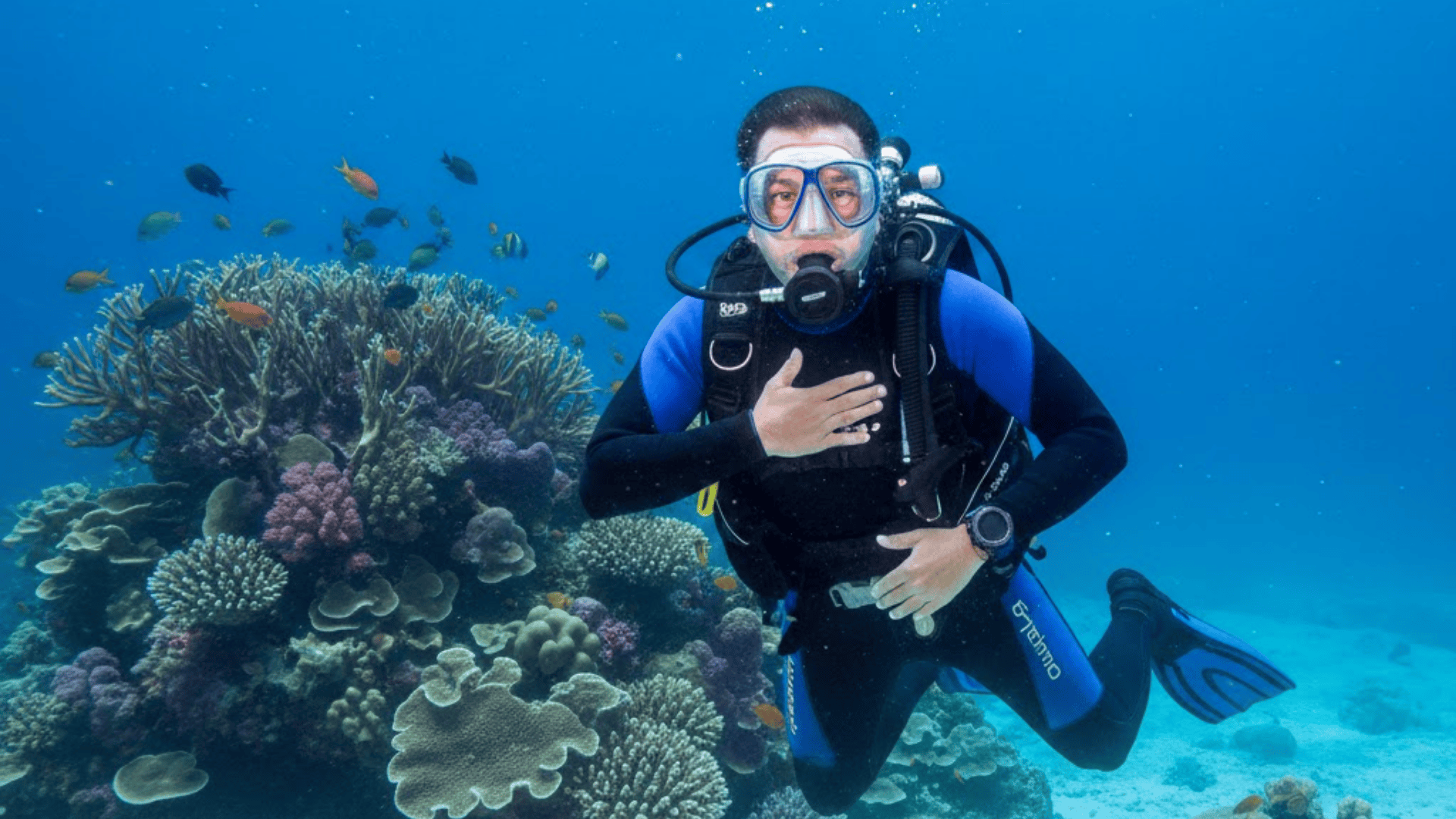

Scuba diving in the Caribbean offers some of the most beautiful underwater experiences on the planet.
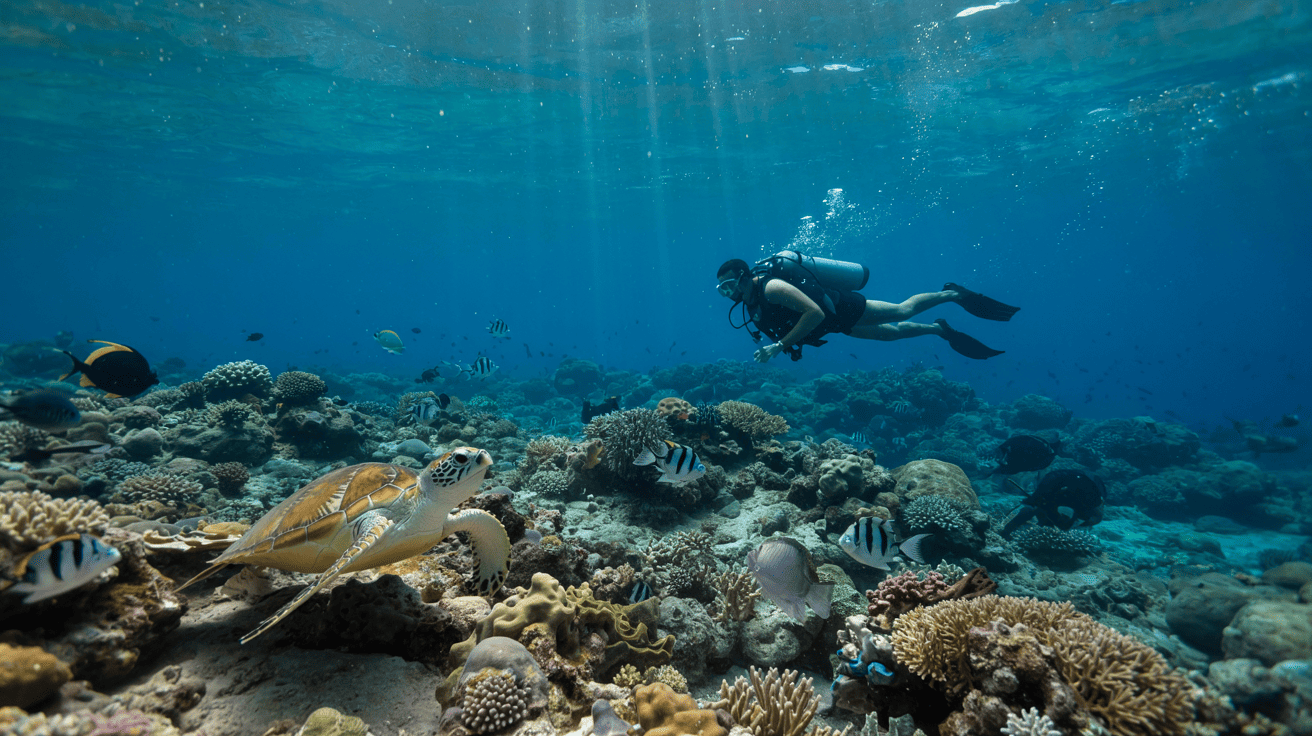
Imagine swimming through crystal-clear waters surrounded by colorful coral reefs, tropical fish, and curious sea turtles. The Caribbean’s warm temperatures and excellent visibility make it perfect for divers of all skill levels.
From beginner-friendly shallow reefs to thrilling deep wrecks, these islands have something special for everyone.
Ready to plan your next underwater getaway? Here’s everything you need to know about diving in this tropical paradise, including the best destinations, ideal seasons, and tips for making the most of your trip.
Scuba Diving in the Caribbean: Why It’s a Dream Destination?
The Caribbean has earned its reputation as one of the world’s top diving destinations, and it’s easy to see why.
The region offers warm, crystal-clear waters with incredible visibility that stays consistent throughout most of the year, making every dive comfortable and rewarding.
Beneath the surface, you’ll find thriving coral reefs teeming with colorful fish, sea turtles, rays, and countless other marine creatures.
The variety of dive sites is impressive too – you can choose from peaceful shallow reefs perfect for newcomers, thrilling wall dives that drop into the deep blue, historic shipwrecks, mysterious blue holes, and exciting drift dives.
No matter your experience level, the Caribbean has something special waiting underwater.
Best Scuba Diving in the Caribbean: Spots You Can’t Miss
The Caribbean offers warm water, clear views, and reefs that suit many skill levels. Some places are calm enough for first-time divers, while others have deep walls for strong divers.
1. Cozumel, Mexico
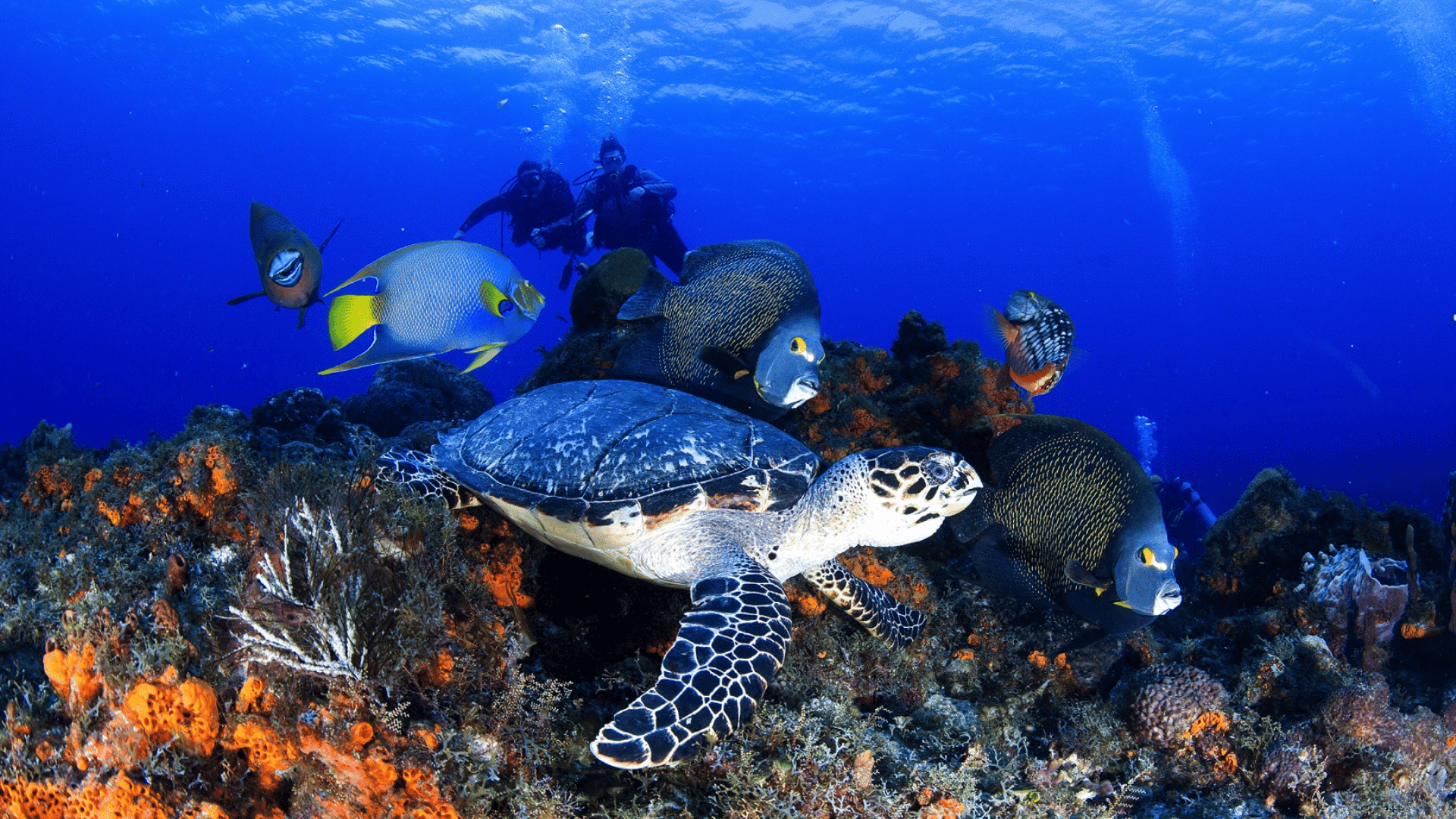
Cozumel has soft drift dives that move you along tall coral walls with gentle current. The clear water makes it easy to watch turtles, rays, and bright fish swim past the reef.
Shallow areas are simple for newer divers, while deeper parts of the wall give more challenge for those with stronger skills. Sites like Palancar Reef and Santa Rosa Wall stay steady through most months.
What You’ll Find Here:
- Sea Life: Turtles, rays, reef fish
- Skill Level: Beginner to advanced
- Cost: About $90–$130 for a two-tank boat dive
2. Bonaire, Netherlands Antilles
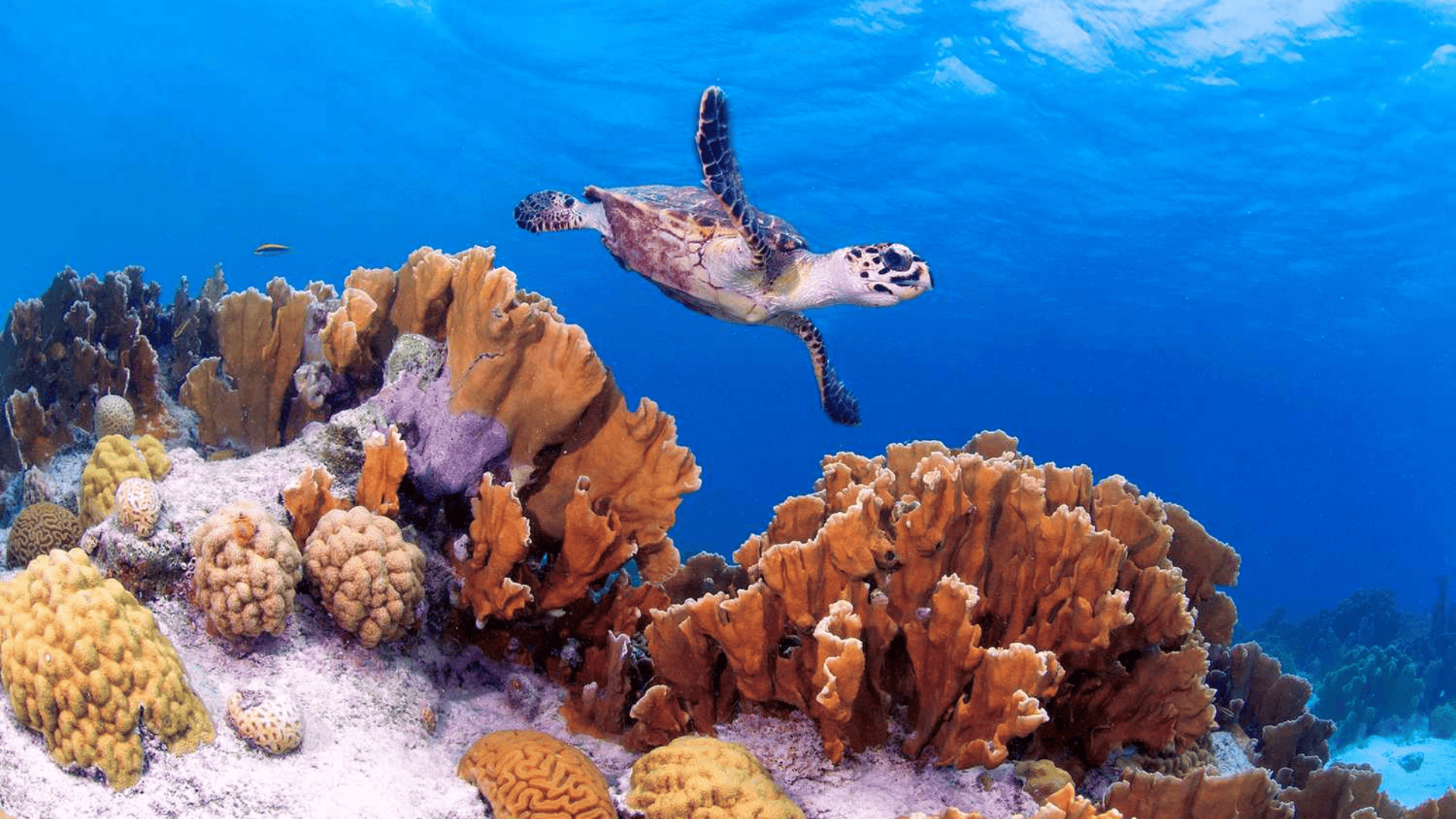
Bonaire is known for easy shore diving because many reefs sit close to land. The calm water helps new divers feel relaxed, and experienced divers enjoy long swims along healthy coral.
Turtles and small reef fish are often seen, and most sites are clearly marked, making it easy to pick a safe entry point. It is a good place for slow, steady dives with no rush.
What You’ll Find Here:
- Sea Life: Turtles, small reef fish
- Skill Level: Beginner to intermediate
- Cost: About $45–$70 for a shore dive (tank + weights)
3. Grand Cayman, Cayman Islands
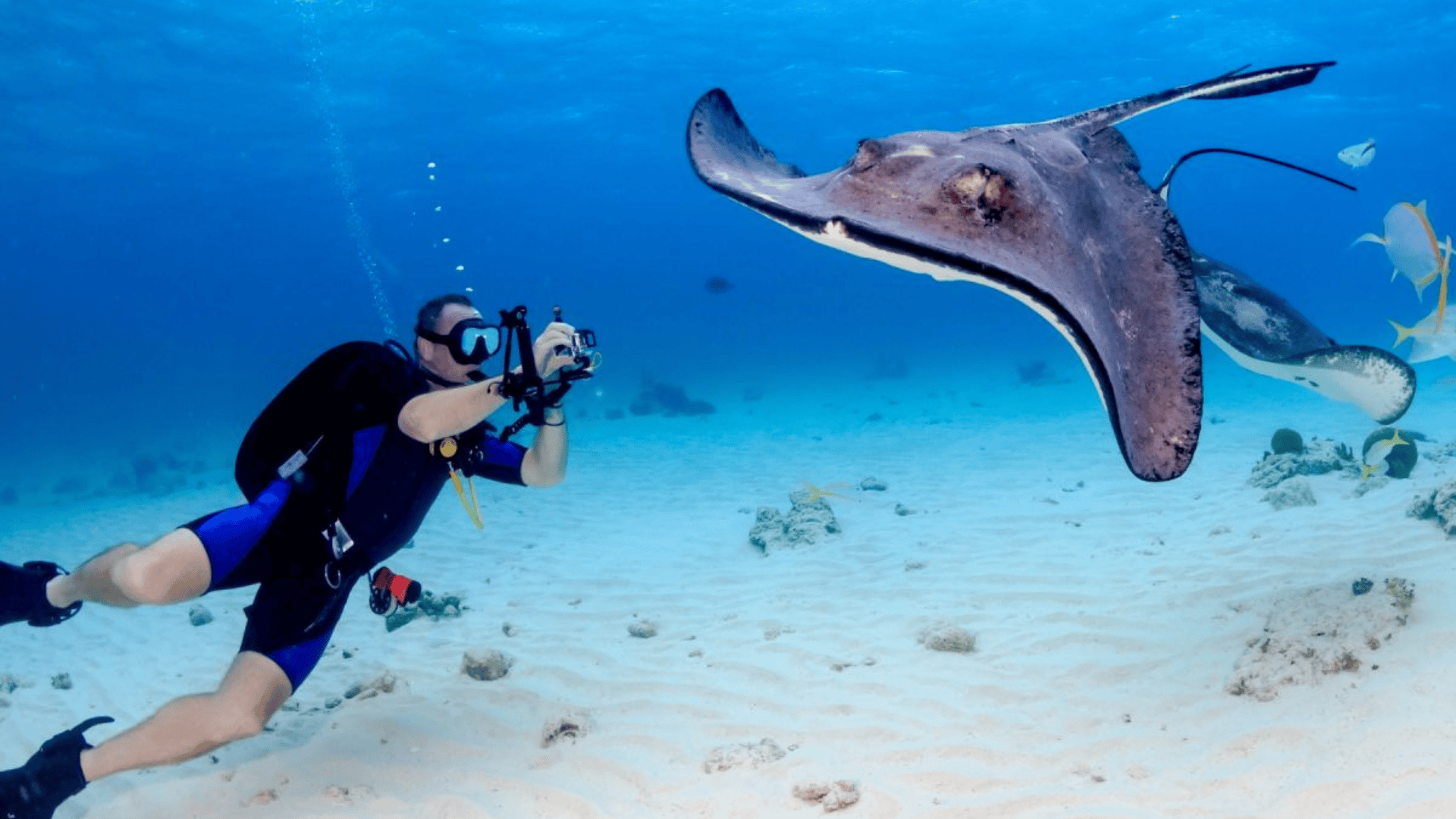
Grand Cayman has tall walls, soft coral gardens, and clear water where stingrays glide across sandy areas. Shallow sites near the beach work well for beginners, while deeper walls suit more advanced divers.
Many dive operators keep groups small and focus on simple, safe plans. The views stay clear most of the year, making it a good place for anyone who enjoys calm conditions.
What You’ll Find Here:
- Sea Life: Stingrays, reef fish
- Skill Level: Beginner to advanced
- Cost: About $120–$160 for a two-tank dive
4. Belize (Barrier Reef & Great Blue Hole)
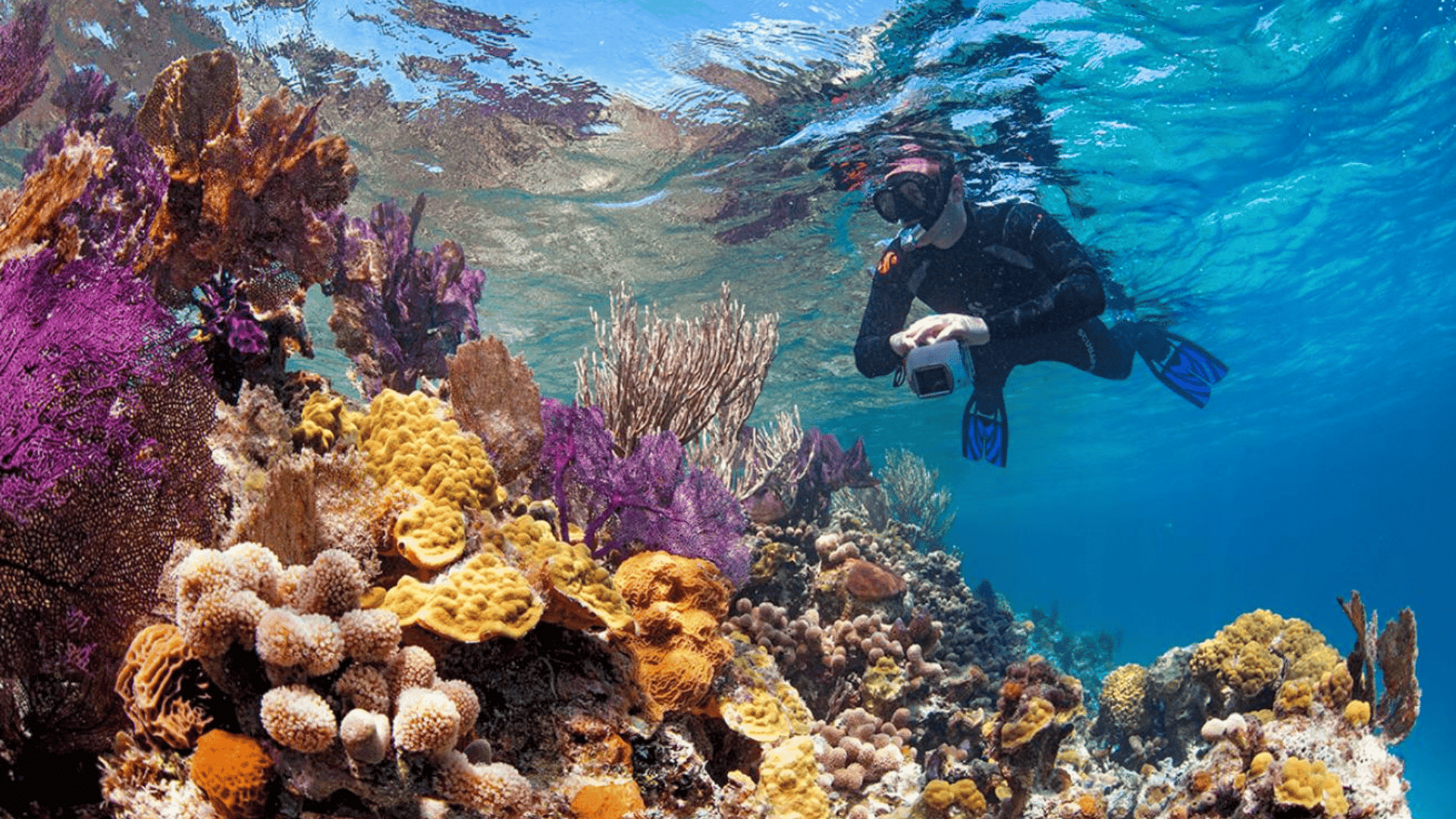
Belize is home to a vast barrier reef filled with soft coral, sponges, and colorful fish. Shallow areas are calm and easy for new divers, while skilled divers often visit the Great Blue Hole for deeper dives.
Nurse sharks and rays may swim slowly along sandy spots. Many dive operators run full-day boat trips, making it easy to see the best reefs in one trip.
What You’ll Find Here:
- Sea Life: Nurse sharks, rays
- Skill Level: Beginner to advanced
- Cost:$100–$150 for reef dives; $250–$350 for Great Blue Hole trips
5. Curaçao
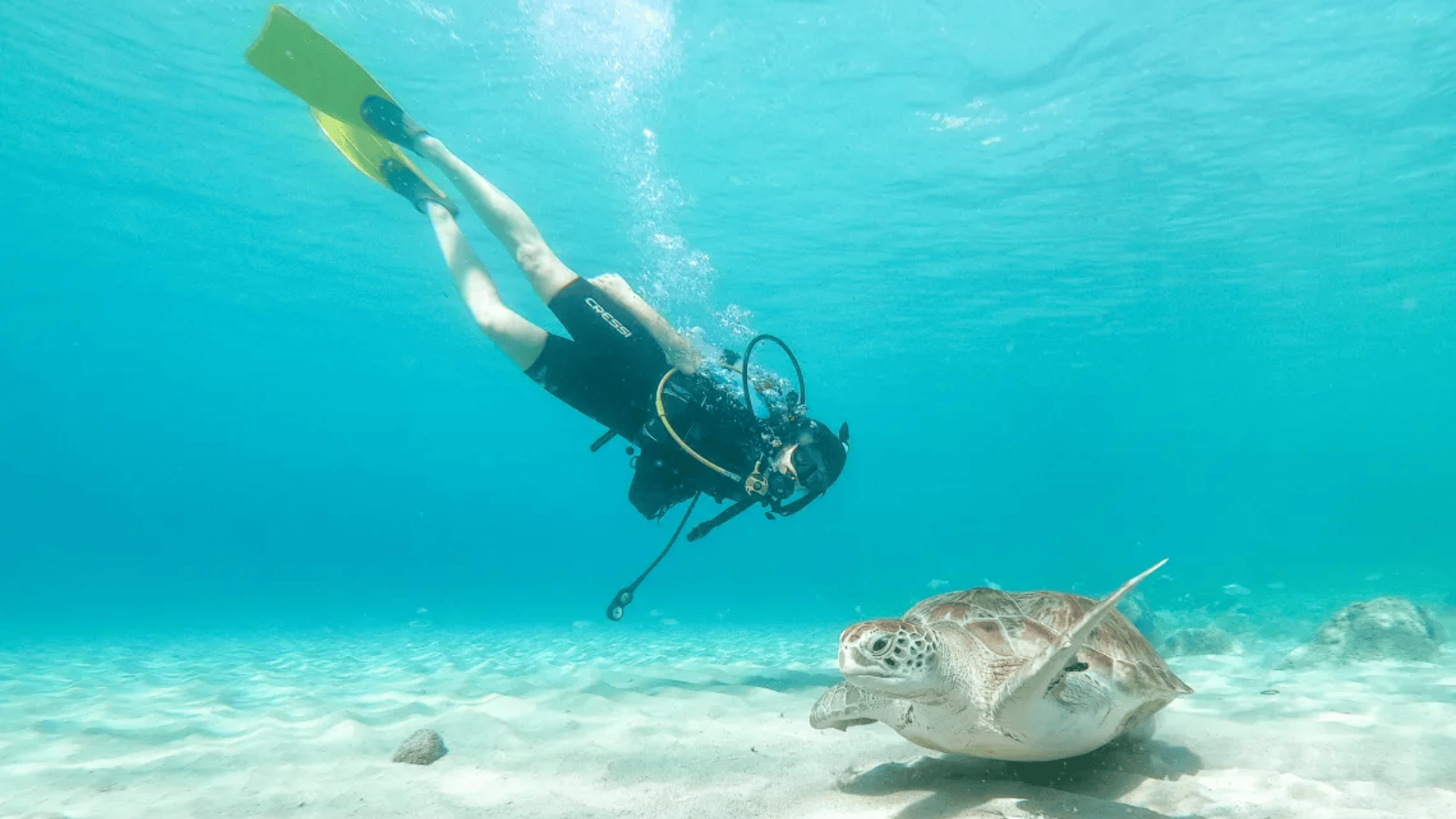
Curaçao has warm, steady water and simple shore entries that lead to coral slopes with turtles, eels, and bright fish. Some wrecks sit in shallow water, so divers can enjoy them without going deep.
Calm currents make it suitable for relaxed dives, and most reefs stay easy to follow. The island suits both beginner and intermediate divers seeking a peaceful underwater experience.
What You’ll Find Here:
- Sea Life: Turtles, eels, reef fish
- Skill Level: Beginner to intermediate
- Cost:$50-$80 for shore diving; $100-$130 for boat dives
6. Roatán, Honduras
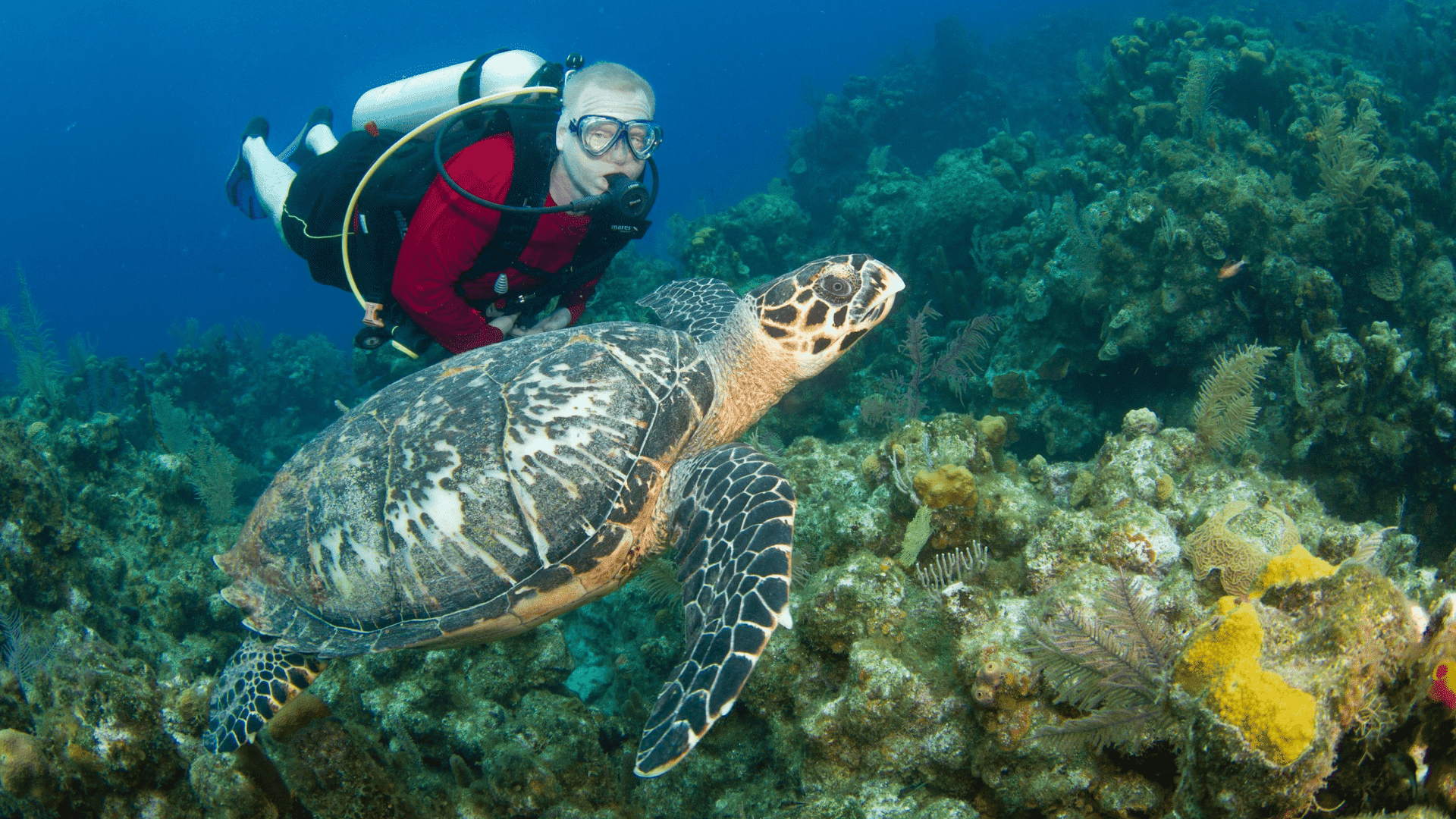
Roatán offers coral gardens, gentle slopes, and many turtles swimming near the reefs. Shallow sites are perfect for beginners, while deeper areas have swim-throughs for more experienced divers.
Most dive sites are close to shore, so boat rides stay short. The water is usually clear, and the conditions are steady, making it easy to plan several dives in one day.
What You’ll Find Here:
- Sea Life: Turtles, reef fish
- Skill Level: Beginner to advanced
- Cost:$85–$130 for a two-tank dive
7. Jamaica
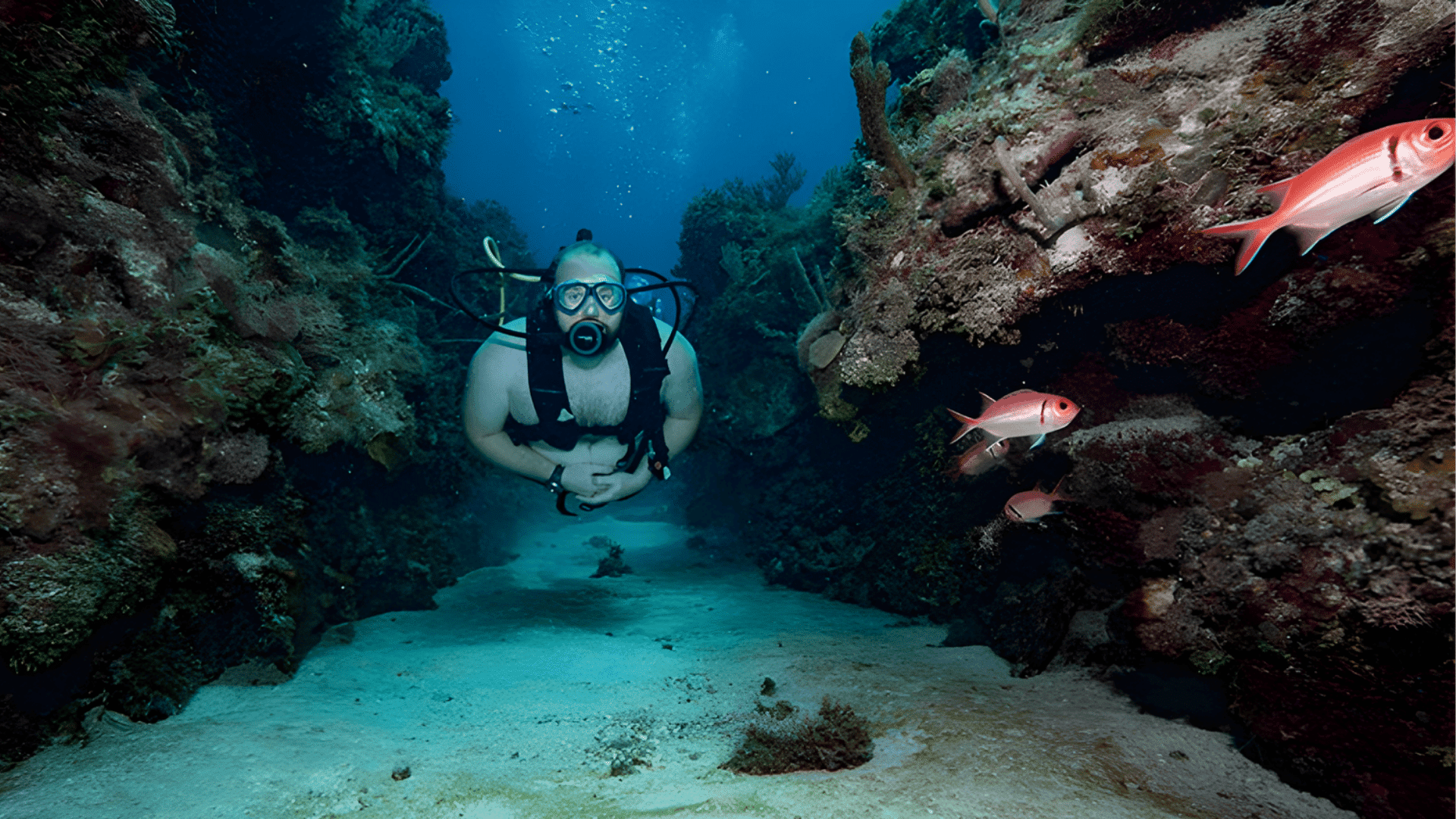
Jamaica has warm, calm water and easy entry points, making it an excellent place for new divers to feel confident. Shallow reefs feature bright reef fish and soft coral that stay close to the coral heads.
More skilled divers can try deeper areas where currents are stronger. Dive operators focus on safety and helping beginners gain experience, making the island a good place to learn or enjoy easy, relaxed dives.
What You’ll Find Here:
- Sea Life: Reef fish, soft coral
- Skill Level: Beginner to intermediate
- Cost:$90–$120 for a two-tank dive
8. Turks and Caicos Islands
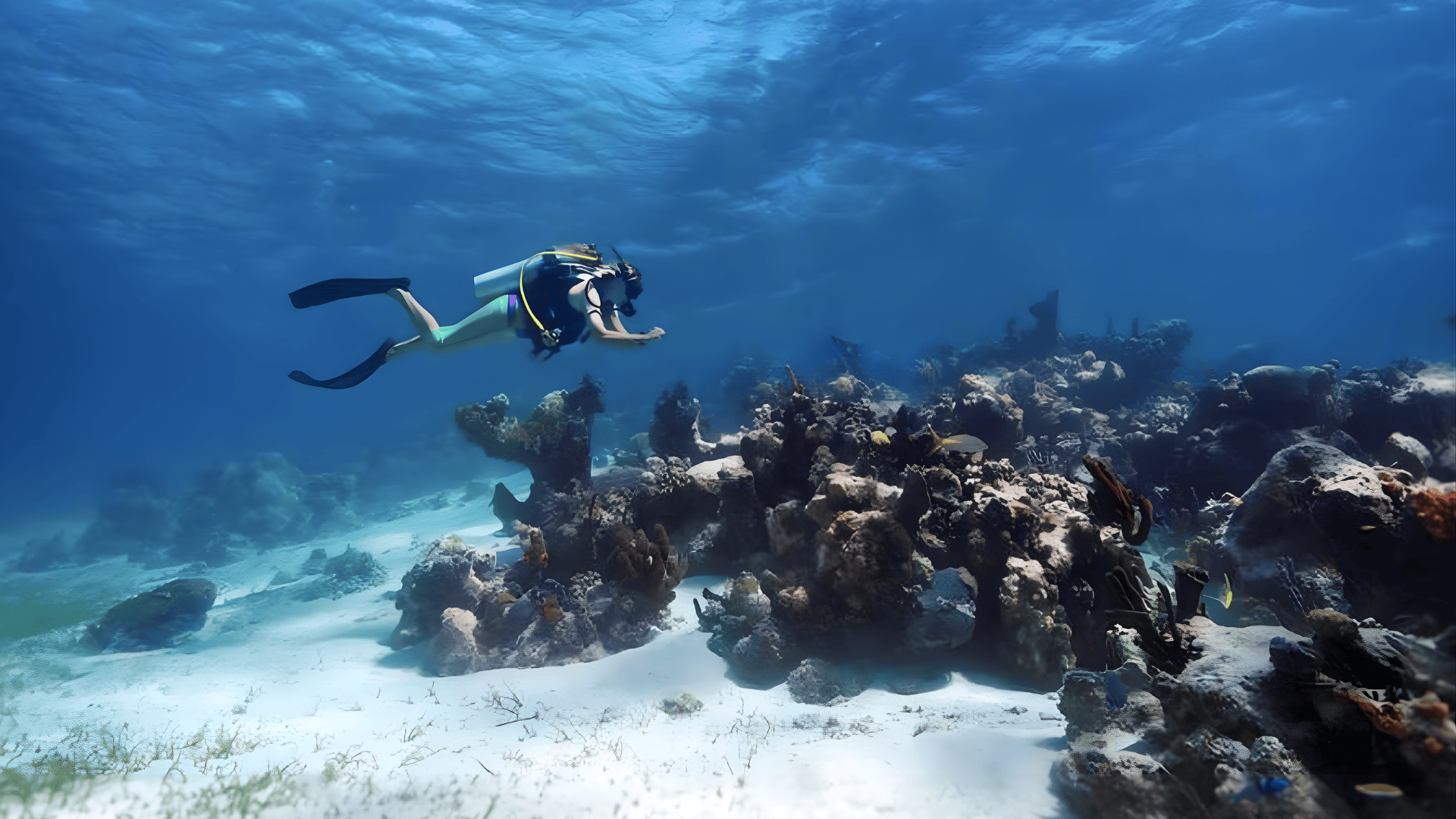
Turks and Caicos offer very clear water, long reef walls, and sandy patches where rays and reef sharks may pass. Shallow sites near the islands are ideal for beginners, while the deeper walls attract advanced divers.
Many reefs stay healthy because local authorities protect them. The combination of clear water, good visibility, and strong reef protection makes it a favorite among many divers.
What You’ll Find Here:
- Sea Life: Reef sharks, rays, reef fish
- Skill Level: Beginner to advanced
- Cost: Around $130-$185 for a two-tank dive
What to Expect When Scuba Diving in the Caribbean?
Planning a Caribbean dive trip means preparing for warm waters, diverse sites, and unforgettable underwater experiences. Here’s what you need to know before you go, no matter your skill level.
- Gear and Certification: Get your Open Water certification before traveling. Most dive shops rent equipment, but bring your own mask for comfort.
- Beginner-Friendly Sites: Shallow reefs with calm water and easy entries are perfect for newcomers learning to dive in the ocean.
- Advanced Opportunities: Experienced divers can tackle deep walls, shipwrecks, and strong currents that require advanced certifications.
- Safety First: Check current conditions, follow your dive computer, never touch marine life, and always dive with a buddy.
- Conservation Awareness: Use reef-safe sunscreen, stay buoyant, and don’t take anything from the ocean.
The Caribbean welcomes all divers, so take your time choosing sites that match your comfort and skill level.
The Best Diving in the Caribbean: Exploring Diverse Marine Life
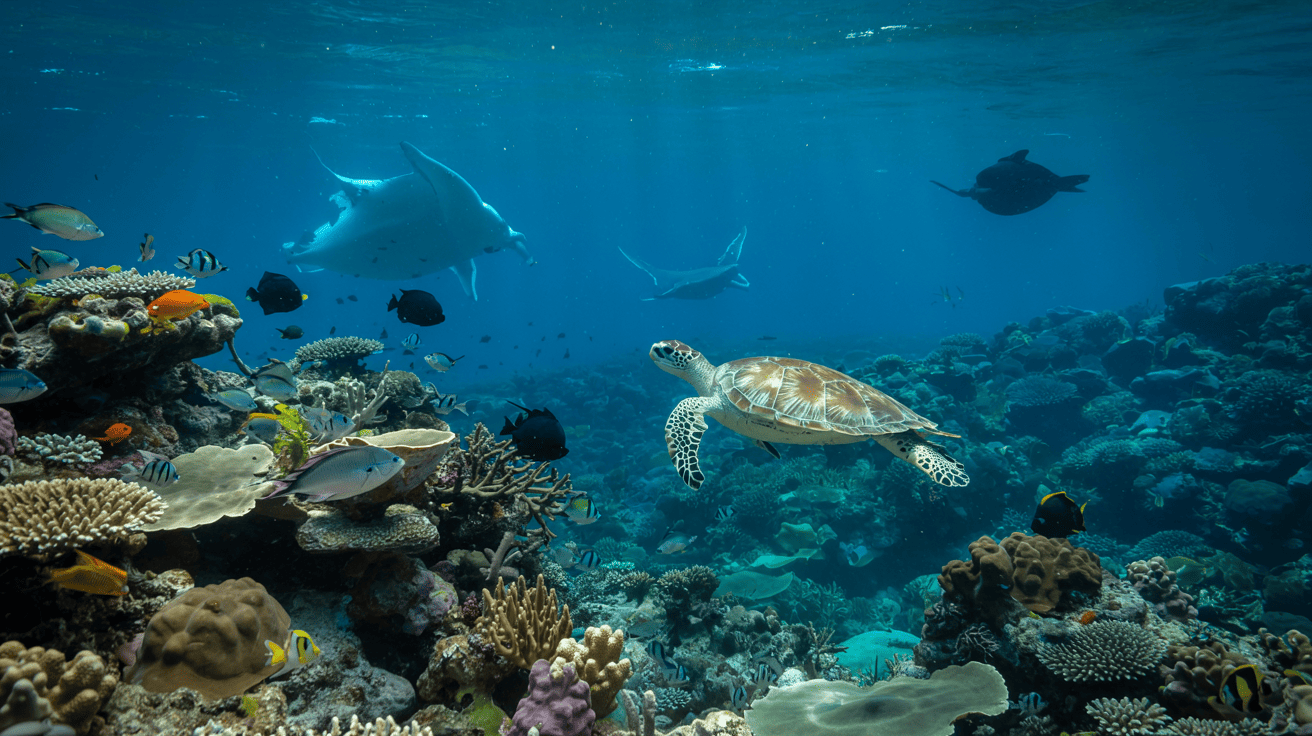
Caribbean waters are home to an incredible array of sea creatures that make every dive memorable. Healthy coral reefs create bustling underwater neighborhoods where colorful fish dart between branches and crevices.
You might spot graceful sea turtles gliding past, massive manta rays soaring through the blue, or even gentle whale sharks during certain seasons.
Nurse sharks, eagle rays, and schools of tropical fish add to the spectacle.
As divers, we play an essential role in protecting these ecosystems. Simple actions like avoiding contact with corals, not feeding wildlife, and supporting marine parks help preserve these reefs for future generations to enjoy.
How to Choose the Best Scuba Diving Resort in the Caribbean
Picking the right resort can make or break your dive trip. Start by checking how close the property sits to popular dive sites – shorter boat rides mean more time underwater.
Look at what’s included in diving packages, since some resorts offer unlimited shore dives or discounted boat trips. Consider your budget, too.
Luxury options like Cozumel Palace in Mexico or Anthony’s Key Resort in Roatan provide full-service experiences with on-site dive centers. Budget-conscious travelers can find great deals at smaller guesthouses near dive shops in Grand Cayman or Bonaire.
Read reviews about local dive operators to ensure they’re professional and safety-focused before you book.
Scuba Diving Activities Beyond the Reefs
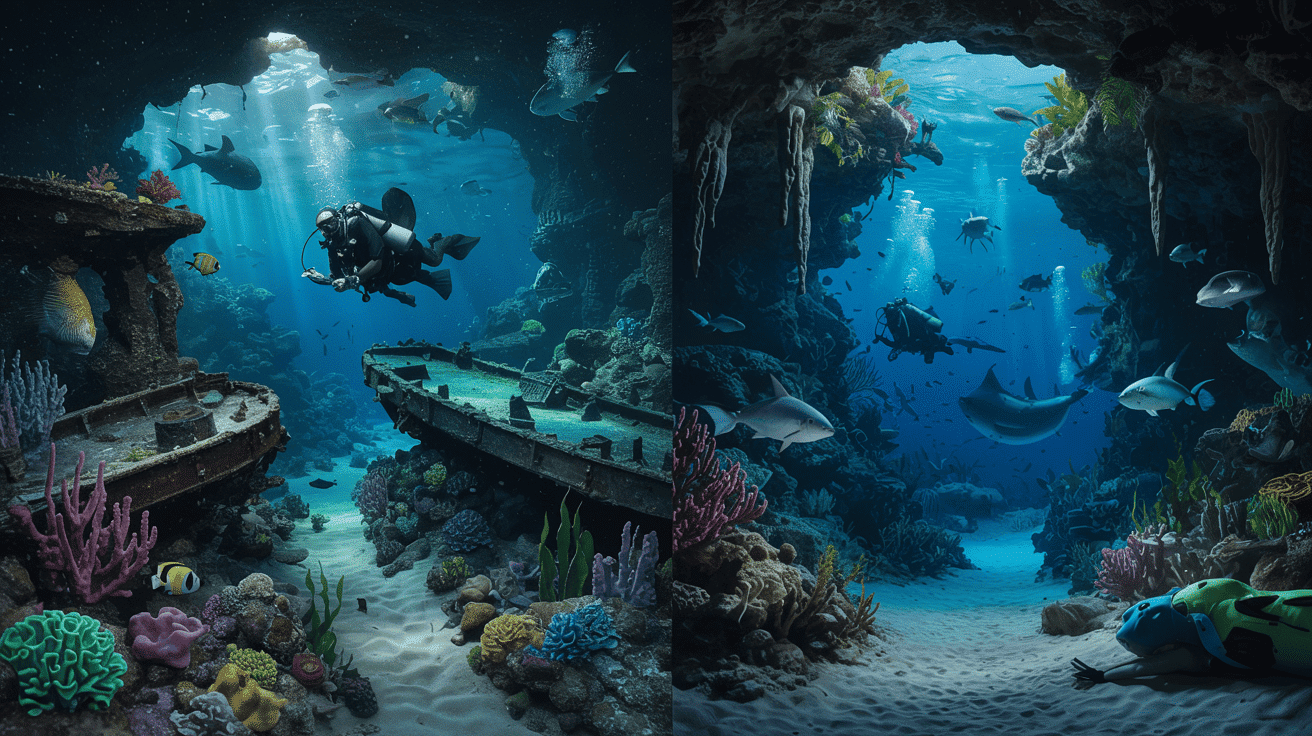
While reefs are the Caribbean’s main attraction, there are unique dives that go beyond coral walls. Wrecks, underwater caves, and blue holes offer thrilling experiences for divers seeking something different.
1. Wreck Diving
Wreck dives let you explore sunken ships that have become artificial reefs. Many are safe for trained divers and full of colorful fish, sponges, and coral growth.
Wrecks like the S.S. Sapona in the Bahamas offer a mix of history and marine life. Divers often see large schools of fish and sometimes barracudas around these structures.
Why It’s Special:
- History: Learn about the ship and its story
- Marine Life: Fish, sponges, and coral growing on the wreck
- Skill Level: Beginner wreck dives exist, but some require advanced certification
2. Underwater Caves
The Caribbean has famous underwater caves, especially in the Yucatán Peninsula. These caverns have tunnels, stalactites, and hidden chambers.
Cave diving is usually for certified divers because it can be dark and requires proper equipment. Many caves host unique fish and sometimes freshwater springs meeting saltwater zones.
Why It’s Special:
- Unique Environment: Stalactites, tunnels, and freshwater-saltwater zones
- Marine Life: Rare fish adapted to low-light conditions
- Skill Level: Advanced or certified cave divers only
3. Blue Holes
Blue holes are deep underwater sinkholes with clear, dark-blue water. The Great Blue Hole in Belize is one of the most famous, dropping hundreds of feet and filled with unique rock formations.
They offer a mix of adventure, history, and unusual underwater geology. Divers often see large groupers, reef sharks, and other big marine life in these deep waters.
Why It’s Special:
- Geology: Deep sinkholes with unique formations
- Marine Life: Sharks, groupers, and big pelagic fish
- Skill Level: Advanced divers recommended
When is the Best Time to Go Scuba Diving in the Caribbean?
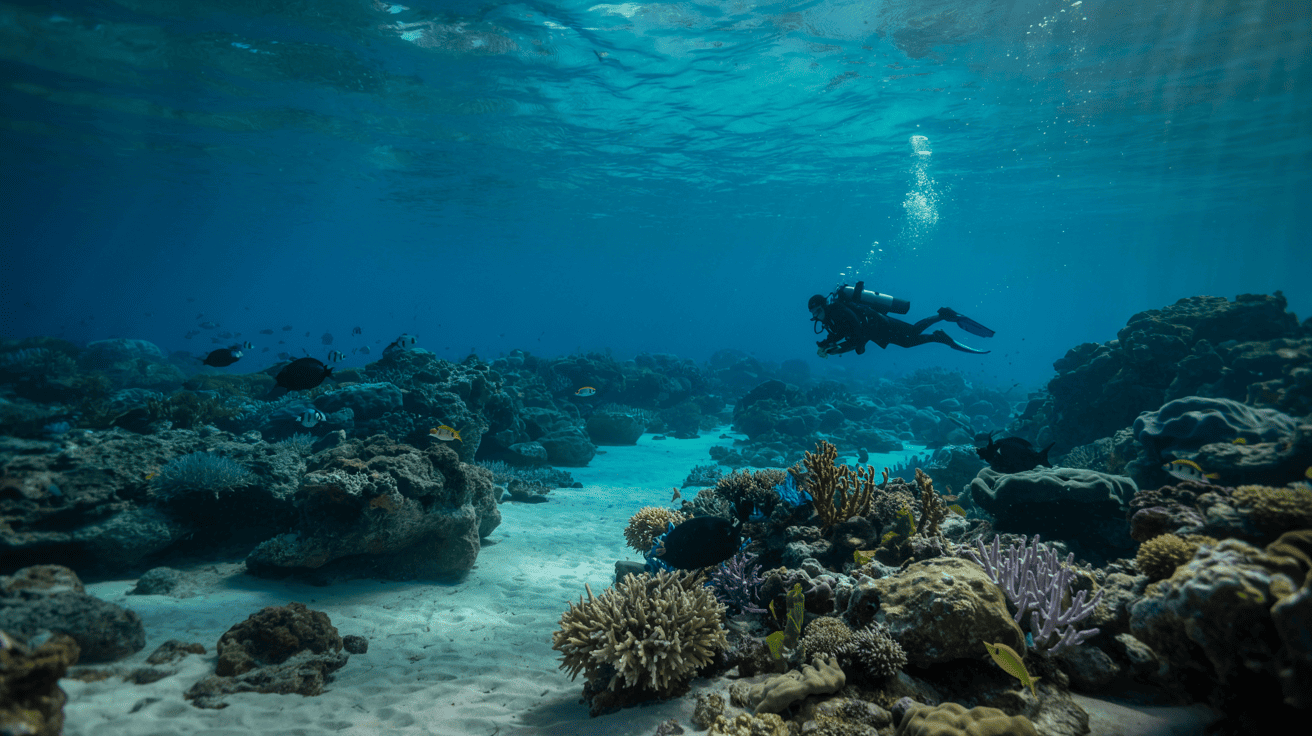
The Caribbean offers year-round diving, but timing affects your experience. December through April brings the calmest seas, clearest visibility, and pleasant weather – this is peak season when most divers visit.
Water stays warm (78-82°F), and conditions remain predictable. June through November is hurricane season, which means occasional storms and rougher water, though you’ll find better deals and fewer crowds.
September and October see the highest risk of storms. Summer months can still offer excellent diving between weather systems, with warm water and active marine life.
Many experienced divers prefer May or November for ideal conditions without peak-season prices.
Essential Scuba Diving Gear for Caribbean Waters
Packing smart makes your Caribbean diving more comfortable and enjoyable. Here’s what you need to bring or rent when you arrive.
- Wetsuit or Rash Guard: A 3mm shorty wetsuit works well, or wear a rash guard for sun protection in the warmest months.
- Mask and Snorkel: Always bring your own mask since fit matters most. A snorkel is functional for surface swims.
- Fins: Rental fins work fine, but your own pair ensures proper fit and reduces blisters during multiple dives.
- Dive Computer: Essential for tracking depth and time. Rent one if you don’t own a computer yet.
- Reef-Safe Sunscreen: Protect your skin without harming corals. Regular sunscreen damages marine life.
Most Caribbean dive shops have quality rental gear for BCDs, regulators, and tanks, so you can travel light if needed. Check with your resort in advance to confirm what equipment they provide.
The Bottom Line
Scuba diving in the Caribbean delivers unforgettable memories beneath warm, turquoise waves.
With diverse marine life, accessible dive sites, and year-round opportunities, it’s easy to see why divers return to these islands again and again.
Start planning your trip by choosing a destination that matches your skill level and interests. Remember to dive responsibly, respect the reefs, and support conservation efforts that protect these precious ecosystems.
The underwater world is waiting for you to jump in and experience it firsthand. Have you tried scuba diving in the Caribbean? Share your favorite dive spots and experiences in the comments below!