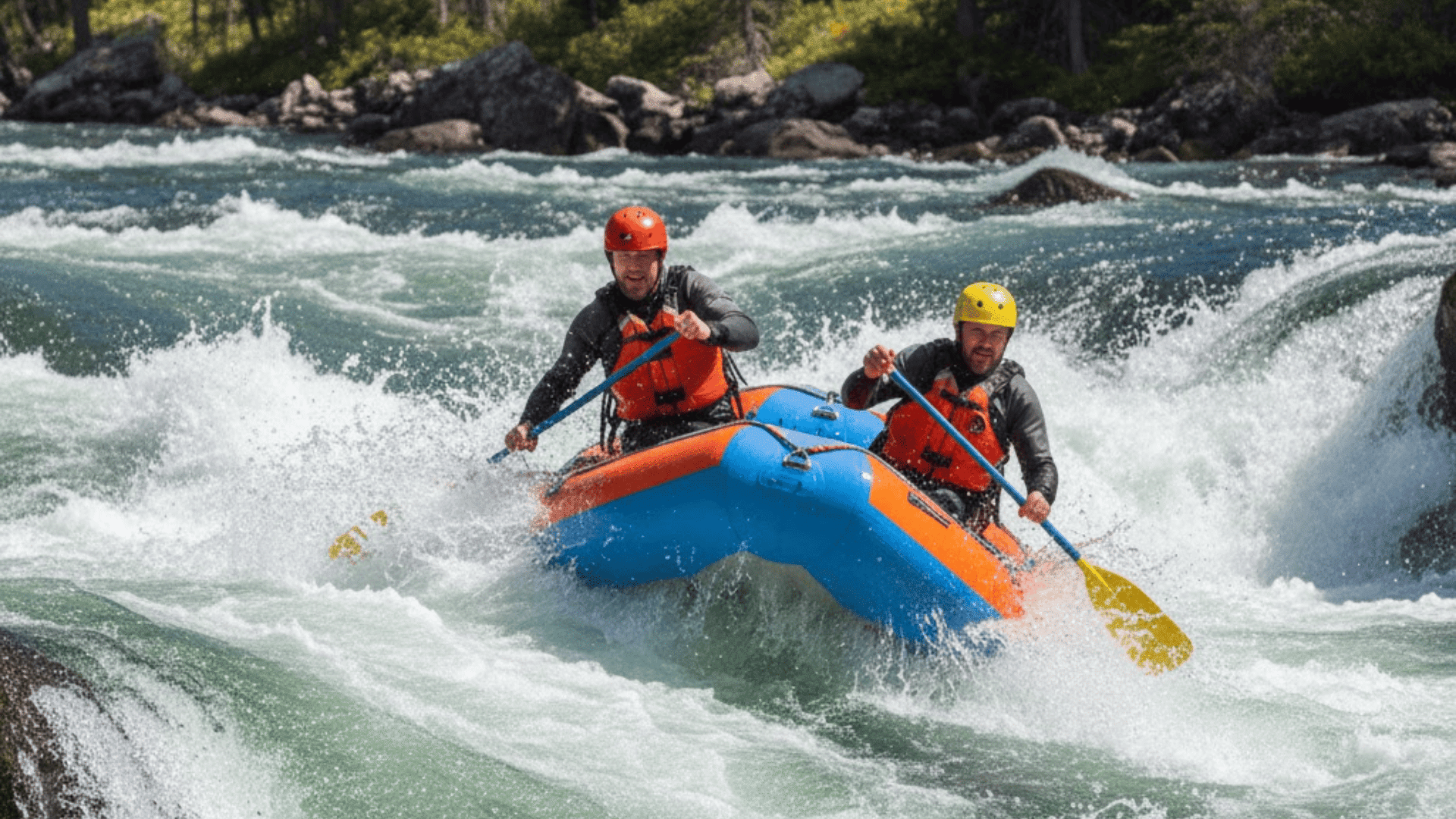
Class 4 rapids offer an exciting challenge for paddlers ready to step beyond beginner runs.
These powerful whitewater sections feature towering waves, turbulent currents, and technical obstacles that demand skill and focus.
If you’ve learned easier rapids and want to test your abilities, Class 4 represents the perfect next level. However, jumping into advanced whitewater without proper preparation can turn thrilling into dangerous.
Understanding what makes these rapids difficult, assessing your readiness, and training correctly make the difference between an unforgettable experience and a risky situation.
From physical conditioning to mental preparation, knowing what Class 4 rapids require helps you approach them safely. Ready to learn if you’re prepared for advanced whitewater?
What Are Class 4 Rapids?
Class 4 rapids represent advanced whitewater conditions that demand serious paddling skills and experience.
These rapids feature powerful waves, often reaching several feet high, along with turbulent water that creates strong currents and unpredictable movements.
You’ll encounter tight passages, significant drops, and obstacles requiring precise maneuvering. Class 4 sits above Class 3, which has moderate waves and straightforward routes, making the difficulty jump quite noticeable.
Class 4 rapids fall just below Class 5, which includes extreme conditions with violent water.
They offer challenging runs but remain manageable for skilled paddlers. Most rafting companies require participants to have previous whitewater experience before joining Class 4 trips, as these rapids present real risks.
River Difficulty: Where Class 4 Fits in the Whitewater Scale?
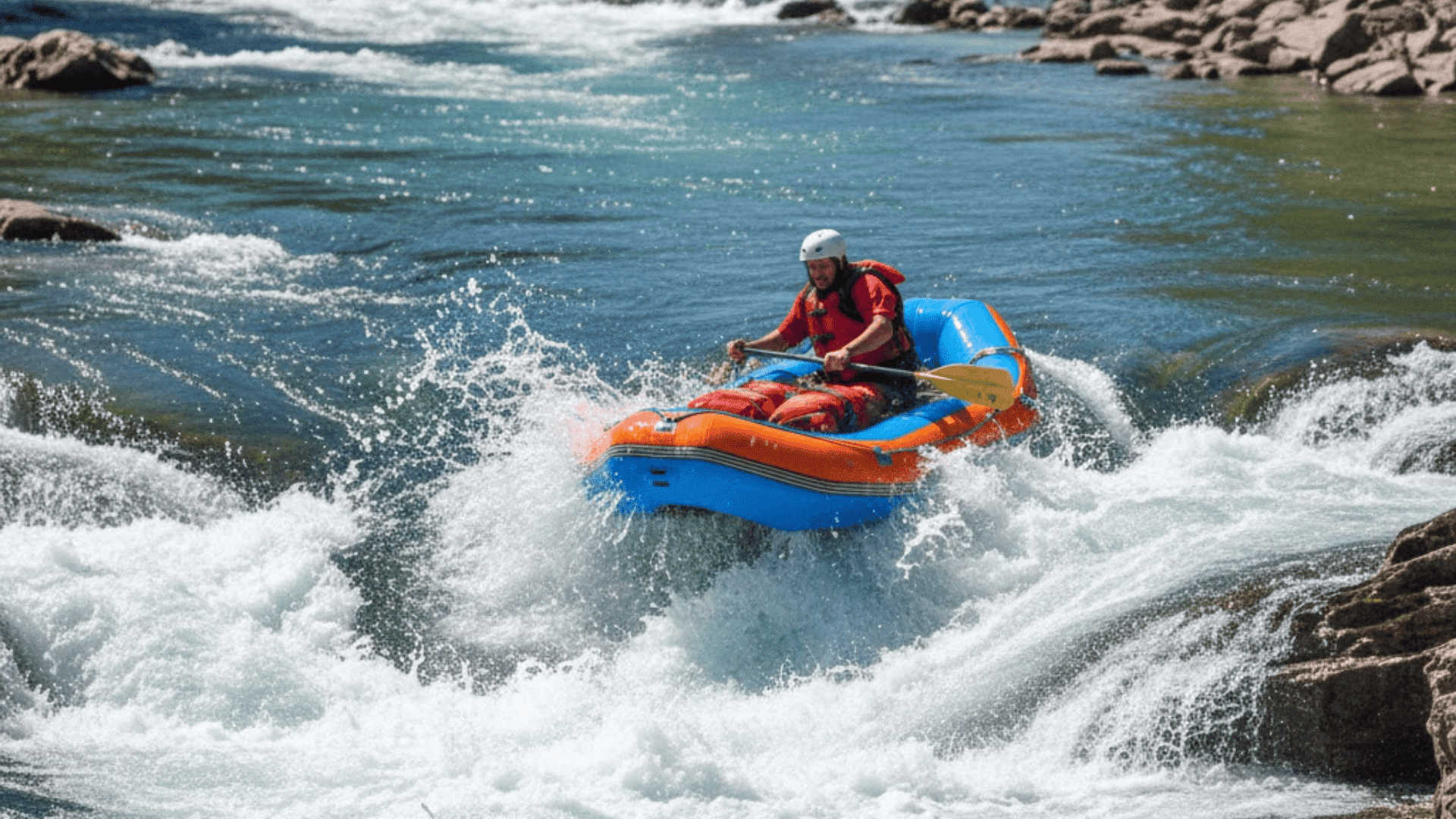
The whitewater scale runs from Class 1 through Class 6, with each level bringing more challenging conditions. Class 1 features calm water perfect for beginners, while Class 2 adds straightforward rapids with clear channels.
Class 3 features moderate waves that require maneuvering skills, while Class 4 moves into advanced territory with larger waves, stronger currents, and technical routes.
Class 5 presents expert-level conditions with violent water, and Class 6 remains extremely dangerous. Difficulty increases through stronger water force, bigger obstacles, and less forgiving routes at each level.
Class 4 earns its advanced rating due to technical skill requirements, yet professional outfitters still run commercial trips with experienced guides and proper safety measures in place.
Class IV Rapids Characteristics: What to Expect on the Water
When you step into Class IV rapids, the river feels faster, louder, and more demanding. These rapids are exciting, but they also require focus, teamwork, and quick reactions. Here’s what you can expect once you’re on the water:
- Big, Powerful Waves: Expect tall, crashing waves that can soak the raft and push it off line if paddlers are not in sync.
- Narrow and Constricted Channels: The river often squeezes between rocks or canyon walls, leaving little room for mistakes.
- Technical Navigation: Guides must steer around rocks, holes, and drops using precise turns and strong paddle commands.
- “Must-Make” Moves: Some turns have to be done correctly to avoid hazards like large rocks or dangerous hydraulics.
- Unpredictable Water: Currents can change quickly, making Class IV rapids less forgiving than Class III.
Compared to Class III rapids, Class IV is more intense because the margin for error is smaller. The river demands more skill, faster decision-making, and better teamwork from everyone in the raft.
Who Should Try Class 4 Rapids? Skills & Experience Needed
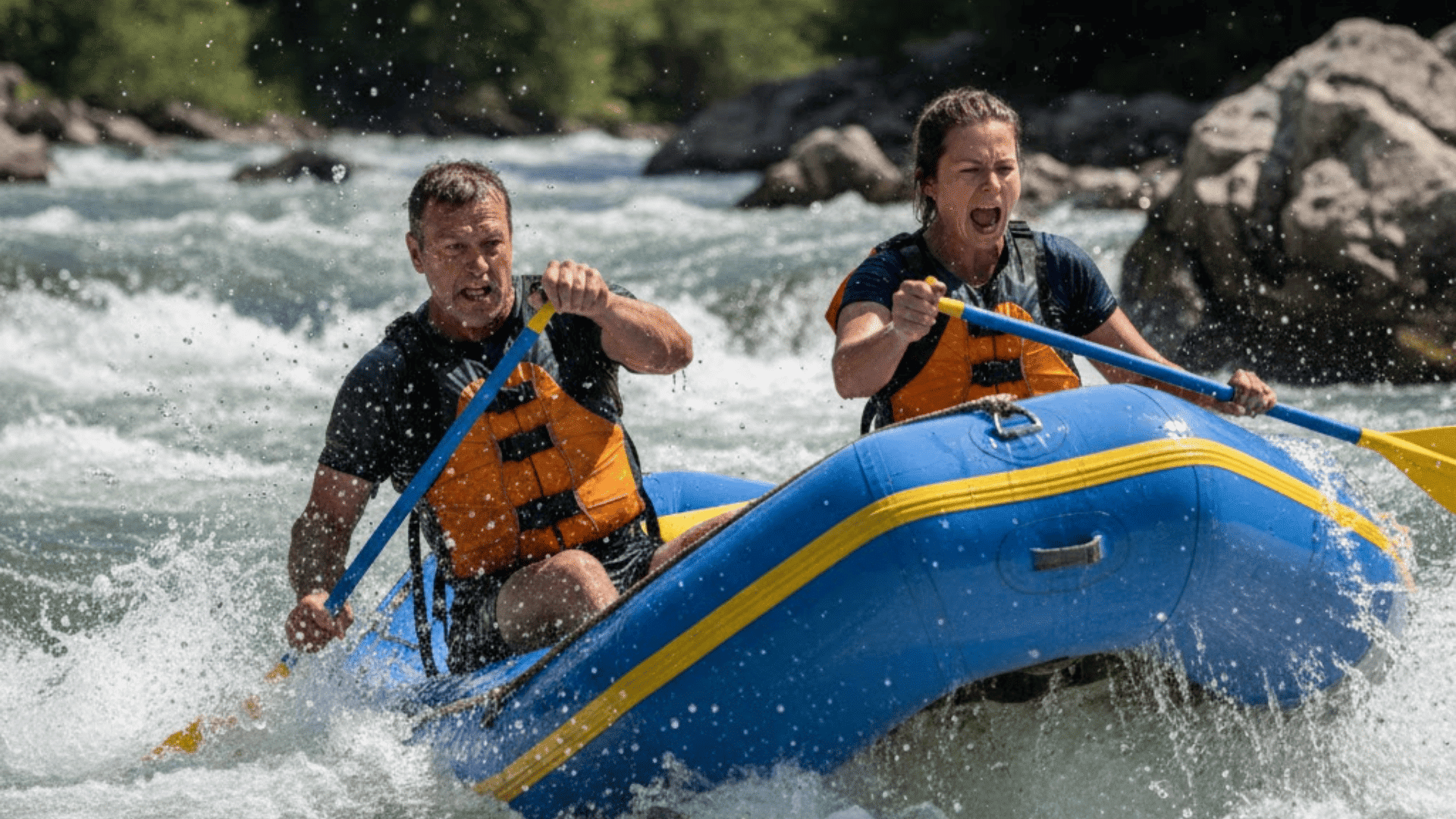
Class 4 rapids require good physical fitness, confident swimming ability, and previous whitewater experience. Most outfitters recommend completing several Class 2 and 3 trips before attempting Class 4 runs.
You’ll need strong teamwork skills since coordinated paddling keeps the raft stable through turbulent sections.
Quick decision-making helps you respond to sudden obstacles, while responsive paddling lets you execute maneuvers precisely. To judge your readiness, consider your comfort level getting tossed around in rough water and your ability to stay calm under pressure.
If you can follow rapid-fire instructions from guides and maintain paddle rhythm during intense moments, you’re likely prepared. Those with concerns about strength or swimming should build experience on easier rapids first.
How to Prepare Before You Hit Class 4 Waters?
Preparing for Class 4 rapids starts with building physical endurance through cardio exercises and core strengthening workouts.
Swimming practice helps you feel comfortable in moving water and builds stamina for extended paddling. Mental preparation matters equally – learn the guide’s commands beforehand so you can react instantly during runs.
Practice staying calm when situations feel chaotic, as panic leads to mistakes. Work on paddling techniques with your group to develop synchronized strokes. Watching run-through videos of your planned river section familiarizes you with upcoming obstacles and reduces anxiety.
Many rafting companies offer pre-trip orientations where you can ask questions and practice safety procedures, making these sessions valuable for building confidence before launch day.
What Happens on Rafting Day?
Rafting day can feel exciting and a little nervous, especially on Class IV rapids. Knowing what will happen step by step helps you feel more relaxed and ready. Most trips follow a clear routine from start to finish.
- Meet-Up & Check-In: You arrive at the rafting base, sign forms, meet your guide, and get assigned to a raft.
- Gear Fitting: You are given a helmet, life jacket, and other safety gear that fit properly and feel secure.
- Safety Talk: The guide explains paddle commands, safety rules, and what to do if someone falls out.
- On-Water Action: You paddle as a team, follow commands, and move through rapids while the guide scouts and steers.
- Trip Wrap-Up: After the run, you return gear, talk about the trip, and thank your guide and crew.
Understanding this flow makes rafting less stressful and much more fun. When you know what to expect, you can fully focus on enjoying the adventure and working together as a team on the river.
Top Rivers With Class 4 Rapids
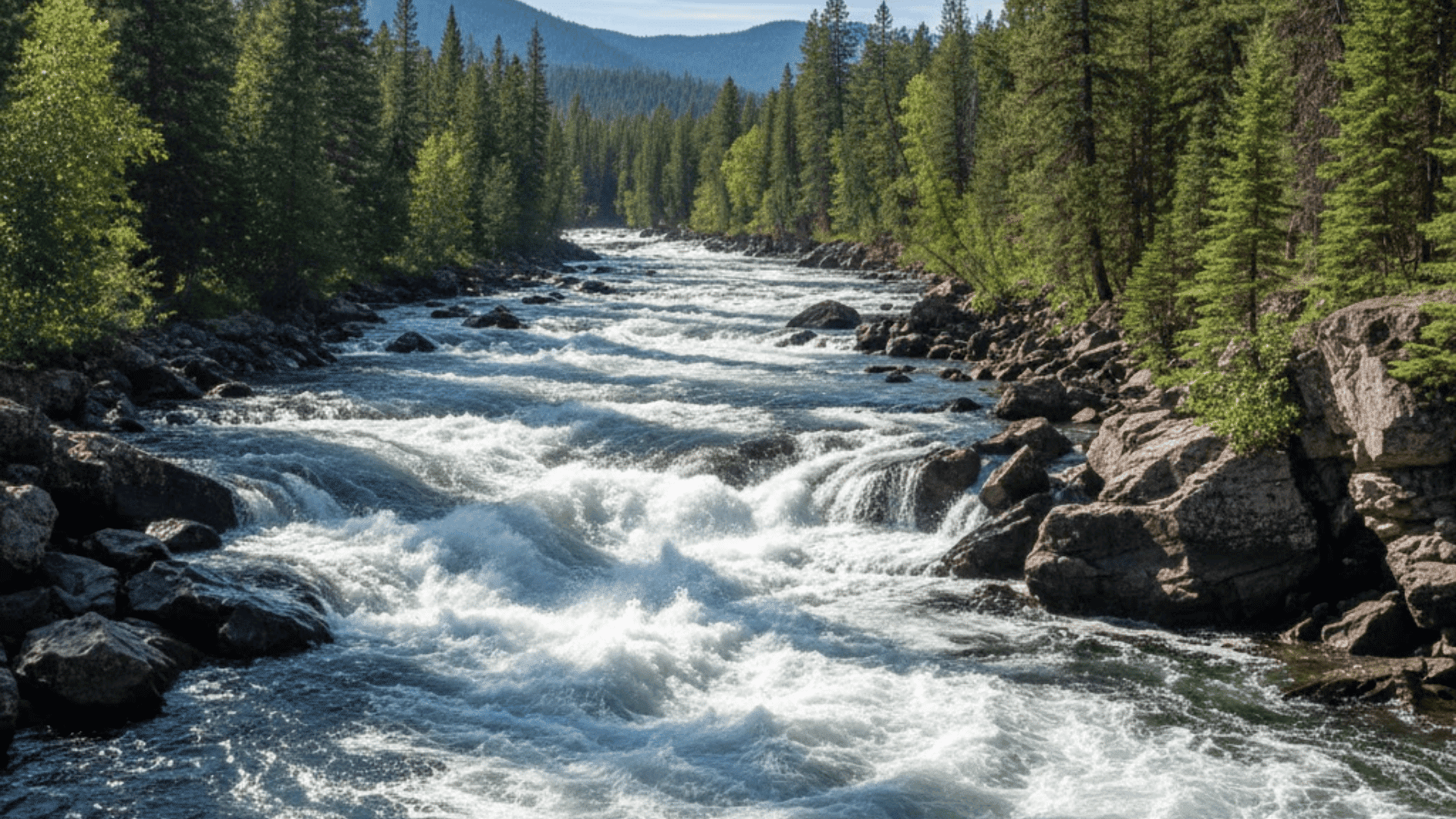
Class IV rapids are exciting, but the right river and season make a big difference. Some rivers have higher water in spring from snowmelt, while others maintain steady flows in summer.
1. Kicking Horse River (British Columbia)
The Kicking Horse River in British Columbia is famous for long sections of fast-moving Class IV rapids and big waves. Trips usually run from May through September, with the highest water in May and June from snowmelt. Outfitters provide helmets, life jackets, and safety guidance.
Beginners should raft with experienced guides, and everyone should wear proper water shoes and quick-dry clothing. Check water levels before booking to ensure the rapids are at the right challenge.
2. Clear Creek (Colorado)
Clear Creek near Denver, Colorado, has narrow channels and strong Class IV rapids. The best rafting season is mid-May to August, when snowmelt raises water levels, making rapids faster and more exciting. Outfitters supply all safety gear and instructions.
The river is challenging but accessible for paddlers with some experience. Bring water shoes, sunscreen, and a change of clothes, and expect the guides to give detailed commands for steering and teamwork during the rapids.
3. Gauley River – Summersville (West Virginia)
The Gauley River is a renowned Class IV destination, with long stretches of fast-moving rapids, powerful waves, and technical drops that demand strong teamwork and precise paddling. Most trips run in the fall when water releases from Summersville Lake create intense, high-volume flow.
Outfitters provide helmets, life jackets, and experienced guides, making Gauley an ideal advanced run for paddlers ready to push their skills in true whitewater conditions and experience the thrill of powerful Class IV rapids.
Essential Safety Tips for Rafting Class 4 Rapids
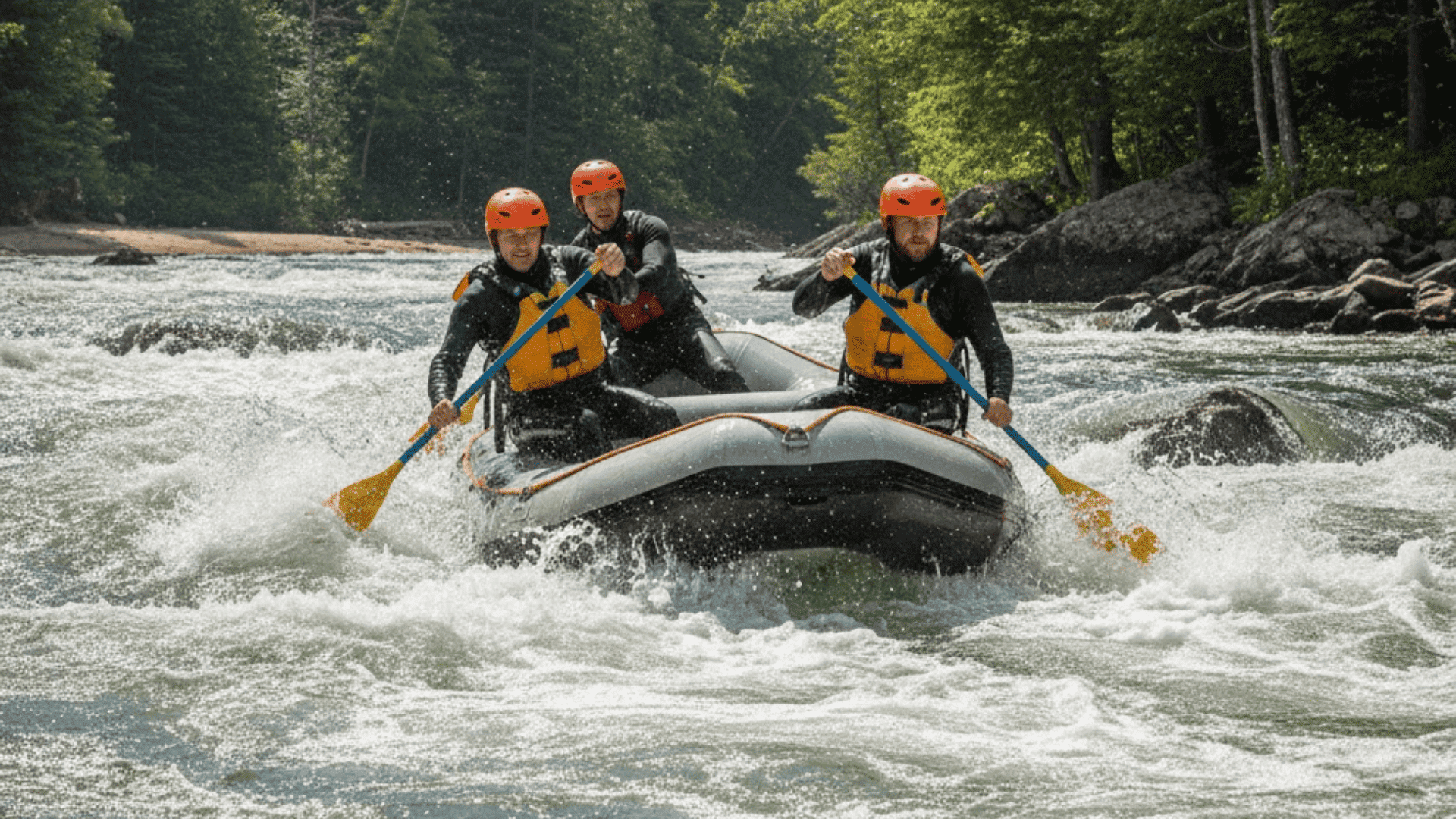
Rafting Class IV rapids is exciting, but it can be risky if you are not careful. Following safety rules and wearing the right gear keeps everyone in the raft safe.
- Safety Gear: Wear a life jacket, helmet, and wetsuit to stay protected from rocks, cold water, and strong currents.
- Follow Commands: Listen to your guide’s instructions for paddling, stopping, and turning.
- Watch Hazards: Avoid dangerous spots like hydraulics, strainers, and sharp rocks.
- Trust Your Guide: Following your guide’s advice keeps everyone safe and the trip smooth.
Using these safety tips helps you focus on having fun while staying fully protected on Class IV rapids. Putting safety first makes the experience smoother and more enjoyable for everyone in the raft.
Summing It Up
Class 4 rapids deliver intense whitewater experiences that challenge even experienced paddlers. With proper preparation, the right fitness level, and mental readiness, you can safely tackle these advanced runs.
Building your skills gradually through easier classes, strengthening your swimming ability, and practicing paddling techniques sets you up for success.
Remember that working with professional guides and participating in pre-trip orientations gives you the knowledge and confidence needed on the water. Class 4 offers rewarding thrills when approached with respect and preparation.
Have you run Class 4 rapids before? Share your experiences and tips in the comments below – your insights could help fellow paddlers prepare for their first advanced whitewater run!