When I first started kayaking, I honestly thought, “If I fit in the kayak, I’m fine.” Weight limits felt like boring numbers on a sticker, nothing I really needed to worry about.
But the more time I spent on the water, and the more stories I heard from other paddlers, the more I realized how much those numbers actually matter for safety, comfort, and how the kayak handles.
Now, before heading out, I always think about more than just my body weight also count my gear, my cooler, my fishing stuff, even the little extras that seem light but add up fast.
I want to share what I’ve learned about kayak weight limits in a simple way, what they really mean, what happens when you get close to them, and how to choose a kayak that actually feels good and safe on the water.
What Does “Kayak Weight Limit” Really Mean?
When a company lists a weight capacity, it isn’t just talking about the paddler; it includes everything on board.
That means your body weight, your gear, your cooler, your fishing equipment, and even the water bottle rolling around at your feet.
What many paddlers, including me at first, don’t realize is that the usable weight limit is often lower than the number printed on the kayak.
Most people say you should stay around 70–80% of the listed capacity if you want the kayak to perform the way it’s supposed to.
Once you get close to the maximum, the kayak can start to sit lower in the water, feel slower, and lose stability.
So the weight limit isn’t just a suggestion, it’s a real indicator of how well the kayak will handle and how safe you’ll feel once you’re out on the water.
Finding the Ideal Kayak Weight Limit

Choosing a kayak with the right weight capacity can make or break your time on the water. Load it too heavily, and you’ll struggle with every paddle stroke. Go too light, and you’ll sink lower than you should, take on water, and lose stability.
The Golden Rule: The 70% Sweet Spot
Here’s what most paddlers don’t realize: the maximum weight capacity printed on your kayak isn’t what you should actually load it with.
That number is the absolute limit before things go wrong. For the best performance, aim to use only 60-70% of the maximum capacity.
A 300-pound-capacity kayak should carry about 210 pounds total. This leaves enough freeboard to handle waves, maintain speed, and stay maneuverable.
Quick Reference: Kayak Types and Their Limits
- Recreational kayaks: 250-300 lbs
- Touring kayaks: 300-350 lbs
- Sit-on-top kayaks: 350-400 lbs
- Tandem kayaks: 500-600 lbs
- Fishing kayaks: 400-550 lbs
How to Calculate What You Need
Start with your body weight, then add everything you’re bringing along.
A typical day trip includes your paddle (3 lbs), life jacket (3 lbs), water and snacks (10 lbs), and personal gear (10-15 lbs). That’s 25-30 pounds of extras on top of your body weight.
|
For example:
|
How to Choose the Right Kayak Based on Weight
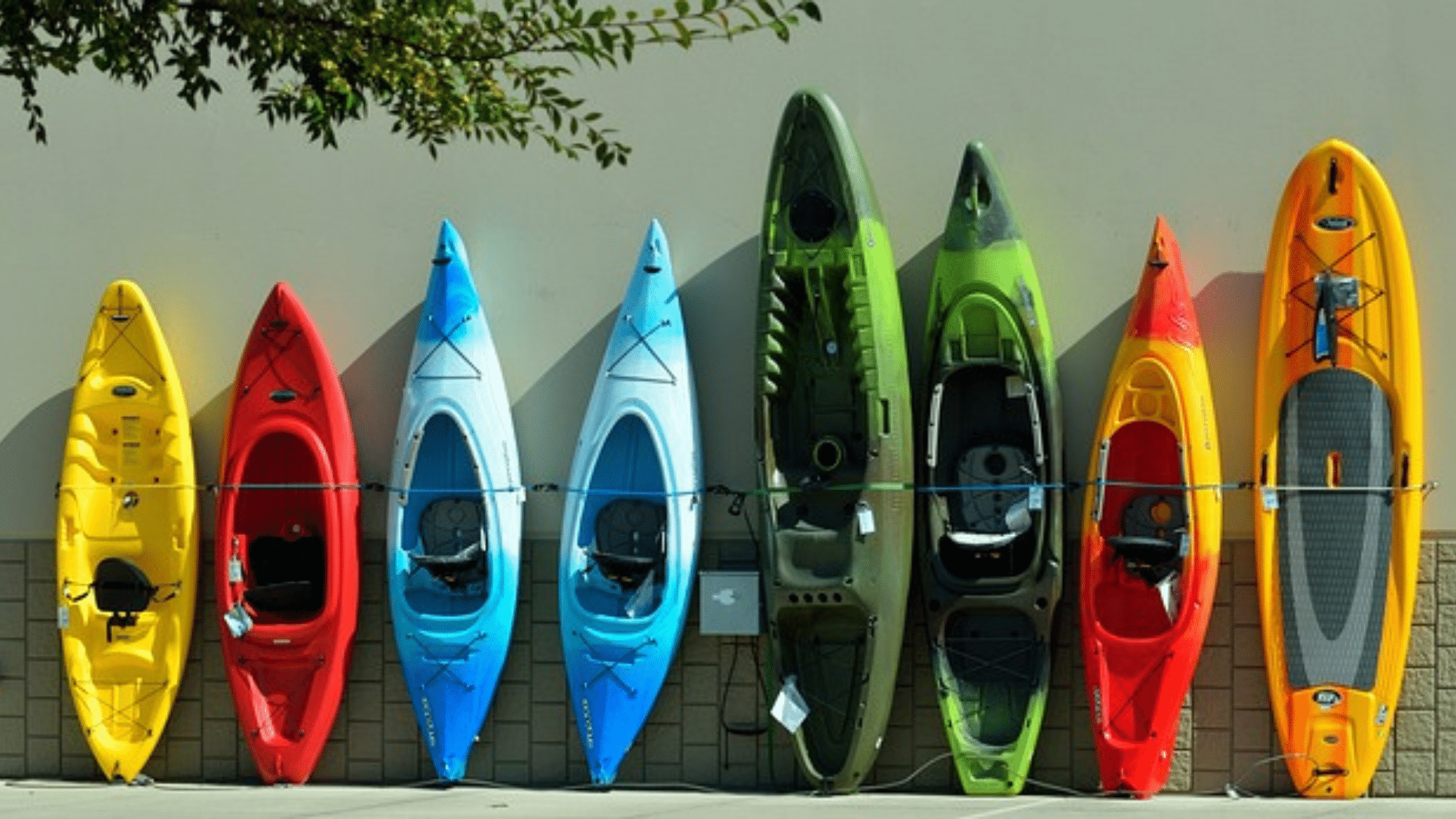
One thing I learned from the community is that choosing a kayak isn’t just about how much it weighs; it’s about everything that comes along with it. My gear, my cooler, my fishing equipment, and even small items all count toward the total load.
- For paddlers around 150–200 lbs: A kayak with a weight limit between 350–400 lbs usually gives enough room for gear and still performs well. Staying comfortably below the limit keeps the kayak faster and more stable.
- For paddlers around 200–250 lbs: Many people in this group prefer kayaks with a capacity of 375–425 lbs. This range provides a good safety margin and allows for added gear without making the kayak feel sluggish.
- For paddlers 250–300+ lbs: High-capacity or fishing-style kayaks are the top recommendations. Most paddlers say that models rated at 450 lbs or more offer a noticeable difference in stability and confidence.
- For anyone carrying a lot of equipment: Anglers, campers, and photographers often choose kayaks with higher limits than they personally need. It helps keep the kayak steady even when fully loaded.
Common Problems When Nearing or Exceeding the Limit
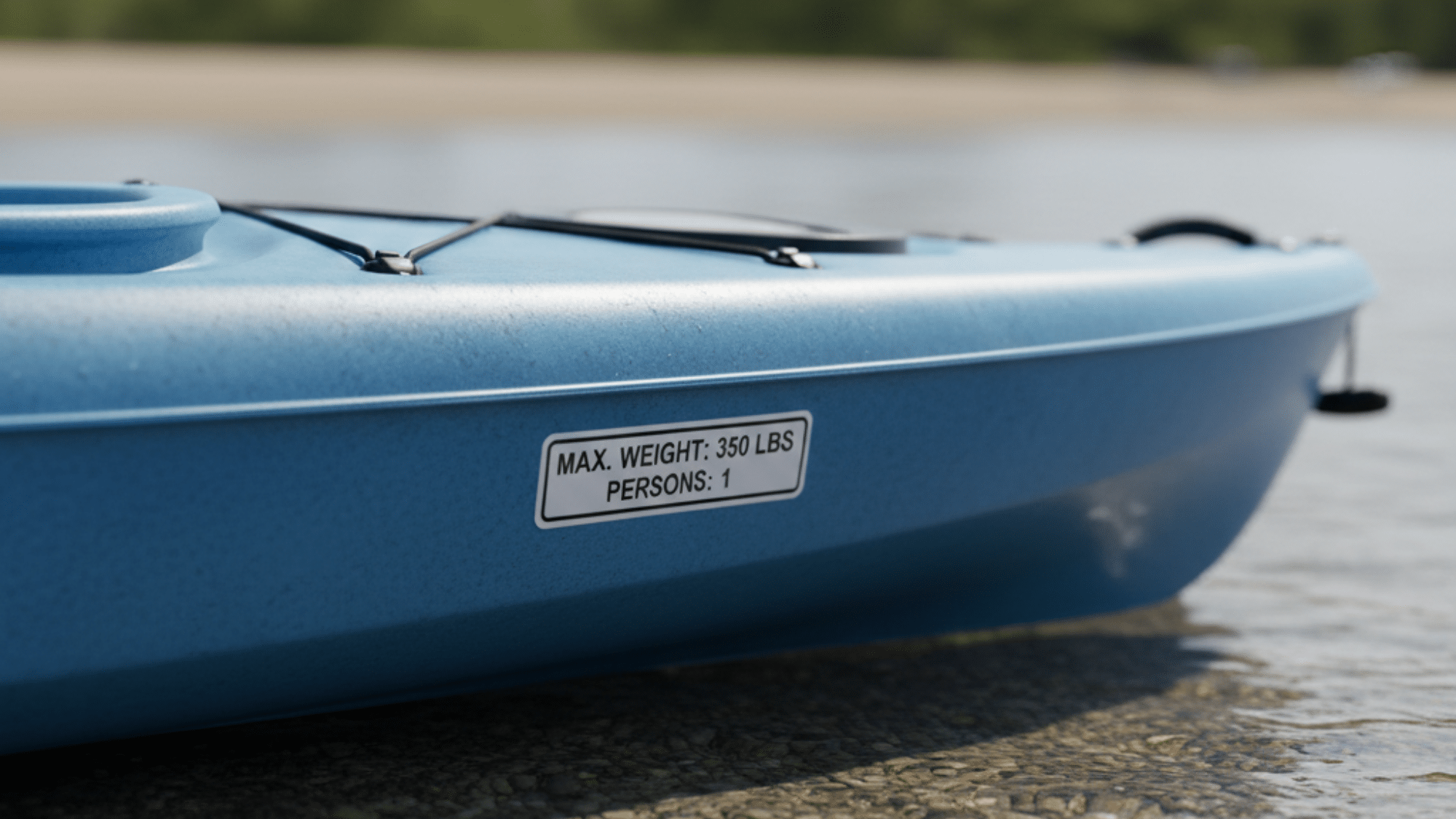
I noticed the same issues popping up whenever someone pushed their kayak close to its weight limit. Even before hitting the max, small performance changes start to show, and they can make the whole ride feel different.
- Stability issues: Many paddlers reported that their kayaks suddenly felt wobbly or less steady when the weight approached the limit.
- Kayak sitting lower in the water: People often say their kayak rides lower in the water, which makes it easier for water to splash in and harder to stay balanced.
- Slower, heavier paddling: Several kayakers described the paddle strokes feeling “heavy,” almost like the kayak was dragging through thick water.
- Harder to turn or control: Nearing the weight limit can make the kayak respond slowly, especially in wind or mild waves.
- Less performance in currents or wind: Many shared frustration about struggling to move forward when the kayak was too weighed down.
- Safety concerns: A few people shared scary moments when the kayak became unstable or unsafe after going even slightly over the limit.
Real-World Weight Limit Lessons
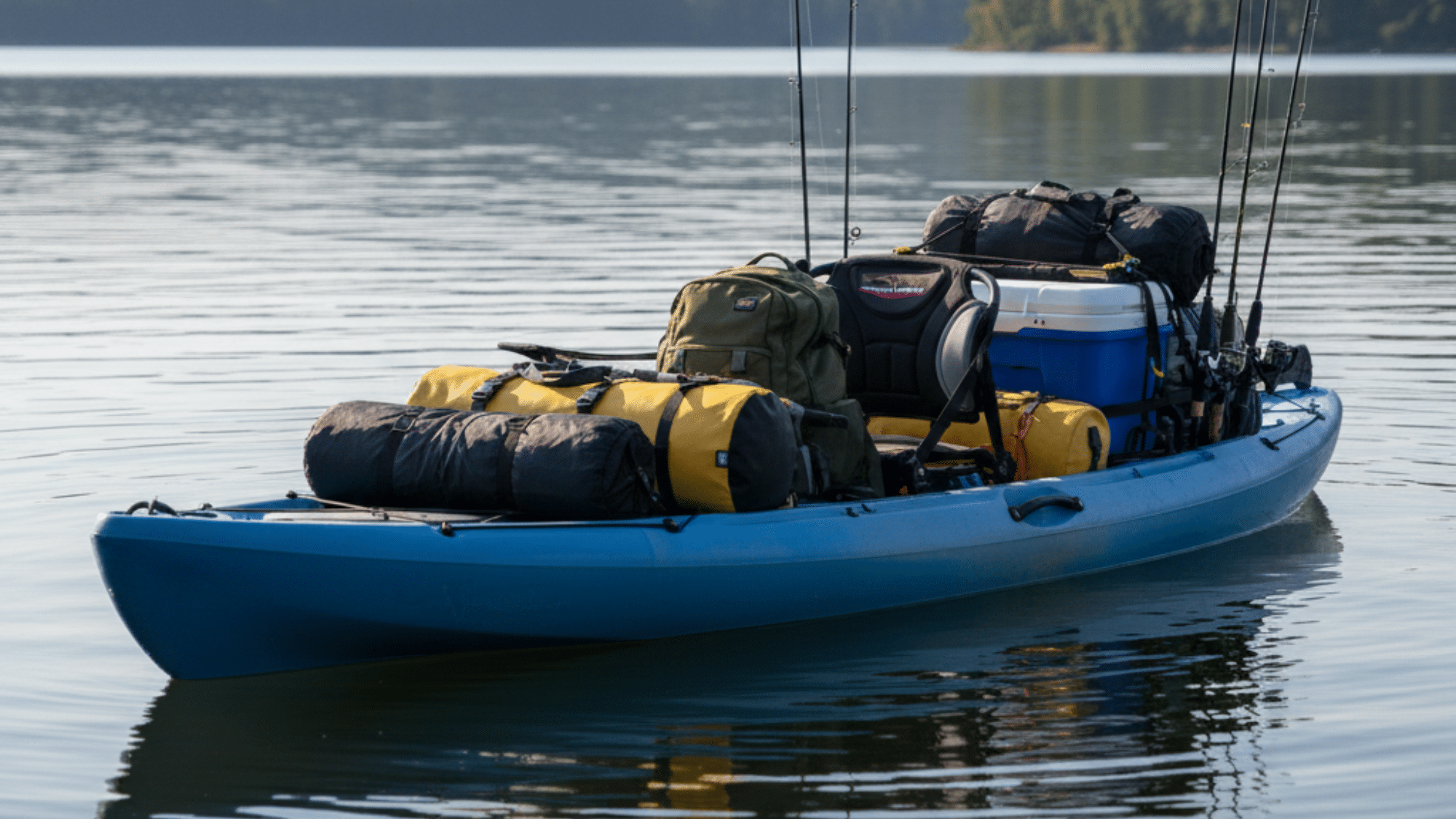
Over time, I’ve picked up a lot of small lessons about kayak weight limits, some from my own mistakes and some from paying close attention to how my kayak feels on the water.
- Always stay 20–30% under the listed capacity.
One thing I’ve learned is that the real usable weight is usually much lower than the number printed on the kayak. Staying under that range keeps things more stable, faster, and much safer on the water. - Test your kayak in shallow water before going out far.
A quick test run has helped me understand how the kayak handles weight before heading into deeper or moving water. It’s an easy way to catch balance issues early. - Balance matters just as much as total weight.
I’ve noticed that even if you’re under the limit, too much gear stacked in the back or front can make the kayak feel unstable. When the weight is spread out evenly, paddling feels smoother and more predictable. - Fishing kayaks handle heavier loads better.
From my own experience and talking to other paddlers, wider fishing kayaks tend to feel more stable when you’re carrying more weight. The broader hull gives a noticeable boost in confidence. - Gear adds up faster than you expect.
I’ve been surprised by how quickly coolers, tackle boxes, batteries, and small extras push the kayak toward its limit. It’s made me more mindful of what I bring and how much it really weighs.
These aren’t rules from a manual; they’re the kinds of things you only understand once you’ve loaded up a kayak a few times and noticed how it responds.
What Kind of Kayaks Have High Weight Limits?
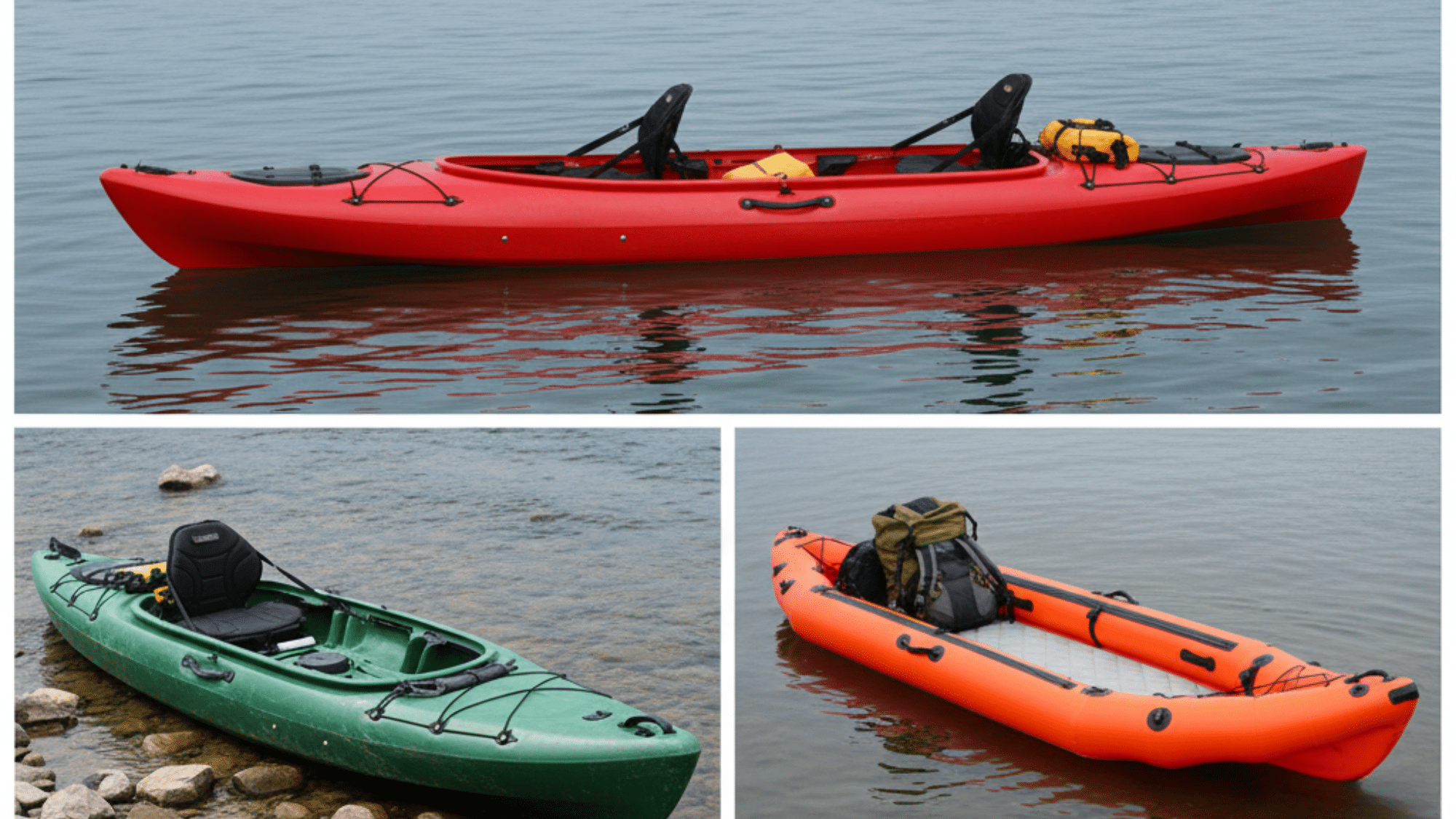
Kayaks with higher weight capacities usually share certain design features and purposes. If you’re looking for a kayak that can support more weight, these are the types that stand out:
- Wider hulls :
Wider kayaks offer more stability and surface area, which allows them to handle heavier loads without feeling wobbly. - Sit-on-top and fishing kayaks:
These models are built for gear-heavy activities, so they naturally come with higher weight limits and better stability. - Tandem or longer kayaks:
Longer kayaks distribute weight more evenly and are designed to support two paddlers plus gear, giving them naturally higher capacities. - Robust construction and reinforced materials:
High-capacity kayaks often use stronger plastics, reinforced hulls, and extra flotation to stay safe and steady under heavier loads. - High-capacity inflatables:
Many modern inflatable kayaks use drop-stitch floors and durable layered materials, allowing them to hold surprisingly high weights.
Factors Affecting Kayak Weight Limits

Weight capacity isn’t just a random number manufacturers slap on a kayak. Several design factors determine how much a kayak can safely carry, and understanding them helps you make smarter choices on the water.
1. Hull Design and Shape
Wider kayaks naturally hold more weight and offer better stability, which is why fishing kayaks have higher capacities than sleek touring models.
Length matters too; longer kayaks distribute weight better and can handle heavier loads without sitting too low in the water.
What you can do:
- Look for kayaks at least 10-12 feet long with a 28+ inch width if you need more capacity
- Avoid narrow racing-style hulls if carrying gear or having a larger frame
2. Material and Construction
A kayak made from thick, rotomolded polyethylene can handle more stress than a lightweight composite model.
Cheaper, thinner plastics may flex and warp under real-world loads, even if the listed capacity sounds impressive.
What you can do:
- Check hull thickness and read reviews from heavier paddlers
- Choose a slightly heavier kayak with solid construction over a flimsy lightweight one
3. Volume and Displacement
The more water a kayak displaces, the more weight it can support. Higher-volume kayaks with taller sides and fuller hulls float more weight before sinking to unsafe levels.
Sit-on-tops typically have more volume than sit-insides, resulting in higher capacity.
What you can do:
- Compare actual dimensions, not just weight ratings
- Two kayaks might claim 350-pound limits, but one with more interior volume will perform better at that weight
4. Distribution of Weight
Where you place weight matters as much as how much you carry. Loading all your gear in the back makes the kayak tail-heavy and hard to control, while uneven weight distribution causes an exhausting side-to-side list.
What you can do:
- Pack heavy items low and centered in the kayak
- Use day hatches for light items, rear hatches for heavier camping gear
- Keep weight balanced from front to back and side to side
5. Water Conditions
Calm lakes are forgiving, but rivers, surf, and wind change everything. The same load that feels fine on flat water becomes dangerous in waves or current. You need more freeboard to handle splashing and rough conditions safely.
What you can do:
- Drop 10-20% of your load when paddling in challenging conditions
- Stay closer to 50-60% of max capacity in surf or whitewater instead of 70%
- Leave gear behind or make multiple trips rather than overloading
Conclusion
By the time kayak weight limits really started to make sense, a few trips had already felt heavier, slower, and more unstable than they should have.
Those uncomfortable moments on the water were a clear sign that the kayak was being pushed closer to its limit than was safe or enjoyable.
Now, those numbers on the capacity sticker feel less like boring specs and more like a built-in safety and comfort guide.
Staying well under the limit, accounting for all the extra gear, and choosing a kayak with some “wiggle room” have made paddling feel smoother and more relaxed.
If there’s one takeaway from all of this, it’s that a little planning goes a long way. Respecting the weight limit doesn’t just protect the kayak; it makes every trip feel more confident, more controlled, and a lot more fun.