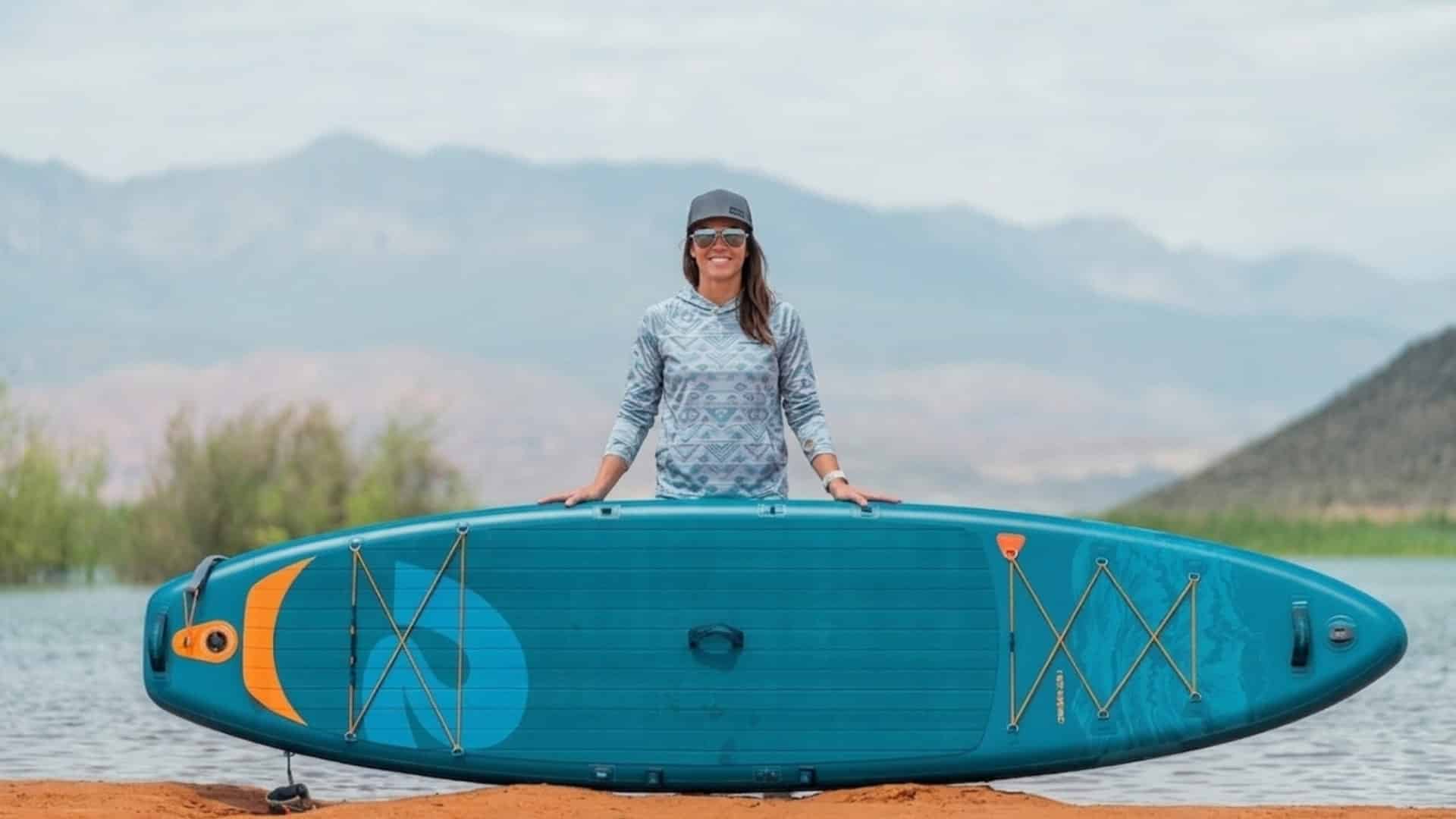

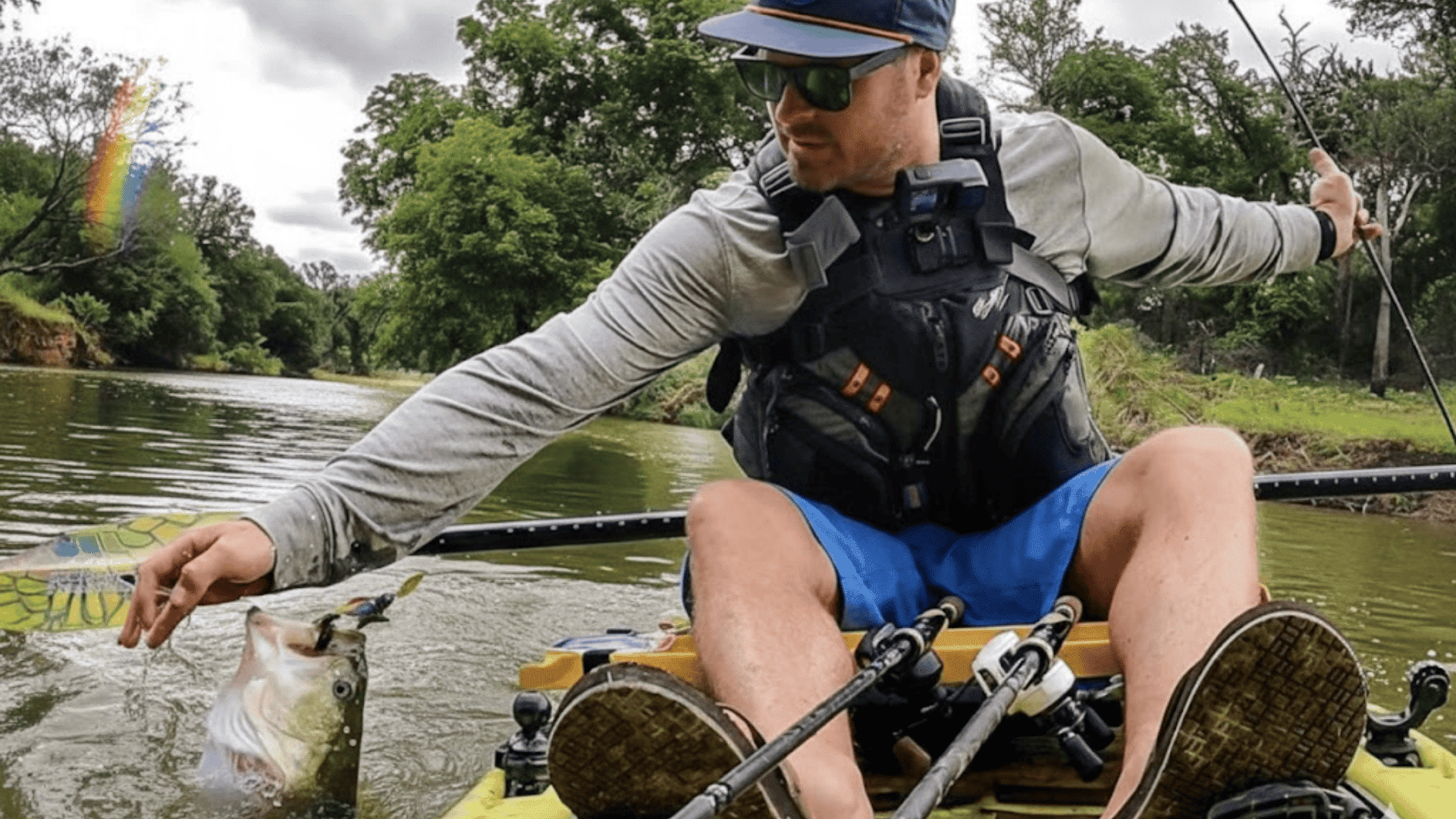
Kayak bass fishing has become a popular choice among anglers who enjoy spending time on the water, especially those who prefer a quiet, budget-friendly way to fish.
It’s a simple approach that feels easy to start, with just a kayak, some basic gear, and the willingness to paddle out to where the bass are hiding.
Many fishermen appreciate how straightforward it is. If they’re heading out for an early-morning trip, casting around lily pads, or just enjoying being close to nature, it’s simple to get started.
It’s designed for simple, rewarding experiences where catching fish and being outdoors matter most.
In this guide, I’ll show you everything you need to get started successfully.
What Is Kayak Bass Fishing?
Kayak bass fishing is catching bass from a kayak instead of from the shore or a big boat.
You paddle or pedal your kayak to good fishing spots, get into position, and cast your line where you think bass are hiding.
This approach differs from other fishing styles in important ways. Bank fishing keeps you stuck in one place with a limited casting range.
Bass boat fishing requires expensive equipment, trailers, and boat ramps. Boats are also loud and can scare fish.
Kayak fishing lets you sneak into shallow spots quietly. You can reach places under docks, around lily pads, and into narrow coves where big boats can’t go.
Bass scare easily and hide in cover like logs, weeds, and shade. Kayaks move silently, letting you get close without spooking them. You sit low to the water, making accurate casts into tight spots much easier.
What Do You Need for Kayak Bass Fishing?
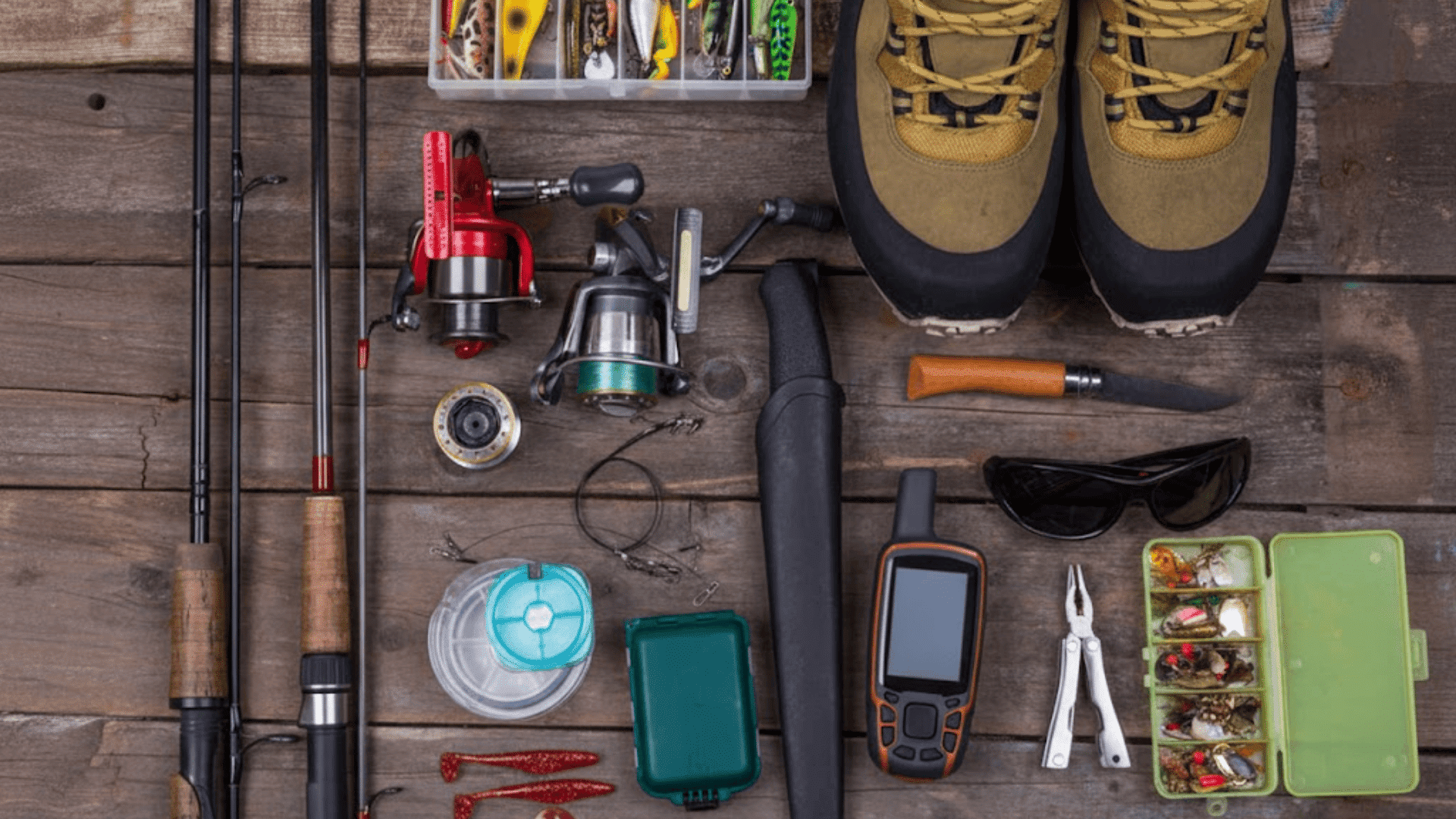
Getting started with kayak bass fishing doesn’t require tons of gear, but having the right equipment makes your time on the water safer and more productive.
1. Essential Gear
Get a sit-on-top fishing kayak that’s 10-12 feet long for good stability and storage space. You’ll need a paddle or pedal drive to move around.
Paddles are cheaper, while pedal drives free up your hands for fishing. A life jacket is required by law and should be high-back, designed for fishing.
Your rod-and-reel setup should include at least two medium-heavy rods, each around 7 feet long, rigged with different lures. Helpful additions include an anchor trolley to hold position, a tackle crate for storage, and a fish finder, if your budget allows.
2. Safety Equipment
Always attach a whistle to your life jacket for emergencies. Carry a waterproof light if you’ll be out at dawn or dusk.
Keep your phone in a dry bag so it stays protected but accessible if you need help.
Dress for the water temperature, not the air temperature. If you fall in, the water is what matters. In cooler months, wear layers or consider a wetsuit for added safety.
3. Tackle for Bass
Soft plastics like worms, creature baits, and stick baits work in almost any condition and should be your foundation.
Spinnerbaits create flash and vibration that attract bass in murky water or during active feeding times.
Crankbaits let you cover water quickly and bump structure where bass hide. Topwater lures like frogs and poppers are exciting to use when bass feed on the surface early in the morning or in the evening.
Start with a basic selection of each type in a few colors, then expand as you learn what works in your waters.
Choosing and Setting Up Your Kayak
The biggest decision new kayak anglers face is choosing the right kayak. Most fishing kayaks are sit-on-top designs, but they come in different styles and features.
Inflatable kayaks offer great portability; you can keep one in your car trunk and inflate it in minutes. They work well for casual fishing but offer fewer accessories and don’t track as straight as hard-shell models.
Hard-shell kayaks are better for regular bass anglers. Look for models with large stern storage, electronics compatibility, trolling motor mounts, and pedal drive options. Brands like Old Town, Hobie, and Perception make quality options.
For setup, add rod holders near your seat and in the stern to keep rods secure.
Mount your fish finder screen where you can see it without blocking your casting. Some anglers use anchors in shallow water, but they’re not required. Keep all accessories securely strapped down, especially batteries, to prevent shifting while paddling or fishing.
Mastering Kayak Bass Fishing: Launch to Catch
Fishing from a kayak takes a different approach than fishing from shore or a boat. Below is what I’ve learned about launching, positioning, casting, and finding bass from a kayak.
1. Launching and Positioning
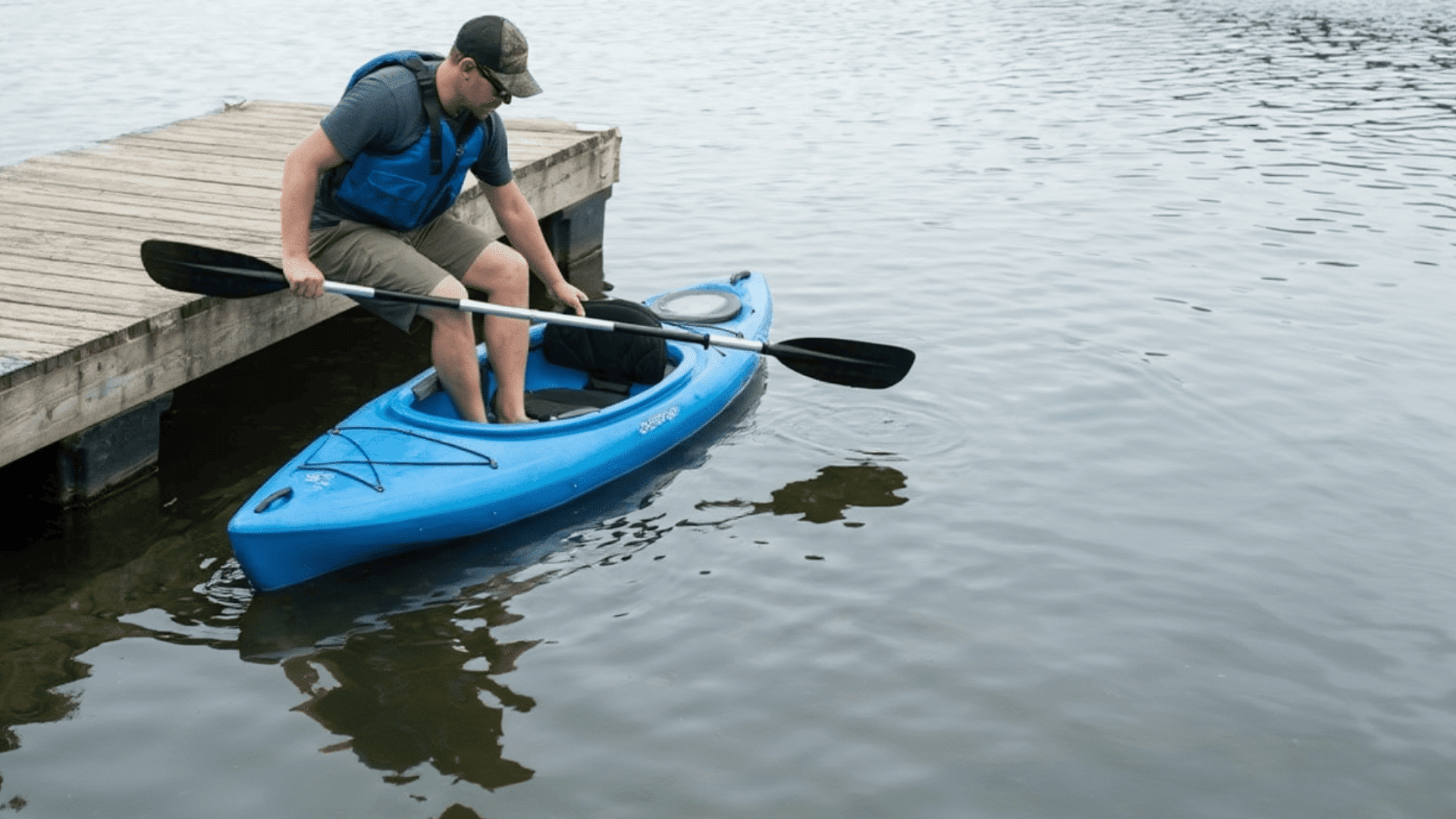
Launch your kayak from a gradual slope or a dock where you can safely enter the water without tipping. Sit down before pushing off, keep your weight centered, and use your paddle for balance as you get situated.
Once you’re on the water, stay stable by keeping your movements smooth and avoiding sudden shifts in weight.
Position your kayak so you can cast comfortably toward structure without the wind pushing you off course. Use an anchor or anchor trolley to hold your spot once you’ve found the right angle for casting.
2. Casting Techniques
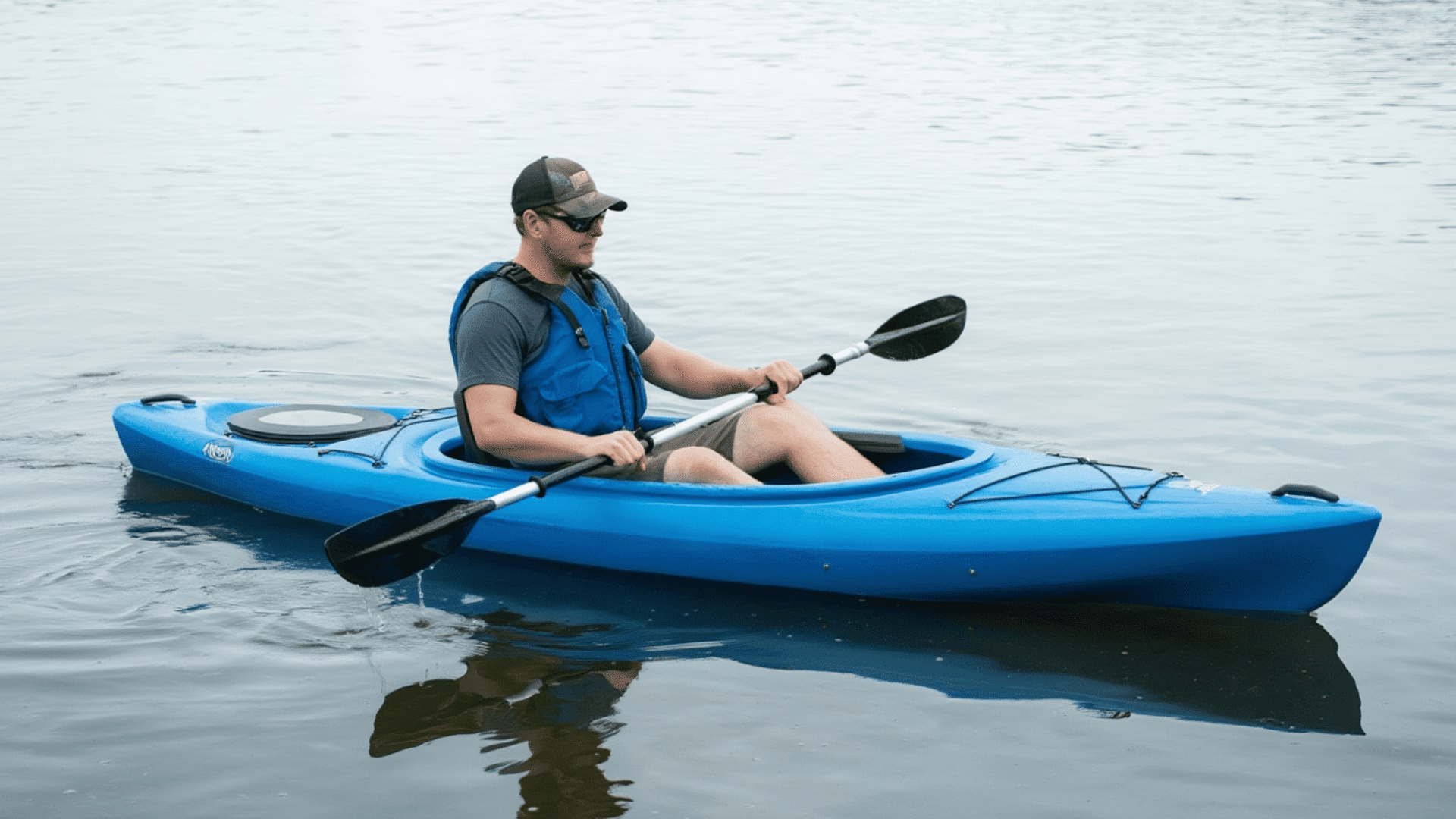
The sidearm cast works best when you’re seated low in a kayak because it keeps your lure under control and prevents high backcasts that can tangle.
For areas with low-hanging branches or tight spaces, use a roll cast that keeps your line low and controlled.
Approach fishing spots quietly by paddling gently and avoiding banging your paddle or gear against the kayak.
Bass spook easily, so the quieter you are, the closer you can get before they know you’re there. Practice casting at home while seated so you feel comfortable when you’re on the water.
3. Reading the Water
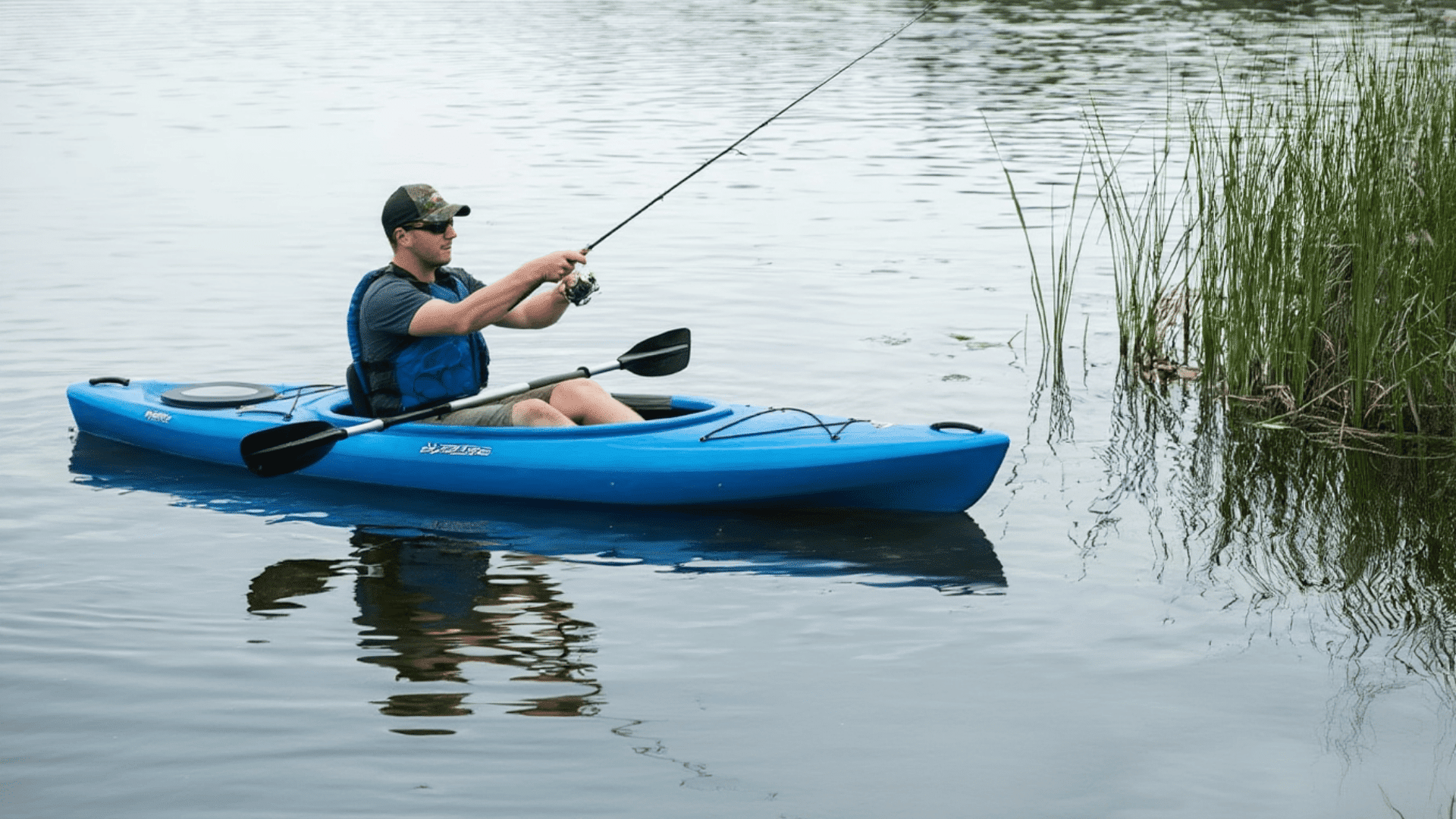
Look for bass-holding structure like grass lines, boat docks, submerged logs, and fallen trees where bass hide and ambush prey.
These areas provide shade and cover that bass need to feel safe while waiting for food to swim by.
In spring, bass move shallow to spawn, so focus on protected coves and shoreline areas with warmer water. During summer heat, they go deeper or find shade under docks and vegetation to stay cool. In the fall, bass feed heavily in shallow water, chasing baitfish, making them easier to locate and catch.
Tips & Tactics to Keep in Mind
After spending countless hours kayak fishing for bass, I’ve picked up some important lessons that make every trip safer and more successful. These lessons help you catch more fish while staying comfortable and secure on the water.
- Keep noise to a minimum: Avoid banging your paddle, dropping tackle boxes, or making sudden movements that create noise and vibrations in the water.
- Use an anchor trolley for positioning: This lets you adjust your kayak’s angle to face the wind or current, keeping you stable and in the perfect casting position.
- Always wear your life vest: Keep your PFD on at all times while on the water; accidents happen fast, and a vest could save your life.
- Use sonar to find fish: A fish finder helps you locate bass, identify underwater structure, and understand water depth without wasting time fishing empty water.
- Stay organized with minimal gear: Only bring what you need; too much gear makes your kayak cluttered, unstable, and harder to manage while fishing.
- Keep rods leashed to your kayak: Use rod leashes or bungee cords to secure your rods so they don’t fall overboard when you’re fighting fish or paddling.
- Learn to paddle with one hand: Practice steering and positioning your kayak with one hand while working lures or reeling in fish with the other.
Benefits of Kayak Bass Fishing
Kayak bass fishing combines affordability, fitness, and fishing success in one simple package that continues to grow in popularity. It has several advantages that make it appealing to both new and experienced anglers:
- Affordable entry cost: No need for expensive boats, trailers, fuel, insurance, or registration fees; just buy a kayak and go
- Quiet stealth approach: Move silently through water and get close to bass without spooking them with loud motors
- Access to hidden spots: Reach shallow coves, narrow channels, weed beds, and under docks where boats can’t go
- Great exercise and connection to nature: Paddling provides a solid workout, while sitting low on the water lets you experience fishing intimately
- Easy transport and storage: Fits on roof racks, in pickup beds, or garages without needing boat ramps or large storage space
- Low maintenance and environmentally friendly: No engine repairs or fuel emissions; just rinse and store after each trip
- Improves fishing skills: Forces you to read water better, cast accurately, and fight fish skillfully in limited space
- Solo-friendly and flexible: Perfect for peaceful solo trips or fishing with friends without coordinating boat schedules
Potential Factors to Consider Before You Start
Before you head out kayak bass fishing, think through these important factors to stay safe and have a successful trip:
| Factor | What to Consider |
|---|---|
| Water Conditions | Check current strength, water depth, and clarity before launching; fast current or very deep water can be dangerous for kayaks |
| Fishing Regulations | Get proper fishing licenses, know size and catch limits, and understand local rules for the water you’re fishing |
| Kayak Stability | Balance your need for storage space with stability; overloading makes your kayak tippy and unsafe |
| Personal Fitness | Be honest about how far you can paddle and how long you can stay out; start with shorter trips and build up endurance |
| Weather Patterns | Check forecasts for wind, storms, and temperature; wind direction affects where you can safely paddle and fish |
| Water Temperature | Cold water requires wetsuits or dry suits; falling in cold water can be life-threatening without proper clothing |
| Emergency Plan | Tell someone where you’re going and when you’ll return; know the nearest exit points if conditions change |
Wrapping Up
Kayak bass fishing is a fun, affordable way to catch fish and enjoy being outdoors. You don’t need a fancy boat, just a kayak, some basic gear, and a little practice.
Start simple. Get a stable kayak, wear your life vest, and bring a few lures.
Learn to stay quiet, cast into good spots, and look for where bass hide. Always check the weather and tell someone where you’re going.
The best way to learn is just doing it. Pick a calm day, find a nearby lake, and go fishing. You’ll get better every trip.
Caught your first bass from a kayak? Share your experience below, we’d love to hear about it!