
White water rafting looks exciting, with crashing waves, fast-moving water, and teamwork that makes you feel like a real adventurer.
But before jumping in, many people stop to think: Is White water rafting dangerous? The truth is that rafting can be both thrilling and safe when you understand the risks and know how to handle them.
Rafting companies train guides to read the river, choose the safest paths, and teach beginners what to do in every situation.
With proper gear like helmets and life jackets, most people feel more protected than they expected. Still, it helps to know what challenges you might face, from strong currents to unexpected bumps.
What Is White Water Rafting?
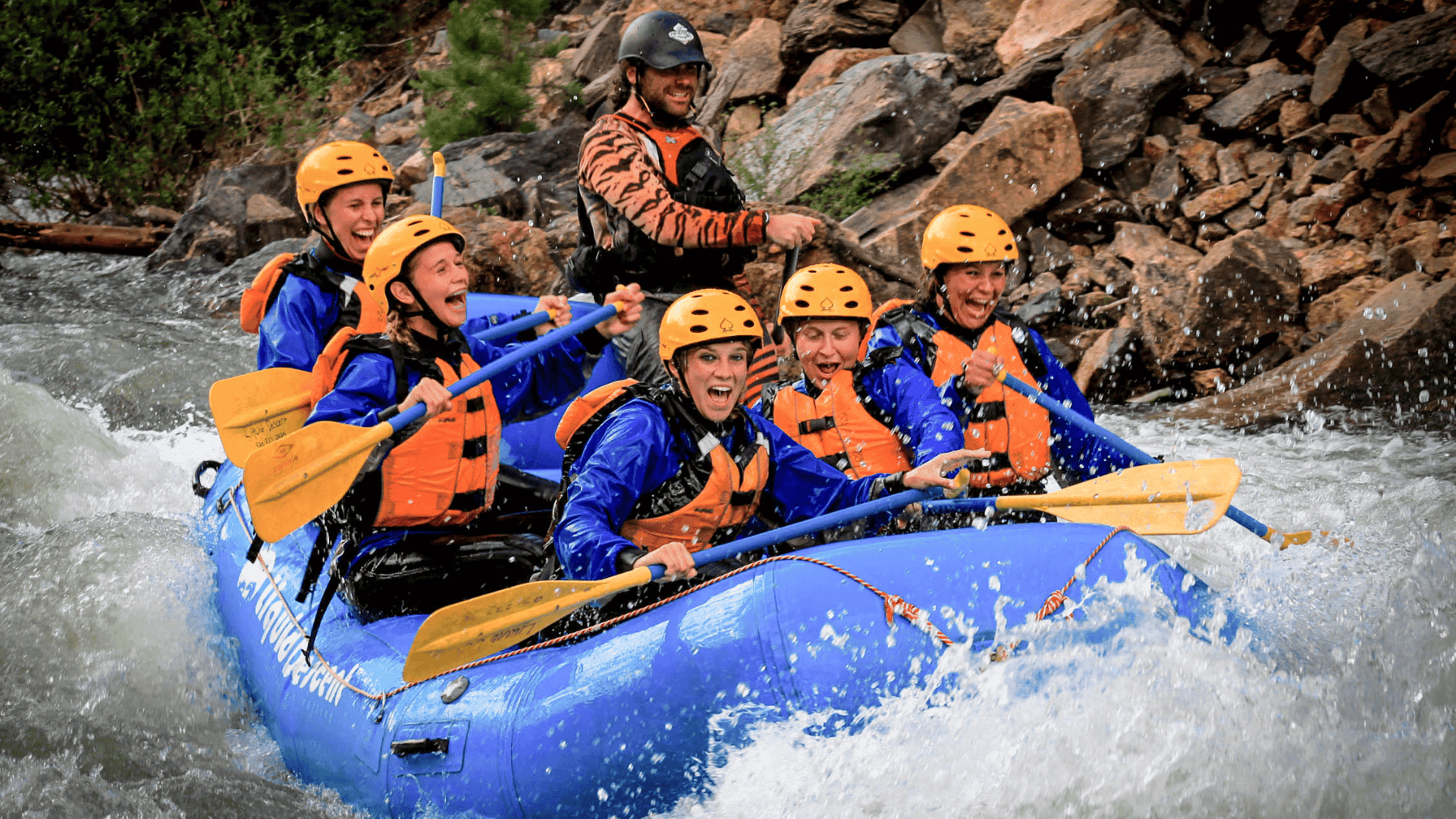
White-water rafting is an outdoor sport in which a group of people ride an inflatable raft down a river with fast-moving water.
The “white water” part comes from the bubbly, foamy waves that form when the river rushes over rocks and drops. These waves can make the ride feel bumpy, splashy, and full of surprises.
People paddle together to help guide the raft, while a trained guide usually sits in the back giving directions. Some rivers have calm sections that feel peaceful and gentle, while others have stronger rapids that require more skill.
Different rapids are rated from easy to very difficult, so beginners don’t have to start with anything too intense.
Understanding what rafting really involves is the first step in deciding how safe it feels and what level of challenge is right for you.
What Makes White Water Rafting Seem Dangerous?
At first glance, rafting can look a little intimidating. The loud rushing water, sharp turns, and splashy waves can make anyone wonder how safe the experience really is.
Below are the main reasons it seems dangerous, along with simple explanations to help you understand what’s really happening on the river.
1. Fast-Moving Currents
Rivers with strong currents can push the raft forward very quickly. This speed can make the raft feel harder to steer, especially when turning or trying to avoid obstacles.
Even though it looks wild, trained guides know how to use the current to keep the raft on the safest path.
2. Rocks and Drops
Rapids form when water moves over rocks or sudden dips in the river. These create bumps, splashes, and twists that can feel unpredictable.
While it might sound risky, most rafting trips map out these areas in advance so the guide knows exactly how to approach each rapid safely.
3. Chance of Falling Out
There is always a slight chance someone could fall out of the raft during a rapid. Waves can hit from different angles, and the raft might jerk suddenly.
But rafters wear helmets and life jackets, and guides teach everyone what to do if they end up in the water. Most people who fall out are safely pulled back into the raft within seconds.
4. Unpredictable Nature
Rivers can change depending on the weather, the season, and even how much snow melts in the mountains. Heavy rain can speed up the water, and drought can slow it down.
This is why rafting companies check conditions every day and choose routes that fit the safest levels for their groups.
Even though these things make rafting look dangerous, the level of actual risk is very different from what it seems. With trained guides, proper gear, and the right difficulty level, rafting becomes an exciting activity that many beginners enjoy safely.
Swimmers vs. Non-Swimmers: Who Should Go White Water Rafting?
Before signing up for a rafting trip, many people wonder if they need to know how to swim. The good news is that both swimmers and non-swimmers can enjoy white-water rafting when the proper safety measures are in place.
| Group | Can They Go Rafting? | Why or Why Not? | Best Conditions for Them |
|---|---|---|---|
| Swimmers | Yes | Swimming skills give extra confidence if they fall into the water. They feel more comfortable staying calm in fast currents. | Great for all rapid levels, but especially helpful on moderate or slightly stronger rapids. |
| Non-Swimmers | Yes, with caution | Life jackets keep them floating, and guides teach clear safety steps. Many non-swimmers raft each year safely. | Best on beginner-friendly rivers with gentle to medium rapids and a highly experienced guide. |
Precautions to Take for Making Rafting Safer
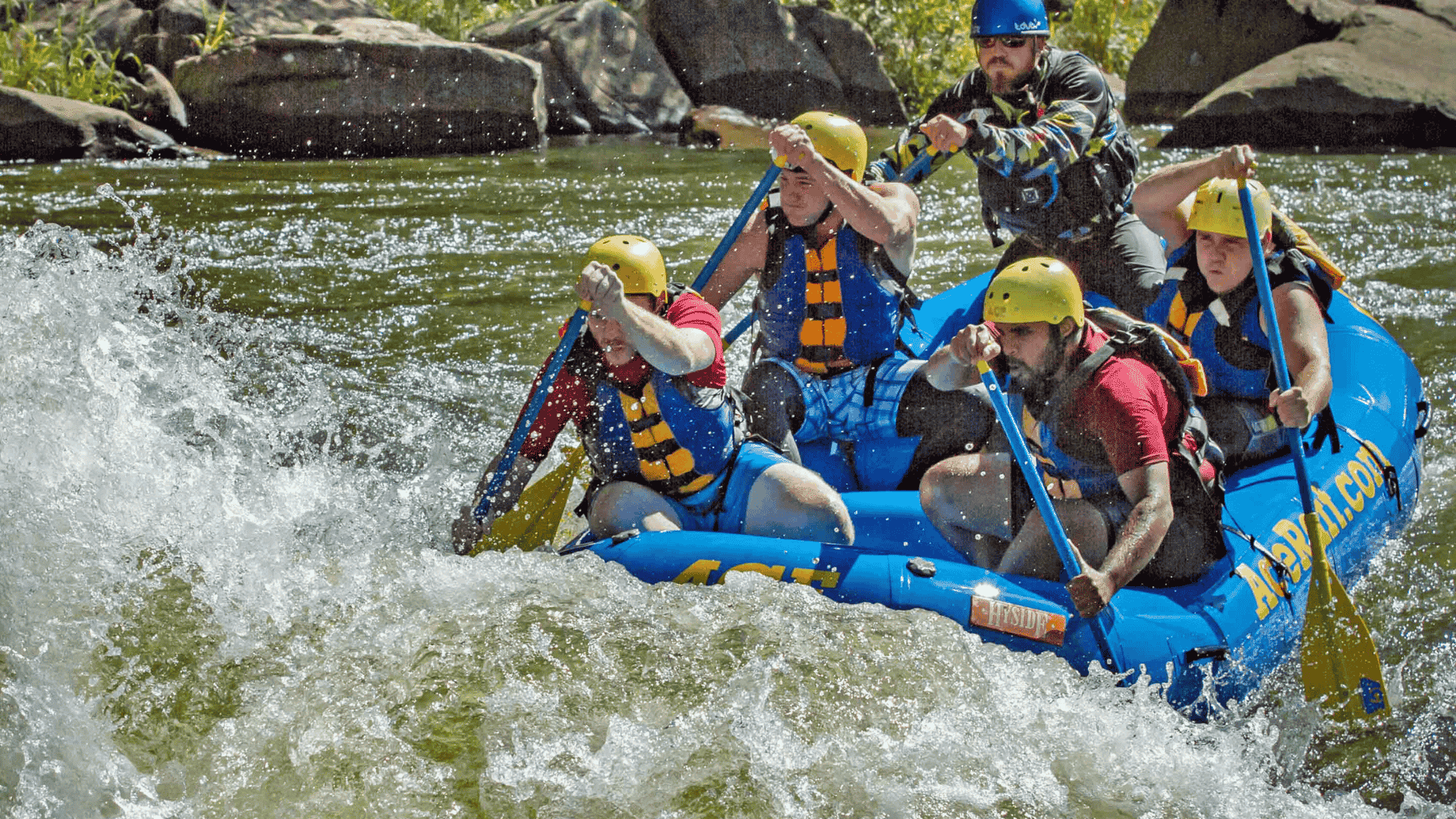
Even though white water rafting can look intense, a few smart precautions can make the whole experience much safer and more comfortable. These steps help beginners feel confident and give guides what they need to keep the group protected.
1. Wear the Right Safety Gear
Your life jacket and helmet are the two most important pieces of equipment you’ll use on the river. A well-fitted life jacket keeps you floating easily, even if you fall into fast water.
The helmet protects your head from bumps or unexpected hits. When both pieces fit snugly, they provide a strong layer of protection and help you relax, so you can enjoy the ride.
2. Follow Your Guide’s Instructions Closely
Guides are trained to understand every part of the river where it speeds up, where it slows down, and where the raft needs extra control.
Listening closely to their directions can prevent most problems before they happen. They’ll show you how to sit, how to paddle as a team, and how to stay calm during big splashes.
The more you follow their lead, the smoother and safer the trip becomes for everyone in the raft.
3. Choose the Right Difficulty Level
Rivers are divided into classes, from gentle Class I sections to challenging Class V rapids. Starting with easier rapids is one of the best ways to stay safe.
It allows beginners to understand how the raft moves, practice teamwork, and learn what rapids feel like without overwhelming pressure.
Choosing a level that matches your comfort helps you enjoy the adventure without putting yourself at unnecessary risk.
4. Dress for the Water and Weather
Cold water can shock your body, and sudden temperature changes can make you uncomfortable or distracted.
Wearing quick-dry clothing, a wetsuit, or layers designed for water sports keeps you warm and steady throughout the trip. Staying dry and comfortable helps you focus better during the ride.
5. Stay Calm During Surprises
Rafting will always have moments you don’t expect, such as a sudden splash, a quick turn, or a jump in the raft. Staying calm is a massive part of staying safe.
When you keep a clear mind, it’s easier to hear your guide, adjust your balance, and avoid panic. Most unexpected moments last only a few seconds, and staying calm helps you handle them smoothly.
Who Should Avoid White Water Rafting?
Even though white water rafting can be safe for many people, certain groups may want to skip this activity or consult a doctor for their own well-being. Rafting involves strong movement, sudden bumps, cold water, and quick reactions, so it’s essential to know if it’s the right choice for you.
- People with heart problems:The strong movement and excitement can place too much stress on the heart; approximately 25-30% of rare guided rafting fatalities involve cardiac issues.
- Anyone with severe back, neck, or spine issues: The bumps and sudden twists of the raft may make these conditions worse.
- People recovering from surgery or injuries: Rapid motion and paddling might slow healing or cause more pain.
- Children under 5-7 years (varies by outfitter and river): Younger kids may lack the size, strength, or ability to follow instructions and hold on during rapids; Varies widely by outfitter and river; typically 5–7+ for easy floats, but 7–12+ for beginner Class II-III rapids.”
- People with an extreme fear of water or panic attacks: Fast water and sudden splashes can trigger anxiety and make it hard to stay safe.
- Those sensitive to motion sickness: The constant bouncing and turning may feel uncomfortable or overwhelming.
Final Thoughts
You might think that White water rafting is dangerous from the outside, but once you understand the risks, safety steps, and the kind of people it’s best suited for, the whole activity becomes much clearer.
With trained guides, the right gear, and smart choices, many beginners enjoy rafting safely every year. It’s an adventure that challenges you, teaches teamwork, and brings excitement you can’t get from everyday life.
If you feel prepared and confident in your decision, rafting can be an unforgettable way to experience the power and beauty of the river.
It also gives you a chance to step outside your comfort zone in a controlled and supportive environment. For many people, the memories made on the water end up being some of their favorite moments outdoors.
Frequently Asked Questions
Do You Need Special Training Before Your First Rafting Trip?
No special training is required. Most rafting companies give a short safety talk before the trip to teach you how to sit, paddle, and respond to commands.
Are There Weight Limits for Rafting?
Some companies do have weight limits, mainly for safety gear like life jackets and proper seating in the raft. It’s a good idea to check with the company ahead of time, typically max: 250–375 lbs for proper life jacket fit and raft stability
Is Rafting Only Available in Mountain Areas?
Not at all. Rafting happens in many places, such as mountain rivers, broad valleys, and even some flatter regions with man-made rapids. You can often find a trip closer to home than you’d expect.