
Ever wondered what really happens when divers descend into the deep blue?
Is scuba diving dangerous? It’s a fair question. The ocean is unpredictable, and breathing underwater isn’t exactly natural for humans.
Equipment malfunctions, marine life encounters, and pressure changes are among the risks that exist. But here’s what’s interesting: thousands of people dive safely every single day.
The difference between a safe dive and a risky one comes down to preparation and knowledge. I’ve learned that understanding the actual dangers makes diving safer, not scarier.
Let’s separate the myths from the facts and explore what really keeps divers safe beneath the waves.
How Dangerous Is Scuba Diving Compared to Other Activities
Is scuba diving dangerous compared to other activities? The statistics might surprise you. Scuba diving records about1.8 deaths per million recreational dives, roughly the same risk as swimming or jogging.
Most dive-related injuries result from poor training or ignoring safety rules. The sport itself isn’t inherently dangerous when done correctly.
| Activity | Estimated Average Annual ER Admissions (U.S.) | Fatality Rate |
|---|---|---|
| Scuba Diving | Approximately 1,000-1,400 diving-related injuries | 1-2 deaths per 1 million dives |
| Basketball | Over 500,000 injuries requiring emergency treatment | Very low fatality rate |
| Cycling | Around 450,000 bicycle-related ER visits annually | 2 deaths per 1 million hours |
| Football | More than 400,000 emergency room admissions yearly | 1-2 deaths per 100,000 players |
| Soccer | Approximately 200,000 injuries were treated in hospitals | Very low fatality rate |
| Swimming/Pool Activities | Around 20,000 emergency visits per year | 6 deaths per 1 million swimmers |
| Horseback Riding | Approximately 70,000 ER admissions annually | 1 death per 10,000 riders |
Key Dangers in Scuba Diving
Understanding the actual risks helps divers stay safe underwater. Whether scuba diving is dangerous or not depends on preparation; certain hazards exist regardless of experience level. These dangers range from equipment issues to natural body responses under pressure.
1. Decompression Sickness (The Bends)
Rising too quickly causes nitrogen bubbles to form in your bloodstream. This condition, called decompression sickness, creates joint pain, dizziness, and breathing problems.
Severe cases can lead to paralysis or death. The solution? Follow dive tables and ascend slowly, no faster than 30 feet per minute. Safety stops at 15 feet for 3-5 minutes to help nitrogen release safely from your body.
2. Nitrogen Narcosis
Diving below 100 feet can make you feel drunk underwater. Nitrogen narcosis affects judgment and coordination, causing divers to make dangerous decisions. Symptoms include confusion, euphoria, and slow reactions.
The deeper you go, the stronger the effect becomes. Staying above recreational depth limits and ascending immediately when symptoms appear keeps this risk manageable.
3. Equipment Failure
Regulators, tanks, and gauges can malfunction without warning. A stuck regulator might deliver too much air or stop working completely. A low battery in a dive computer leaves you without crucial information.
Regular equipment servicing and pre-dive checks catch most problems before entering the water. Always carry backup equipment and know emergency procedures for gear failure situations.
4. Barotrauma (Pressure Injuries)
Water pressure increases with depth, affecting air spaces in your body. Ear and sinus squeeze happens when pressure isn’t equalized properly. Lung overexpansion injuries occur if you hold your breath while ascending.
These injuries cause severe pain and potential permanent damage. Equalizing frequently during descent and breathing continuously during ascent prevent most pressure-related injuries.
5. Drowning and Loss of Consciousness
Running out of air or losing consciousness underwater leads to drowning risk. Equipment problems, medical conditions, or panic can cause blackouts beneath the surface.
Water entering the lungs happens quickly once breathing stops. Monitoring air supply constantly and surfacing with reserve air prevents running out. Buddy systems ensure someone notices if you lose consciousness and can provide immediate rescue assistance.
6. Cardiac Events
The physical demands of diving can trigger heart attacks or strokes, especially in older divers. Cold water, heavy equipment, and exertion increase cardiovascular stress significantly. Pre-existing heart conditions make diving particularly risky without medical clearance.
Annual health checkups and honest assessment of fitness levels protect against cardiac emergencies. Never dive if feeling unwell or experiencing chest discomfort beforehand.
7. Marine Life Encounters
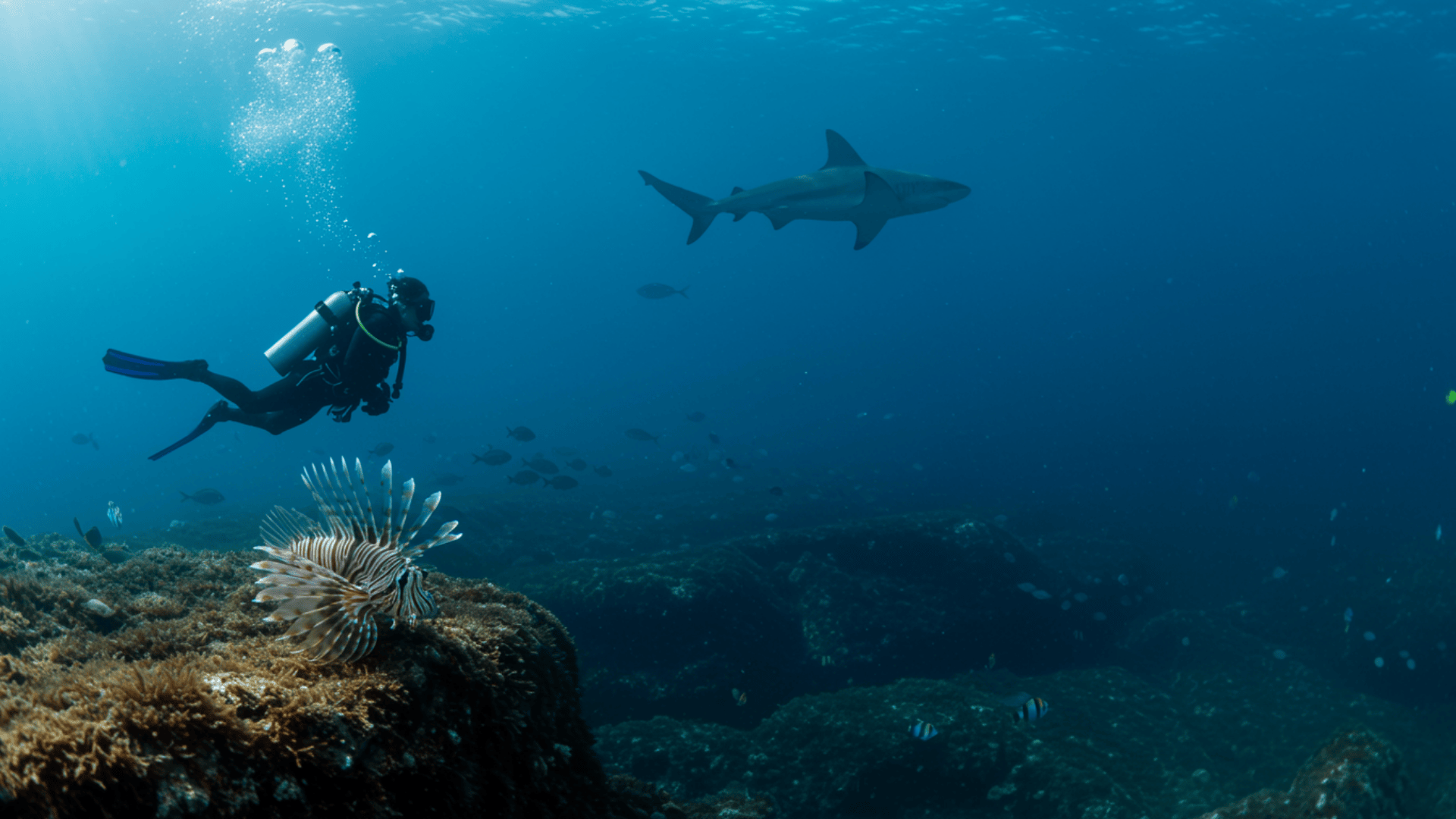
Sharks, jellyfish, and sea urchins share the underwater world with divers. Most marine animals won’t attack unless threatened or provoked. Venomous creatures like lionfish and stonefish cause painful stings requiring medical attention.
The biggest mistake? Touching or cornering animals out of curiosity. Maintaining distance and respecting marine life eliminates most dangerous encounters completely.
8. Environmental Hazards
Strong currents, murky water, and underwater caves create navigation challenges that disorient even experienced divers. Poor visibility makes it easy to lose your buddy or boat. Entanglement in fishing nets or kelp forests can trap divers underwater.
Cold water causes hypothermia, reducing coordination and thinking ability. Checking weather conditions, avoiding overhead environments, and diving familiar sites reduces environmental risks significantly.
9. Panic and Poor Judgment
Fear underwater leads to rushed decisions and forgotten training. Panic causes rapid breathing, wasting air, and increasing carbon dioxide levels. Divers might shoot to the surface or remove equipment in confusion.
Poor planning, like diving in bad weather or beyond skill level, creates preventable emergencies. Staying calm, following training protocols, and diving within your limits prevents panic-related accidents.
These dangers sound serious, but they’re all preventable with proper training and smart decisions. Knowing what can go wrong is the first step to making sure it doesn’t. The key is respecting the ocean and never cutting corners on safety procedures.
Advanced Diving Conditions That Require Extra Caution
Not all dives carry the same level of risk. Certain conditions and environments make scuba diving a more serious question. These scenarios demand extra training, specialized equipment, and heightened awareness.
| Diving Scenario | Why It’s More Dangerous | Key Risk Factors |
|---|---|---|
| Night Diving | Limited visibility makes navigation harder and emergencies difficult to spot | Disorientation, losing buddy, marine life activity increases |
| Deep Diving (100+ feet) | Nitrogen narcosis intensifies; less time before decompression is required | Faster air consumption, shorter bottom time, greater pressure effects |
| Cave/Wreck Diving | Overhead environments eliminate direct surface access if problems occur | Entanglement, silt-outs blocking visibility, and getting lost in confined spaces |
| Cold Water Diving | Hypothermia affects thinking and coordination quickly | Equipment freezing, reduced dexterity, faster air consumption rate |
| Strong Current Diving | Fighting currents exhausts divers and separates buddy teams easily | Increased air use, swept away from the boat, and physical exhaustion |
Essential Safety Skills Every Diver Must Practice
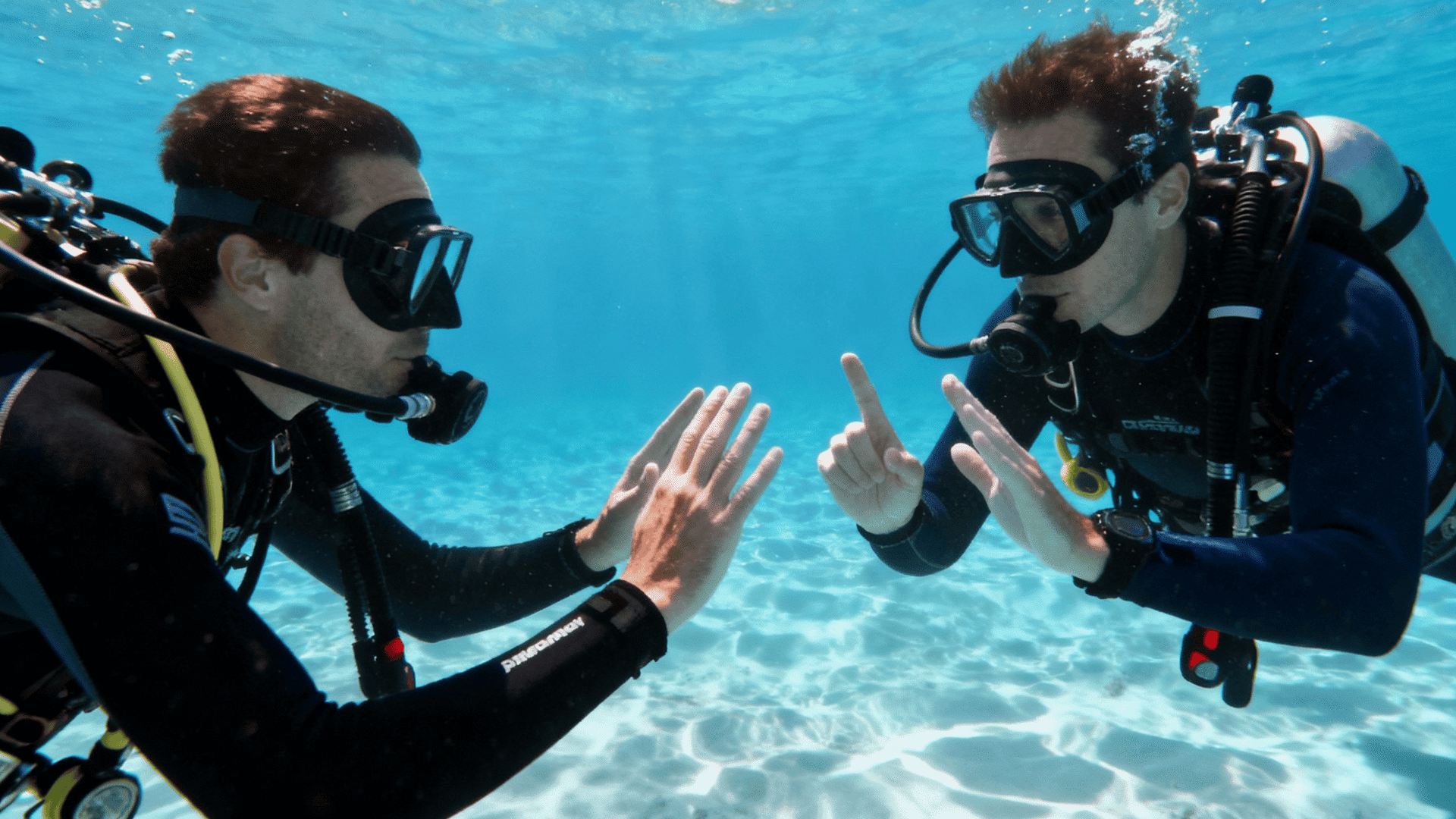
When asking if scuba diving is dangerous, the answer often depends on emergency readiness. Knowing what to do when things go wrong can save your life or your buddy’s. Preparation separates safe divers from statistics.
- Master emergency ascents and alternate air sources: Practice sharing air with your buddy regularly. Know how to perform controlled emergency swimming ascents. Keep your alternate regulator accessible at all times.
- Carry surface signaling devices always: Pack a safety sausage, whistle, and dive light on every trip. Deploy your signal immediately when surfacing away from the boat.
- Learn basic first aid and CPR: Oxygen administration training saves lives in diving emergencies. Know how to recognize decompression sickness symptoms. Keep emergency contact numbers readily available.
- Plan your dive and dive your plan: Calculate no-decompression limits before entering water. Always surface with at least 500 PSI reserve air. Never exceed certification depth limits.
- Establish clear buddy communication signals: Review hand signals before each dive. Agree on emergency procedures if separated. Check in with your buddy every few minutes underwater.
Who Should Avoid Scuba Diving
Is scuba diving dangerous for people with certain health conditions? Absolutely. Some medical issues make diving life-threatening, not just risky. Underwater pressure and physical demands can turn manageable conditions into deadly emergencies. Here’s who should stay on the boat.
- Heart disease or previous heart attacks: Diving increases cardiovascular stress significantly. Heart problems can cause sudden death underwater, where rescue is difficult.
- Asthma and chronic lung conditions: Air trapping during ascent causes lung rupture. Breathing restrictions underwater create dangerous carbon dioxide buildup.
- Epilepsy and seizure disorders: Losing consciousness underwater means drowning. Seizures prevent keeping your regulator in place.
- Severe ear or sinus problems: Inability to equalize pressure causes severe pain and barotrauma. Ruptured eardrums lead to disorientation underwater.
- Pregnancy at any stage: Decompression sickness affects the developing baby. No safe diving depth exists during pregnancy.
Myths About Scuba Diving You Should Stop Believing
Many people avoid diving because of false beliefs about danger. Movies and media create unrealistic fears that make scuba diving seem worse than reality. Separating fact from fiction helps you understand the actual risks involved.
| Myth | Reality |
|---|---|
| Sharks actively hunt divers | Shark attacks on divers are extremely rare. Most sharks avoid humans completely. Statistically, you’re safer underwater with sharks than driving to the dive site. |
| You need to be an Olympic swimmer | Basic swimming ability is enough. Diving gear does the work. You move slowly underwater and can rest anytime. Fitness matters more than speed. |
| Running out of air means instant death | Multiple safety measures exist. Buddy breathing, emergency ascents, and air monitoring prevent this scenario. Proper training teaches solutions for low-air situations. |
| The ocean will crush you at depth | Your body handles pressure naturally because it’s mostly water. Recreational diving depths (60-130 feet) are completely safe with proper techniques and equipment. |
| Diving alone is a death sentence | Solo diving with proper training and redundant equipment is practiced safely. However, buddy diving provides extra security and remains the recommended standard for most. |
Safety Tips Every Diver Should Follow Underwater
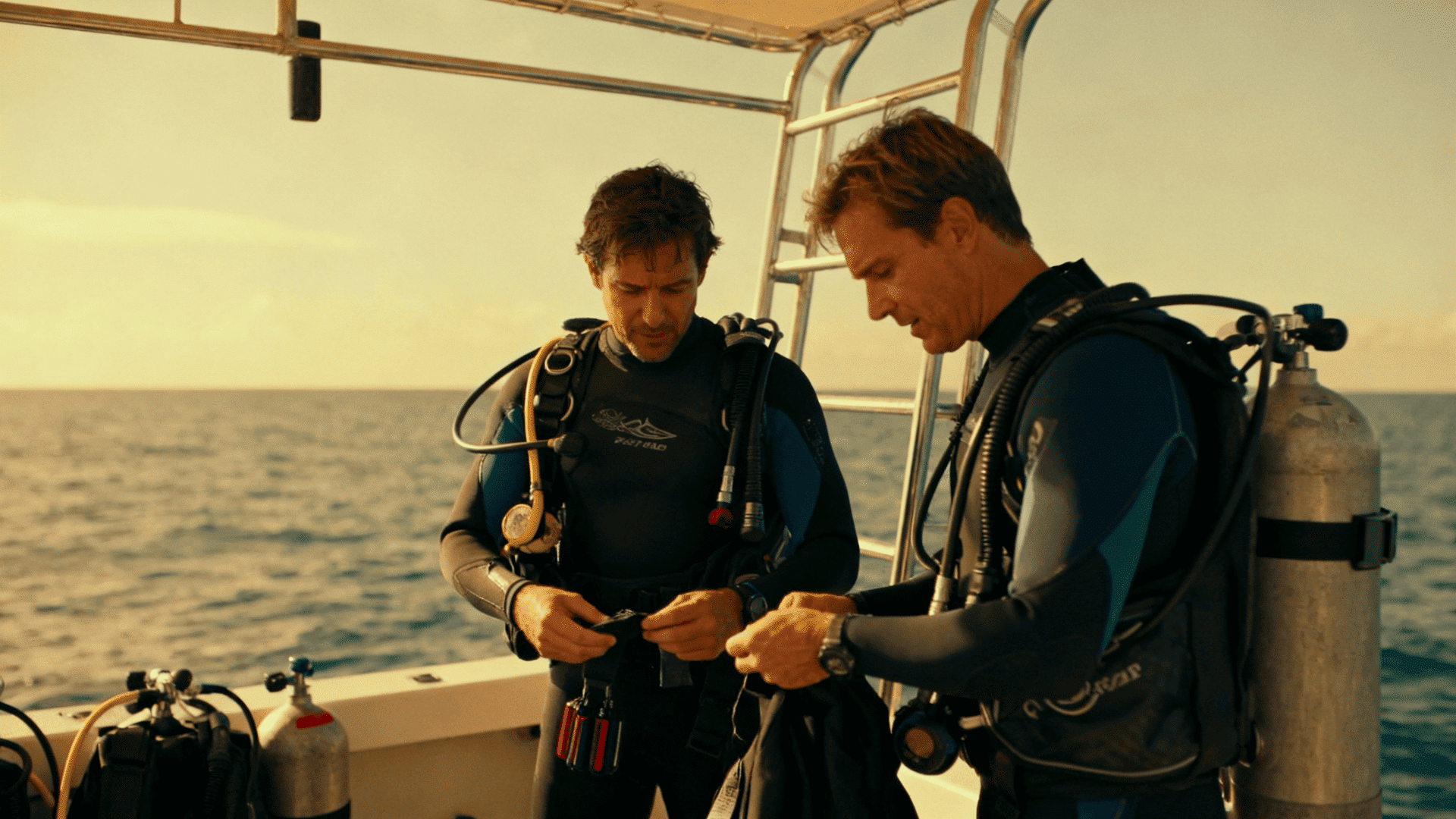
So, is scuba diving dangerous if you follow the rules? Not really. Most accidents happen because divers skip basic safety steps. Simple prevention strategies dramatically reduce risks and keep dives enjoyable.
- Get proper certification and never skip refresher courses: Complete training from recognized organizations like PADI or SSI. Take refresher courses if you haven’t dived in six months.
- Always dive with a buddy and stay close: Never separate more than arm’s length apart. Establish communication before entering the water. Your buddy is your lifeline during emergencies.
- Inspect equipment thoroughly before every dive: Check regulator function, tank pressure, and BCD inflation. Replace worn o-rings and hoses immediately. Faulty gear causes preventable accidents.
- Respect your limits and don’t push boundaries: Stay within certification depth limits. Surface when air reaches 700 PSI. Skip dives if weather conditions deteriorate.
- Complete a pre-dive safety check every single time: Use the BWRAF checklist: BCD, Weights, Releases, Air, Final check. This five-step routine catches problems before they become emergencies.
Summing It Up
Is scuba diving dangerous? It can be, but only when divers ignore training, skip safety checks, or push beyond their limits. The underwater world doesn’t have to be frightening.
Knowledge, preparation, and respect for the ocean change diving from risky to remarkably safe. Every danger mentioned here has a proven prevention method. From equipment checks to buddy systems, these simple steps protect thousands of divers daily.
The statistics prove it: properly trained divers rarely face serious problems. I’ve shown you the real risks and exactly how to avoid them.
Now it’s your decision. Ready to dive safely? Start by getting certified through a reputable organization, invest in quality equipment, and never dive alone.