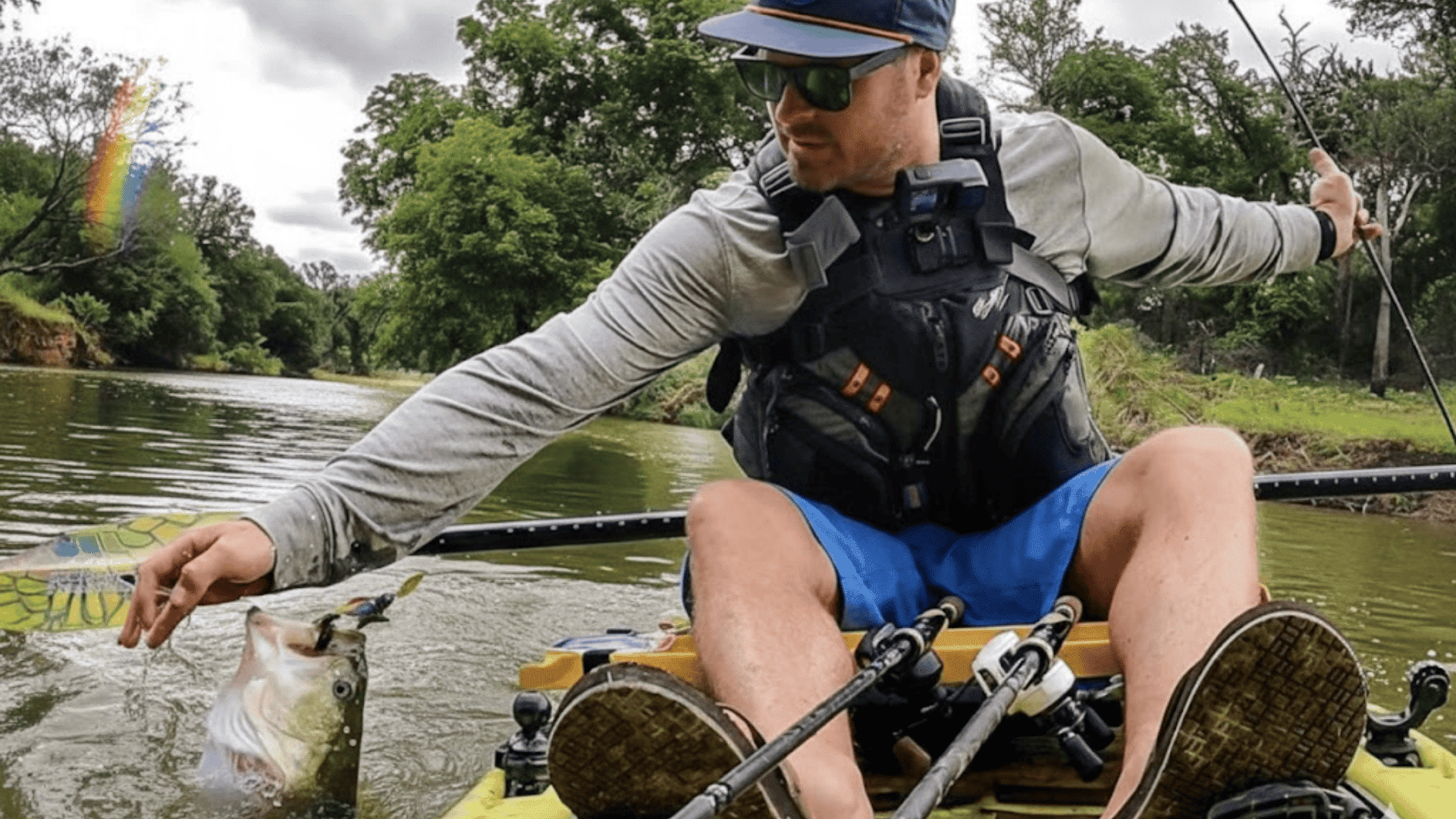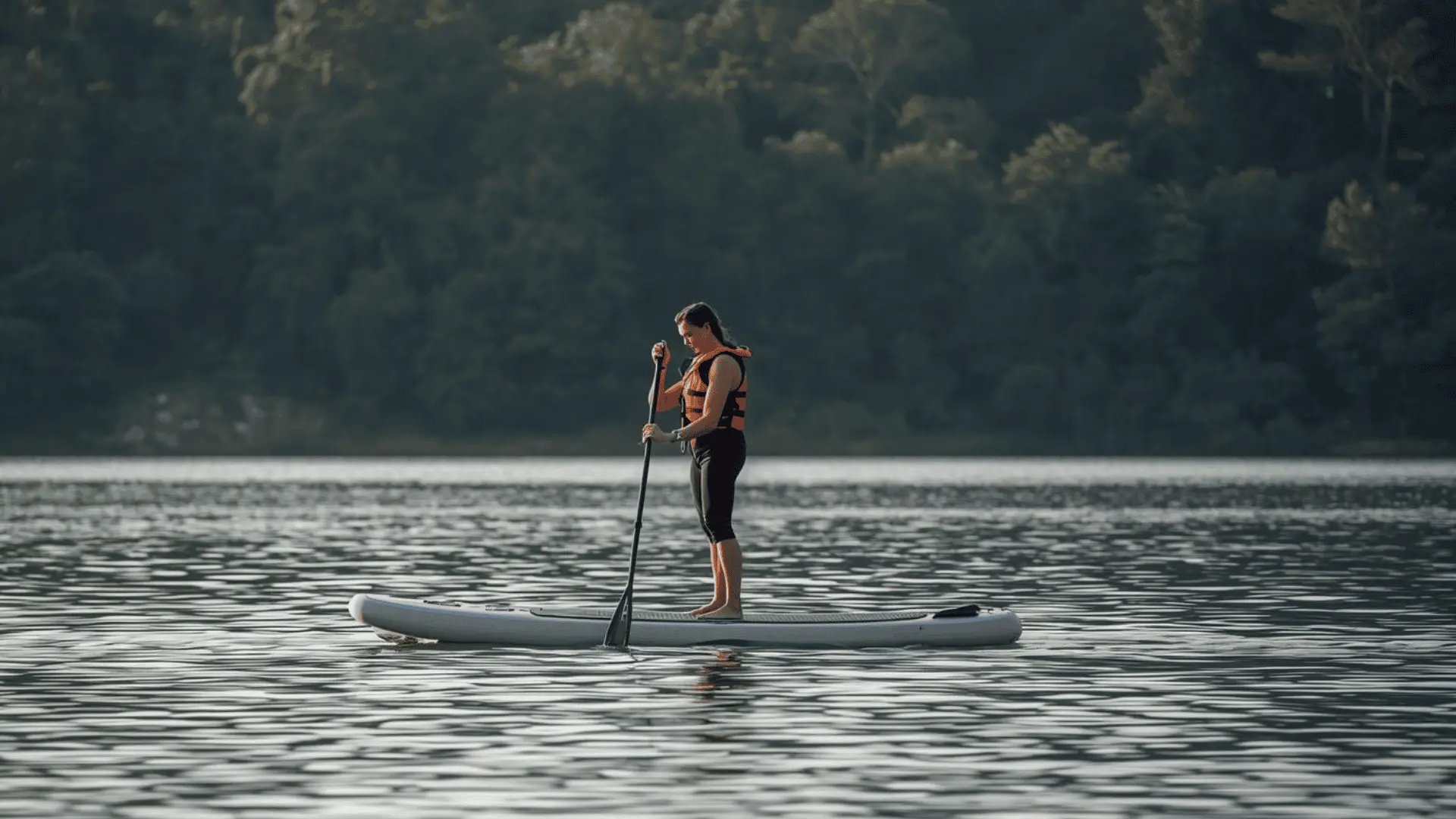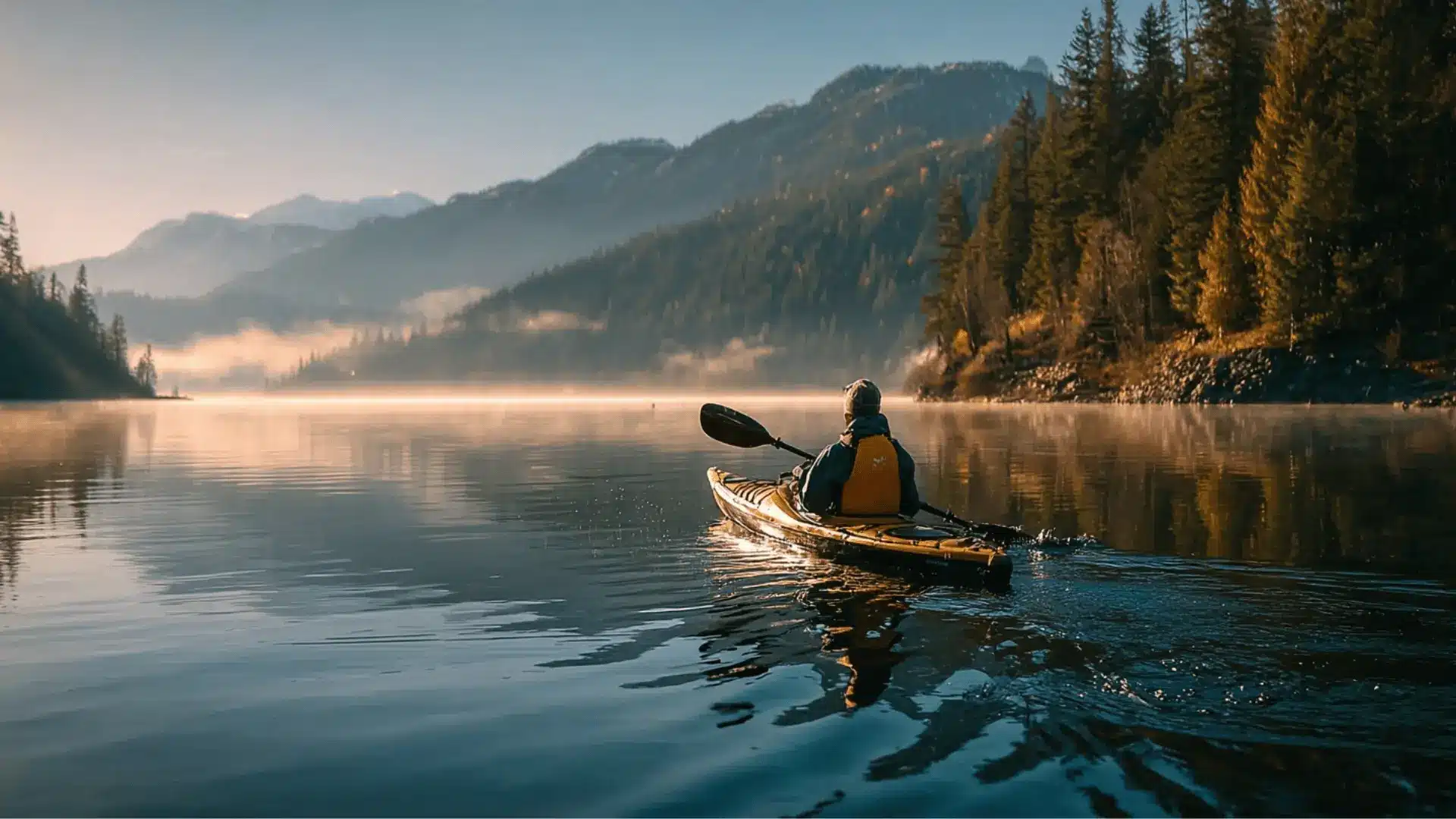

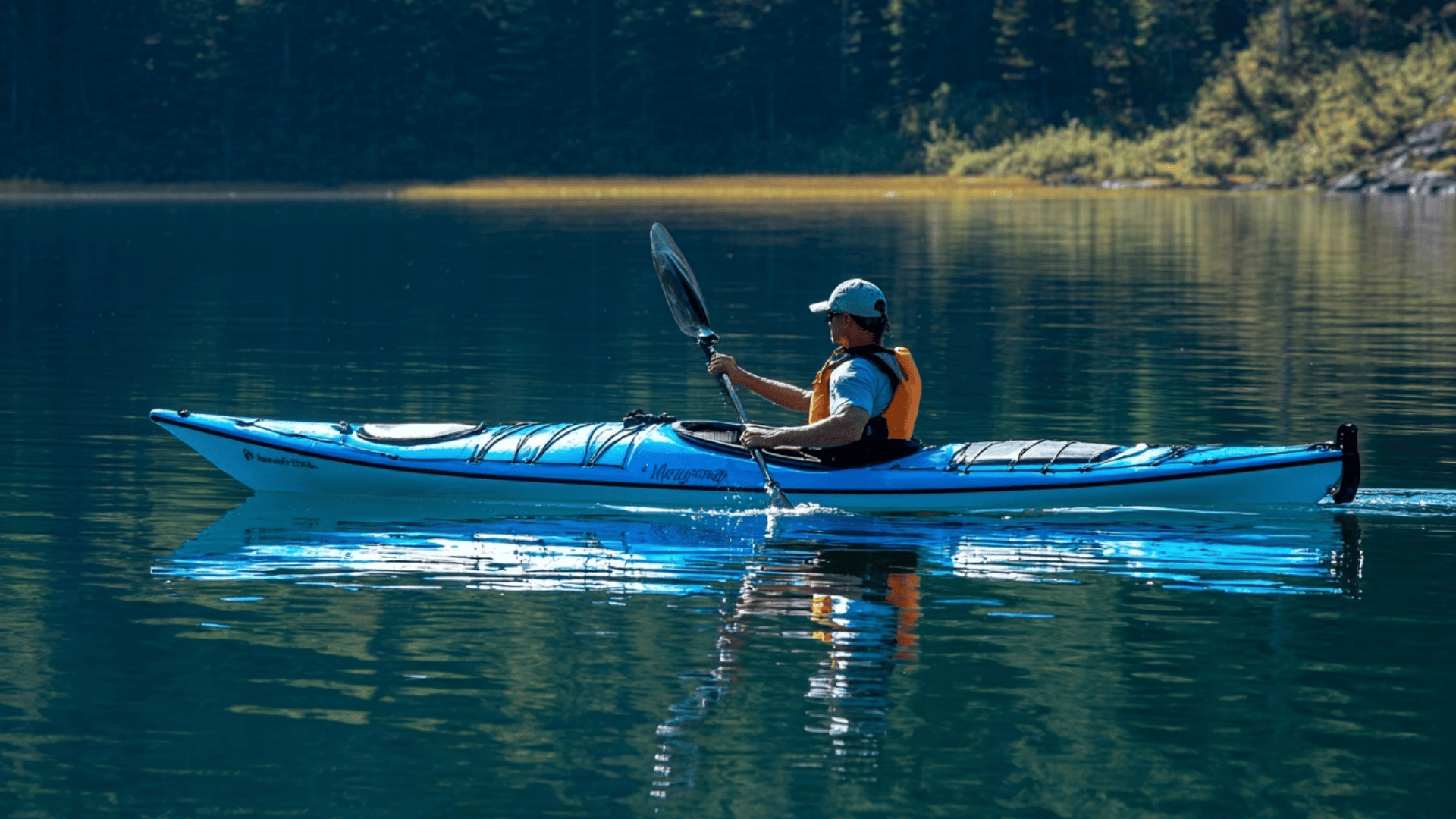
There’s something instantly calming about drifting across open water, feeling gentle movement beneath you, and hearing nothing but the splash of each stroke.
It’s a moment that pulls you away from noise, screens, and busy routines, letting you slow down and enjoy the simplicity of being outside.
As you move along the surface, the water responds to every small motion, creating a rhythm that feels both natural and refreshing.
The more time you spend out there, the easier it becomes to relax into the motion and enjoy the experience for what it is: a peaceful escape, a quiet challenge, and a chance to connect with the outdoors.
Why Proper Technique Matters
Taking a moment to learn proper technique makes paddling smoother, safer, and far more efficient.
Good form reduces strain on your shoulders, wrists, and lower back by shifting the effort from your arms to your core.
It also improves control, helping your kayak stay on course instead of drifting off to one side.
With better alignment and cleaner strokes, more of your energy turns into forward movement rather than wasted effort.
This makes long outings feel easier and less tiring. As your control improves, your confidence on the water grows, allowing you to relax, handle changing conditions, and enjoy the experience more fully.
How to Hold a Kayak Paddle & Core Paddling Techniques
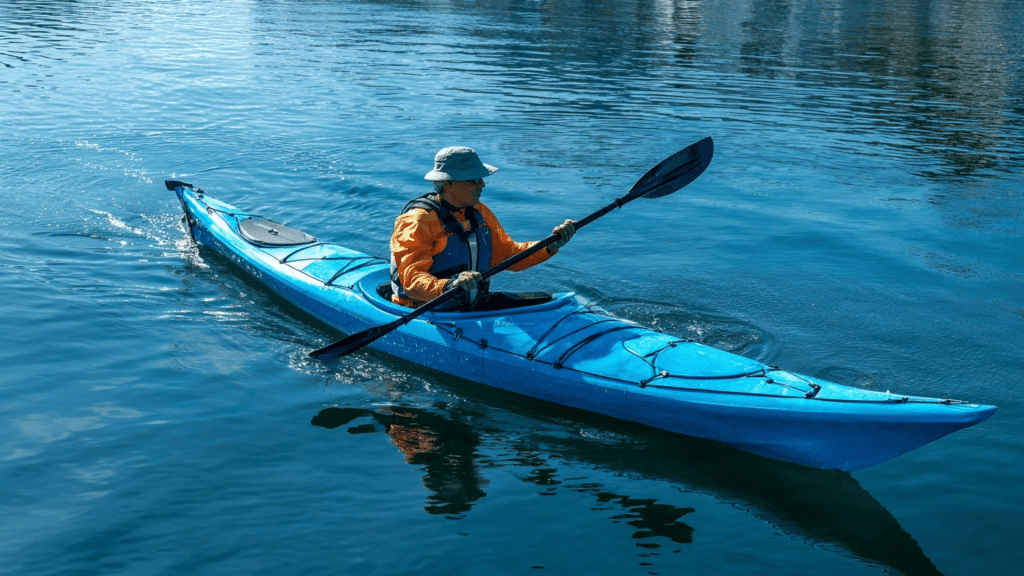
Mastering proper paddle handling and foundational paddling movements produces smoother strokes, reduces fatigue, increases power, and improves control on the water.
- Hold the paddle slightly wider than shoulder width to maintain the balanced “paddler’s box” for strong, aligned strokes.
- Keep knuckles pointed upward and blade edges perpendicular to the water for correct orientation and clean, efficient entry.
- Relax your grip using an “O” shape with thumb and index finger to prevent tension, fatigue, and unnecessary strain.
- Keep the concave power face of the blade pushing the water, and use unfeathered settings until you’re comfortable rotating blades.
- Rotate your torso, not just your arms, to generate real power and maintain strong, consistent stroke mechanics throughout your movement.
- Place the blade near your feet, pull to your hip, keep strokes close to the hull, and maintain a smooth, steady cadence.
Using proper grip and technique makes every stroke lighter, more controlled, and far more efficient, helping you paddle longer with less effort.
Basic Kayak Paddle Strokes and When to Use Them
Learning these four essential kayak strokes helps you move efficiently, turn smoothly, maintain control, and adjust your position confidently in any environment.
1. Forward Stroke
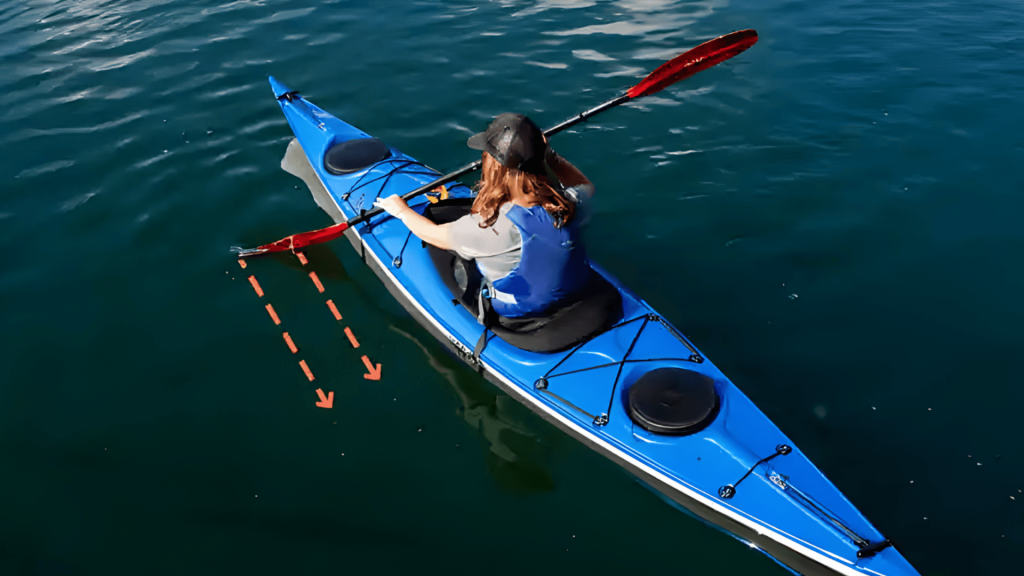
This stroke provides your main forward movement, helping you travel efficiently by using torso rotation, proper blade placement, and smooth, controlled power.
|
How the Stroke Works:
|
Use this stroke whenever you want steady forward momentum, efficient travel, and smooth propulsion across calm lakes, rivers, or open coastal waters.
2. Reverse Stroke
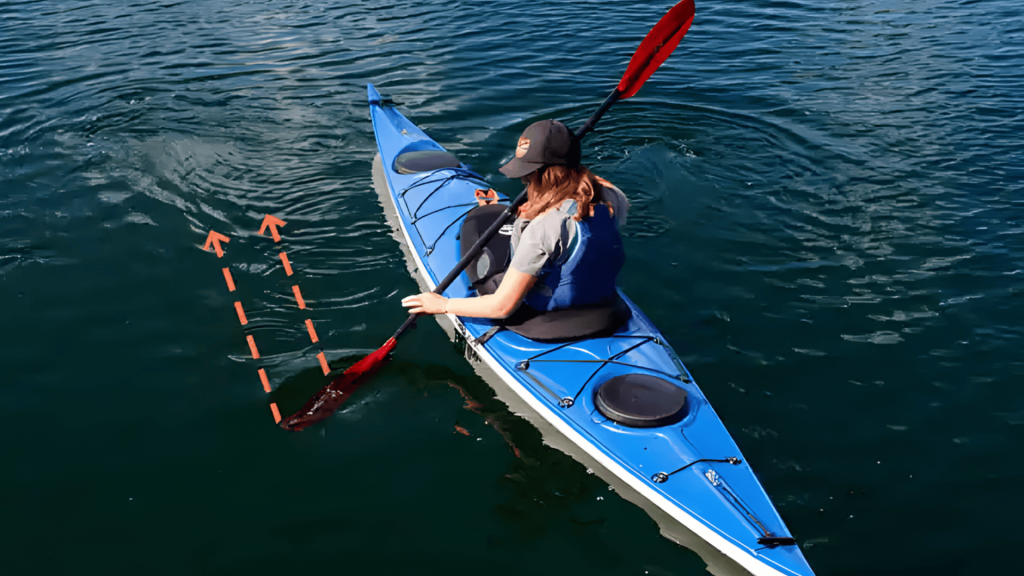
This stroke helps you slow down, stop your momentum, or move backward by reversing the direction of your blade path and your torso rotation.
|
How the Stroke Works:
|
Use this stroke when stopping quickly, backing away from docks, reversing out of tight spots, or adjusting your position with controlled backward movement.
3. Sweep Stroke
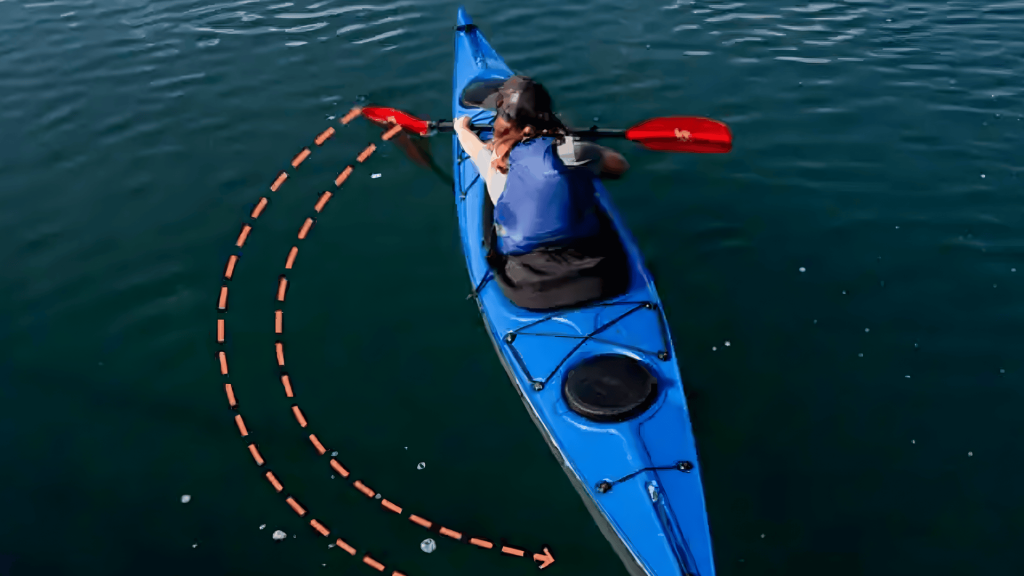
This wide-arc turning stroke helps you pivot the kayak efficiently with large, sweeping motions that rotate the boat in either direction.
|
How the Stroke Works:
|
Use this stroke whenever you need broad, smooth turns, gentle course adjustments, or directional changes while maneuvering in open or moderately confined water.
4. Draw Stroke
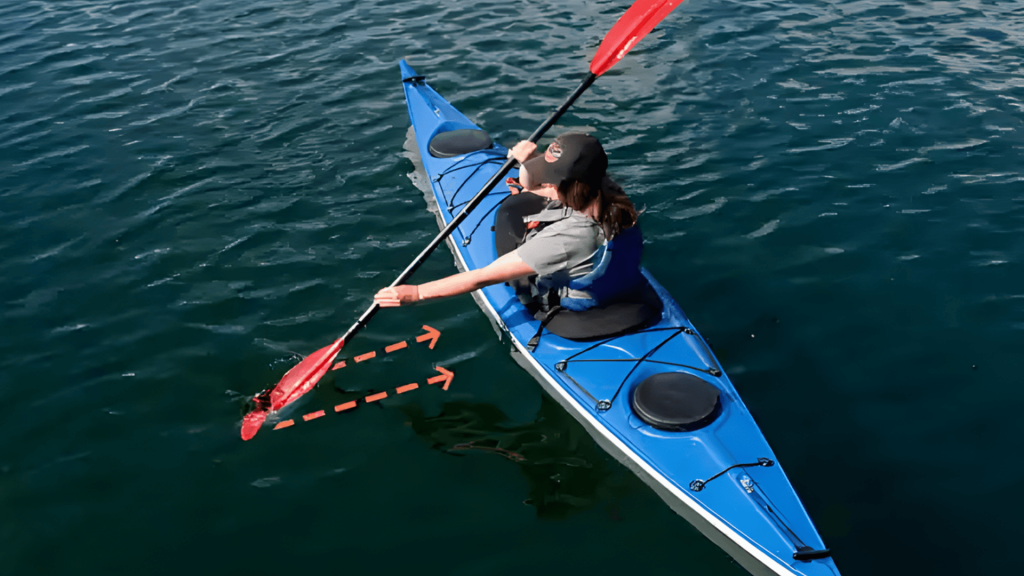
This stroke lets you move your kayak sideways without forward motion, helping you position it accurately near docks, other kayaks, or narrow spaces.
|
How the Stroke Works:
|
Use this stroke when docking, lining up beside another kayak, navigating tight spaces, or making precise sideways adjustments without forward or backward motion.
Kayak Paddling Posture, Balance & Muscles Used
Positioning your body correctly lays the foundation for smooth, powerful paddling and helps you maintain balance, control, and long-lasting comfort on the water.
Proper Body Position & Posture
Maintaining the right body position helps you paddle with more power, stay balanced in changing conditions, and move comfortably throughout your session.
- Sit upright with a straight spine, keeping your chest open and shoulders relaxed.
- Avoid leaning back or slouching, as both reduce power and limit torso rotation.
- Keep your knees slightly bent to create a strong connection with the kayak.
- Maintain light knee contact with the cockpit or thigh braces for better control.
- Engage your core by sitting tall rather than tightening your stomach muscles.
- Allow your hips to stay loose so they can move naturally with the kayak’s motion.
A well-aligned posture improves stability and control, allowing your entire body to work efficiently throughout every paddling session on the water.
What Muscles Do You Use When Paddling?
Using the correct muscleswhile paddling improves efficiency, reduces strain, and helps you understand how proper posture supports a smooth, controlled stroke.
- Core muscles: generate rotational power on each stroke.
- Back muscles: supply steady pulling strength through the water.
- Shoulders: guide, stabilize, and position the paddle effectively.
- Forearms and grip: control the paddle with relaxed contact.
- Legs and hips: stabilize the kayak and support overall leverage.
Engaging these muscle groups correctly transforms your paddling efficiency, reduces unnecessary effort, and helps you stay comfortable and confident during longer sessions.
Why Kayak Paddles Are AngledFeathered paddles have blades set at an angle to reduce wind resistance, especially when paddling into a headwind, helping lessen fatigue over time. The angled setup can also improve wrist comfort by matching the natural rotation of each hand during strokes. High-angle paddlers often prefer a 30–45° feather, while low-angle paddlers may prefer little or none. Beginners usually start unfeathered at 0°, then experiment with angles as their technique improves. |
Stroke Angle When Kayaking
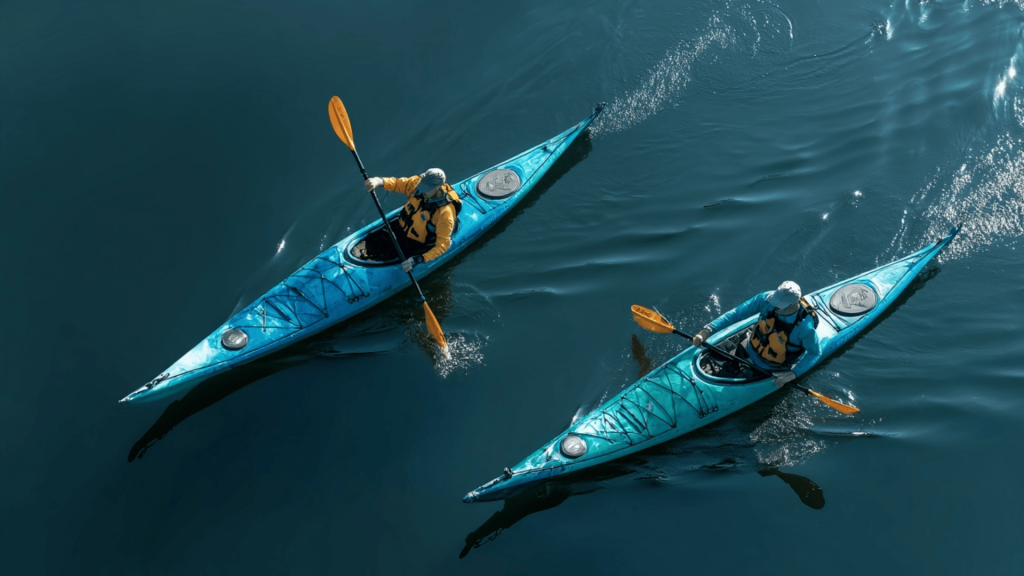
Choosing the right stroke angle affects how hard you work, how long you can paddle, and how your kayak responds in changing water conditions.
High-Angle Stroke
A high-angle stroke keeps the paddle nearly vertical, delivering strong, immediate power for driving through waves, current, or fast-moving water.
It’s an aggressive style that engages large muscles, improves responsiveness, and boosts acceleration, though it demands more effort and suits shorter, intense outings.
Low-Angle Stroke
A low-angle stroke uses a more relaxed, horizontal paddle position, allowing smoother, easier movement over long distances.
It focuses on steady rhythm, reduced shoulder lift, and efficient energy use, making it ideal for touring, recreational paddling, and calm-water adventures where comfort and endurance matter most.
| Stroke | Angle | What It Means |
|---|---|---|
| Forward stroke | High-angle | Fast, powerful forward paddling |
| Forward stroke | Low-angle | Relaxed, long-distance paddling |
| Sweep stroke | Usually low-angle | Helps maintain a wide turning arc |
| Draw stroke | Vertical but not “high-angle” | Straight pull toward the kayak |
| Reverse stroke | Either angle | Depends on power vs. comfort |
Common Beginner Mistakes
New paddlers often repeat the same errors, but recognizing these habits early helps you build better technique, efficiency, and long-term comfort.
- Death grip: Holding the paddle too tightly quickly fatigues your hands and forearms, reducing efficiency.
- Arms-only: Using arm strength instead of torso rotation drains energy quickly and limits stroke power.
- Slouching: Leaning back or collapsing your posture disrupts rotation and strains your lower back.
- Wide strokes: Keeping the paddle far from the kayak causes unwanted turning and wastes forward energy.
- Wrong blade angle: Incorrect orientation prevents clean strokes and significantly reduces overall power.
- Overreaching: Pulling past your hip wastes effort and causes your kayak to drift off course.
- Looking down: Watching the paddle instead of forward reduces awareness and weakens natural torso rotation.
Correcting these simple mistakes early helps your strokes feel smoother, reduces fatigue, and builds confidence every time you get on the water.
Safety & Etiquette on the Water
Staying safe starts with awareness and calm decision-making. Choose areas with easy access points, avoid paddling alone, and keep an eye on changing conditions while you’re out.
Carry essentials such as water, signaling tools, and basic first-aid items. Give other water users plenty of room, especially beginners or rental groups who may not steer predictably.
Slow down around crowded areas, avoid sudden direction changes, and communicate clearly when passing.
Keep noise low, respect natural surroundings, and treat every shared waterway with patience and courtesy.
Final Thoughts
Learning how to paddle a kayak well is a gradual process shaped by patience and consistent practice.
Begin with the essentials: steady posture, a relaxed grip, and smooth forward strokes, and let your skills develop with time on the water.
Each outing teaches you something new about handling your kayak and understanding how water and movement work together.
Good technique isn’t about perfection but about efficiency, comfort, and safety. As your strokes become easier and more natural, paddling turns almost meditative.
Start in calm water, build confidence with the basics, and expand your range as you grow stronger. Take your time, practice intentionally, and enjoy the voyage.
Frequently Asked Questions
Can You Kayak Safely Without Knowing How to Swim?
Yes, beginners can kayak safely by wearing a snug PFD and staying in shallow, calm water conditions.
How Often Should Beginners Practice Kayaking Techniques?
Practicing once or twice weekly helps build confidence, improve control, and strengthen consistent paddling habits effectively.
What’s the Best Way To Build Confidence as a New Kayaker?
Start in calm water, practice basic strokes slowly, and increase difficulty only as your comfort improves naturally.