
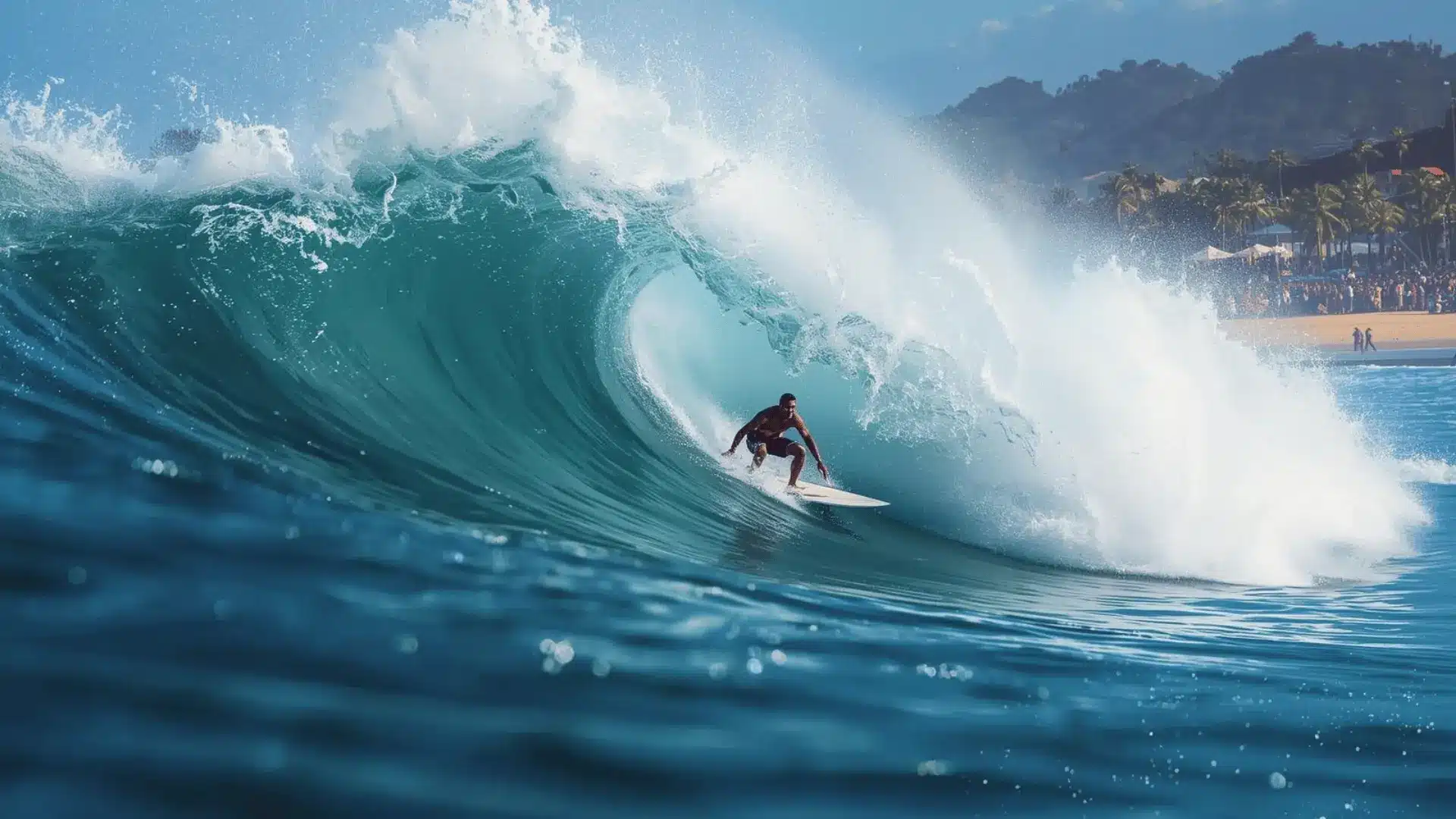
You don’t need to be a pro to fall in love with Costa Rica surfing.
Some people show up never having stood on a board. Others come chasing the kind of waves they’ve only seen in videos. Both leave planning their next trip back.
That’s what makes Costa Rica different. The coastline fits every level, every pace, and every type of traveler.
You can spend a morning taking your first lesson on a calm, sheltered beach and drive an hour to watch advanced surfers tackle a reef break by the afternoon.
If you’re figuring out which beach suits you best or looking for tips before your first session, you’re in the right place. Let’s get into it.
Why Costa Rica Is One of the Best Places to Surf in The World
Costa Rica surfing has something for almost everyone: beginners and experienced surfers, solo travelers, and families.
The country has over 800 miles (approximately 1,290 km) of combined Pacific and Caribbean coastline. That means a wide range of waves and Costa Rica surf conditions, no matter when you visit.
The water stays warm year-round, typically 77–86°F (25–30°C). No wetsuit needed.
Waves range from slow, gentle beach breaks that are ideal for beginners to fast, powerful reef breaks for advanced surfers. You can often find both within the same stretch of coast.
Most major U.S. cities have direct flights, and the trip takes just three to six hours.
Once you arrive, surf culture feels like part of everyday life, not a tourist add-on.
Best Costa Rica Surfing Spots for All Skill Levels
Costa Rica surf beaches stretch across two coasts and dozens of regions. If you’re getting comfortable on a foam board or chasing fast, barreling reef breaks, there’s a spot here that fits your skill level.
Below are ten of the best surf spots in Costa Rica, broken down by who they’re best suited for and when to go.
1. Tamarindo (Guanacaste)
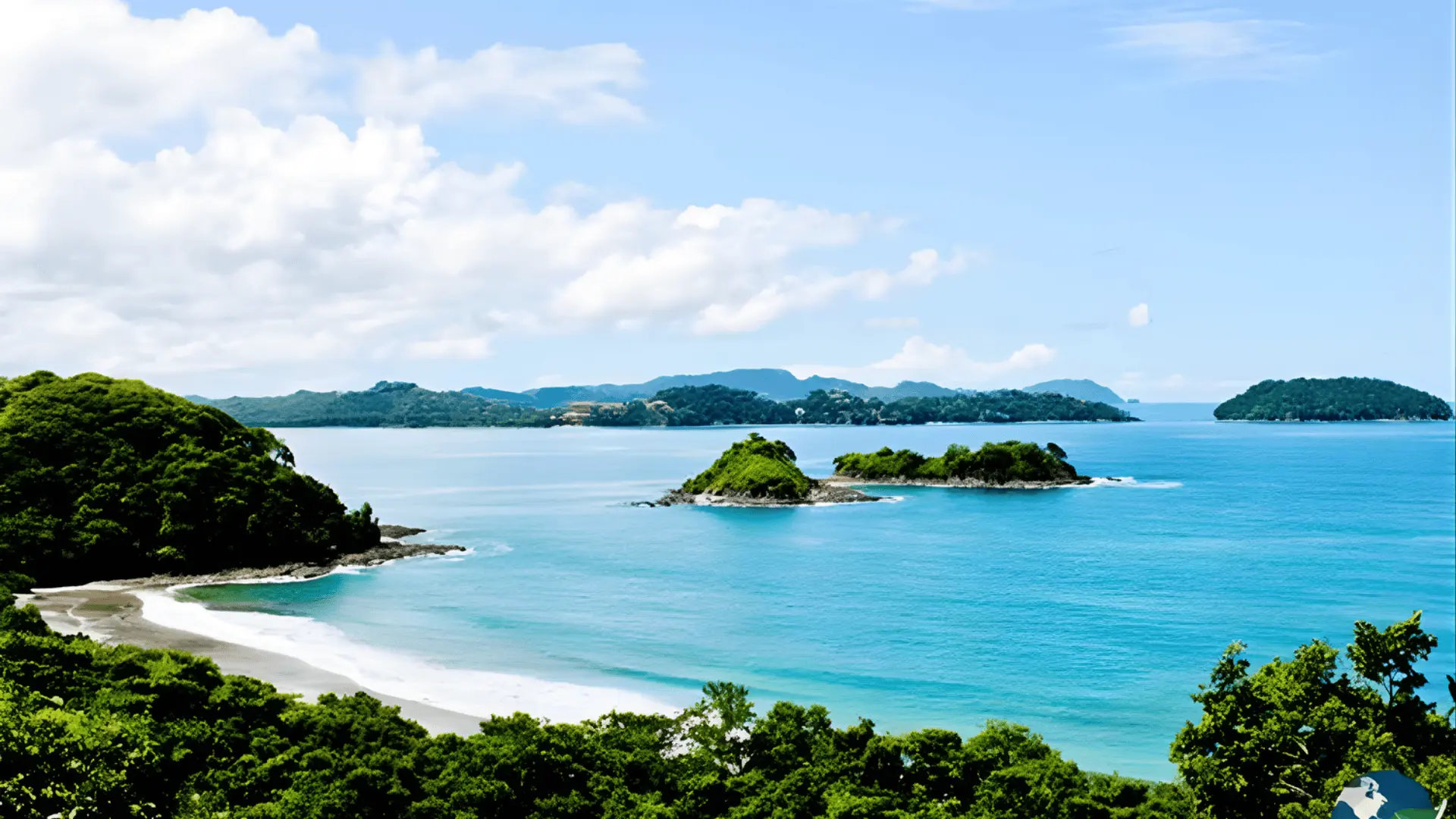
Skill Level: Beginner | Best Tide: Mid to High | Best Season: November–April | Region: Guanacaste
Tamarindo is the most popular surf town in Costa Rica for good reason. The sandy bottom and naturally sheltered bay protected by Isla Capitán keep waves consistent and forgiving for new surfers.
Forbes named it the country’s most popular beach, and you’ll find dozens of surf schools and board rentals right in town.
2. Nosara / Playa Guiones (Guanacaste)
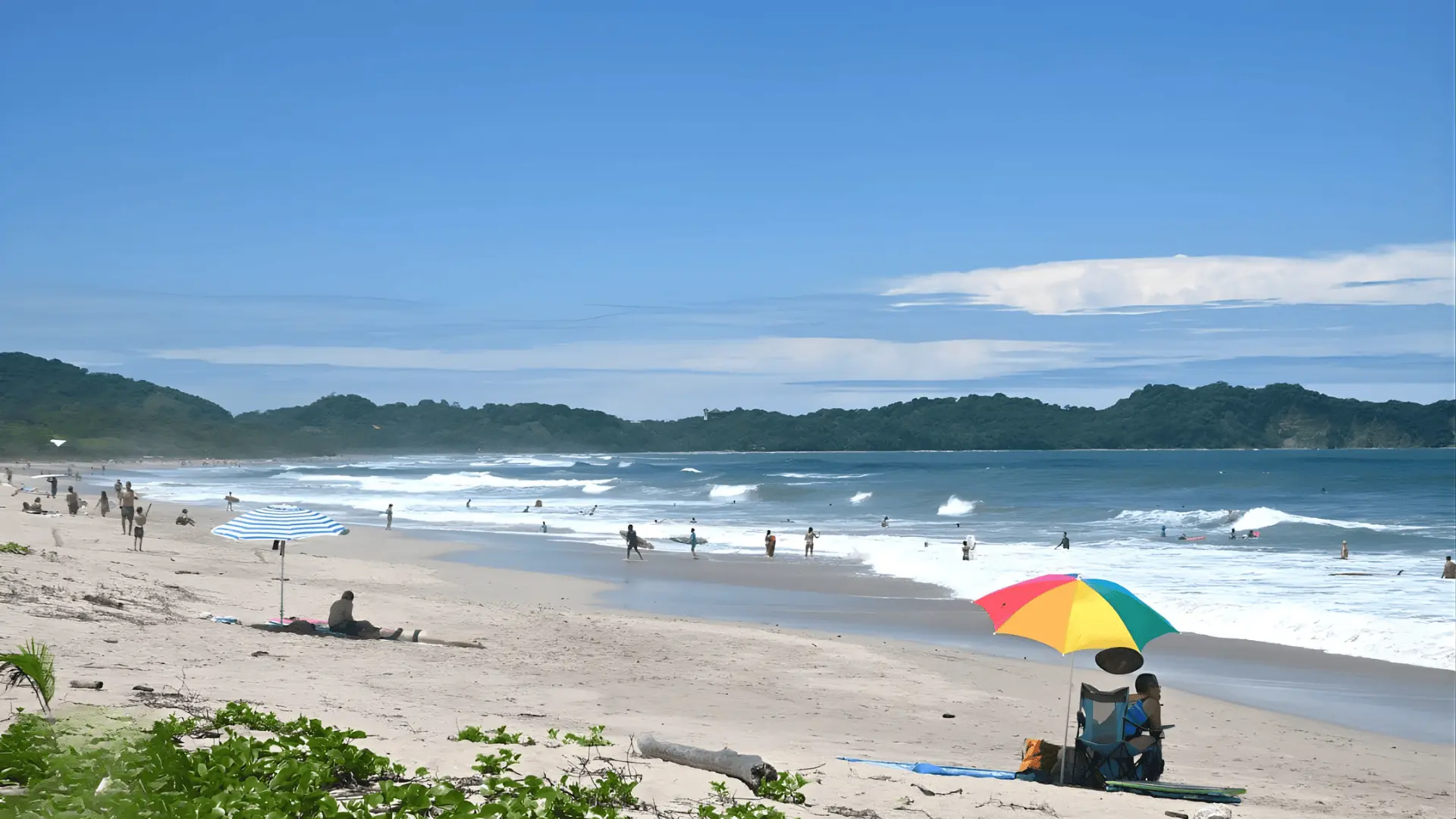
Skill Level: Beginner–Intermediate | Best Tide: Any | Best Season: December–February | Region: Guanacaste
Playa Guiones stretches for about three miles of open beach break with consistent, forgiving swells. National Geographic named Nosara one of the 20 Best Surf Towns in the World.
It’s quieter than Tamarindo, with a strong wellness and yoga scene that draws surfers looking for a slower pace alongside the waves.
3. Jacó (Central Pacific)
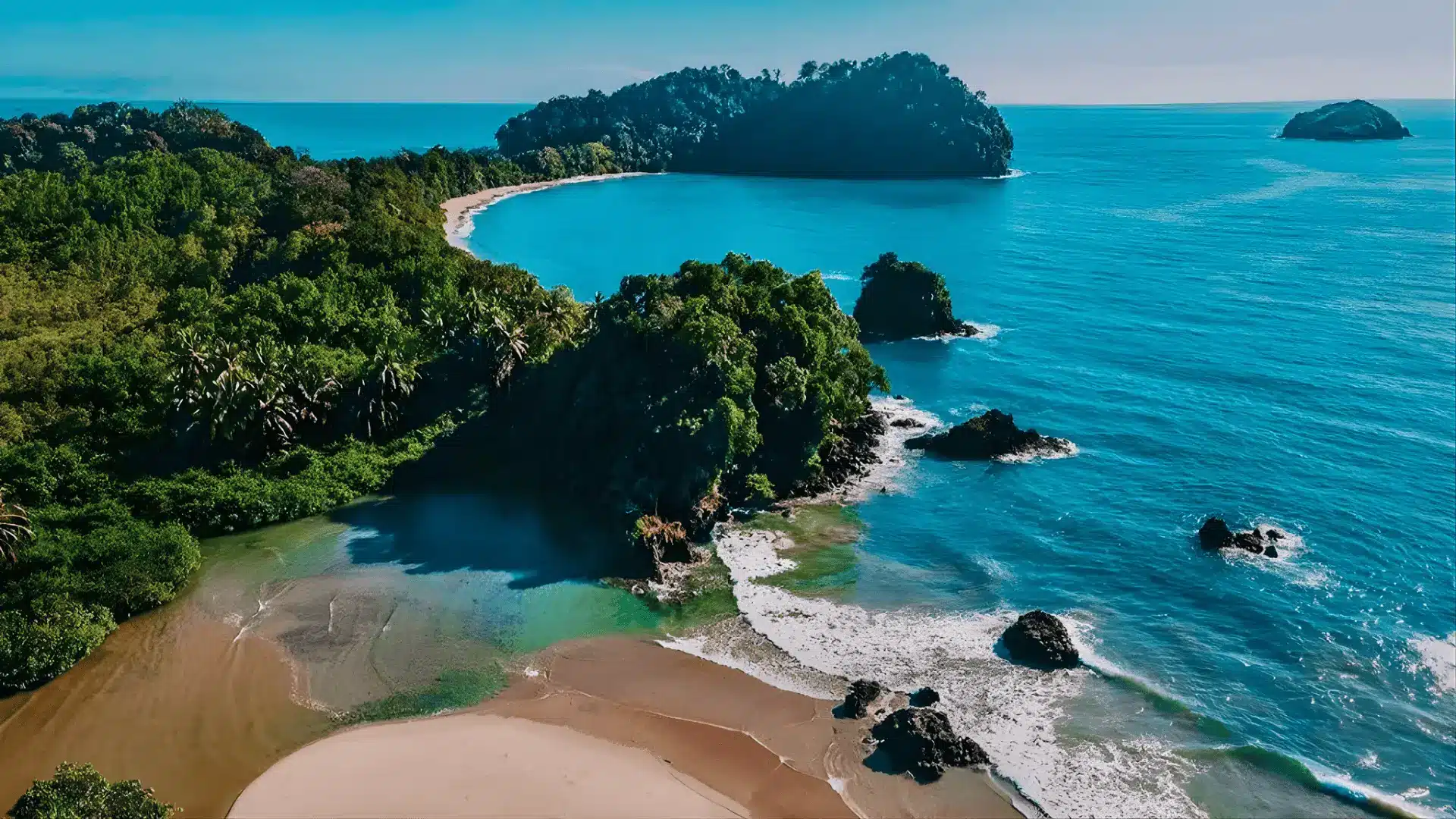
Skill Level: Beginner–Intermediate | Best Tide: High | Best Season: Year-round | Region: Puntarenas
Jacó sits about an hour from the San José airport, making it the easiest Costa Rica surf beach to reach from almost anywhere. The south end of the beach offers softer, beginner-friendly waves, while the rest of the break gets more powerful during swell season.
It’s a lively town with a good mix of tourists and locals. Costa Ricans are often called Ticos.
4. Santa Teresa / Playa Hermosa (Nicoya Peninsula)
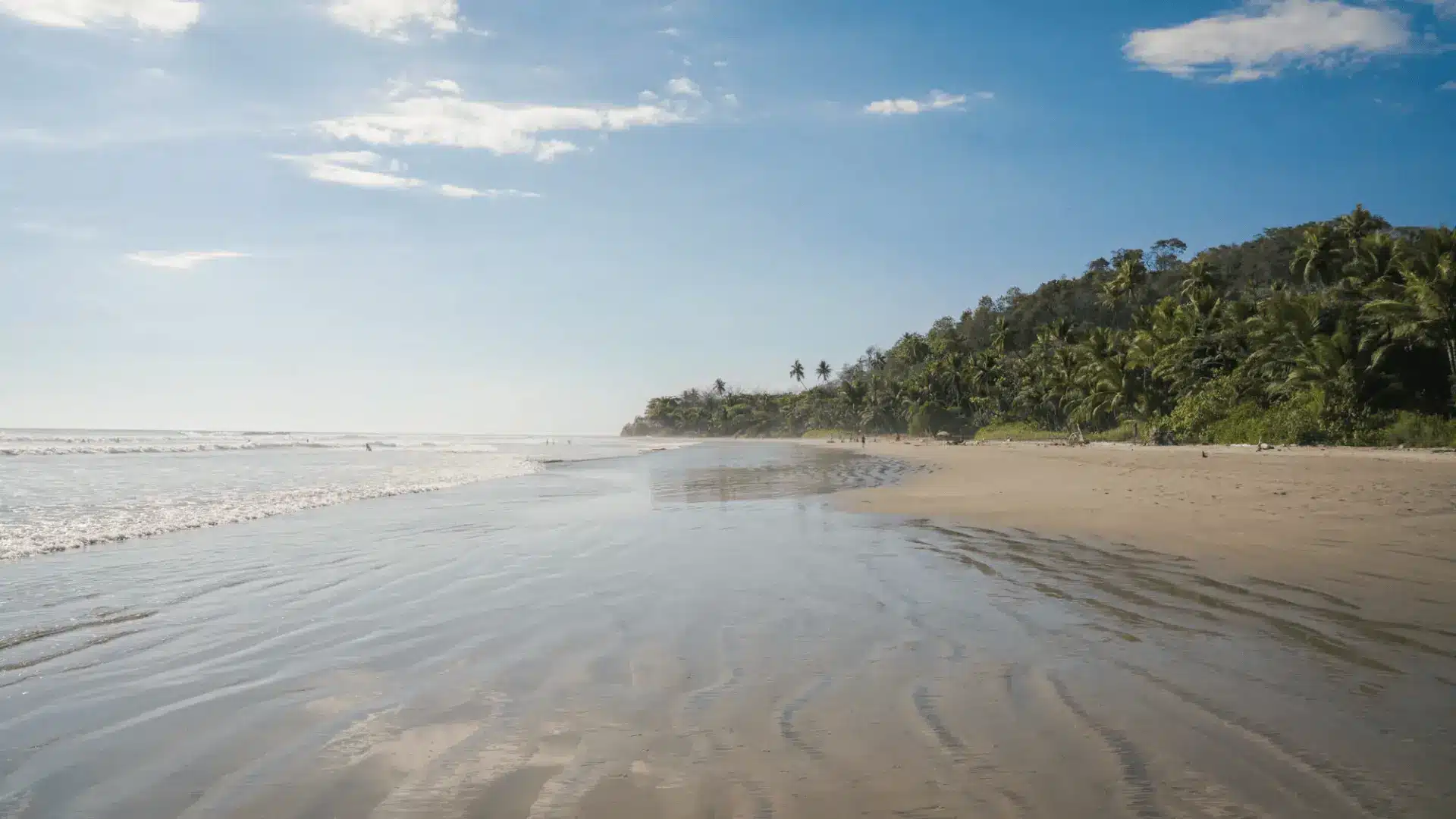
Skill Level: Beginner (Playa Hermosa) / Intermediate–Advanced (Santa Teresa) | Best Season: December–February | Region: Puntarenas
Santa Teresa has become one of the most talked-about surf destinations in Central America. The main break can be too powerful for beginners, but Playa Hermosa, about four miles north, offers soft, gentle swells that are great for learning.
The surrounding area is packed with open-air yoga studios, surf shops, and casual restaurants.
5. Samara (Nicoya Peninsula)
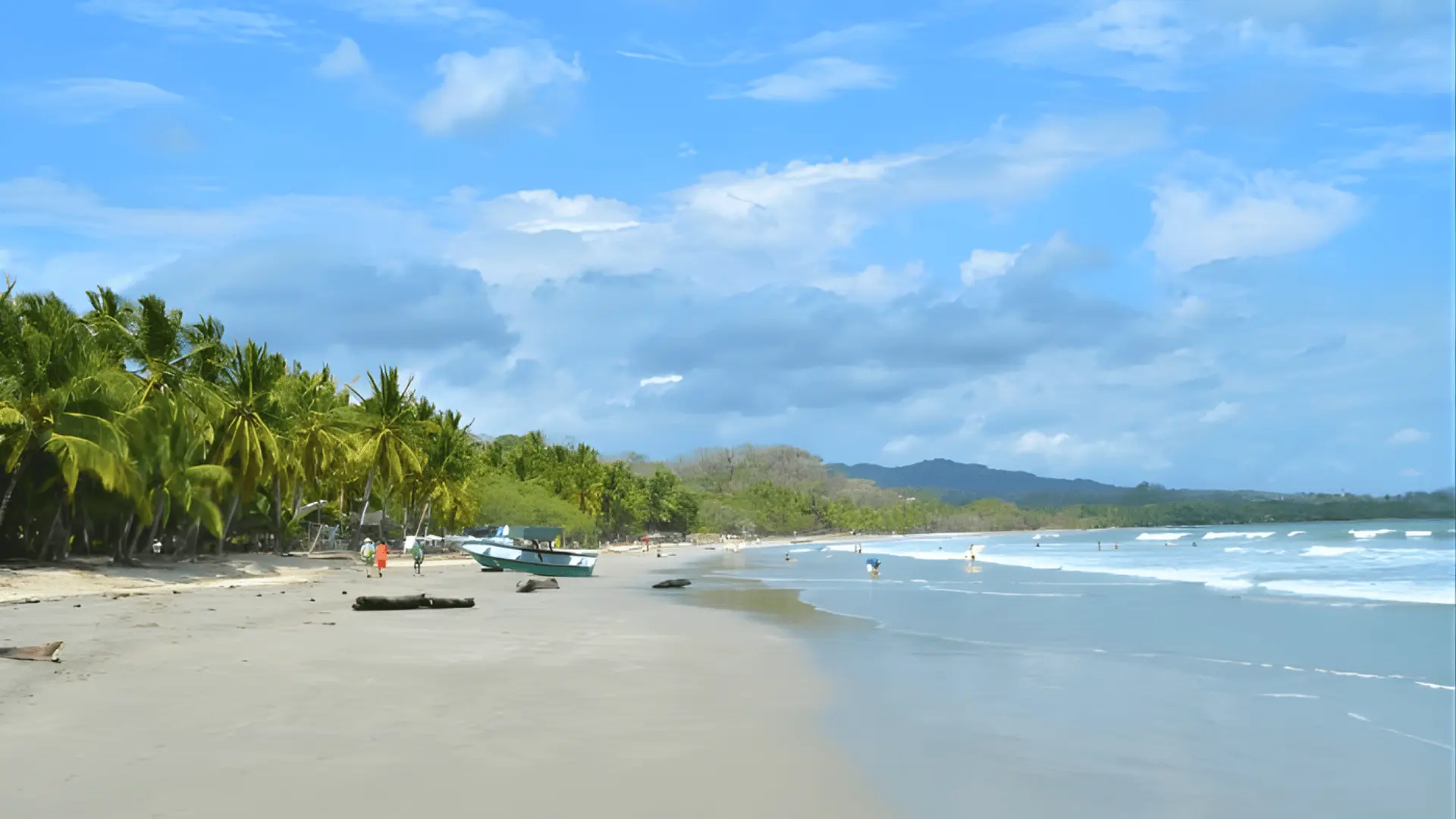
Skill Level: Beginner | Best Tide: High | Best Season: Year-round | Region: Guanacaste
Samara is tucked inside a horseshoe-shaped bay protected by hills on both sides. Waves here rarely get big, knee-high to waist-high, most of the time, and they peel gently at high tide.
It’s a laid-back beach town with open-air restaurants and a local feel that suits first-time surfers who want a low-pressure environment.
6. Dominical (South Pacific)
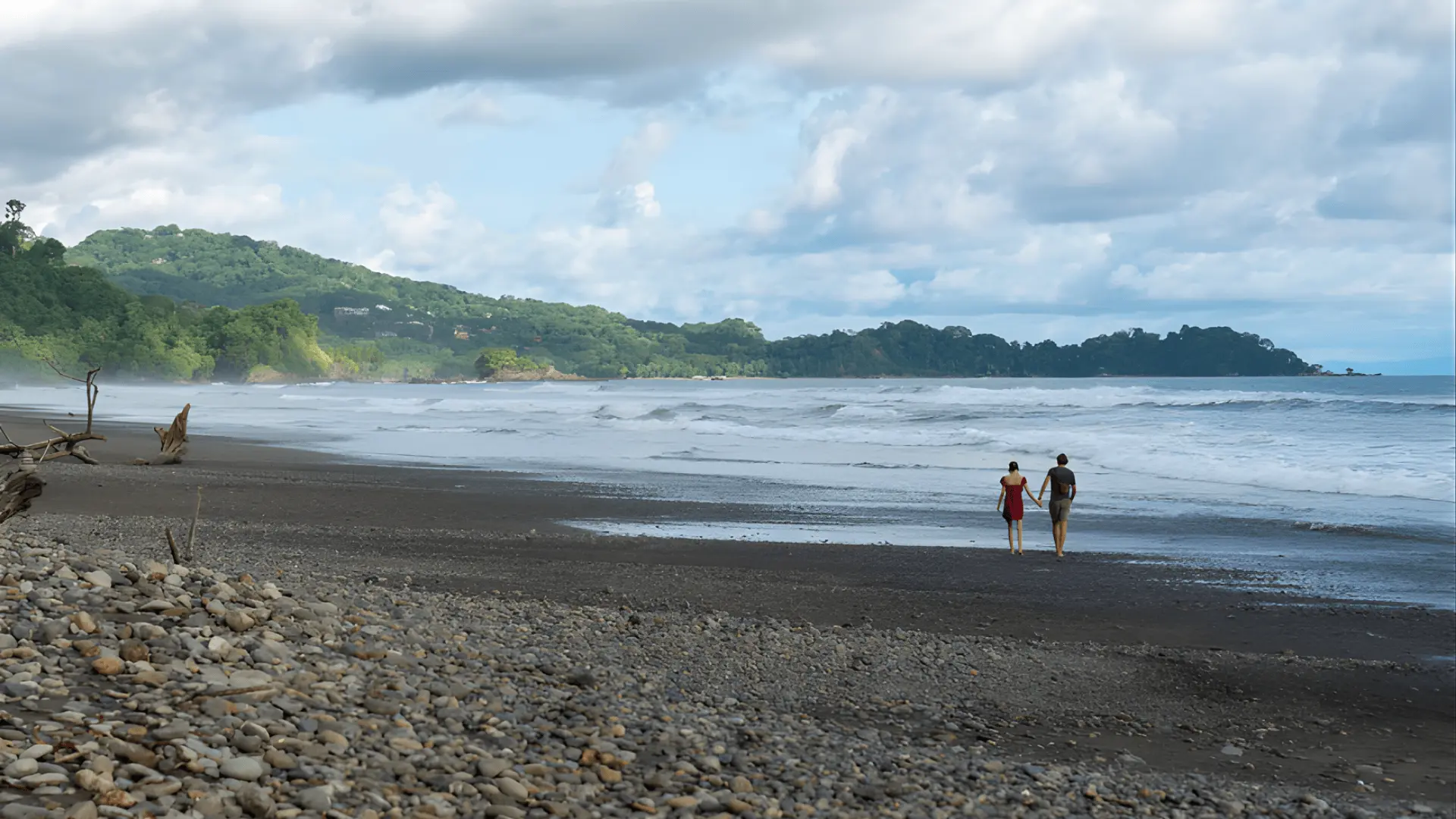
Skill Level: Intermediate–Advanced | Best Season: May–August | Region: Puntarenas
Dominical draws experienced surfers with some of the biggest and fastest waves on the Pacific coast. Long-period southwest swells push through from May to August, creating powerful, fast-breaking conditions that reward surfers who know what they’re doing.
The setting is remote and jungle-flanked, far from the resort crowds found farther north.
7. Pavones (Osa Peninsula)
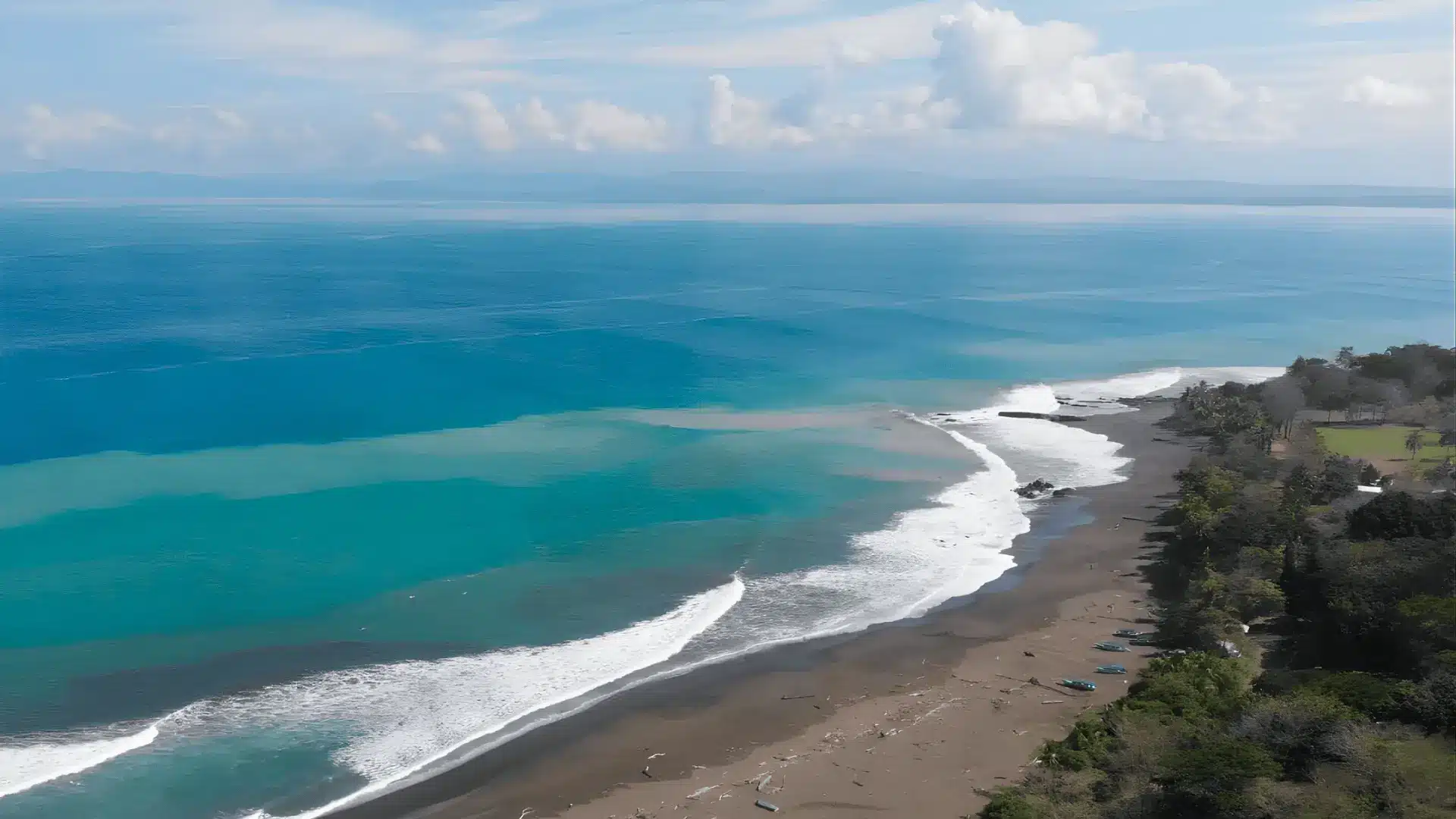
Skill Level: Advanced | Best Season: May–August | Region: Puntarenas
Pavones is home to one of the longest left-hand point breaks in the world. On a good swell, rides can stretch for more than a minute, an experience that draws serious surfers from across the globe.
It’s hard to reach and far from any major town, but for advanced surfers chasing long, barreling rides through rainforest scenery, that’s part of the appeal.
8. Playa Negra (Guanacaste)
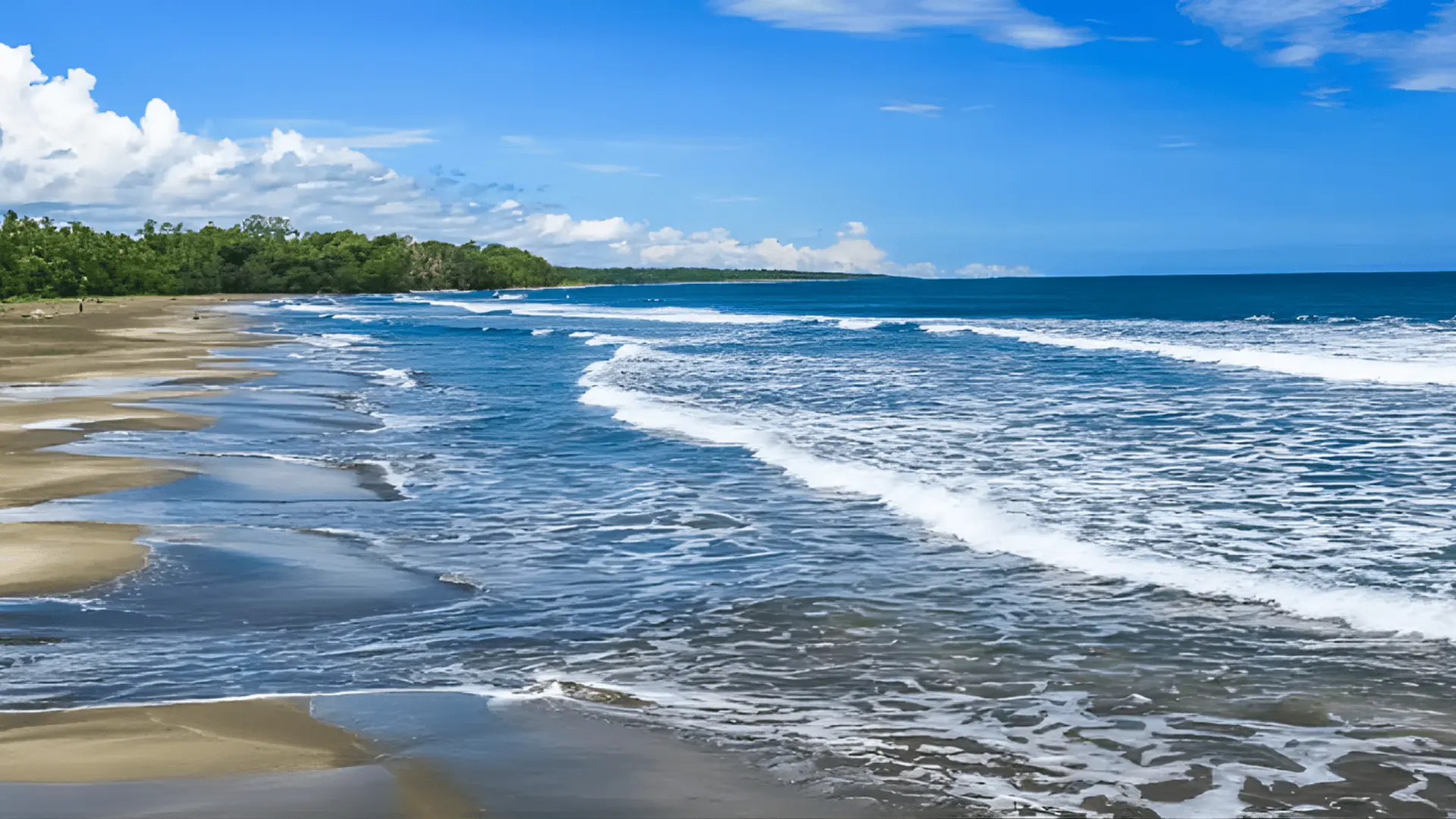
Skill Level: Advanced | Best Season: December–April | Region: Guanacaste
Playa Negra was featured in Endless Summer II and has held its reputation ever since. The reef break produces powerful, hollow right-hand barrels that require solid experience and good timing.
It’s best surfed at high tide during off-peak hours. The dramatic volcanic rock backdrop makes it one of the most photographed surf spots in the country.
9. Playa Cocles (Caribbean Coast)
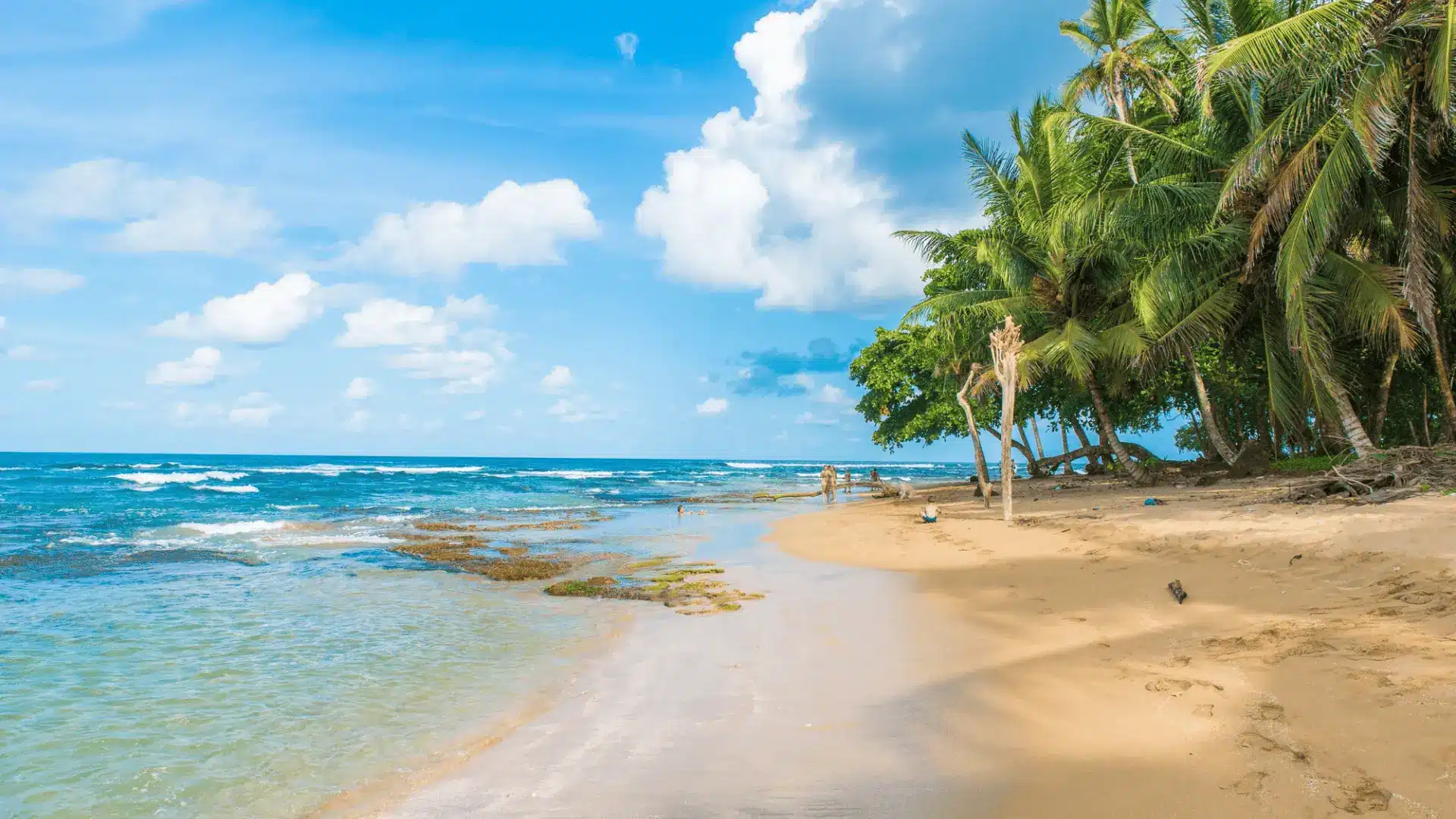
Skill Level: Beginner–Intermediate | Best Season: April–November | Region: Limón
Playa Cocles offers a different kind of Costa Rica surfing experience. The sandy bottom keeps things safer for beginners, and the waves stay manageable from April through November.
During larger swells, watch for rip currents near the point. The setting, jungle running right up to the waterline, feels completely different from the Pacific side and tends to be far less crowded.
10. Witch’s Rock & Ollie’s Point (Santa Rosa National Park)
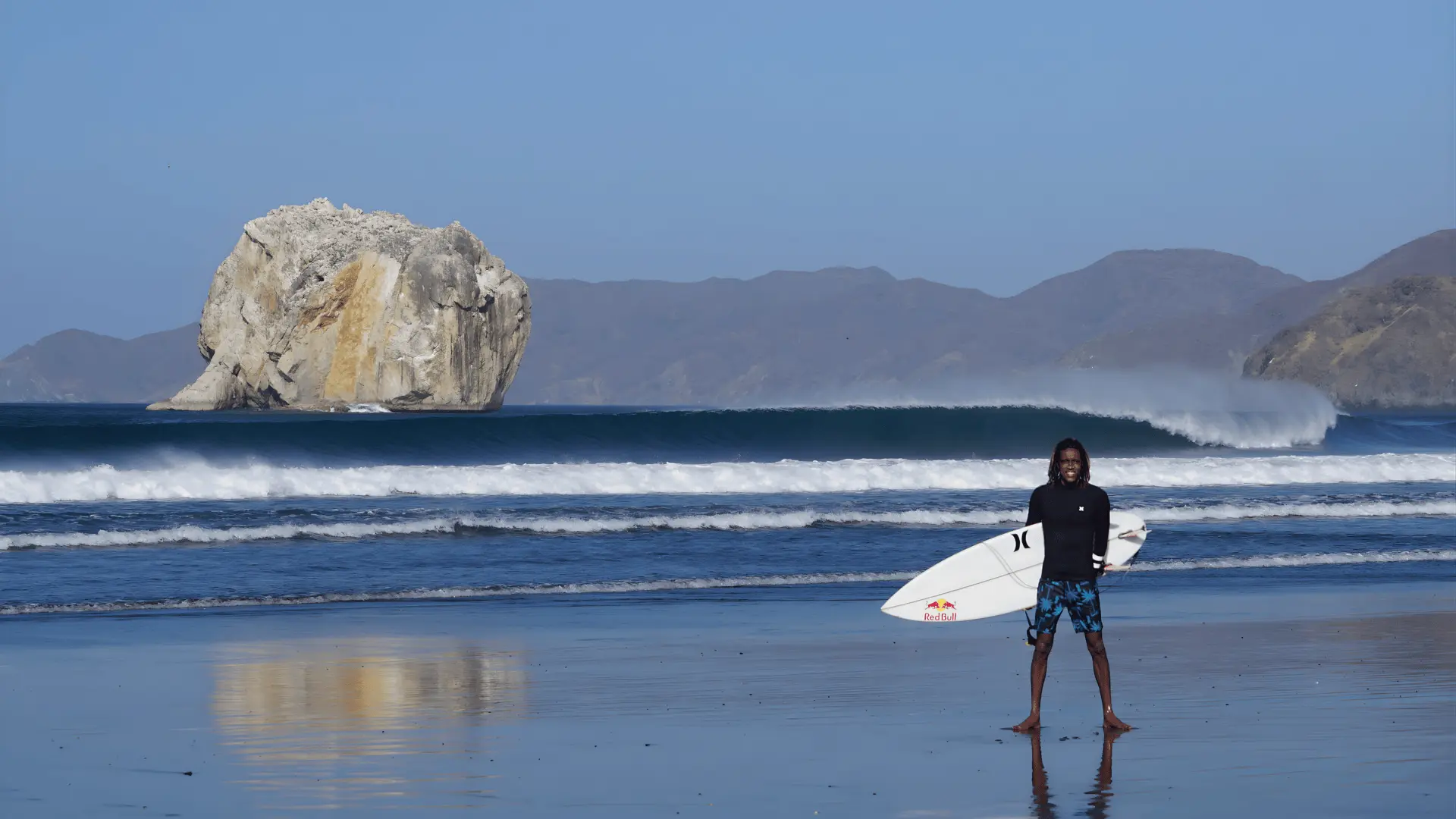
Skill Level: Intermediate–Advanced | Best Season: November–April | Region: Guanacaste
Witch’s Rock and Ollie’s Point sit inside a national park and can only be reached by boat. Both breaks are raw, uncrowded, and powerful, the kind of waves serious surfers plan entire trips around.
Witch’s Rock offers a heavy beach break, while Ollie’s Point is a long, winding right-hand point break. Getting here takes effort, but the reward is two of the best surf spots in Costa Rica with almost no one else in the lineup.
Costa Rica Surfing Tips for Beginners (Before You Paddle Out)
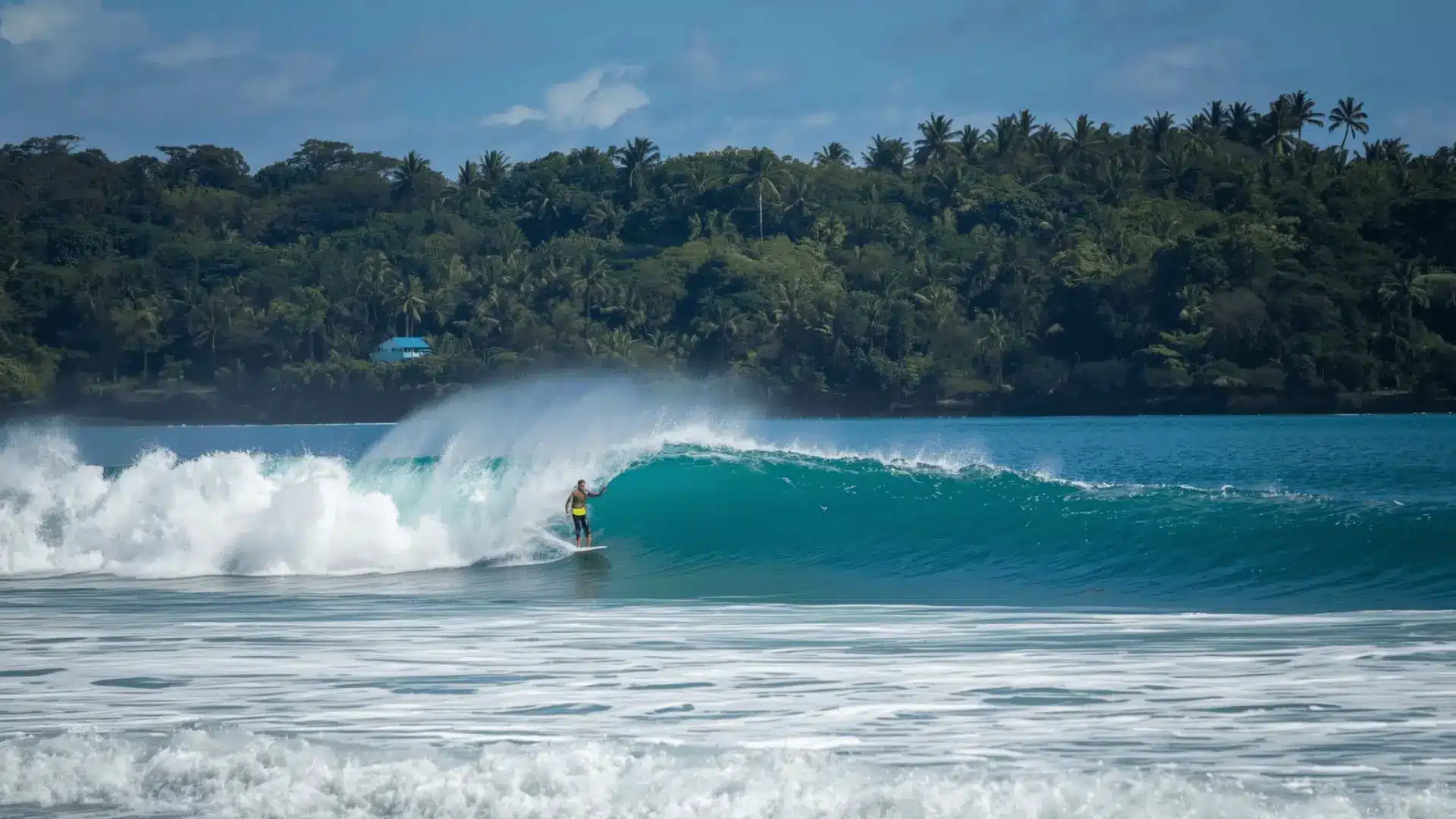
A few basics go a long way in the water. These Costa Rica surfing tips will help you stay safe and progress faster.
1. Start in the Whitewater
Before heading to the main lineup, spend time in the Whitewater, the broken waves closer to shore.
This is where you practice your pop-up, find your footing, and get comfortable on the board. It takes less energy than paddling out back, and it builds the key skills you’ll need once the waves get bigger.
2. Choose the Right Board
For beginner Costa Rica surfing, a longboard or foam board (also called a foamie) between 8 and 9 feet is the right call.
Wider, thicker boards are more stable, making it easier to paddle, balance, and catch waves. Most surf schools and rental shops stock them, so you won’t have trouble finding one.
3. Read the Tide Before You Go
Costa Rica’s tides can swing up to 10–12 feet in a single day at certain spots. That has a big effect on wave quality and safety.
Check a forecast app like Surfline or Magic Seaweed before heading out. Most beginner-friendly spots work best at mid to high tide, so timing your session right makes a real difference.
4. Always Use a Leash
A leash attaches to your ankle and the board, keeping it close if you wipe out.
Without one, your board can travel fast and far, which is a hazard for you and other surfers nearby. Before each session, check that the leash is securely attached and that the board has no major cracks or damage.
5. Take a Lesson from a Certified Instructor
Look for surf schools with ISA-certified instructors. ISA stands for International Surfing Association.
Towns like Tamarindo, Jacó, and Nosara have plenty of reputable options. A good instructor will teach you ocean awareness and basic safety alongside surf technique, which shortens your learning curve and keeps you safer in the water.
6. Know Basic Ocean Safety
If you get caught in a rip current, don’t try to swim straight back to shore. Paddle parallel to the beach until you’re out of the current, then make your way in.
Surf with a buddy when you can. Before paddling out, watch the lineup for a few minutes to understand how other surfers are moving and taking waves.
Best Surf Camps and Surf Schools in Costa Rica
Costa Rica surf camps range from bare-bones budget hostels to full-service luxury retreats. Knowing what to look for helps you pick the right one.
Choose schools with ISA-certified instructors, small class sizes, and quality foam boards. Smaller groups mean more personal feedback and a safer experience in the water.
The highest concentration of surf lessons in Costa Rica is in Tamarindo, Jacó, Santa Teresa, and Nosara, each suiting different skill levels and budgets.
Most lessons include a board, a rash guard, and up to 2 hours of instruction. Group lessons usually run between $45 and $75 per session.
Surf hostels start around $50 per night with lessons nearby. Mid-range camps run $100 to $200 per day. Luxury retreats in Nosara or Santa Teresa can reach $250 or more.
Safety Basics For Costa Rica Surfing
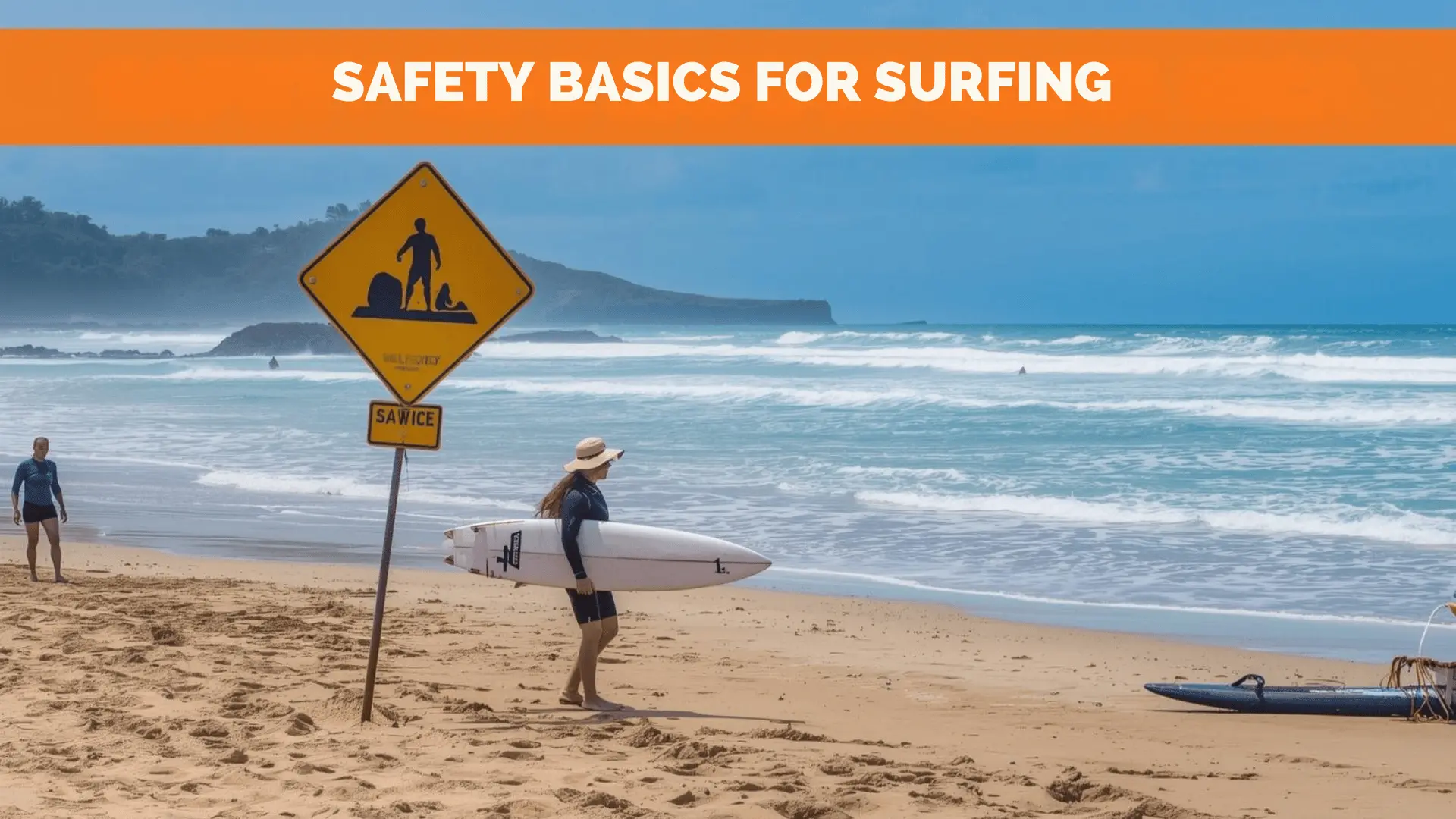
Surfing in Costa Rica is fun and accessible, but the ocean demands respect. These five basics help you stay safe in and out of the water.
- Learn Rip Current Basics: Spot rip currents by darker water and outward-moving foam. If caught, stay calm and swim parallel to shore until free.
- Respect Shorebreak Days: Waves dumping hard near shore can cause real injuries. Beginners should choose softer beach breaks or wait for a calmer tide window.
- Plan Your Entry and Exit: Watch the waves for a few minutes before paddling out. Enter between sets and avoid areas where waves are closing out fast.
- Know Your Bottom: Reef, Rock, or Sand: Reef and rock breaks demand extra caution. Wear booties if needed, never dive headfirst, and avoid unfamiliar reefs without guidance from a local surfer.
- Treat Sun and Hydration Like Surf Gear: Apply water-resistant SPF before every session and reapply often. Bring more water than you expect to need, especially during midday surf.
No safety tip replaces real experience in the water. When in doubt, ask a local instructor or lifeguard before paddling out at an unfamiliar spot.
Final Thoughts
Costa Rica surfing isn’t just for the experienced or the fearless. It’s for anyone willing to show up and give it a shot.
The right beach is out there for you. So is the right instructor, the right board, and the right wave. You just have to know where to look, and now you do.
Start small if you need to. Be patient with yourself. Respect the ocean. Those three things will take you further than any gear or technique ever could.
The hardest part is usually booking the trip.
If you’ve surfed Costa Rica before, drop a comment below and share your favorite spot. Still planning? Bookmark this page and come back when you’re ready to go.