
Pregnancy often brings a long list of questions about what’s safe for you and your baby, especially when it comes to enjoying the water.
If you’re heading to the beach or planning a tropical getaway, you might find yourself wondering whether snorkeling is still an option.
It’s a common concern for many expectant mothers who don’t want to miss out on beautiful ocean experiences.
While snorkeling can be enjoyable and relaxing, it’s essential to think about how your body is changing and what feels comfortable at each stage of pregnancy.
With the proper awareness and a bit of extra care, you can make the best choice for your situation.
Can You Snorkel While Pregnant?
Many pregnant women can snorkel safely, as long as the conditions are right and their health allows it.
Snorkeling is generally seen as a lower-risk activity because you stay at the water’s surface and avoid the pressure changes that happen during deeper underwater activities.
This is the main reason snorkeling is considered safer than scuba diving, which is not recommended during pregnancy.
Even so, every pregnancy is unique, and what feels safe for one person may not be safe for another.
Before heading into the water, it’s essential to check with your healthcare provider so they can review your pregnancy, any symptoms, and possible risk factors.
Physical & Physiological Changes During Pregnancy
Pregnancy brings physical changes that can affect how safe and comfortable water activities, including snorkeling, feel.
-
Body Dynamics & Balance: Pregnancy shifts your center of gravity, alters your buoyancy, and affects your coordination, making movement and stability in water different from usual.
-
Breathing & Lung Capacity: Reduced lung space and increased shortness of breath make controlled snorkel breathing more effortful, especially later in pregnancy.
-
Energy Levels & Comfort: Fatigue, nausea, and overall discomfort can make snorkeling physically demanding or uncomfortable during certain stages of pregnancy.
Keeping these changes in mind helps you decide what feels safe and manageable while enjoying time in the water.
When Snorkeling Isn’t Worth the Risk (And When to Stop Immediately)
Snorkeling may be low-risk for some healthy pregnancies, but there are situations where it’s not worth the risk.
Skip snorkeling entirely if you have medical restrictions or if conditions aren’t calm and predictable.
1. High-Risk Conditions (Skip Completely)
Avoid snorkeling if you have a high-risk pregnancy or complications such as high blood pressure concerns, preeclampsia, placenta previa, a history of preterm labor, significant anemia, heart or lung conditions, uncontrolled gestational diabetes, or if your provider has advised limiting activity.
2. Rough or Unsafe Water Conditions (Skip)
Do not snorkel in strong currents, large waves, poor visibility, cold water, heavy boat traffic, polluted water, or areas with difficult entry/exit (slippery rocks, steep ladders, sharp coral). These conditions increase the risk of falls, overexertion, and abdominal impact.
3. Warning Signs: Stop Immediately and Get Out of the Water
End your snorkel session right away if you notice:
- dizziness, faintness, headache, or confusion
- unusual shortness of breath, chest tightness, or rapid breathing
- worsening nausea, weakness, or signs of dehydration/overheating
- cramping, contractions, pelvic pressure, or sudden pain
- vaginal bleeding, fluid leakage, or anything that feels “off”
When in doubt, get out, rest, hydrate, and contact your healthcare provider.
Benefits of Snorkeling During Pregnancy
When done gently and in calm conditions, snorkeling allows you to experience the supportive buoyancy of water, which can ease pressure on your joints, back, legs, and feet, similar to the low-impact benefits seen in studies on aquatic exercise and swimming during pregnancy.
The buoyancy of water provides low-impact support, easing pressure on your joints, back, legs, and feet as your body changes.
Floating or moving slowly in the water can also improve circulation and help reduce swelling in your ankles and legs, which many pregnant women experience.
Beyond physical comfort, being in the water has a calming effect that promotes relaxation and reduces stress.
Observing marine life or simply enjoying the peaceful environment can boost your mood and support your mental wellbeing, making snorkeling a soothing experience when conditions are calm and your body feels comfortable.
Snorkeling Safety Across Each Trimester

How safe or comfortable snorkeling feels can shift across pregnancy, so it’s essential to understand what each trimester may mean for your body and energy.
First Trimester (Weeks 1–12)
Early pregnancy often brings nausea, dizziness, and overwhelming fatigue, making snorkeling difficult and sometimes unsafe.
If you’re dealing with morning sickness or low stamina, it’s usually better to postpone snorkeling until you feel more stable.
Second Trimester (Weeks 13–26)
Energy levels typically improve, nausea often decreases, and many women feel more physically balanced during this stage.
This trimester is generally considered the safest and most comfortable time for gentle snorkeling when pregnancy is healthy and uncomplicated.
Third Trimester (Weeks 27–40)
A larger belly, reduced balance, and increased fatigue can make snorkeling more challenging.
Getting in and out of the water becomes riskier in this stage, as slippery rocks, waves, or unstable footing can lead to falls or abdominal impact.
If you snorkel at all, keep it shallow, short, and in calm water close to shore, and consider avoiding snorkeling altogether in the late third trimester.
Safety Precautions & Best Practices
If your doctor approves snorkeling, following the proper precautions can help you stay safe, comfortable, and confident while enjoying time in the water.
- Get Medical Clearance: Always consult your healthcare provider first so they can assess your pregnancy health, any risks, and whether snorkeling is appropriate for your situation.
- Choose Safe Water Conditions: Stick to calm, shallow water with good visibility. Avoid strong currents, large waves, pollution, or poor weather to prevent unnecessary strain or danger.
- Use Proper, Well-Fitting Gear: Ensure your mask fits comfortably, fins feel secure, and consider a flotation vest for added support, stability, and ease while snorkeling.
- Never Go Alone: Always snorkel with a buddy who knows you’re pregnant and can help immediately if you feel uncomfortable, tired, or need assistance in the water.
- Limit Time & Avoid Overexertion: Keep sessions short, take breaks, and avoid long distances or tiring conditions. Listen to your limits and avoid pushing yourself too hard.
- Stay Hydrated & Sun-Protected: Drink plenty of water, use reef-safe sunscreen, and avoid overheating, especially important during pregnancy and prolonged time in the sun.
- Listen to Your Body Immediately: If you feel dizzy, nauseous, short of breath, cramping, or “off” in any way, exit the water right away and rest.
Following these precautions helps ensure your snorkeling experience stays safe, calm, and aligned with what feels best for your changing body.
Alternatives to Snorkeling During Pregnancy
If snorkeling doesn’t feel safe or your doctor advises against it, there are plenty of pregnancy-friendly ways to enjoy the water.
Gentle swimming is an excellent low-impact option that supports your weight and relieves pressure on your joints.
Floating in shallow water offers calming, weightless relaxation, while prenatal water aerobics can improve circulation and ease discomfort.
If you still want to enjoy marine life, glass-bottom boats and underwater observatories provide beautiful views without getting in the water.
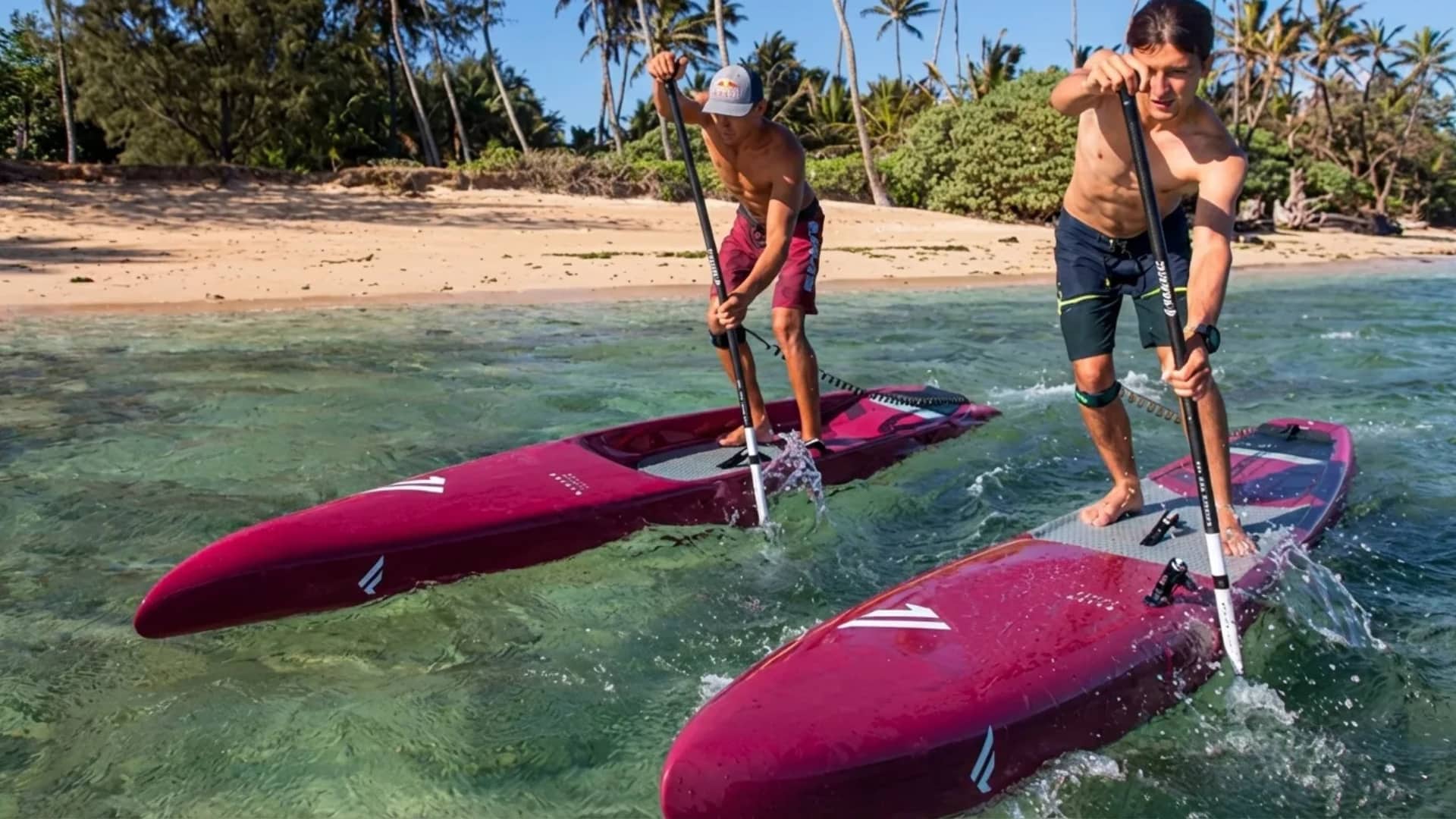
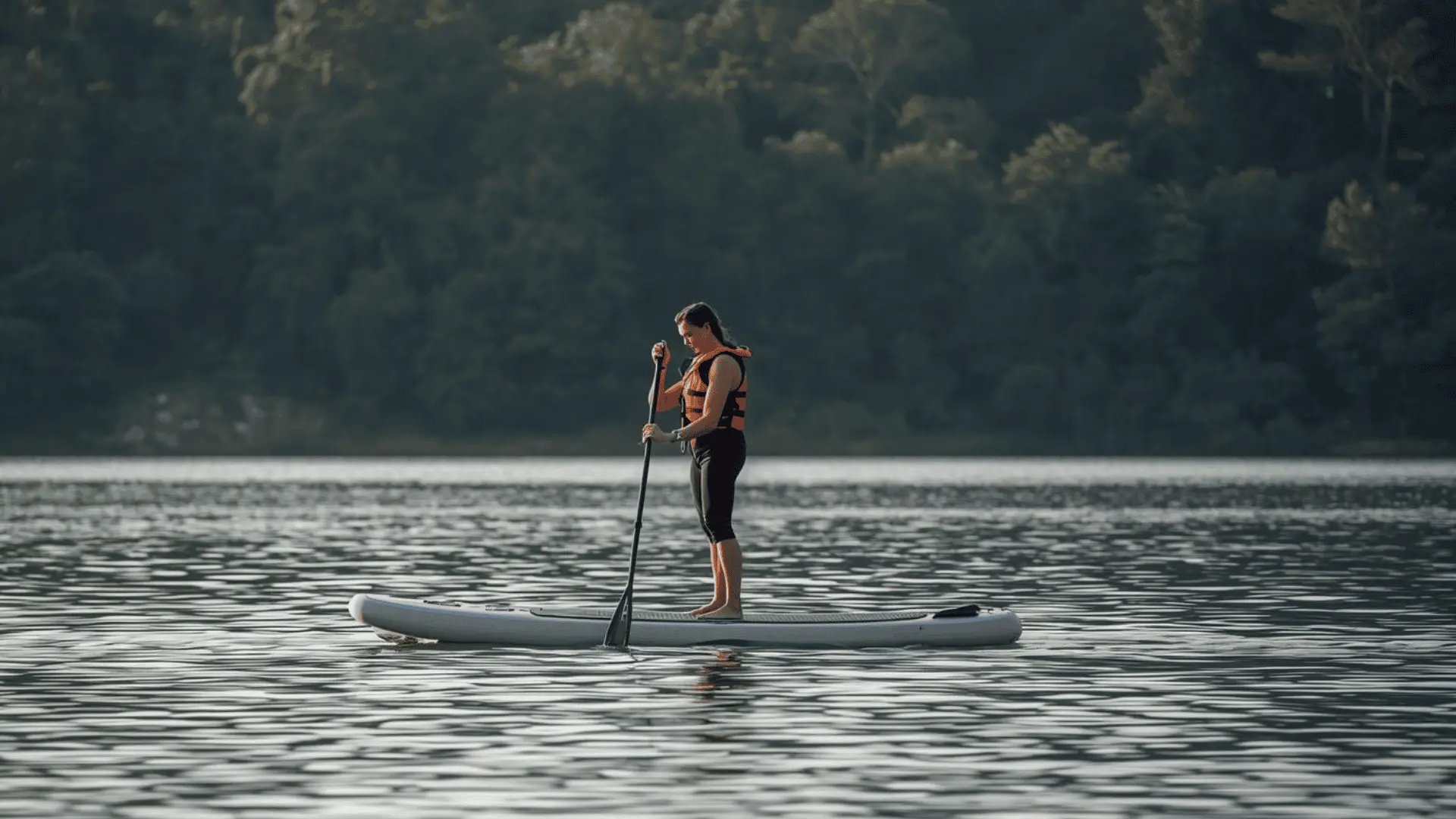
Light paddleboarding on very calm water is another option when seated or kneeling. And sometimes, simply relaxing by the beach or pool is the perfect choice.
Final Thoughts
Snorkeling during pregnancy can be enjoyable, but only when you have a healthy, low-risk pregnancy, your doctor’s approval, calm water conditions, and the proper support around you.
As your body changes each week, it becomes even more important to prioritize comfort, energy levels, and overall safety rather than adventure or expectations.
If anything feels uncertain, physically demanding, or simply “off,” choosing gentler water activities is always the wiser and safer option for both you and your baby.
Pregnancy is a time to honor what your body needs most. If this gave you clarity and reassurance, share it with another mom-to-be who could use the same peace of mind.
Frequently Asked Questions
Can Snorkeling Ease Pregnancy Back Pain?
Light floating may relieve pressure, but fin-kicking could worsen discomfort if done too vigorously.
Is Anti-Fog Spray Safe During Pregnancy?
Chemical sprays may irritate; use diluted baby shampoo as a gentler, pregnancy-safe alternative.
Can A Wetsuit Affect Breathing While Pregnant?
Tight wetsuits restrict chest expansion; choose loose or maternity-friendly options for comfort and safety.
Is Snorkeling Safe Soon After Giving Birth?
Not until cleared postpartum, typically 6 weeks after vaginal birth or longer after a C-section.