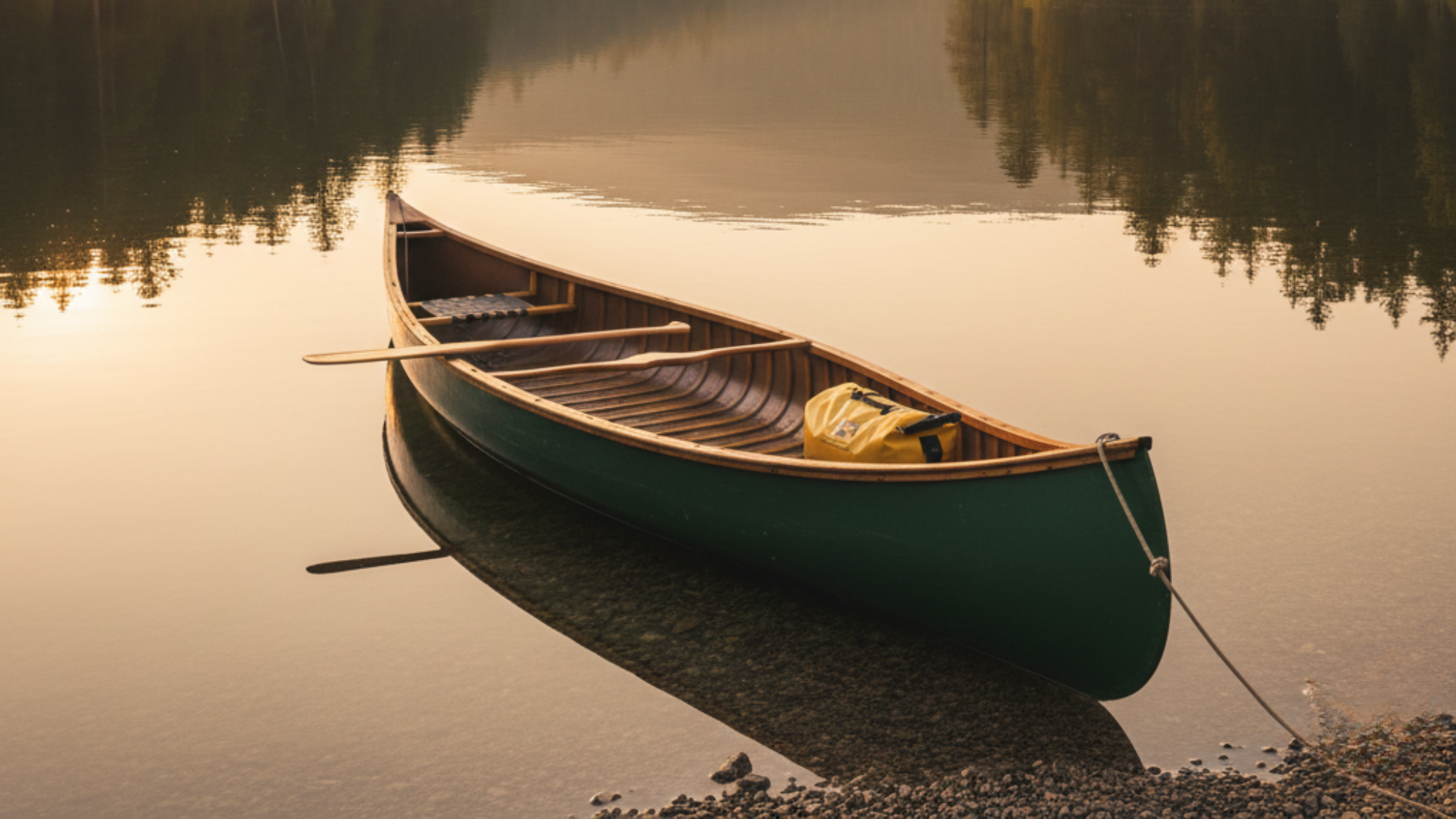
Canoes have been around for thousands of years, and they’re one of the oldest and most versatile boats ever created.
From calm lakes to winding rivers, people have used canoes for travel, hunting, exploring, and even long-distance journeys.
What makes them so interesting is how they blend history, skill, and design into one lightweight craft that almost anyone can learn to use.
Today, canoes are still popular because they offer a quiet, relaxing way to enjoy the water while staying close to nature, learning how they were made, how they work, and how people use them today can help you appreciate just how special they really are.
The History of Canoes
Canoes have a long and meaningful history that spans many cultures. Some of the earliest canoes were built by Indigenous peoples from natural materials such as birch bark, hollowed-out logs, and animal skins.
These designs were lightweight, strong, and perfect for traveling through lakes and rivers.
As time went on, canoes became important tools for exploring new lands and transporting goods. Hunters, traders, and travelers relied on them because they could carry heavy loads while gliding quietly through the water.
Over the years, canoe designs have changed as new materials and technologies have been introduced, but the basic idea has remained the same: a simple, efficient boat that connects people to the water in a smooth, natural way.
Some traditional ocean-travel canoe designs evolved in remarkable ways, especially in Polynesian culture, where double-hulled vessels played a major role in navigation and voyaging.
Types of Canoe Designs
Canoes may look similar at first glance, but each design has its own purpose, strengths, and ideal conditions.
Understanding these differences helps you choose a canoe that feels comfortable and performs well for the type of paddling you want to do.
1. Recreational Canoes
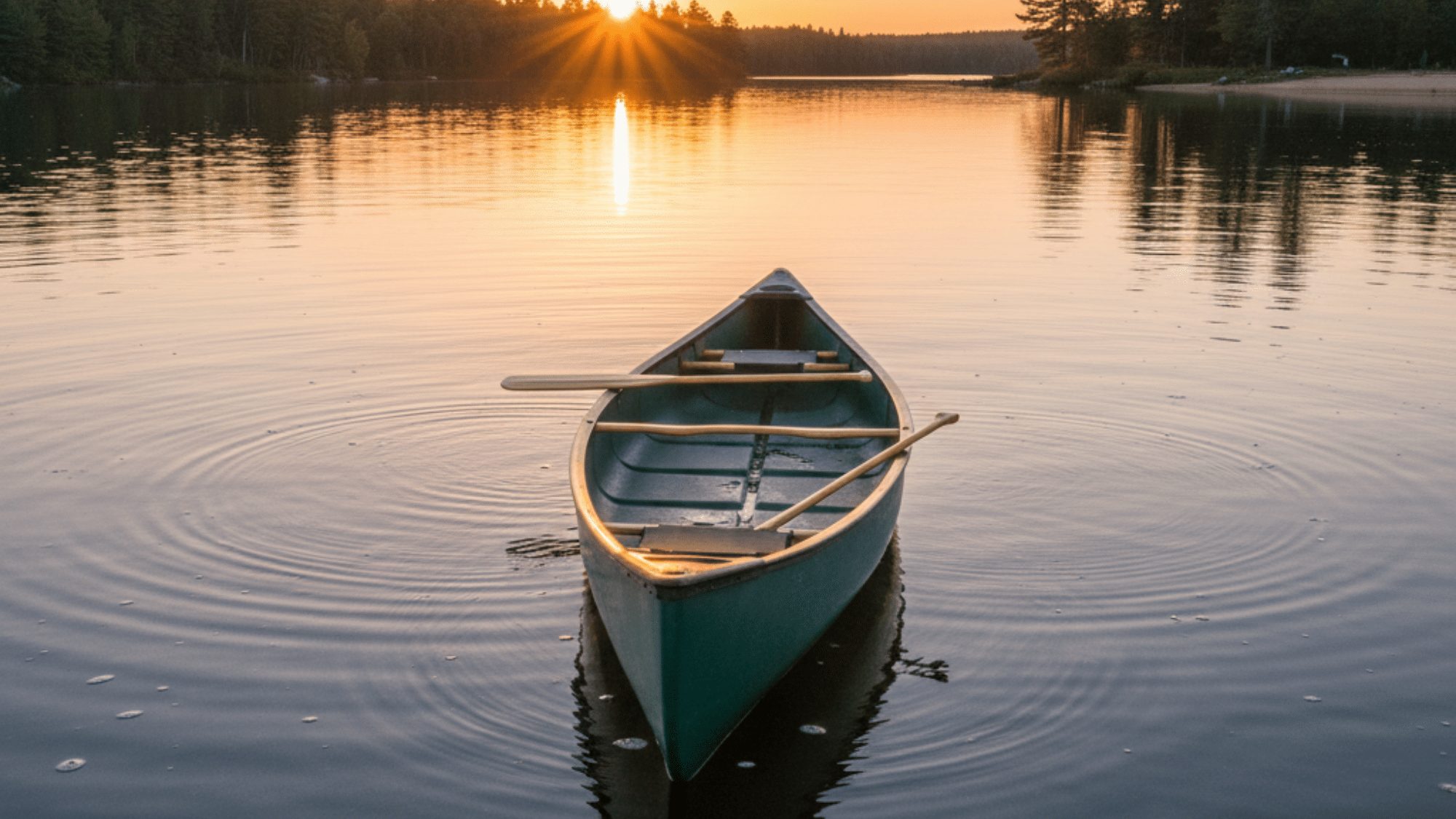
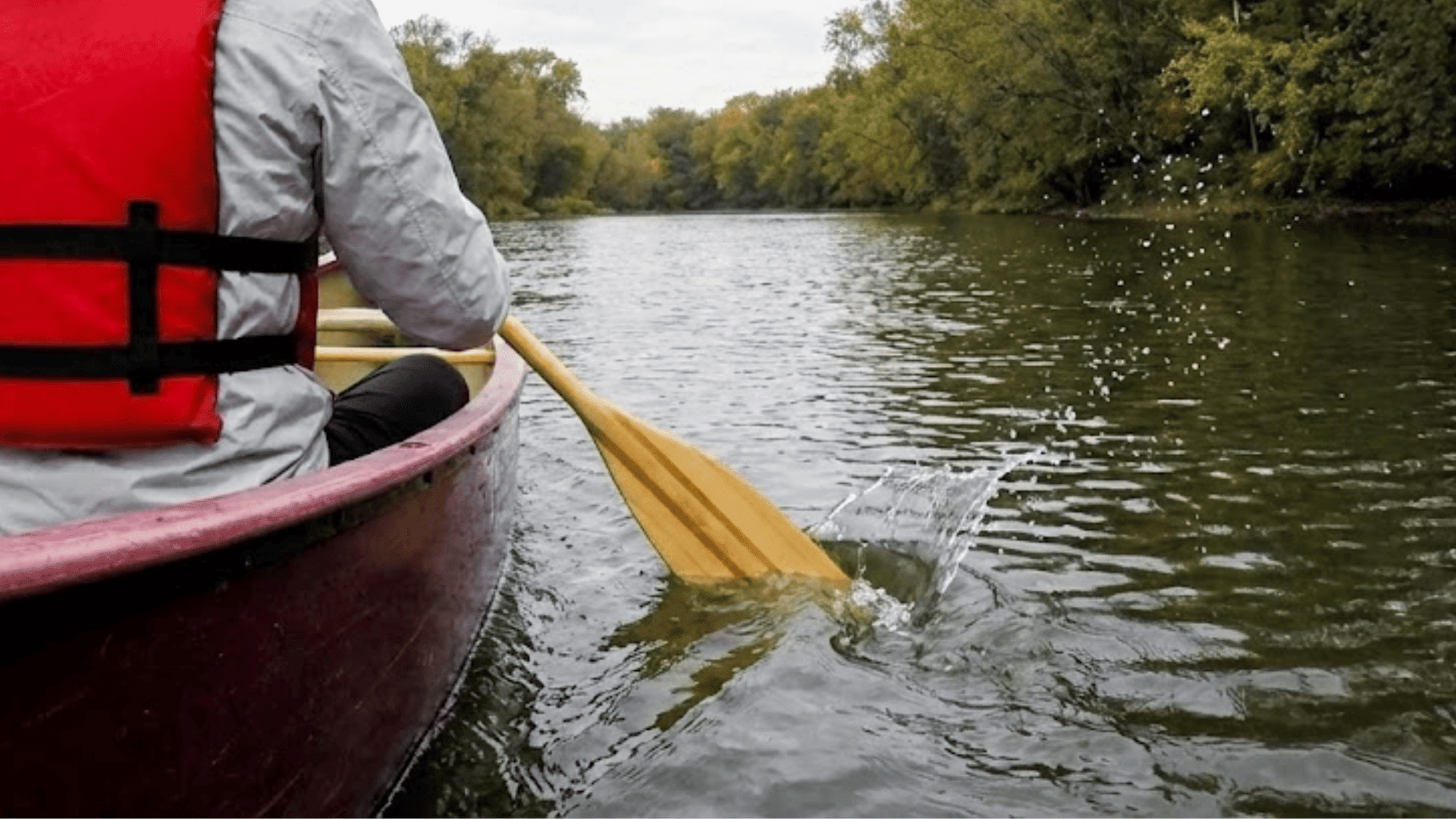
Recreational canoes are the most common and beginner-friendly option. They’re usually wider and more stable, making them perfect for calm lakes, ponds, and slow-moving rivers.
These canoes don’t require advanced paddling skills, and they’re great for families, casual weekend outings, or anyone who just wants a relaxed experience on the water.
Their sturdy design also makes them forgiving if you’re still learning balance and basic strokes.
| Pros | Cons |
|---|---|
| Very stable and easy to balance | Slower than other canoe types |
| Great for beginners and families | Not ideal for long-distance paddling |
| Simple to use on calm lakes and slow rivers | Doesn’t handle rough or fast water well |
2. Touring or Tripping Canoes
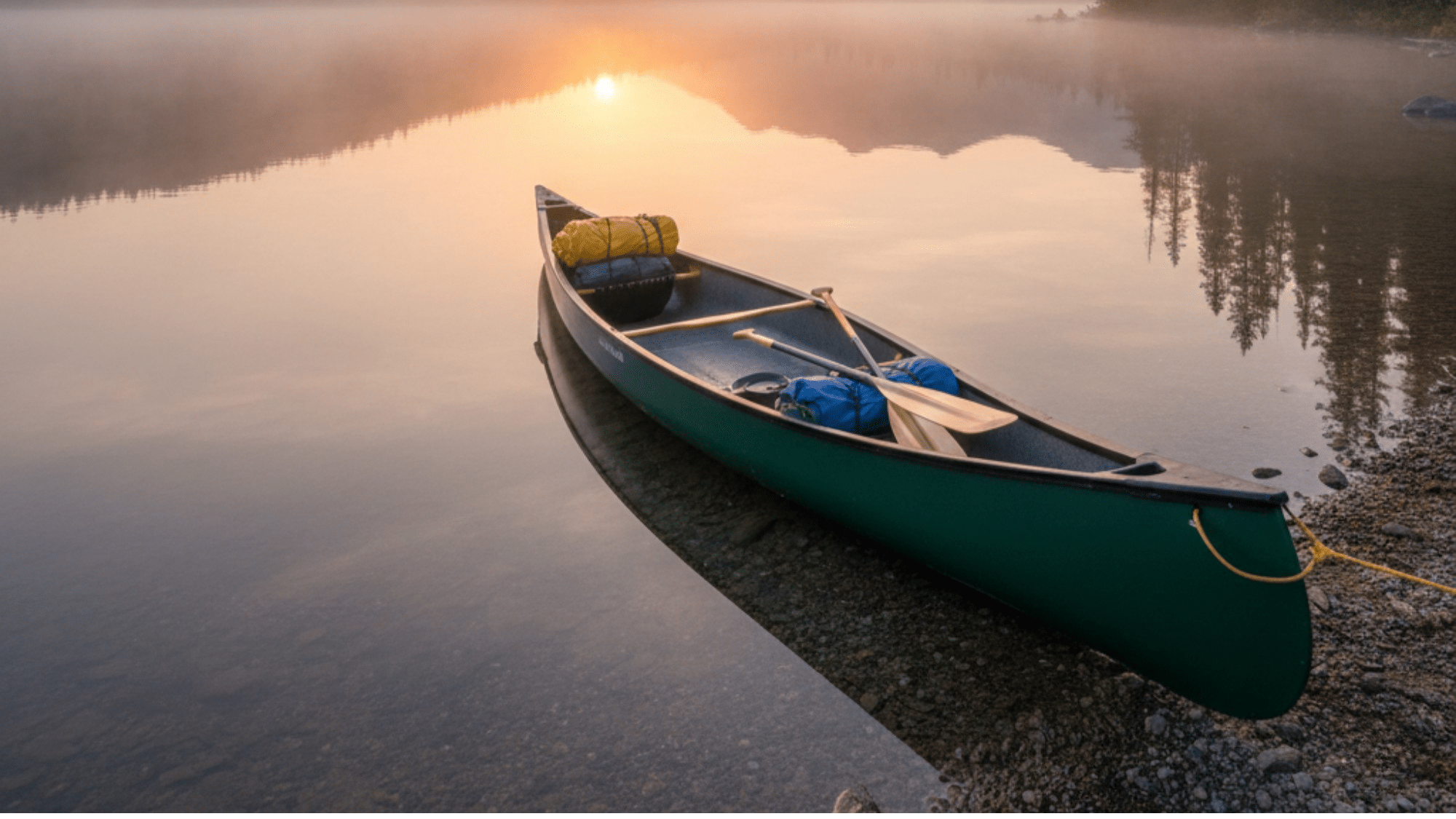
Touring canoes are built for long-distance travel and multi-day adventures. They’re longer, sleeker, and shaped to glide efficiently over large lakes and gentle rivers.
These canoes can carry a heavy load of camping gear without feeling cramped or unstable. People use them for wilderness trips where they might paddle for hours, portage between lakes, or explore remote areas.
They offer a balance of speed, control, and carrying capacity that makes them ideal for serious explorers.
| Pros | Cons |
|---|---|
| Glide smoothly and track well over long distances | Can feel less stable for complete beginners |
| Can carry lots of gear for camping and multi-day trips | A longer length makes tight turns harder |
| More efficient and faster than recreational canoes | Usually more expensive than basic models |
3. Whitewater Canoes
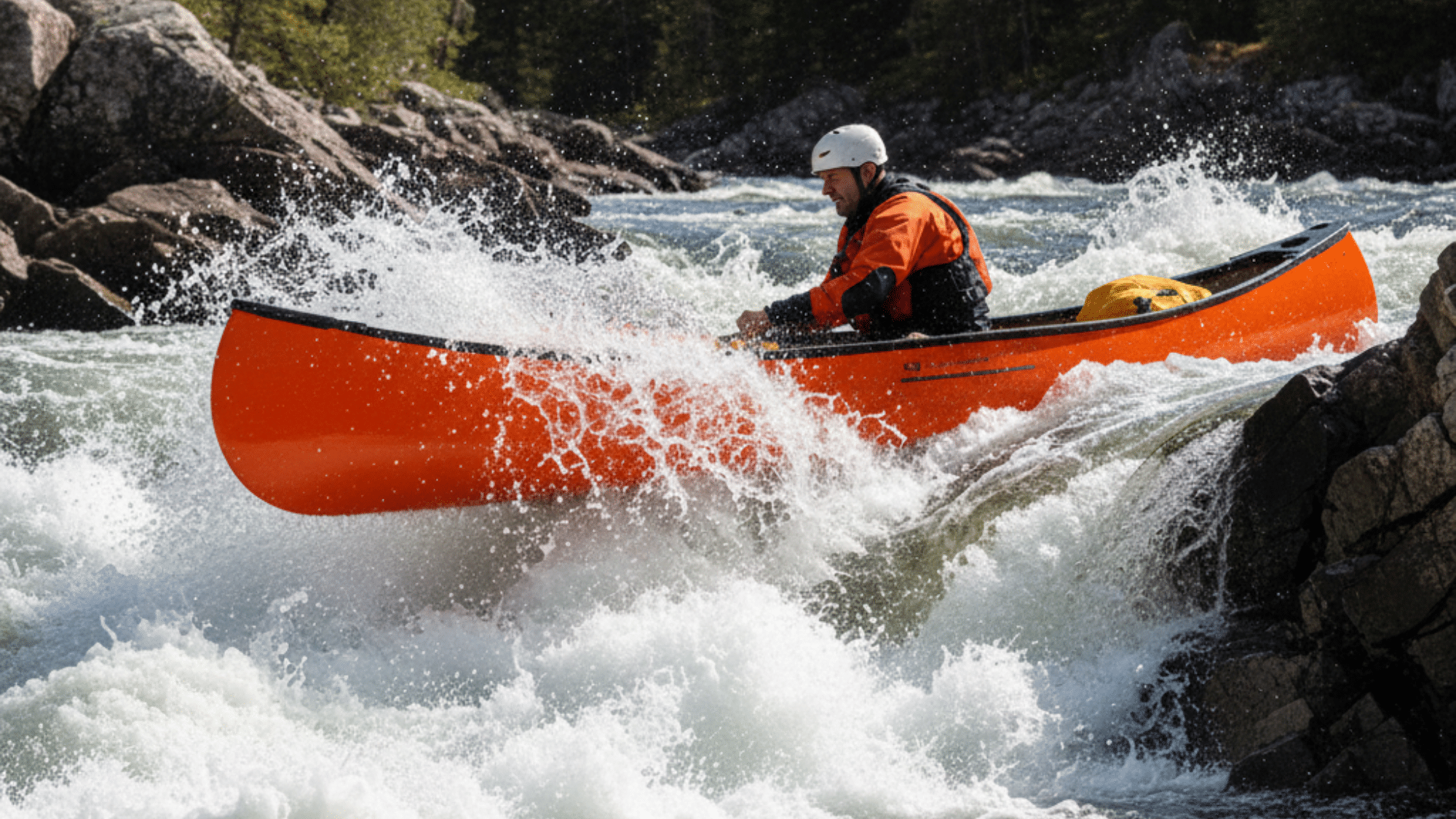
Whitewater canoes are designed for fast-moving rivers, rapids, and rougher water. They’re shorter, highly maneuverable, and curved upward at the ends so they can ride over waves instead of cutting through them.
Many also include flotation bags or spray covers to prevent them from taking on too much water.
These canoes require more skill to control but offer the excitement and challenge that experienced paddlers love when navigating swift currents.
| Pros | Cons |
|---|---|
| Very maneuverable and quick to turn | Not very fast on flat, calm water |
| Built to handle rocks, waves, and rough rivers | Can feel “twitchy” or unstable to new paddlers |
| Often include flotation or spray covers for safety | Less room for gear compared to touring canoes |
4. Racing Canoes
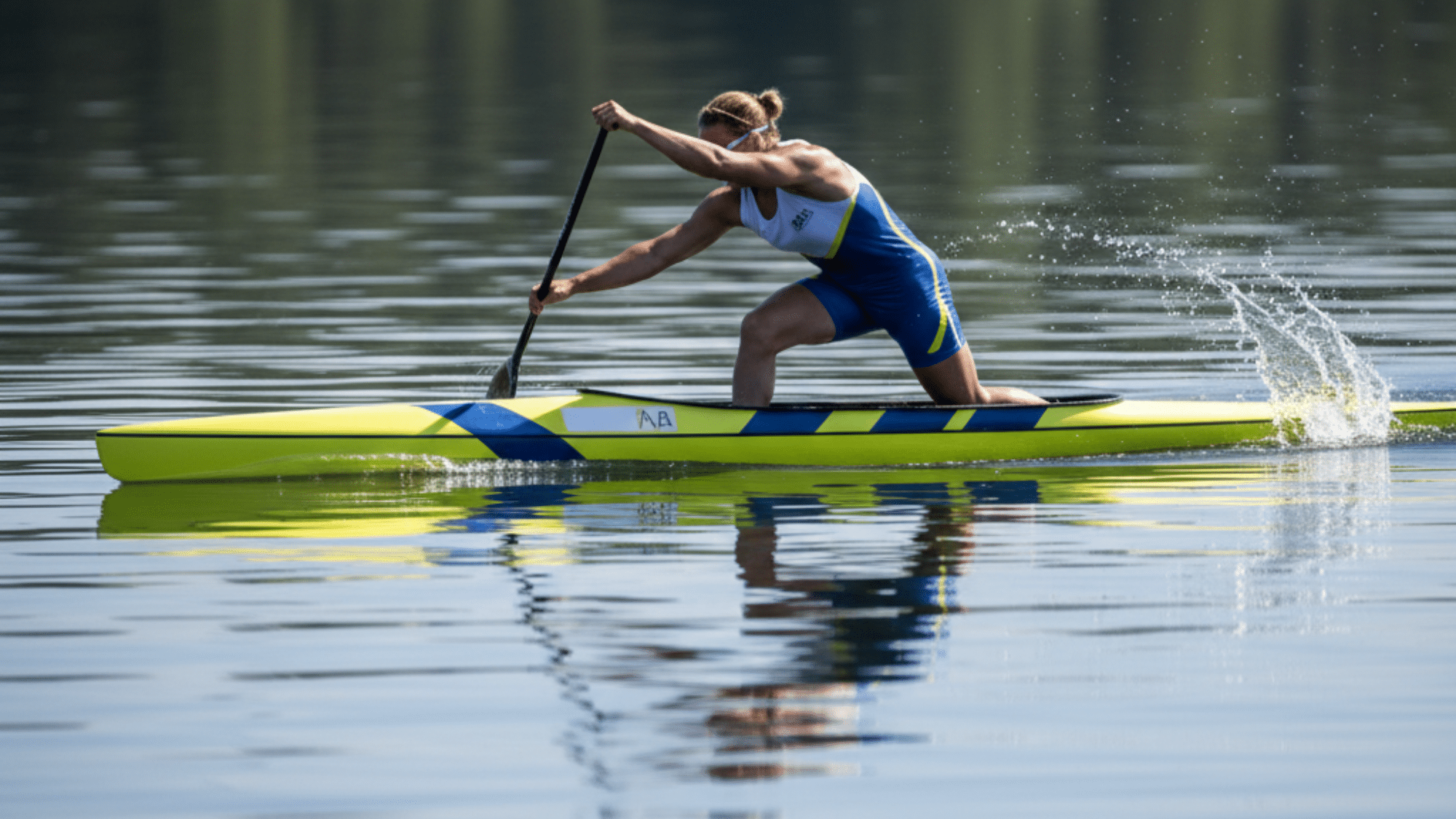
Racing canoes are built with one goal in mind: speed. They’re extremely narrow, ultralight, and shaped to slice through the water with as little resistance as possible.
Because of their slim design, they require excellent balance and precise paddling skills.
These canoes are used in competitive events like sprints or marathon canoe races and are typically made from advanced materials like carbon fiber or Kevlar to keep weight low while maximizing performance.
| Pros | Cons |
|---|---|
| Extremely fast and efficient in the water | Narrow and less stable; not beginner-friendly |
| Very light and easy to accelerate | Not good for casual trips or heavy gear |
| Ideal for training and competitions | Often quite expensive |
5. Inflatable and Pack Canoes
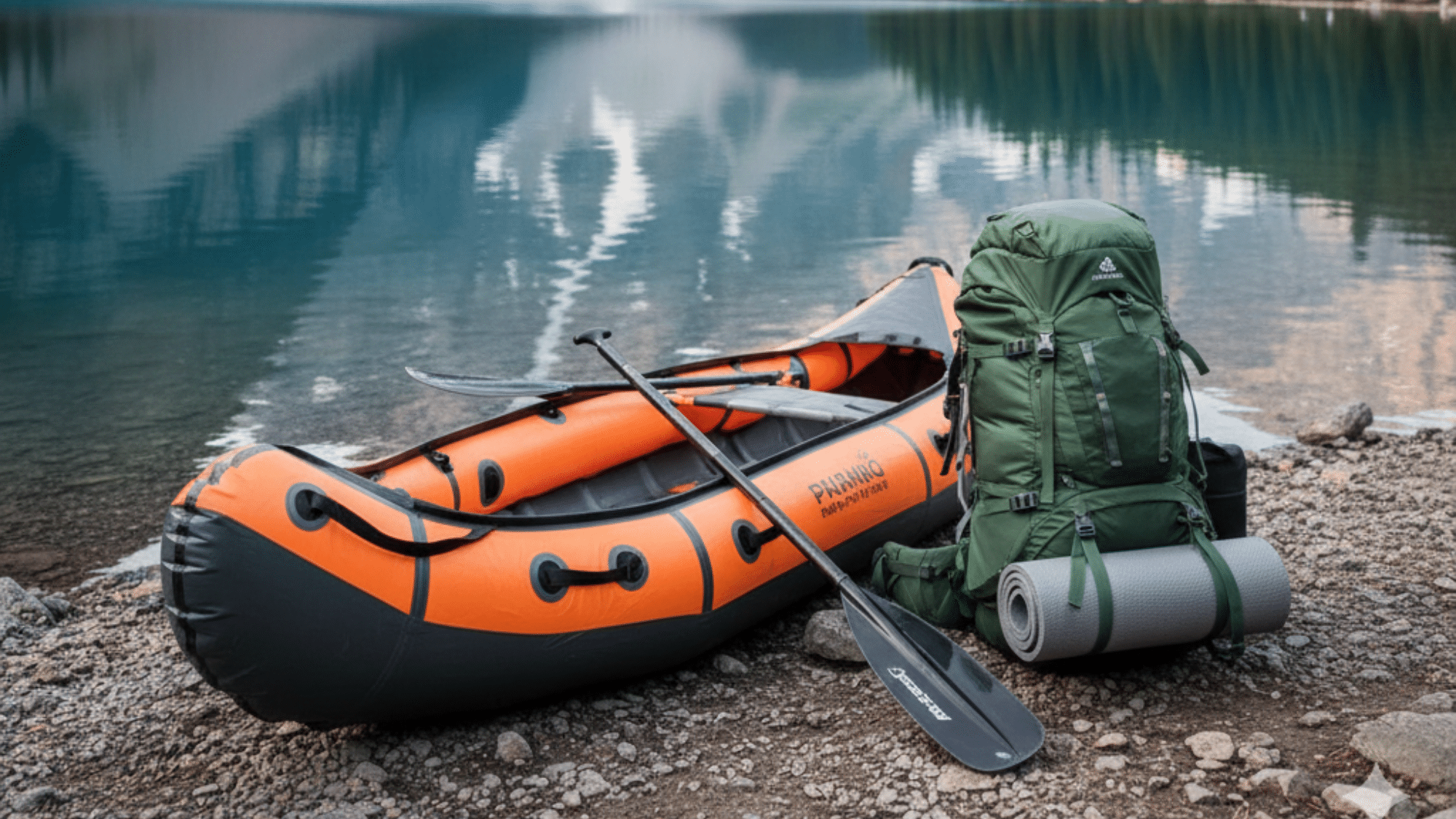
Inflatable and pack canoes are perfect for people who want something lightweight, portable, and easy to carry.
They pack down small enough to fit in a backpack, yet are sturdy enough for lakes and gentle rivers. Many hikers, travelers, and campers choose them because they can explore remote waters without hauling a heavy boat.
| Pros | Cons |
|---|---|
| Easy to transport, store, and pack | Not as rigid or fast as hard-shell canoes |
| Lightweight and great for hiking or backpacking trips | More affected by wind and waves |
| Can be stable and fun on calm water | Risk of punctures in rocky or sharp areas |
Canoe Construction and Materials
Canoes are made from different materials that affect weight, durability, and performance. Here are the most common ones and what they’re best for:
1.Wood & Birchbark
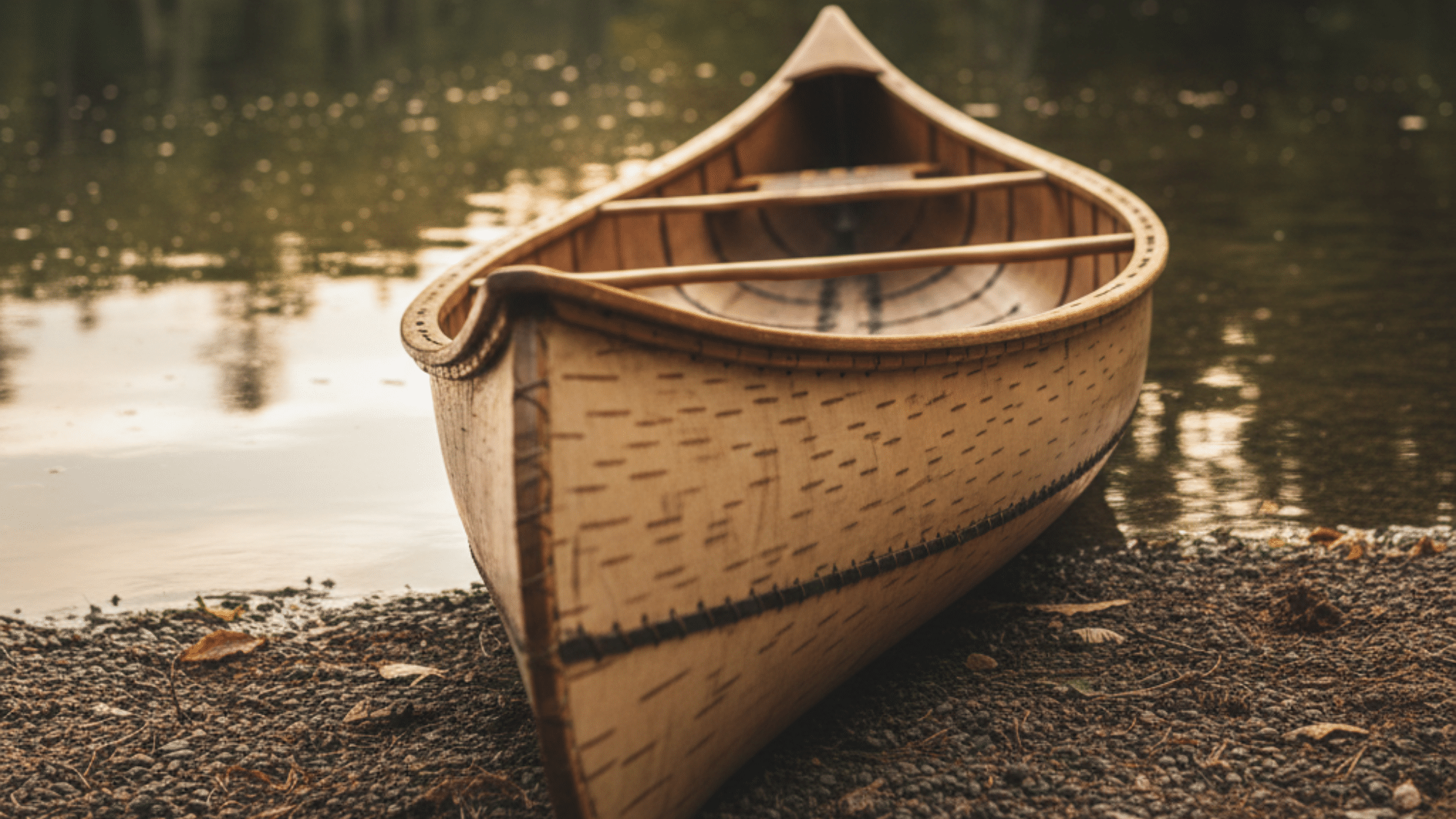
Traditional wooden and birchbark canoes are not only beautiful but also deeply connected to cultural history.
They were originally crafted by Indigenous peoples using natural materials like birch bark, cedar, and spruce roots.
These canoes are lightweight, flexible, and glide smoothly across the water. While they require more care and maintenance, many people still appreciate them for their craftsmanship, heritage, and connection to traditional canoe-building methods.
2. Aluminum
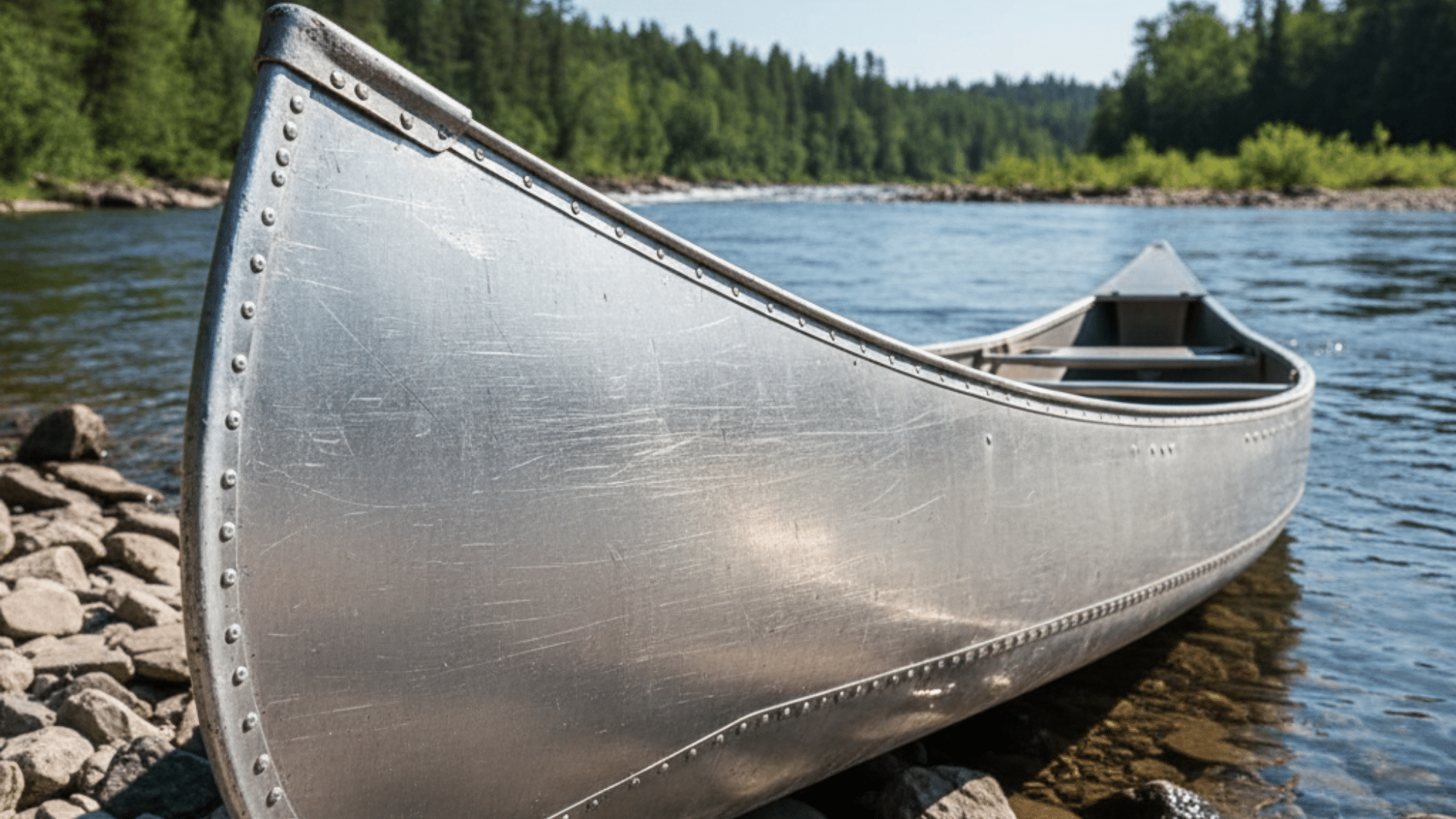
Aluminum canoes became popular because of their toughness and long lifespan. They can handle rocky shores, shallow waters, and accidental bumps without much damage.
Although they tend to be heavier and noisier in the water, their durability makes them a good choice for camps, rentals, and beginners who need something sturdy and low-maintenance.
3.Royalex / ABS Plastic
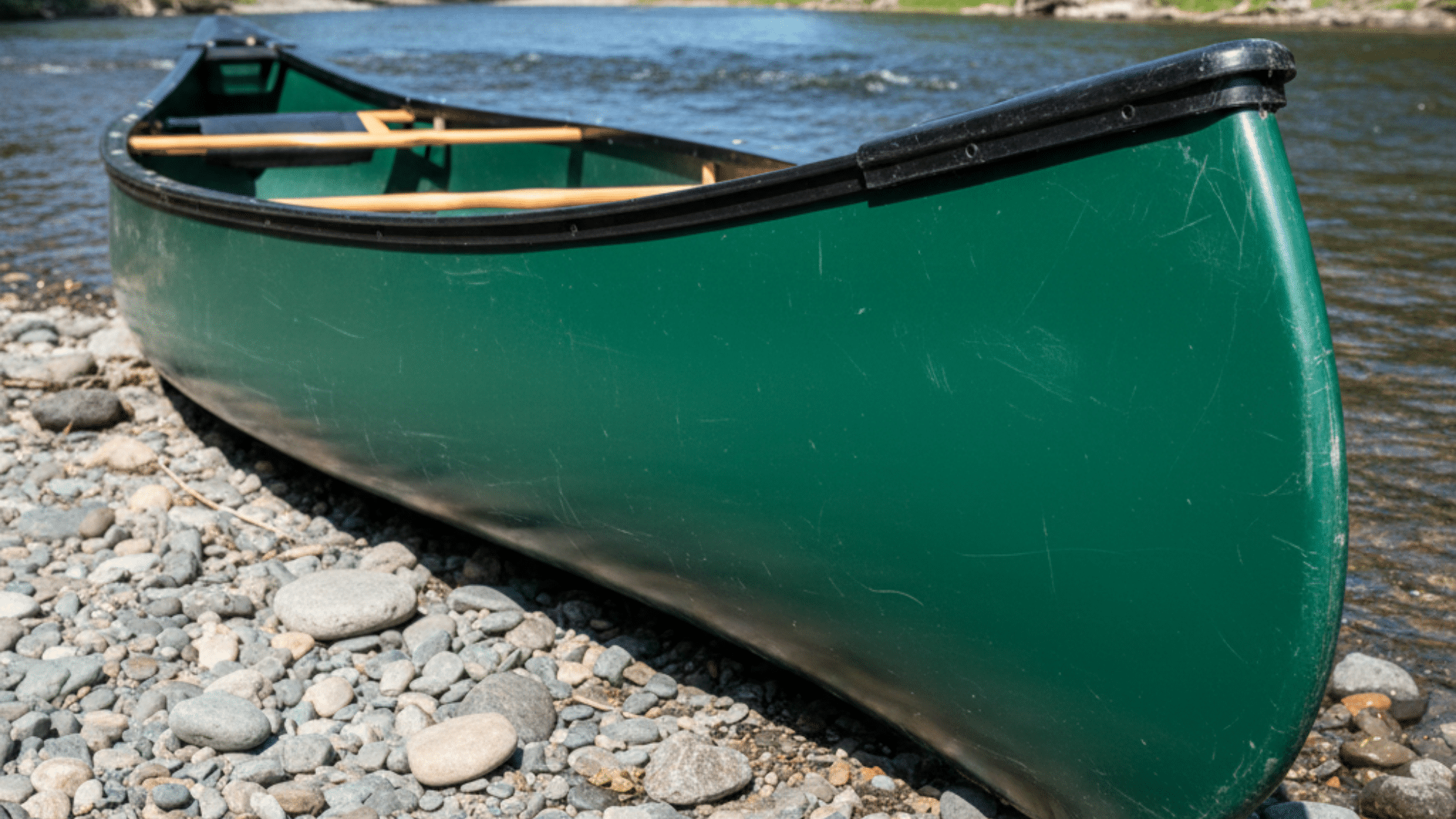
Royalex (and similar ABS-based plastics) offers a good balance between strength and flexibility. Canoes made from this material absorb impacts well, making them excellent for whitewater paddling or rough conditions.
They’re lighter than aluminum but tougher than fiberglass, which is why they’re often chosen by paddlers who want something reliable for challenging rivers.
4. Fiberglass
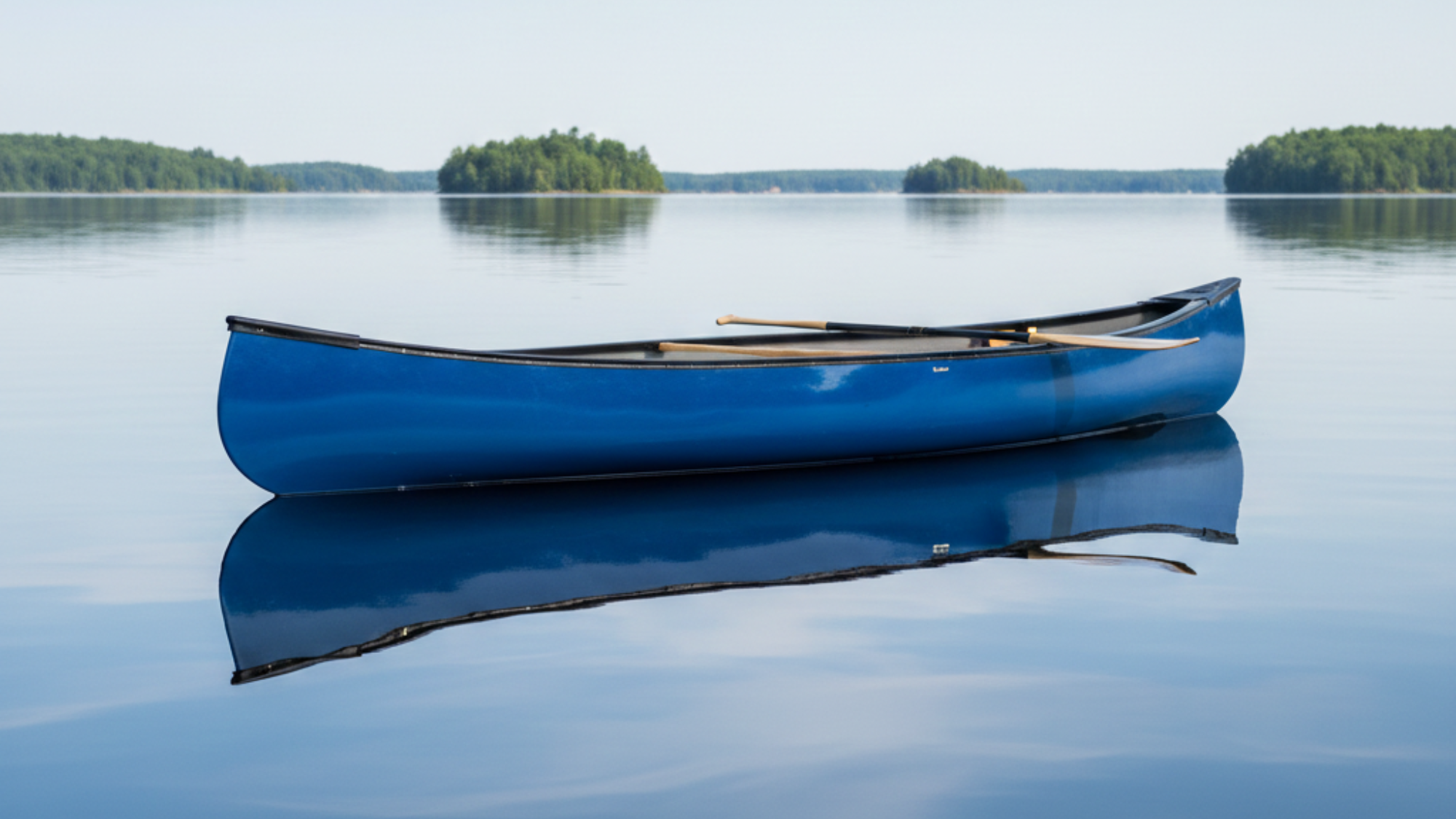
Fiberglass canoes are known for being lightweight, smooth, and efficient in the water. Their sleek design makes them great for recreational paddling and touring on calm or open water.
While they’re not as impact-resistant as some other materials, they offer a comfortable balance of speed and stability, making them a popular choice for many everyday paddlers.
5. Kevlar & Carbon Fiber
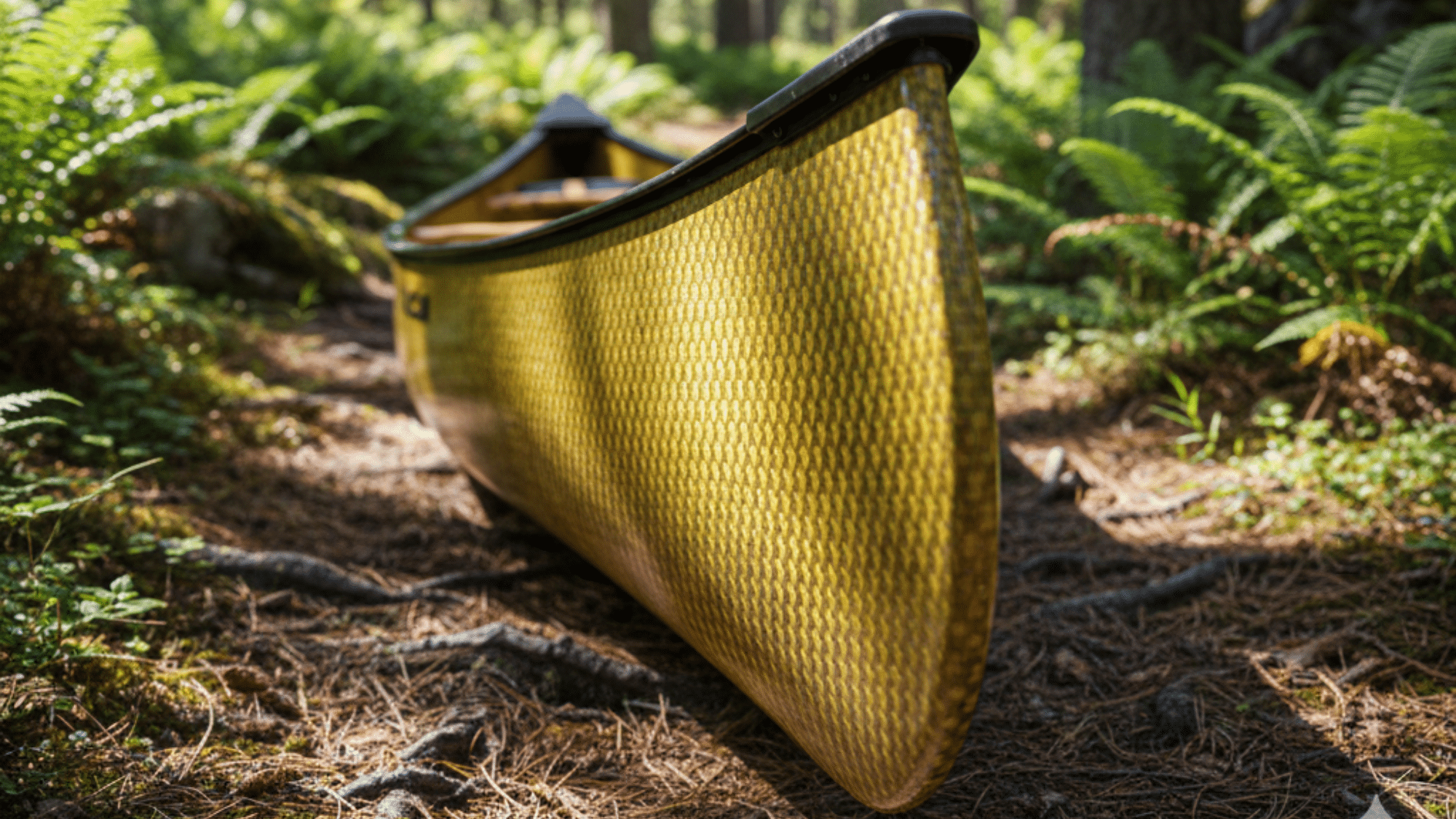
High-end canoes made from Kevlar or carbon fiber are prized for their incredibly low weight and high performance.
These materials make the canoe fast, responsive, and much easier to carry during portages. They’re commonly used in racing or long-distance touring, where every pound matters.
Although they tend to be more expensive, many enthusiasts consider them worth the investment for the performance boost alone.
Anatomy of a Canoe
Understanding the main parts of a canoe helps explain why it moves the way it does and how each piece affects stability and control.
- Hull: The main body of the canoe that sits in the water. Its shape influences how stable the canoe feels and how easily it glides forward.
- Gunwales: The strong top edges along both sides of the canoe. They support the seats and thwarts and help the canoe keep its shape.
- Thwarts: Crossbars that run from one side to the other. They add strength, keep the canoe from flexing, and give paddlers something to hold when carrying it.
- Seats: Where paddlers sit, usually one in the front and one in the back. The height and placement of the seats play a big role in balance and comfort.
- Bow: The front of the canoe, shaped to cut through the water smoothly. A good bow design helps with speed and reduces resistance.
- Stern: The back of the canoe, often used by the paddler who steers. Its shape helps control direction and stability.
- Keel: A ridge on the bottom of some canoes that helps them paddle straighter. It improves tracking but can make quick turns harder.
The shape and placement of these canoe parts directly affect how stable, smooth, and easy to control the canoe feels on the water.
Common Uses of Canoes Today
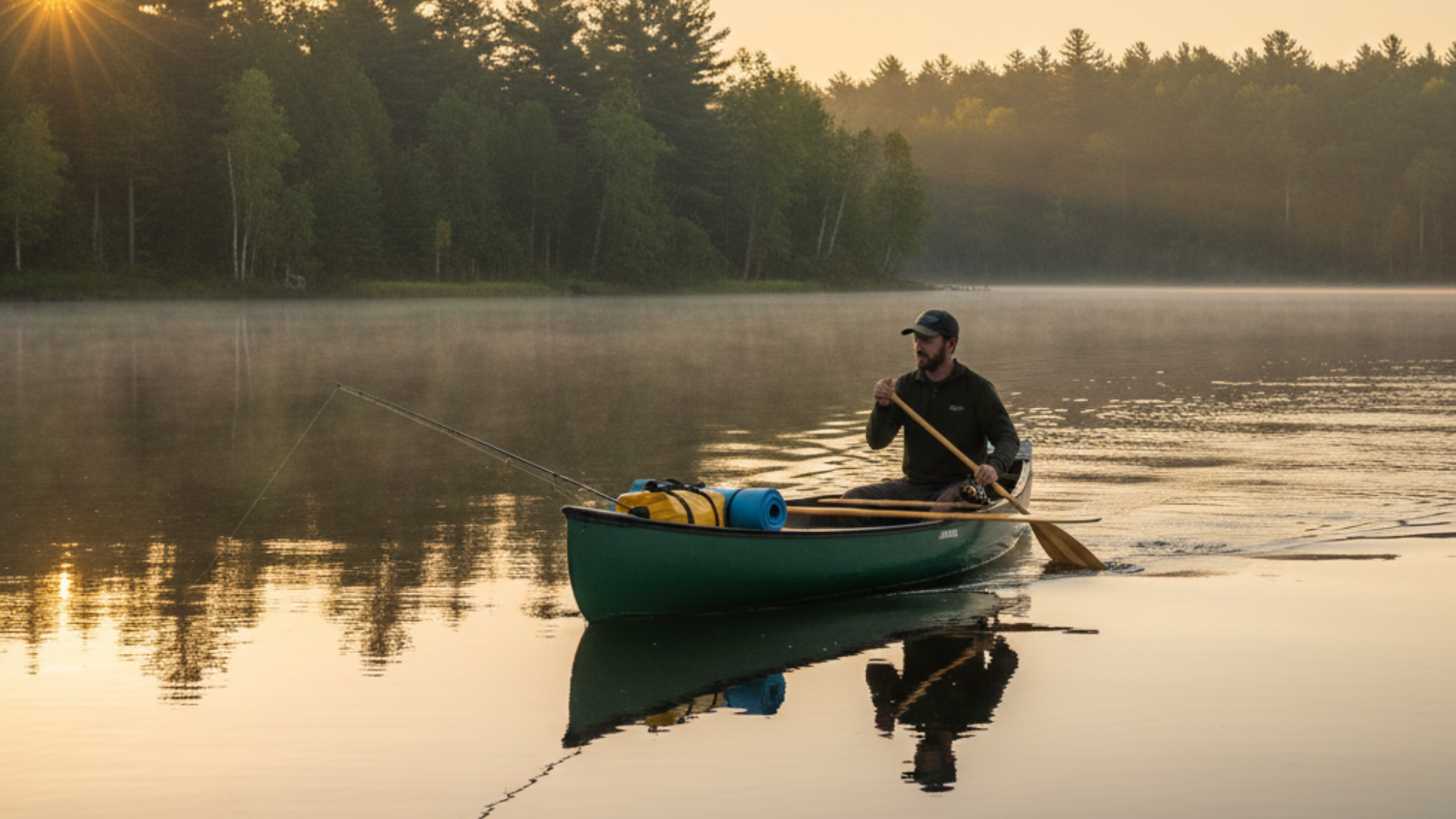
Canoes remain popular because they’re versatile, quiet on the water, and suitable for many different activities. Here are some of the most common ways people use them today:
- Recreational Paddling: Many people use canoes for relaxing trips on lakes, ponds, or gentle rivers. They’re great for enjoying nature, taking in quiet scenery, and spending quality time outside.
- Camping and Multi-Day Trips: Canoes can carry a lot of gear, making them ideal for longer adventures. Campers use them to explore remote areas, paddle across lakes, and transport equipment easily.
- Fishing and Wildlife Photography: Canoes move quietly and smoothly, which helps paddlers get close to birds, fish, and other wildlife without disturbing them. They also offer enough space for fishing gear and camera equipment.
- Racing and Competitions: Some canoes are designed specifically for speed and performance. Racing events include sprint races, marathon paddles, and even outrigger canoe competitions.
- Cultural and Educational Programs: Canoes are used to teach traditional paddling skills, outdoor safety, and historical canoe-building methods. Many groups use them to preserve cultural heritage.
How to Choose Your Canoe?
Picking the right canoe is easier when you think about how and where you’ll actually use it. A “perfect” canoe for one person might feel totally wrong for someone else, so it helps to match the canoe to your plans, your body, and your experience level.
1. Think About Where You’ll Paddle
Before you choose a canoe, it helps to think about the kind of water you’ll be paddling on. Different environments suit different canoe designs.
| Paddling Environment | Recommended Canoe Type |
|---|---|
| Calm lakes and gentle rivers | Recreational or touring canoe |
| Long camping trips | Touring/tripping canoe |
| Rapids and rough water | Whitewater canoe |
2. Be Honest About Your Skill Level
Your skill level plays a big role in how stable and comfortable a canoe feels. Choosing the right type can make paddling safer and more enjoyable.
| Paddler Skill Level | Recommended Canoe Type |
|---|---|
| New paddlers | Recreational canoe with good primary stability |
| Confident/experienced | Touring, whitewater, or racing designs |
3. Choose the Right Material for Your Needs
Canoe materials affect weight, durability, price, and ease of transport. Thinking about your priorities will help you pick the best match.
| Need / Preference | Recommended Material |
|---|---|
| Toughness, don’t mind extra weight | Aluminum or Royalex / ABS |
| Light and smooth paddling | Fiberglass |
| Ultra-light for portaging/long trips | Kevlar or carbon fiber |
| Portable and easy to carry/store | Inflatable canoe or pack canoe |
Conclusion
Canoes have remained popular for centuries because they offer something that few other boats can: a simple, natural way to move across the water while feeling connected to the world around you.
From their origins in traditional craftsmanship to the modern designs we see today, canoes have always been built with purpose, balance, and practicality in mind.
Learning about their history, construction, and different uses helps you appreciate how accessible they really are.
It’s a boat that invites calmness, encourages adventure, and makes the outdoors more accessible.
Understanding how canoes work both in design and in motion helps every paddler enjoy a safer, smoother, and more meaningful time on the water.