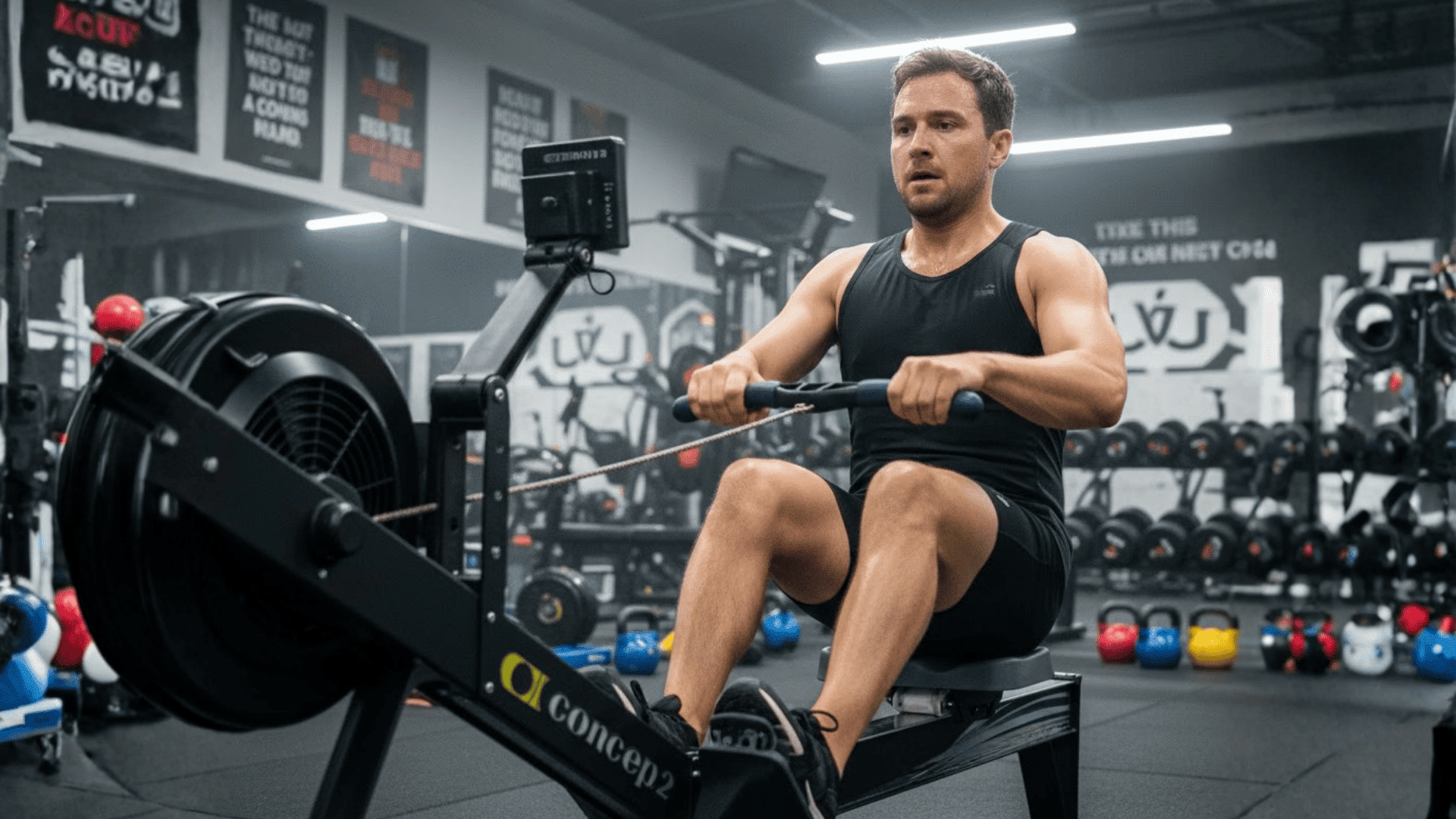
Starting a beginner rowing workout can feel overwhelming when you first sit on the machine. You might wonder about proper form, how long to row, or what resistance to use.
The truth is, rowing is one of the best full-body exercises for newcomers to fitness. It burns calories, builds muscle, and goes easy on your joints at the same time. You don’t need to be an athlete to start seeing results.
With the right approach and a simple plan, you can learn the basics quickly. This beginner rowing workout will show you exactly how to get started, avoid common mistakes, and build a strong foundation for long-term success.
Why Rowing Works Great for Beginners?
Rowing is perfect for beginners because it works nearly every major muscle group while staying easy on your joints.
You can control how hard you work, how long you row, and how much resistance you use. This makes it different from running or heavy lifting.
Each rowing session combines cardio and strength training at the same time, which helps you get fit faster. When you use the proper form, rowing is safe and effective for any fitness level.
You can start slow and build up as you get stronger. The smooth, gliding motion protects your knees, hips, and ankles from the pounding that comes with other exercises.
Benefits of Rowing for Beginners
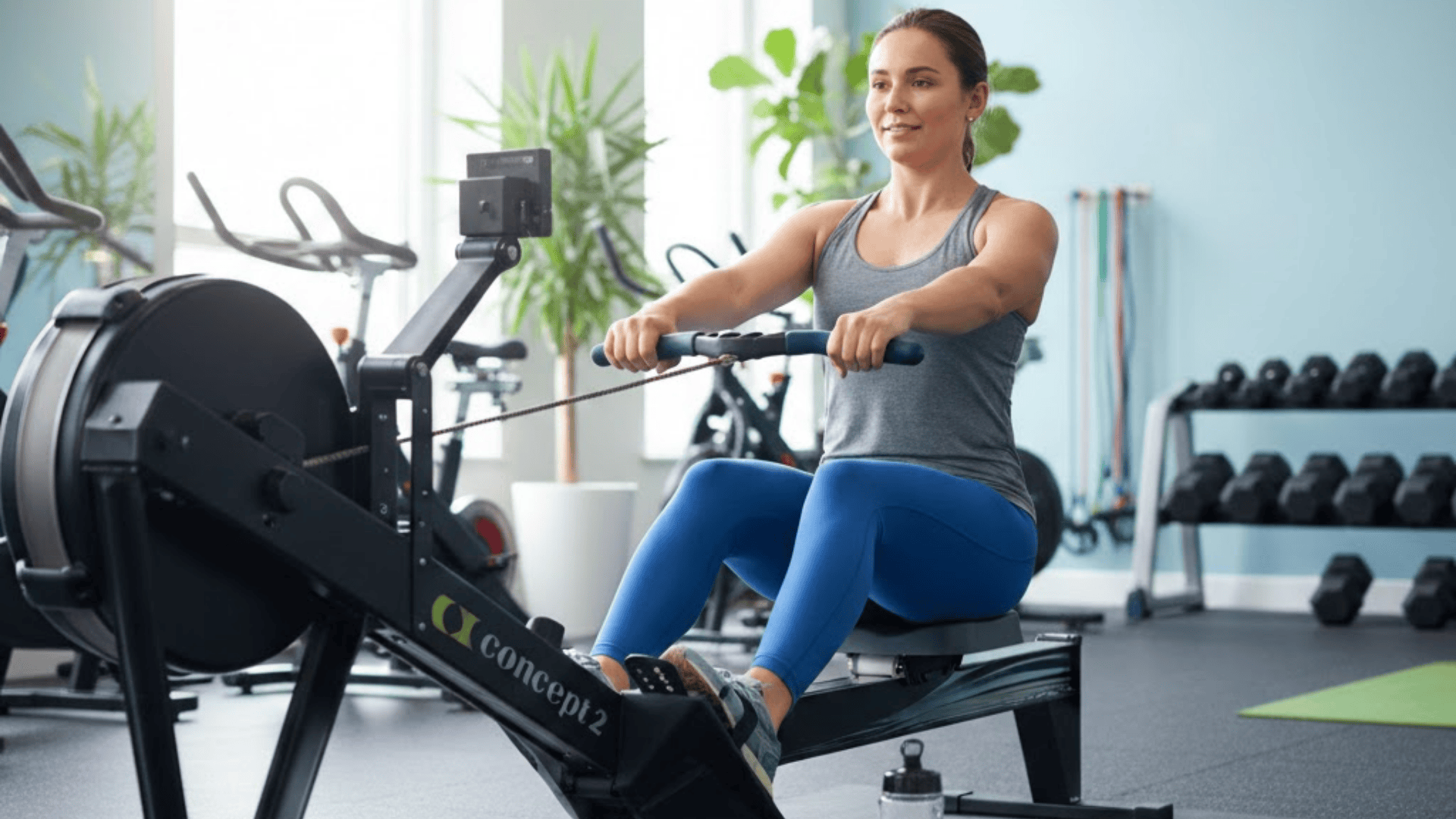
Rowing offers a complete workout that fits any fitness level. New rowers can start at their own pace and see results quickly. Here are some main benefits:
- Full-Body Engagement: Works legs, core, back, and arms in every stroke.
- Low-Impact Exercise: Gentle on joints compared to running or jumping workouts.
- Cardio + Strength: Improves endurance while toning muscles.
- Easy to Scale: Adjust pace, resistance, and session duration as you progress.
- Mental Health Boost: Rhythmic rowing improves mood, reduces stress, and supports focus.
These benefits make rowing one of the best choices for people just starting their fitness routine. You get more from each workout without putting extra strain on your body.
Rowing Basics: Learn the Proper Technique First
Rowing is a full-body exercise, but doing it correctly makes a big difference. Using correct movements helps you get stronger and faster while keeping your body safe. Even short sessions are more effective with proper form.
Four Phases of a Rowing Stroke
- Catch: Knees bent, arms forward, body leaning slightly forward.
- Drive: Push with legs first, hinge at the hips, pull with arms.
- Finish: Legs extended, handle at chest, back upright.
- Recovery: Reverse the drive; arms extend first, body leans forward, knees bend
Why Technique Matters
Good technique keeps your body safe and helps you get the most out of each stroke. If your posture or movements are wrong, you can hurt your back, shoulders, or knees.
Rowing with correct form makes every stroke count, building strength and endurance faster. It also makes rowing feel easier and more comfortable, so you can row longer without getting tired or sore.
What Stroke Rate (SPM) Means – And What to Aim for Initially?
Stroke rate, measured in strokes per minute (SPM), is how many rowing strokes you take each minute. It shows how fast you are rowing and helps control the intensity of your workout.
| Stroke Rate (SPM) | Intensity Level | Notes for Beginners |
|---|---|---|
| 14-18 | Easy | Warm-up/learning form |
| 18-22 | Moderate | Steady-state rowing |
| 22+ | High | Only once comfortable with form |
Pro Tip: Use the “talk test” – you should be able to speak in short sentences while rowing. Focus on smooth rhythm over speed.
10-Minute Beginner Rowing Session
This session helps you practice proper rowing technique while warming up your muscles. Focusing on the correct movements now makes your later workouts safer and more effective. You’ll work on stroke rhythm, leg drive, and smooth transitions.
The Workout
| Phase | Details |
|---|---|
| Warm-Up | 5 minutes of light rowing, focusing on stroke rhythm |
| Technique Drill | 5 minutes of half-slide strokes to reinforce proper form |
| Cool-Down | 1-2 minutes slow rowing and gentle stretching |
- Equipment Needed: Rowing machine (any type works).
- How Often to Do This Workout: 2-3 times per week to build good habits.
Modifications
- Make It Easier: Reduce time to 8 minutes or row slower to focus on form.
- Make It Harder: Extend the drill phase to 7 minutes or add a few full-slide strokes at a slow pace.
15-Minute Steady Row: Build Endurance Safely
This workout focuses on steady rowing to improve your endurance and build confidence on the machine. Keep a moderate pace and focus on smooth, consistent strokes throughout.
The Workout
| Phase | Details |
|---|---|
| Warm-Up | 3-5 minutes light rowing at a relaxed pace |
| Main Row | 15 minutes at a steady, conversational pace (18-22 SPM) |
| Cool-Down | 2-3 minutes slow rowing + gentle stretching |
- Equipment Needed: Rowing machine.
- How Often to Do This Workout: 2-3 sessions per week, with rest days in between.
Modifications
- Make It Easier: Reduce the main row to 10 minutes or keep pace slower.
- Make It Harder: Increase the main row to 20 minutes or row slightly faster while maintaining form.
20-Minute Interval Session: Boost Stamina and Strength
Interval rowing helps you build stamina and strength by mixing short bursts of faster rowing with recovery periods. This approach efficiently trains your muscles and cardiovascular system.
The Workout
| Phase | Details |
|---|---|
| Warm-Up | 5 minutes of light rowing to prepare muscles |
| Main Row | 1-2 minutes moderate pace → 1-2 minutes light recovery; repeat 4-5 cycles |
| Cool-Down | 3-5 minutes slow rowing + stretching |
- Equipment Needed: Rowing machine.
- How Often to Do This Workout: 2 times per week, alternating with steady rows or technique sessions.
Modifications
- Make it easier: Reduce the number of cycles or rows, taken at a slower pace, during intervals.
- Make it harder: Increase the number of cycles, extend the faster intervals, or slightly increase resistance.
4-Week Plan: How to Progress Safely & Effectively?
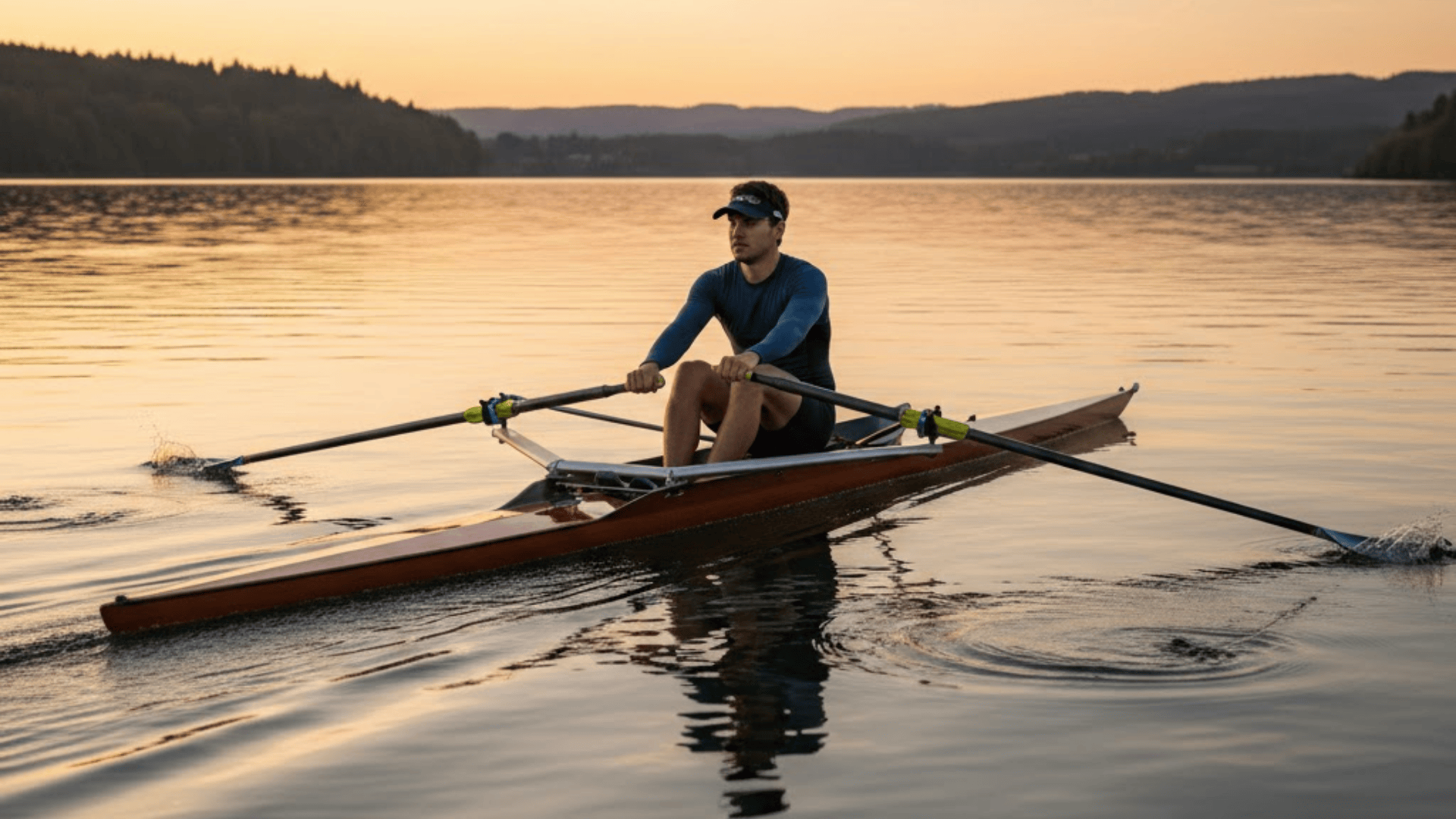
Following a clear plan makes learning rowing easier and more effective. This 4-week schedule helps you build good technique, improve endurance, and increase strength step by step.
Each week has a specific focus and a short, manageable session length so you can practice safely and steadily.
Week 1: Technique & Form
- Session Duration: 10-15 minutes
- Focus: Practice proper rowing technique and smooth strokes.
- Frequency: 2-3 sessions per week.
- Tip: Concentrate on form over speed.
Week 2: Steady Rows + Light Intervals
- Session Duration: 15 minutes
- Focus: Build comfort and rhythm with steady rowing and short intervals.
- Frequency: 2-3 sessions per week.
- Tip: Keep a conversational pace and focus on breathing.
Week 3: Longer Sessions & Interval Mix
- Session Duration: 20 minutes
- Focus: Gradually increase endurance with longer steady rows and interval cycles.
- Frequency: 2-3 sessions per week.
- Tip: Push slightly harder than week 2, but maintain good form.
Week 4: Challenge & Progress
- Session Duration: 20-25 minutes
- Focus: Combine steady rowing with interval sessions to challenge stamina and strength.
- Frequency: 2-3 sessions per week.
- Tip: Progress gradually and focus on consistency before increasing intensity.
Take your time with each week and focus on proper form. Don’t worry about speed or distance at first – consistency is more important. As you finish the four weeks, you’ll notice your stamina, strength, and confidence growing.
What to Do After the First Month – Take Your Rowing Up a Level
After your first month of rowing, you’re ready to push yourself further. Start by adding longer steady-state rows that last 30 to 45 minutes at a comfortable pace.
This builds your endurance over time. You can also try interval sessions, alternating strenuous efforts with recovery periods, to boost your stamina.
Mixing rowing with strength training or mobility exercises helps balance your fitness and prevents muscle tightness.
Once your technique feels solid, gradually increase the resistance on your machine or row at a faster stroke rate. These changes keep your workouts challenging and help you see continued progress in your fitness level.
Common Beginner Mistakes & How to Avoid Them
Many new rowers make the mistake of going too fast or pushing for high strokes per minute right away. This usually leads to sloppy form and reduces the quality of your workout.
Another standard error is ignoring your posture and core engagement during each stroke.
When you don’t keep your back straight and core tight, you risk developing back or shoulder problems over time. Some beginners also overdo their sessions without giving their bodies enough recovery time.
This causes fatigue and can lead to overtraining, which actually slows down your progress. Focus on proper technique first, row at a controlled pace, and always schedule rest days between workouts to let muscles recover.
The Bottom Line
A beginner rowing workout opens the door to better fitness without putting stress on your body.
You now know how to start rowing with good form, create effective workout plans, and avoid the mistakes that slow down progress. Remember to focus on technique first before increasing speed or resistance.
Take rest days seriously and listen to what your body tells you. Rowing gets easier as you build strength and endurance over the coming weeks.
Stay consistent with your sessions and track your improvements. Have questions about your rowing routine or want to share your progress? Drop a comment below and let me know how your beginner rowing workout is going!