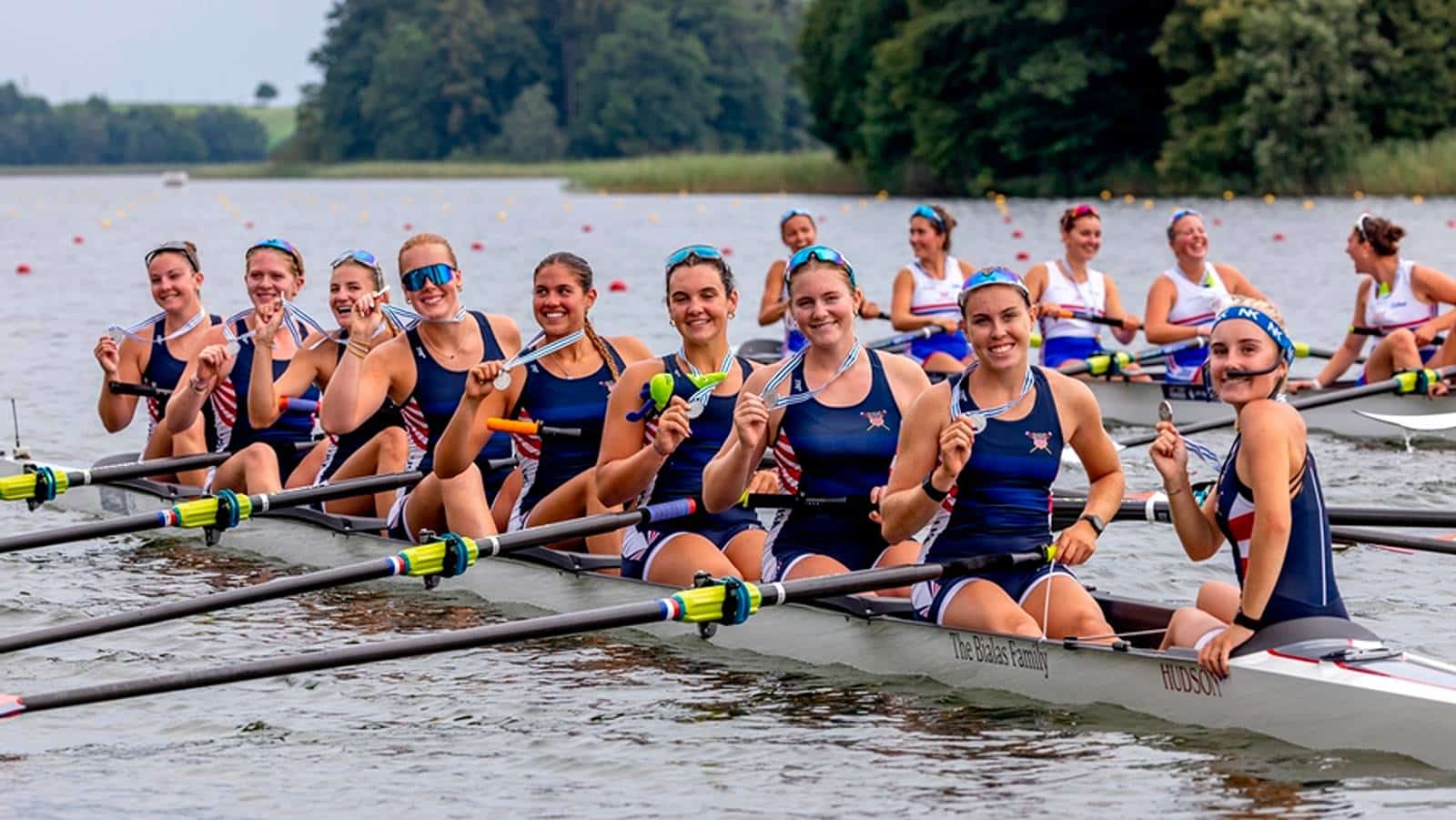

Rowing sport is one of the few activities that blends strength, technique, and teamwork into one powerful motion.
Doesn’t matter if you’re gliding across calm water or pushing through a tough indoor session, rowing challenges your body and sharpens your coordination in a way that feels both athletic and rhythmic.
It’s a sport known for building endurance, improving posture, and creating a strong sense of unity among teammates.
From beginners learning the basics to competitive athletes chasing speed, rowing offers something for everyone who loves movement, precision, and the thrill of working in perfect sync.
As you learn more, you start to appreciate how much timing and discipline matter. Each stroke becomes its own balance of power and control.
History of Rowing
Rowing has been around for thousands of years, first used by ancient civilizations like the Egyptians, Greeks, and Romans to move people, goods, and armies across water.
It slowly shifted from pure transport to competition, but modern rowing as a sport really took shape in England.
By the 1600s and early 1700s, professional watermen were racing on the River Thames, including the long-running Doggett’s Coat and Badge race, first held in 1715. In the 1800s, rowing grew rapidly at schools and universities, leading to famous events such as the Oxford–Cambridge Boat Race (first held in 1829) and the Henley Regatta (started in 1839).
Rowing spread across Europe and North America, and in 1892, the international federation (now World Rowing) was formed.
The sport joined the Olympic program in 1900, with women’s rowing added in 1976. Today, rowing is practiced worldwide on rivers, lakes, coastal waters, and indoor rowing machines.
Types of Rowing
Rowing isn’t just one single style; it’s actually a family of related disciplines. Here’s a clear breakdown of the main types of rowing sports and what makes each one different.
1. Flatwater / Olympic Rowing (Regatta Rowing)
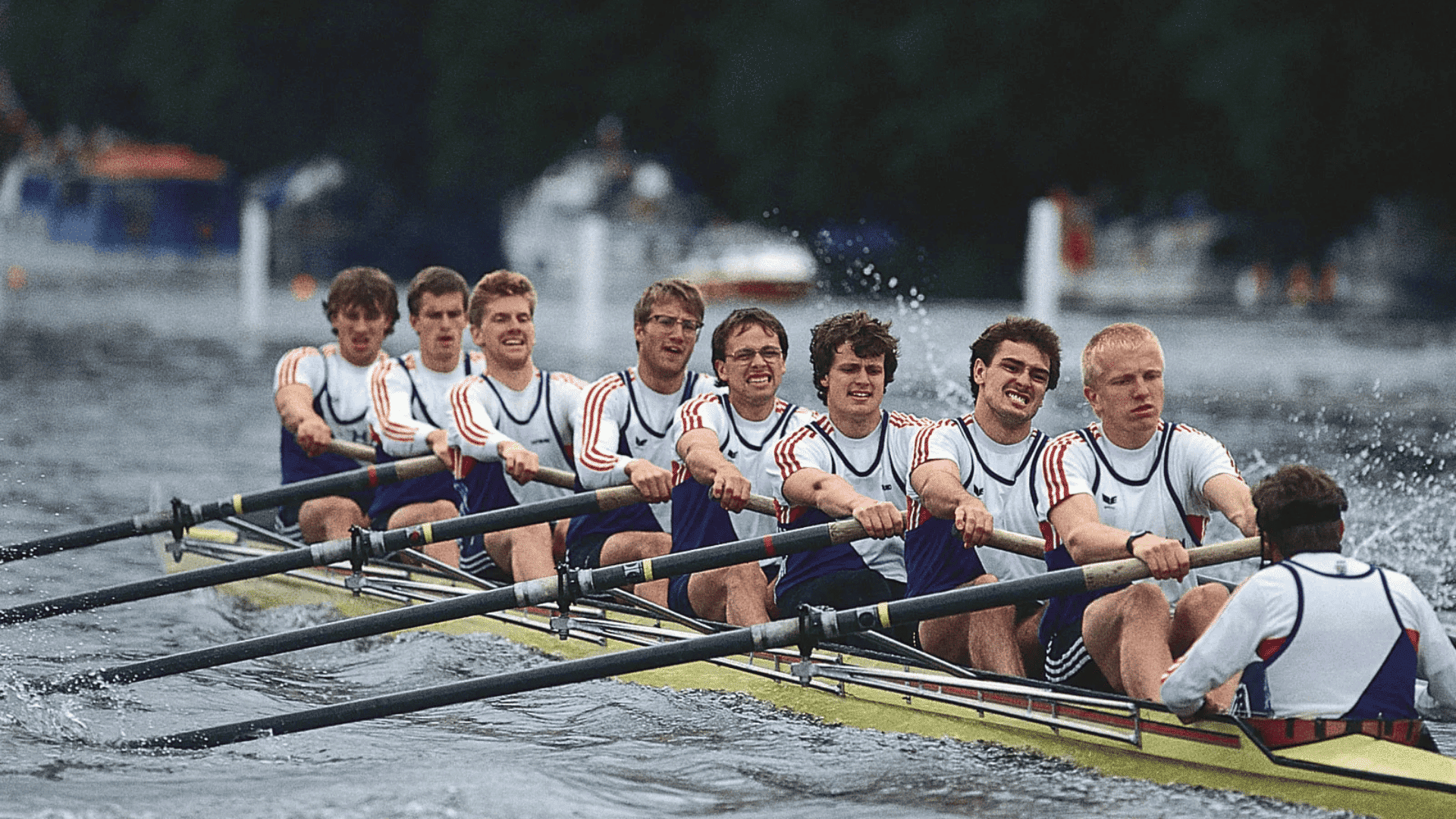
This is the classic kind of rowing you see at the Olympics and big regattas. Races usually happen on calm rivers or lakes over a straight course (often 2,000 meters). Boats are long, narrow, and built for speed.
- Can be sweep (one oar per rower) or sculling (two oars per rower).
- Standard boat classes: single, double, pair, four, quad, and eight.
- Focuses heavily on perfect timing, powerful strokes, and immaculate technique.
2. Sweep Rowing
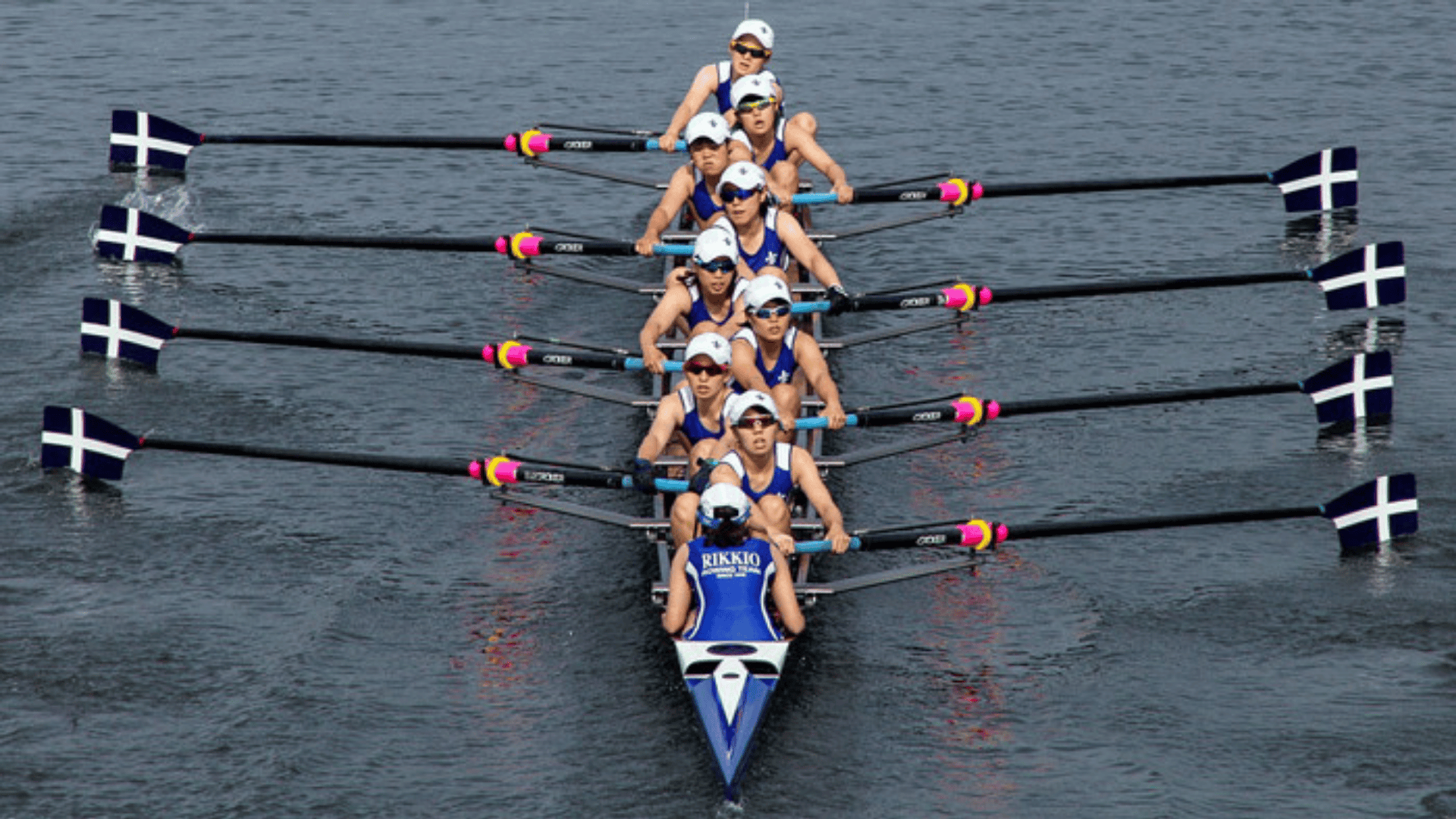
In sweep rowing, each rower holds one oar with both hands. The oars alternate sides down the boat (port and starboard).
- Usually done in pairs, fours, and eighths.
- Requires a lot of teamwork and balance because the boat leans slightly toward one side if timing is off.
- Very common in school, university, and club rowing programs.
3. Sculling
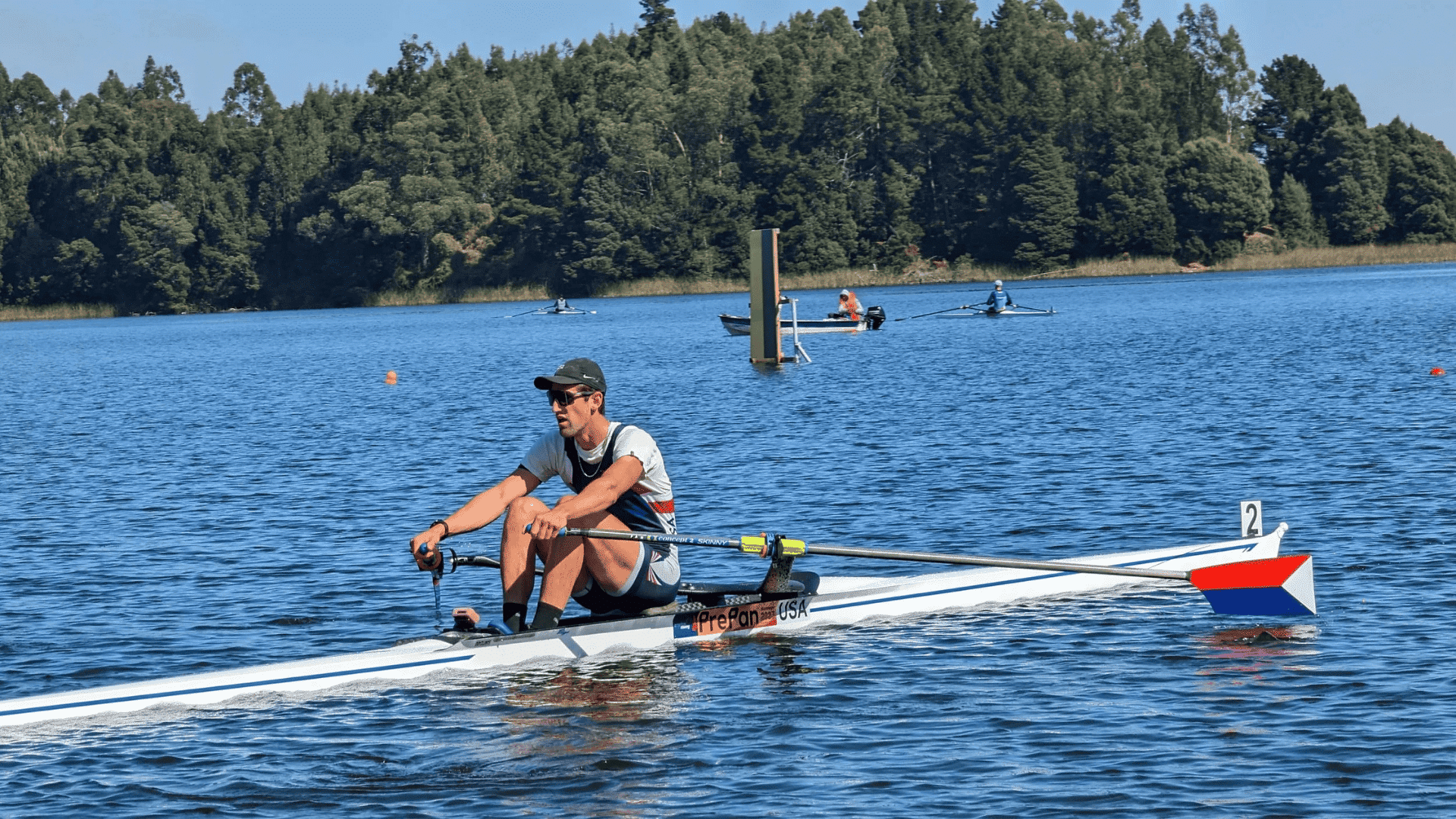
In sculling, a rower uses two oars, one in each hand. The boat feels more balanced because power is applied on both sides.
- Main boats: single scull (1x), double scull (2x), quad scull (4x).
- Great for solo rowers because you don’t need a whole crew to train.
- Demands fine control and coordination, but gives a very smooth, rhythmic feel on the water.
4. Coastal Rowing
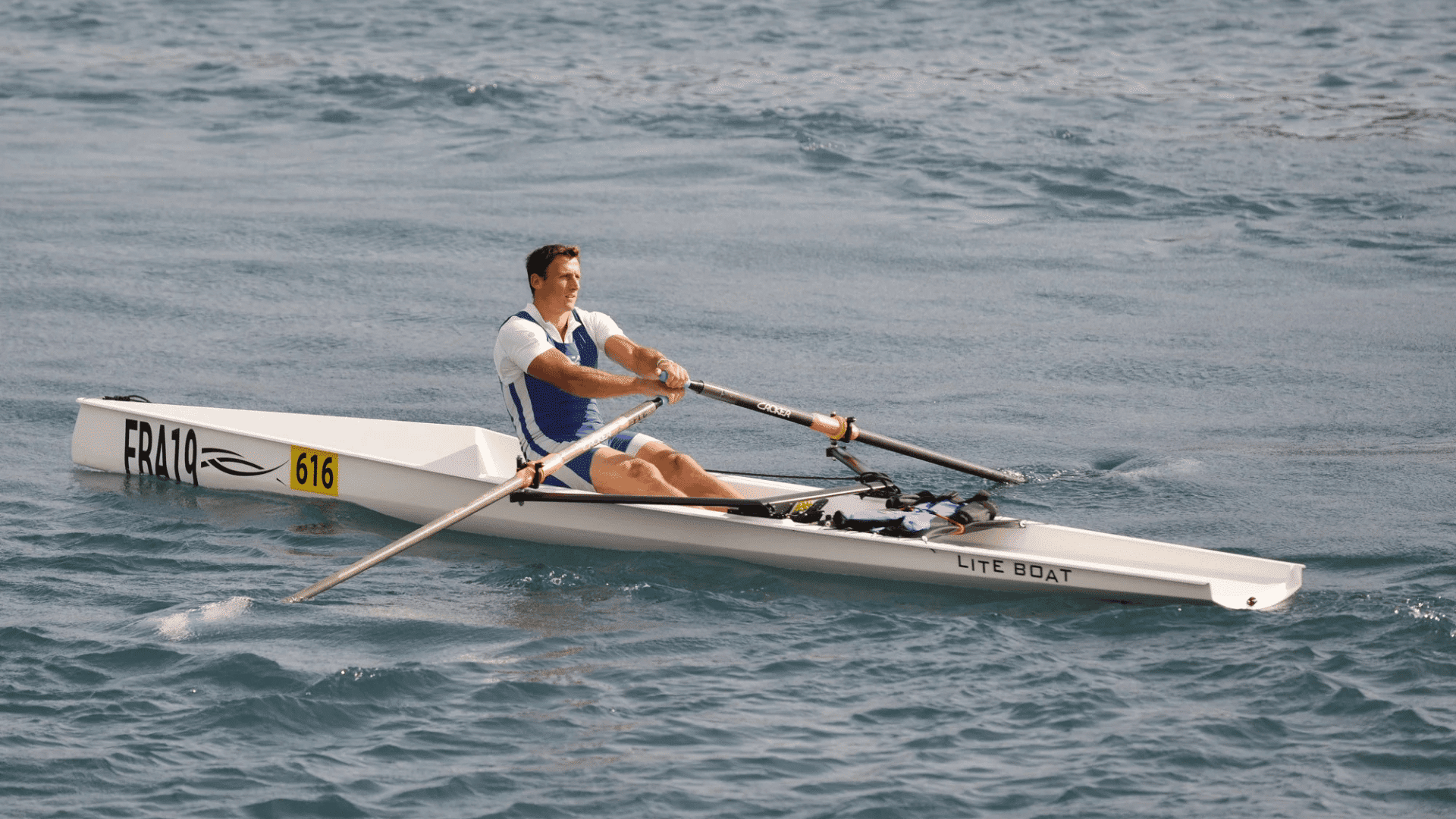
Coastal rowing takes the sport off calm lakes and into rougher open water, such as the sea and large bays.
- Boats are shorter, wider, and more stable than flatwater racing shells.
- Races can involve turning around buoys, waves, and changing conditions.
- It feels more adventurous and is often described as the “mountain biking” version of rowing.
- Rowing Coastal Beach Sprints (a coastal rowing discipline) will make its Olympic debut at the LA 2028 Games.
5. Beach Sprint Rowing
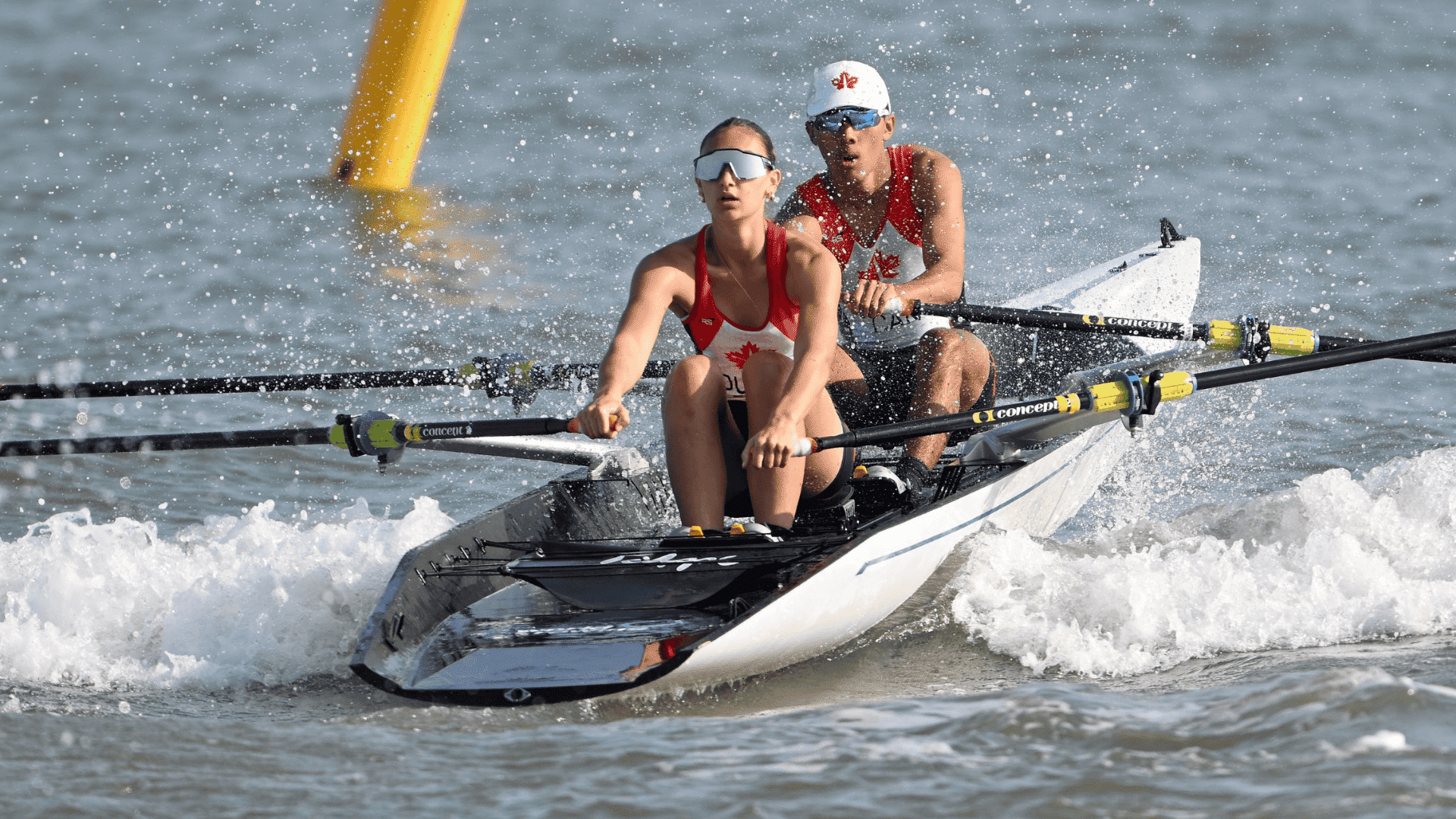
Beach sprint rowing is a newer, fast-paced format linked to coastal rowing.
- Races usually start with a short run on the beach, then row out and back around buoys, and finish with another run to the line.
- Courses are short and intense, with lots of turns and quick bursts of speed.
- Very spectator-friendly and growing quickly as a modern twist on the sport.
6. Ocean / Expedition Rowing
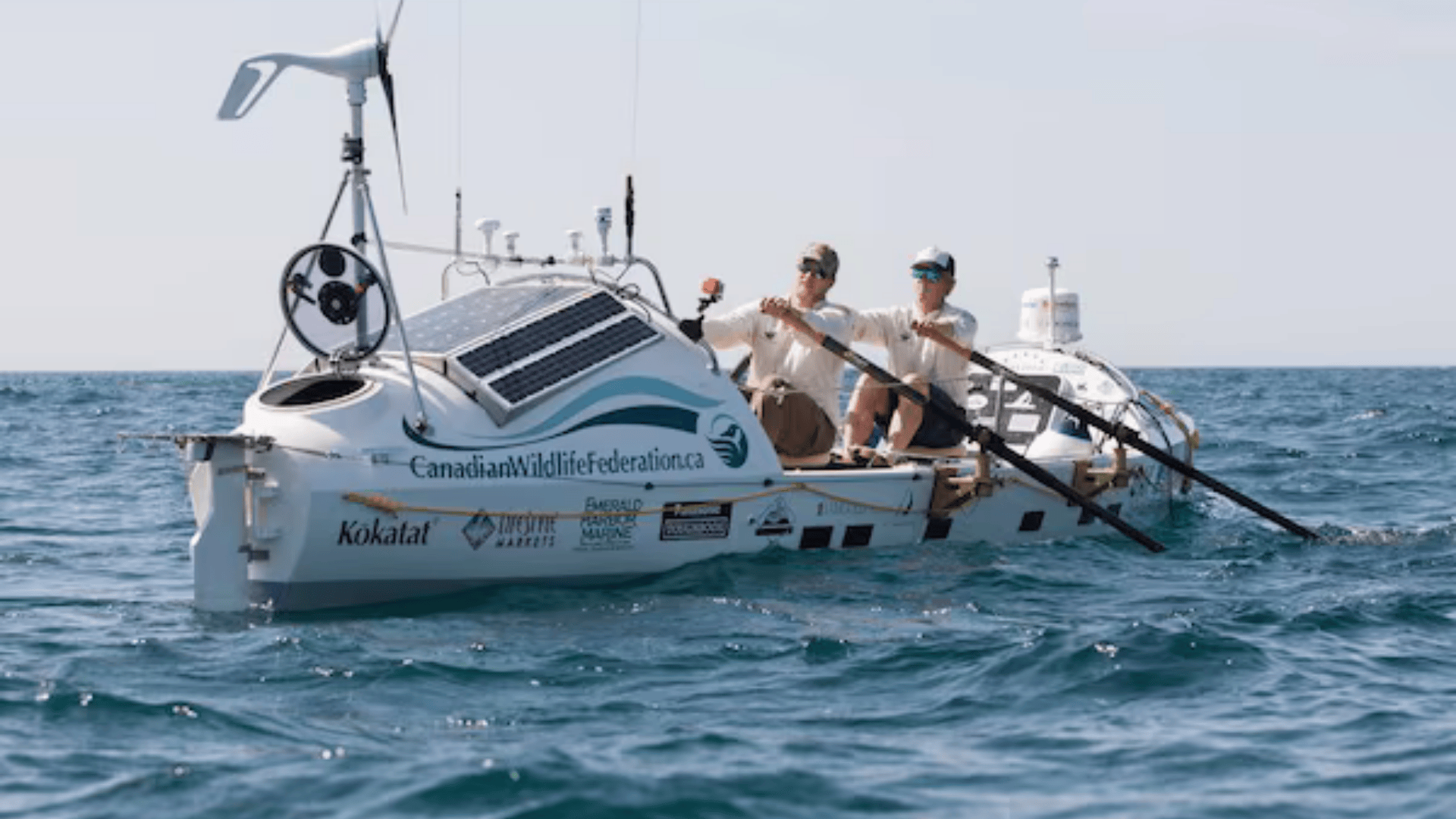
Ocean rowing is all about long-distance journeys on open water, often across seas or even whole oceans.
- Boats are much larger, heavier, and built to handle big waves and long trips.
- Rowers can be at sea for weeks or months, taking turns rowing and resting.
- It’s less about speed over a short distance and more about endurance, navigation, and survival skills.
Top Rowing Competitions in The World
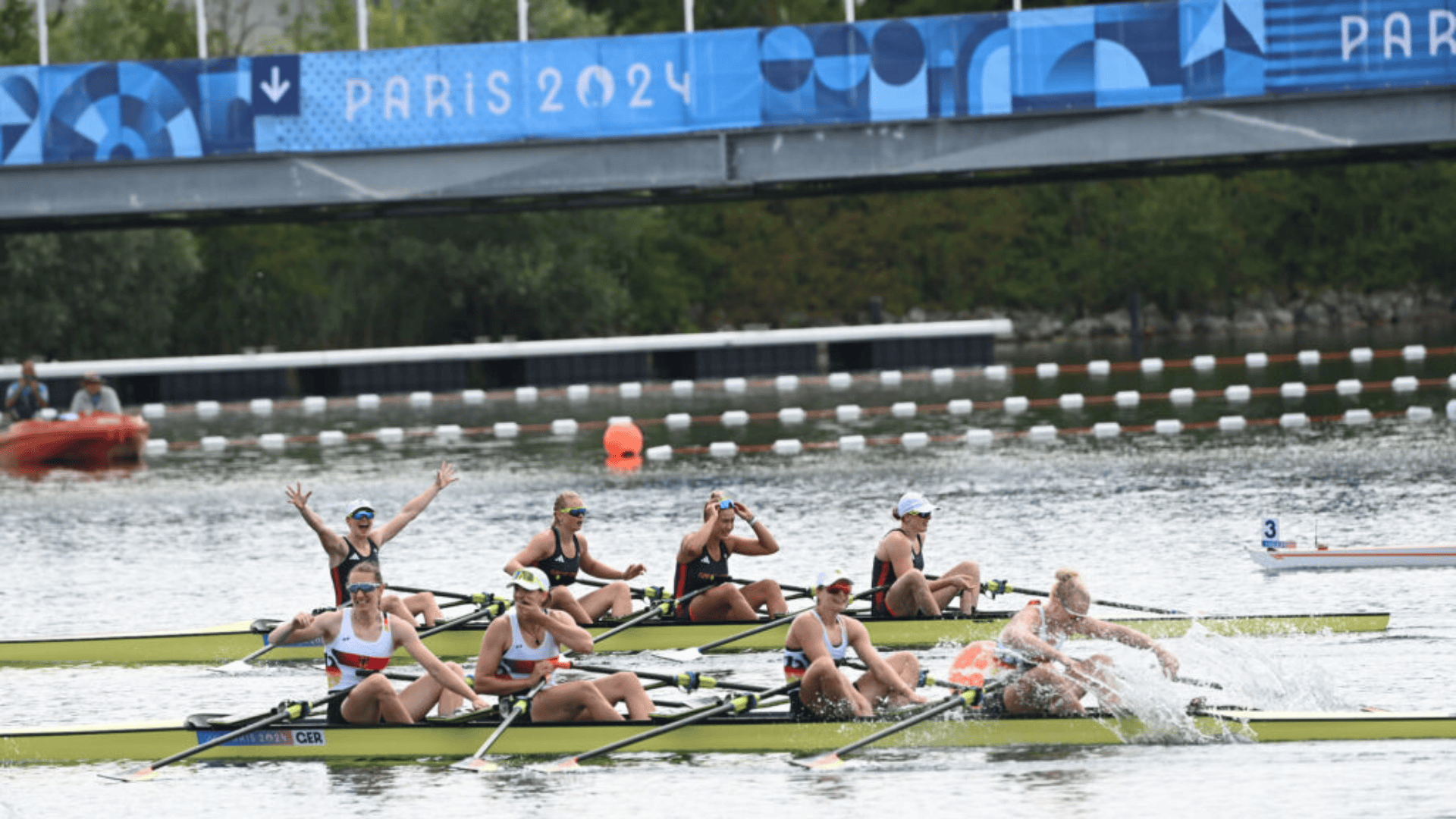
If you’re looking for the biggest names in rowing, these events are the ones athletes and fans track year after year. This list mixes global championships with iconic regattas and top collegiate “nationals.”
- Olympic Games (Rowing): the biggest stage in the sport; national teams race for Olympic medals.
- World Rowing Championships: the flagship annual world championship (in most years).
- World Rowing Cups: top international series (multiple regattas) leading into Worlds.
- European Rowing Championships: the premier continental championship for Europe.
- Henley Royal Regatta (UK): iconic, ultra-prestigious knockout regatta.
- Head of the Charles Regatta (USA): the world’s largest rowing competition (huge field and crowds).
- The Boat Race (Oxford–Cambridge, UK): one of the most famous annual rivalry races in rowing.
- Head of the River Race (London, UK): primary “head” race for eights on the Thames.
- NCAA Division I Rowing Championship (USA): top US collegiate national championship (women’s).
- IRA National Championship (USA): premier US collegiate championship (men’s; historic “nationals”).
- Royal Canadian Henley Regatta (Canada): major North American regatta with strong international participation.
Rules for Rowing Competitions
Rowing rules can vary a bit by event type (sprint regattas vs head races vs coastal), but most major competitions follow the World Rowing Rules of Racing for “classic” lane racing.
- Follow official commands at the start: (align, hold steady, and start only on the signal).
- No false starts: False starts are penalized with a Yellow Card; two Yellow Cards in the same race result in a Red Card and exclusion.
- Stay in your lane / on your line: World Rowing explicitly says crews must remain within their lane, including oars/sculls, and interference can be penalized. In some regattas, crews can slightly adjust course if it doesn’t cause interference, but violations still lead to penalties as described.
- No interference: if you block, bump, or force another crew off course, you can be penalized.
- Collisions are taken seriously: the crew judged at fault may be sanctioned or excluded.
- Use only legal equipment: boats and oars must meet event specs and safety checks.
- Meet weight rules (when applicable): lightweight events and minimum boat weights are enforced at major regattas.
- Finish rule: your race ends when the bow of your boat crosses the finish line.
- Obey race officials/umpires: they can issue warnings, time penalties, relegation, or exclusion.
- Respect conduct and safety rules: unsafe behavior can lead to disqualification.
- Anti-doping rules apply: testing and sanctions follow competition regulations.
Top Athletes in Rowing
Rowing sport has produced some truly legendary champion athletes who dominated Olympic finals, collected multiple world titles, and stayed at the top across many seasons.
Here are some of the most accomplished rowers of the modern era, with widely documented achievements.
1. Sir Steve Redgrave (Great Britain)
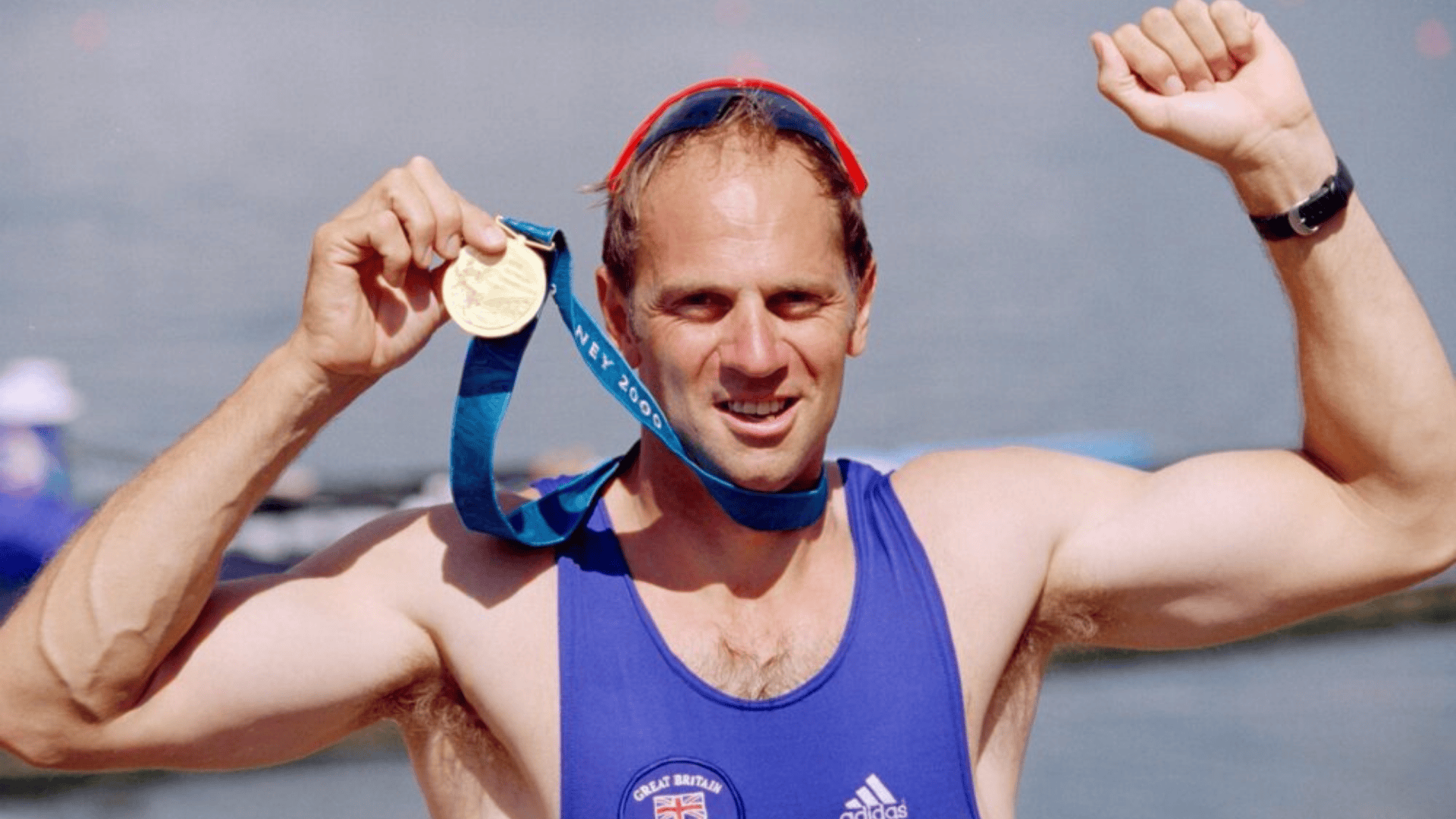
Won 5 Olympic gold medals across five consecutive Olympic Games (1984–2000), plus 1 Olympic bronze.
2. Elisabeta Lipă-Oleniuc (Romania)
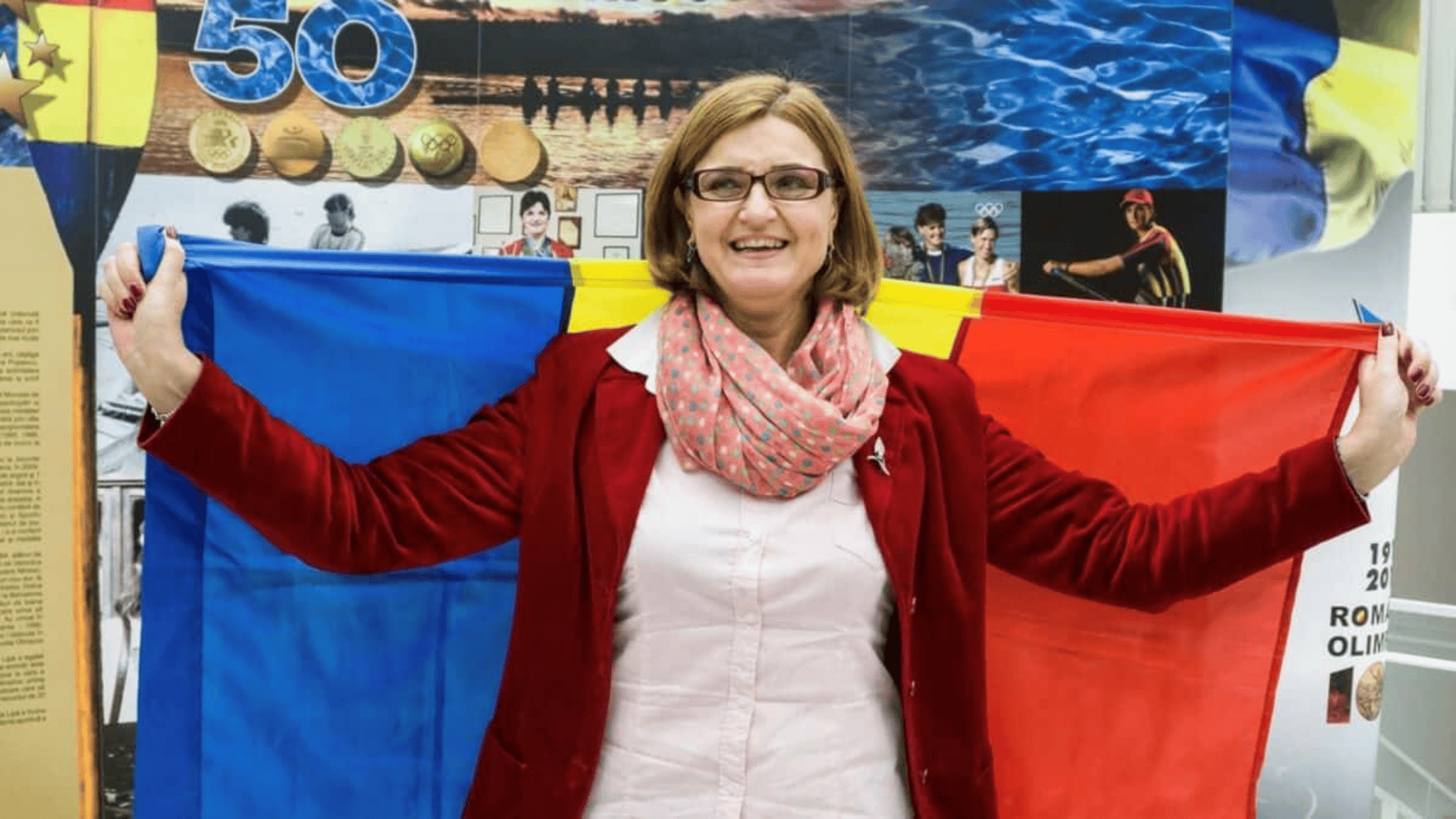
One of rowing’s most decorated Olympians, with 8 Olympic medals: 5 gold, 2 silver, 1 bronze across multiple Games (1984–2008).
3. Ekaterina Karsten (Belarus)
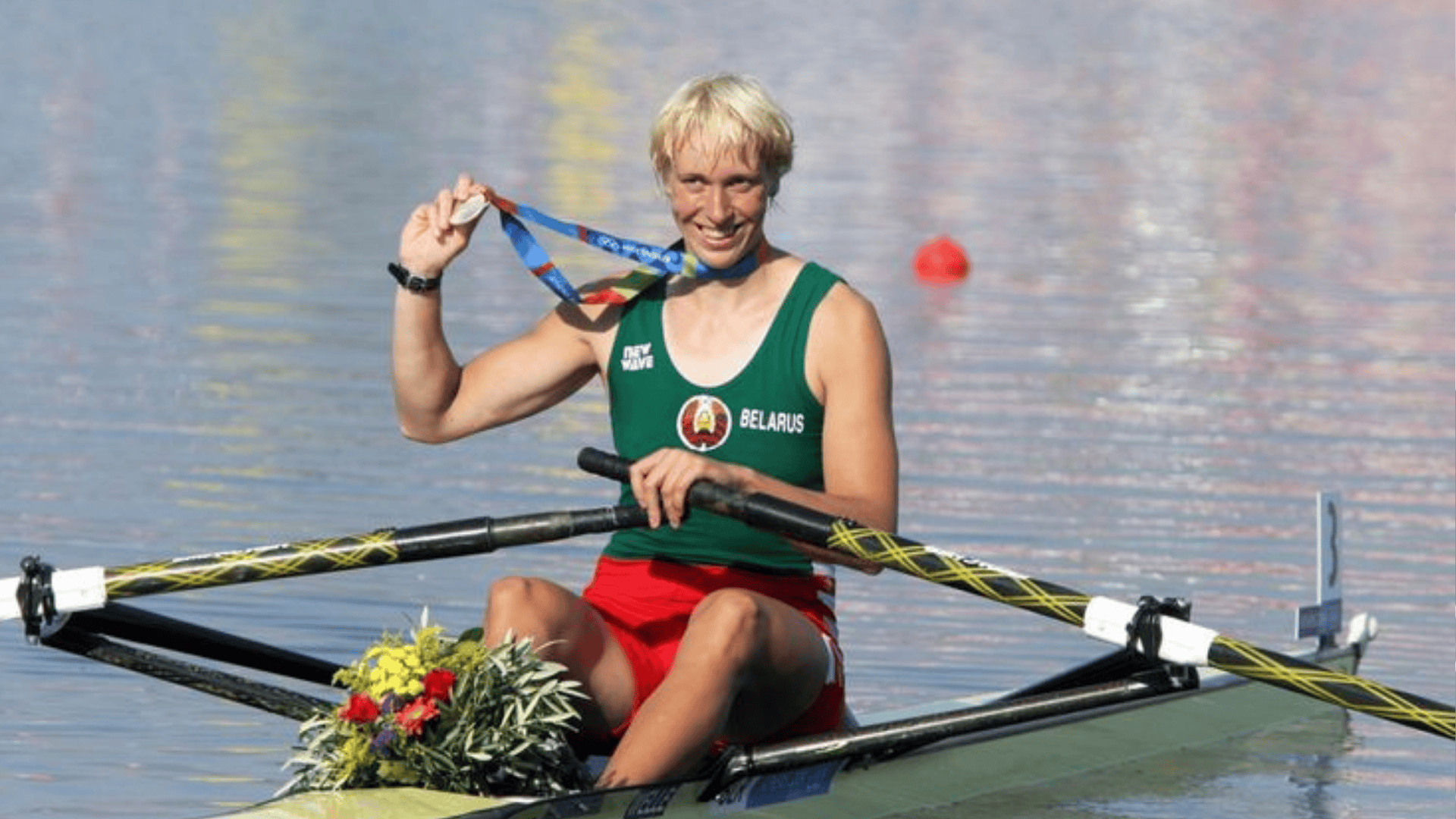
A legendary single sculler: 2 Olympic gold (1996, 2000), plus silver (2004) and bronze (2008) in women’s singles; also a seven-time world champion.
4. Mahé Drysdale (New Zealand)
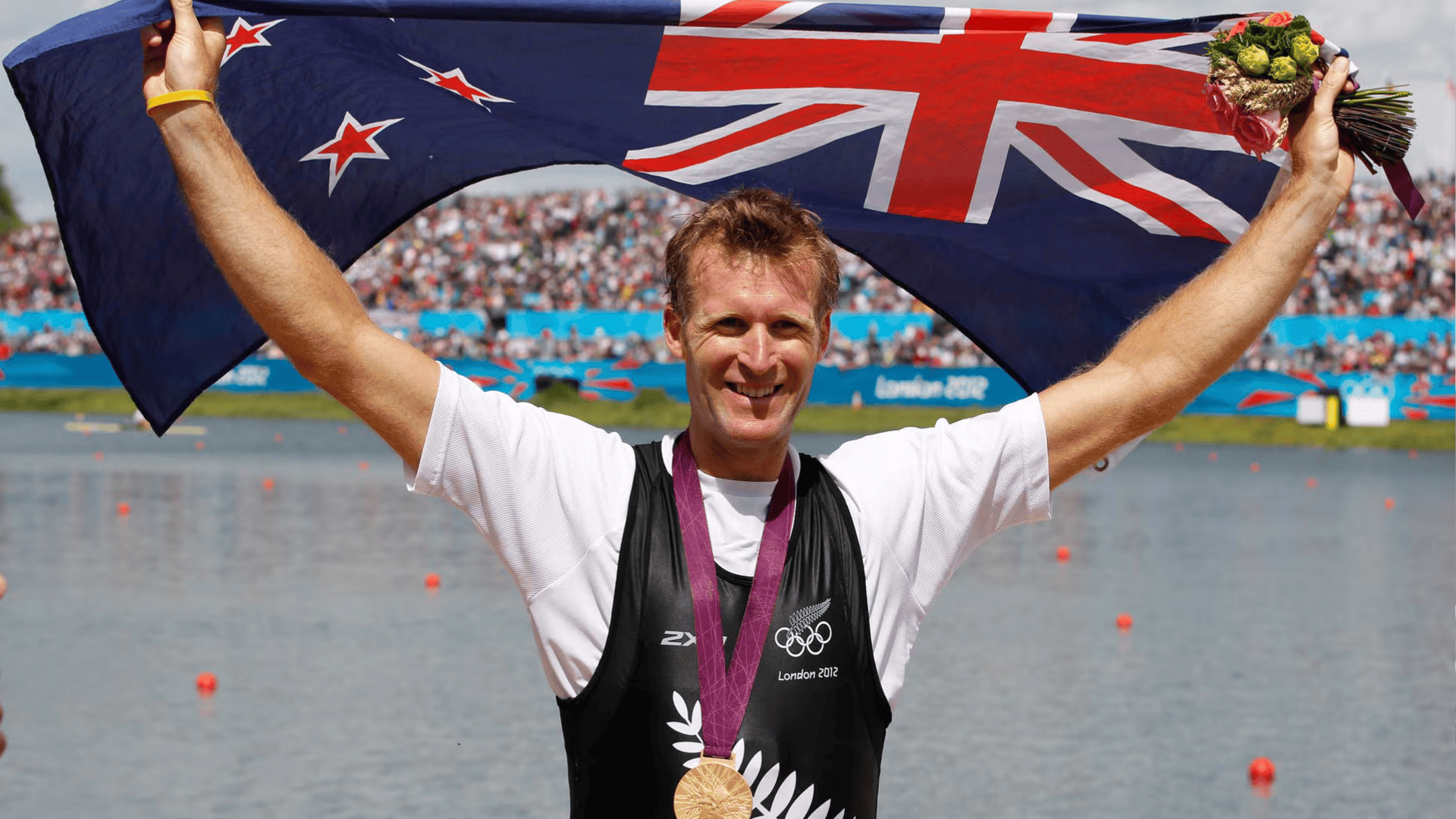
He has 5 Men’s single sculls world titles (2005, 2006, 2007, 2009, 2011) with an Olympic silver (2008) and Olympic gold (2012, 2016); Olympic profiles describe him as a six-time world champion.
5. Dame Katherine Grainger (Great Britain)
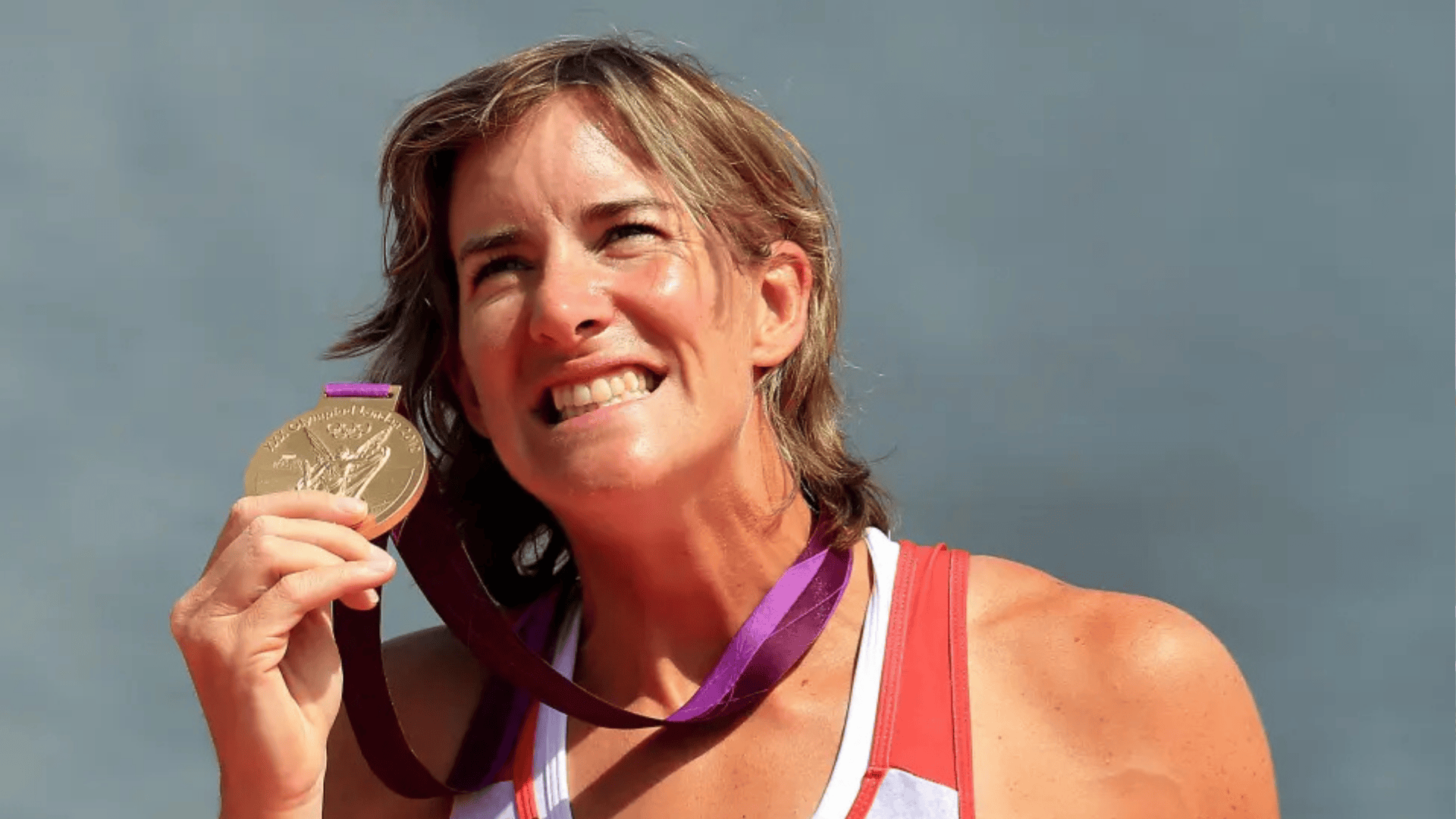
Won 5 Olympic medals, including one gold in 2012 and 4 silvers (2000, 2004, 2008, 2016), and is listed as a six-time world champion; also noted as Team GB’s most decorated female Olympian.
Basics of Rowing
At its core, rowing is all about moving a boat smoothly through the water using a repeated sequence of movements called the stroke.
The power comes mainly from your legs, then your body, and finally your arms. Good rowing isn’t about yanking the oar with your arms; it’s about driving with your legs, staying in rhythm, and working in sync with the rest of the crew.
The Rowing Stroke
Rowers repeat the same four phases over and over:
- Catch: You’re at the front of the slide (seat), knees bent, arms straight, body leaning slightly forward, and the blade goes into the water.
- Drive: You push hard with your legs, then swing your body back, and finally pull with your arms. This is where the boat accelerates.
- Finish: Your legs are flat, your body leans slightly back, and the handle comes into your body. Then you tap the blade out of the water.
- Recovery: You straighten your arms, lean your body forward, and slide back up on the seat to get ready for the following catch. This part should feel smooth and relaxed.
Basic Equipment Needed
These are the core pieces of equipment that make rowing work smoothly and efficiently. Each one helps you move the boat faster by turning your leg and arm power into speed on the water.
- Boat (Shell): Long, narrow, and designed to go fast on the water.
- Oars: Long handles with flat blades that push against the water.
- Sliding Seat: Lets you use your legs for power.
- Foot Stretcher: Where your feet are strapped in so you can push.
Beginner Tips for Rowing
If you’re new to rowing, minor technique fixes make a massive difference in how strong and comfortable you feel. These beginner tips will help you row more efficiently, avoid early burnout, and improve faster with every session.
- Focus on technique first: Learn the stroke slowly and in the correct order before trying to go hard or fast.
- Use your legs more than your arms: Think: legs push, body swings, arms finish. Your legs should do most of the work.
- Keep your movements smooth and in sync: In a crew boat, match the rower in front of you so everyone moves together.
- Relax your grip and shoulders: Hold the handle lightly and avoid tensing up; this helps with control and reduces fatigue.
- Build up gradually: Start with shorter, easier sessions and increase time and intensity as your technique and fitness improve.
Bringing it all together
Rowing is much more than moving a boat from one point to another; it’s a blend of strength, rhythm, focus, and teamwork that tests both your body and your mind.
From ancient working boats to modern Olympic races and indoor rowing machines, the rowing sport has grown into something almost anyone can try, at many different levels.
No matter if you’re drawn to the calm of early-morning water, the intensity of racing, or the steady challenge of an erg session, rowing offers a unique sense of satisfaction every time you find that smooth, powerful stroke.
If you’re looking for a full-body workout, a team experience, or a new way to push yourself, rowing is a sport that can keep challenging and rewarding you for years.
Frequently Asked Questions
Do I Need to Know How to Swim to Start Rowing?
Most on-water clubs require a basic swimming competency test for safety, especially in small boats like singles; indoor rowing has no such need.
How Long Is a Standard Rowing Race?
In most major regattas and the Olympics, standard races are 2,000 meters. However, local events and indoor competitions may use shorter or longer distances, like 500m, 1,000m, or head races over several kilometers.
Is Rowing Hard to Learn for Beginners?
Rowing can feel awkward at first, but most beginners pick up the basics quickly with a bit of coaching. The stroke is repetitive, so with practice, your body learns the motion, and it starts to feel more natural.