


When you’re deep underwater, words disappear, and scuba hand signals become your voice. These simple gestures are the universal language that keeps divers safe and connected beneath the waves.
From checking if your buddy is okay to pointing out a sea turtle gliding by, hand signals make every dive smoother and safer. Learning these signals isn’t just part of your certification – it’s a skill that could save your life.
New divers and experienced pros alike rely on clear communication to handle emergencies, share air, and enjoy their time below the surface. Ready to master the essential signals every diver needs to know?
Why Scuba Hand Signals Are Vital for Every Diver?
When you’re underwater, talking is impossible. That’s where scuba hand signals become your lifeline.
These simple gestures help divers communicate clearly about their air supply, potential dangers, and what they see around them. Without proper signals, a fun dive can quickly turn risky.
Hand signals keep dive buddies connected and aware of each other’s needs at all times. They’re essential for asking if someone is okay, pointing out marine life, or signaling an emergency ascent.
New divers must learn basic signals before their first ocean dive, while experienced divers use more complex gestures to share detailed information.
Learning these signals isn’t just recommended – it’s a core safety skill every diver must practice regularly.
Must-Know Scuba Diving Hand Signals
Scuba diving hand signals are essential for safe and effective underwater communication. Since verbal communication is impossible underwater, hand signals help divers stay connected, share important information, and ensure everyone’s safety.
1. OK Signal – Are You OK?
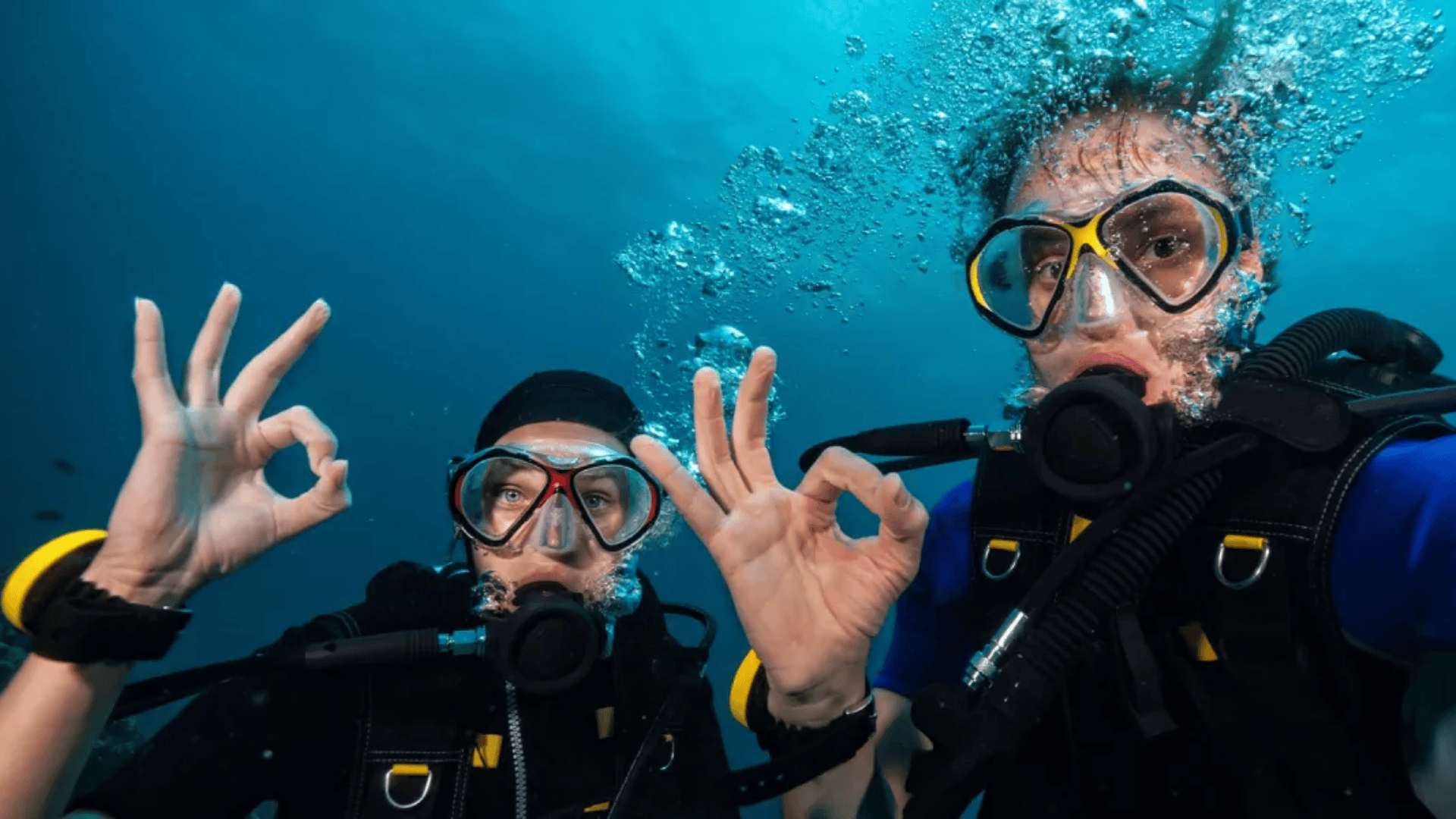
The “OK” hand signal is the most common and essential scuba diving hand signal. To make the signal, form a circle with your thumb and index finger, keeping the other three fingers extended.
This simple gesture confirms that everything is fine and that you’re okay. It’s often used to check on your buddy’s safety during a dive. Scuba diving hand signals like the ‘OK’ are essential for ensuring that all divers are safe.
2. Thumbs Up – Ascend
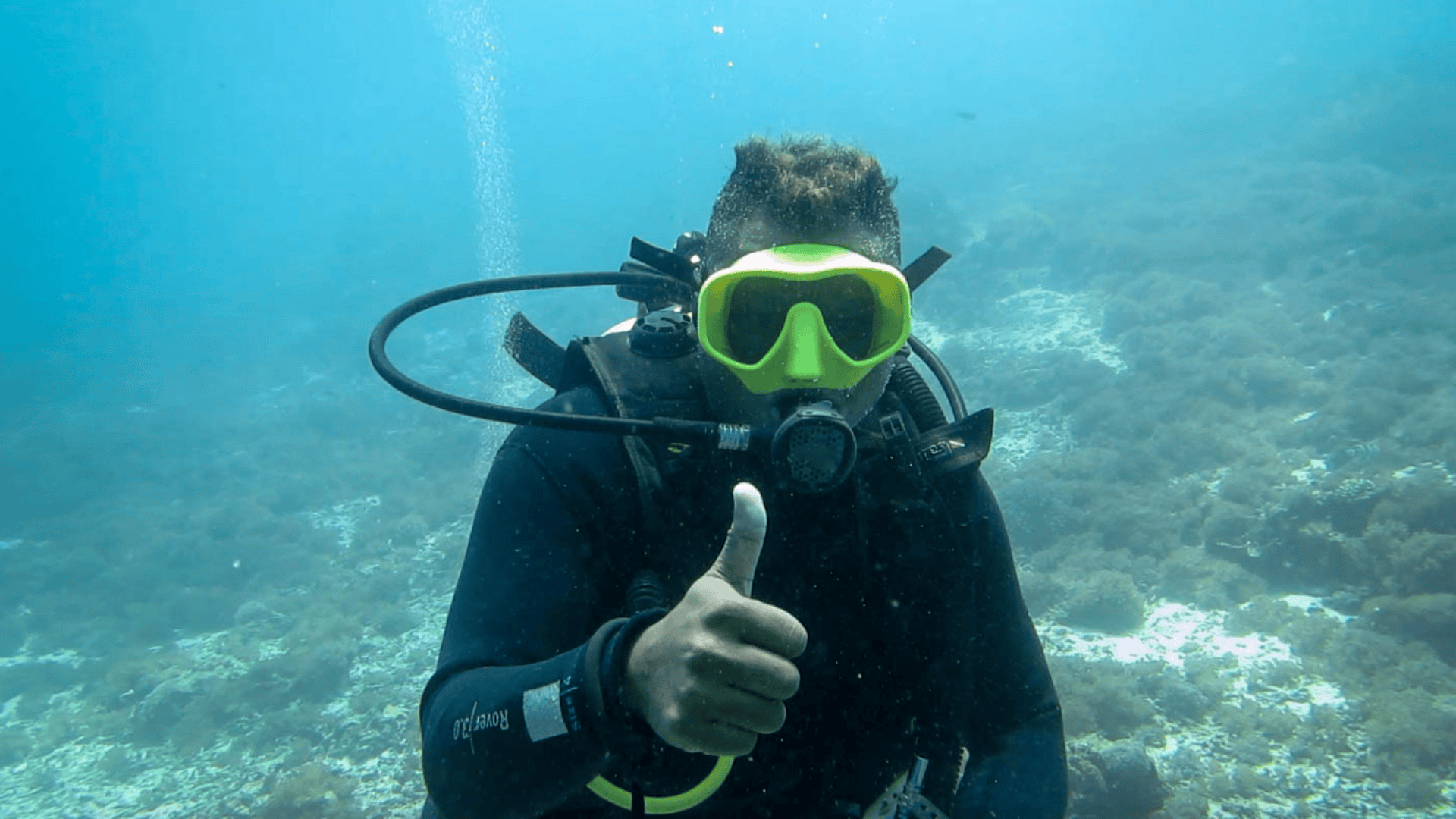
A thumbs-up signal is commonly used when a diver wants to ascend or go up to the surface. To make the signal, raise your fist with your thumb pointing upwards.
This is an important signal for any dive group to communicate the need to start ascending. Thumbs up is one of the basic scuba diving hand signals for ascent, and it’s crucial for staying on track with dive plans.
3. Thumbs Down – Descend
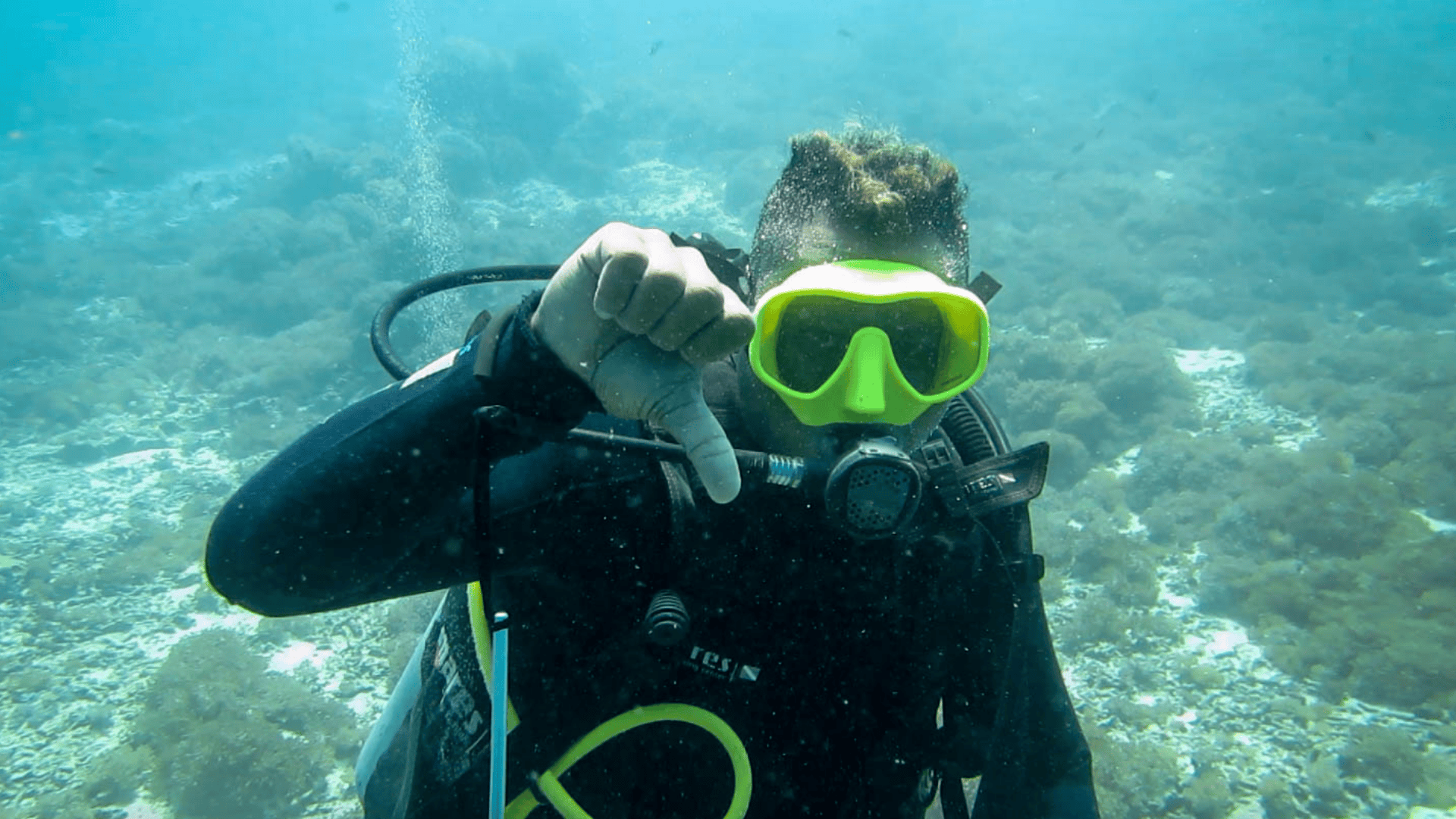
The thumbs-down hand signal indicates that you wish to descend or go deeper into the water. Simply raise your fist with your thumb pointing down. This signal is typically used during group dives when the dive leader or buddy wants to indicate a descent.
The thumbs-down signal is a crucial part of scuba diving hand signals that communicates a desire to dive deeper and ensures everyone stays at the correct depth.
4. Hand on Heart – I’m Having Difficulty
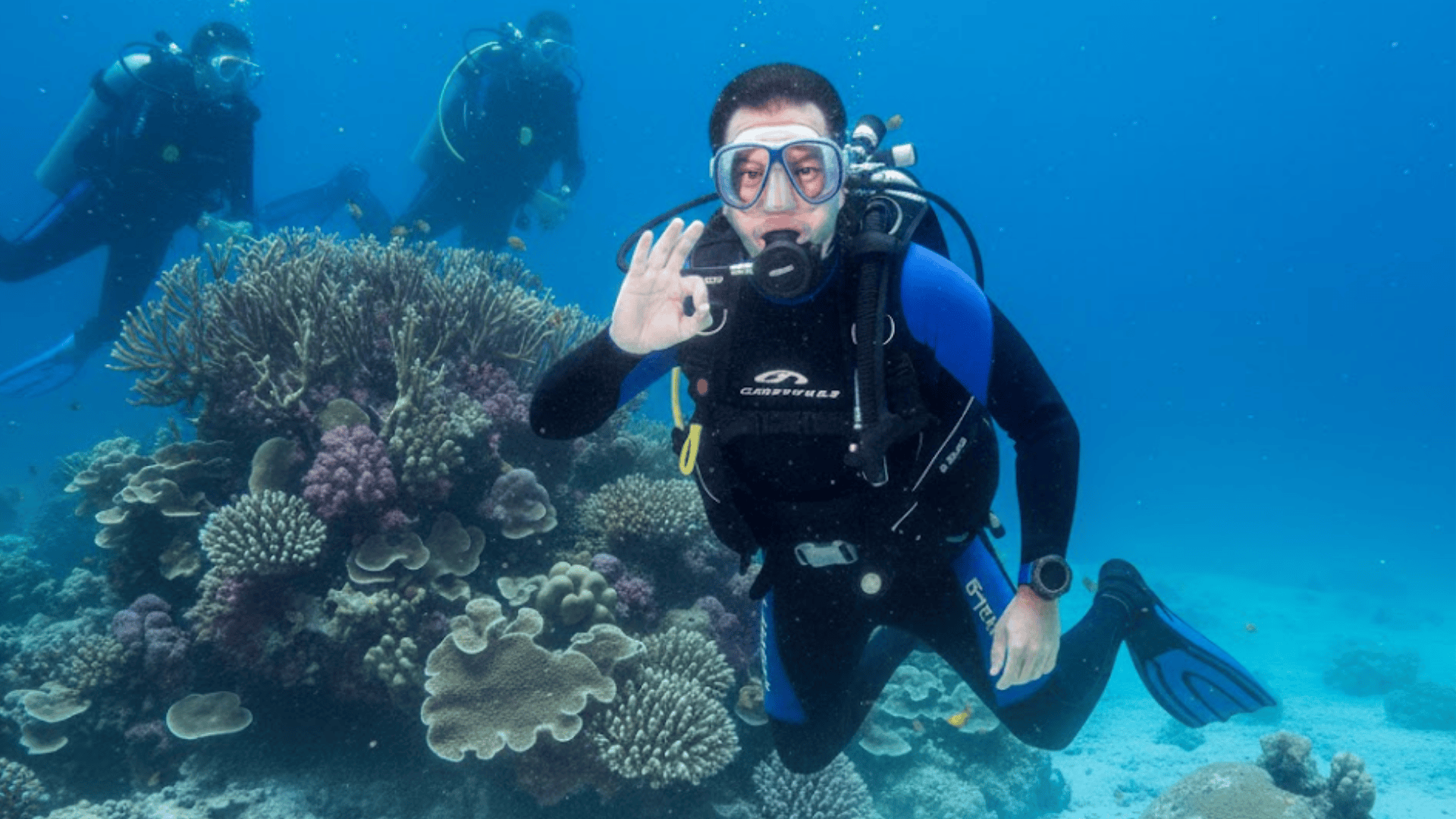
Placing your hand on your chest signals that you’re having difficulty, often related to breathing or emotional stress. This is a serious hand signal, used when you’re feeling overwhelmed or unwell underwater.
It can indicate problems like shortness of breath, anxiety, or physical discomfort, letting your dive buddy know that you need immediate attention or assistance.
5. Boat
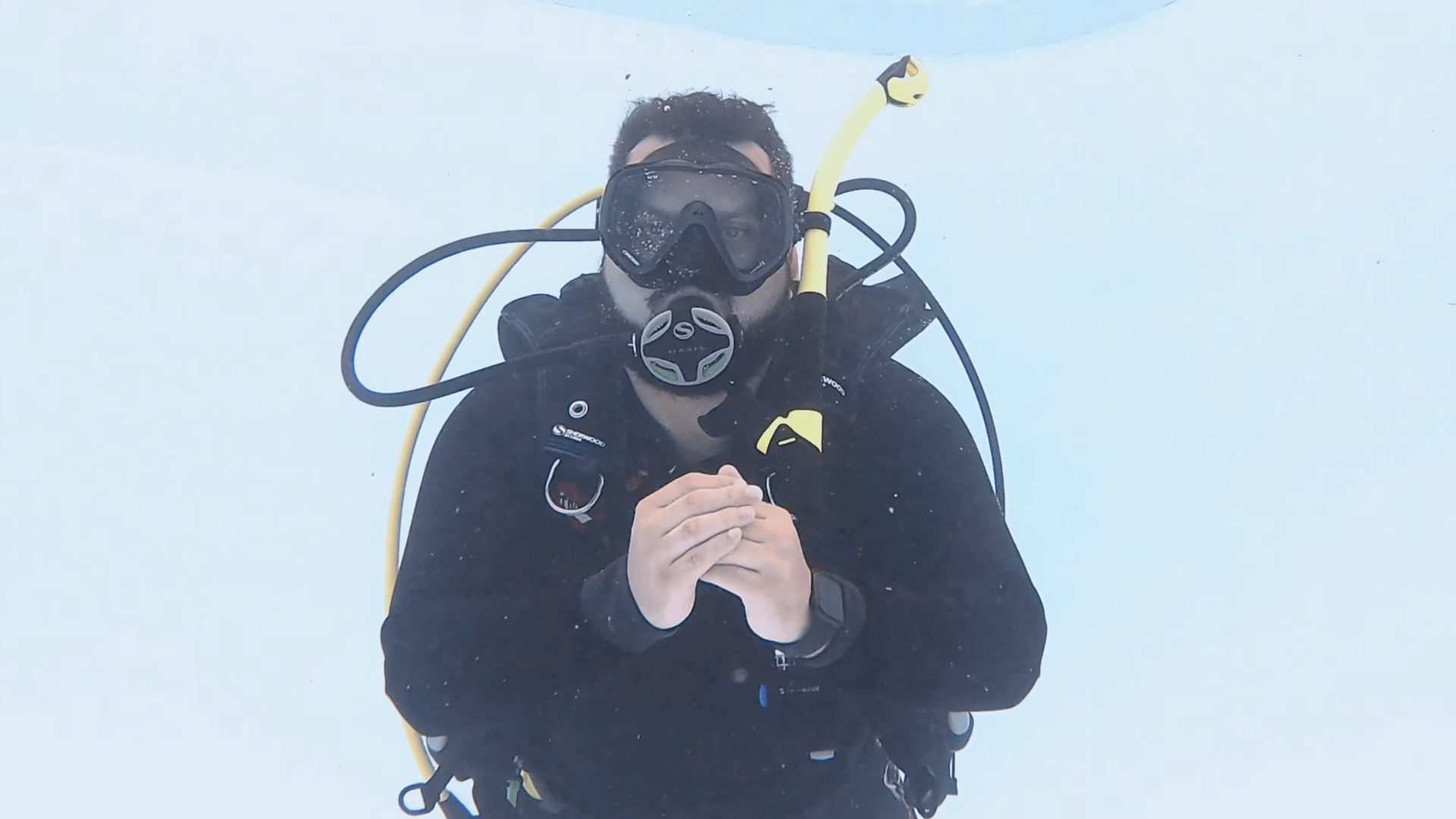
The boat signal is used to show the location of the dive boat or to say that the boat is nearby. Divers usually pat the top of their head with a flat hand to represent a boat.
This signal helps when surfacing or during safety stops. It keeps everyone aware of where the boat is and helps prevent drifting away from the pickup area.
6. Breathe/Calm Down
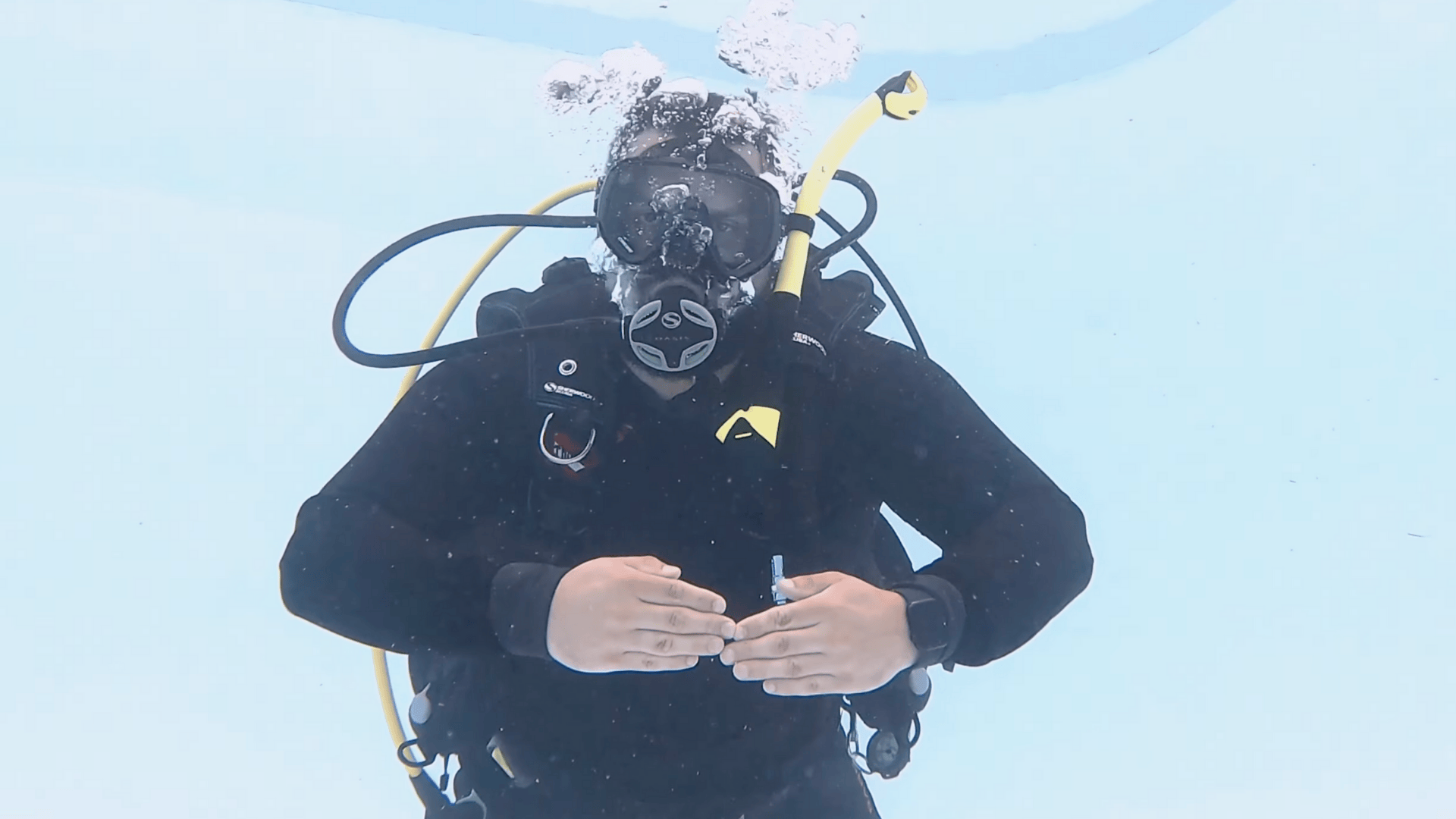
This signal is used when a diver needs to slow their breathing and relax. The diver places a hand on the chest and makes slow breathing motions.
It helps reduce stress and control air use. Among scuba hand signals, this one is helpful when a buddy feels nervous or excited. Calm breathing improves safety and helps keep the dive under control.
7. Come Here
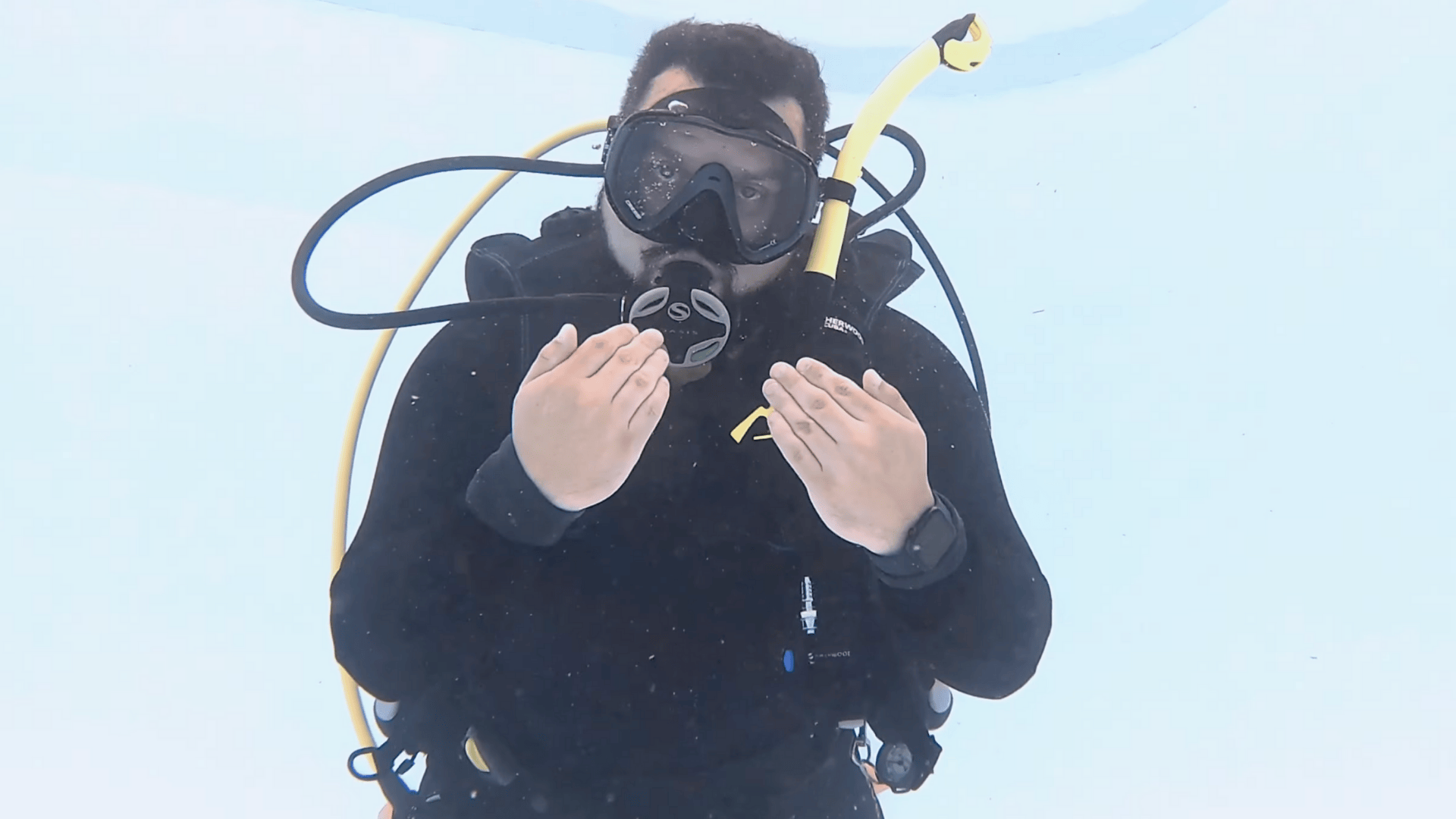
The “Come Here” signal is made by extending an arm and pulling the hand toward the body. It tells a buddy or group member to move closer.
This signal is often used when something important needs attention or when divers start drifting apart. Staying close helps improve communication and safety, especially in low visibility or moving water.
8. Something’s Wrong
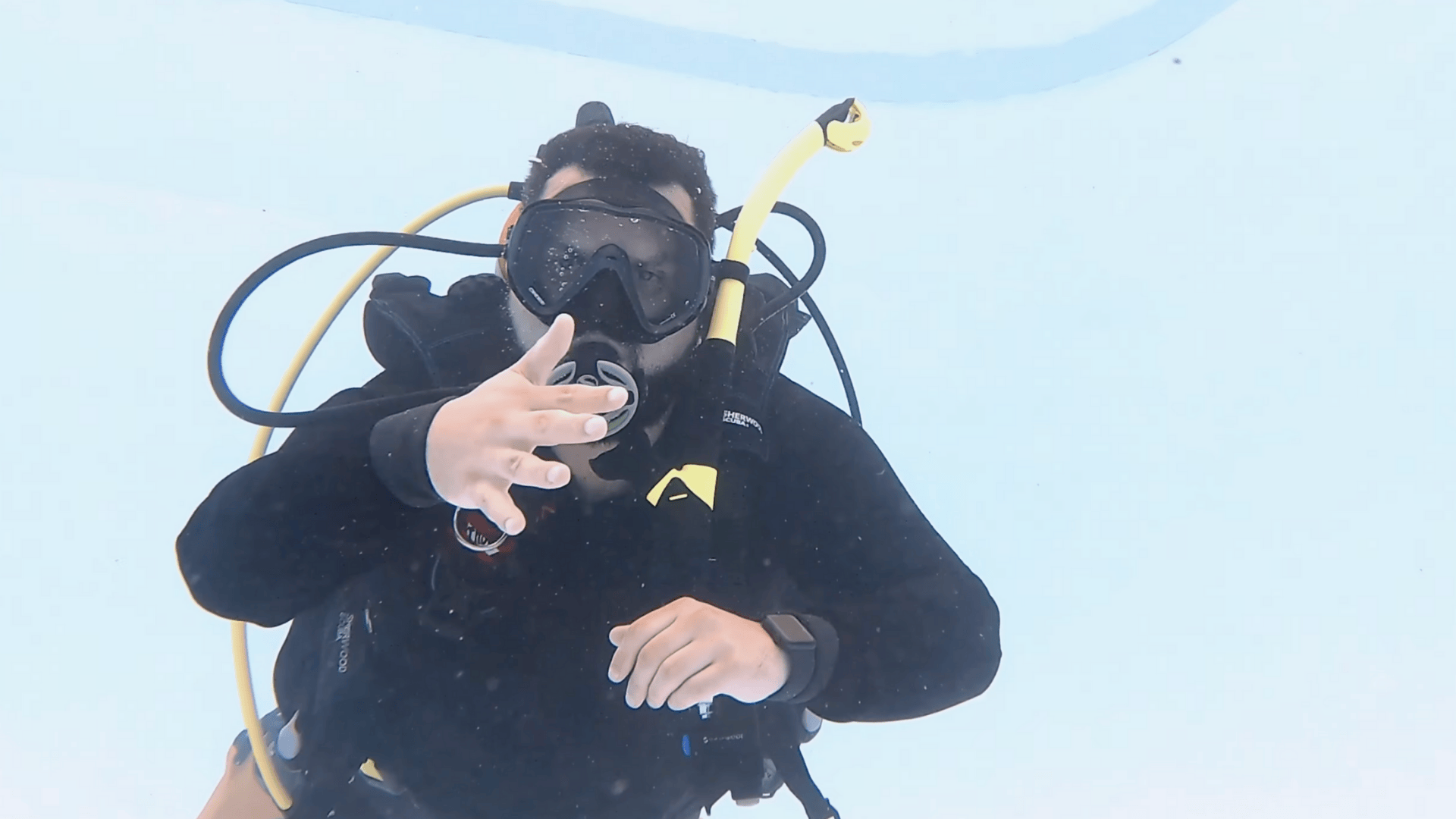
This signal shows that a diver has a problem but is not in immediate danger. The diver waves a flat hand side to side. It tells a buddy to pay attention and be ready to help.
This is one of the scuba hand signals that encourages quick communication before a small issue becomes serious. Early warning helps keep the dive safe and calm.
9. Buddy Up
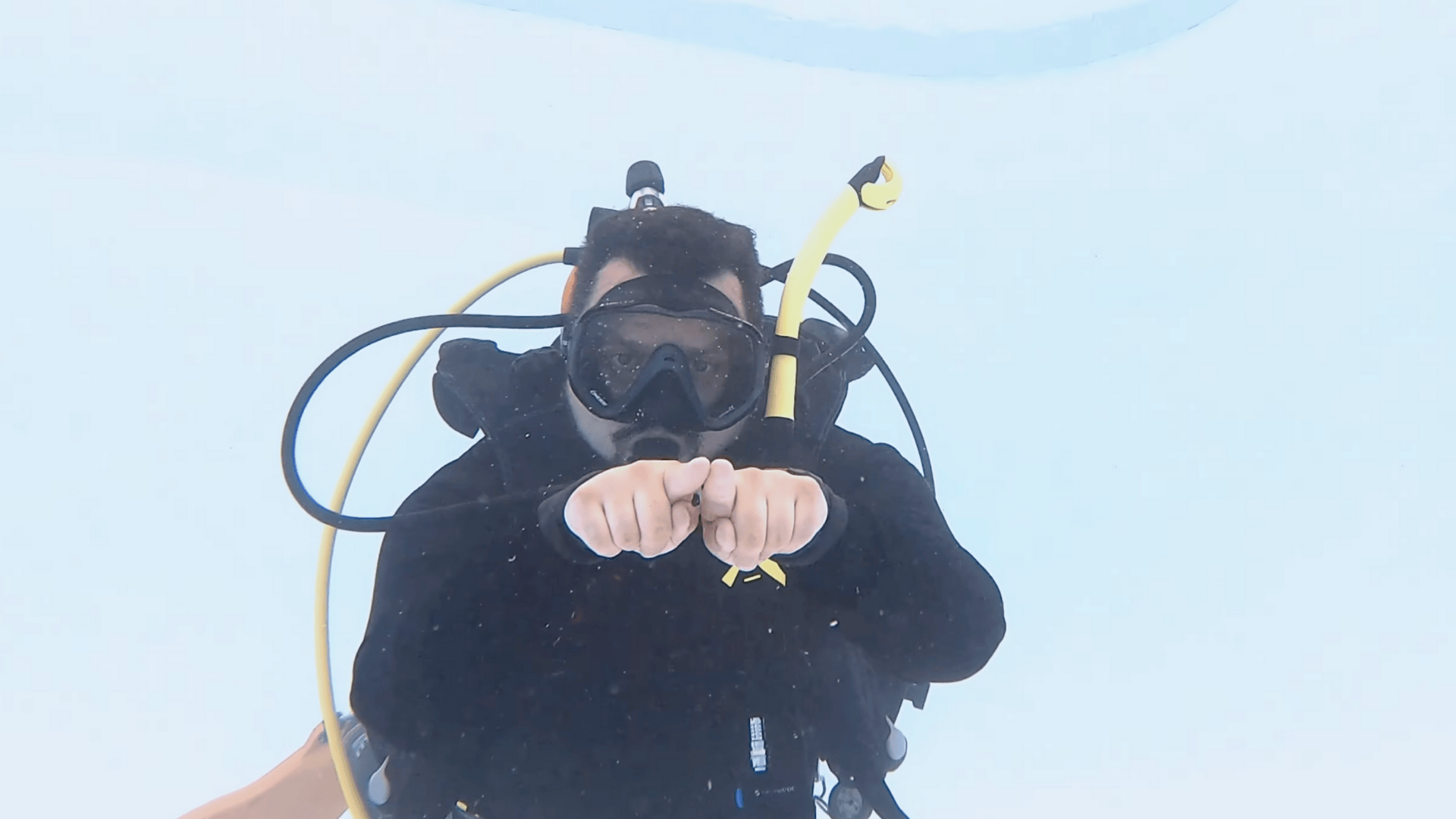
The buddy-up signal asks divers to stay close together. It is usually made by pointing at your buddy and then pointing to yourself.
This signal is useful when visibility drops or when conditions change. Staying close allows faster help if needed. Scuba hand signals like this support teamwork and shared awareness throughout the dive.
10. How Much Air?
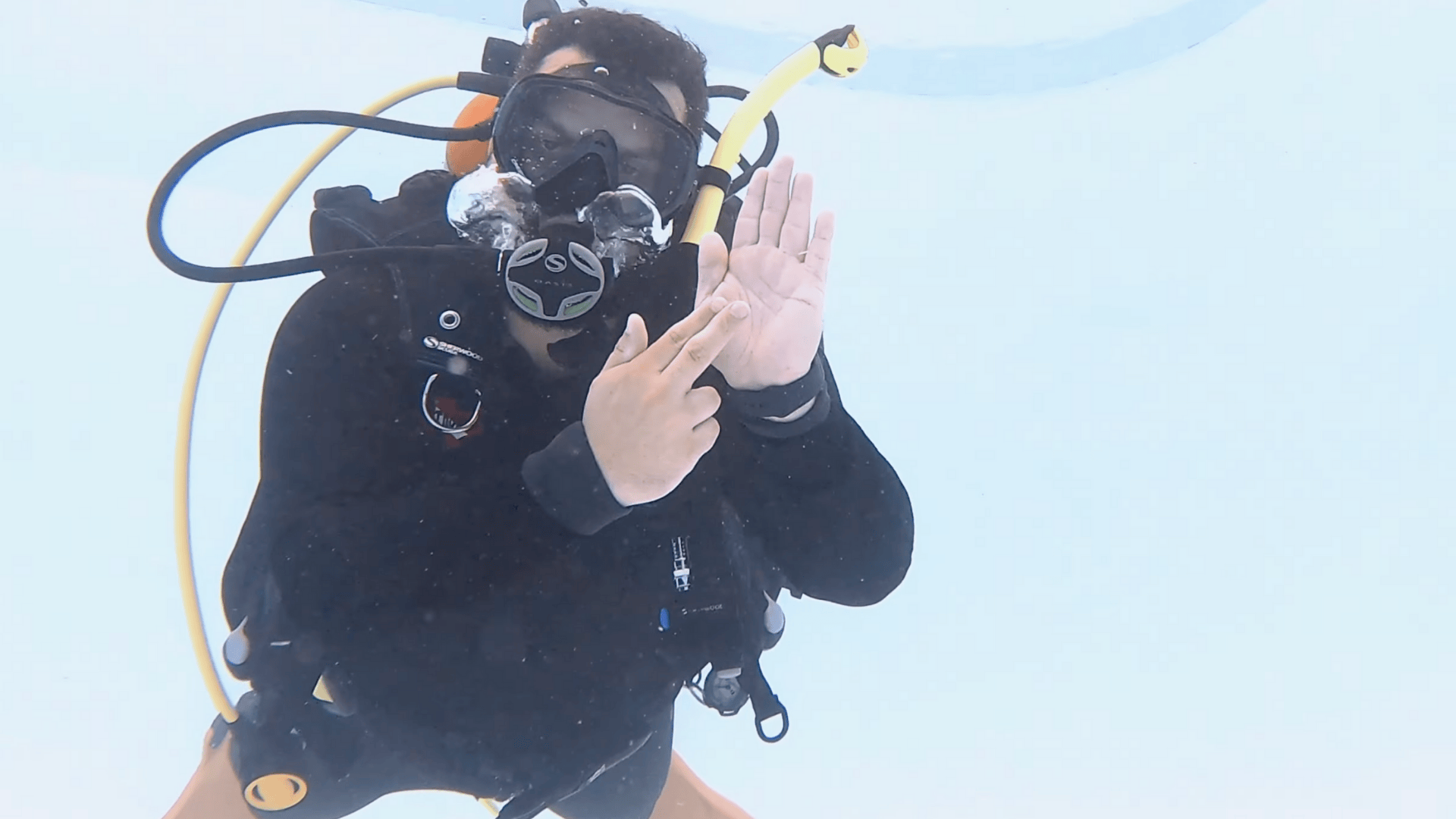
This signal asks a buddy about their air supply. A diver points to their pressure gauge or makes a questioning motion. It helps check air levels during the dive.
Knowing each other’s air status helps plan the return and ascent. Clear air communication is a key part of safe scuba hand signals used by all certified divers.
11. Air Pressure Numbers
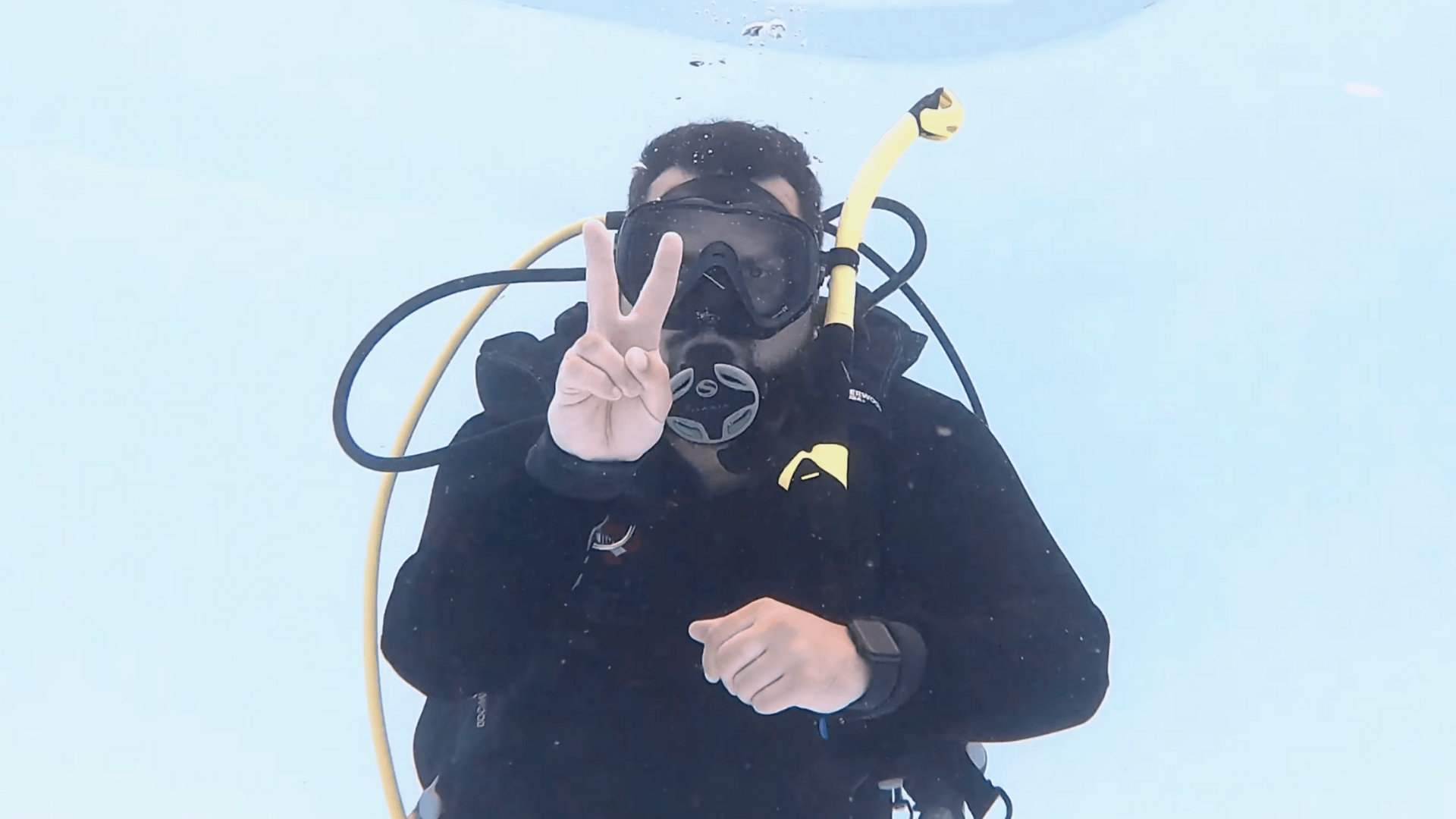
Divers use hand numbers to show exact air pressure. Each finger represents a number, often in hundreds or thousands, based on the plan.
This signal gives clear air information without confusion. It helps buddies compare air levels and make smart decisions. Using numbers keeps communication precise and avoids guessing underwater.
12. Half Tank
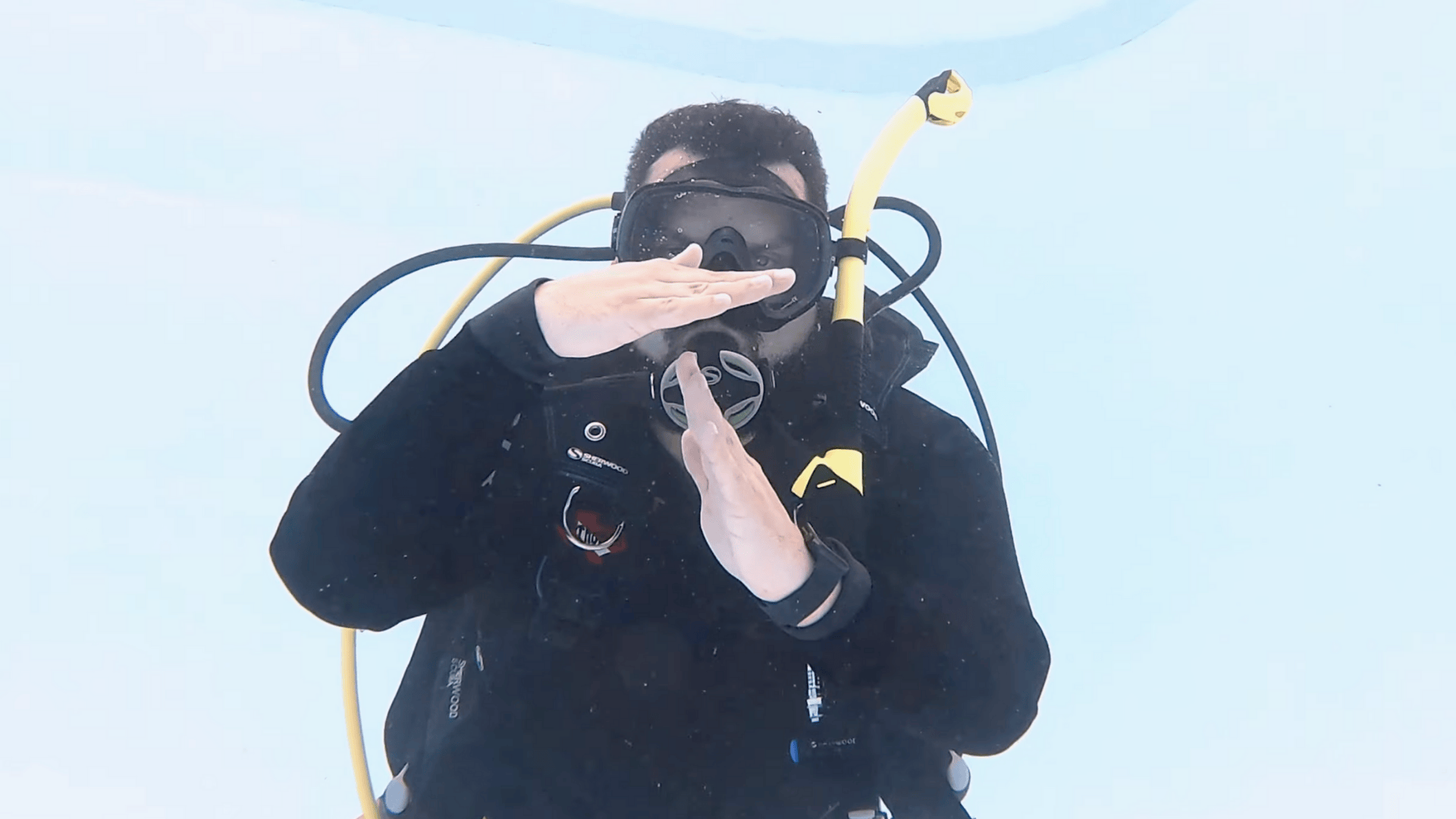
The half-tank signal shows that a diver has reached about half of their air supply. It is usually made by holding a flat hand level, moving it slightly side to side.
This signal helps track how much time is left underwater and supports good planning. Among scuba hand signals, it allows buddies to adjust the dive pace and begin thinking about heading back safely.
13. Low Air
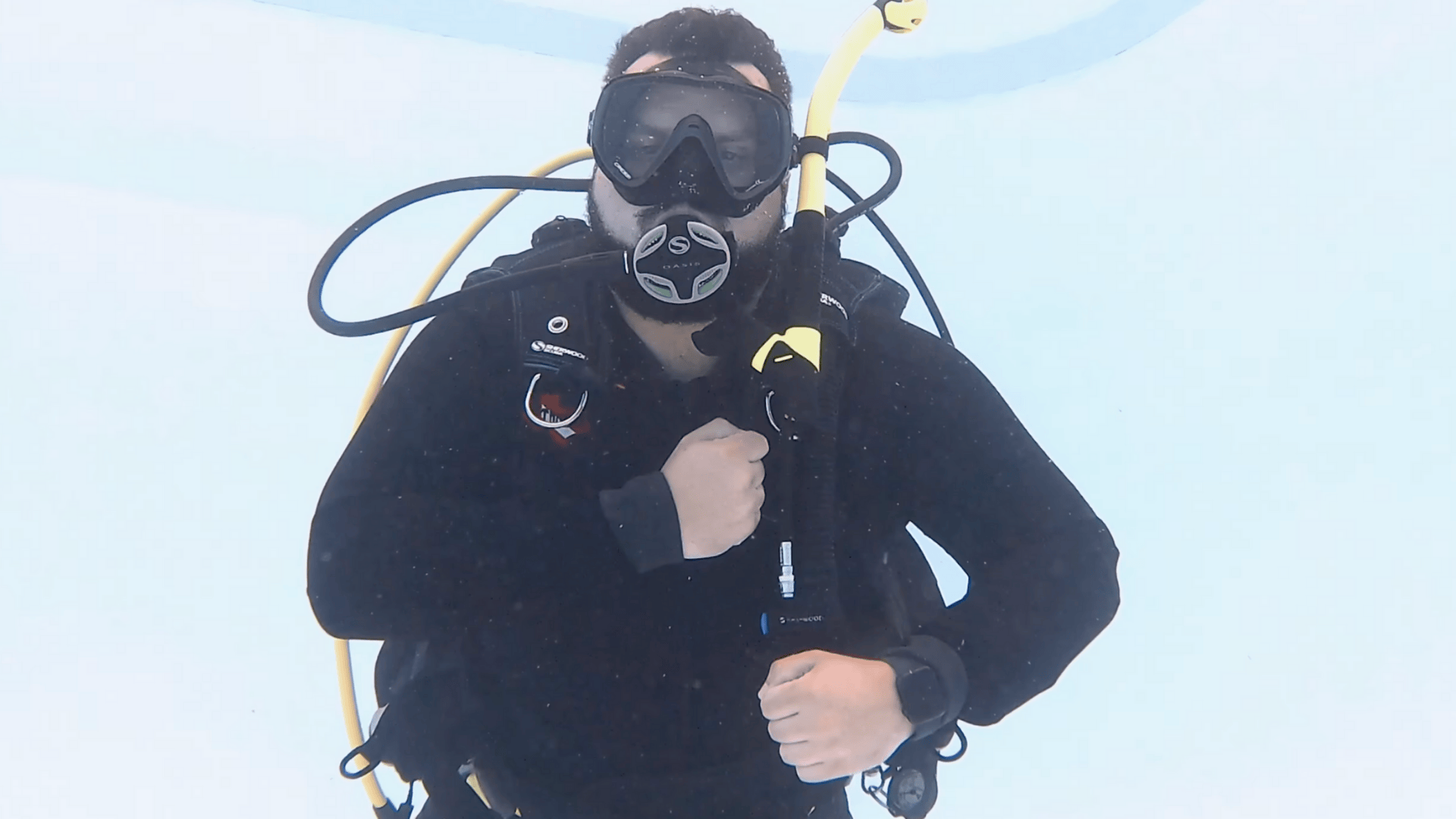
The low-air signal warns that a diver’s air supply is getting low and action is needed soon. A flat hand placed across the chest or a downward motion is commonly used.
This signal tells the buddy that the dive should begin ending and ascent planning should start. Clear low-air communication gives enough time for a controlled ascent and a calm safety stop.
14. Out of Air
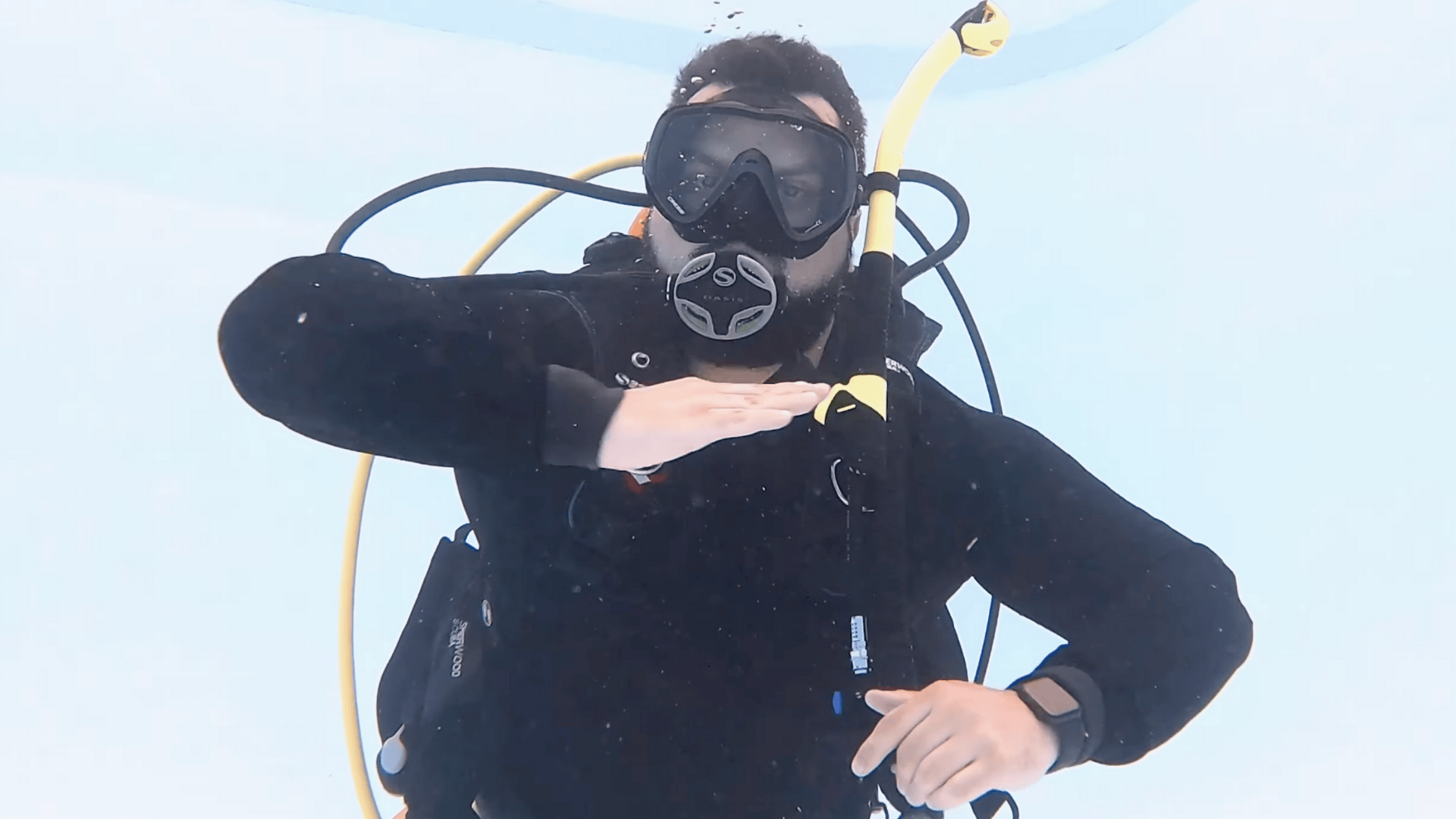
The out-of-air signal is very serious and requires immediate response. The diver moves a flat hand across the throat to show that no air is left.
This signal tells the buddy that help is needed right away. Among scuba hand signals, this one must be recognized instantly so the buddy can assist, share air, and begin a safe ascent without delay.
15. Share Air
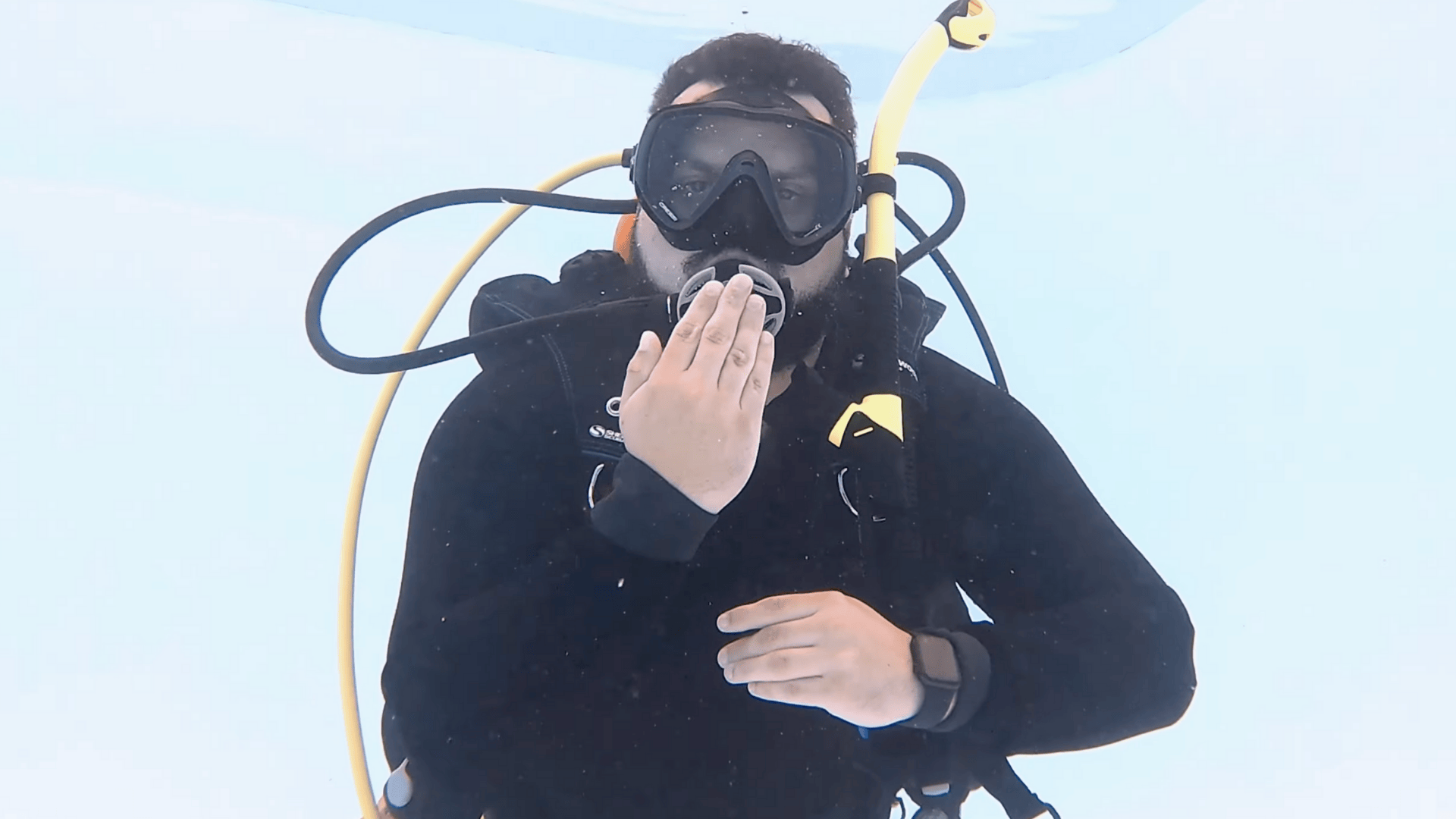
The share-air signal is used during an air emergency when a diver needs help. The diver points to their mouth and then to the buddy’s regulator. This signal clearly asks for an alternate air source.
Using correct scuba hand signals during air sharing helps reduce stress and confusion. Practicing this signal often helps divers react calmly and work together during serious situations underwater.
16. I’m Cold
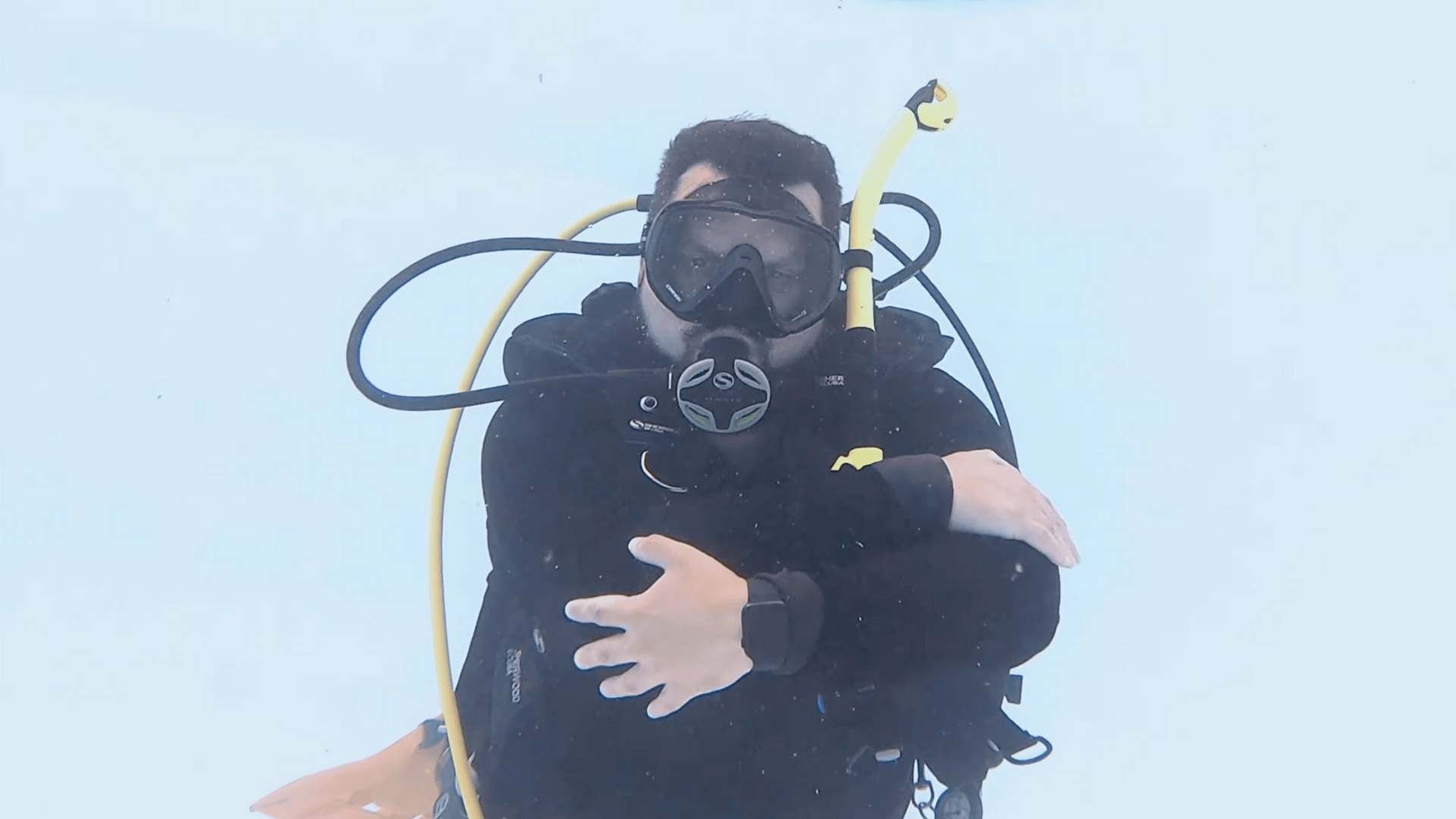
The cold signal is made by hugging yourself or rubbing your arms to show that your body temperature is dropping. Cold can reduce focus, slow movement, and increase air use.
This scuba hand signal alerts the buddy that comfort and safety may be affected. Once used, the dive plan can be adjusted, or the dive can end before cold becomes a problem.
17. Stop/Wait
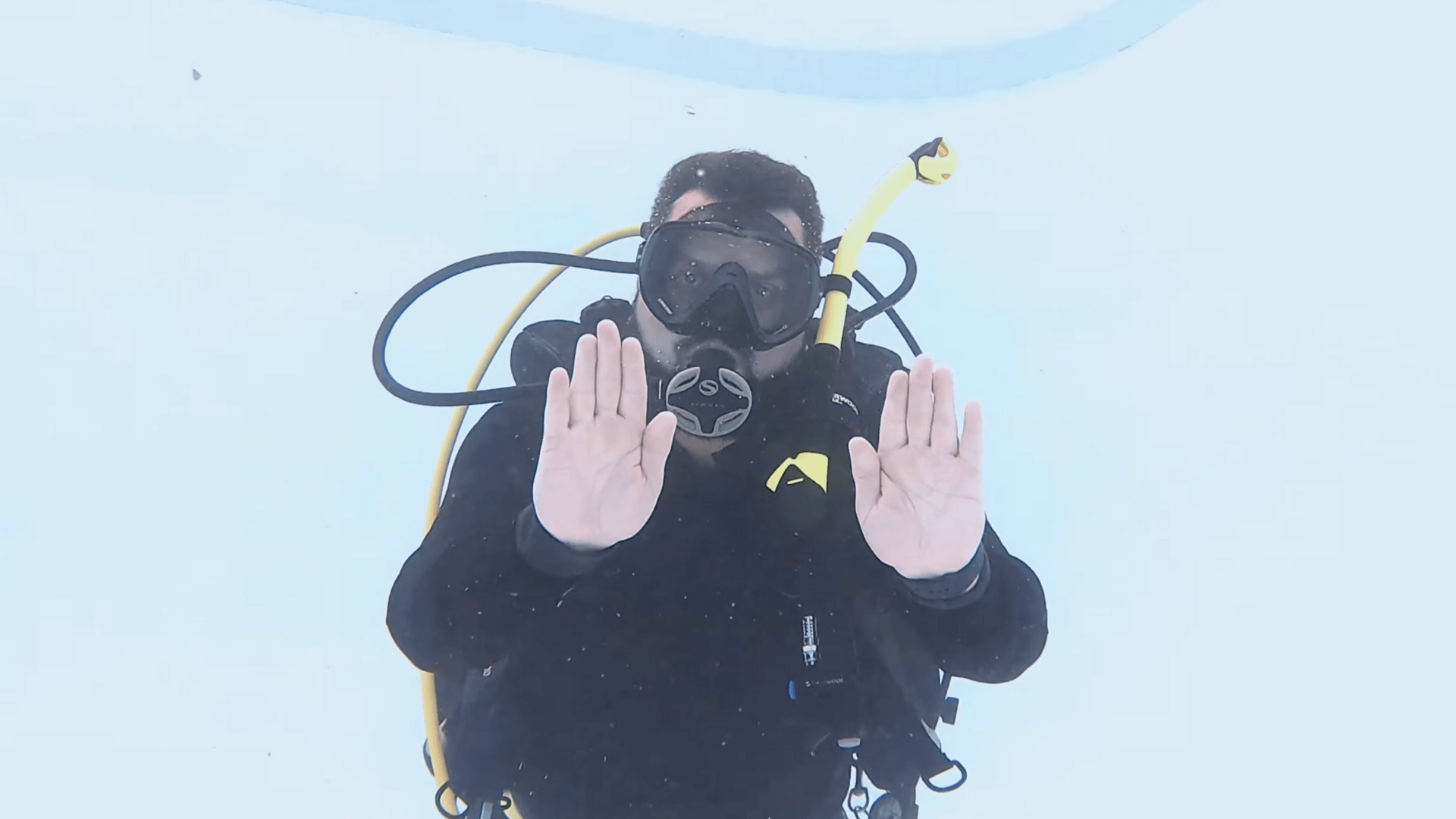
The stop or wait signal is made by holding a flat hand outward toward the buddy. It tells others to pause and stay in place.
This signal is useful for fixing equipment, checking depth, or spacing the group. Among scuba hand signals, it helps prevent rushed movement and keeps everyone calm and controlled while the dive continues safely.
18. Turn the Dive
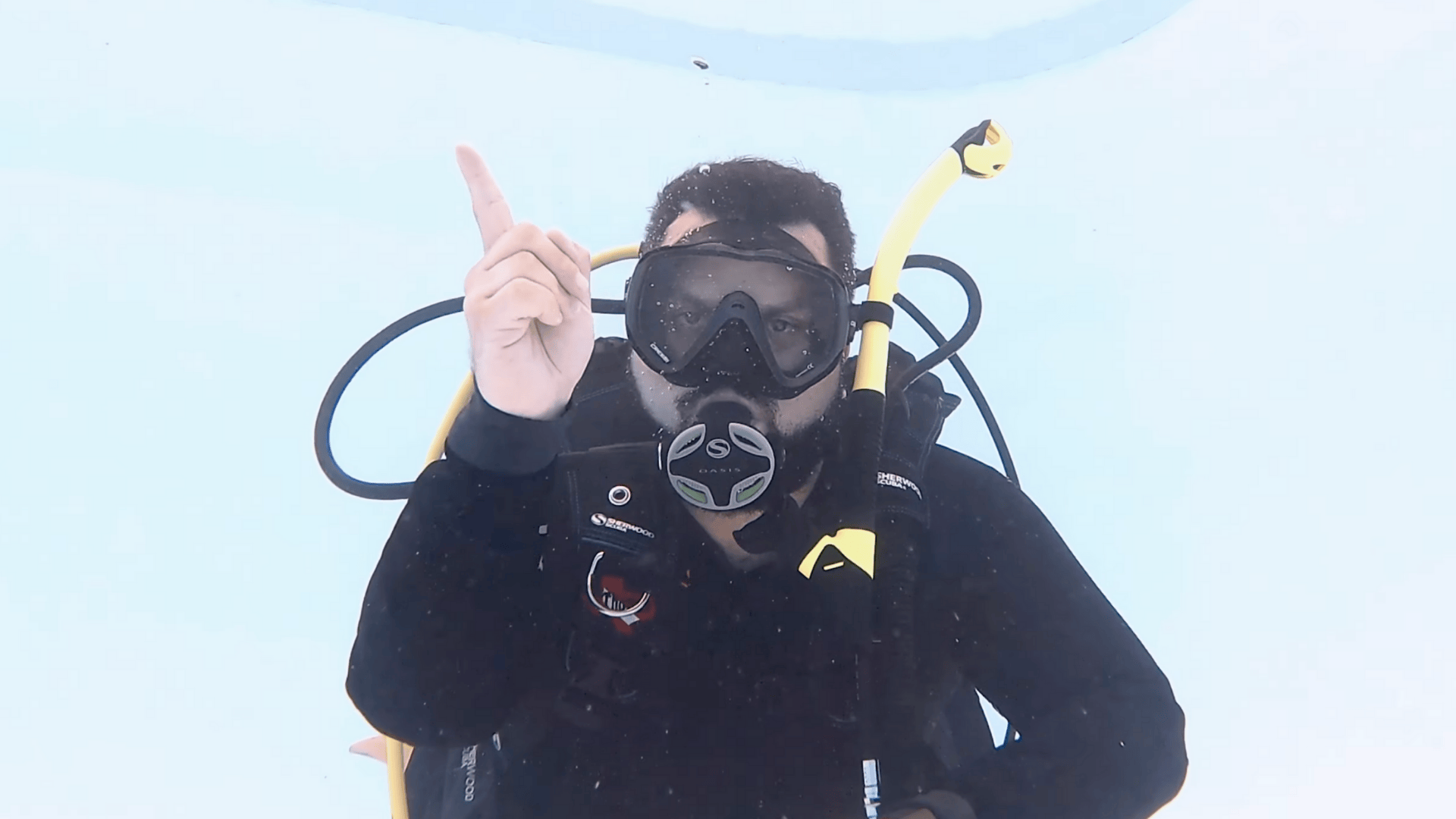
The turn-the-dive signal tells the group it is time to head back. A diver points in the swimming direction and then makes a turning motion with the hand.
This signal is commonly used when air reaches a planned level or when conditions change. Turning early helps ensure enough air remains for a safe ascent and a proper safety stop.
19. Watch/Look
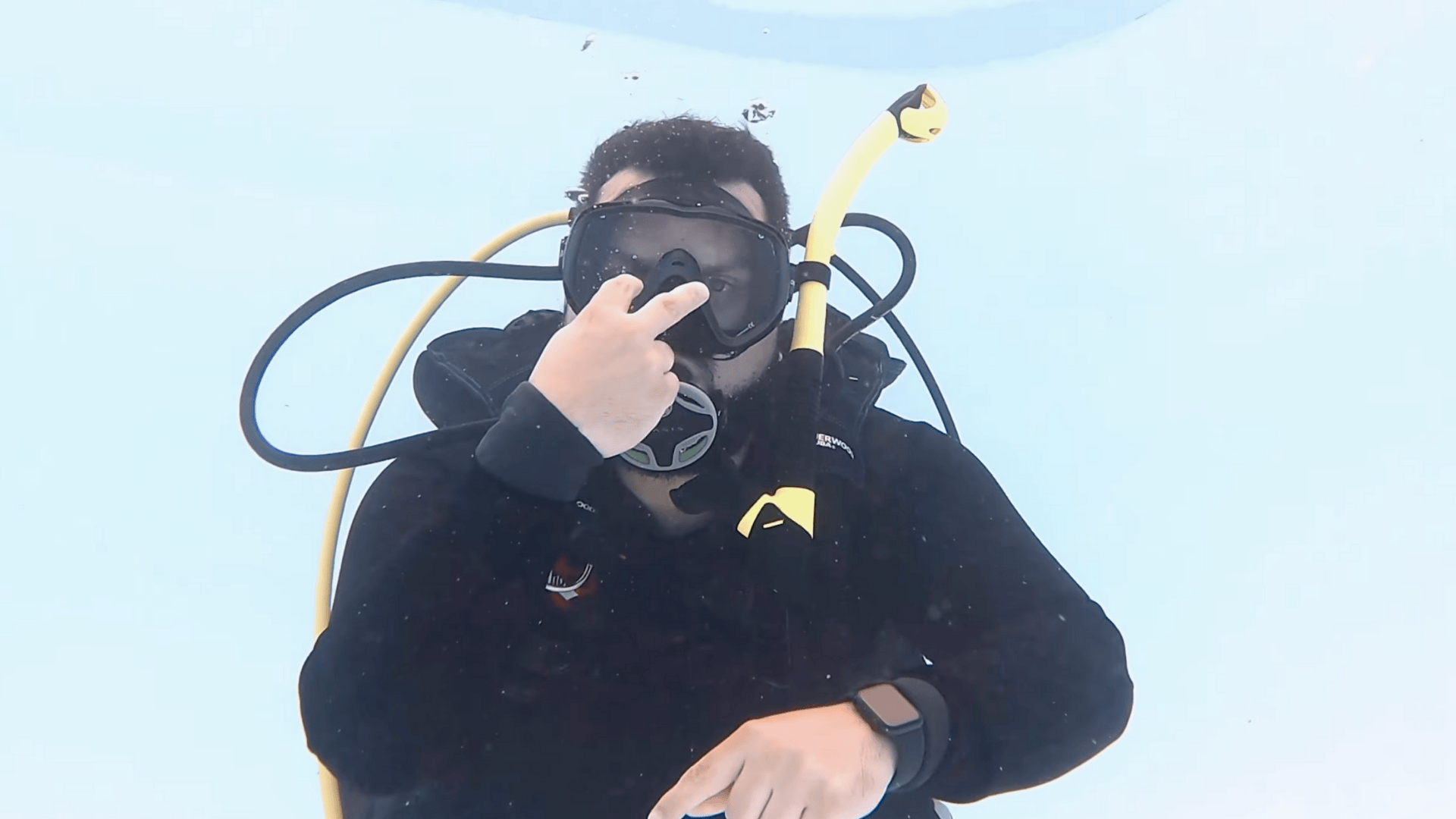
The watch or look signal is used to draw attention to something important underwater. A diver points to their eyes and then toward the object or direction.
It can be used for marine life, hazards, or changes in direction. This scuba hand signal helps buddies stay aware of their surroundings while still keeping safety as the main focus.
20. Which Way?/I Don’t Know
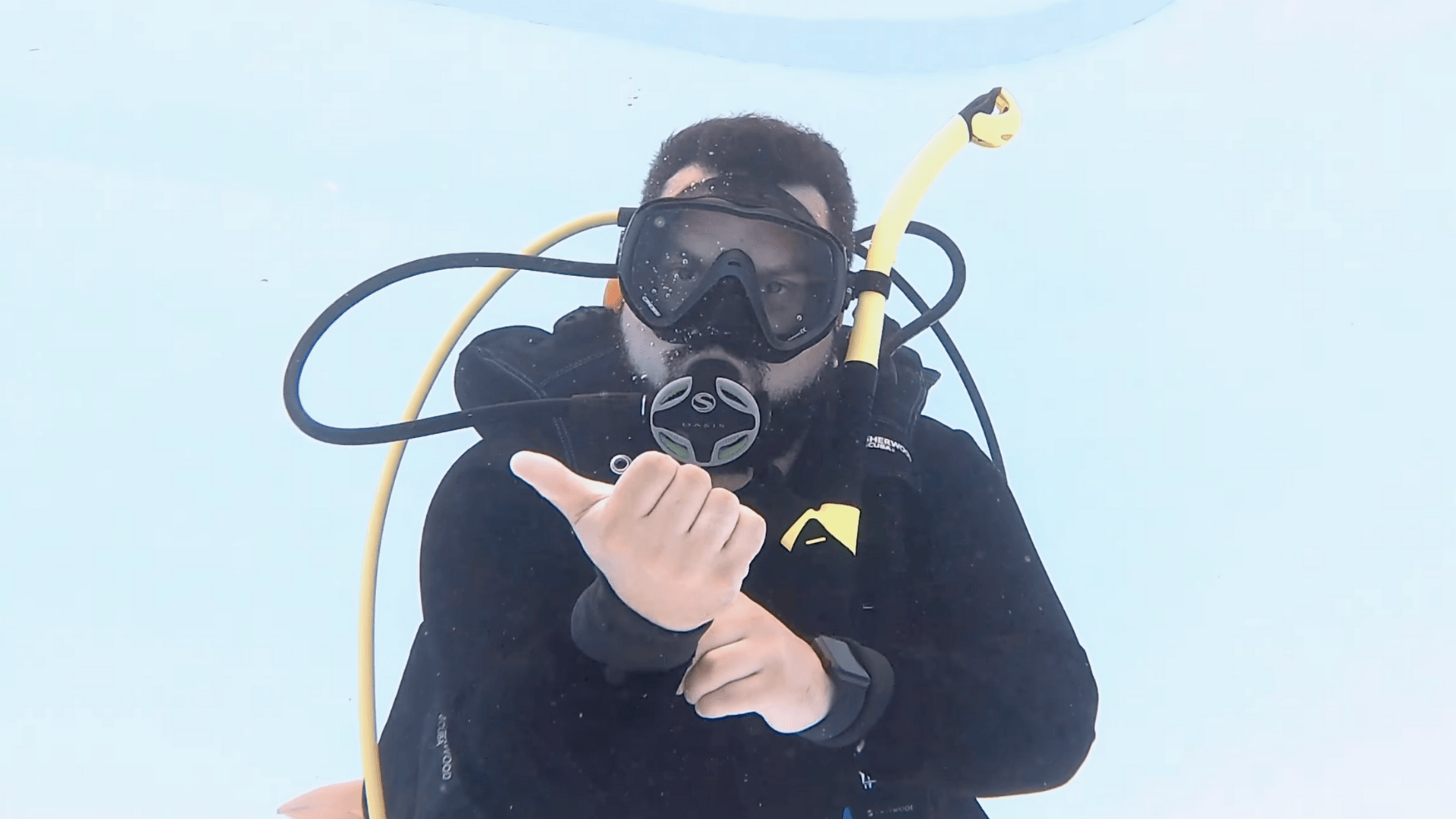
The which-way or I-don’t-know signal shows uncertainty about direction. The diver raises both hands with palms up or gives a small shrug underwater.
This signal tells the buddy that guidance is needed. Using scuba hand signals to admit confusion prevents wrong turns, reduces stress, and helps the team stop, regroup, and choose the correct direction together.
21. Swim
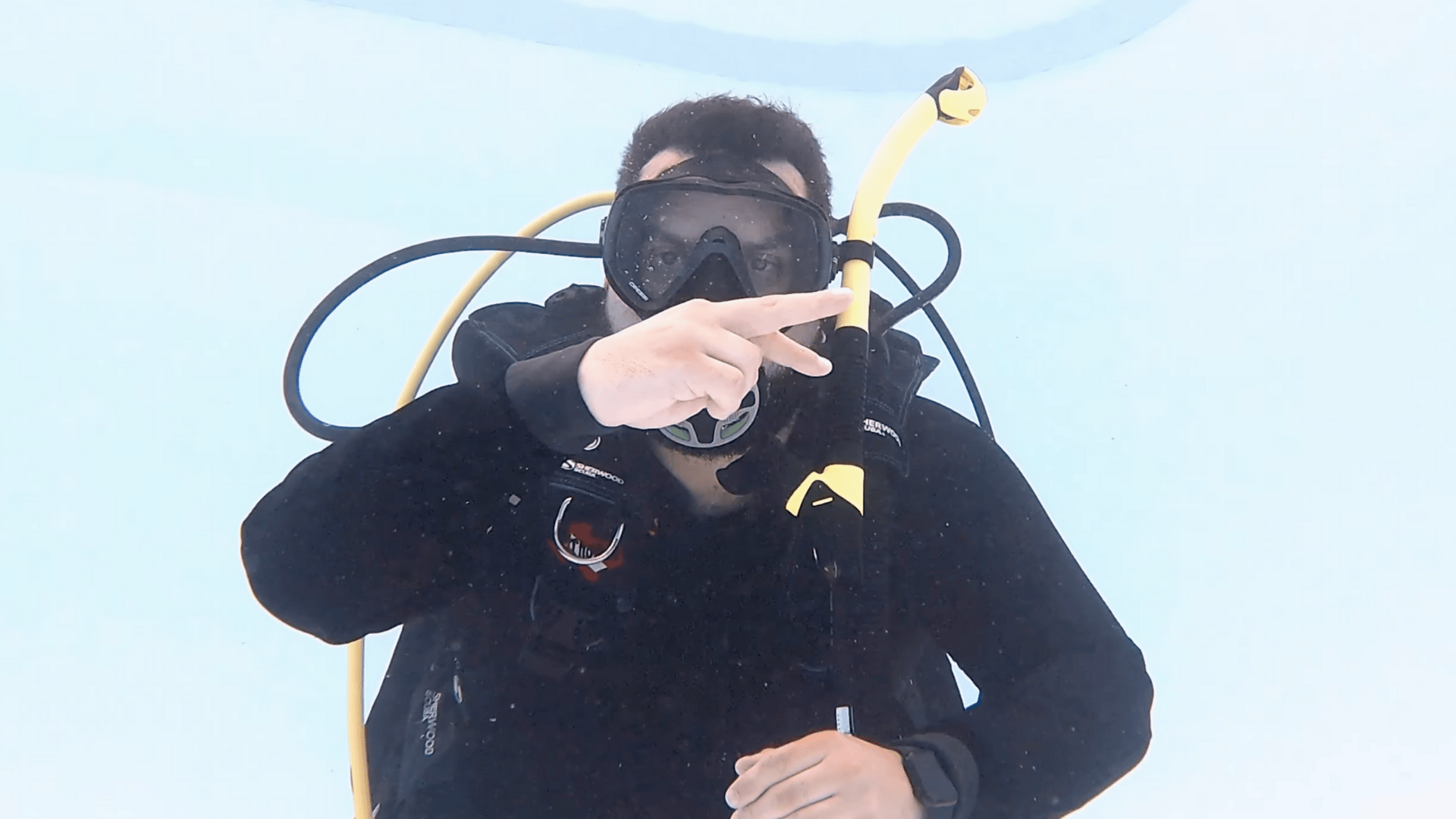
The swim signal tells the group to begin moving again. A diver makes a gentle swimming motion with one hand. This signal is useful after stopping or when organizing group movement.
Among scuba hand signals, it helps keep everyone moving at the same pace and prevents separation while maintaining control and awareness during the dive.
22. You Lead/I Follow
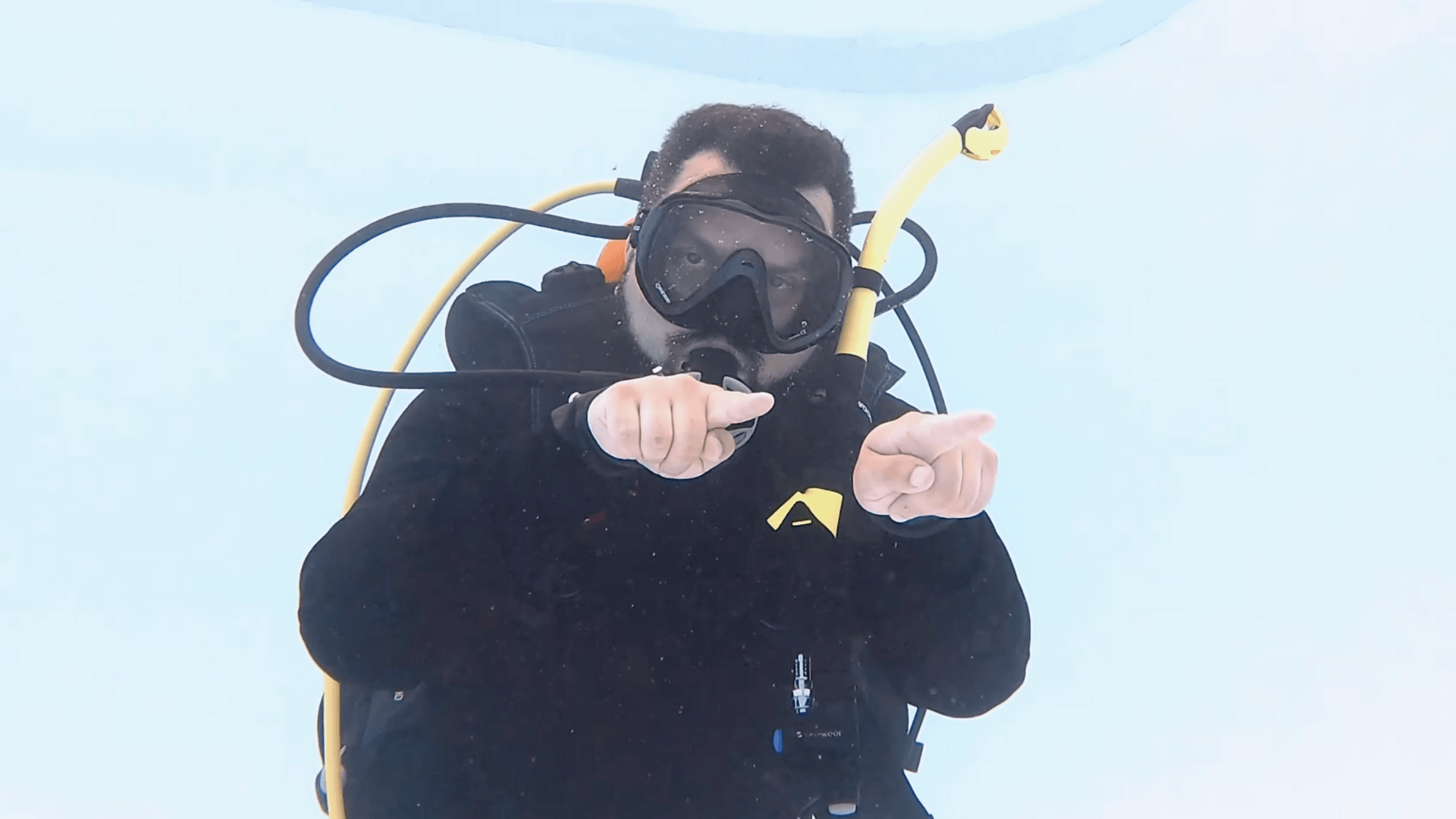
This signal shows who will lead the dive or a section of it. A diver points to the buddy and then forward to say “you lead,” or points to themselves to take the lead.
Clear leadership signals reduce confusion. Scuba hand signals like this support teamwork, shared responsibility, and smoother group movement underwater.
23. Deco?/NDL?
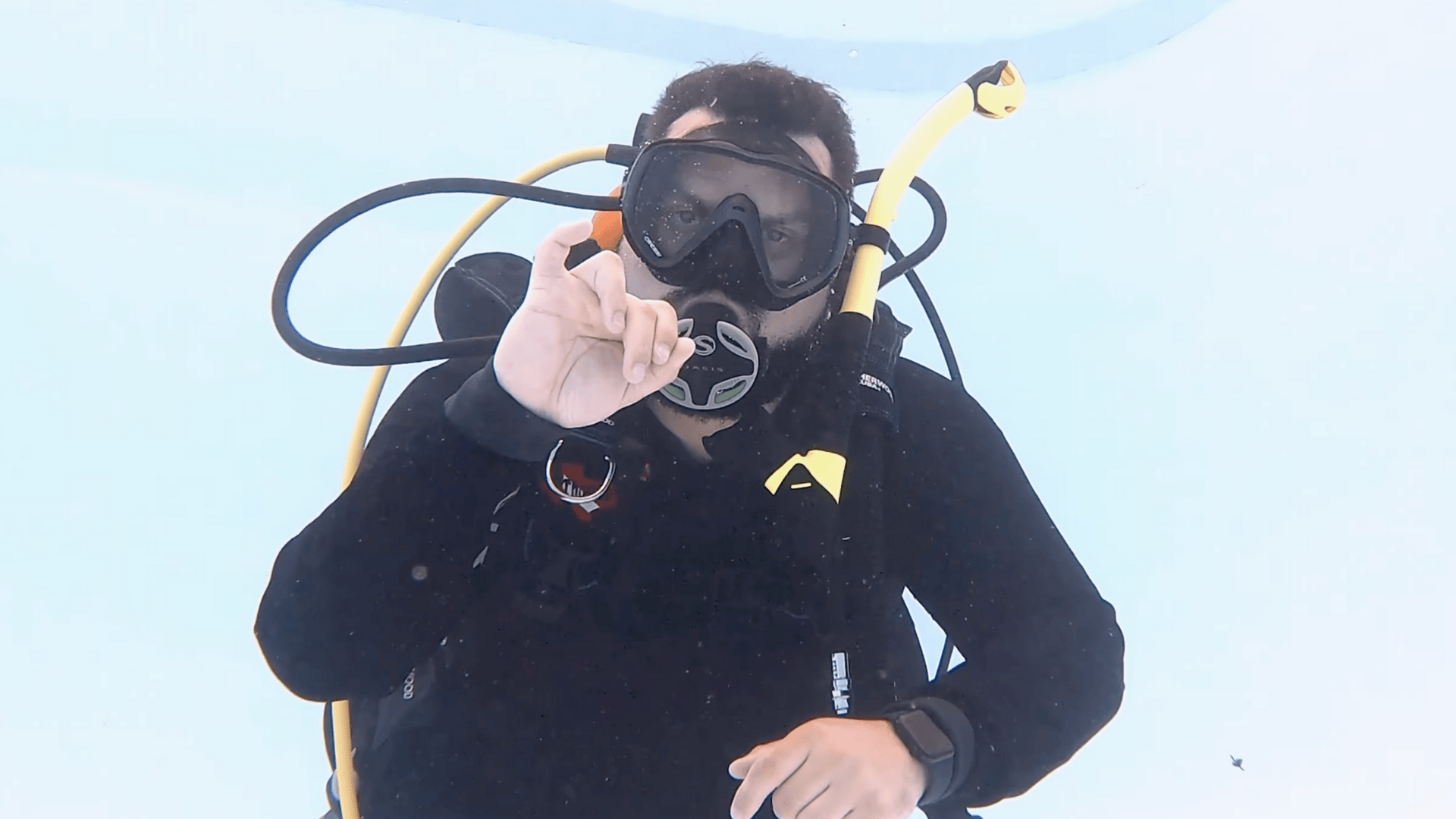
The deco or NDL signal asks about decompression limits during a dive. Divers point to their dive computer and make a questioning motion.
This signal helps confirm remaining time and depth limits. Clear scuba hand signals about limits support safe ascent planning and help prevent staying too deep or too long underwater.
24. Abort/End the Dive
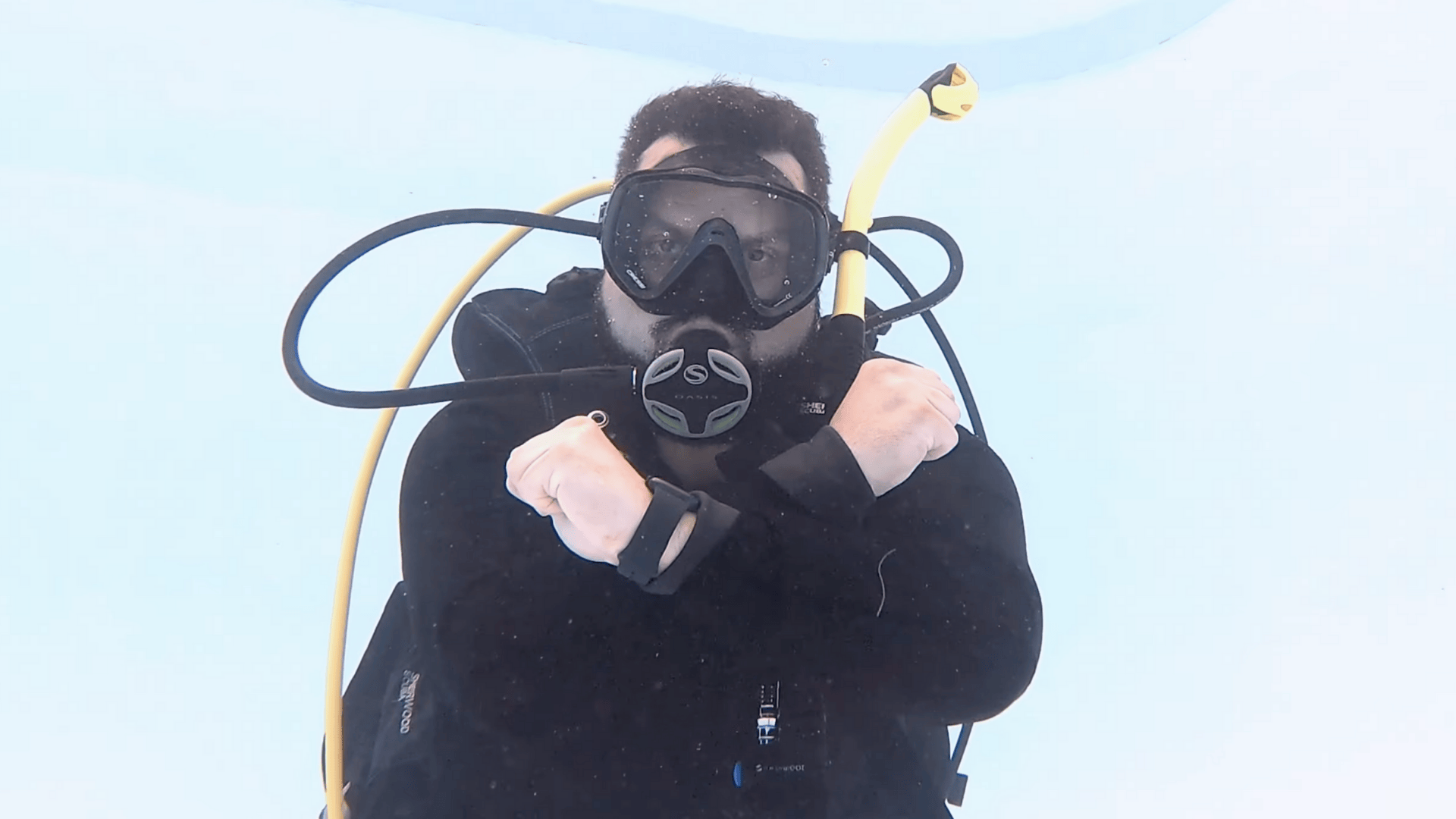
The abort or end-the-dive signal tells the group that the dive must stop right away. A diver uses a clear cutting motion or a strong thumbs-up while making eye contact.
This signal is used when conditions change or someone feels unwell. Using this scuba hand signal supports fast decisions, group awareness, and a controlled ascent without delay.
25. 3-Minute Safety Stop
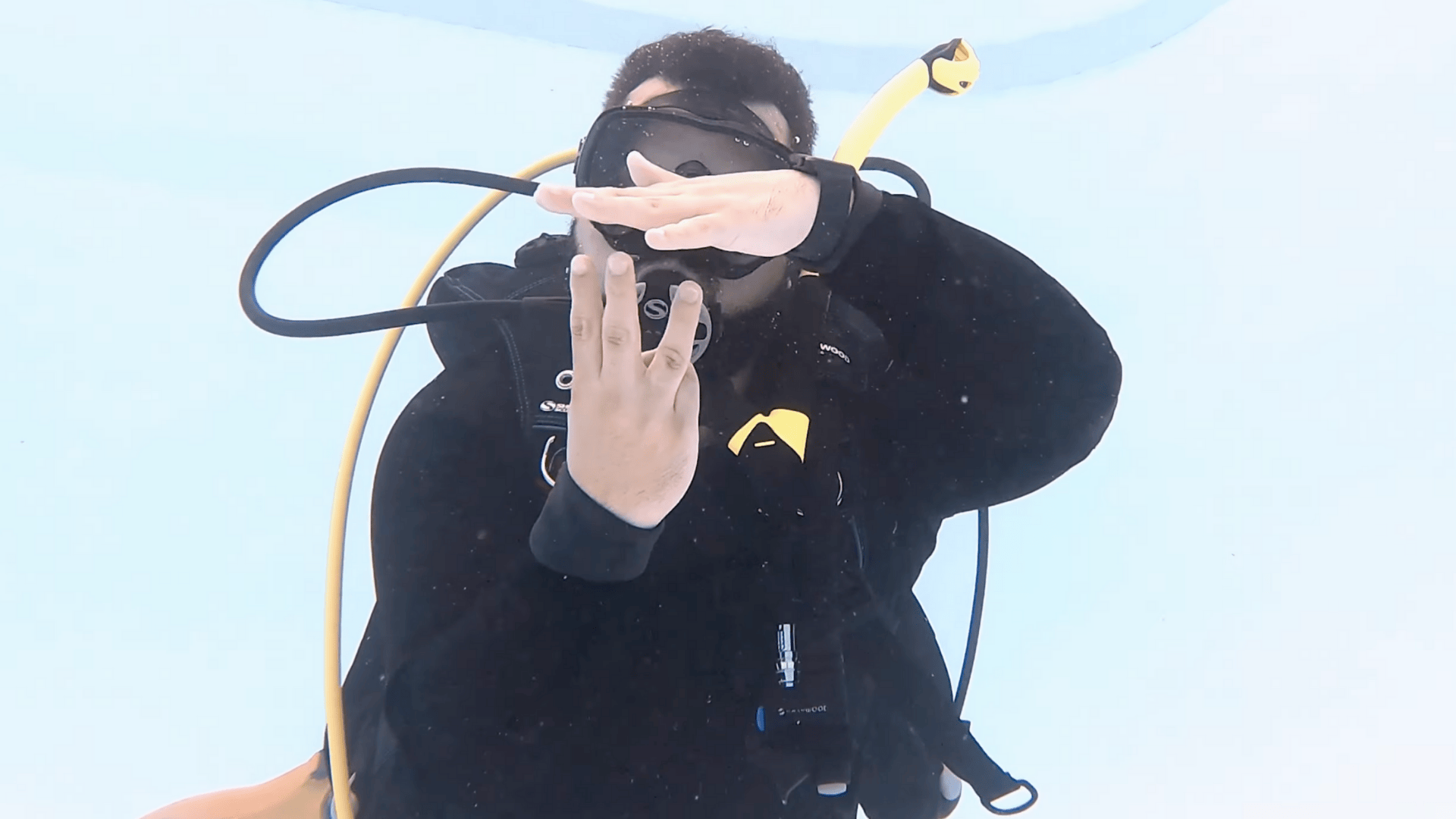
The 3-minute safety stop signal shows the need to pause at a shallow depth before surfacing. A diver holds up three fingers and points slightly upward.
This signal reminds the group to slow down and stop together. Safety stops help the body adjust after deeper diving and are a common part of safe dives using scuba hand signals.
How to Learn Scuba Diving Hand Signals?
Learning scuba hand signals takes practice, but you can start before you even hit the water. Begin by studying common signals through videos or your dive manual, then practice them with your diving buddy on land.
Make the gestures slowly and clearly, just like you would underwater. Try practicing in a pool where you can focus on form without worrying about depth or currents.
Create flashcards with signal images on one side and meanings on the other for quick review sessions.
During your certification course, pay close attention to your instructor’s demonstration of each signal. With repetition, the movements will become natural, and you’ll signal confidently on every dive.
Common Mistakes to Avoid with Scuba Diving Hand Signals
Even experienced divers sometimes make errors with hand signals that can lead to confusion or safety issues. Knowing what not to do is just as important as learning the correct signals.
- Making Signals Too Quickly: Slow down your movements so your buddy can clearly see and understand. Rushed signals often get misread in low visibility.
- Using Signals Your Buddy Doesn’t Know: Stick to standard, universal signals that all certified divers learn. Inventing your own gestures creates confusion.
- Forgetting to Get Your Buddy’s Attention First: Always make eye contact with your buddy or gently tap them before signaling. They can’t respond to what they don’t see.
- Signaling While Holding Equipment: Keep one hand free to make clear signals. Gripping your camera or torch makes gestures hard to read.
- Not Confirming Your Buddy Understood: Wait for a return signal showing they got your message. Never assume they understood without confirmation.
Taking time to signal properly keeps everyone safe and makes every dive more enjoyable. Practice these habits until they become second nature. Clear communication underwater builds trust between dive buddies.
The Bottom Line
Learning scuba hand signals is one of the most essential skills you’ll develop as a diver. These gestures keep you safe, help you communicate with your buddy, and make every underwater experience better.
Start practicing on land, review them regularly, and always signal clearly when you’re below the surface.
The more comfortable you become with these signals, the more confident and secure you’ll feel on every dive. Remember that good communication underwater can prevent problems before they start.
Have questions about specific hand signals or tips to share from your own diving experiences? Drop a comment below and let’s keep the conversation going!







2 Responses