
Planning your first paddling trip and wondering: do kayaks need to be registered?
The answer isn’t as straightforward as you might think. Registration requirements vary significantly from state to state, and the rules change depending on your kayak type and how you power it.
Some paddlers spend years on the water without registering, while others face fines for missing registration deadlines.
Understanding these regulations before you launch can save money, hassle, and legal trouble, especially when combined with basic safety practices like using proper kayak lights for night paddling.
Clear answers about kayak registration help you stay legal, protect your investment, and enjoy the water worry-free.
What Kayak Registration Really Means and Why It Matters?
Kayak registration is a state-level process where you officially record your kayak with local authorities and receive a registration number to display on your vessel.
This differs from titling, which proves ownership, and federal documentation through the US Coast Guard, which rarely applies to recreational kayaks. Most kayaks fall under state jurisdiction rather than federal rules.
Registration serves several important purposes: it helps law enforcement identify owners if a kayak is lost or stolen, aids in water safety enforcement, and generates revenue that funds boating programs, waterway maintenance, and safety education.
Think of it like registering a car – it creates an official record and maintains waterways for safety and upkeep.
Do Kayaks Need to Be Registered in the U.S.?
In most U.S. states, you don’t need to register a non-motorized kayak for recreational use. However, some states require registration for all watercraft regardless of propulsion type.
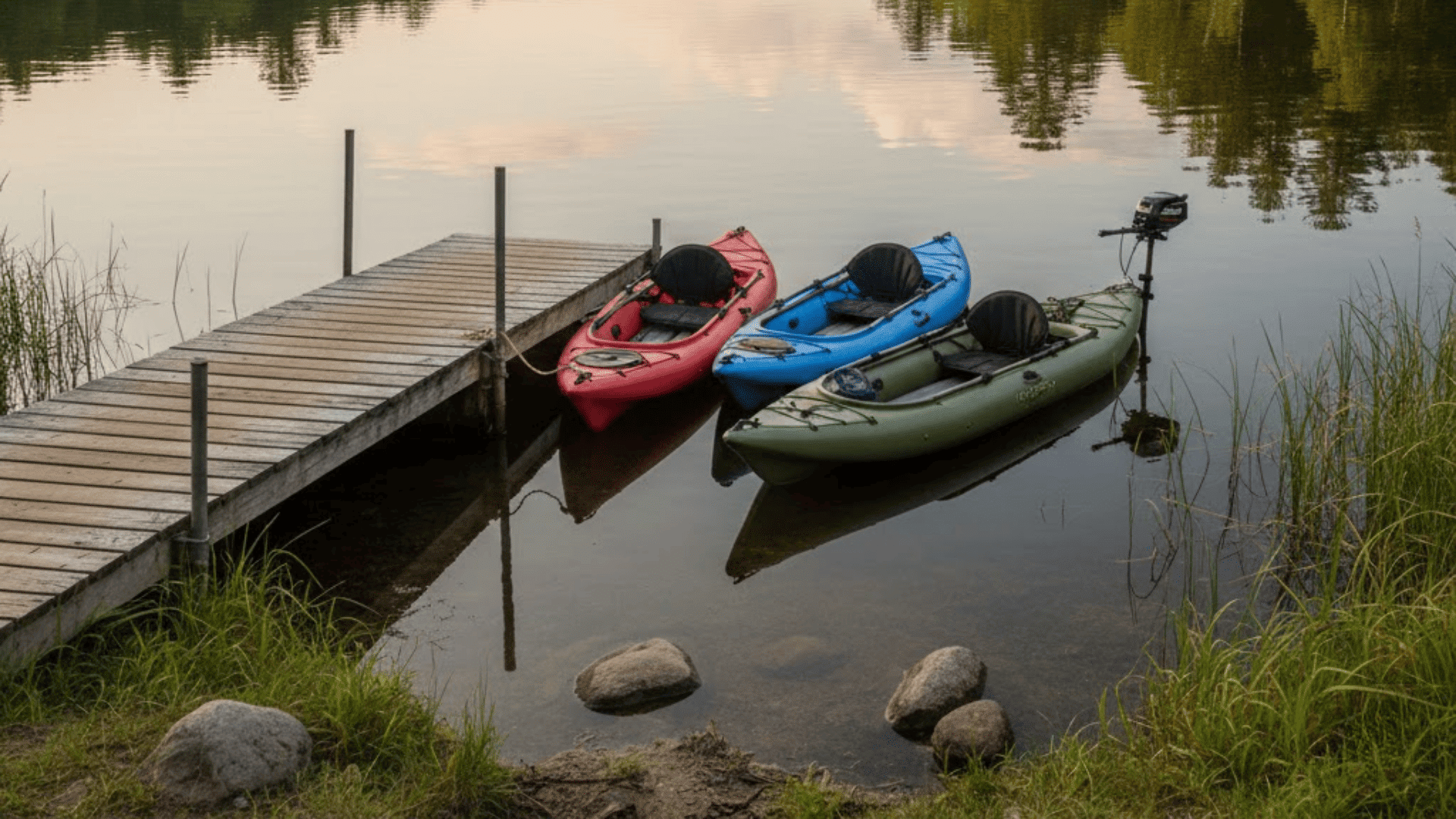
Once you add a motor to your kayak – even a small trolling motor – registration becomes mandatory in nearly every state. Many paddlers believe that inflatable kayaks are exempt from registration or that registration only applies to boats over a certain length. These are common misconceptions.
The thing is that registration requirements depend primarily on your state’s specific laws and whether your kayak has any type of motor attached. Always check your local regulations before hitting the water.
Common Kayak Registration Requirements States Look At
Kayak registration laws vary by state, but most regulations are based on a few consistent factors. States use these criteria to decide whether a kayak qualifies as a regulated vessel or remains exempt.
1. Motor Presence (Including Electric Motors)
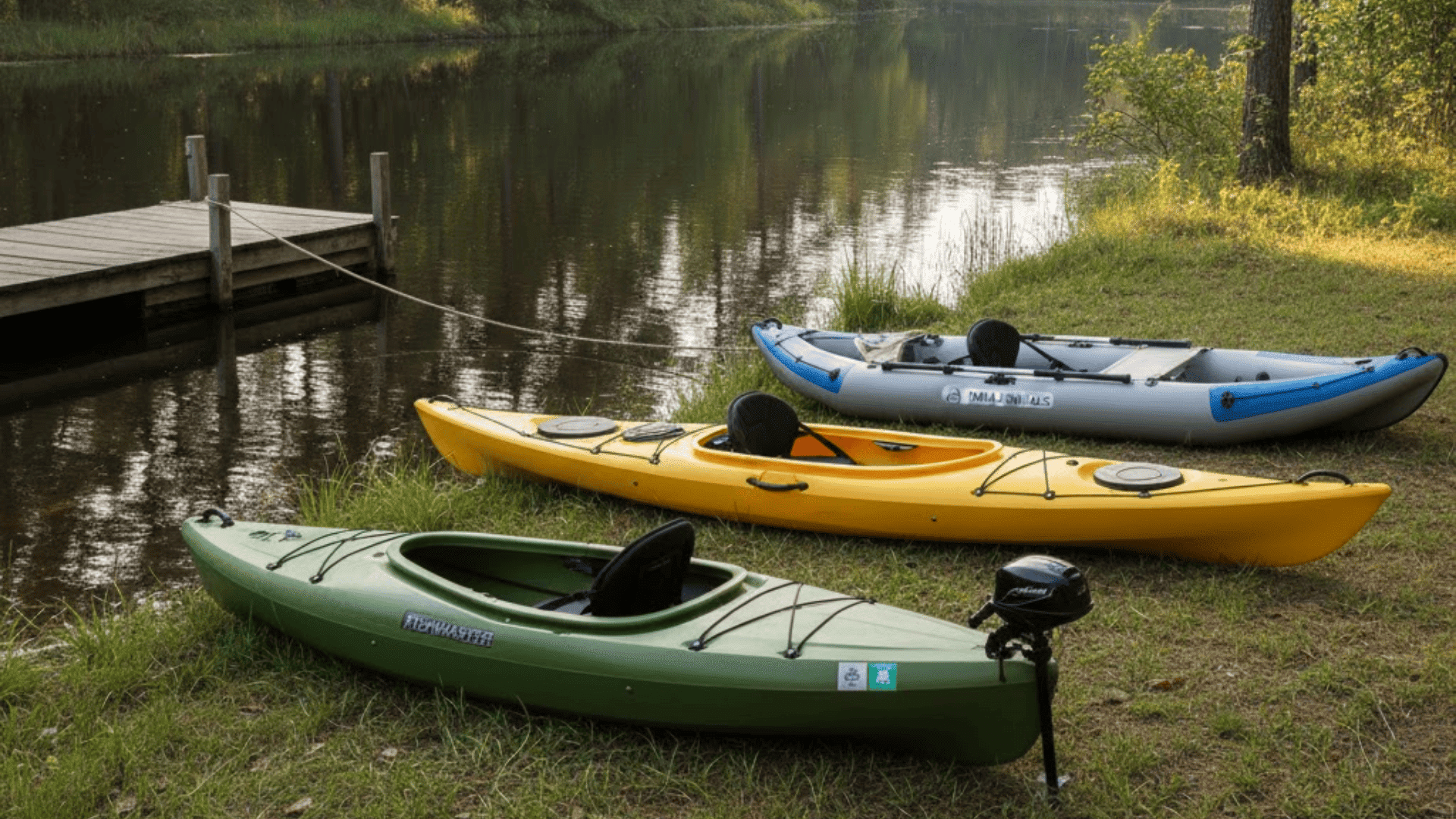
Motor presence is the most common reason a kayak must be registered. In many states, adding any type of motor instantly changes a kayak’s legal status, even if it is small or electric.
Trolling motors, pedal-assist motors, and DIY electric setups are typically treated like gas motors, making motorized kayaks subject to standard boat registration and display requirements on most U.S. waterways.
2. Kayak Length and Size Requirements
Kayak length can also influence registration requirements in certain states. While many states exempt non-motorized kayaks regardless of size, others require registration once a kayak exceeds a specific length threshold.
Longer recreational, touring, and tandem kayaks are more likely to fall under these rules. Although length-based requirements are rare, paddlers should confirm regulations before launching on state-managed waters.
3. Public vs Private Water Use
Where you use your kayak matters just as much as how it is built. Kayaks operated on public lakes, rivers, and coastal waters are more likely to be subject to registration laws.
Private ponds or lakes may be exempt in many states, but exemptions often disappear if the waterway connects to public systems or receives state oversight; local rules and access permits may still apply.
4. Commercial or Rental Kayak Use
Kayaks used for commercial purposes often face stricter rules than personal recreational kayaks. Registration or permits may be required if the kayak is:
- Part of a rental or outfitting business
- Used for guided tours or instructional services
- Operated for profit on public waterways
Because commercial kayaks operate under different rules than personal ones, it’s important to check state and local regulations before using a kayak for any business-related activity.
5. Documents Needed for Kayak Registration
If registration is required, most states ask for similar documentation, including:
- Proof of ownership (bill of sale or receipt)
- Hull Identification Number (HIN), if applicable
- Valid photo identification
- Completed registration application and fee
Having these documents ready can make the registration process quicker and help you avoid delays when registering your kayak with state boating authorities.
This also ensures your kayak is legally approved before you head out on the water.
State Kayak Registration Laws (Free vs Required)

Below are the most common state kayak registration rules – use this as a reference before hitting the water. Since rules can change, it’s wise to double-check with your state boating authority or local agencies.
1. States Where Non-Motorized Kayaks Don’t Need Registration
Many states do not require registration for paddle-only kayaks. This means if your kayak has no motor and is used for personal recreation, you’re generally free to launch and paddle without a registration number.
Some examples of these states include: California, Florida, Georgia, Massachusetts, Wisconsin, Texas, New York, North Carolina, Virginia, and Colorado.
Note: Even if registration isn’t required, some states may require a local launch permit for specific lakes or rivers, so always check before heading out.
2. State Kayak Registration Rules
Kayak registration laws vary by state and often include exemptions based on propulsion type, kayak length, and use. Some states apply broader registration rules to recreational boats – for example, Ohio requires registration for most watercraft, including non-motorized kayaks.
Other states exempt human-powered kayaks used recreationally, such as Michigan and New Hampshire. Because rules vary and change, always confirm requirements with your state boating authority before launching.
3. Special Cases: Partial Requirements & Different Rules
Some states have rules that don’t fit neatly into “registration required” or “exempt” categories. These special cases often apply to specific situations, like paddling in certain parks, using longer kayaks, or visiting from another state.
- Oregon Waterway Access Permit: Not a typical registration, but required for paddling on public waters.
- Length-Based Rules: Certain states require registration for kayaks over a specific length.
- Out-of-State Visitor Rules: Some states require temporary registration or permits for kayaks brought from other states.
- Special Areas: Select parks, lakes, or federal waters may have additional rules regardless of state exemptions.
By understanding these rules, paddlers can be confident they’re following the law wherever they launch. Always check local and state regulations before hitting the water for a smooth, worry-free kayaking experience.
Do Inflatable Kayaks Need to Be Registered?
Inflatable kayaks follow the same registration rules as hard-shell kayaks in most states. Non-motorized inflatable kayaks used for recreation typically don’t require registration.
However, adding any type of motor changes everything – motorized inflatable kayaks need registration just like hard-shell ones. Some states impose additional rules based on size, requiring registration for inflatable kayaks over a certain length regardless of propulsion type.
The construction material doesn’t matter as much as how you power your kayak and where you paddle. Always check your state’s boating regulations to understand specific requirements for inflatable watercraft.
What Happens If You Don’t Register Your Kayak?

Failing to register a kayak when required can result in fines ranging from $100 to $500, depending on your state.
Enforcement varies widely – some states actively patrol popular waterways and check registration numbers, while others rarely issue citations.
Florida and Texas wildlife officers frequently check boat registrations during patrols, while states like Montana see minimal enforcement on remote lakes.
Beyond avoiding penalties, registration provides important benefits even when optional and is part of the broader responsibilities that come with owning a watercraft, including ongoing considerations like jet ski insurance costs.
It helps recover stolen kayaks, proves ownership in disputes, and supports conservation programs that maintain the waterways you enjoy.
How to Register Your Kayak in Your State?
Registering a kayak may sound confusing, but it’s usually easy if you follow the right steps. Most non-motorized kayaks don’t need registration, but motorized or commercial kayaks often do.
- Find Your State Boating Authority: Check your state’s boating office online for forms and instructions.
- Gather Documents: Bring proof of ownership, HIN (if any), photo ID, and the registration form.
- Pay Fees: Prepare the small registration fee for online or in-person submission.
- Submit Registration: Register online, in person, or by mail, depending on your state.
- Get Decals and Numbers: Display the sticker and registration number on your kayak.
By following these simple steps, you can make sure your kayak is registered correctly and avoid any fines or penalties. Once registered, you’ll be ready to enjoy the water safely and confidently every time you paddle.
The Bottom Line
Understanding the answer to “do kayaks need to be registered” depends on your specific situation and location.
State laws vary widely, and factors like motorization and kayak type play crucial roles in determining your registration requirements. The small investment in registration – when required – supports programs that keep waterways safe and accessible for everyone.
Even when it’s optional, registration offers valuable benefits like theft recovery and ownership proof. Before launching your kayak, take a few minutes to check your state’s boating regulations to avoid surprises on the water.
Have questions about your state’s requirements or experiences with kayak registration? Share your thoughts in the comments below – your insights could help fellow paddlers stay informed and compliant.
Frequently Asked Questions
What Happens if You Use an Unregistered Kayak?
If your state requires registration, using an unregistered kayak can result in fines or penalties. Rules vary by state and usually apply to motorized kayaks.
Can You Register a Kayak Online?
Yes, many states allow online kayak registration through their boating or wildlife agency website. The process usually requires proof of ownership and a registration fee.
How Long Does Kayak Registration Last?
Kayak registration periods vary by state, but most are valid for one to three years. You must renew the registration before it expires to stay compliant