White water rafting is one of the most thrilling water sports you can try, but what is white water rafting exactly?
This exciting activity has captured the hearts of thrill-seekers and nature lovers for generations. It combines teamwork, physical challenge, and breathtaking river scenery into one unforgettable experience.
Rafting has a rich history that stretches back over a century, evolving from dangerous river expeditions into a safe and accessible sport for people worldwide.
Understanding where this sport came from and how it developed gives you a deeper appreciation for every paddle stroke and every rapid you conquer on the water.
What Does White Water Rafting Really Mean?
White water rafting is the sport of paddling down fast-moving rivers in an inflatable raft. The term “white water” comes from what happens when a river rushes over rocks and steep drops.
As the water tumbles and churns, it fills with air bubbles, creating a frothy white appearance on the surface.
These turbulent sections are called rapids. Rafters use specially designed inflatable boats made from durable rubber or modern synthetic materials.
These crafts are built to handle rough conditions and can bounce off rocks without puncturing. They’re stable enough to keep passengers safe while maneuvering through challenging river conditions.
What’s It Like to Go Rafting – The Experience of River Running
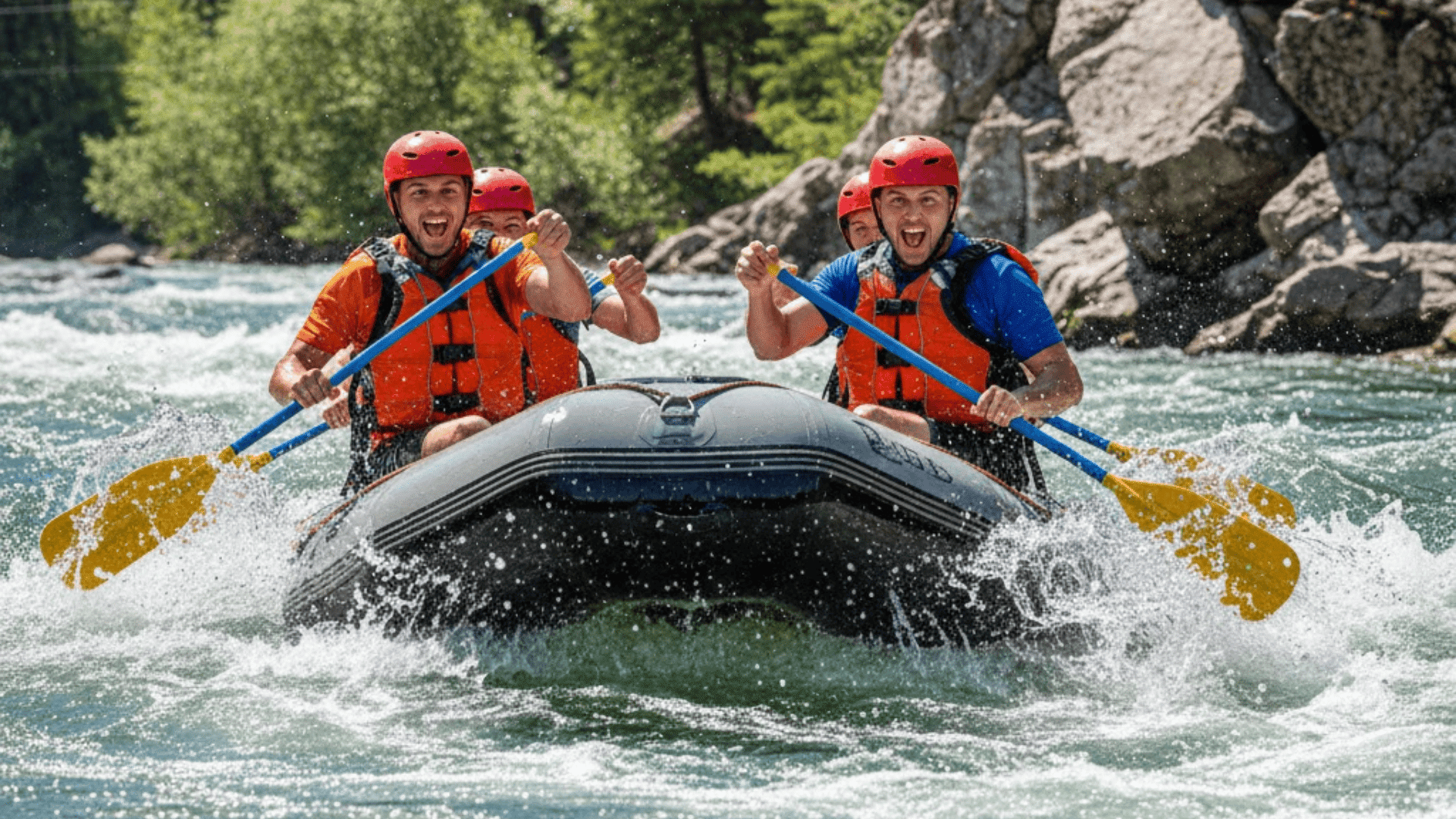
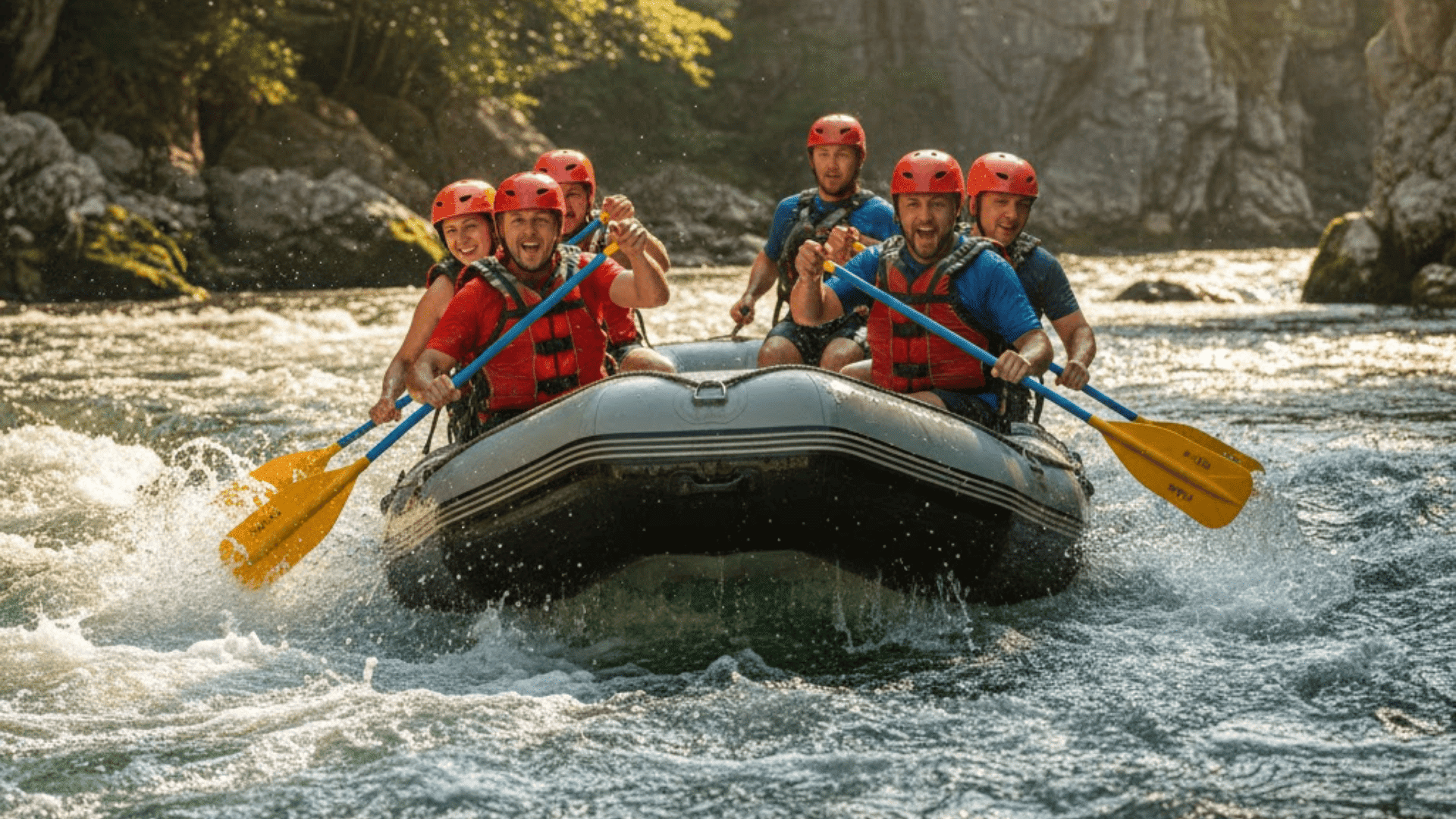
White water rafting brings an exciting mix of adrenaline and teamwork. As you paddle through rapids, the river’s power creates an unpredictable ride that keeps everyone alert and engaged.
You’ll work closely with your raft mates, following commands from your guide to steer through churning water. Trips range widely in difficulty and length.
Some outings offer gentle floats down scenic rivers perfect for families, while others include intense, rapid runs or multi-day camping expeditions.
Beginners can start on calmer Class I or II rivers, while experienced rafters tackle more demanding Class IV or V rapids. There’s truly something for every skill level.
Early History of White Water Rafting
People have traveled rivers for thousands of years, using them for transportation, fishing, and exploration. However, these early river trips focused on calmer waters and practical needs rather than thrills.
The shift toward recreational rafting began when bold explorers ran rapids on unmapped rivers in the 1800s and early 1900s.
These pioneers used basic wooden boats and military-surplus rafts to chart unknown waterways. Their daring runs through dangerous rapids laid the groundwork for modern white water rafting.
What began as risky expeditions became a safe, organized sport with proper equipment and training.
From Exploration to Early Rafts: The Birth of Modern Raft Craft
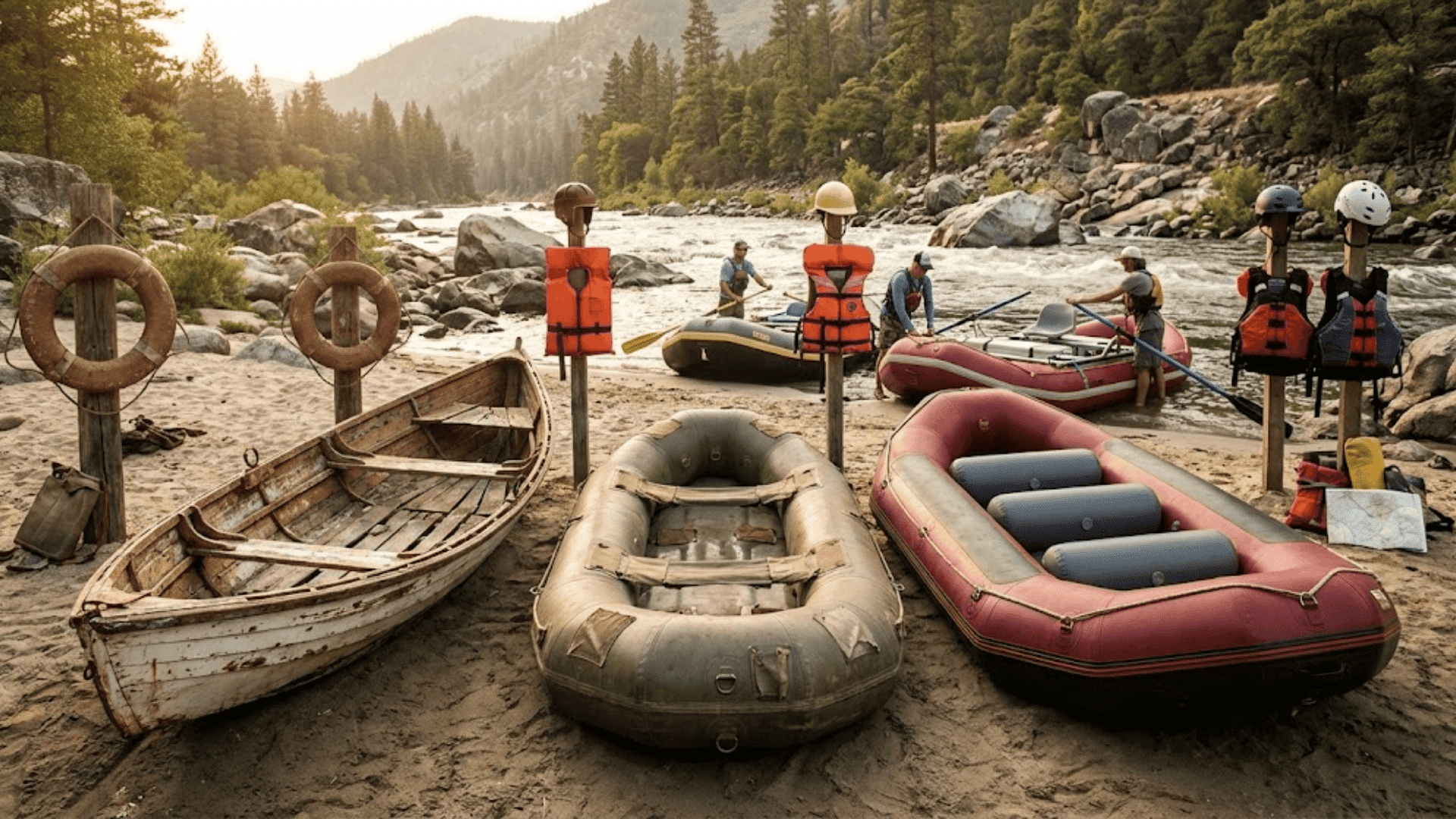
Early rafting did not start with the rafts we know today. It began with simple river boats that explorers used to travel, carry supplies, and study new places. Over time, these boats changed and improved.
- Wooden River Boats: Early explorers used strong wooden boats like rowboats and “whitehall” boats to move across rivers.
- Simple Raft Designs: People also built basic rafts from wood and logs that could float heavy loads but were hard to steer.
- Improved River Boats: Designers later made boats with upturned ends, helping them turn more easily in fast water. These became early versions of drift boats.
- New Materials Arrived: When vulcanized rubber was invented, builders began creating stronger, flexible boat parts that could handle rough water.
- Early Inflatable Ideas: These new rubber materials eventually led to the first inflatable rafts, which were safer and easier to use in wild rivers.
These early steps helped rafting shift from simple river travel to the adventure sport we enjoy today. Each improvement made the craft stronger, safer, and better for fast-moving water.
Because of these changes, modern rafting is now much more fun and accessible for everyone.
How Rafting Became a Recreational Activity?
The first commercial rafting tours appeared in the early 20th century on select rivers across the United States. These early outfitters began charging customers for guided trips down exciting rapids.
After World War II, rafting became much more accessible to everyday people. Military surplus provided an abundance of durable rubber pontoons and rafts at affordable prices.
Engineers also developed better raft designs that improved safety and performance in rough water. This combination of available equipment and improved technology helped shift rafting from a risky expedition into a recreational activity.
River running evolved from purely practical transportation into a thrilling sport that families and thrill-seekers could enjoy together on weekends and vacations.
Understanding River Difficulty: From Calm to Wild
Rivers are different, and not all rapids are the same. Experts classify them from Class I to Class VI to show how hard they are to go through. This system helps paddlers match their skill level to the river.
1. Class I – Easy
Class I rapids are gentle with small ripples and almost no obstacles. The water flows smoothly, and there are few rocks or waves to worry about. These rapids are easy to pass and carry very little risk.
People new to rafting can handle them with little guidance, making them perfect for beginners who want to get used to paddling and sitting in a raft without facing strong currents.
2. Class II – Novice
Class II rapids have a few small waves and minor obstacles, like rocks or small drops. Paddlers need some basic skills to steer and keep the raft on course.
These rapids move faster than Class I rapids but remain safe for people with some experience. Most people can enjoy them while practicing teamwork and learning how to control the raft in slightly faster water.
3. Class III – Intermediate
Class III rapids are moderate and have irregular waves, narrow passages, and some obstacles. Paddlers must work together to steer the raft safely through the water. These rapids require proper timing and basic techniques like paddling on command.
They are exciting but not overly dangerous for people with some experience. This class teaches rafters how to handle more challenging conditions and prepare for higher-level rapids.
4. Class IV – Advanced
Class IV rapids are powerful with strong waves, sharp turns, and steep drops. Paddlers need experience, skill, and quick reflexes to get through safely.
Mistakes in these rapids are risky, so trained guides or skilled teams are recommended. These rapids are challenging and need the whole raft team to respond quickly to sudden changes.
5. Class V – Expert
Class V rapids are very long, violent, and have large drops and obstacles. These rivers move fast, and the water can be unpredictable. Only experienced rafters with strong skills should attempt them.
Safety gear and careful preparation are essential. Even skilled rafters must be cautious, as one wrong move can be serious. These rapids demand teamwork, quick judgment, and confidence in the raft.
6. Class VI – Extreme/Unrunnable
Class VI rapids are extremely dangerous and often considered impossible to run safely. The water is highly unpredictable, with massive drops, huge waves, and hidden obstacles.
Only the most expert professionals attempt these rapids, and even then, they are risky. They need full safety precautions, specialized equipment, and support. Many rivers in this class are avoided due to high risk of accidents.
How Rafting Gear & Safety Evolved Over Time
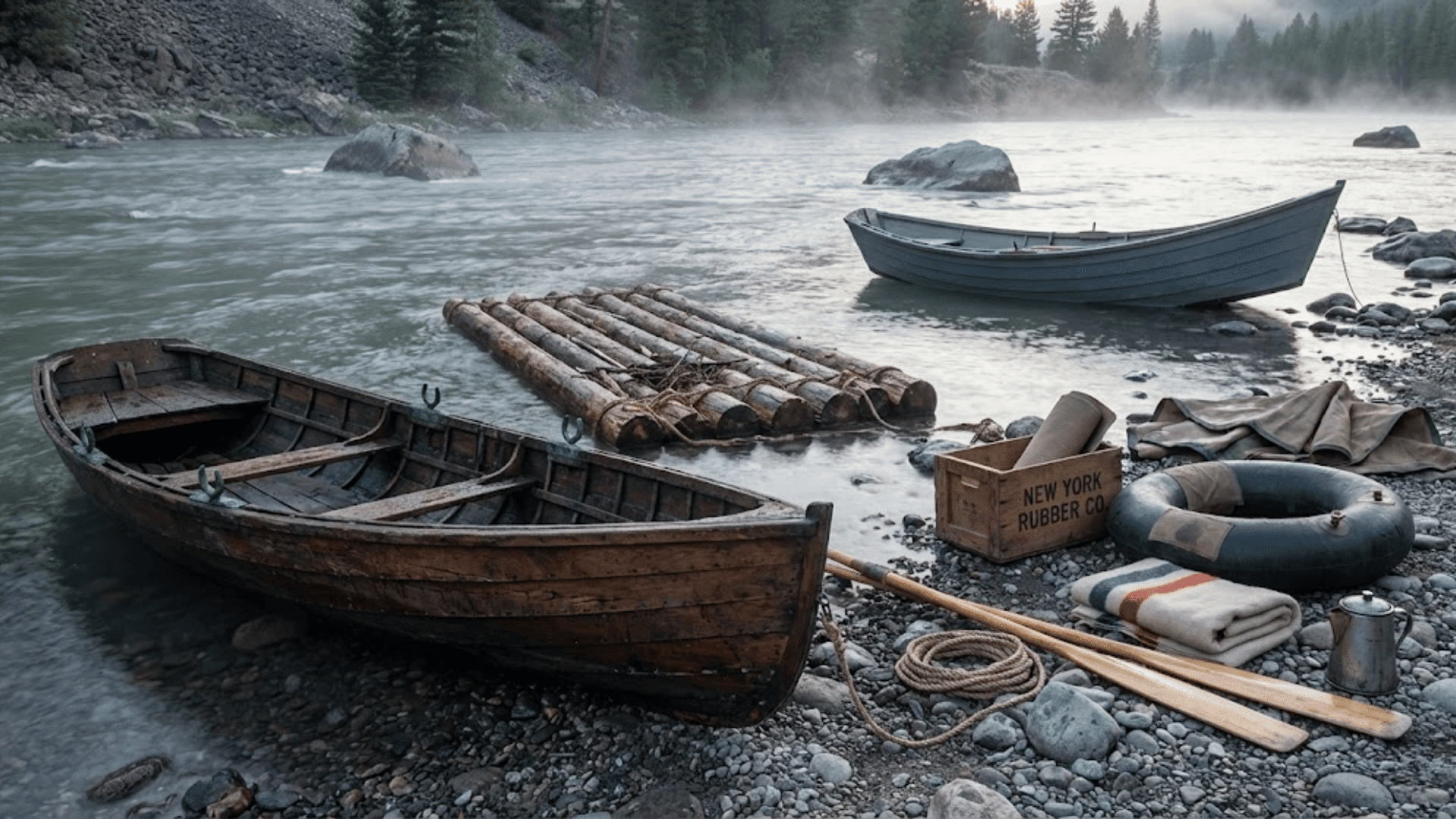
Rafting equipment has come a long way since the early days. Pioneers started with basic wooden boats that often broke apart in rough rapids. Rubber rafts replaced these fragile designs, offering much better durability.
Today’s rafts use advanced inflatable materials with multiple air chambers for added safety.
Modern designs include both paddle-rigged rafts, where everyone paddles together, and oar-rigged versions controlled by a single guide. Safety improvements have been just as important as equipment upgrades.
Trained guides, helmets, life jackets, and proven techniques now make rafting safe and accessible worldwide. What was once limited to remote rivers has grown into a popular activity in many countries.
Why Knowing the History Makes Your Rafting More Meaningful
Learning about rafting’s origins adds depth to your experience on the water. This sport represents more than just thrills – it connects us to centuries of human interaction with rivers.
Understanding how equipment and safety practices developed helps you make smarter decisions when choosing trips that match your skill level.
You’ll better appreciate the gear that keeps you safe and the techniques guides use to handle rapids. Recognizing that modern rafting grew from brave explorers charting unknown waterways adds meaning to each run.
Each trip down the river becomes part of a larger story about humans testing themselves against nature’s power.
The Bottom Line
Now you know what is white water rafting and how it evolved from risky river expeditions into today’s popular recreational sport.
From its humble beginnings with wooden boats to modern inflatable rafts with advanced safety features, rafting has become accessible to people of all skill levels.
Learning about its history and development helps you make informed choices about trips and appreciate the equipment that keeps you safe.
Ready to experience the rush of rapids for yourself? Start planning your first river trip and see why millions of people return to the water year after year. Share your rafting experiences or questions in the comments below!