Class 3 rapids mark a turning point for paddlers ready to test their skills beyond beginner water.
These intermediate-level rapids bring bigger waves, stronger currents, and technical challenges that make your heart race. Understanding what makes Class III different from easier or harder rapids helps you prepare properly and stay safe on the river.
You’ll need specific skills, the right equipment, and realistic expectations about what you’re getting into.
If you’re moving from calm water to something more challenging, knowing what Class III rapids entail can mean the difference between an exciting run and a dangerous situation. Here’s what you need to know.
Understanding the International Scale of River Difficulty
The International Scale of River Difficulty helps paddlers understand what to expect on the water. This system ranks rapids from Class I to Class VI based on technical challenges, wave size, and overall danger.
Class I rapids are gentle with small waves, perfect for beginners. Class II features straightforward rapids with clear channels. Class III brings moderate waves and requires maneuvering skills.
Class IV demands precise moves through powerful water. Class V presents expert-level challenges with violent rapids and significant hazards. Class VI is considered unrunnable or extremely dangerous.
Keep in mind that river ratings can be subjective – what seems moderate to an experienced kayaker might feel intense to someone newer. Water levels, seasons, and local conditions also affect difficulty ratings.
Class 3 Rapids: What Makes Them Intermediate?
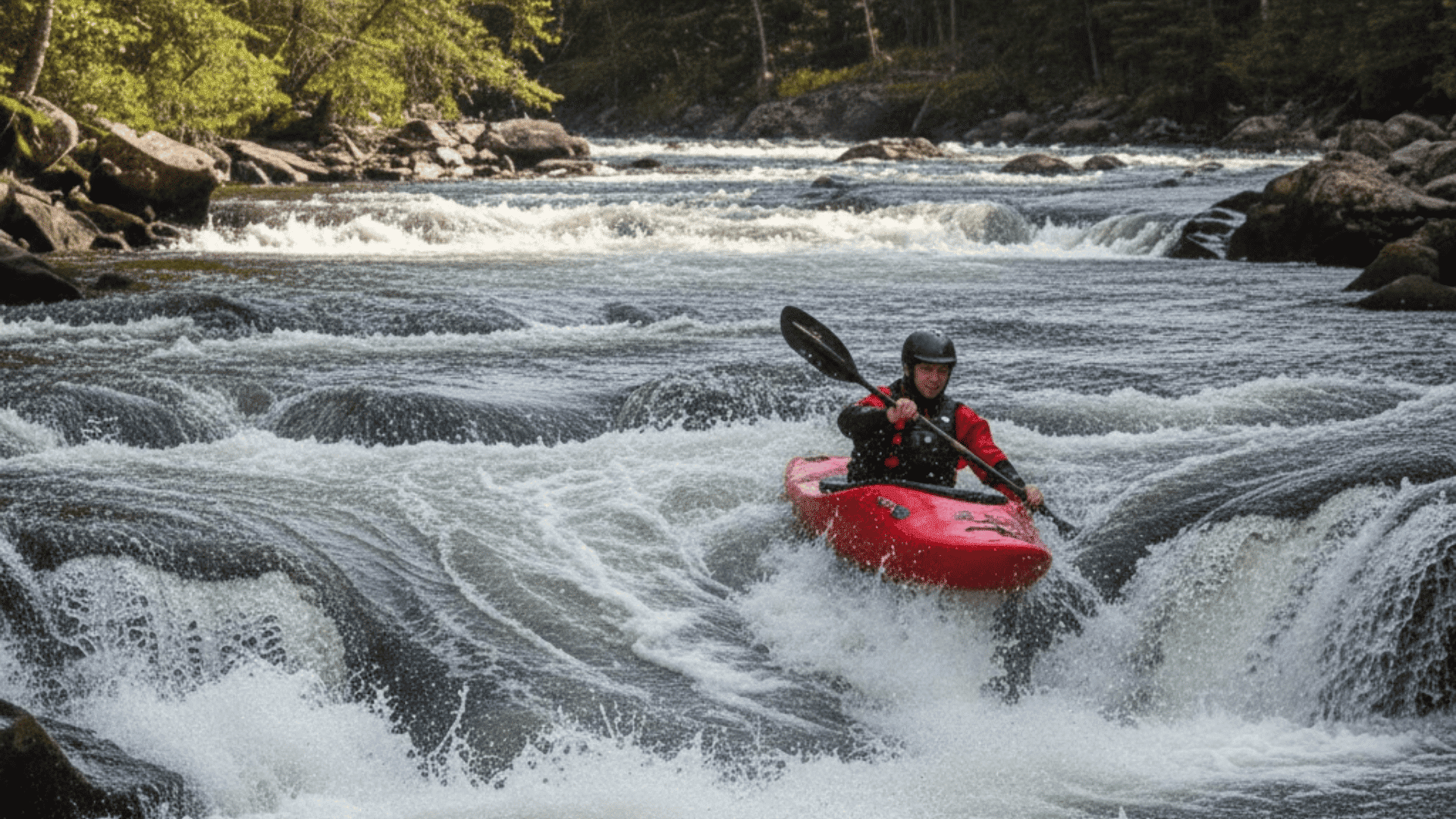
Class III rapids represent intermediate white water difficulty, sitting between beginner flows and expert territory.
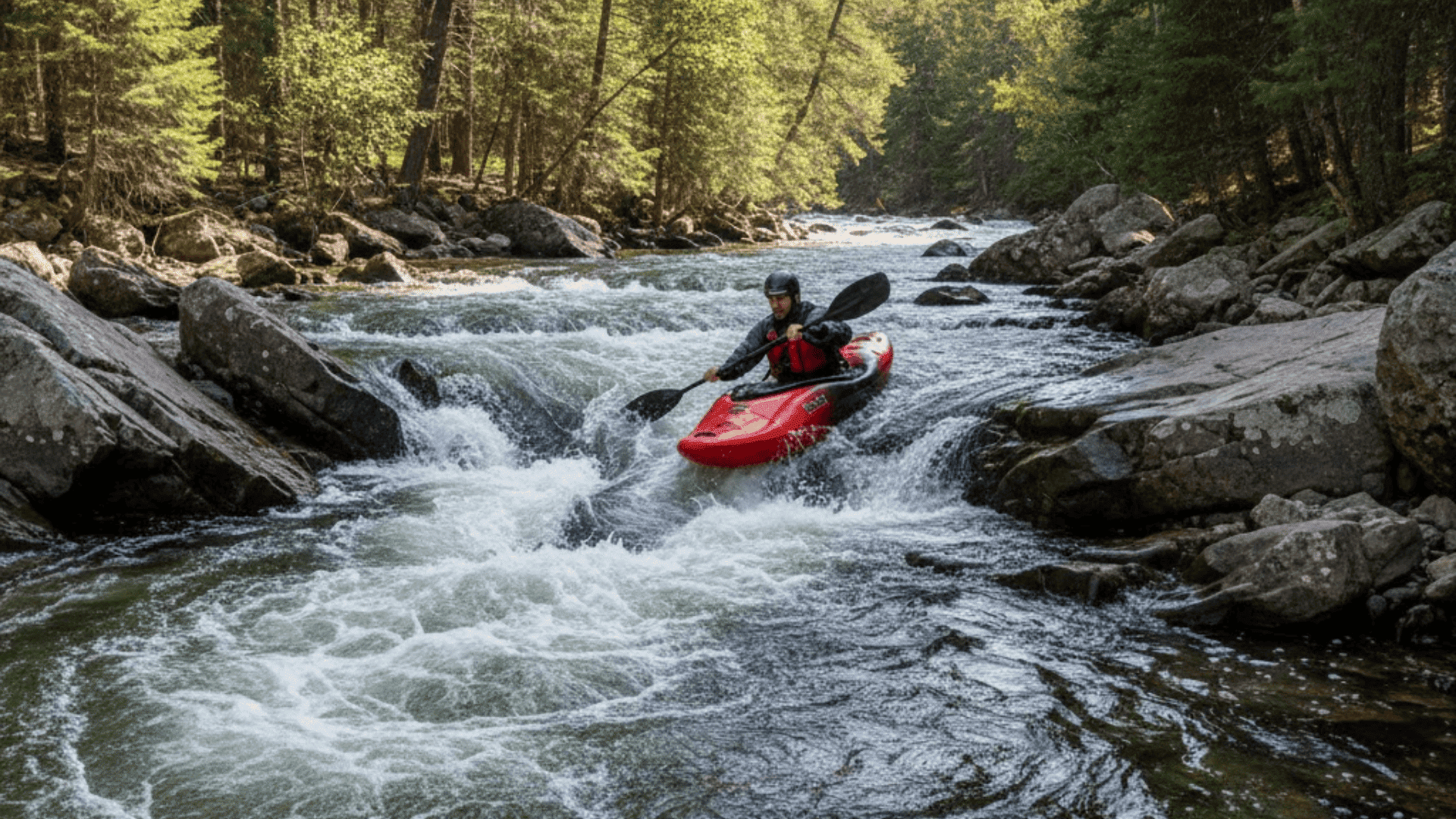
These moderate rapids feature irregular waves reaching 3 to 5 feet high that require solid boat control and active maneuvering. You’ll face narrow passages where picking your line carefully matters.
Currents become stronger and less predictable, with eddies and hydraulics that can catch inexperienced paddlers off guard. Obstacles like rocks and drops demand attention and technique.
While Class III doesn’t require expert skills, it tests your ability to read water and respond quickly. Swimmers can usually self-rescue, though there’s real risk of injury without proper preparation and equipment.
How Hard Is a Class 3 Rapid? Skill & Experience You Need
Running Class III rapids requires intermediate paddling skills and decent physical fitness. You need more than just basic strokes – boat control in rapids becomes critical as you react to changing water conditions.
- Strong Paddle Strokes: Execute forward, back, and sweep strokes confidently to maneuver around obstacles and through tight channels.
- Water Reading Ability: Spot hazards, identify safe routes, and understand currents to make split-second decisions on the river.
- Bracing and Recovery: Use solid bracing techniques to stay upright when waves hit and recover quickly if you start tipping.
- Eddy Turns and Ferrying: Control your position, catch breaks behind rocks, and move across currents with these fundamental maneuvers.
Class II paddlers will find Class III much harder, with greater consequences for mistakes. Class IV is more technical with less room for error. Class III rapids hit the sweet spot where intermediates can challenge themselves safely.
What You’ll See in a Class 3 Rapid – Typical Features
Class 3 rapids are known for being moderately challenging, offering waves and currents that require careful attention. Paddlers will notice that these rapids are not smooth, and controlling the boat takes skill.
1. Wave Patterns
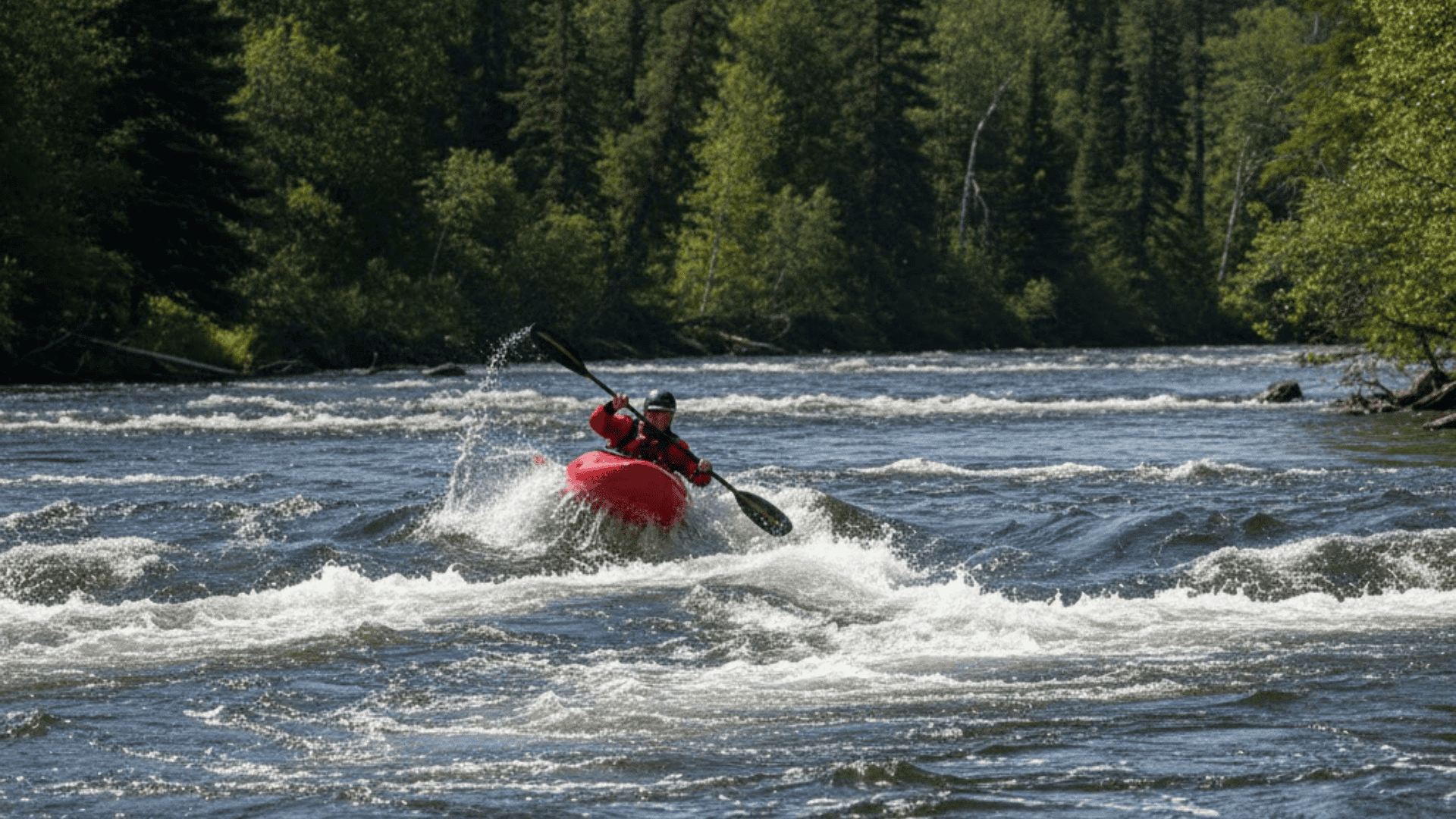
Waves in Class 3 rapids are irregular and unpredictable, unlike the small, easy waves of lower classes. They can rise and fall quickly, sometimes forming short, choppy sections. Paddlers must be ready to adjust their paddling to avoid capsizing.
Learning to read the water is important because some waves push the boat sideways, while others can lift the front or back, requiring quick corrections and steady balance.
2. Obstacles and Rocks
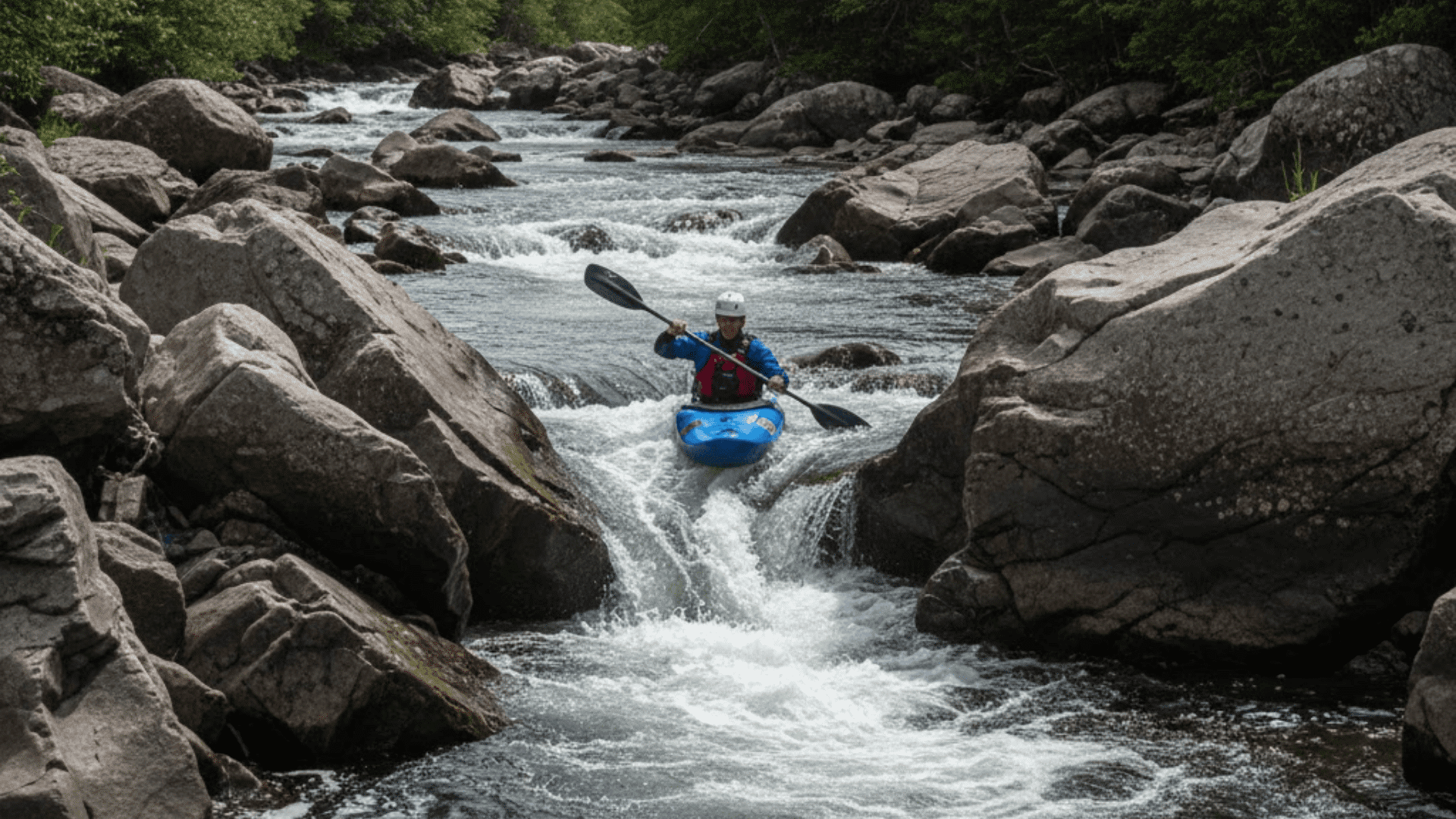
Class 3 rapids often have visible rocks and submerged obstacles that can block parts of the river. These hazards create strong currents and can make narrow passages even trickier. Paddlers need to steer carefully to avoid collisions.
Rocks can also form small drops or waves, adding extra challenge. Spotting and planning around obstacles early helps keep the boat stable and the trip safe, even in faster sections.
3. Eddies and Current Behavior
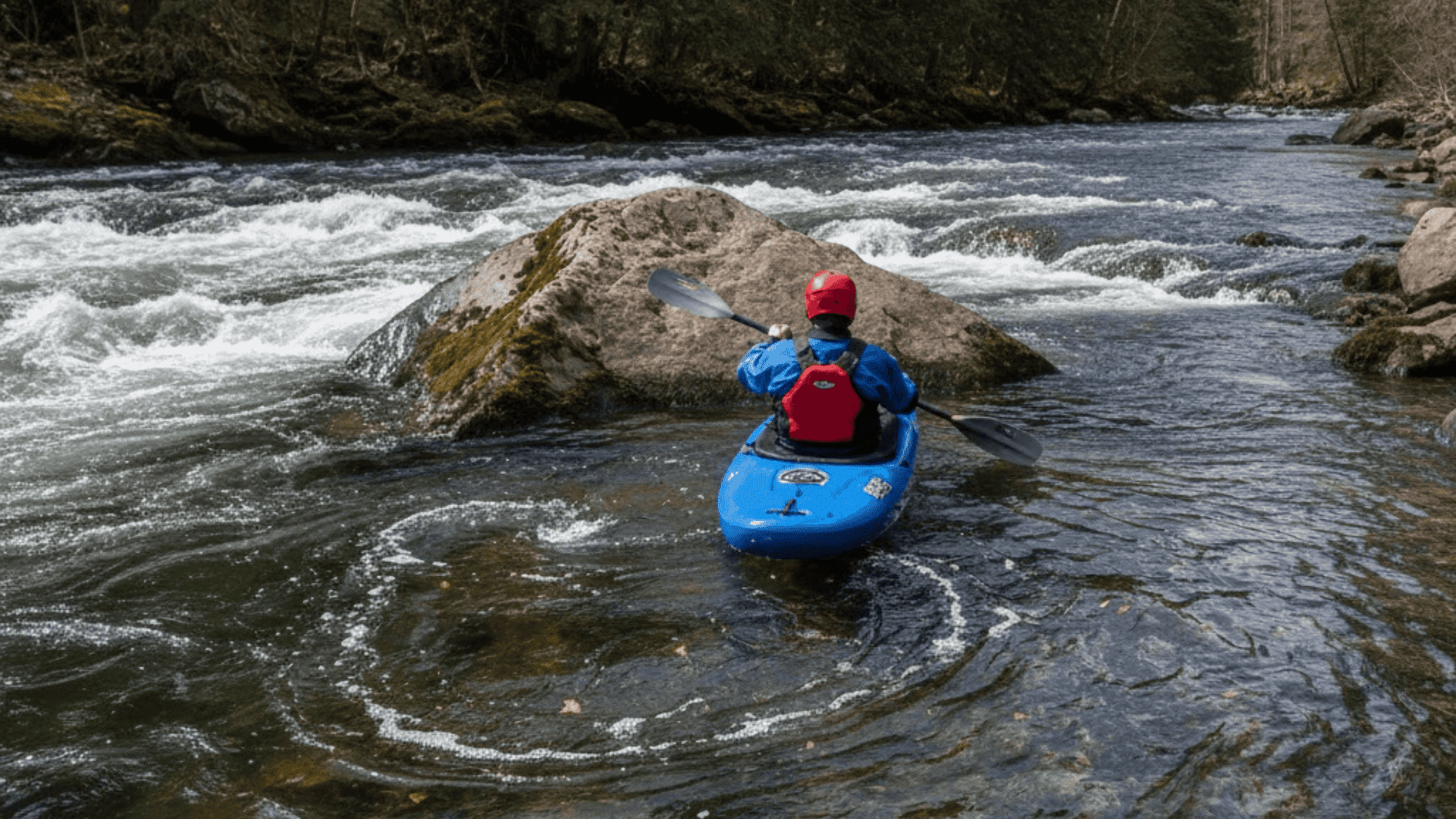
Eddies are calmer areas behind rocks or bends where the water moves more slowly, and they are common in Class 3 rapids. Understanding how the current flows around these spots is key to maneuvering in rapids.
Paddlers can use eddies to rest or plan their next move. The main current may push the boat quickly, requiring careful steering, while eddies offer a pause point to stay in control and avoid hazards in the faster water.
What Types of Boats & Paddlers Can Run Class III Rapids?
Class III rapids are suitable for several boat types. The best boats for Class 3 rapids include whitewater kayaks with good maneuverability for quick moves through technical sections.
Rafts handle Class III well with a competent guide or crew, as their size and stability absorb wave impacts. Canoes can run these rapids but require skilled paddlers since they sit higher and tip more easily.
Regarding paddler experience level, absolute beginners should skip Class III and build skills on easier water first. Intermediate paddlers with solid fundamentals and Class II experience can tackle Class III successfully.
Advanced paddlers find Class III a fun warm-up or teaching ground. Commercial raft trips often include Class III sections since guides manage technical aspects while passengers enjoy the thrill.
Safety Tips for Running Class III Rapids
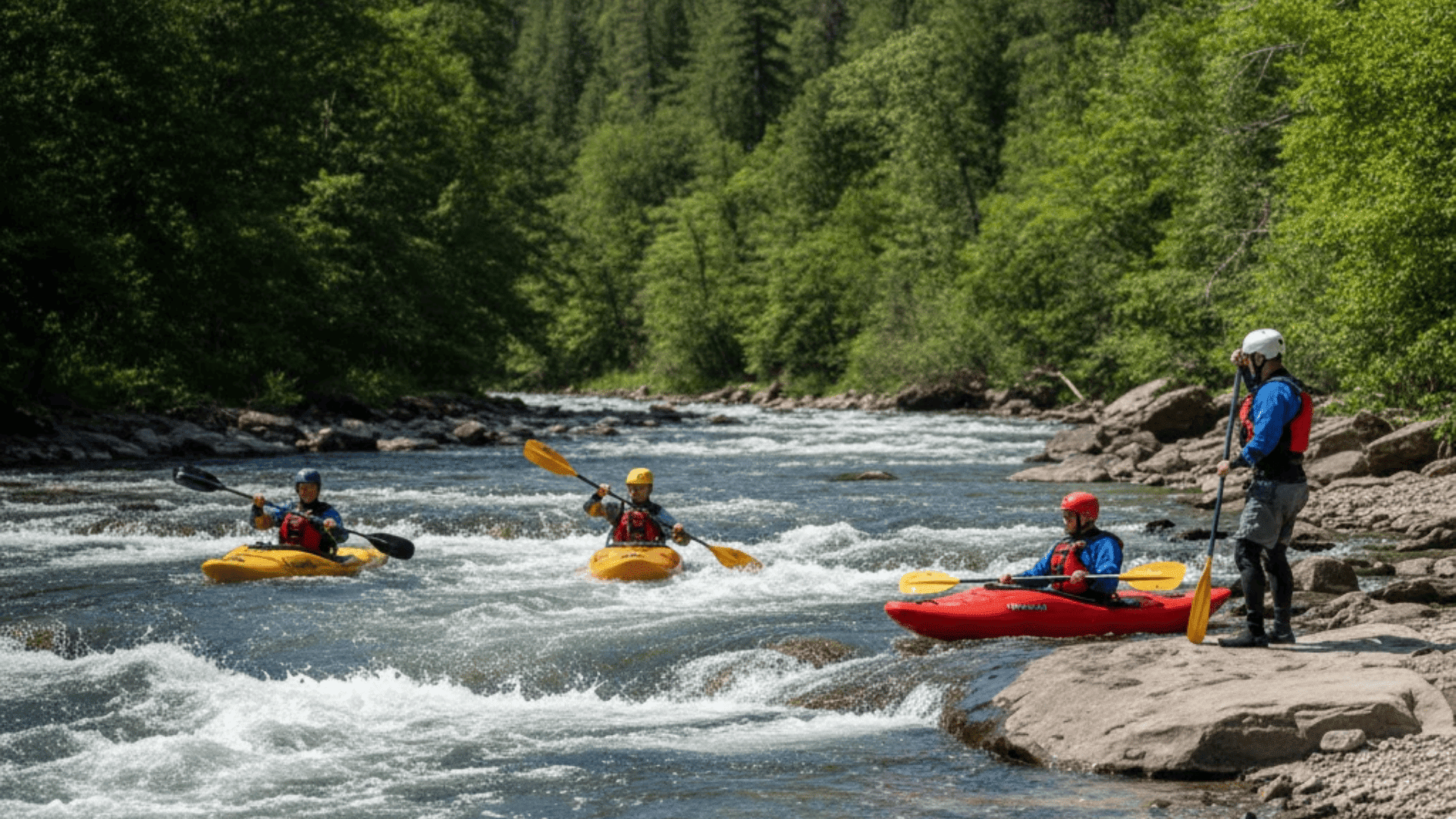
Even though Class 3 rapids are intermediate, they can still be risky. Using the right gear and following basic safety rules helps prevent accidents and keeps everyone safe.
- Helmet & PFD: Wear a helmet and personal flotation device to protect your head and stay afloat.
- Scouting a Rapid: Check the rapid from shore to spot obstacles and plan your path.
- Teamwork & Guide Support: Communicate with your team and follow the guide to stay coordinated.
- Self‑Rescue Basics: Know how to re-enter your boat or reach shore if you fall out.
Following these safety tips for Class 3 rapids keeps your trip fun, exciting, and reduces the risk of injury. Even intermediate rapids demand respect for the river, careful preparation, and attention to every move.
Final Thoughts
Class 3 rapids offer the perfect middle ground for paddlers looking to grow their whitewater skills without jumping into expert territory.
These intermediate rapids demand solid boat control, water reading ability, and proper preparation, but they reward you with exciting runs that build confidence and technique.
From choosing the right boat to understanding skill requirements, being informed helps you make smart decisions about when and where to paddle.
Class III rapids offer memorable experiences when approached with preparation. Have you run Class III water before? Share your favorite rapid or tips for paddlers taking this step in the comments below.