
Every paddler faces the same choice when they’re ready to hit the water. The sit in vs sit on kayak debate has caused plenty of friendly arguments at boat launches and camping trips.
Some swear by one style, while others wouldn’t dream of switching from their favorite. But here’s the thing, this isn’t just about picking a kayak.
It’s about matching a vessel to the adventure someone has in mind.
Calm lakes demand different features than choppy ocean waves, and what works for a fishing trip might fail on a multi-day expedition. So which design really comes out on top? Well, that’s where things get interesting.
What Are Sit-On-Top Kayaks?
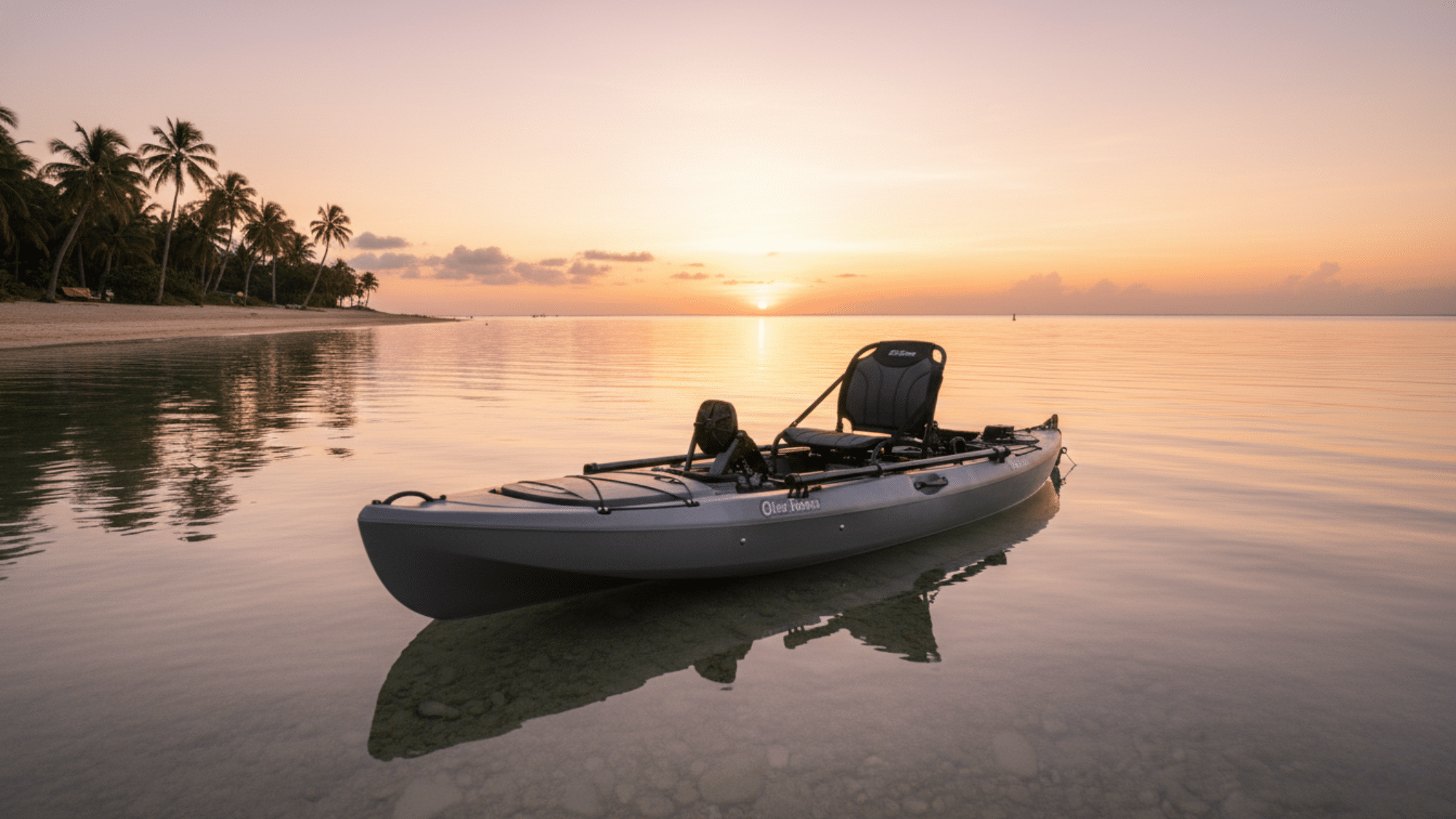
Sit-on-top kayaks are exactly what they sound like. The paddler sits on top of a molded plastic hull instead of climbing inside a cockpit. There’s no enclosed space, just an open deck with a comfortable seat and foot braces.
Sit-on-tops emerged in the early 1970s and grew big in popularity later (80s/90s and beyond). They’re stable, easy to get on and off, and self-bailing and hard to swamp (but still possible to capsize in rough conditions).
Most have scupper holes that let water drain right through the hull, so even if waves wash over the deck, the kayak stays afloat. Beginners love them, but experienced paddlers use them too.
Key Characteristics of Sit-On-Top Kayaks
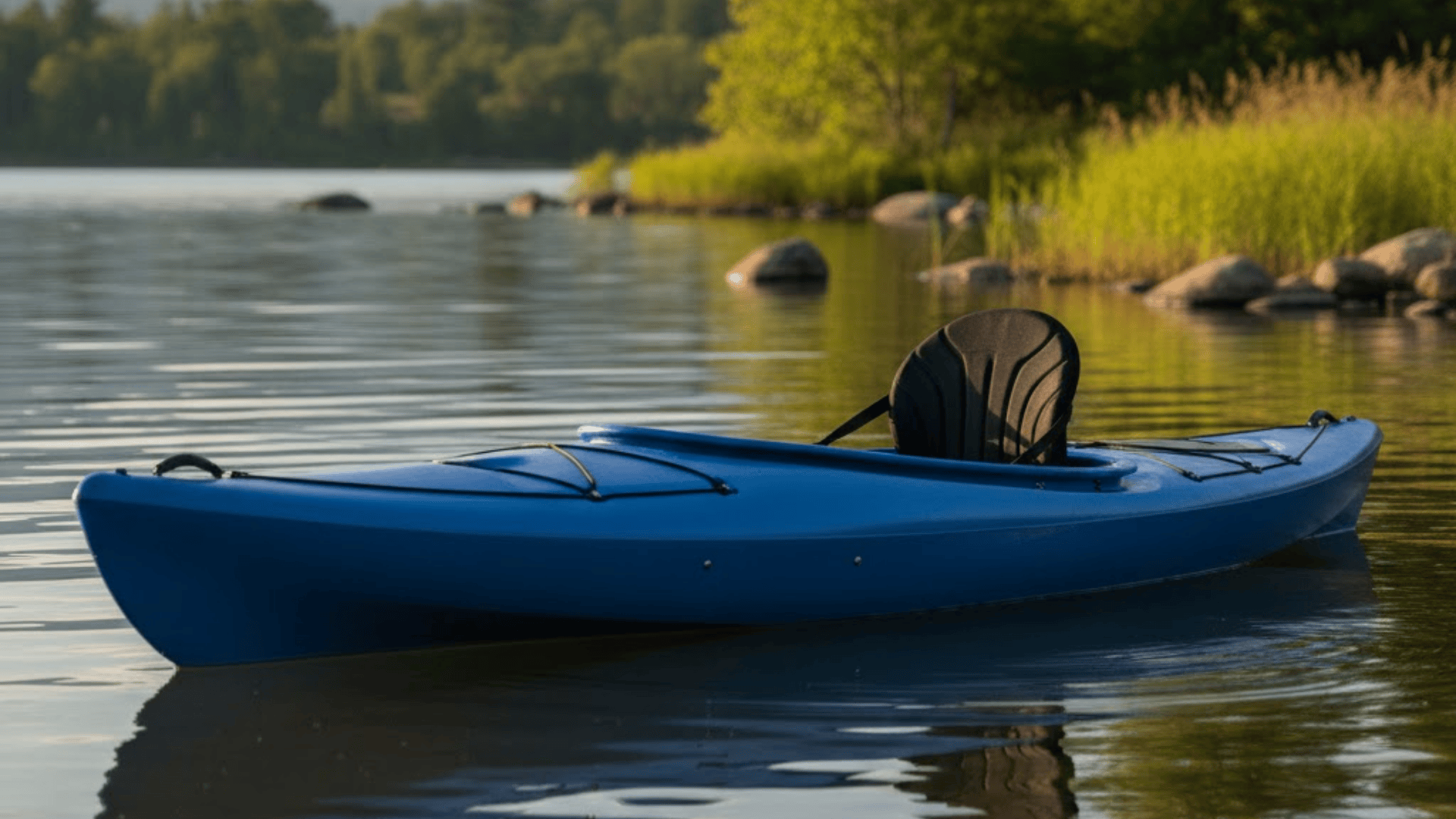
What sets these kayaks apart goes beyond just the seating style. They’re built with features that make certain activities a whole lot easier.
- Ample storage space: Molded tanks and bungee systems let anglers and day-trippers haul gear without cramming it into hatches.
- Better visibility: Sitting higher above the waterline gives paddlers a clearer view of fish, reefs, and wildlife below.
- Adaptable fishing platform: Rod holders, tackle compartments, and standing capability make these favorites among anglers.
- Lower price point: Simple construction means they’re often cheaper than comparable sit-in models.
- Minimal maintenance: No bulkheads or sealed compartments means fewer places for problems to hide.
Sit-On-Top Kayak Pros and Cons
Every kayak style comes with tradeoffs, and sit-on-tops are no different. Understanding both sides helps paddlers make smarter choices before they buy.
| Pros | Cons |
|---|---|
| Perfect for swimming and snorkeling stops | Paddlers get wet from splashes and waves |
| Great for hot, sunny climates | Slower speed compared to sit-in designs |
| Excellent choice for families with kids | Wind catches the higher profile easily |
| Forgiving learning curve for first-timers | No protection from cold weather or rain |
| Tandem models make socializing easy | Constant sun exposure without shade |
What Are Sit-Inside Kayaks?
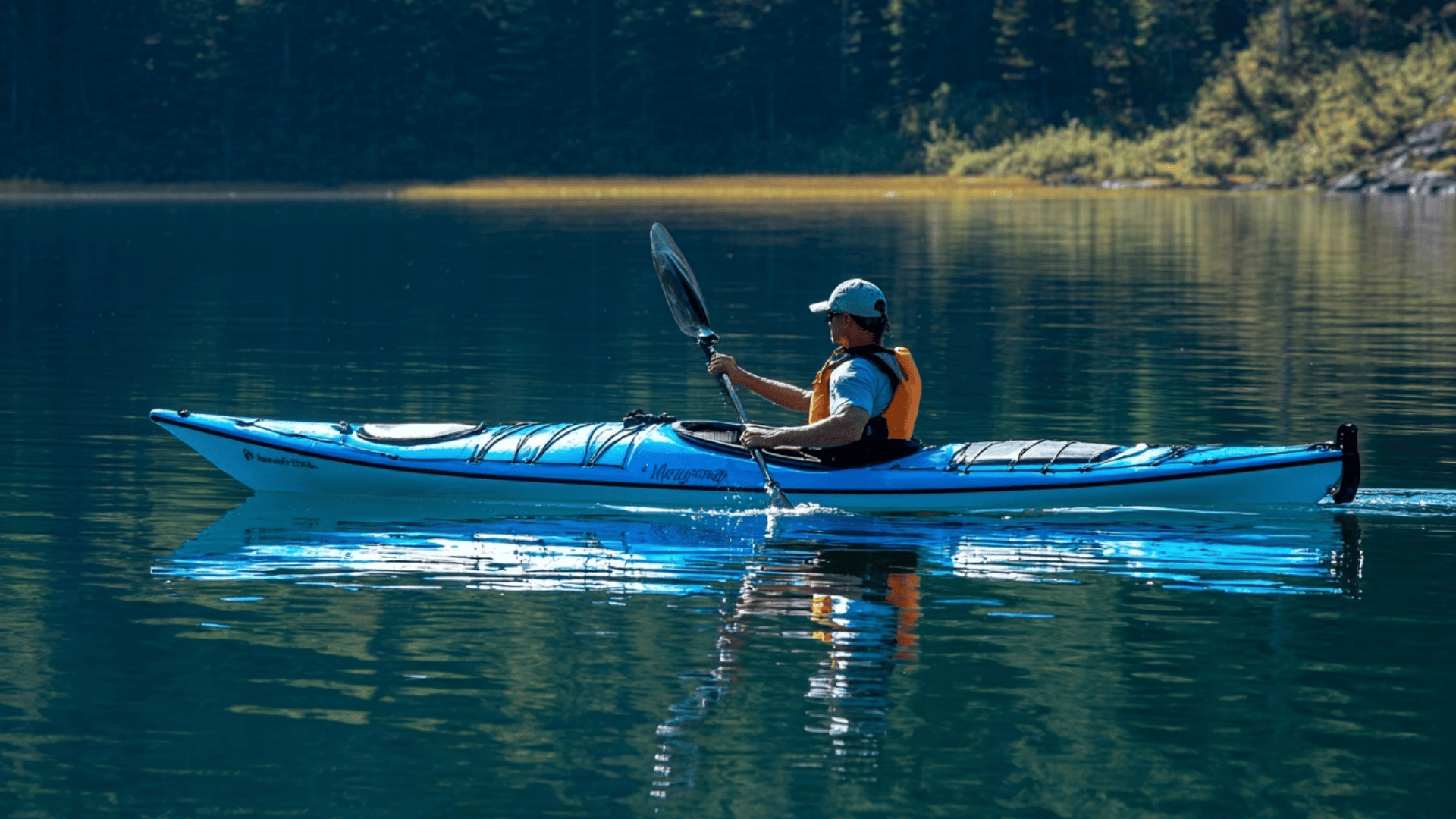
Sit-inside kayaks represent the classic design that’s been around for centuries. The paddler slides into an enclosed cockpit with their legs tucked beneath the deck and a spray skirt sealing them inside.
This traditional style originated with Inuit hunters who needed boats for icy Arctic waters. The enclosed design kept them dry and warm during long expeditions. Modern versions use fiberglass, plastic, or composite materials, but the concept remains unchanged.
These kayaks sit lower in the water, which gives them a sleeker profile. Touring enthusiasts and sea kayakers prefer them for efficiency and control, especially when covering serious distances.
Key Characteristics of Sit-Inside Kayaks
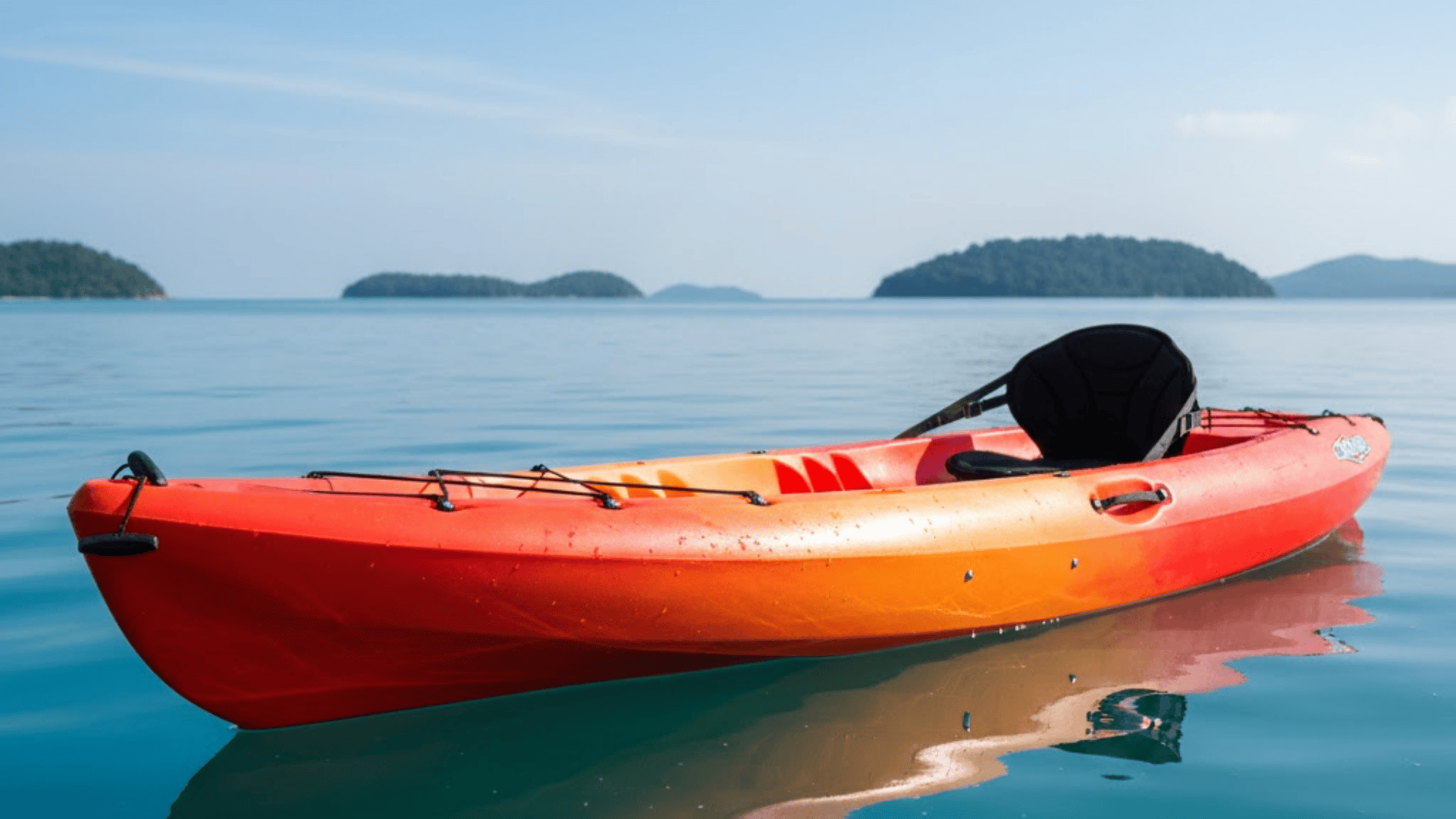
The design details matter with sit-inside models. These features work together to create a kayak that handles differently than its open-deck counterpart.
- Sealed storage hatches: Hatches help keep gear dry, especially with good seals/dry bags, but not 100% guaranteed in heavy surf or long submersion
- Narrower hull design: The slimmer shape cuts through water with less drag and tracks straighter over long distances.
- Thigh braces and foot pegs: Body contact points give paddlers precise control when leaning into turns or handling rough conditions.
- Rudder or skeg systems: Built-in steering aids help maintain course in wind and current without constant correction strokes.
- Rolling capability: Traditional kayak rolling is generally not practical on sit-on-tops.
Sit-Inside Kayak Pros and Cons
Like their open-deck cousins, sit-inside models bring their own mix of benefits and drawbacks. The decision comes down to what matters most for someone’s paddling plans.
| Pros | Cons |
|---|---|
| Superior protection from waves and spray | Trickier exit during emergencies or panic situations |
| Warmer paddling in chilly or windy weather | Some paddlers feel trapped or confined inside |
| Less fatigue on longer trips due to efficiency | Spray skirt attachment takes practice to master |
| Better handling in choppy or rough conditions | Self-rescue after flipping requires advanced skills |
| Lower center of gravity prevents wind drift | Heavier models make car-top transport challenging |
Which Kayak Type for Your Activity?
Different activities demand different designs. Matching the kayak to the actual plans makes every trip more enjoyable and safer.
- Recreational lake paddling: Sit-on-tops win here for casual outings, picnics, and short afternoon adventures where comfort beats performance.
- Serious fishing missions: Sit-on-tops dominate because anglers need room to move, cast freely, and access tackle without gymnastics.
- Multi-day coastal expeditions: Sit-inside models excel with their cargo capacity, weather protection, and ability to cover 20+ mile days efficiently.
- Whitewater and river running: Sit-inside designs handle rapids better since lower profiles and tight body contact help navigate technical water.
- Warm-weather snorkeling trips: Sit-on-tops make hopping in and out of the water simple, plus they double as dive platforms between sites.
Differences Between Sit-On-Top and Sit-In Kayaks
Putting both styles side by side reveals the practical differences. This breakdown helps someone see exactly how each type stacks up in real-world scenarios.
| Feature | Sit-On-Top | Sit-In |
|---|---|---|
| Learning curve | Beginner-friendly from day one | Takes a few outings to master the balance |
| Gear access while paddling | Everything’s within arm’s reach | Requires stopping to dig into hatches |
| Best season for use | Spring through early fall | Year-round in proper clothing |
| Customization options | Limited add-on mounting points | Extensive outfitting possibilities with foam and pads |
| Resale market demand | Strong interest from casual buyers | Attracts serious paddlers willing to pay more |
How to Choose Between Sit-In and Sit-On Kayaks
Making the final call doesn’t have to feel overwhelming. A few honest questions about someone’s goals usually point toward the right answer pretty quickly.
Choose Sit-On-Top If:
- Plans involve mostly warm weather and calm water
- Feeling confined or claustrophobic in tight spaces is a concern
- Teaching kids or nervous friends makes easy access a priority
Choose Sit-Inside If:
- Cold seasons or unpredictable weather are part of the paddling calendar
- Building serious technique and joining paddling clubs sounds appealing
- Staying bone dry matters more than quick water entries
The best choice aligns with realistic plans, not fantasy scenarios. Someone who paddles twice a month needs different features than someone logging weekend marathons.
Regardless of style, paddlers should practice capsize recovery and always wear a PFD.
Real World Opinions on Sit In vs Sit On Top
Some paddlers swear by sit-in kayaks because they feel quicker, more connected, and easier to control over distance.
Others prefer sit-on-top models since they are simple to hop on, feel steady for fishing, and are easier to climb back onto after a tip. Climate shifts opinions, too.
In colder places, many lean sit in for better protection and longer seasons, while warm-weather paddlers do not mind getting wet. A few even say sit on tops feel slow, but still love them for relaxed family days.
More Than Style: What Else to Consider Before Buying a Kayak
The sit in vs sit on kayak choice matters, but it’s not the only thing someone should consider. Other features play huge roles in how a kayak performs and whether it fits the buyer’s needs.
- Kayak length: Longer boats (14+ feet) track better and go faster, while shorter ones (under 10 feet) turn easier in tight spaces.
- Weight capacity: Matching the kayak’s limit to body weight plus gear prevents dangerous overloading and sluggish performance.
- Material differences: Polyethylene plastic costs less and handles abuse, but fiberglass and composite materials weigh less and glide more smoothly.
- Rental options for testing: Trying different models before buying saves money and disappointment, since what looks good online might feel awkward on the water.
- Safety gear essentials (PFD, etc.): Every paddler needs a properly fitted life jacket, plus items like whistles, bilge pumps, and float bags, depending on conditions.
- Budget reality: Quality kayaks range from $300 budget models to $3,000+ specialty boats, so knowing spending limits upfront helps narrow options.
Final Thoughts
The sit in vs sit on kayak debate ultimately boils down to honest self-assessment. Neither design is universally superior, and both have earned their place on lakes, rivers, and coastlines worldwide.
What matters most is matching the kayak to actual conditions and activities. Warm-weather fishers and casual paddlers lean toward sit-on-tops, while distance tourers and cold-climate enthusiasts prefer sit-ins. Budget, storage needs, and comfort preferences fill in the remaining gaps.
The smartest move? Rent both styles before buying. A single afternoon on the water reveals more than hours of online research ever could.
Ready to make the choice? Head to a local outfitter and get paddling.
Frequently Asked Questions
Are Sit-On-Top Kayaks Good For Beginners?
Yes. Sit-on-top kayaks are easy to get in and out of, and many feel stable right away. They are also easier to climb back onto after a tip in warm, calm water.
What Are The Benefits Of A Sit-Inside Kayak?
A sit-inside kayak gives more protection from wind and cold water. It often feels more efficient for longer paddles, and it can carry gear in drier storage areas. Many also like the lower sitting position for control.
Are Sit-On Kayaks Better Than Sit-In?
It depends on how someone paddles. Sit-on kayaks are great for warm weather, short trips, swimming breaks, and casual use. Sit-inside kayaks are often better for cooler weather, longer distance paddling, and windy conditions.
Do Sit-In Kayaks Flip Easily?
Not usually, if the kayak fits the paddler and the water is calm. A sit-inside kayak can feel steadier because the paddler sits lower.