
Ever paddled a canoe and found yourself zigzagging across the water instead of going straight? It’s a common frustration.
When you paddle on one side, the canoe naturally wants to turn away from that side, making it tough to maintain direction. Constantly switching your paddle from side to side gets tiring fast and disrupts your rhythm.
The solution is learning the J stroke, a simple technique that combines forward paddling with a quick correction to keep you on course.
Here you’ll learn exactly how to perform this stroke, avoid common mistakes, and paddle with better control and less effort.
What Is the J Stroke and Why Do You Need It
The J-Stroke is a canoeing technique that combines forward paddling with steering correction, eliminating the need to constantly switch sides.
Named after the letter “J” because of the paddle’s motion through the water, this stroke has two parts: a standard forward stroke for propulsion, followed by a twist that steers the canoe back on track.
Instead of disrupting your rhythm by switching sides or slowing down with rudder strokes, the J-Stroke maintains your momentum while keeping you straight.
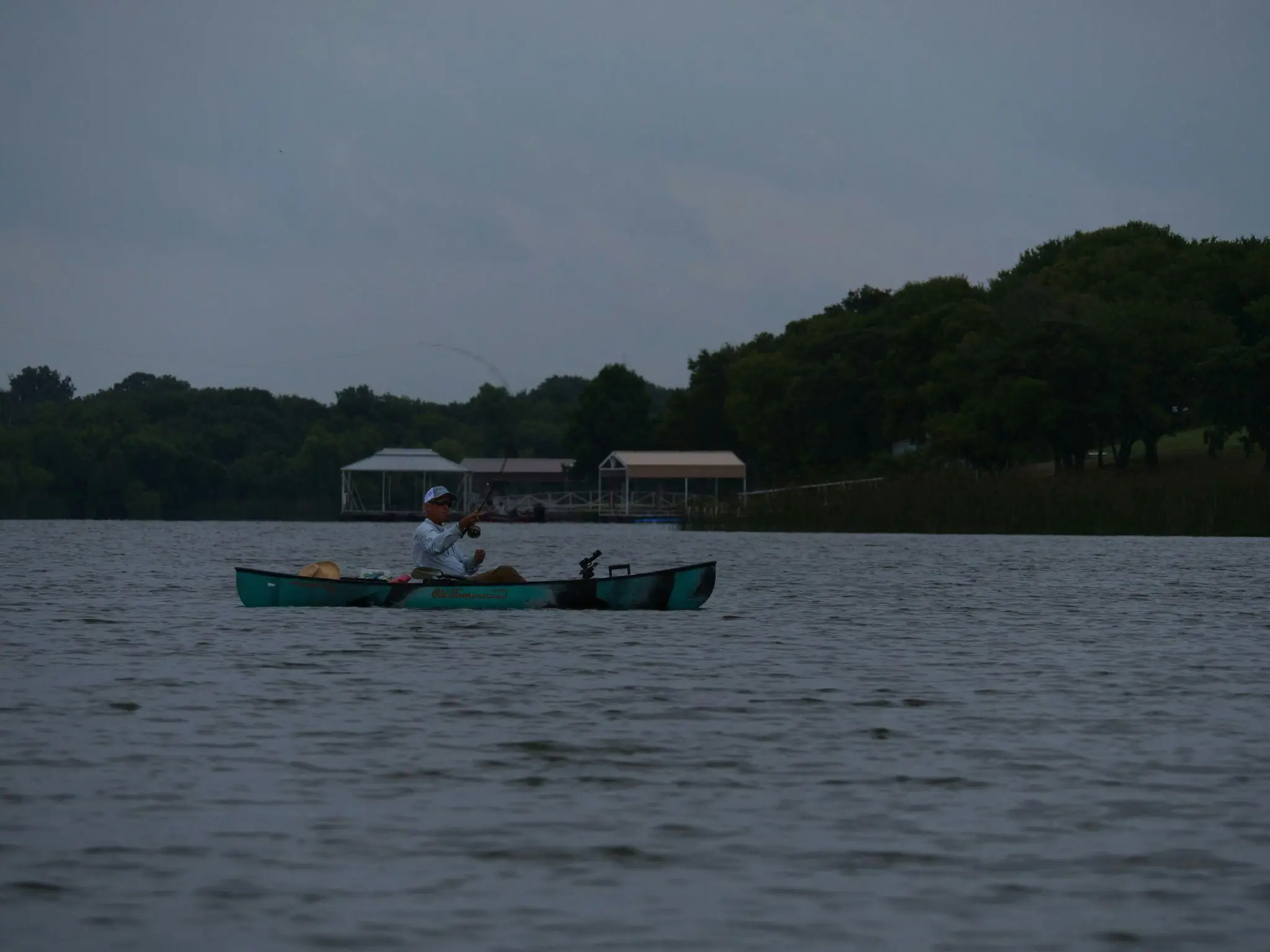
It’s primarily used by solo paddlers and stern paddlers in tandem canoes. This efficient technique conserves energy and makes long paddling trips far more enjoyable.
Step-by-Step: How to Perform the J Stroke
Now, let’s break down the J-Stroke into manageable steps. Each phase builds on the previous one, creating a smooth, continuous motion that keeps your canoe on course.
1. The Forward Phase
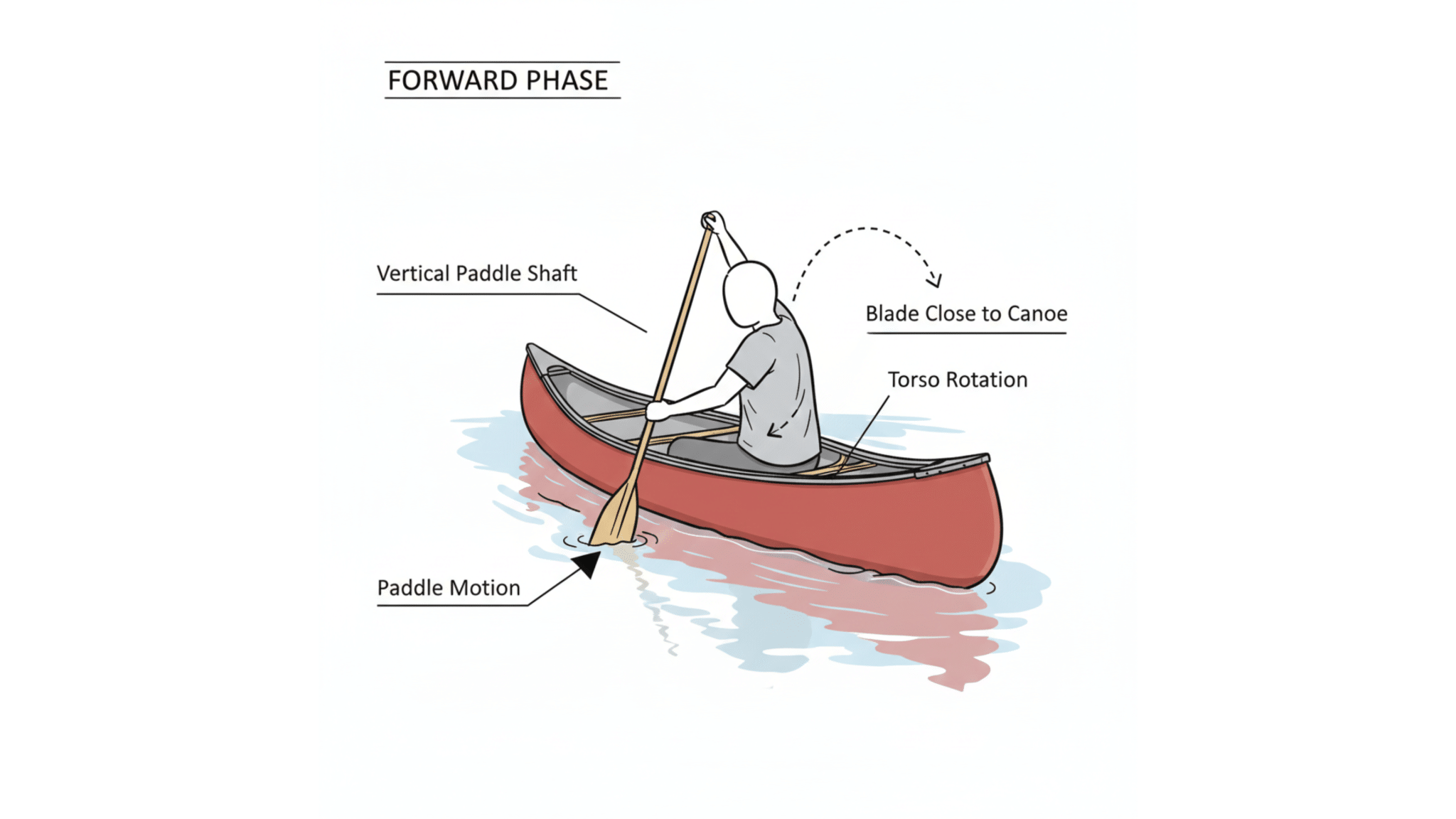
Start by holding your paddle with a relaxed grip. Reach forward and dip the paddle blade into the water, keeping the shaft as vertical as possible.
This vertical position places the blade closer to the canoe’s centerline, reducing the correction needed later.
Pull the paddle back toward your body using yourtorso and core, not just your arms, to generate power and propel your canoe forward.
2. The Correction Phase
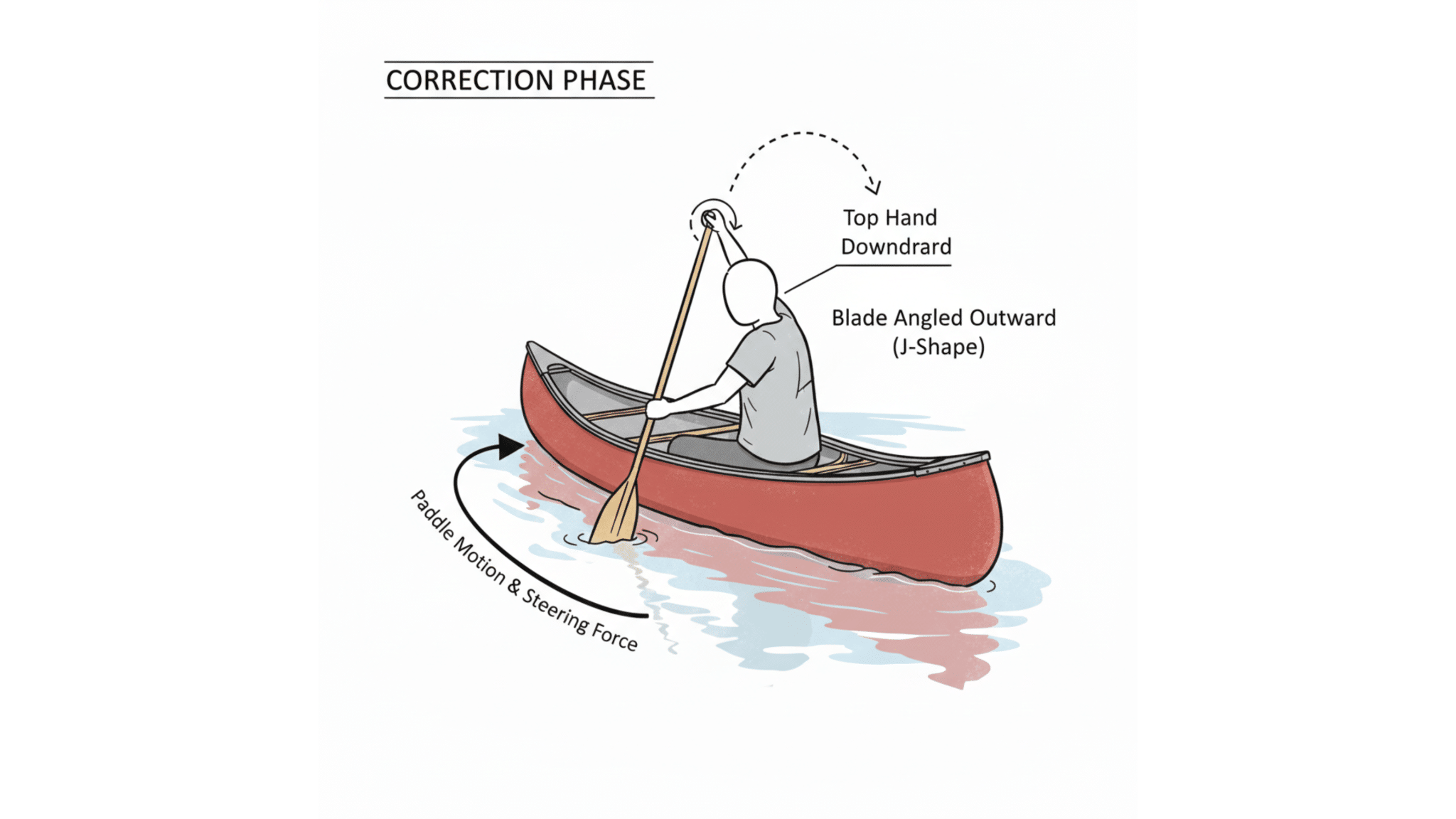
As the paddle approaches your hip, begin the transition. Rotate your top hand so your thumb points downward, which turns the powerface outward, away from the canoe.
Gently push the blade outward to create the distinctive J-shape. The blade pauses at an angle, allowing water to push against it.
This resistance moves the stern away from your paddling side, correcting your direction without breaking forward momentum.
3. The Recovery
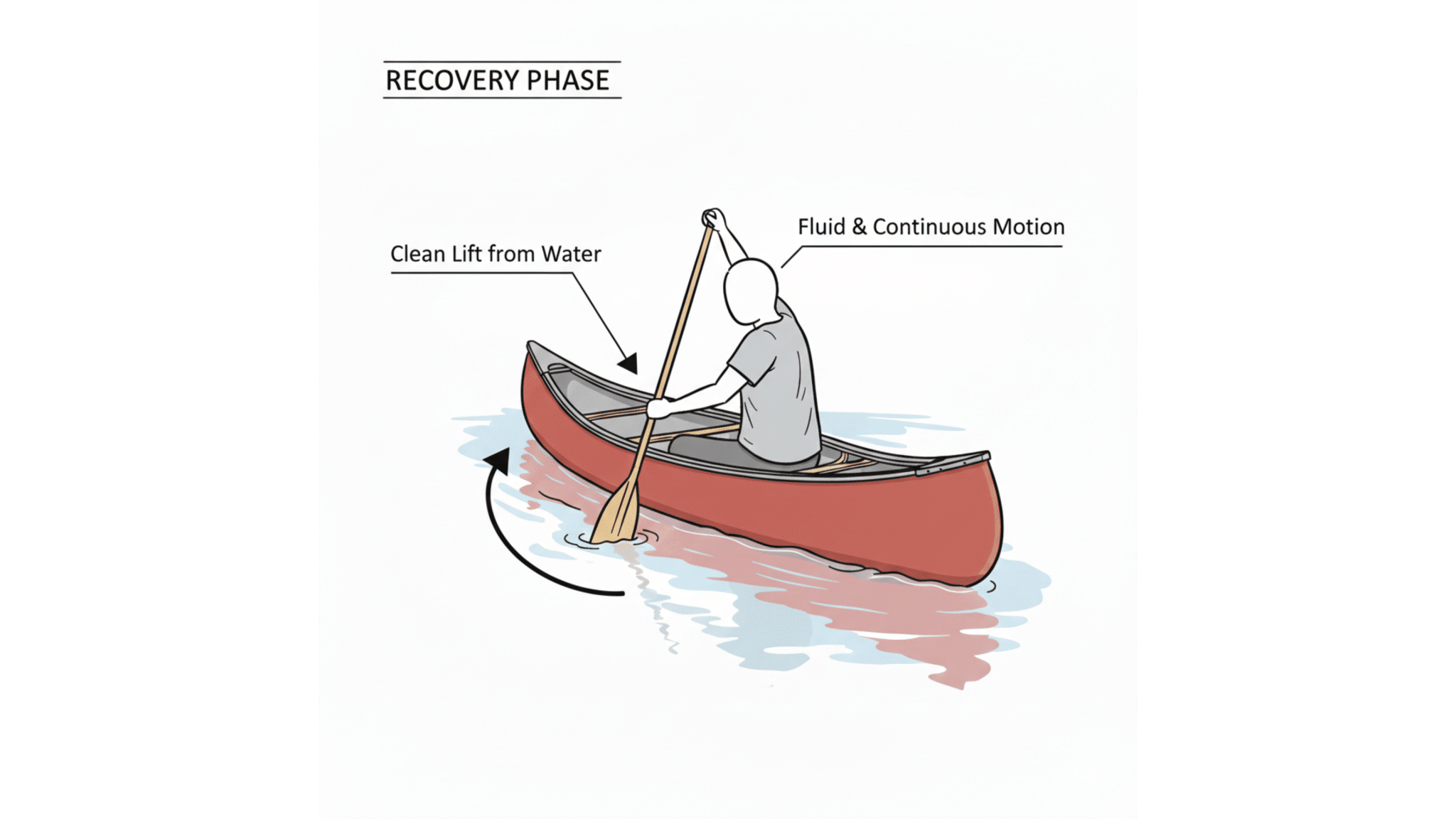
Once you’ve completed the J-shaped motion, pull the blade cleanly out of the water and bring it forward smoothly for your next stroke.
Make sure the paddle blade exits the water efficiently, ready to begin another forward stroke. Keep your movements fluid and continuous rather than jerky or abrupt.
With practice, this entire sequence flows naturally, allowing you to keep your canoe on a straight course with minimal effort while maintaining steady momentum.
Practice Tips for Better Control
The J-Stroke takes time to master, but with consistent practice, it becomes second nature.
Focus on developing smooth, fluid technique rather than power, and you’ll find yourself paddling with greater control and less fatigue.
- Start in Calm Water: Practice on a lake or slow-moving river where you can focus on technique without worrying about currents or wind.
- Use a Relaxed Grip: Hold your paddle with a relaxed grip rather than gripping tightly. This allows smoother transitions and reduces hand fatigue during long paddles.
- Focus on Smooth Transitions: Make sure to maintain fluid, smooth transitions between the forward stroke and correction. This avoids unnecessary fatigue.
- Practice on Both Sides: If you’re paddling solo, practice the J-Stroke on both sides to develop muscle memory evenly and paddle efficiently in either direction.
- Vary Your Speed: Try practicing at different speeds to understand how the J-Stroke adapts. You’ll learn when the correction needs to be stronger or lighter.
- Coordinate in Tandem Canoes: In tandem canoes, the stern paddler uses the J-Stroke to steer while the bow paddler focuses on providing consistent power and forward momentum.
Common Mistakes and How to Fix Them
Even experienced paddlers struggle with the J-Stroke at first. Understanding these common errors will help you correct them quickly and develop proper technique from the start.
1. Pulling the Stroke Too Long
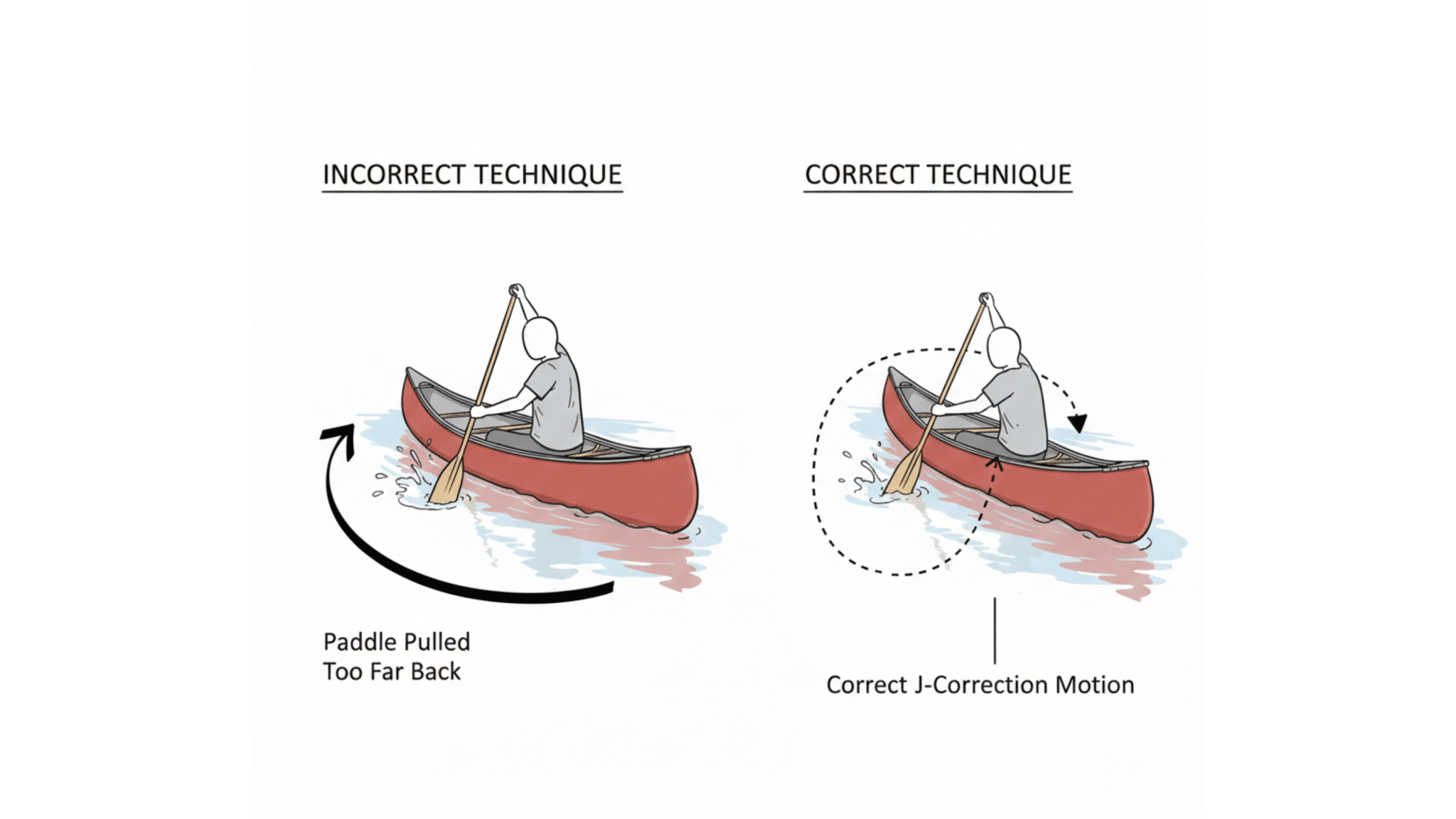
If you pull too far before making the correction, the paddle may come out of the water before you can steer effectively. The blade needs to remain submerged during the correction phase to provide resistance.
Start the J-correction just as your stroke finishes, right when the paddle reaches your hip. This timing ensures the blade stays in the water where it can effectively steer the canoe back on course.
2. Not Rotating the Paddle Enough
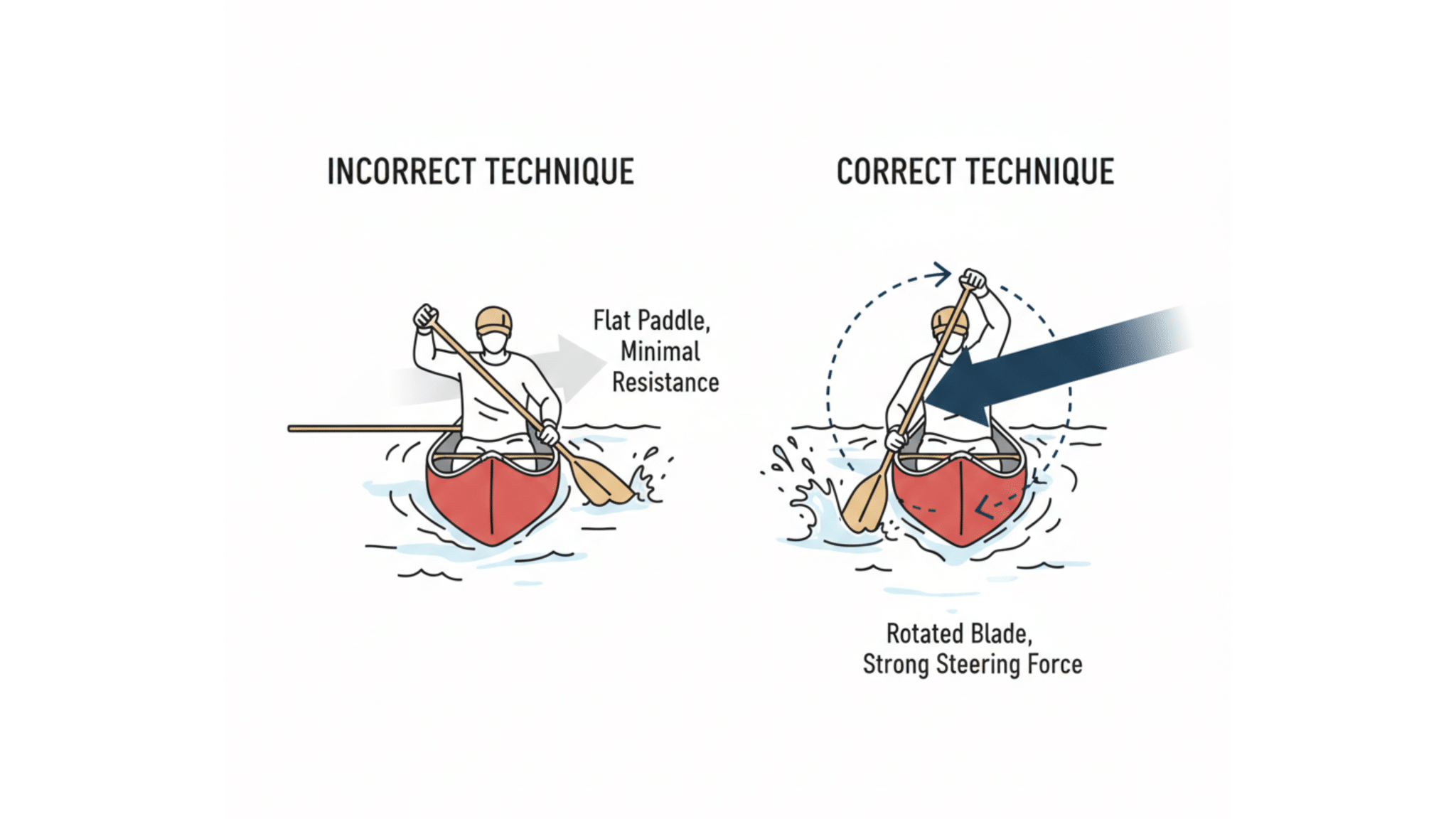
If your paddle blade stays flat, it won’t provide enough corrective force to keep you straight. The powerface needs to turn outward so water can push against it.
Make sure your thumb is pointing downward on your top hand to ensure proper blade rotation. Many beginners don’t rotate their wrist far enough, so focus on that downward thumb position until it becomes automatic.
3. Blade Too Parallel to the Canoe
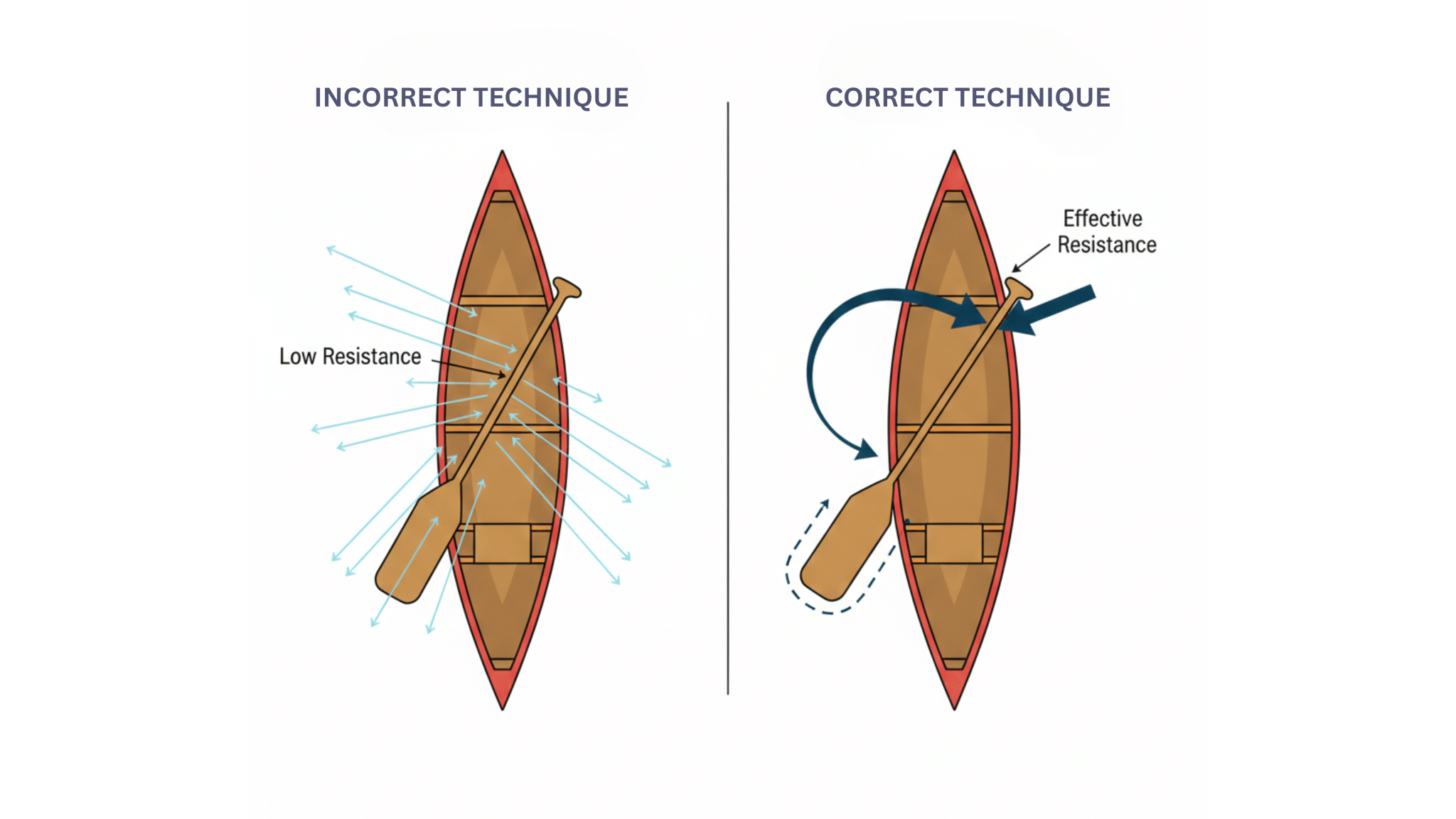
If your blade ends up parallel to your canoe, it doesn’t offer enough resistance to correct your direction. The paddle must angle slightly so water can push against it effectively.
Ensure the blade is at a slight angle to the canoe when performing the J-motion. The greater the angle you use, the stronger the corrective force that swings your bow back on course.
Other Useful Paddling Strokes
Once you’ve mastered the basic J-Stroke, you can try variations that suit different paddling conditions.
The Goon stroke uses a thumb-up position instead of thumb-down and is particularly useful in whitewater situations. The Silent stroke keeps the paddle in the water during recovery, creating minimal noise.
The C-stroke helps you start from a dead stop, while Short-J and Long-J variations differ in hand positioning for different speeds and leverage.
However, focus on perfecting the standard J-Stroke technique first. Each variation offers specific advantages for certain conditions, but they all build on the fundamental technique you’ve learned here.
Start Paddling with Confidence
Mastering the J-Stroke transforms your canoeing experience, allowing you to paddle efficiently while maintaining a straight line without wasting energy on constant corrections.
The technique may feel awkward at first, but with regular practice in calm conditions, it becomes second nature. Focus on smooth, quiet paddle movement rather than forcing your corrections.
The key is patience and consistent practice. Once you’ve mastered this essential skill, you’ll find your paddling smoother, more controlled, and far more enjoyable.
No more zigzagging across the water or exhausting yourself switching sides constantly. Bookmark this for future reference. Next time you’re out on the water, give the J-Stroke a try and feel the difference!
Frequently Asked Questions
What Is the Difference Between the J-Stroke and The Goon Stroke?
The goon stroke uses a different grip and is often preferred in whitewater paddling for quick turns.
What Are the 4 Types of Canoe Strokes?
Four common fundamental canoe strokes are forward, reverse, sweep, and J-stroke, but most paddlers also learn draw and pry strokes for maneuvering
What Is the J-Stroke on A Sprint Canoe?
Sprint canoes use the J-stroke for straight-line control, but it’s less common due to faster speeds.
How Do I Avoid Fatigue While Practicing the J-Stroke?
Use a relaxed grip, focus on smooth transitions, and practice in short sessions to prevent hand fatigue.