

Free diving is the art of exploring underwater on a single breath, no heavy scuba tanks, no loud bubbles, just you and the ocean.
It’s one of the oldest ways humans have connected with the sea. Long ago, people free dived to collect food, find pearls, and discover treasures hidden beneath the waves.
Today, free diving has grown into a popular sport and calming hobby.
You’ll learn how to breathe deeply, relax your body, and use special techniques to dive safely and stay underwater longer.
Along the way, you’ll discover how free diving can build strength, boost focus, and bring a peaceful feeling, almost like underwater meditation.
Simple gear like a mask, snorkel, and fins helps you glide through the water with ease.
Many people love the quiet, focused feeling it brings, as the rest of the world has disappeared for a moment.
What Is Free Diving and How Is It Different from Other Diving?
Free diving is a way of swimming underwater while holding your breath, rather than using air tanks. You take a big, deep breath at the surface, then dive down to explore, and come back up before you run out of air. It’s all about staying calm, moving smoothly, and listening to your body.
Here’s a simple comparison to show how free diving is different from scuba diving and snorkeling:
| Feature | Free Diving | Scuba Diving | Snorkeling |
|---|---|---|---|
| How you breathe | Hold your breath | Breathe from an air tank | Breathe through a snorkel at the surface |
| Gear | Mask, fins, snorkel (sometimes wetsuit) | Heavy gear: tank, regulator, vest, weights, mask, fins | Light gear: mask, snorkel, fins |
| Time underwater | Short dives (seconds to a few minutes) | Long dives (can be 30–60 minutes or more) | Mostly stay at the surface |
| Depth | Can go deep, but for a short time | Can go deep and stay longer | Usually stay near the surface, not very deep |
| Feeling/experience | Very quiet, light, and peaceful | Louder and heavier because of bubbles and equipment | Relaxed surface swimming, looking down into the water |
History of Free Diving
Free diving has been around for thousands of years, long before modern swimming pools or scuba tanks existed.
In ancient times, people held their breath and dived to the bottom of the sea to collect food, sponges, and valuable items like pearls and shells. For many coastal villages, this wasn’t a sport at all; it was a way to survive.
In places like ancient Greece, divers would search for sponges and sometimes help with underwater work, such as checking ship parts or removing anchors.
In Japan, the ama divers (many of them women) became famous for collecting pearls and seafood by free diving.
On Jeju Island in Korea, the haenyeo, strong, skilled women divers, have been free diving for generations and are still known today for their courage and skill.
Today, free diving has evolved into a competitive sport, with events like the 35th AIDA World Championship in Limassol, Cyprus, showcasing the incredible skill and endurance of modern divers.
This ongoing growth highlights free diving’s transformation from a survival skill to an exciting global sport.
How Free Diving Became a Modern Sport
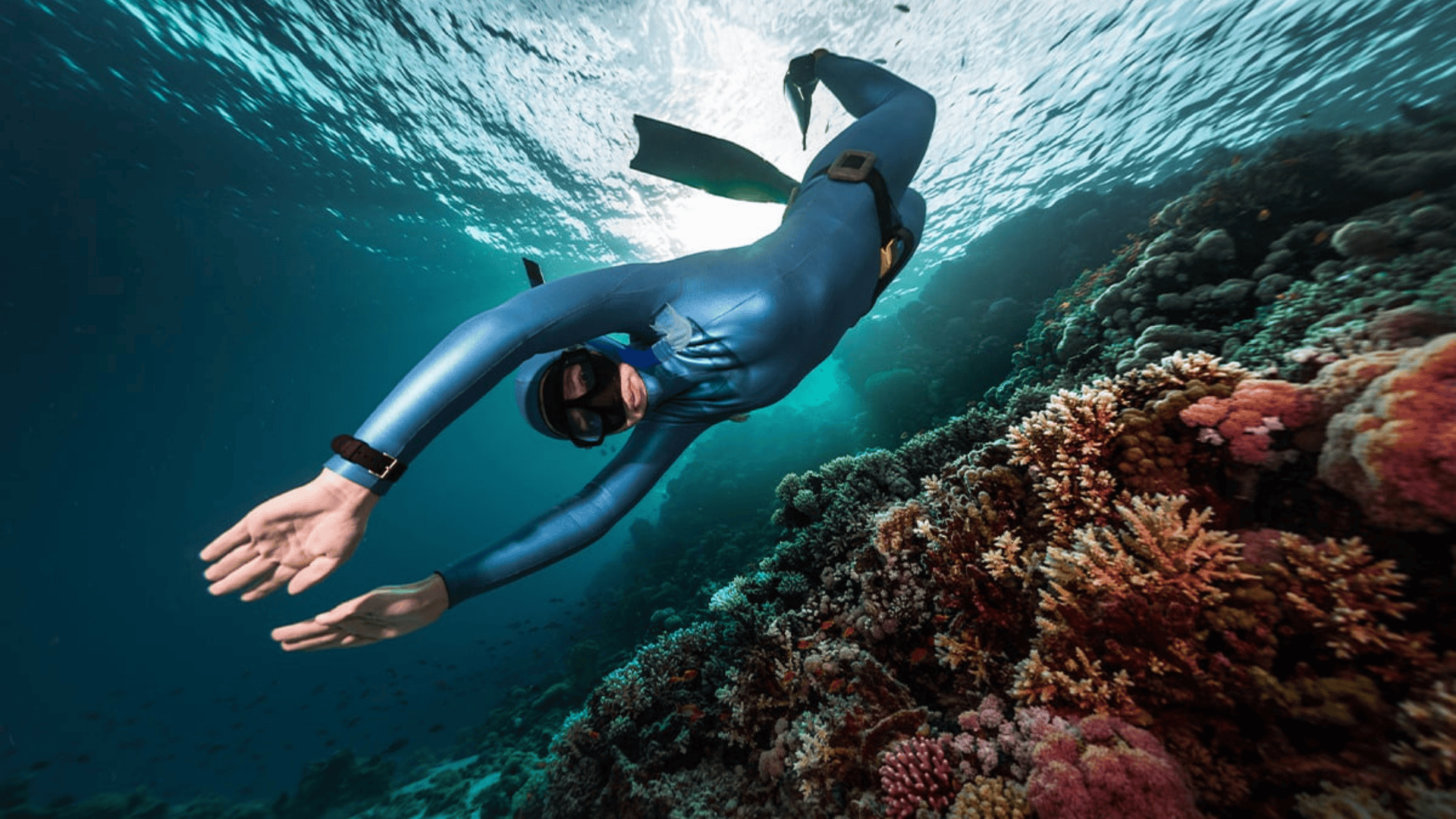
The practice began transforming into a competitive sport in the early 20th century.
In 1949–1952, Raimondo Bucher helped kick off modern record attempts, including an official -30 m record in 1950, defying predictions that the human body couldn’t withstand such depths without breathing equipment.
The 1960s saw the emergence of legendary figures like Jacques Mayol and Enzo Maiorca, whose friendly rivalry helped popularize the sport.
Mayol was particularly influential in introducing yoga and mental preparation techniques to free diving, emphasizing the meditative and spiritual aspects of the discipline.
Modern competitive free diving began to formalize in the 1990s with the establishment of organizations such as AIDA (Association Internationale pour le Développement de l’Apnée), which created standardized rules and safety protocols.
Today, elite athletes regularly dive to depths exceeding 120–130 meters in disciplines like Constant Weight, with records continually broken in competitions like AIDA World Championships and Vertical Blue.
For example, recent AIDA-ratified marks include 126 m in Constant Weight with Bi-Fins by Alexey Molchanov (Males) and Alessia Zecchini (Females), 123 m in the Constant Weight category.
Basic Free Diving Equipment
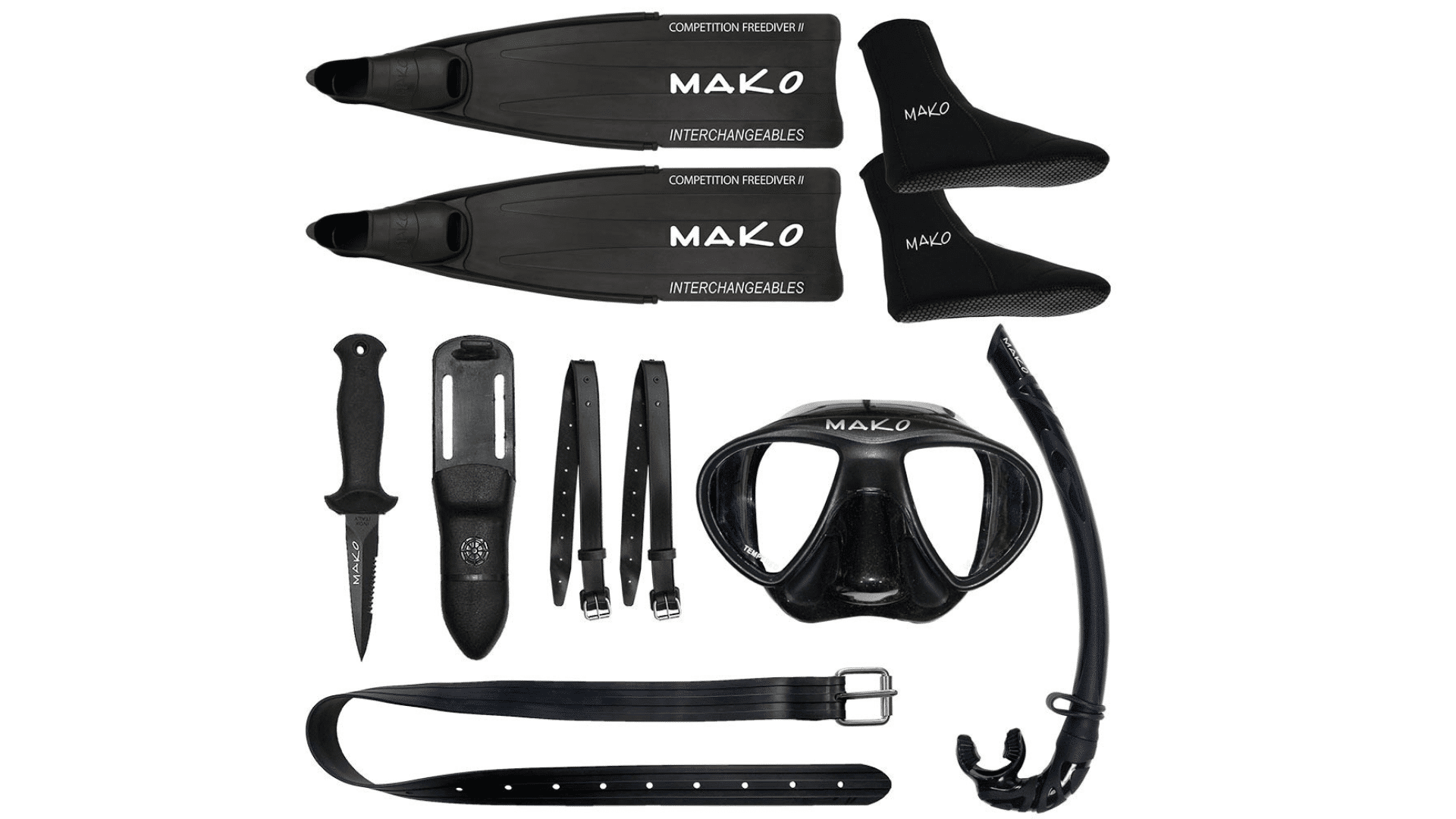
Image Credit: Mako Spearguns
You don’t need a lot of heavy gear for free diving, but a few simple items make it safer and more comfortable:
- Mask: A good mask lets you see clearly underwater and keeps water out of your eyes and nose. It should fit snugly on your face without hurting.
- Snorkel: A snorkel helps you breathe at the surface without lifting your head out of the water. This saves energy before and after each dive.
- Fins: Long, flexible fins help you move through the water with fewer kicks. They make each dive smoother and less tiring.
- Wetsuit: A wetsuit keeps you warm and protects your skin from the sun, cold water, and minor scrapes. The proper thickness depends on the water temperature.
- Weight belt (for trained divers): A weight belt helps balance your body so you don’t float too much at the surface. It should only be used after proper training and always with a dive buddy.
Free Diving Techniques for Beginners
Free diving is not just about holding your breath; it’s about using innovative techniques to stay calm and move efficiently underwater. These basics help you dive more safely and enjoy the experience instead of feeling rushed or scared.
1. Relaxed Breathing (Before the Dive)
Before you dive, you take slow, deep breaths to relax your body. You gently breathe in through your nose and out through your mouth, letting your muscles soften. This helps your heart rate slow down so you can stay underwater longer.
2. Equalizing Your Ears
As you dive deeper, the pressure in the water increases, and your ears might start to hurt. To fix this, free divers “equalize” by gently pinching their nose, blowing softly, or swallowing. This adds a little air to the ears so they feel normal again.
3. Duck Dive Entry
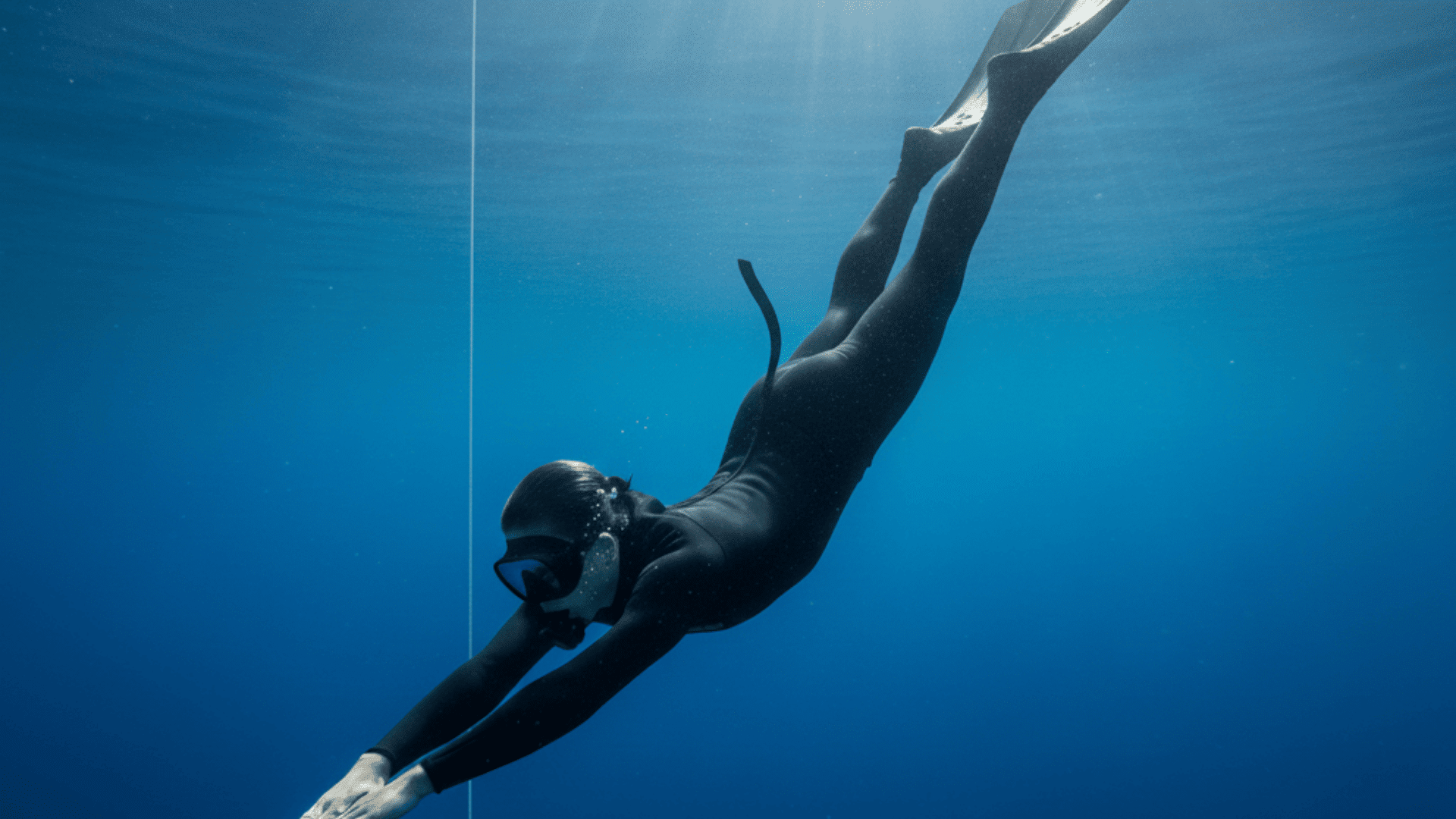
Instead of just kicking straight down, free divers use a “duck dive.” You bend at the waist, point your arms down, and lift your legs so your body glides smoothly under the surface. This makes it easier to start going down without wasting energy.
4. Streamlined Body Position
Underwater, free divers try to keep their bodies straight like an arrow. Arms in front or by the sides, legs together, and no significant wiggly movements. This “streamlined” shape helps you glide through the water with less effort.
5. Gentle, Slow Kicks
Free divers use slow, controlled kicks with their fins instead of fast splashing. The power comes from the hips, not just the knees. Moving slowly saves energy and helps you stay calm, which is one of the most critical “techniques” of all.
Essential Safety Tips for Beginners
-
Never dive alone: Always dive with a buddy watching your full ascent, especially the last 10m, then recover with calm surface breaths.
-
Get proper training: Take a certified freediving course to learn breathing, equalization, rescue skills, and safe planning before open-water sessions.
-
Know your limit: Stay within comfortable depth and time limits; avoid pressure to perform, and stop immediately if anything feels off.
-
Understand Shallow water blackout: SWB can occur near the surface during ascent due to loss of oxygen; avoid hyperventilation, rest well, and keep dives conservative.
-
Stay hydrated: Drink water before and after diving; dehydration increases fatigue, cramps, and strain, reducing comfort and safe performance.
-
Avoid Hyperventilating: Hyperventilating lowers carbon dioxide, delaying the urge to breathe and raising blackout risk; use slow, relaxed breathing instead.
Free diving gets safer and more enjoyable when you build these habits early. Go slow, stay consistent, and always choose safety over numbers.
Follow the Current Guidelines
Always stay updated on the latest free diving safety guidelines provided by recognized organizations like AIDA or PADI.
The current guidelines emphasize mandatory recovery breaths never to be skipped, one-up/one-down protocol, and surface checks for 30+ seconds post-dive.
Benefits of Free Diving
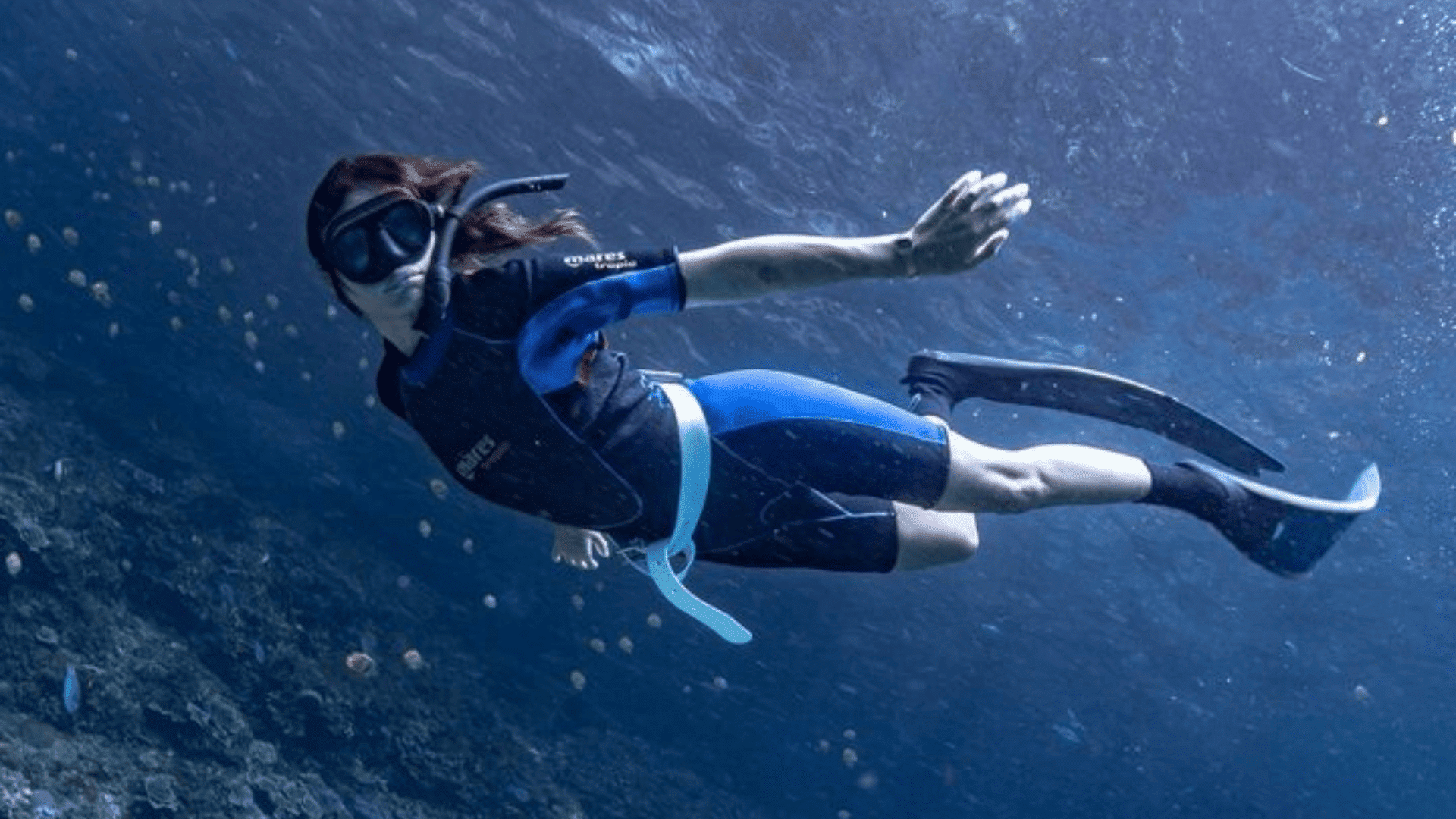
Free diving isn’t just about going deep; it also helps your body and mind in many positive ways. From better health to a calmer mind, this underwater sport can make a real difference in everyday life.
- Strengthens lungs and heart: Free diving helps your lungs use oxygen more efficiently and gives your heart a gentle workout as you swim.
- Improves focus and calm: You have to relax, control your breathing, and stay present. This can help reduce stress and improve concentration in everyday life.
- Builds fitness and flexibility: Swimming and kicking with fins work your core, legs, and overall stamina. Many free divers also stretch, which helps with balance and flexibility.
- Creates a deeper connection with nature: You can quietly watch fish, coral, and other sea creatures without noisy equipment, which often makes people care more about protecting the ocean.
- Boosts confidence and self-control: Learning to handle your breath, stay calm, and respect your limits makes you feel stronger and more confident with each dive.
Pros and Cons of Free Diving
Before you jump into free diving, it helps to see both the good sides and the challenges. This way, you can enjoy the sport while staying realistic and safe about what it involves.
| Pros | Cons |
|---|---|
| Builds strong lungs and heart | Requires proper training to stay safe |
| Helps you feel calm and focused | Risk of blackouts if you push too hard |
| Deepens your connection with nature | Not safe to do alone; you always need a buddy |
| Uses simple, light equipment | It can be tiring and challenging on the body at first |
| Boosts confidence and self-control | Some places have strong currents or poor visibility |
Bringing It All Together
Free diving is a simple idea with a powerful feeling: one breath, one dive, and a quiet moment underwater.
People have been doing it for a very long time, and today it’s both a sport and a relaxing hobby. If you want to try it, start slow and learn the basics the right way.
Use the proper gear, stay calm, and never dive alone. A trained buddy and good safety habits matter more than going deep.
When you do it safely, free diving can help you feel stronger, more focused, and more connected to the ocean.

One Response